Unwanted Furniture in Clifton, VA: 5 Practical Options
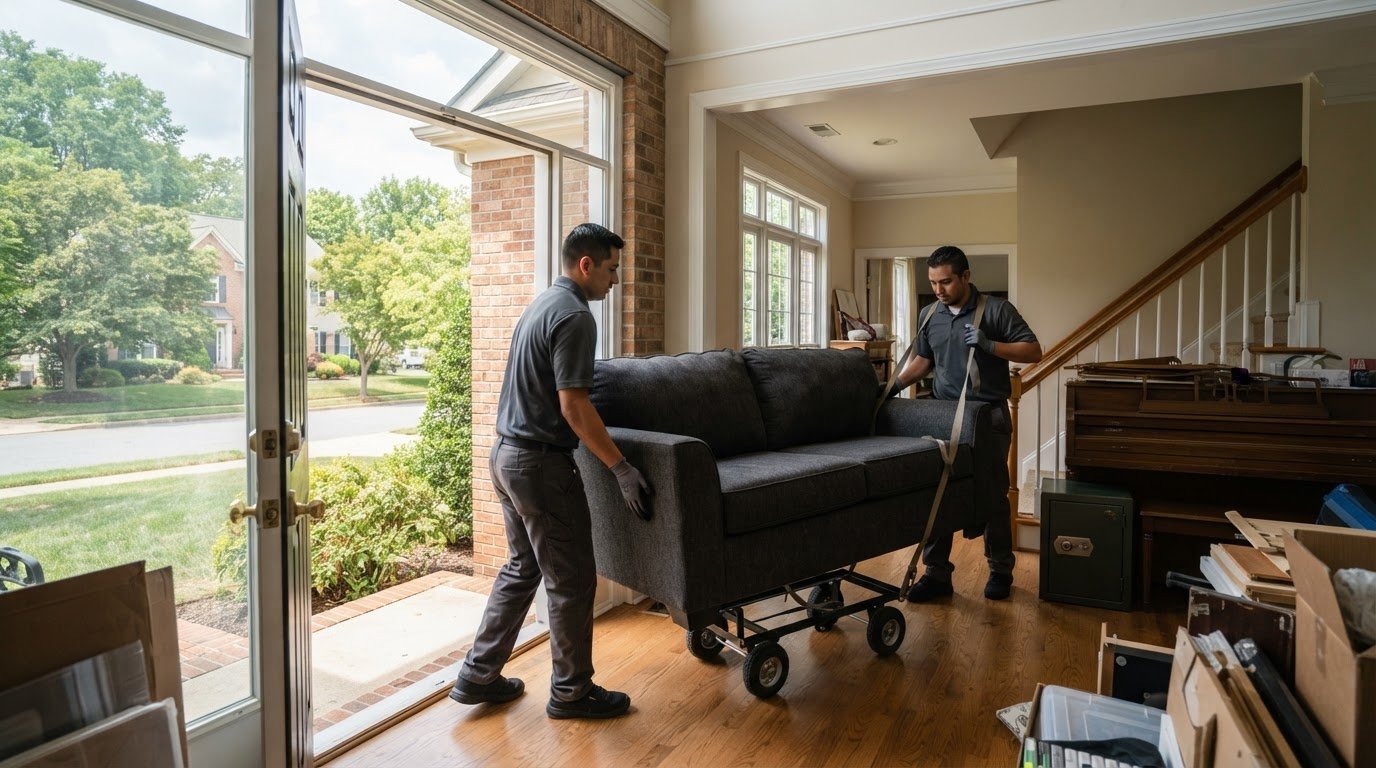
If you’re deciding what to do with unwanted furniture Clifton residents have several practical options. Start by considering the item’s condition, whether someone else can use it, and how difficult it will be to move. Choosing a destination before arranging transport can save time and effort.
It’s not always obvious whether a sofa is clean and sturdy enough to donate or likely to sell. Even when the next step is clear, moving a bulky piece down stairs or out of the house can turn a simple task into a difficult one. Donation pickups also require coordination and may not fit your schedule.
This guide compares donating, selling, giving away, reusing, and removing unwanted furniture in Clifton, Virginia. For each item, consider its condition, who will handle the handoff, and what the route out of your home looks like. Heavy Furniture Moving provides junk removal and help with bulky household items, so you can get help with the heavy lifting when it’s time to clear space.
Key Takeaways
- Choose what to do with unwanted furniture Clifton by matching each piece’s condition, usefulness, and moving effort to its next destination.
- Compare donating, selling, gifting, reusing, and professional removal to find an option that fits your timeline and the item.
- Usable furniture may still be declined, so consider condition, size, demand, transport, and current donation policies.
- Before pickup or disposal, plan the handoff and check current Fairfax County and applicable local instructions.
- For heavy or awkward furniture, residential moving and junk-removal help can take the strain out of clearing space.
Unwanted Furniture in Clifton: Start With the Item
Match each piece’s condition, usefulness, and moving effort to its next destination. Clean, functional furniture may be suitable for resale, gifting, donation, or reuse at home. Damaged or unstable furniture may need removal instead. If you’re weighing what to do with unwanted furniture Clifton, assess each item before arranging a pickup or trying to move it.
Start with a quick inventory. Note the condition and approximate dimensions of each piece. Then consider stairs, doorways, tight turns, and the route from its current room to the pickup point. These details help you choose a realistic option and avoid last-minute changes, such as finding out that an item won’t fit through the exit.
Is the furniture usable enough to pass along?
Check whether the item is stable, clean, and complete. Look for strong odors, stains, missing parts, loose joints, broken supports, and other visible damage. A small scratch may be cosmetic; a cracked frame or unstable leg can make the furniture less useful or unsuitable for someone else.
Take clear photos in good light, including close-ups of wear or damage. Photos help you describe the piece accurately in a resale or gifting post and give potential recipients a realistic view of its condition. They can also help when you’re planning removal.
If the furniture still has useful life left, consider whether another household could use it before you discard it. That’s the basic principle of reuse: keep an item in use where practical rather than treating every unwanted piece as waste. Donation organizations set their own acceptance rules, so good condition alone doesn’t guarantee acceptance.
How size and access affect the decision
Measure the item’s height, width, and depth. Check whether it comes apart into manageable sections, and keep track of any pieces or hardware needed to reassemble it. Then inspect the full route out: doorways, stair turns, elevators, and the path to the pickup spot can all affect how easily furniture can be moved.
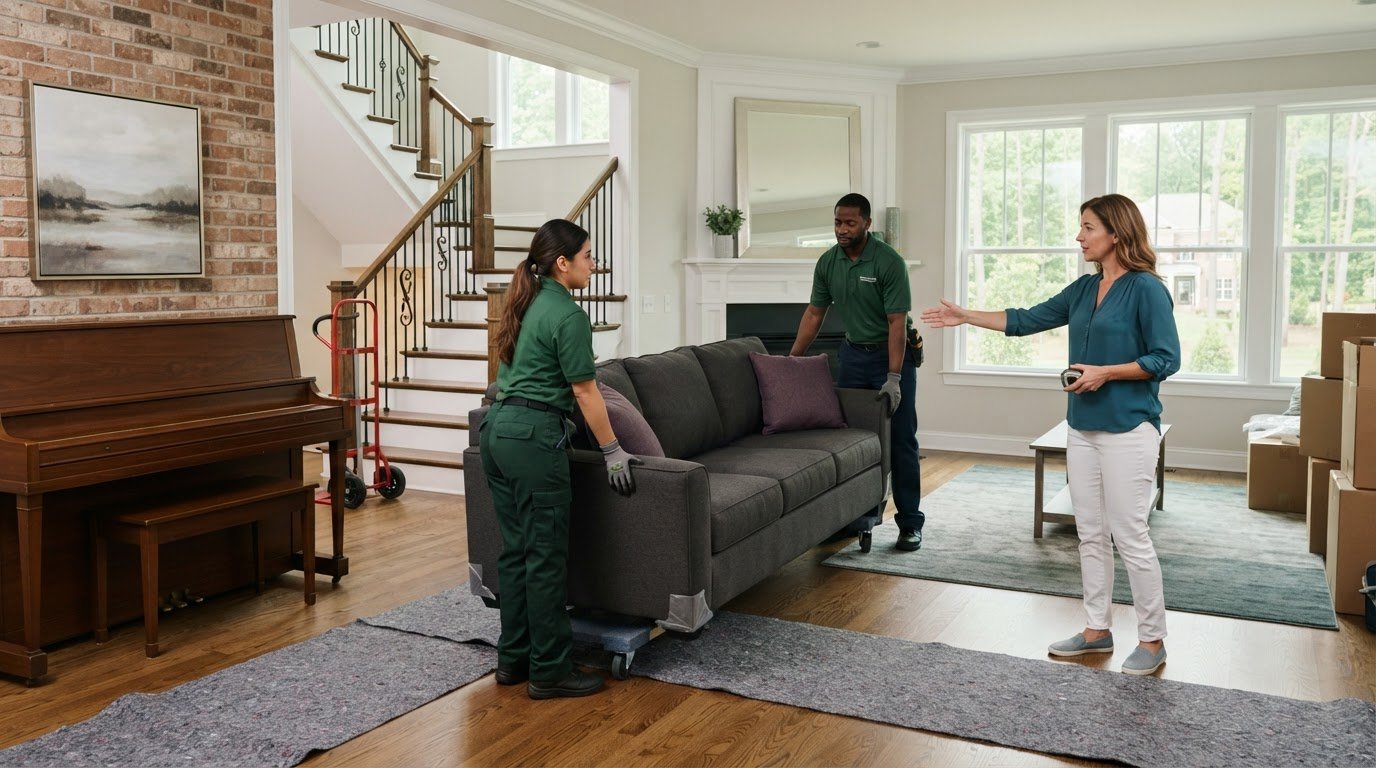
A compact chair that fits through the doorway may be straightforward to carry. A large sectional, solid wood dresser, or bulky bed frame can be much harder to move, especially around stairs or narrow turns. Flag heavy or awkward pieces early. If moving one safely requires more strength or help than you have, professional assistance with bulky furniture can reduce the physical strain and keep your plan on track.
Compare 5 Ways to Get Rid of Unwanted Furniture in Clifton
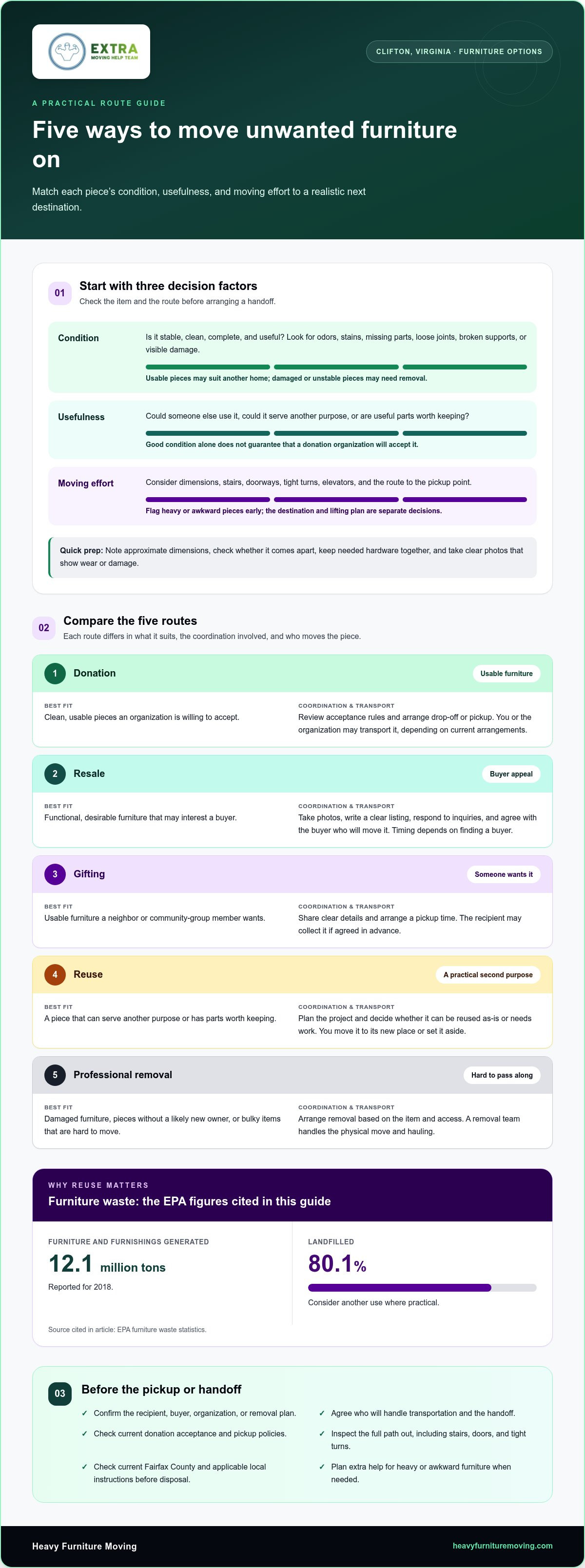
The right choice depends on the furniture’s condition, how soon you need it gone, and who can handle the move. Use this comparison to narrow down what to do with unwanted furniture Clifton residents can realistically choose for each item.
| Option | Best fit | Effort and timing | Who handles transportation? |
|---|---|---|---|
| Donation | Clean, usable furniture that an organization is willing to accept. | Review acceptance rules and arrange drop-off or pickup. Acceptance and pickup options vary. | You or the organization, depending on its current arrangements. |
| Resale | Functional, desirable pieces that may interest a buyer. | Take photos, write a clear listing, respond to inquiries, and coordinate a handoff. Timing depends on finding a buyer. | Agree with the buyer who will move the item and how. |
| Gifting | Usable furniture a neighbor or community-group member wants. | Post clear details and arrange a pickup time with the recipient. | The recipient may collect it if that’s agreed in advance. |
| Reuse | A piece that can serve another purpose or has parts worth keeping. | Plan the project and decide whether the item can be reused as-is or needs work. | You handle moving it to its new place or setting it aside for the project. |
| Professional removal | Damaged furniture, items without a likely new owner, or bulky pieces that are hard to move. | Arrange removal based on the item and access; this can reduce the lifting and hauling you take on. | A removal team handles the physical move. |
When donation, resale, or gifting makes sense
Donation is worth considering when a piece is usable and an organization accepts its condition, size, and type. Policies differ, so check whether the organization accepts the item and offers pickup before making plans. Selling can suit furniture with clear appeal if you’re prepared to manage messages and coordinate the handoff. Gifting through a local community group may be simpler when someone nearby wants the piece and can collect it.
When reuse or removal is more practical
Keep useful components or repurpose furniture if you have a realistic plan for them. If the piece is damaged or unlikely to find a new owner, removal may be more straightforward. The EPA reports that 12.1 million tons of furniture and furnishings were generated in 2018, with 80.1% landfilled, underscoring the value of considering another use where practical. See the EPA furniture waste statistics.
Decide on the destination separately from the lifting plan. A donation, sale, or reuse project can still involve carrying a heavy piece through tight spaces. For removal or help moving bulky furniture in Clifton, professional furniture removal help can take the physical work off your hands.
Is Donation Always the Best Choice for Unwanted Furniture?
No. A piece can be clean and usable yet fall outside an organization’s current needs or pickup rules. Donation is one possible route, not a guaranteed outcome. Condition, furniture type, dimensions, local demand, transportation, and the organization’s policies can all affect whether it’s accepted.
A practical answer to “what to do with unwanted furniture Clifton?” starts with finding out whether a specific recipient can use the item. Don’t load a heavy dresser or sofa into a vehicle based on a general assumption that a donation center accepts furniture. Review the organization’s current public instructions, including accepted items, condition requirements, drop-off details, and pickup arrangements.
What can prevent a donation from working out?
Acceptance rules differ. One organization may take a particular type of furniture while another may not. Upholstery, visible damage, oversized dimensions, or low demand can affect whether a piece is accepted. Pickup may also depend on the organization’s current program, route, staffing, and scheduling. Confirm the details before carrying furniture outside or arranging transport.
How to choose without wasting time
Describe the item honestly and share clear photos or measurements if the organization’s instructions allow it. Ask about the specific piece and the pickup or drop-off process through its current public channels. Have a backup plan in case donation doesn’t work out. You could offer the item to someone who can collect it, try resale, or arrange removal if it’s damaged or unsuitable for reuse.
Include the moving effort in your decision. A small side table may be easy to transport, while an upholstered sofa or large cabinet can be difficult to handle without help. The destination and lifting plan are separate choices: even furniture headed to a new owner may need careful moving through stairs, tight turns, or narrow doorways.
Quick pros and cons:
- Donation: Gives usable furniture a chance at another home, but acceptance and pickup depend on the organization’s current rules.
- Resale or gifting: May connect a useful item with a new owner, but you’ll need to coordinate interest, collection, and transport.
- Removal: Can be a straightforward option for damaged or unwanted pieces, though it doesn’t pass the item to a new owner.
Choose based on the actual piece, the recipient’s requirements, and your ability to move it. If the furniture is too heavy or awkward to handle, residential moving and junk-removal help can take the lifting out of your plan.
Plan Furniture Pickup or Disposal in Clifton, Virginia
A little preparation can prevent a missed handoff, a difficult carry, or an unnecessary trip with furniture the recipient can’t accept. Before arranging a donation, sale, or removal, document the item and its route out of your home. If you’re deciding what to do with unwanted furniture Clifton, keep the destination, transport plan, and current local instructions together.
What to prepare before arranging a handoff
- 1. Record the item details. Take clear photos and note approximate dimensions, material, condition, and whether it needs disassembly. Include visible damage so a potential recipient or removal team knows what to expect.
- 2. Confirm the handoff plan. Establish who will carry the furniture and where it will change hands. For a sale or gift, agree on collection arrangements with the recipient. For a donation, follow the organization’s current instructions before transporting the item.
- 3. Check the exit route. Consider stairs, tight turns, doorways, elevators, and the path to the pickup point. Clear hallways and move loose items out of the way before collection or transport.
- 4. Keep a backup option. A recipient may decline the item, or a pickup arrangement may not fit your timing. Decide in advance whether you’ll try another reuse route or arrange removal instead.
Clifton, VA details to verify before disposal
Clifton is in Fairfax County, Virginia, so don’t rely on disposal instructions meant for a different Clifton or another state. Check current Fairfax County recycling and trash guidance for applicable bulky-item or waste-disposal directions. Local instructions can change, so confirm the current process before placing furniture out or transporting it.
Donation plans need the same care. Review the intended organization’s current public guidance for accepted furniture, condition requirements, drop-off details, and pickup arrangements. Verify the operating details directly before loading a large piece into a vehicle. Donation is only a workable option if the organization can accept the item and the transport plan fits your situation.
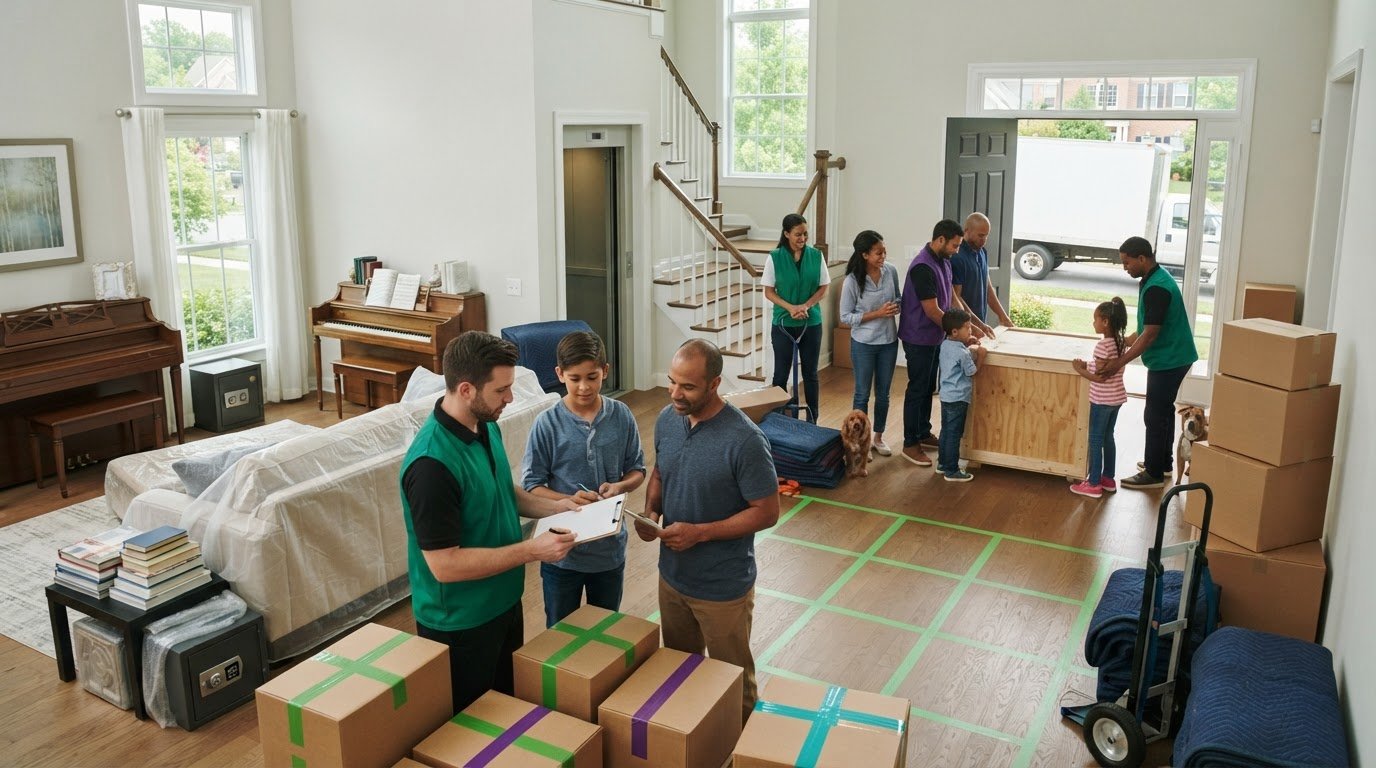
If the item is heavy or awkward, plan the lift separately from its destination. You may choose donation, resale, or removal and still need help getting furniture through the home. For residential moving help in the area, see reliable movers serving Fairfax and Northern Virginia. If you need help with bulky furniture in Clifton, arrange professional furniture-moving help and keep the handoff plan straightforward.
Get Help Removing Heavy Unwanted Furniture in Clifton
A bulky item can be difficult to move even after you’ve decided where it should go. Professional help is useful when furniture is awkward to grip, made of heavy materials, needs to pass down stairs or around tight turns, or won’t fit in a suitable vehicle. You don’t have to risk straining yourself or damaging walls to clear a room.
For residents weighing what to do with unwanted furniture Clifton, separate the destination from the lifting plan. If someone will reuse the piece, moving help can assist with getting it out of the home. If the furniture has no realistic new owner or isn’t suitable to pass along, junk removal may be more practical. Heavy Furniture Moving provides residential moving help, junk removal, and specialized handling for bulky household items in Clifton.
What professional furniture removal can simplify
Heavy-item movers can take on difficult lifting and transport as part of a planned job. This can help with a large dresser, sofa, or other bulky piece that’s hard to maneuver through the home. Junk removal is a separate option for furniture you’re ready to remove rather than pass to a new owner. Choose this route based on your intended outcome, since removal is not the same as arranging a donation.
How to make the next step straightforward
Before arranging help, gather a few details about the work. An item list and access notes make it easier to plan and reduce surprises.
- List each piece and note the approximate dimensions, condition, and whether it comes apart.
- Describe the route out, including stairs, narrow doorways, tight turns, elevators, and the distance to the pickup point.
- Share access details that could affect handling, such as a limited path through the room or a difficult exit.
Be clear about what needs to go and what makes it challenging to move. That gives the team a better picture of the furniture and the work involved. Heavy Furniture Moving serves Clifton with residential moving help and junk removal, so you can focus on clearing space instead of tackling an awkward lift alone.
Get help with unwanted furniture in Clifton and make a practical plan for the heavy lifting and removal.
What to Do With Unwanted Furniture Clifton: Choose a Clear Next Step
The best option depends on each piece. Clean, functional furniture may be suitable for donation, resale, gifting, or reuse, but check the recipient’s current acceptance rules before arranging transport. For damaged items or pieces without a likely new owner, removal may be more practical.
Before setting up a handoff, note the furniture’s condition and size, confirm who will move it, and consider stairs and access. This simple plan can prevent extra coordination and help you decide what to do with unwanted furniture Clifton residents need to clear from their homes.
Heavy Furniture Moving serves Clifton, Virginia, with residential junk removal and help moving heavy, bulky household items. If lifting or hauling is holding you back, get help clearing unwanted furniture in Clifton.
Frequently Asked Questions
What can I do with unwanted furniture in Clifton, VA?
You can donate, sell, give away, reuse, or arrange removal, depending on the item and your plans. Clean, functional furniture may suit a new owner, while damaged or unstable pieces may be better removed. Check a donation organization’s current acceptance rules before transporting anything. If you’re asking what to do with unwanted furniture Clifton residents can start by assessing condition, size, and how difficult the item will be to move.
Can I donate furniture if it has visible wear?
Possibly, but visible wear doesn’t guarantee acceptance. A small scratch may not affect an item’s use, while stains, strong odors, missing parts, loose joints, or structural damage may make it unsuitable. Donation organizations set their own rules, and policies can vary by furniture type and size. Take clear photos and check the receiving organization’s current guidance before arranging drop-off or pickup.
Is it better to donate, sell, or remove unwanted furniture?
There’s no single best option for every item. Donation can work for usable furniture an organization accepts. Selling may suit functional pieces if you can manage inquiries and coordinate the handoff. Removal is practical for damaged items or furniture without a likely new owner. Compare each route based on the item’s condition, your timeline, transport needs, and how much coordination you can take on.
How do I arrange furniture pickup in Clifton, Virginia?
First, choose the destination and confirm its current pickup or drop-off instructions. Share the item’s approximate dimensions, condition, and photos if requested. Agree on who will carry it and where the handoff will happen. Note stairs, tight turns, elevators, and the route to the pickup point. For disposal, check current Fairfax County and applicable local guidance before putting furniture out or transporting it.
What happens if a donation center will not accept my furniture?
Choose a backup instead of letting the item stall your clear-out. If it’s clean and functional, you could offer it to someone through a community group or try resale. If it’s damaged or no one wants it, consider removal. Don’t assume another organization follows the same acceptance rules. Confirm its current instructions before making another trip, especially if the furniture is large or difficult to carry.
Can movers help remove one heavy piece of furniture?
Yes. Heavy Furniture Moving helps with heavy and bulky household items in Clifton and serves Fairfax, Woodbridge, Manassas, Manassas Park, Aldie, Ashburn, McLean, Vienna, Reston, Centreville, Chantilly, Dumfries, South Riding, Fairfax Station, Haymarket, and Gainesville. Residential moving help can assist with difficult lifting, while junk removal suits items you’re removing rather than passing on. Share the item and access details when planning the job.
How should I prepare furniture for pickup or removal?
Make a short list of each item and note its approximate size, material, condition, and whether it needs disassembly. Take clear photos, then describe stairs, narrow doorways, tight turns, elevators, and the route to the pickup point. Confirm who will carry the furniture and where the handoff will happen. Clear hallways and the exit path before the planned collection or transport.
Frequently Asked Questions
Check whether the item is stable, clean, and complete. Look for strong odors, stains, missing parts, loose joints, broken supports, and other visible damage. A small scratch may be cosmetic; a cracked frame or unstable leg can make the furniture less useful or unsuitable for someone else. Take clear photos in good light, including close-ups of wear or damage. Photos help you describe the piece accurately in a resale or gifting post and give potential recipients a realistic view of its condition. They can also help when you’re planning removal. If the furniture still has useful life left, consider whether another household could use it before you discard it. That’s the basic principle of reuse: keep an item in use where practical rather than treating every unwanted piece as waste. Donation organizations set their own acceptance rules, so good condition alone doesn’t guarantee acceptance.
Acceptance rules differ. One organization may take a particular type of furniture while another may not. Upholstery, visible damage, oversized dimensions, or low demand can affect whether a piece is accepted. Pickup may also depend on the organization’s current program, route, staffing, and scheduling. Confirm the details before carrying furniture outside or arranging transport.
You can donate, sell, give away, reuse, or arrange removal, depending on the item and your plans. Clean, functional furniture may suit a new owner, while damaged or unstable pieces may be better removed. Check a donation organization’s current acceptance rules before transporting anything. If you’re asking what to do with unwanted furniture Clifton residents can start by assessing condition, size, and how difficult the item will be to move.
Possibly, but visible wear doesn’t guarantee acceptance. A small scratch may not affect an item’s use, while stains, strong odors, missing parts, loose joints, or structural damage may make it unsuitable. Donation organizations set their own rules, and policies can vary by furniture type and size. Take clear photos and check the receiving organization’s current guidance before arranging drop-off or pickup.
There’s no single best option for every item. Donation can work for usable furniture an organization accepts. Selling may suit functional pieces if you can manage inquiries and coordinate the handoff. Removal is practical for damaged items or furniture without a likely new owner. Compare each route based on the item’s condition, your timeline, transport needs, and how much coordination you can take on.
First, choose the destination and confirm its current pickup or drop-off instructions. Share the item’s approximate dimensions, condition, and photos if requested. Agree on who will carry it and where the handoff will happen. Note stairs, tight turns, elevators, and the route to the pickup point. For disposal, check current Fairfax County and applicable local guidance before putting furniture out or transporting it.
Choose a backup instead of letting the item stall your clear-out. If it’s clean and functional, you could offer it to someone through a community group or try resale. If it’s damaged or no one wants it, consider removal. Don’t assume another organization follows the same acceptance rules. Confirm its current instructions before making another trip, especially if the furniture is large or difficult to carry.
Yes. Heavy Furniture Moving helps with heavy and bulky household items in Clifton and serves Fairfax, Woodbridge, Manassas, Manassas Park, Aldie, Ashburn, McLean, Vienna, Reston, Centreville, Chantilly, Dumfries, South Riding, Fairfax Station, Haymarket, and Gainesville. Residential moving help can assist with difficult lifting, while junk removal suits items you’re removing rather than passing on. Share the item and access details when planning the job.
Make a short list of each item and note its approximate size, material, condition, and whether it needs disassembly. Take clear photos, then describe stairs, narrow doorways, tight turns, elevators, and the route to the pickup point. Confirm who will carry the furniture and where the handoff will happen. Clear hallways and the exit path before the planned collection or transport.