The Hidden Costs of a DIY Piano Move: What to Consider Before You Lift
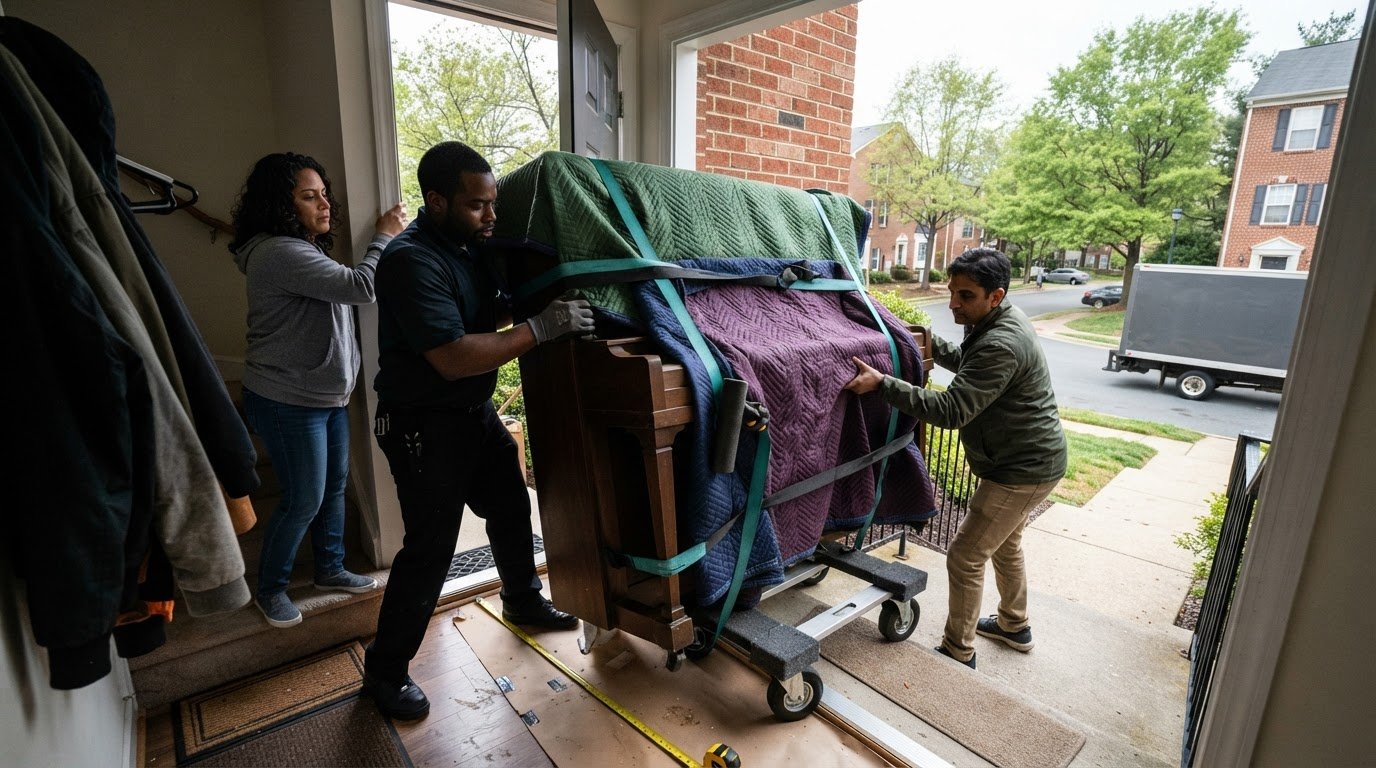
What if a “free” piano move starts costing you before the piano leaves the house? The hidden costs of a DIY piano move can include a vehicle, suitable equipment, protective materials, and repairs if the instrument, floors, stairs, or doorways are damaged. Angi reports that renting moving equipment such as dollies and blankets can cost $50 to $100, before you count your time or the physical demands on your helpers.
It makes sense to consider moving it yourself. You may already have a truck, willing friends, and a piano that only needs to go across town. But a heavy instrument can be difficult to control through tight turns and stairways. Without suitable equipment and a clear plan, you may put people and property at risk.
This guide lays out the full cost picture so you can compare DIY with professional help using practical criteria. You’ll consider equipment and transport expenses, possible damage and injury, access challenges, and the number of capable helpers you’ll need. Then you can choose a plan that fits your piano and home, including whether professional piano-moving help in Northern Virginia makes sense for your situation.
Key Takeaways
- Count equipment, vehicle arrangements, protective materials, and time when estimating the hidden costs of a DIY piano move.
- Check how tight turns, stairs, and poor route planning could put the piano, your home, and your helpers at risk.
- Compare DIY and professional help by equipment, coordination, handling, time, and responsibility, not just the upfront expense.
- Measure both routes and note piano details, stairs, parking, and access restrictions before booking a vehicle or asking for help.
- Choose a plan that fits your piano, route, available helpers, and comfort with risk. Confirm local piano-moving availability if you need expert help.
The hidden costs of a DIY piano move start before moving day
Moving a piano yourself may seem like a way to avoid a mover’s labor charge, but labor is only one part of the plan. You may still need to arrange suitable equipment and a vehicle, gather protective materials, and coordinate helpers. You’ll also spend time preparing the route, loading, driving, unloading, and returning rentals. Which expenses apply depends on the piano, the route, the people available, and access at both homes.
Quote-ready takeaway: “DIY piano moving has visible expenses, such as equipment and vehicle arrangements, plus less obvious costs in time and potential damage exposure.” Include both when deciding whether doing it yourself makes sense.
Which DIY piano-moving expenses are easy to overlook?
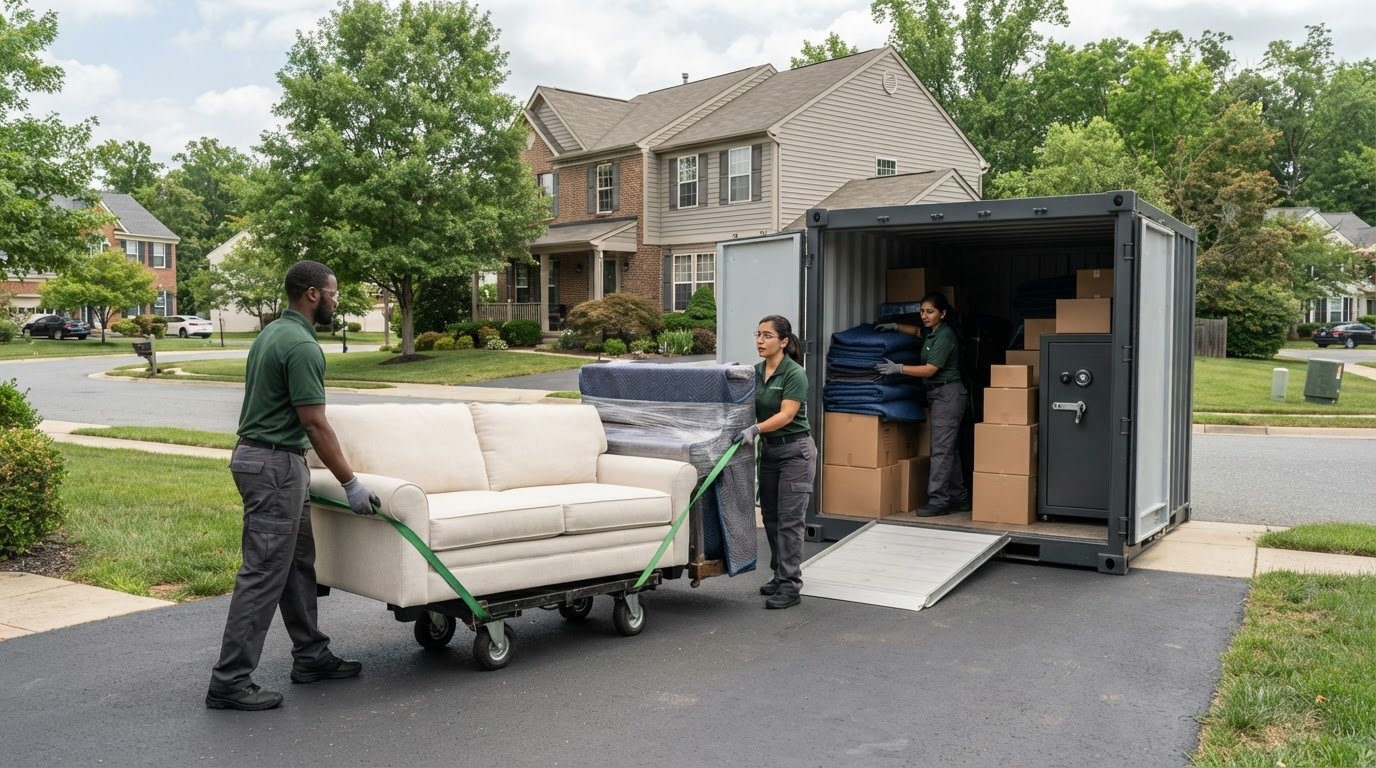
Start by checking what you already have and what you would need to rent or borrow. A suitable piano dolly, secure straps, and moving blankets may be part of the equipment plan. But equipment that looks similar is not necessarily suitable for your piano. Plan the vehicle, loading access, and how you’ll protect the instrument during transport.
There’s also the coordination behind the lift. Helpers need to be available at the same time, and the move may take longer if the route is awkward or the vehicle isn’t ready. Include travel to pick up rentals, loading and unloading, and the return trip for borrowed or rented equipment. Your needs will depend on the piano type, distance, access, and supplies you already have.
How do the piano and home change the moving plan?
An upright and a grand piano aren’t interchangeable loads. Their shape and construction affect how they fit through a route and what planning the move requires. Review the types of pianos to identify your instrument, then plan around its specific dimensions and handling needs instead of guessing from appearance.
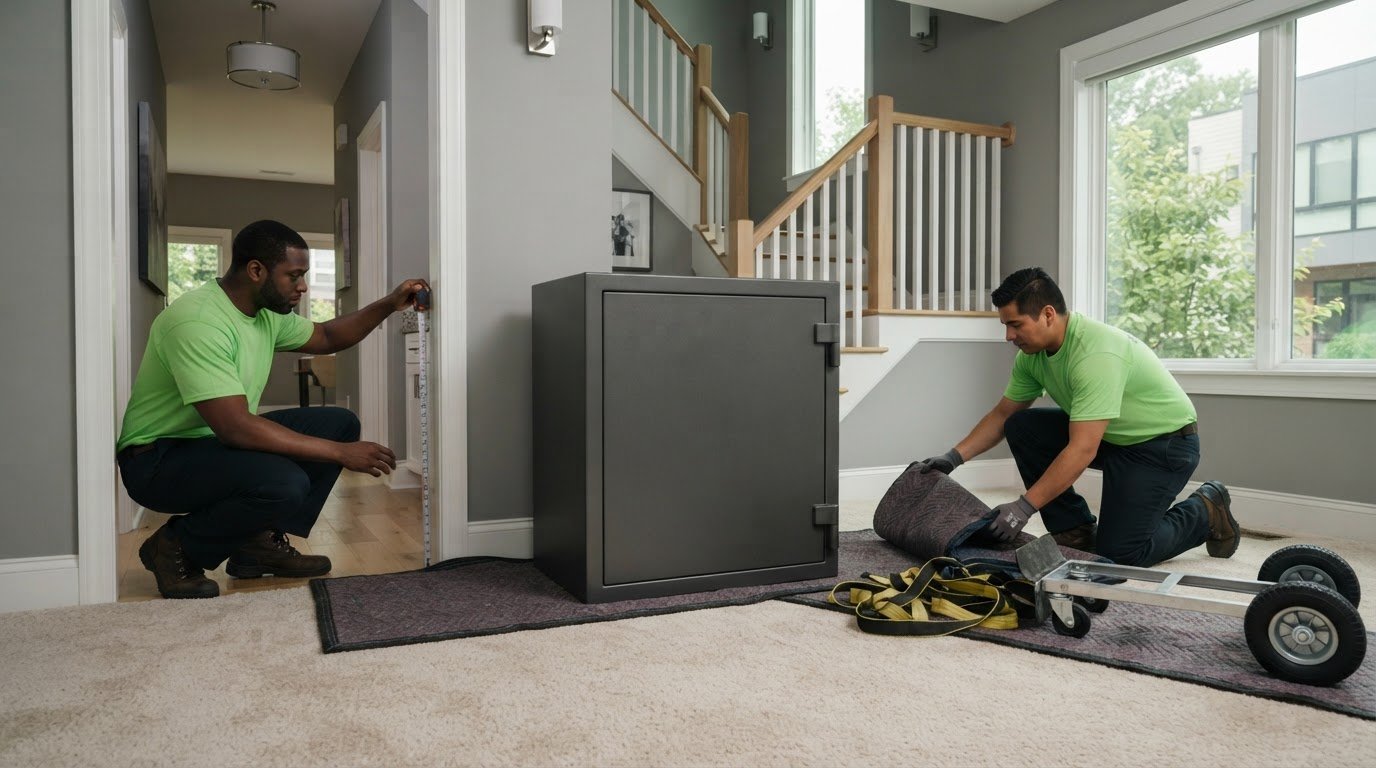
Measure before choosing a method. Check the narrowest doorway, every turn, stairs and landings, and the final space at the destination. Look for obstacles along the entire route, not just at the entrance. A piano that clears the front door may still be difficult to maneuver around a tight hallway corner or stair landing.
Homes in Fairfax and nearby communities can present very different access challenges. A townhome may have stairs or narrow turns, an apartment may involve shared hallways or building access limits, and a detached home may offer a more direct path but still have tight doorways or steps. Map both addresses before committing to a vehicle or asking helpers to lift. If the piano or route raises doubts, pause and consider whether professional piano-moving help is a better fit.
Why a piano move can create repair, injury, and time costs
The hidden costs of a DIY piano move aren’t limited to what you rent or buy. A slip, scrape, or badly timed lift could damage the instrument or the home. A move that takes longer than expected can also disrupt the rest of your day. These outcomes aren’t inevitable, but they’re risks to weigh before anyone starts lifting.
A piano move differs from shifting ordinary furniture because its size, shape, and delicate parts call for controlled handling along the entire route.
What damage risks should owners consider?
Consider both cosmetic damage and possible harm to the instrument. A bump against a doorway could scratch the finish, while jostling or an uncontrolled tilt may affect internal components. Contact with the piano or moving equipment can also mark floors, walls, door frames, and stair edges. Tight turns, uneven surfaces, and unprotected contact points leave less room for error.
Before the move, photograph the piano from several angles and note existing marks or concerns along both routes. Clear the path and inspect corners, thresholds, and floor transitions. This record helps you distinguish pre-existing wear from anything you notice afterward. It won’t prevent damage, but it gives you a clearer before-and-after reference.
People face risks, too. An awkward grip, sudden shift, or unclear instruction can strain muscles or make a load harder to control. Review Stanford University’s guidance on proper lifting techniques, and remember that good lifting form is not a substitute for a suitable plan, equipment, and capable helpers.
How can a DIY move consume more time than expected?
The lift is only one part of moving day. You may need to confirm the route, recruit and coordinate helpers, prepare access at both locations, load and secure the piano, drive, unload, and return rented equipment. If a doorway is tighter than expected or access isn’t ready, the group may need to stop and reassess rather than press ahead.
Extra time can push back other plans, keep helpers waiting, or complicate vehicle arrangements. Setup and transport needs depend on the piano, distance, access, and what’s already prepared. Allow time for planning and unexpected obstacles, not just the drive.
If the handling or access feels beyond your group, consider whether professional heavy lifting help suits your situation. You can learn about heavy lifting moving help and confirm directly whether piano handling is available for your location.
DIY piano move vs. professional help: compare the full trade-offs
The hidden costs of a DIY piano move are easier to assess when you compare the same factors on both sides. A straightforward route and prepared team may make DIY feel manageable. Stairs, tight turns, limited help, or uncertainty about equipment may shift the balance toward professional support. Neither option removes every risk, so look beyond the initial expense.
| Factor | DIY move | Professional help |
|---|---|---|
| Equipment | You arrange suitable equipment and protective materials, or confirm what you can safely borrow. | Ask what equipment and materials the provider will bring and what, if anything, you must supply. |
| Coordination | You organize the helpers, vehicle, timing, access, and equipment returns. | The provider handles the agreed moving work. Confirm what coordination remains your responsibility. |
| Handling | Your group takes responsibility for managing the instrument and route. | Specialist handling may suit a challenging piano or access situation, but it isn’t a guarantee against damage. |
| Time | Planning, travel, setup, loading, unloading, and unexpected obstacles all take your time. | Ask what the service includes and how timing depends on your piano and access. |
| Responsibility | You manage the move and assess the risks to people, piano, and property. | Review the written scope and verify coverage details directly with the provider. |
If your route is difficult or you’re unsure your team can manage the move, discuss the piano and access details with a professional before deciding. Ask what support is available for your location and what the service includes.
When might a DIY piano move be manageable?
DIY may be worth considering if you know the piano type, have a clear route at both homes, can arrange suitable equipment, and have capable helpers who understand the demands of the move. Check every access point, not just the front door. If you can’t plan a controlled move from start to finish, don’t press ahead simply because help is available.
When is professional piano-moving help worth considering?
Stairs, narrow turns, difficult access, or too few capable helpers can make specialist support worth exploring. It may reduce the coordination burden, but don’t assume any provider can guarantee a damage-free move. Compare the scope in writing, including what handling is included and what coverage applies. Heavy Furniture Moving lists piano handling among its specialized heavy-item services. Confirm current availability and coverage for your location before relying on it.
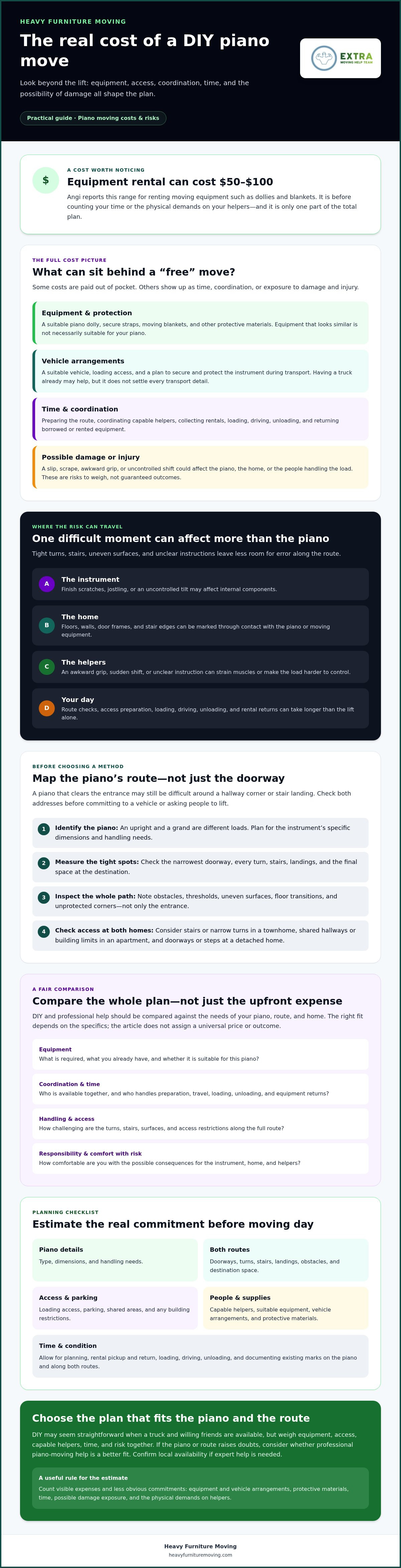
Use this checklist to estimate your DIY piano move's real commitment
Before booking a vehicle or asking people to help, write down what the move involves. A clear checklist can expose missing information early, while there’s still time to confirm access, equipment, and other arrangements. It also gives you a useful basis for comparing a DIY plan with professional help.
- Piano: Record whether it’s an upright or grand, note its dimensions if available, and photograph its current condition.
- Addresses: Write down the pickup and destination addresses, plus any travel or parking considerations at each location.
- Routes: Measure narrow doorways, hallways, turns, stairs, and landings along the path from the piano’s current position to the vehicle, then from the vehicle to its destination.
- Building access: Check elevator access, entry procedures, parking limits, and any requirements set by a property manager or building staff.
- Resources: List available equipment and protective materials, capable helpers, vehicle arrangements, and a backup plan if access or timing changes.
A realistic DIY estimate includes preparation, transport, time, and risk. These categories capture more than the obvious vehicle or equipment arrangements. They also show what still needs checking before you commit to the move.
What should you confirm before moving day?
Walk the full route at both locations and measure potential pinch points, including turns and thresholds. Confirm building access, elevator availability, parking, and property-manager requirements directly instead of relying on assumptions. Then check with vehicle and equipment providers that the arrangements suit your piano and route. If any measurement, access detail, or equipment requirement is uncertain, resolve it before recruiting helpers or booking.
How can you compare professional estimates fairly?
Give each provider the same piano details, addresses, measurements, stairs, parking information, and access restrictions. Ask what the estimate includes for handling, transport, access planning, loading, and unloading. Request written clarification about exclusions, responsibility, and any applicable coverage, then verify those terms with the provider. Compare the scope and fit, rather than assuming either option has a price advantage.
If your checklist reveals tight access, unanswered equipment questions, or more coordination than you want to manage, discuss the move with a professional. Ask about piano-moving help and confirm availability for your location and specific access conditions.
Choose a safer piano-moving plan for your Northern Virginia home
The right plan depends on four things: the piano, the route, the help you can reliably arrange, and the level of risk you’re prepared to take. A move with clear access and a well-prepared team may feel manageable. If the route includes stairs, tight turns, or uncertain access, getting expert input can help you make a more informed choice before moving day.
The hidden costs of a DIY piano move are easier to weigh once you’ve checked the equipment, time, coordination, and possible risks involved. Heavy Furniture Moving lists piano handling among its specialized heavy-item services. If you’re in Fairfax, Woodbridge, Manassas, or a nearby Northern Virginia community, confirm current availability for your location and ask what the service covers.
What details should you share when requesting piano-moving help?
Start with the instrument and the route. Share whether it’s an upright or grand, the current and destination locations, and any known measurements. Describe stairs, narrow turns, entrances, landings, elevators, parking, and other access challenges. Photos of tight areas can make the situation easier to explain.
Ask direct questions before making arrangements: What handling and preparation are included? What should you do before the move? How will timing be determined? Which terms, exclusions, or coverage details should you review in writing? Clear answers help you compare options and avoid assumptions about what’s included.
How can local expertise simplify a difficult move?
A conversation about the home’s access and the piano’s specific needs can surface planning questions before the instrument is moved. Share details about both locations, not just the pickup. A provider can then explain whether the work fits its current service scope and what additional information is needed. That discussion may reduce your coordination burden, though it can’t guarantee a damage-free move.
Heavy Furniture Moving serves Northern Virginia communities, including Fairfax, Woodbridge, and Manassas, and describes specialized handling for pianos and other heavy household items. Confirm current piano-moving availability, location coverage, service details, and written terms directly with the provider before making plans.
Need help deciding? Describe your piano, the stairs or access challenges, and both move locations when you reach out. You’ll have a clearer starting point for discussing whether professional help fits your move.
Make your next piano move a safer, clearer plan
The hidden costs of a DIY piano move include more than equipment and transport. Time, coordination, and the risk of damage or injury also belong in your decision. Before choosing, match the plan to your piano, access at both homes, the help you can count on, and the risks you’re comfortable taking.
A careful checklist can reveal whether your route and resources make a DIY move manageable. If stairs, tight turns, or equipment needs leave you uncertain, professional help may be worth discussing. Heavy Furniture Moving provides specialized handling for pianos and other heavy household items, and serves Fairfax, Woodbridge, Manassas, and surrounding Northern Virginia communities. Confirm current piano-moving availability and coverage for your location.
Share your piano type, move locations, and any access challenges to start the conversation. Tell Heavy Furniture Moving about your piano and move, then ask about service scope and written terms. With a clear plan, you can move forward with greater confidence.
Frequently Asked Questions
Is moving a piano yourself cheaper than hiring professional movers?
It can be, but compare the full commitment rather than labor alone. Add equipment, vehicle arrangements, protective materials, travel, helper coordination, and time to your estimate. Also consider possible damage to the piano or home and the physical demands on your team. A clear route and suitable resources may make DIY more manageable, while stairs, tight access, or limited help can make professional support worth comparing.
What are the hidden costs of a DIY piano move?
The hidden costs of a DIY piano move can include renting or borrowing suitable equipment, arranging a vehicle, getting protective materials, coordinating helpers, and spending time on preparation and transport. You may also need to account for returning rented gear and resolving unexpected access problems. Damage to the instrument or home, or an injury during handling, is a risk to assess, not an inevitable outcome.
Can you move an upright piano without professional movers?
Possibly, if the piano, route, equipment, and available helpers make a controlled move realistic. An upright is still a large, awkward instrument, and a short distance doesn’t automatically make it easy to handle. Check doorways, turns, stairs, and both destinations before committing. If you can’t confidently plan the route and handling, don’t proceed just because you’ve found people willing to help.
How much does it cost to move a piano yourself?
There isn’t one reliable total for every DIY move. Your expenses depend on what you already have, the distance, piano type, and access at both homes. Build an estimate that includes equipment, vehicle arrangements, protective materials, travel, and time to prepare, load, unload, and return rentals. For comparison, request a written professional estimate using the same piano and access details, then compare what each option includes.
What happens if a piano is damaged during a DIY move?
You may need to arrange an assessment and repair, and damage could involve the finish, internal components, or nearby property. Photograph the piano and note existing marks before moving it. If damage occurs, document what you see and contact a qualified piano technician for instrument concerns. Check your homeowner’s policy rather than assuming DIY damage is covered, and review any relevant written terms or coverage details.
Do piano movers need to know about stairs and narrow hallways?
Yes. Share stairs, narrow hallways, tight turns, landings, entrances, elevator access, and parking conditions before the move is planned. These details help a provider assess the route and clarify what preparation or handling the job may require. Measure tight spots and provide clear descriptions or photos when possible. Don’t assume a piano will fit because it cleared the front entrance; the full path matters.
How do I decide between a DIY piano move and hiring movers?
Match the plan to the piano, access route, capable help, available equipment, and risks you’re willing to take. DIY may suit a well-planned move with a clear route and prepared team. Consider professional help if access is difficult or coordination feels beyond your group. Heavy Furniture Moving lists piano handling and serves Fairfax, Woodbridge, Manassas, Manassas Park, Aldie, Ashburn, McLean, Vienna, Reston, Centreville, Chantilly, Clifton, Dumfries, South Riding, Fairfax Station, Haymarket, and Gainesville. Confirm current availability for your location.
Frequently Asked Questions
Start by checking what you already have and what you would need to rent or borrow. A suitable piano dolly, secure straps, and moving blankets may be part of the equipment plan. But equipment that looks similar is not necessarily suitable for your piano. Plan the vehicle, loading access, and how you’ll protect the instrument during transport. There’s also the coordination behind the lift. Helpers need to be available at the same time, and the move may take longer if the route is awkward or the vehicle isn’t ready. Include travel to pick up rentals, loading and unloading, and the return trip for borrowed or rented equipment. Your needs will depend on the piano type, distance, access, and supplies you already have.
An upright and a grand piano aren’t interchangeable loads. Their shape and construction affect how they fit through a route and what planning the move requires. Review the types of pianos to identify your instrument, then plan around its specific dimensions and handling needs instead of guessing from appearance. Measure before choosing a method. Check the narrowest doorway, every turn, stairs and landings, and the final space at the destination. Look for obstacles along the entire route, not just at the entrance. A piano that clears the front door may still be difficult to maneuver around a tight hallway corner or stair landing. Homes in Fairfax and nearby communities can present very different access challenges. A townhome may have stairs or narrow turns, an apartment may involve shared hallways or building access limits, and a detached home may offer a more direct path but still have tight doorways or steps. Map both addresses before committing to a vehicle or asking helpers to lift. If the piano or route raises doubts, pause and consider whether professional piano-moving help is a better fit. The hidden costs of a DIY piano move aren’t limited to what you rent or buy. A slip, scrape, or badly timed lift could damage the instrument or the home. A move that takes longer than expected can also disrupt the rest of your day. These outcomes aren’t inevitable, but they’re risks to weigh before anyone starts lifting. A piano move differs from shifting ordinary furniture because its size, shape, and delicate parts call for controlled handling along the entire route.
Consider both cosmetic damage and possible harm to the instrument. A bump against a doorway could scratch the finish, while jostling or an uncontrolled tilt may affect internal components. Contact with the piano or moving equipment can also mark floors, walls, door frames, and stair edges. Tight turns, uneven surfaces, and unprotected contact points leave less room for error. Before the move, photograph the piano from several angles and note existing marks or concerns along both routes. Clear the path and inspect corners, thresholds, and floor transitions. This record helps you distinguish pre-existing wear from anything you notice afterward. It won’t prevent damage, but it gives you a clearer before-and-after reference. People face risks, too. An awkward grip, sudden shift, or unclear instruction can strain muscles or make a load harder to control. Review Stanford University’s guidance on proper lifting techniques, and remember that good lifting form is not a substitute for a suitable plan, equipment, and capable helpers.
The lift is only one part of moving day. You may need to confirm the route, recruit and coordinate helpers, prepare access at both locations, load and secure the piano, drive, unload, and return rented equipment. If a doorway is tighter than expected or access isn’t ready, the group may need to stop and reassess rather than press ahead. Extra time can push back other plans, keep helpers waiting, or complicate vehicle arrangements. Setup and transport needs depend on the piano, distance, access, and what’s already prepared. Allow time for planning and unexpected obstacles, not just the drive. If the handling or access feels beyond your group, consider whether professional heavy lifting help suits your situation. You can learn about heavy lifting moving help and confirm directly whether piano handling is available for your location. The hidden costs of a DIY piano move are easier to assess when you compare the same factors on both sides. A straightforward route and prepared team may make DIY feel manageable. Stairs, tight turns, limited help, or uncertainty about equipment may shift the balance toward professional support. Neither option removes every risk, so look beyond the initial expense. If your route is difficult or you’re unsure your team can manage the move, discuss the piano and access details with a professional before deciding. Ask what support is available for your location and what the service includes.
DIY may be worth considering if you know the piano type, have a clear route at both homes, can arrange suitable equipment, and have capable helpers who understand the demands of the move. Check every access point, not just the front door. If you can’t plan a controlled move from start to finish, don’t press ahead simply because help is available.
Stairs, narrow turns, difficult access, or too few capable helpers can make specialist support worth exploring. It may reduce the coordination burden, but don’t assume any provider can guarantee a damage-free move. Compare the scope in writing, including what handling is included and what coverage applies. Heavy Furniture Moving lists piano handling among its specialized heavy-item services. Confirm current availability and coverage for your location before relying on it. Before booking a vehicle or asking people to help, write down what the move involves. A clear checklist can expose missing information early, while there’s still time to confirm access, equipment, and other arrangements. It also gives you a useful basis for comparing a DIY plan with professional help. A realistic DIY estimate includes preparation, transport, time, and risk. These categories capture more than the obvious vehicle or equipment arrangements. They also show what still needs checking before you commit to the move.
Walk the full route at both locations and measure potential pinch points, including turns and thresholds. Confirm building access, elevator availability, parking, and property-manager requirements directly instead of relying on assumptions. Then check with vehicle and equipment providers that the arrangements suit your piano and route. If any measurement, access detail, or equipment requirement is uncertain, resolve it before recruiting helpers or booking.
Give each provider the same piano details, addresses, measurements, stairs, parking information, and access restrictions. Ask what the estimate includes for handling, transport, access planning, loading, and unloading. Request written clarification about exclusions, responsibility, and any applicable coverage, then verify those terms with the provider. Compare the scope and fit, rather than assuming either option has a price advantage. If your checklist reveals tight access, unanswered equipment questions, or more coordination than you want to manage, discuss the move with a professional. Ask about piano-moving help and confirm availability for your location and specific access conditions. The right plan depends on four things: the piano, the route, the help you can reliably arrange, and the level of risk you’re prepared to take. A move with clear access and a well-prepared team may feel manageable. If the route includes stairs, tight turns, or uncertain access, getting expert input can help you make a more informed choice before moving day. The hidden costs of a DIY piano move are easier to weigh once you’ve checked the equipment, time, coordination, and possible risks involved. Heavy Furniture Moving lists piano handling among its specialized heavy-item services. If you’re in Fairfax, Woodbridge, Manassas, or a nearby Northern Virginia community, confirm current availability for your location and ask what the service covers.
Start with the instrument and the route. Share whether it’s an upright or grand, the current and destination locations, and any known measurements. Describe stairs, narrow turns, entrances, landings, elevators, parking, and other access challenges. Photos of tight areas can make the situation easier to explain. Ask direct questions before making arrangements: What handling and preparation are included? What should you do before the move? How will timing be determined? Which terms, exclusions, or coverage details should you review in writing? Clear answers help you compare options and avoid assumptions about what’s included.
A conversation about the home’s access and the piano’s specific needs can surface planning questions before the instrument is moved. Share details about both locations, not just the pickup. A provider can then explain whether the work fits its current service scope and what additional information is needed. That discussion may reduce your coordination burden, though it can’t guarantee a damage-free move. Heavy Furniture Moving serves Northern Virginia communities, including Fairfax, Woodbridge, and Manassas, and describes specialized handling for pianos and other heavy household items. Confirm current piano-moving availability, location coverage, service details, and written terms directly with the provider before making plans. Need help deciding? Describe your piano, the stairs or access challenges, and both move locations when you reach out. You’ll have a clearer starting point for discussing whether professional help fits your move. The hidden costs of a DIY piano move include more than equipment and transport. Time, coordination, and the risk of damage or injury also belong in your decision. Before choosing, match the plan to your piano, access at both homes, the help you can count on, and the risks you’re comfortable taking. A careful checklist can reveal whether your route and resources make a DIY move manageable. If stairs, tight turns, or equipment needs leave you uncertain, professional help may be worth discussing. Heavy Furniture Moving provides specialized handling for pianos and other heavy household items, and serves Fairfax, Woodbridge, Manassas, and surrounding Northern Virginia communities. Confirm current piano-moving availability and coverage for your location. Share your piano type, move locations, and any access challenges to start the conversation. Tell Heavy Furniture Moving about your piano and move, then ask about service scope and written terms. With a clear plan, you can move forward with greater confidence.
It can be, but compare the full commitment rather than labor alone. Add equipment, vehicle arrangements, protective materials, travel, helper coordination, and time to your estimate. Also consider possible damage to the piano or home and the physical demands on your team. A clear route and suitable resources may make DIY more manageable, while stairs, tight access, or limited help can make professional support worth comparing.
The hidden costs of a DIY piano move can include renting or borrowing suitable equipment, arranging a vehicle, getting protective materials, coordinating helpers, and spending time on preparation and transport. You may also need to account for returning rented gear and resolving unexpected access problems. Damage to the instrument or home, or an injury during handling, is a risk to assess, not an inevitable outcome.
Possibly, if the piano, route, equipment, and available helpers make a controlled move realistic. An upright is still a large, awkward instrument, and a short distance doesn’t automatically make it easy to handle. Check doorways, turns, stairs, and both destinations before committing. If you can’t confidently plan the route and handling, don’t proceed just because you’ve found people willing to help.
There isn’t one reliable total for every DIY move. Your expenses depend on what you already have, the distance, piano type, and access at both homes. Build an estimate that includes equipment, vehicle arrangements, protective materials, travel, and time to prepare, load, unload, and return rentals. For comparison, request a written professional estimate using the same piano and access details, then compare what each option includes.
You may need to arrange an assessment and repair, and damage could involve the finish, internal components, or nearby property. Photograph the piano and note existing marks before moving it. If damage occurs, document what you see and contact a qualified piano technician for instrument concerns. Check your homeowner’s policy rather than assuming DIY damage is covered, and review any relevant written terms or coverage details.
Yes. Share stairs, narrow hallways, tight turns, landings, entrances, elevator access, and parking conditions before the move is planned. These details help a provider assess the route and clarify what preparation or handling the job may require. Measure tight spots and provide clear descriptions or photos when possible. Don’t assume a piano will fit because it cleared the front entrance; the full path matters.
Match the plan to the piano, access route, capable help, available equipment, and risks you’re willing to take. DIY may suit a well-planned move with a clear route and prepared team. Consider professional help if access is difficult or coordination feels beyond your group. Heavy Furniture Moving lists piano handling and serves Fairfax, Woodbridge, Manassas, Manassas Park, Aldie, Ashburn, McLean, Vienna, Reston, Centreville, Chantilly, Clifton, Dumfries, South Riding, Fairfax Station, Haymarket, and Gainesville. Confirm current availability for your location.