How to Move a Heavy Antique Dry Sink in Centreville Safely
Protective padding can still strain fragile joints if it is applied carelessly. To move a heavy antique dry sink and washstand without loosening joints in Centreville, gently clean the wood, wrap it in acid-free paper, then add padding and moving blankets. Avoid newspaper, which can transfer ink to the finish.
Scratches and dents are obvious concerns, but a safe move also depends on how you lift the piece and whether it can pass along the route without twisting or bumping into anything. A dry sink’s weight and shape can make tight turns especially challenging.
Choose protective materials, prepare the sink, and lift it from stable points instead of dragging it. Measure and clear the route before moving, and avoid common mistakes that can strain joints or damage the finish. A steady plan makes a demanding move more manageable.
Key Takeaways
- Plan the path before lifting, and account for tight turns, door frames, stairs, and floor protection.
- Use stable lifting points and balanced support; don’t drag the sink or twist while carrying it.
- Reduce strain on delicate joints by securing loose parts and avoiding pressure on carvings and weak areas.
- Prevent common handling errors by keeping the piece upright, moving it slowly, and storing detached hardware together.
What materials protect antique wood finishes during a move?
Prepare antique furniture by gently cleaning its surfaces, wrapping each part in acid-free paper, then adding padding. Protect the floors and route as well, so the sink reaches its destination without scraping its finish or nearby woodwork.
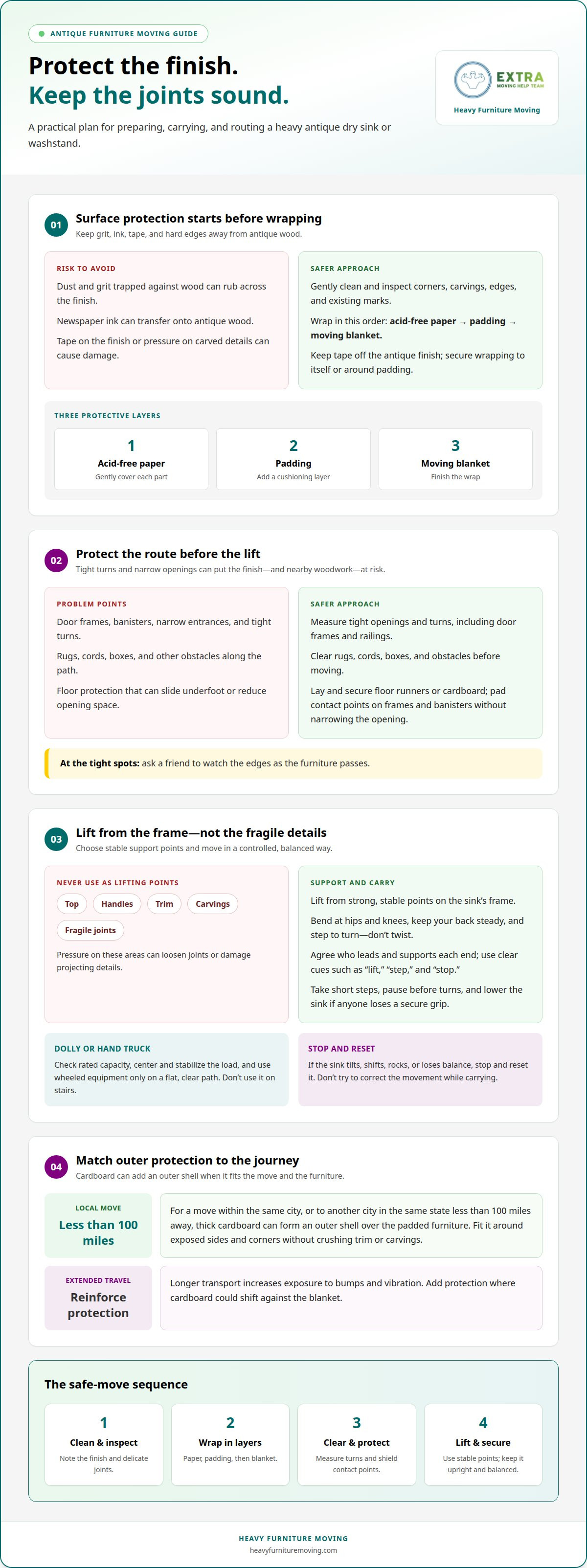
- Clean and inspect the finish. Use a gentle method to remove dust and grit before wrapping. Loose particles trapped against wood can rub across the finish during transport. Check the dry sink’s corners, carved details, edges, and existing marks. Photograph its condition before packing, then keep the pictures with your moving notes. Avoid newspaper: its ink can stain antique wood. Gather acid-free paper, padding, moving blankets, cardboard, and floor runners before starting, so the piece isn’t left exposed while supplies are gathered.
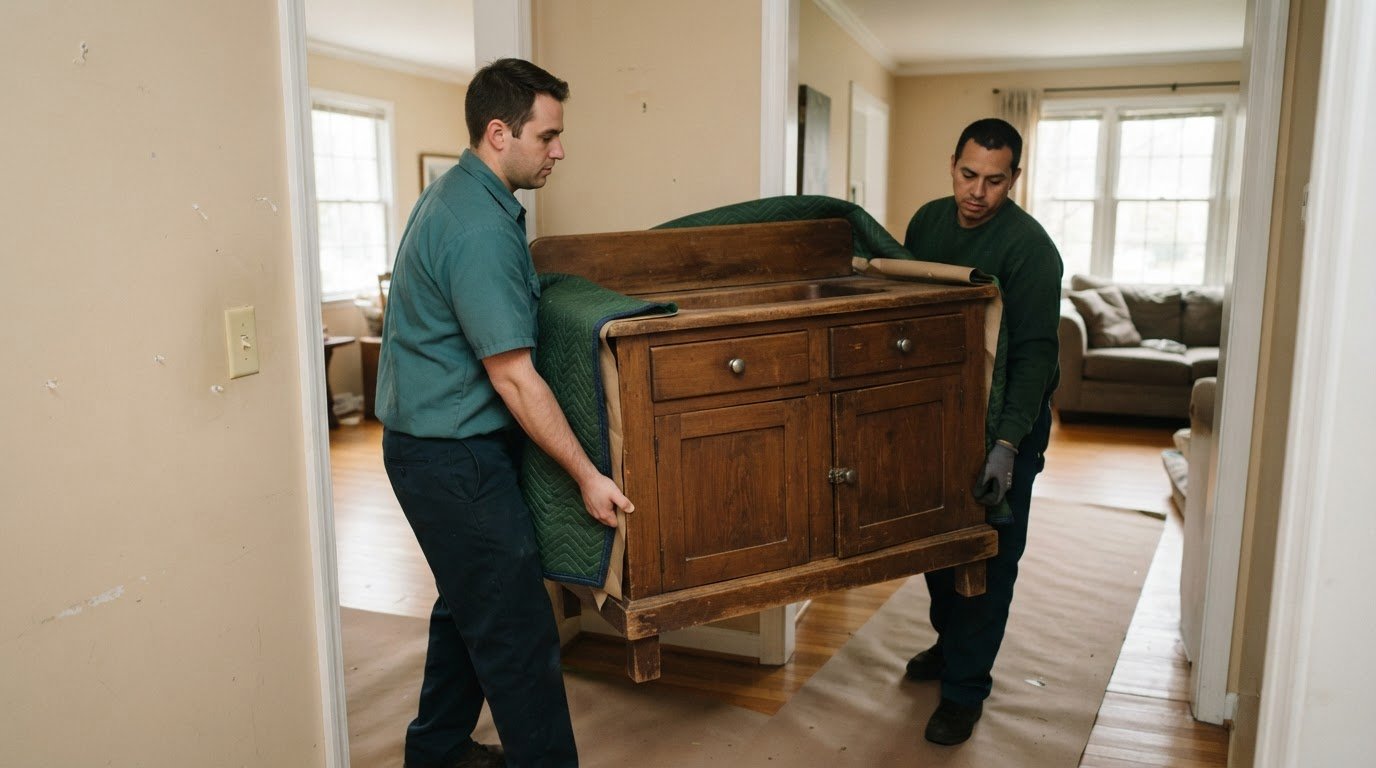
- Wrap the wood in three protective layers. Cover each component first with acid-free paper, then add padding, and finish with a moving blanket. These three layers help separate the surface from harder materials and reduce the risk of scratches or dents. Fit the paper gently around carved details instead of pressing into them. Keep tape away from the antique finish; secure wrapping against itself or around protective padding. Treat drawers and removable parts separately, keeping their edges covered.
- Add cardboard where the route calls for it. For a local move within the same city, or to another city in the same state less than 100 miles away, thick cardboard can form an outer shell over the padded furniture. Fit it around exposed sides and corners without crushing trim or carvings. Use additional padding where cardboard could shift against the blanket. For extended travel, reinforce the packing protection, since longer transport increases exposure to bumps and vibration.
- Shield floors, door frames, and banisters before lifting. Lay floor runners or cardboard along the high-traffic path to reduce wear from foot traffic and moving equipment. Secure each section so it won’t slide underfoot. Pad door frames and banisters where the dry sink could brush against them, especially at narrow entrances and turns. Check that padding covers the contact points without narrowing the opening further. Ask a friend to watch the edges while the furniture passes.
- Keep the route and environment controlled. Clear rugs, cords, boxes, and other obstacles before moving the wrapped sink. Measure tight openings and turns, including door frames and railings, then protect the areas most likely to be touched. Keep the antique away from damp conditions and sudden temperature changes; moisture and humidity can warp wood, while temperature changes can damage finishes. Don’t leave the piece exposed while preparing the next part of the route.
Safe lifting and carrying techniques
In Centreville, plan truck access around the stopping location and whether the move uses public space. Access conditions vary, so keep the route clear and avoid blocking passage.
-
Set Up Moving Equipment and Stable Lifting Points
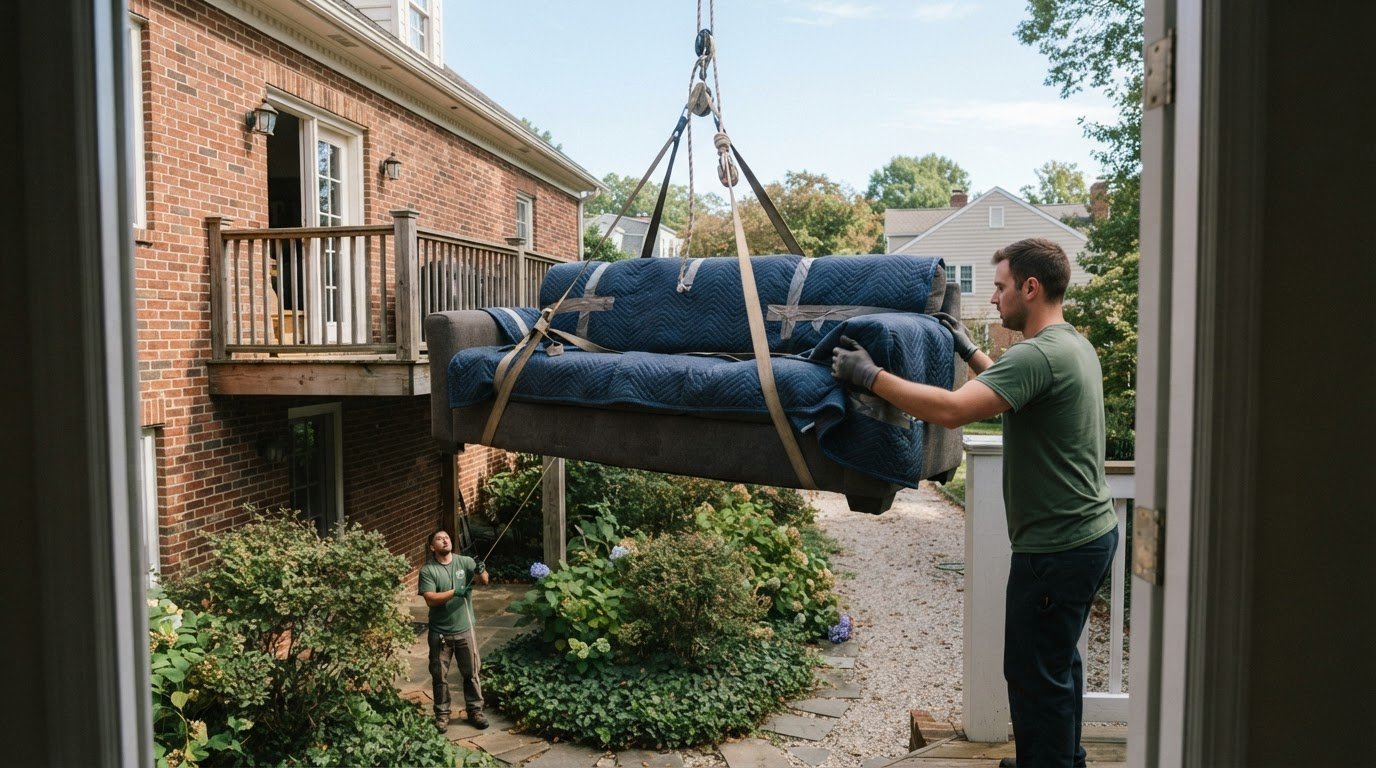
Choose strong, stable points on the sink’s frame, not the top, handles, trim, or carved details. Lifting from fragile joints can loosen them. If using a furniture dolly, check that its capacity suits the piece, then center and stabilize the load before rolling. Use straps according to the manufacturer’s directions and keep the load balanced. Stop if it shifts.
-
Move the Dry Sink and Secure It in the Truck
Lift from stable points, bend at your hips and knees, keep your back steady, and step to turn rather than twisting. For a tall piece, one person can support the upper end while another supports the bottom. In the truck, keep the sink upright, padded, and secured so it cannot shift or strike other furniture. Load it slowly.
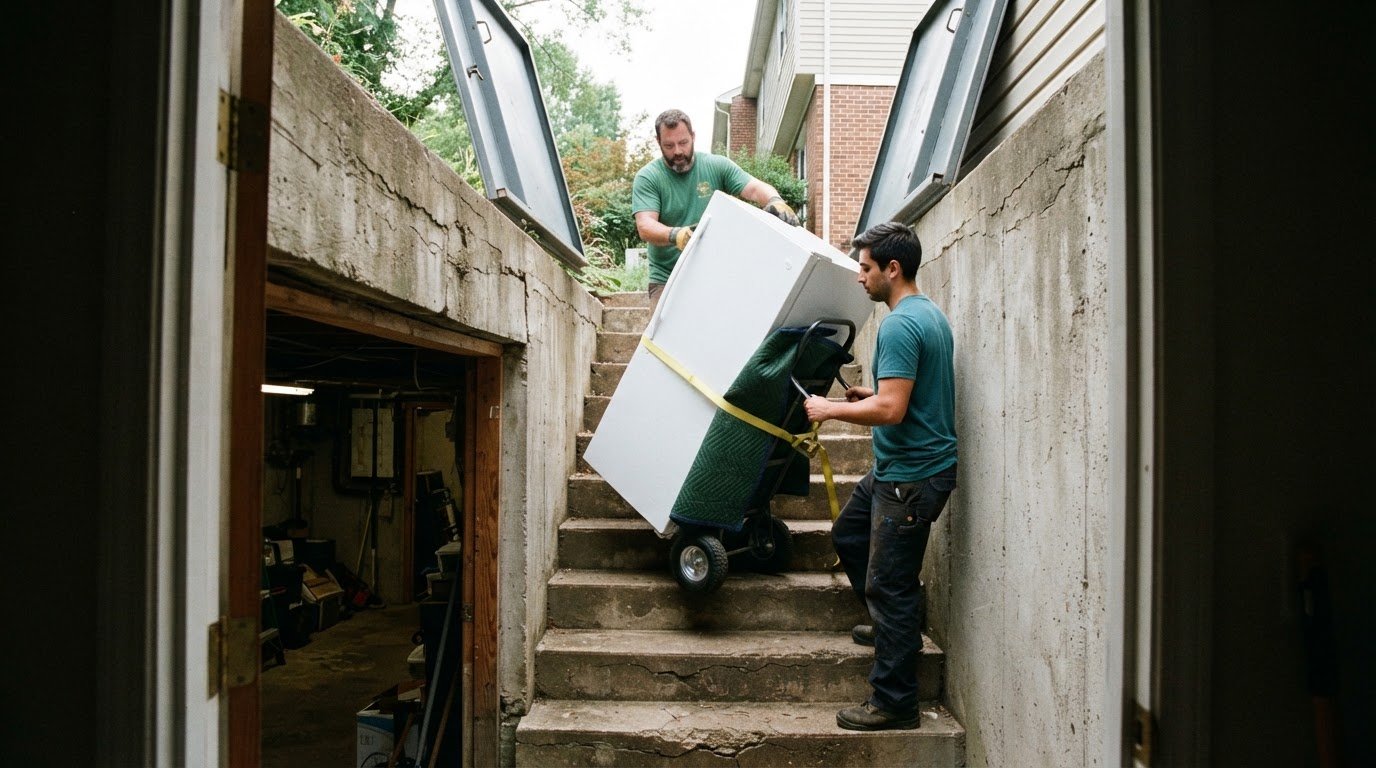
- Match the equipment to the surface. Roll a dolly only across a flat, clear path, and keep the sink centered as it moves. A hand truck is appropriate only when the furniture rests securely against its frame and stays within the rated capacity. Don’t use wheeled equipment on stairs. If the route includes multiple flights, professional movers are worth considering.
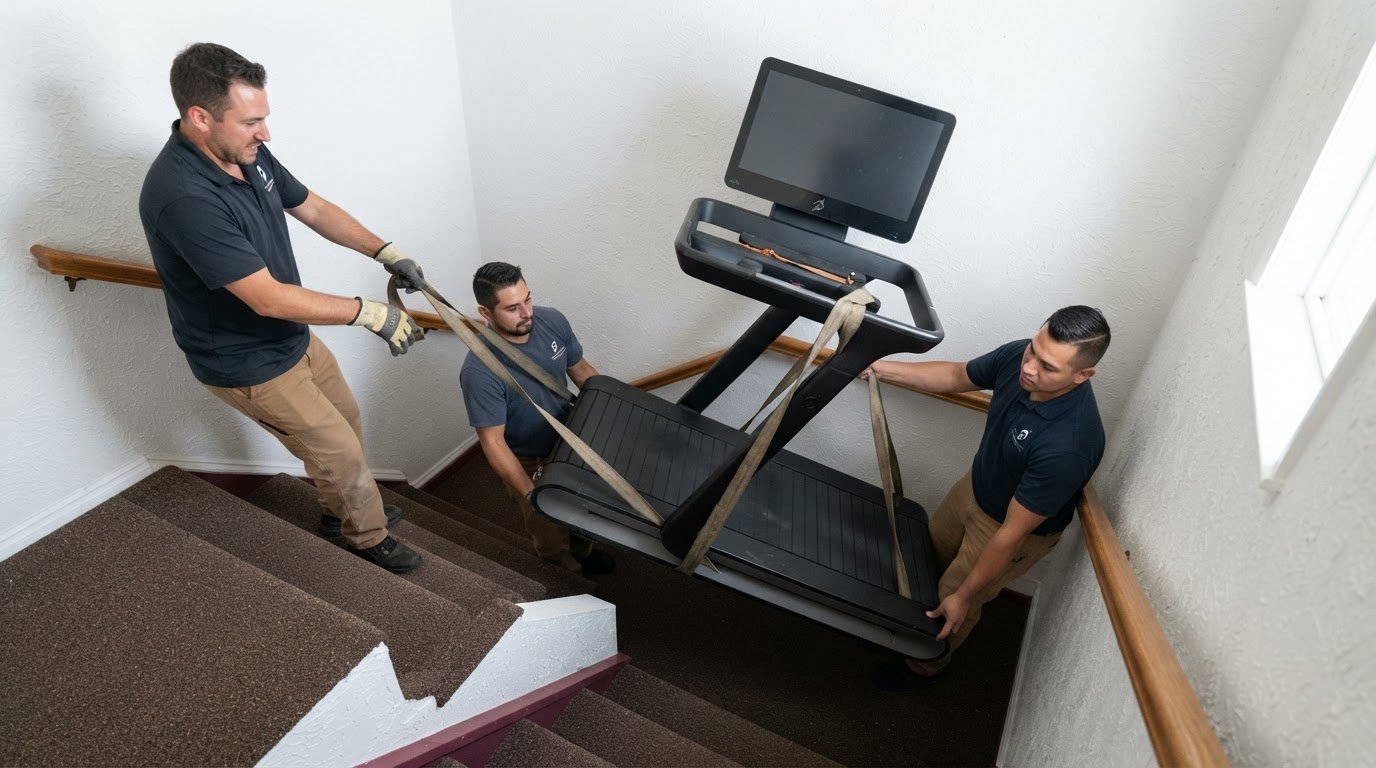
- Set a controlled pace. Agree on who leads and who supports each end before lifting. Use simple cues such as “lift,” “step,” and “stop” so everyone moves together. Take short steps, pause before turns, and lower the sink if anyone loses a secure grip. Never drag it across the floor or pull from a projecting part.
- Protect the people carrying it. Wear well-fitting, closed-toe shoes with good traction and comfortable clothing that won’t catch on the furniture. Keep hands clear of pinch points between the sink and walls, door frames, or the truck. If the weight is more than one or two people can safely lift, don’t force the move; get appropriate help and equipment.
- Check stability before rolling or loading. Confirm that straps don’t press into delicate edges and that the sink remains balanced. Keep the load from contacting other household items in the truck. If it tilts, shifts, or starts to rock, stop and reset it rather than trying to correct the movement while carrying.
For a difficult lift or bulky furniture move, heavy lifting moving service can help handle the physical work.
Avoiding damage to joints and finishes
- Inspect the joints before handling the sink. Look closely at corners, leg connections, drawer fronts, and any place two wooden parts meet. Note visible gaps, movement, or old repairs. These areas need gentle handling because pressure can loosen fragile joints. Don’t test a joint by rocking or pulling it. Use the inspection to identify parts that must not carry the sink’s weight.
- Keep lifting force away from decorative details. Carved trim, handles, and narrow rails can look sturdy but may not support the furniture’s weight. Never lift by a drawer pull or projecting molding. Those points can crack, pull free, or transfer force into a weak joint. Guide hands toward the solid frame, and keep fingers clear of carved edges during each lift.
- Prevent straps from squeezing weak areas. Place straps around stable sections of the frame, not across a joint, carved panel, or thin trim. Tighten them only enough to hold the load steady. Excess pressure can stress joints and leave marks on the finish. During transit, check that a strap hasn’t shifted onto a delicate edge before moving or securing the sink again.
- Control every change in direction. Pause before a doorway, turn, or threshold, then move the sink together rather than letting one end swing. A sudden pivot can twist the frame and strain joints, even if the finish doesn’t touch a wall. Use clear cues such as “stop” and “turn.” If the piece catches, lower it and reset instead of forcing it through.
- Separate removable parts and protect their connections. Take out loose drawers or shelves when they can be removed safely. A shifting drawer can strike the frame or pull against its runners. Keep detached hardware together in a labeled container so it won’t scratch the wood or disappear during handling. Don’t wedge a part back into a damaged or tight-fitting opening.
- Watch for rubbing during transit. Contact between the sink and another object can cause scratches, especially at corners and projecting trim. Keep surrounding items clear, and stop if the padding or protective covering slips. Don’t drag the piece to reposition it. Lift and reset it from stable points, so friction doesn’t grind dust or grit across the finish.
- Respond to movement before it becomes damage. If a joint opens, a drawer shifts, or the frame begins to flex, stop carrying immediately. Set the sink down carefully on a stable surface. Don’t tighten a loose joint or force a misaligned part during the move. Knowing where the stress appears helps the carriers adjust their grip and keep pressure off that area.
Clearing and mapping the moving route
Trace the dry sink’s path from its current position to the truck before moving it. Measure tight spots, clear obstacles, and plan how the furniture will pass without hitting walls or railings.
- Measure the sink at its widest and tallest points. Include projecting trim, handles, and any parts that remain attached. Compare those measurements with each doorway, hallway, stair opening, and tight turn along the route. Account for door frames and railings, not just the open space between walls. A piece that clears a doorway straight on may not turn through it.
- Walk the complete route before carrying. Start where the dry sink stands and follow the path to the truck, including landings and stairs. Note sharp corners, narrow hallways, raised thresholds, and places where carriers may need to change direction. Mark the tight spots mentally or on a simple route sketch. This gives everyone a shared picture of where to pause.
- Clear the entire path, including stairs. Remove rugs, cords, boxes, shoes, and other obstacles before moving begins. Check behind doors and around landings, where small items can be easy to miss. Open the route fully rather than clearing only the center. Keep the destination area clear too, so the sink can be set down without shifting other pieces.
- Plan each turn instead of improvising. At a narrow corner, identify where the front and back edges will travel as the sink changes direction. Check nearby walls, door frames, and banisters for contact points. Decide whether the furniture can pass upright or needs a different approach. If the turn leaves no room for controlled movement, don’t force the piece through.
- Protect the route’s vulnerable surfaces. Place floor runners or cardboard across high-traffic sections, and check that the protection lies flat. Pad door frames and banisters where the sink could brush them. Moving blankets can cushion nearby surfaces, but position them securely so they don’t slip or block the opening. Recheck clearance after adding each layer of protection.
- Keep access to the truck in the plan. Check the path outside the doorway and the approach to the vehicle. Look for changes in surface or obstacles that could interrupt a steady carry. Keep the truck’s loading area ready before the sink leaves the room. That avoids holding the antique in a doorway while someone clears space or moves other furniture.
- Choose a safer plan for difficult openings. Narrow hallways, sharp corners, or tight doorways can make a route unsuitable for a rushed carry. Professional movers may be worth considering when the sink cannot pass through with room for careful handling. A route that looks possible on paper still needs enough space for the furniture, its protective covering, and the people guiding it.
Common antique-moving mistakes
- Skipping a condition record. Photograph the dry sink before moving it, including its finish, corners, joints, and existing marks. Clear pictures document the item’s starting condition and help distinguish old wear from damage noticed after transit. Take close views of delicate details, then keep the images accessible during the move. Don’t rely on memory to recall a small scratch or an old repair.
- Leaving removable parts inside. Remove drawers, shelves, and other detachable pieces when they can be taken out safely. Loose parts can shift, strike the interior, or pull against their supports while the furniture moves. Put each piece’s hardware in a labeled bag or container. Keep the hardware with the sink, but separate it from the finish so metal edges can’t scratch the wood.
- Forgetting clear handling labels. Mark the antique as “fragile” and show which side must remain upright. These labels give every person handling it a clear cue during loading and unloading. Place them where they’re easy to see without covering a carved detail or risking adhesive on the finish. A label doesn’t replace careful handling, but it helps prevent an avoidable tilt.
- Using the wrong floor sliders. Match sliders to the floor instead of choosing whatever is closest. Felt sliders suit hard flooring, while plastic sliders suit carpet. A poor match can make the sink harder to control or allow it to move unexpectedly. Don’t use sliders to push an unstable antique across a room; choose a method that keeps the frame supported.
- Rushing through loading. Move the sink slowly into the truck and keep it from contacting other household items. A quick shove can send it into a wall, another piece, or a hard truck surface. Check that the space is clear before loading, then watch the corners as the sink enters. Slow movement gives carriers time to stop if something shifts.
- Underestimating the people and effort needed. Have at least four people on-site before antique-moving operations begin. Assign clear roles so someone can guide the route while others support the load. Don’t assume a dry sink is manageable just because it looks compact. If its weight exceeds what one or two people can safely lift, stop rather than forcing it.
- Exposing antique wood to changing conditions. Avoid leaving the sink in damp areas or places with sudden temperature changes. Moisture and humidity can warp wood, while temperature changes can damage wood and finishes. Plan the handoff so the antique doesn’t sit exposed between rooms or during loading. Protecting it means considering the environment as well as physical contact.
For help with a demanding furniture lift, get help moving heavy furniture.
Heavy Furniture Moving
If the dry sink feels too heavy to lift safely or the route has tight turns, Heavy Furniture Moving can help with the physical work. The company moves heavy and bulky household items, including furniture, and offers labor and transport support. This can be useful when the sink’s weight, fragile joints, or narrow access make a self-managed move difficult. Wrap, blankets, and straps are included on every job.
Plan the route, protect the finish, and avoid lifting from weak joints or decorative parts. For help moving heavy furniture in Centreville, contact Heavy Furniture Moving to discuss the piece and its access conditions.
Set Up the Move With Confidence
Before moving day, decide where the dry sink will sit in its new space. Leave enough room to place it once, rather than shifting the antique repeatedly after arrival. A clear destination also helps everyone carrying it understand the final position and when to lower it.
For moving a heavy antique dry sink and washstand without loosening joints in Centreville, keep the plan focused on controlled handling from pickup to placement. If the piece feels too demanding to manage alone, bring in help suited to heavy furniture moves. You can contact Heavy Furniture Moving to discuss support for your move. Take the next step with a clear plan, and give your antique the careful handling it deserves.
Frequently Asked Questions
How do I move an antique washstand without loosening its joints?
Support the washstand’s solid frame and keep its weight off the legs, handles, and decorative trim. To move a heavy antique dry sink and washstand in Centreville without loosening joints, avoid sudden pivots that twist the frame. Before lifting, remove loose contents and note any joints that already move or show gaps. If a joint shifts, set the piece down carefully instead of pushing it back into place.
How much do antique furniture movers cost in Centreville?
The cost depends on the piece’s size and fragility, the moving distance, stairs, and the work involved. The cost of moving a heavy antique dry sink and washstand in Centreville depends on the specifics of that job; Heavy Furniture Moving provides pricing after a quote request. Useful details include the item’s dimensions, pickup and delivery access, and whether stairs or tight turns affect the route.
Are there antique furniture moving companies near Centreville?
Heavy Furniture Moving serves Centreville and provides residential moving help for heavy and bulky household items. If moving a heavy antique dry sink and washstand in Centreville requires careful handling through a home or during loading, share the item’s size and access conditions. The route, stairs, and placement plan all help determine how to handle the piece. Wrap, blankets, and straps are included on every job.
What equipment is best for moving heavy antique furniture safely?
Choose equipment that suits the piece and the route. A furniture dolly can help roll a large item across a flat surface if its capacity is suitable. Straps can stabilize a load when used according to the manufacturer’s directions. Do not improvise with a dolly on stairs or uneven surfaces. Check that the sink is secure before moving it.
How many people are needed to move a heavy antique dry sink?
Have at least four people on-site before antique-moving operations begin. The number of people physically carrying the sink depends on its weight, shape, and route, including stairs and tight turns. Assign one person to guide the path and coordinate movement while others support the load. If the carriers can’t maintain a secure, balanced hold, stop and arrange more appropriate help.
What are the risks of tipping or lifting antique furniture by its legs?
Lifting by a leg can concentrate the sink’s weight on a joint that may already be fragile. Tipping can also shift the weight suddenly, strain connections between the frame and legs, or cause the piece to strike a wall or floor. Do not use legs, handles, or trim as lifting points. Support the stable frame instead, and lower the furniture if it begins to tilt or flex.
How can I protect antique wood furniture from scratches during a move?
Keep grit from being trapped against the finish, where it can rub and scratch the wood as the furniture shifts. Gently clean the surface before wrapping, then place acid-free paper beneath protective padding. Keep newspaper away from antique wood because its ink can stain. During loading, leave space between the wrapped piece and other household items, and pause if the covering slips or a corner becomes exposed.
Frequently Asked Questions
Support the washstand’s solid frame and keep its weight off the legs, handles, and decorative trim. To move a heavy antique dry sink and washstand in Centreville without loosening joints, avoid sudden pivots that twist the frame. Before lifting, remove loose contents and note any joints that already move or show gaps. If a joint shifts, set the piece down carefully instead of pushing it back into place.
The cost depends on the piece’s size and fragility, the moving distance, stairs, and the work involved. The cost of moving a heavy antique dry sink and washstand in Centreville depends on the specifics of that job; Heavy Furniture Moving provides pricing after a quote request. Useful details include the item’s dimensions, pickup and delivery access, and whether stairs or tight turns affect the route.
Heavy Furniture Moving serves Centreville and provides residential moving help for heavy and bulky household items. If moving a heavy antique dry sink and washstand in Centreville requires careful handling through a home or during loading, share the item’s size and access conditions. The route, stairs, and placement plan all help determine how to handle the piece. Wrap, blankets, and straps are included on every job.
Choose equipment that suits the piece and the route. A furniture dolly can help roll a large item across a flat surface if its capacity is suitable. Straps can stabilize a load when used according to the manufacturer’s directions. Do not improvise with a dolly on stairs or uneven surfaces. Check that the sink is secure before moving it.
Have at least four people on-site before antique-moving operations begin. The number of people physically carrying the sink depends on its weight, shape, and route, including stairs and tight turns. Assign one person to guide the path and coordinate movement while others support the load. If the carriers can’t maintain a secure, balanced hold, stop and arrange more appropriate help.
Lifting by a leg can concentrate the sink’s weight on a joint that may already be fragile. Tipping can also shift the weight suddenly, strain connections between the frame and legs, or cause the piece to strike a wall or floor. Do not use legs, handles, or trim as lifting points. Support the stable frame instead, and lower the furniture if it begins to tilt or flex.
Keep grit from being trapped against the finish, where it can rub and scratch the wood as the furniture shifts. Gently clean the surface before wrapping, then place acid-free paper beneath protective padding. Keep newspaper away from antique wood because its ink can stain. During loading, leave space between the wrapped piece and other household items, and pause if the covering slips or a corner becomes exposed.