Residential Crane and Rigging for Clifton Homes and Apartments

A tight street doesn’t automatically rule out a residential lift. The right option may be a compact crane, a different setup, or a rigging approach suited to the item and access. Residential crane and rigging alternatives for tight neighborhood streets in Clifton depend on the site, clearances, ground conditions, and lift plan. Responsibility for permits depends on the street-work rules that apply, so don’t assume they’re covered just because a lift is scheduled.
It’s reasonable to worry about blocked access, nearby power lines, soft ground, and disruption to neighbors. These factors affect which equipment can reach the home and where it can be positioned. A clear site review helps identify constraints and address them before lift day.
This guide explains how street and HOA rules, setup space, overhead clearances, and ground conditions affect residential crane work in Clifton. It also covers what information helps shape a lift plan, which alternatives may suit a restricted site, and how professional furniture moving and sofa hoisting can help when a crane isn’t the right approach.
Key Takeaways
- Permit responsibility depends on the street-work rules that apply to the lift, so include access planning early.
- Crane choice depends on more than the item’s weight; setup space, reach, and the path into the home all matter.
- Ground conditions and nearby overhead obstacles can change where equipment can be positioned and how the lift is planned.
- For upper-floor furniture or exercise equipment, professional hoisting and moving can offer an alternative when crane access is impractical.
- A useful lift plan accounts for delivery timing, staging, clearances, and how the load will be handled at its destination.
How do professionals prepare for limited-access or residential sites?
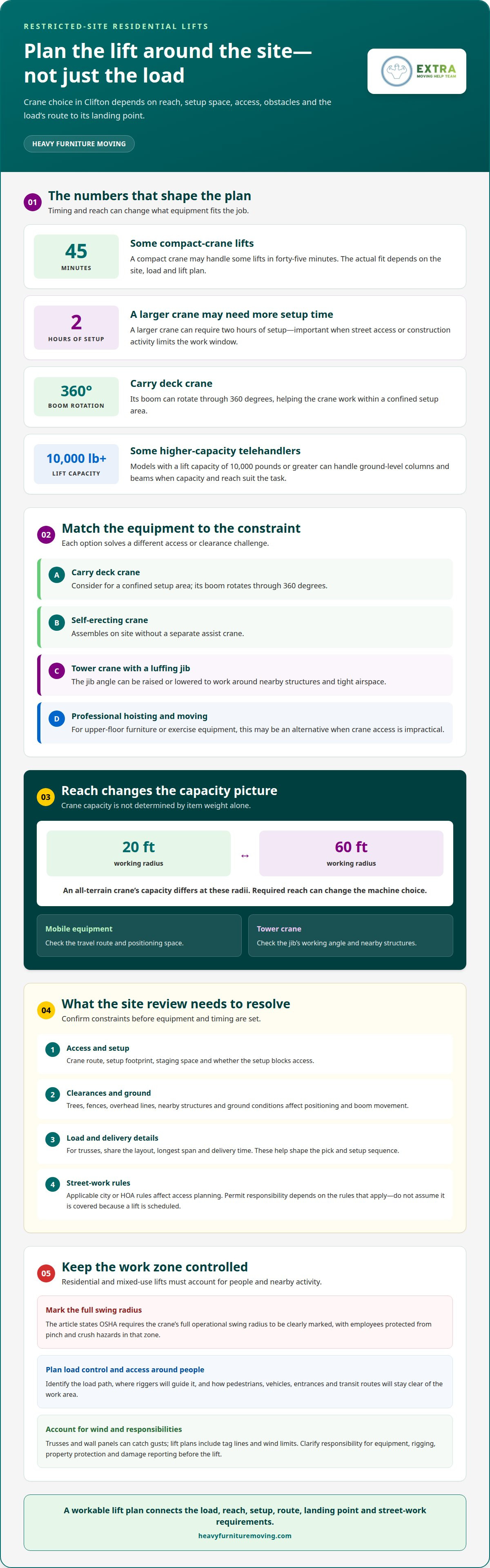
Alternatives to a large mobile crane include carry deck cranes, self-erecting cranes, and tower cranes with luffing jibs. Choosing residential crane and rigging alternatives for tight neighborhood streets in Clifton starts with the load, required reach, setup space, and obstacles along the lift route.
Crane Types for Restricted Sites
A carry deck crane can rotate its boom through 360 degrees, which helps when equipment must work within a confined setup area. Self-erecting cranes assemble on site without a separate assist crane. For tight airspace, a luffing jib tower crane can raise or lower its jib angle to work around nearby structures. Each type has different access and operating needs.
Options for Congested Job Sites
On a crowded Clifton street, professionals assess the crane’s route, setup footprint, boom movement, and capacity. A compact crane may handle some lifts in forty-five minutes, while a larger crane can require two hours of setup. That difference matters when construction activity or street access limits the work window. The team also considers the load’s route and landing point.
Alternatives to Large Mobile Cranes
For a restricted setup, a carry deck or self-erecting crane may suit the job better than a large mobile machine. A tower crane with a luffing jib may work where overhead space limits boom movement. The right residential crane and rigging alternatives for tight neighborhood streets in Clifton still need a usable route, a stable setup location, and capacity suited to the load at the required reach.
Crane selection starts with the actual lift, not just the item’s weight. An all-terrain crane’s capacity differs at a 20-foot radius and a 60-foot radius, so the required reach can change the machine choice. The lift plan also accounts for building height and clearances near trees, fences, and overhead lines.
Before scheduling, professionals need the truss layout, longest span, and delivery time. These details shape how the load will be picked and whether its arrival fits the setup sequence. Applicable city or HOA street-work rules also affect access planning. Clear project information helps match equipment to the property and schedule.
Tower-crane planning considers the jib’s working angle and nearby structures. For mobile equipment, planning focuses on the travel route and positioning space. A machine that can reach the load may still be unsuitable if its setup blocks access or its boom conflicts with obstacles. Professionals compare these factors before choosing a lift approach.
A change in delivery time or setup point can alter the working radius and sequence. The lift plan therefore connects equipment selection with load details, access conditions, and street-work requirements. This helps ensure the chosen machine suits both the task and the site.
Crane lifts for homes, apartments, and mixed-use buildings
Residential lifts depend on the load, route, placement point, and people near the work zone. For safety and insurance planning, coordinate controls for the swing zone and clarify coverage responsibilities before lifting begins.
Working Around People and Transit
A lift beside homes or apartments must account for pedestrians, vehicles, building entrances, and any transit route crossing the work area. The crane plan identifies the load’s path, where riggers will guide it, and how people will stay outside the marked swing radius. OSHA requires the crane’s full operational swing radius to be clearly marked and employees protected from pinch and crush hazards in that zone.
Trusses and wall panels can catch gusts, so lift plans include tag lines and wind limits. These controls matter near neighboring buildings, where a suspended panel has little room to drift. At a mixed-use site, the team also plans around active ground-floor spaces, such as retail entrances or parking access.
Safety Risks and Insurance Requirements
Key risks include a shifting load, wind catching a panel, contact with nearby structures, and people entering the crane’s operating area. Riggers plan how to attach, control, and set down the load, while the work zone keeps people clear of the swing radius. OSHA’s marked-zone requirement applies to the crane’s full operational swing, not only the area directly beneath the hook.
Insurance planning should clarify who is responsible for the equipment, rigging, property protection, and damage reporting. Applicable coverage terms and documentation belong in the project arrangements before the lift. This gives the property owner and work team a clear record of responsibilities without assuming one policy or limit fits every residence.
For homes, a roof-truss lift may be completed in a single day. In apartments and mixed-use construction, wood framing over a concrete podium is common, with retail or parking at ground level. The crane must reach the intended floor without disrupting work below.
Telehandlers can help manage lifts and placement of ground-level columns and beams when their capacity and reach suit the task. Higher-capacity models with a lift capacity of 10,000 pounds or greater can handle these components. The team selects the machine based on the component, its destination, and the terrain between the setup point and placement area.
On a tight street, staging can shape the sequence as much as the crane. Small or heavily wooded lots may require modules to be staged down the street, then shuttled to the site one at a time, adding hours to the timeline. For household items that need careful placement rather than a construction lift, a heavy lifting moving service may be a practical alternative.
Site reviews, ground conditions, and clearances
A site review matches the crane’s setup, reach, and support needs to the actual Clifton property. Street width, overhead obstacles, and ground conditions can each affect the equipment choice.
Site Reviews and Setup Footprint
During a site review, the lift team identifies the setup point, load route, and nearby obstacles. A 100-ton crane requires a clear, flat setup area of at least 30 by 40 feet. That footprint can be difficult to fit between homes, parked vehicles, fences, or a narrow driveway. The review should also account for delivery access and space for the crane to position itself.
Smaller machines may suit restricted lots, but capacity and reach still have to match the lift. The team considers the required radius, load destination, and room to operate, rather than choosing equipment based on street width alone. The rental plan must also match the site’s setup conditions to the equipment arriving.
Ground Conditions and Outrigger Placement
Outriggers transfer crane loads into the ground, so they need sound support. Soft yards, septic systems, and curbs that cannot support outrigger loads all affect the setup plan. The team identifies these areas before positioning the crane and assesses whether the proposed support points can carry the load.
City streets are not engineered to support a 200-ton crane on outriggers. A street-side setup therefore requires careful attention to where each support point lands. Ground conditions can differ between pavement, lawn, and driveway, even within one property. The primary setup location must work for the crane, not simply provide the shortest route to the building.
Street Width and Overhead Clearances
Street width affects whether a crane can reach the site and position for the lift. Required clearance depends on the machine, its transport route, and the space needed to deploy its equipment. Carry deck and larger mobile cranes have different access and setup needs, so teams assess the route and work area together.
Overhead lines and service drops can limit where a boom moves. According to the Occupational Safety and Health Administration, cranes must maintain a minimum clearance of typically 10 to 20 feet from active electrical lines, depending on voltage. Trees, fences, and building height also shape the available working space. The lift plan accounts for these obstacles before selecting a setup point.
For a Clifton site, professionals combine these checks into one practical setup decision: where the crane can enter, where it can stand, and how the load can travel. If a curb, soft yard, or overhead line blocks the primary position, the team assesses another setup point or machine. This review connects ground support, street access, and clearances to the lift itself.
Lifting materials to upper floors
Upper-floor placement starts with the load and its destination, not just the height. For residential construction, the lift team needs to know what is moving, where it must land, and which surfaces can support it. Lumber packages, wall panels, and sheathing each need a planned location on the floor deck. A clear placement plan helps avoid setting materials in an unsuitable area.
On apartment and mixed-use projects, floor-deck capacity guides where materials go. Packages should be placed where the structure can support them, usually over walls or beams rather than in the middle of an open span. The team identifies these locations before lifting begins, linking the landing point to the building structure below.
Long roof trusses need special attention during lifting. A spreader bar or strongback lets slings attach at several panel points, helping prevent bending or buckling. The rigging arrangement must suit the truss’s length and shape. After placement, framers fasten and brace each roof truss before the crane rigging is released.
Wall panels and sheathing also need controlled placement at the intended floor or roof level. Their broad surfaces can catch gusts, so residential lift plans include tag lines and wind limits. The crane operator moves the load along its planned route while the rigging team guides it into position. The landing area should be ready before the load leaves the ground.
For a mixed-use building, the plan must account for the structure’s layout. A common arrangement uses wood framing above a concrete podium, with retail or parking at ground level. This affects where materials can be staged and how they reach upper floors. The team sequences deliveries so loads arrive when their planned placement areas are accessible.
Each lift also depends on matching the equipment’s capacity to the load and reach. A crane’s lifting capacity changes with its radius, so the selected machine must suit the actual position and destination. The team coordinates the truss layout, longest span, and delivery time before scheduling. These details help align the lifting method with the building structure and work sequence.
Moving furniture or another household item differs from placing construction materials on a floor deck. Professionals plan the path through the home, the target room, and the surface where the item will rest. For either type of lift, clear communication about the load and destination supports accurate placement and keeps the work moving in sequence.
Crane and rigging services
Residential crane work combines equipment, an operator, rigging, and a planned lift sequence. In Clifton, the service arrangement should suit the load, access limits, and time available for setup and traffic coordination.
These are different billing bases, so compare what the scheduled rental includes and how setup time is handled.
Crane contractors provide the machine and operation; riggers prepare and guide the load. The work starts with load details, delivery timing, and the intended placement point. Contractors then coordinate equipment arrival, setup, rigging, lifting, and release. A missed handoff can leave a crane waiting while the load or landing area is prepared.
Setup time affects the working window. An all-terrain crane setup that takes four hours can use up productive lift time and street-permit hours. In Clifton, that makes arrival timing and traffic coordination important parts of the plan. The crew needs to align crane delivery with access arrangements, load readiness, and the time allowed for street work.
Crane erection also affects equipment planning. A crawler crane arrives in pieces and must be assembled on site, adding setup work and transport coordination. Self-erecting cranes can assemble on site without a separate assist crane. Contractors weigh these differences against site access, the load’s reach, and the available work area before selecting a machine.
Ask what the scope covers: operator, rigging crew, setup, lift sequence, and traffic coordination. These details clarify what the rental time includes and how the team handles delays caused by access or delivery timing. A lift plan should also identify the load, its route and placement point, and the person coordinating each stage.
Residential crane work involves operated crane-rental contractors and rigging crews. Their roles differ: the operator runs the crane, while riggers connect and guide the load. The project type, equipment access, and lift requirements determine which services the job needs.
For household items that need heavy handling rather than a construction crane, a heavy lifting moving service may fit the task. Match the service to the item and access route, then keep the load, timing, and placement details together for a smoother handoff.
Residential crane work in Clifton is handled by operated crane-rental contractors and rigging crews. For household items that need heavy handling rather than a construction crane, a heavy lifting moving service may be a better fit.
Heavy Furniture Moving
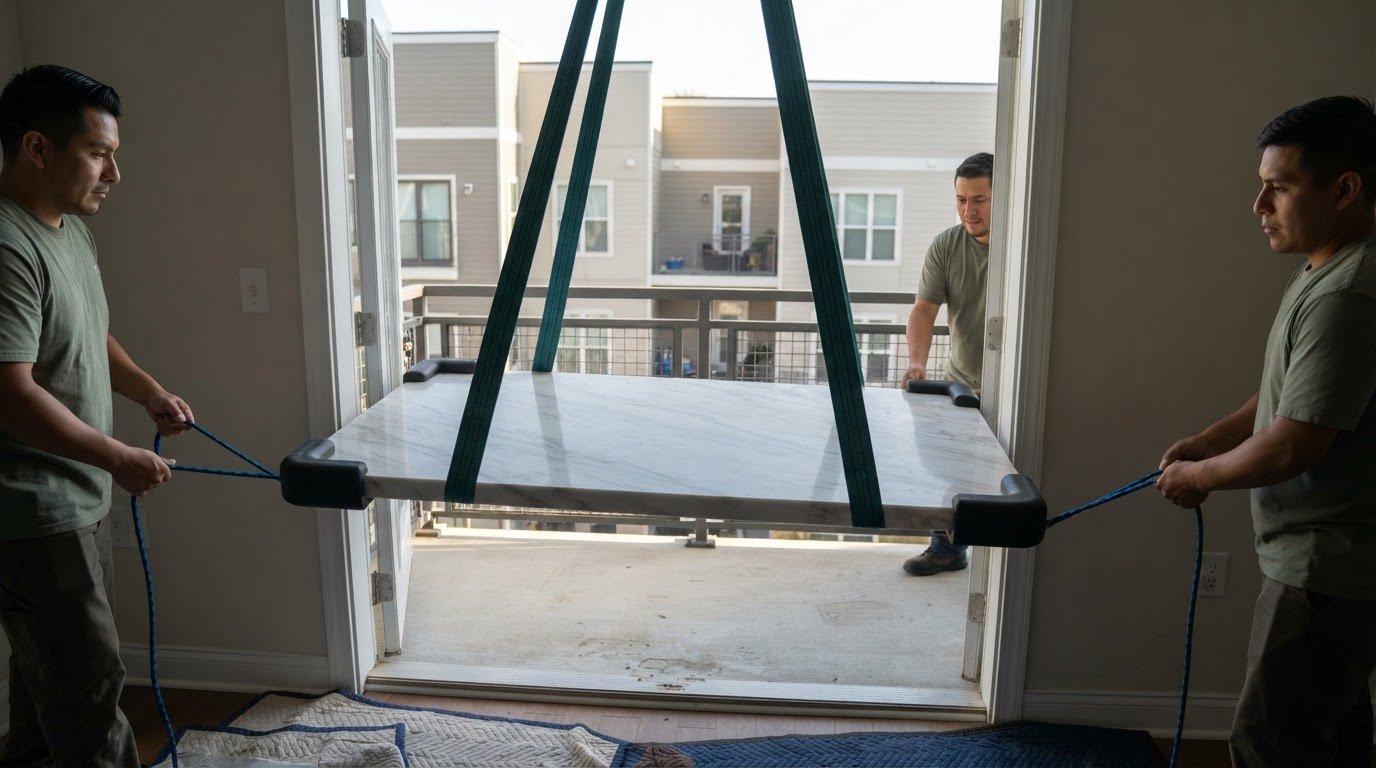
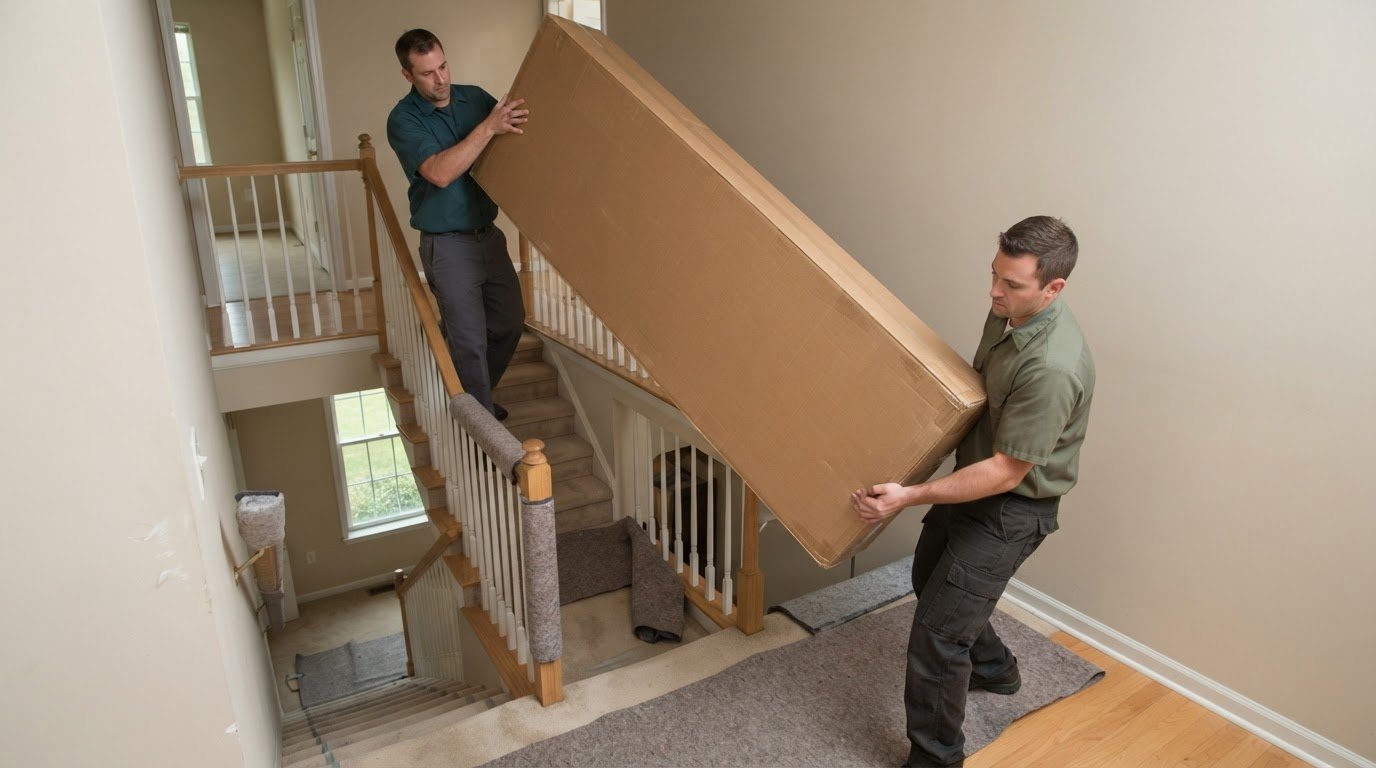
Heavy Furniture Moving helps with residential moves involving bulky items and difficult access. If your Clifton job involves household furniture rather than construction materials, professional moving or sofa hoisting may suit the task better than crane work. The team also handles exercise equipment and in-home furniture moves, tailoring the approach to the item, its route through the home, and its destination.
Share which items need moving and where they need to go. This gives the moving team useful context about access and handling before work begins. For help with a residential move or heavy item, contact Heavy Furniture Moving.
Choose the Right Help for Your Next Move
For residential crane and rigging alternatives on tight neighborhood streets in Clifton, start with the job itself: construction materials need a lift plan matched to the building and site, while household furniture needs careful handling along its route through the home. If a crane isn’t the right fit for a furniture move, Heavy Furniture Moving can help with Movers Near Me, Exercise Equipment Moving, and Sofa Hoisting.
Set your next step around the item and its destination. Share what needs to move and the access challenge, such as a narrow stairway or limited room to turn. This gives the moving team a clear picture of the work involved without treating a residential furniture move like a construction lift.
Contact Heavy Furniture Moving to discuss your residential moving needs. A clear plan starts with the right kind of help.
Frequently Asked Questions
Do you handle permitting for crane operations?
Permit coordination for a construction crane lift is part of arranging the lift and any required street work. Heavy Furniture Moving handles residential furniture and heavy-item moves, not crane operations. For furniture moves, share the item and access details so the moving work can be matched to the home. A construction lift’s street-use arrangements should be handled as part of project planning.
When are mini cranes, spider cranes, and boom trucks suitable for residential lifting?
These machines may suit residential jobs where a full-size crane has limited access, but the load and working position determine whether they fit. A professional compares the item’s weight and destination with the route, setup surface, reach, and nearby obstacles. For example, a compact machine may be considered where a driveway or side yard limits equipment access, provided it can safely handle the planned lift.
What permits are required to place a crane or close a street in Clifton?
Required approvals depend on where the crane will stand and whether the work uses public street space or requires a closure. The project team accounts for applicable city street-work rules and relevant HOA requirements when planning access. The setup location, delivery route, and work area affect which permissions are needed and how the lift schedule is arranged.
How do local rules restrict crane work, parking, and street closures in Clifton, Virginia?
Applicable city and HOA street-work rules can shape crane placement, parking, and access during a lift. The project team considers whether equipment or vehicles need street space and whether the work affects neighborhood access. The setup location and delivery sequence should be coordinated with those rules before setting the lift date, especially where a narrow street limits vehicle movement.
What steps do professionals take to plan a residential crane lift on a narrow neighborhood street?
Professionals first establish what must be lifted, where it needs to land, and how it will arrive. They then map a workable route from delivery to setup and from pickup to placement. The plan accounts for nearby homes, access points, and the lift sequence. For roof trusses, the framing layout and longest span help determine how to organize rigging and placement.
How do professionals assess access, ground bearing capacity, and utility lines before a lift?
Professionals assess whether the delivery vehicle can reach the setup area and whether the ground can support the crane’s setup loads. They account for surface changes such as pavement, lawn, or a driveway and identify obstacles that could affect support placement. They also trace the boom’s working path against power lines and service drops, using those findings to choose a suitable setup and lift route.
What are typical residential crane and rigging costs in Clifton, Virginia?
Frequently Asked Questions
Permit coordination for a construction crane lift is part of arranging the lift and any required street work. Heavy Furniture Moving handles residential furniture and heavy-item moves, not crane operations. For furniture moves, share the item and access details so the moving work can be matched to the home. A construction lift’s street-use arrangements should be handled as part of project planning.
These machines may suit residential jobs where a full-size crane has limited access, but the load and working position determine whether they fit. A professional compares the item’s weight and destination with the route, setup surface, reach, and nearby obstacles. For example, a compact machine may be considered where a driveway or side yard limits equipment access, provided it can safely handle the planned lift.
Required approvals depend on where the crane will stand and whether the work uses public street space or requires a closure. The project team accounts for applicable city street-work rules and relevant HOA requirements when planning access. The setup location, delivery route, and work area affect which permissions are needed and how the lift schedule is arranged.
Applicable city and HOA street-work rules can shape crane placement, parking, and access during a lift. The project team considers whether equipment or vehicles need street space and whether the work affects neighborhood access. The setup location and delivery sequence should be coordinated with those rules before setting the lift date, especially where a narrow street limits vehicle movement.
Professionals first establish what must be lifted, where it needs to land, and how it will arrive. They then map a workable route from delivery to setup and from pickup to placement. The plan accounts for nearby homes, access points, and the lift sequence. For roof trusses, the framing layout and longest span help determine how to organize rigging and placement.
Professionals assess whether the delivery vehicle can reach the setup area and whether the ground can support the crane’s setup loads. They account for surface changes such as pavement, lawn, or a driveway and identify obstacles that could affect support placement. They also trace the boom’s working path against power lines and service drops, using those findings to choose a suitable setup and lift route.