Professional Rigging Crew for Marble Table Hoisting in Chantilly
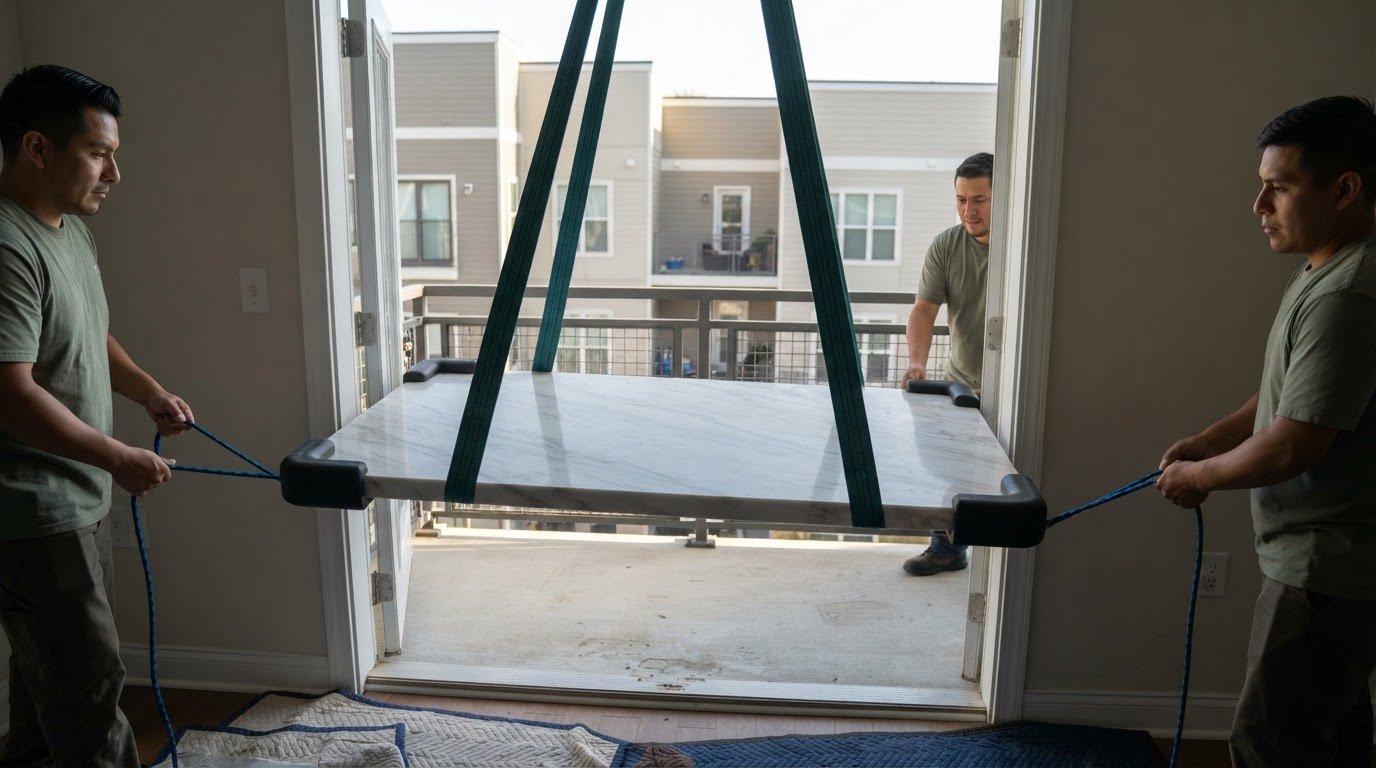
The front door isn’t always the only way in. In Chantilly, a professional rigging crew can assess whether a marble table top can be hoisted through a balcony, window, or rooftop opening. For a window route, the opening must be wider than the tabletop’s narrowest side. The lift also depends on the access path, landing space, suitable equipment, and protecting the stone from bumps.
It’s understandable to be cautious about moving a heavy, delicate piece above ground. A sound plan starts with the tabletop’s dimensions and the building’s access points, then matches the lift to the item and the space. That preparation helps the crew handle a complex move carefully instead of forcing the tabletop through a tight entryway.
Here, you’ll learn how crews assess openings, plan equipment, and perform safety checks for balcony, window, and rooftop hoists in Chantilly. You’ll also see what details shape the plan and when professional furniture-hoisting help is the practical next step.
Key Takeaways
- Compare the tabletop’s narrowest side with the window opening to understand whether that route can work.
- See how the building’s access points and landing area shape the hoisting plan and equipment choice.
- Learn why a professional assesses the item and lift path before moving a heavy marble top.
- Understand how removable parts can affect whether furniture needs to be hoisted.
- Find out when Heavy Furniture Moving’s Sofa Hoisting service can help with an oversized piece.
Hoisting furniture through windows, balconies, and rooftop openings
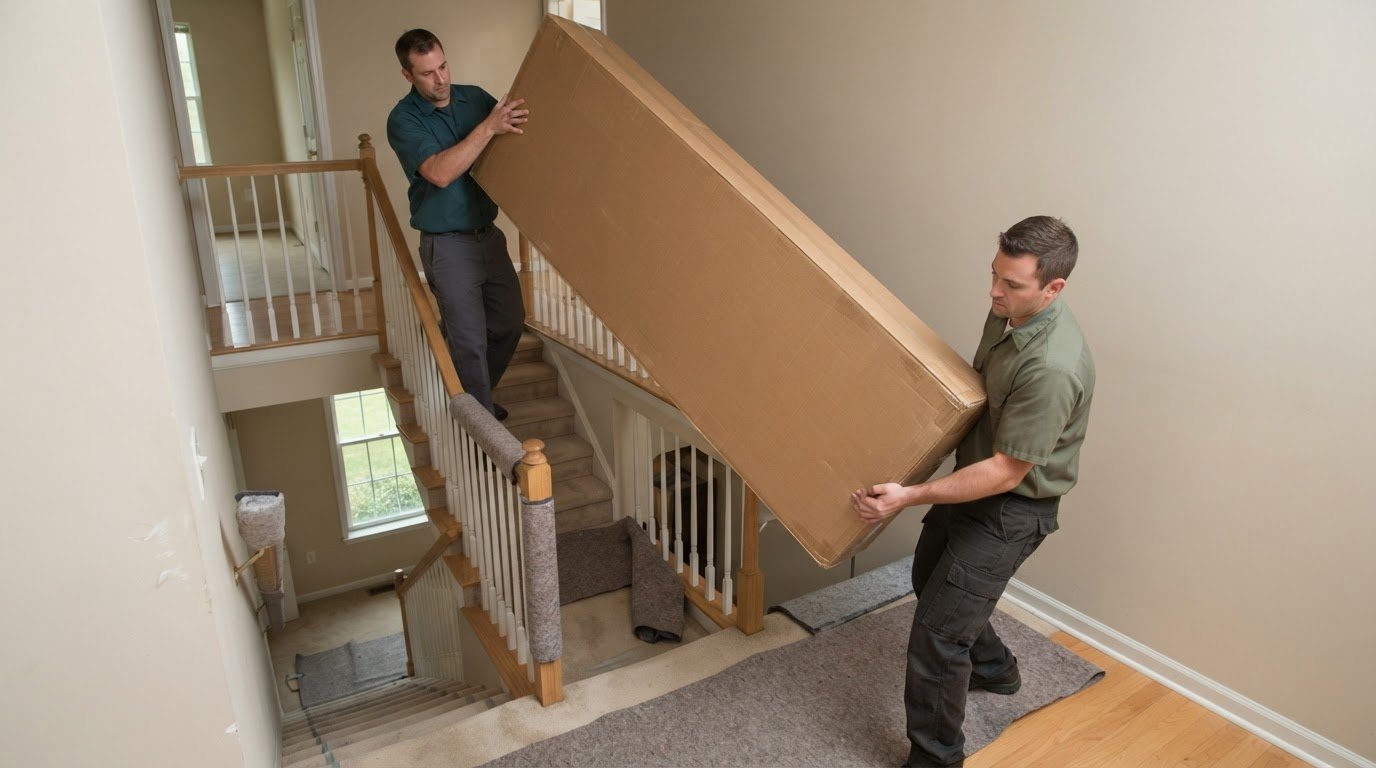
Alternatives to balcony hoisting include carrying the tabletop through a hallway, stairwell, or suitable elevator. If the table is designed to come apart, moving the top separately from its base may make an interior route possible.
For a window route, the opening must be wider than the tabletop’s narrowest side. A trained crew compares that clearance with the marble top’s dimensions, then considers the angle needed to guide it through. Width alone isn’t enough: the crew also assesses opening height, frame depth, nearby walls, and the space inside to receive the load. A narrow landing can make an otherwise workable window impractical.
A balcony route needs a clear path from the lift point to the destination room. The crew considers the railing, balcony access, nearby obstacles, and whether the tabletop can be moved safely from the exterior opening indoors. Rooftop openings have their own constraints, including the approach and the available space to land and handle the item. Each route is planned for the actual building, not just the straight-line distance.
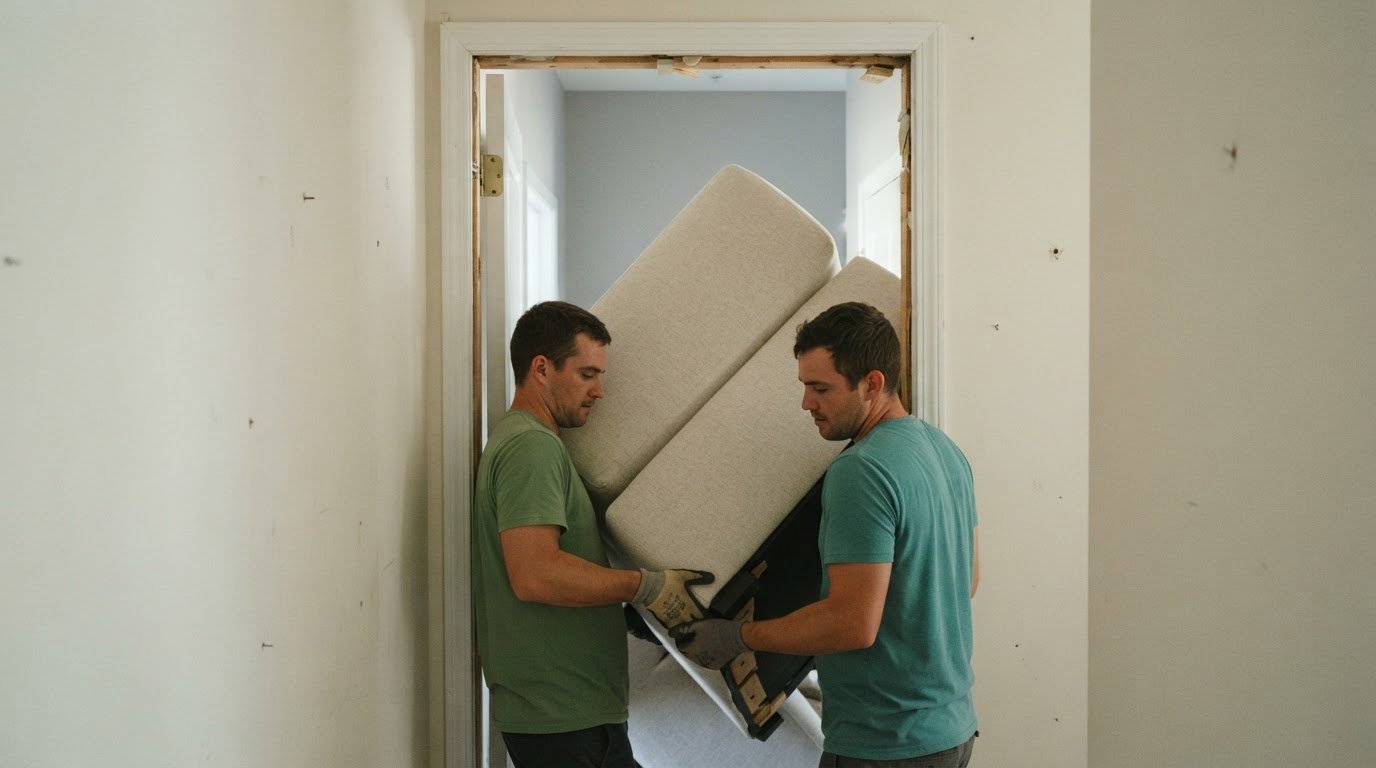
Oversized furniture may be a candidate for hoisting when hallways, stairs, or doorways prevent an interior move. A marble tabletop’s weight and shape matter as much as its width: a broad, rigid piece can be difficult to turn around a tight corner. The crew assesses the entire path and the available handling points before choosing a route. If the tabletop can’t pass through the opening with safe clearance, another access plan is needed.
Protection is part of the plan. Before moving the tabletop, the crew identifies exposed surfaces, including floors near the landing area, window frames, balcony railings, and the stone’s edges. Protective coverings help reduce scuffs and contact damage, while a clear work area limits unnecessary handling. Controlled positioning matters with marble: an edge striking a frame or railing can damage the stone or building.
The lift requires coordinated movement from the crew. Members guide the tabletop steadily, communicate clearly, and avoid sudden shifts as it passes through a window or onto a balcony. They also account for changes in angle between the exterior and interior sides. Improper lifting can cause back injuries, according to the National Institute for Occupational Safety and Health (NIOSH), so planned handling is important for heavy items.
In Chantilly, a professional rigging crew to hoist a marble tabletop through a balcony first needs the tabletop’s dimensions, weight, and access details. Those details help determine whether a window, balcony, rooftop opening, or interior route is the best fit.
Hoisting equipment, including lifting straps, scaffolding, cranes, and pulley systems
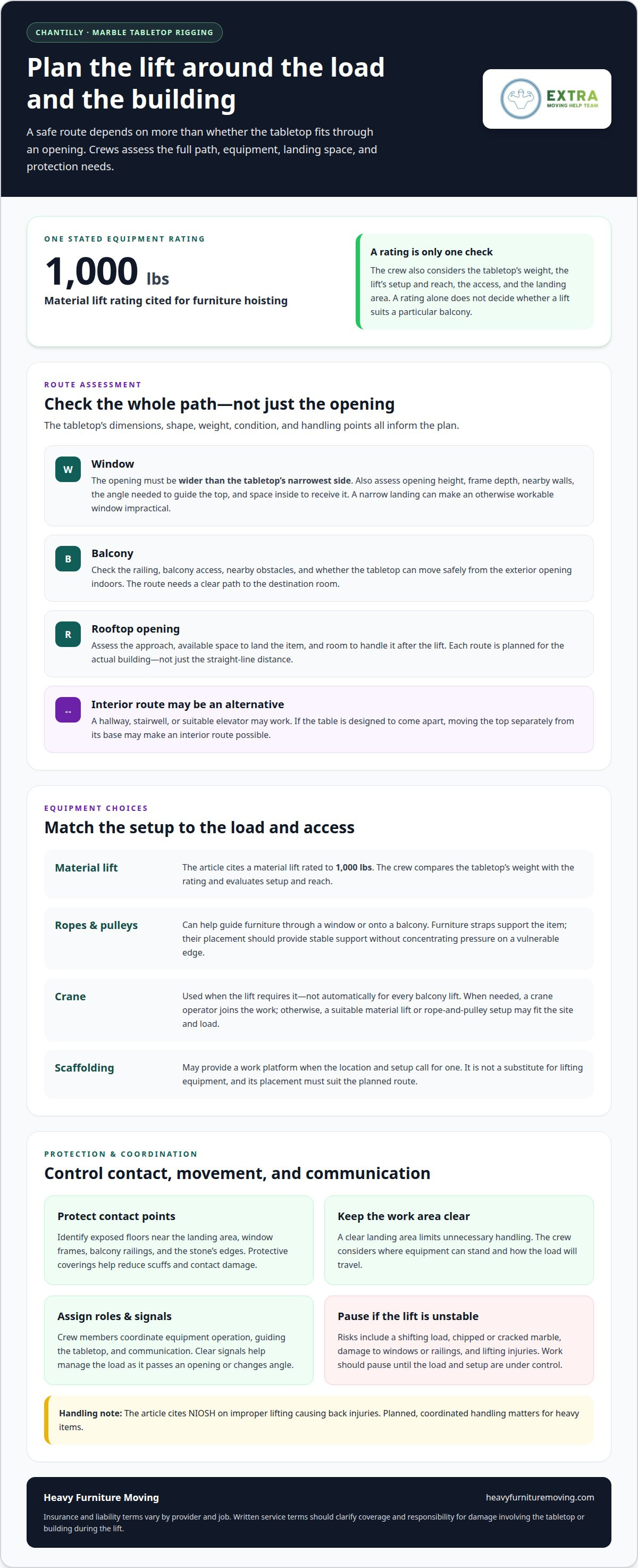
The equipment plan starts with the load, the lifting path, and the place where the marble tabletop must land. A material lift used for furniture hoisting is rated to 1,000 lbs. The crew compares the tabletop’s weight with that rating and considers the lift’s setup and reach. A rating alone doesn’t determine whether the equipment suits a particular balcony.
For rope rigging, ropes and pulleys help guide furniture through a window or onto a balcony. Furniture straps support the item during movement. Their placement matters: a marble top needs stable support without pressure concentrated on a vulnerable edge. Protective materials can also shield contact points around the tabletop and building.
A crane isn’t automatically needed for every balcony lift in Fairfax County. The crew uses one when the lift requires it; otherwise, a suitable material lift or rope-and-pulley setup may fit the access and load. When a crane is needed, a crane operator joins the work. The method depends on the site and lifting plan.
Scaffolding can provide a work platform when the location and setup call for one. It isn’t a substitute for lifting equipment, and its placement must suit the planned route. The crew considers where equipment can stand, how the load will travel, and whether the landing area will stay clear. For an antique tabletop, careful positioning helps avoid sudden contact with a frame, railing, or hard surface.
Professional rigging depends on people as well as equipment. The crew assigns roles for operating equipment, guiding the tabletop, and communicating during the lift. Clear signals help everyone move in coordination, especially as the load passes an opening or changes angle. An organized sequence makes the move more controlled and efficient.
The main risks include a shifting load, chipped or cracked marble, damage to windows or railings, and lifting injuries. The crew reduces risk by choosing equipment suited to the load and route, securing the tabletop, and keeping the landing area clear. If a lift becomes unstable, work should pause until the load and setup are under control.
Insurance and liability terms vary by provider and job. Written service terms should clarify how coverage and responsibility apply to damage involving the tabletop or building during the lift.
For a heavy item that needs skilled handling, explore professional furniture moving help as part of your moving plan.
Hoisting oversized furniture that cannot fit through standard entryways
When a doorway, stairwell, or hallway blocks an oversized piece, an exterior lift may provide another route. Before lifting, the crew assesses the item, access points, and destination together.
Furniture and Marble Tabletop Suitability
Suitability depends on the piece and the complete route, not simply its size. For a marble tabletop, the crew considers its dimensions, weight, condition, shape, and available handling points. The route must let the top pass through an opening and reach a stable landing without hitting nearby surfaces. These details help determine whether an exterior lift suits the move.
Other furniture can need the same assessment. A sofa with removable legs, arms, or a back may fit through an interior route after separation. A 9-foot modern sectional is an example of furniture that can be difficult to move through a building’s stairwells. The crew considers the assembled piece and any removable parts before planning.
External Lifting for Oversized Items
An exterior lift provides another access route when doors, hallways, or stairs don’t offer enough room. The crew plans how the piece approaches and passes through the opening, then reaches its destination. For a marble top, the plan accounts for its orientation and the space available on both sides of the opening.
The assessment treats the exterior approach and interior landing area as parts of one route. A balcony may work for one layout, while a window or rooftop opening may suit another. The crew also considers how the item will move after reaching the opening. A clear path to the destination room can reduce extra turns and unnecessary handling.
Furniture Protection During Hoisting
Protection focuses on the tabletop’s edges and contact surfaces, as well as nearby floors, frames, railings, and belongings. The crew uses suitable protective materials and furniture straps to help control contact during the move. Before lifting, the crew organizes the landing space and clears the inside route, helping prevent the marble top from hitting furniture or walls during transfer.
Preparation also accounts for the tabletop’s existing condition. The crew notes visible damage and vulnerable areas when planning how to support and move the piece. For example, identifying a chipped edge before handling lets the crew take it into account. A clear receiving area gives the team room to guide the tabletop from the opening to its landing point.
In Chicago, sofas and sectionals that are 8 feet or longer are likely candidates for hoisting, especially when interior access is restricted.
Planning around building access, item size, and safety
A marble tabletop hoist plan connects the building’s access points to the item’s dimensions and intended landing area. The crew maps the route before moving begins.
Building Access and Item Size
The crew considers the tabletop’s dimensions, weight, and shape alongside the route through the home. A doorway may fit the top straight on but leave too little room to turn inside. Stairs, hallways, and elevator access also help determine whether an interior move is practical or an exterior lift better suits the building.
Planning includes the opening and the space beyond it. The crew accounts for how the tabletop will pass through, where it can be received, and how it will continue to its destination. For example, a clear landing inside prevents the piece from having to rest against a wall or nearby furniture.
Apartment and High-Rise Hoisting
In an apartment or high-rise, the crew considers both exterior access and the route inside. A balcony opening might bypass tight stairs, while an interior elevator may work if the piece fits. The tabletop’s dimensions and available maneuvering space determine how each option fits the move.
Building height also shapes the lifting plan. The crew considers where equipment can be positioned, how the item will reach the opening, and how movers can guide it safely into the apartment. A high-rise plan must account for the transition from the exterior lift to the interior landing, not just the upward movement.
Building Requirements and Permissions
Building procedures can affect access to a balcony, window, elevator, or shared hallway. The crew factors in access arrangements and any requirements communicated for the move. For example, a reserved elevator or restricted access window may shape the work sequence and timing.
Equipment placement matters, too. If the planned setup uses shared or public space, the crew considers how that area affects the lift plan and which permissions apply. Requirements vary by location and building, so the plan should reflect the actual Chantilly property rather than assume one rule fits every site.
Protection is built into the route. The crew identifies exposed floors, window frames, balcony railings, and nearby belongings, then prepares those contact areas before lifting. A clear path inside also helps prevent the tabletop from brushing against furniture during the final transfer. The team keeps the marble supported and coordinates each movement from the exterior opening to the landing point.
Before the lift begins, the crew aligns the equipment setup, access route, and landing area. If stairs or an elevator offer a workable alternative, those routes can be considered alongside exterior hoisting. This step-by-step assessment matches the method to the apartment, the marble top, and the building’s access conditions.
Hoisting services in Chantilly, Virginia
In Chantilly, a marble tabletop hoist starts with a route assessment, not equipment selection. The crew considers the item, building, and intended landing area together. That local plan helps determine whether a balcony, window, or another access point suits the move. The same approach applies to a sectional or other large furniture piece.
For a marble top, planning starts with its dimensions, weight, condition, and destination. Those details help the crew assess how to support and orient it during the lift. A tabletop going to an upper-floor apartment may need a different route from one entering a ground-level home. The crew also plans how the item will move from the opening to its final room.
Next, the crew matches the access point to the item. A balcony may offer a direct path, while a window or rooftop opening may work better in another building. The assessment considers the opening, exterior approach, interior landing space, and any turns needed afterward. If stairs or hallways provide enough room, an interior route may be more practical than exterior hoisting.
Equipment is selected after the assessment. A pulley system, furniture straps, or material lift may suit the planned movement; a crane is used when the lift requires one. The crew considers where equipment can be positioned and how the tabletop will be guided. No single method suits every Chantilly home, because access and load conditions vary from building to building.
Preparation includes the surrounding property. Before the move begins, the crew organizes the work area and identifies floors, frames, railings, and belongings along the route. For example, a clear receiving area inside helps prevent the marble top from hitting furniture or walls during the handoff. The team coordinates each movement to keep the item controlled from lift to landing.
The same route-first approach matters for larger furniture. A sectional that can’t turn through an apartment hallway may need an exterior route, while a piece with removable parts may fit inside once separated. The crew weighs those options against the building’s access and the item’s handling needs. This makes the plan specific to the piece instead of assuming every oversized item needs a pulley or crane.
For a Chantilly move, useful details include the tabletop’s dimensions, weight, condition, destination, and available access points. Share those specifics to help shape the hoisting plan. Plan a marble tabletop hoist around the item and building access.
Heavy Furniture Moving: Sofa Hoisting
Heavy Furniture Moving offers Sofa Hoisting for bulky sofas that can’t fit through standard entryways. It’s a practical option when a sofa’s size and the home’s access route call for an exterior lift. Share the item’s dimensions, building access points, and destination so the move can be planned around the actual layout.
For a marble tabletop, the earlier planning factors still matter: the opening, lifting route, and landing space must suit the piece. Heavy Furniture Moving also offers Movers Near Me, Exercise Equipment Moving, and in home furniture movers near me for related moving needs.
Contact Heavy Furniture Moving to discuss your furniture move.
Prepare for a smoother move
A marble tabletop move is easier to coordinate when the hoist fits into the wider home move. Decide where the piece will go and plan its arrival around the room setup and moving schedule. That gives everyone a clear next step once the route has been assessed.
If you need a professional rigging crew in Chantilly to hoist a marble tabletop through a balcony, Heavy Furniture Moving can help with heavy lifting and sofa hoisting. Its services also include Movers Near Me and Exercise Equipment Moving. These options can help when your move involves more than one bulky item.
Share the move details and talk through the help you need. Contact Heavy Furniture Moving to discuss your next step. A clear plan can make a demanding move feel more manageable, so you can focus on settling your home.
Frequently Asked Questions
Which professional rigging companies in Chantilly, VA, can hoist a marble tabletop through a balcony?
Heavy Furniture Moving handles residential moves involving heavy, bulky household items, including specialized hoisting. For a Chantilly marble tabletop, the plan should account for its dimensions and condition, building access, and the interior landing area. Share those details and the destination room so the crew can plan how to handle the tabletop after it passes through the balcony opening.
Where can I find furniture hoisting and crane service providers near Chantilly, Virginia?
Heavy Furniture Moving provides residential moving help for heavy items and Sofa Hoisting. A crane isn’t automatically needed for furniture hoisting: the right method depends on the item and site setup. A material lift or rope-and-pulley arrangement may suit a planned lift, while some jobs require a crane operator. Describe the building and item so the crew can consider the method as part of the move plan.
How much does it cost to hoist a marble tabletop through a balcony in Chantilly, VA?
The cost depends on the job details, and Heavy Furniture Moving provides an upfront quote before work begins. Factors include the tabletop’s size and weight, access conditions, stairs, and handling needs. The company uses flat-rate pricing for most single heavy items, while labor is hourly with a two-hour minimum. There isn’t one dollar amount for every balcony lift, because routes and work requirements differ.
What measurements does a crew need before an exterior marble tabletop lift?
Provide the tabletop’s length, width, and thickness, plus its weight if available. Give the clear width and height of the balcony opening, measured between fixed obstructions, not including trim or removable screens. Photos can show nearby railings and the inside landing area. Also share the tightest doorway or turn between the balcony and destination room to help the crew understand the full route.
What Chantilly HOA or apartment rules apply to crane lifts and balcony hoisting?
Building procedures differ, so learn the property’s requirements before setting the lift plan. Ask the HOA or apartment manager about balcony access, elevator reservations, work hours, equipment placement, and shared areas affected by a crane setup. For example, a building may have its own process for scheduling elevator use or protecting common hallways. These property-specific arrangements help the crew plan access without assuming one rule applies everywhere.
Frequently Asked Questions
Heavy Furniture Moving handles residential moves involving heavy, bulky household items, including specialized hoisting. For a Chantilly marble tabletop, the plan should account for its dimensions and condition, building access, and the interior landing area. Share those details and the destination room so the crew can plan how to handle the tabletop after it passes through the balcony opening.
Heavy Furniture Moving provides residential moving help for heavy items and Sofa Hoisting. A crane isn’t automatically needed for furniture hoisting: the right method depends on the item and site setup. A material lift or rope-and-pulley arrangement may suit a planned lift, while some jobs require a crane operator. Describe the building and item so the crew can consider the method as part of the move plan.
The cost depends on the job details, and Heavy Furniture Moving provides an upfront quote before work begins. Factors include the tabletop’s size and weight, access conditions, stairs, and handling needs. The company uses flat-rate pricing for most single heavy items, while labor is hourly with a two-hour minimum. There isn’t one dollar amount for every balcony lift, because routes and work requirements differ.
Provide the tabletop’s length, width, and thickness, plus its weight if available. Give the clear width and height of the balcony opening, measured between fixed obstructions, not including trim or removable screens. Photos can show nearby railings and the inside landing area. Also share the tightest doorway or turn between the balcony and destination room to help the crew understand the full route.
Building procedures differ, so learn the property’s requirements before setting the lift plan. Ask the HOA or apartment manager about balcony access, elevator reservations, work hours, equipment placement, and shared areas affected by a crane setup. For example, a building may have its own process for scheduling elevator use or protecting common hallways. These property-specific arrangements help the crew plan access without assuming one rule applies everywhere.