Professional Heavy Metal Shelving Movers in Centreville
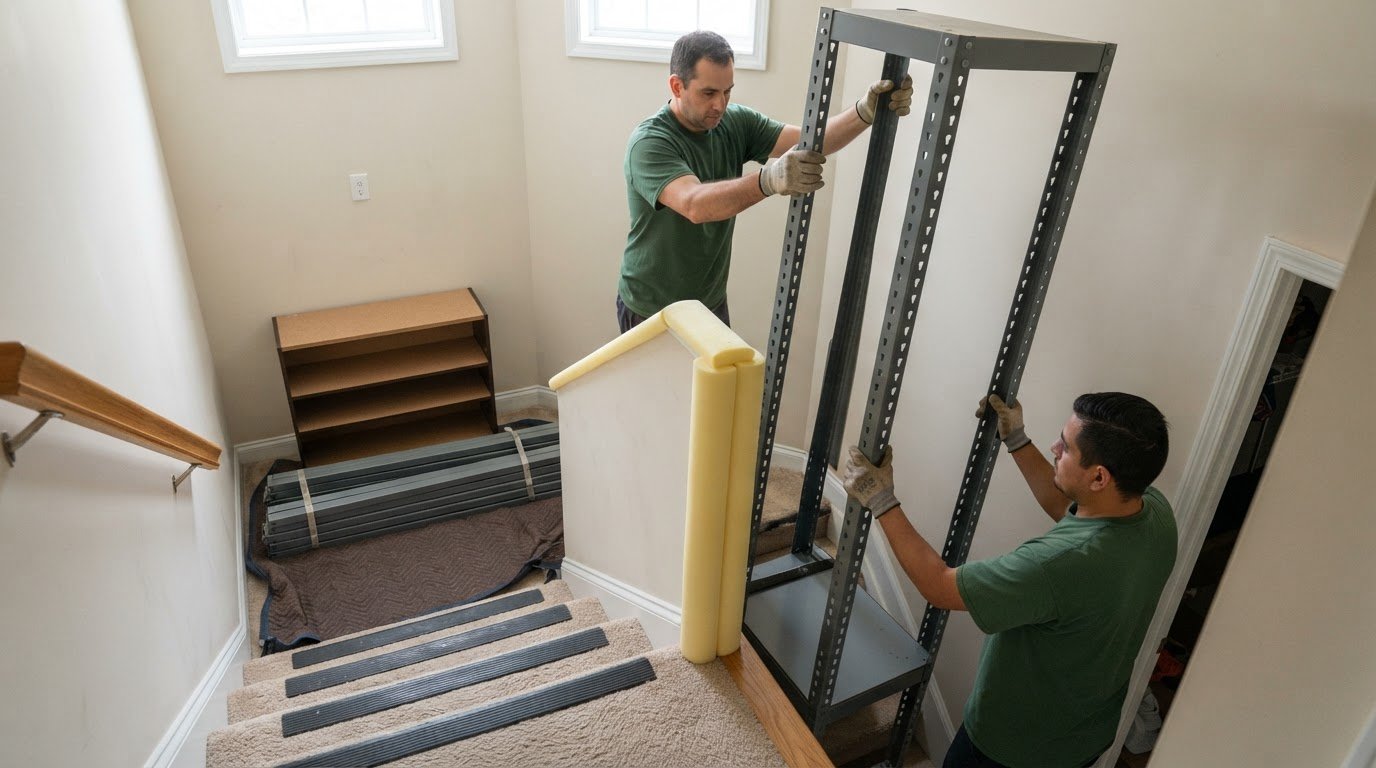
The shelving itself is not the only factor that affects moving time. There is no fixed number of hours for professional movers for heavy metal workshop shelving units in Centreville. The timeline depends on the units’ size and condition, whether they need to be emptied or taken apart, and how easily movers can access and carry them. The same details, along with the distance between locations, help determine the plan.
It makes sense to want a clear plan before moving heavy metal shelves through your home. Their size and weight make tight hallways, doorways, stairs, and floors important parts of the job. This article explains what can affect the move, which details help the team plan it, and how movers can protect your home while handling the shelving. You’ll also learn what information to share to set practical expectations before moving day.
Key Takeaways
- Move time depends on the shelving’s size and condition, whether it needs disassembly, and the route movers must use.
- Learn how a crew can plan to protect floors, stairwells, and entryways while moving bulky metal units.
- Understand which job details affect assembly and disassembly charges, without relying on a one-size-fits-all estimate.
- Share clear information about the shelving and access points to help shape a practical moving plan and booking timeline.
- Heavy Furniture Moving offers moving help for demanding household items when the shelving move calls for experienced heavy-lifting support.
Furniture disassembly and reassembly
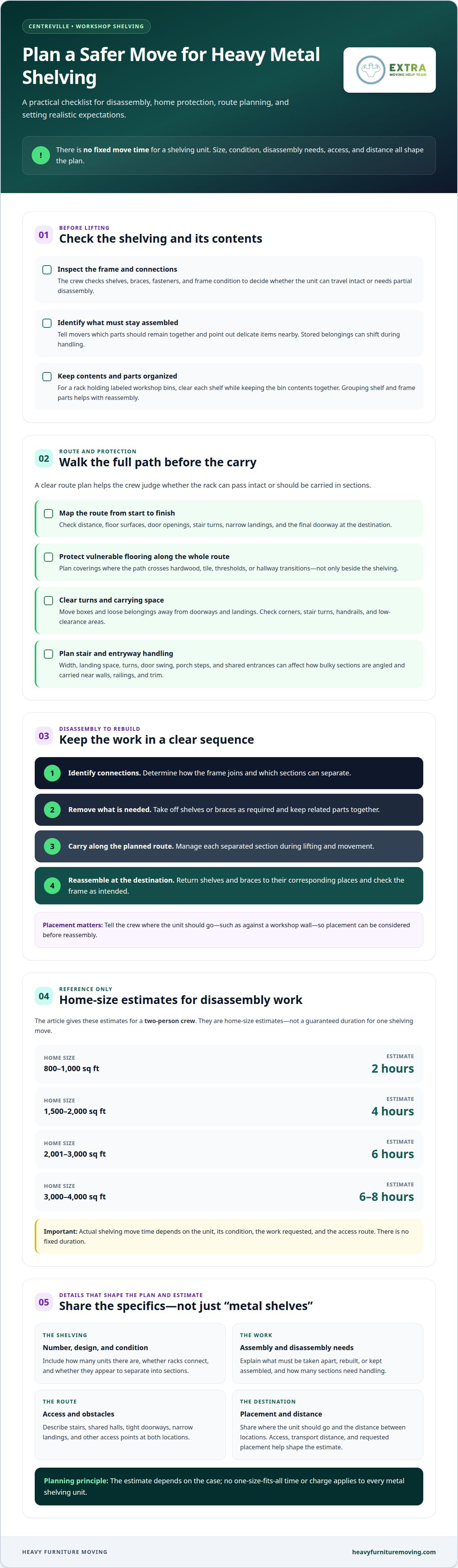
Heavy metal shelving can be easier to move after separating its sections. A professional crew first examines the frame, shelves, braces, and fasteners to decide whether the unit can travel intact or needs partial disassembly. A tall rack may fit through a clear doorway as one piece, while a wider unit may need its shelves removed. The plan depends on the shelving’s design and the route through your home.
Stored items need attention before lifting begins. Movers plan around belongings left on or beside the shelving, since loose objects can shift during handling. Tell the crew which parts must stay assembled and point out any delicate items nearby. For example, a rack holding labeled workshop bins may need each shelf cleared while keeping its contents together. Organizing the shelving parts also helps the crew reassemble the unit at its destination.
A careful disassembly plan generally follows a clear sequence:
- The crew identifies how the frame connects and which sections can be separated.
- Movers remove shelves or braces as needed, keeping related parts grouped together.
- The team carries the separated sections along the planned route, managing each piece during lifting.
- At the destination, movers rebuild the frame and replace its shelves and braces.
Time estimates for furniture disassembly vary with the home’s size and the amount of work. An estimate recommends 2 hours for a two-person crew in a home from 800 to 1,000 square feet. For a home from 1,500 to 2,000 square feet, it recommends 4 hours. A home from 2,001 to 3,000 square feet has an estimate of 6 hours. For a home from 3,000 to 4,000 square feet, the estimate is 6 to 8 hours for a two-person crew. These are home-size estimates, not a guaranteed duration for one shelving move.
Reassembly matters as much as taking the unit apart. The crew needs to return each shelf and brace to its corresponding place, then check that the frame is assembled as intended. A shelving system with several matching sections can take more organizing than a single simple rack. Tell the movers where the unit should go, such as against a workshop wall, so they can plan its placement before reassembly.
For an affordable move, a clear description of the shelving helps the team plan the work. Include the number of units, whether they hold belongings, and whether each rack appears to separate into sections. These details help movers plan disassembly, reassembly, and lifting without treating every metal shelf as identical.
Protecting floors, stairwells, and entryways
Before lifting begins, movers map the route from the shelving’s current position to the exit. They note the distance, floor surfaces, door openings, stair turns, and narrow landings. A metal rack that clears a workshop doorway may still be difficult to angle through an apartment hallway. Identifying tight spots early helps the crew decide whether to move the unit intact or carry it in sections.
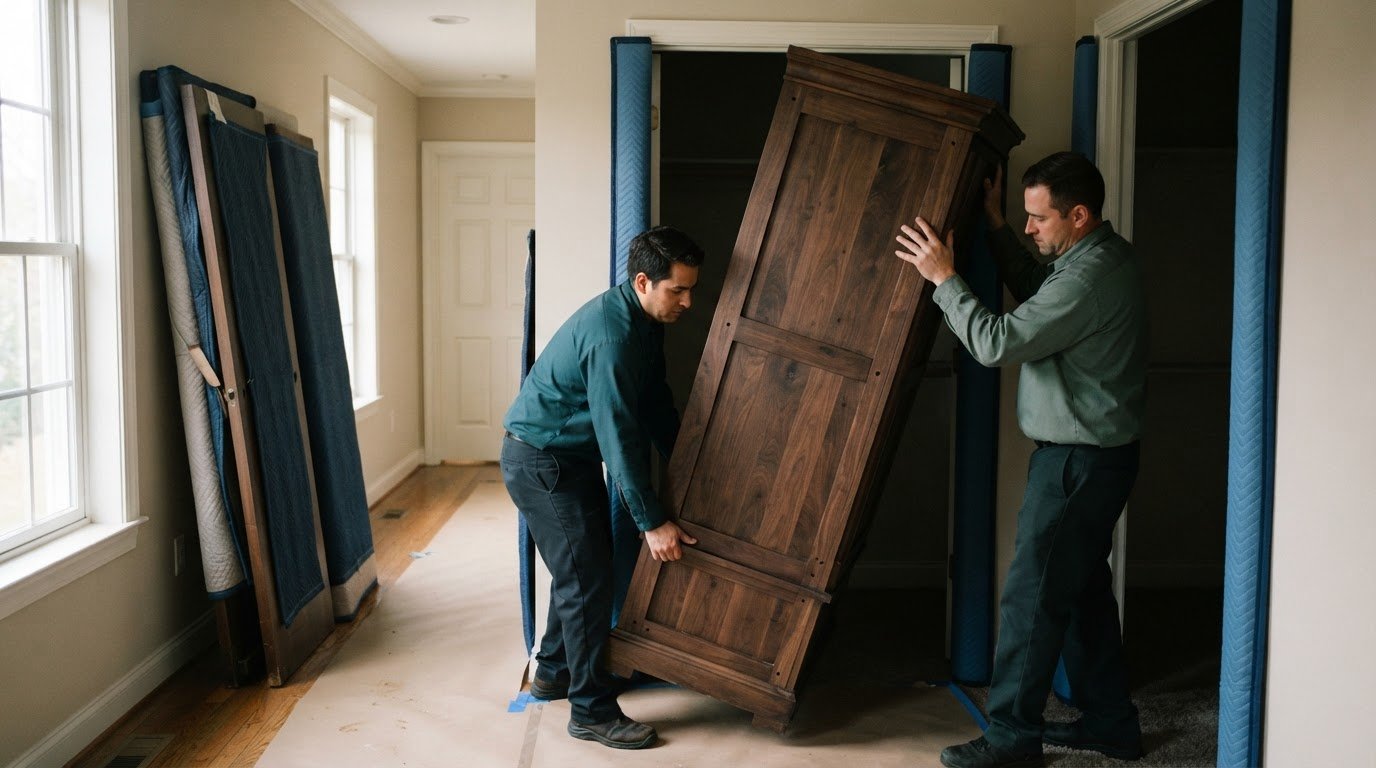
Floor protection follows the actual travel path, not just the area beside the shelving. Movers can place protective coverings where the route crosses hardwood, tile, or other finished flooring. They also keep the path clear of boxes and belongings that could obstruct a turn. For example, a rack leaving a basement storage area may need protection at the bottom of the stairs, across the main floor, and near the entry.
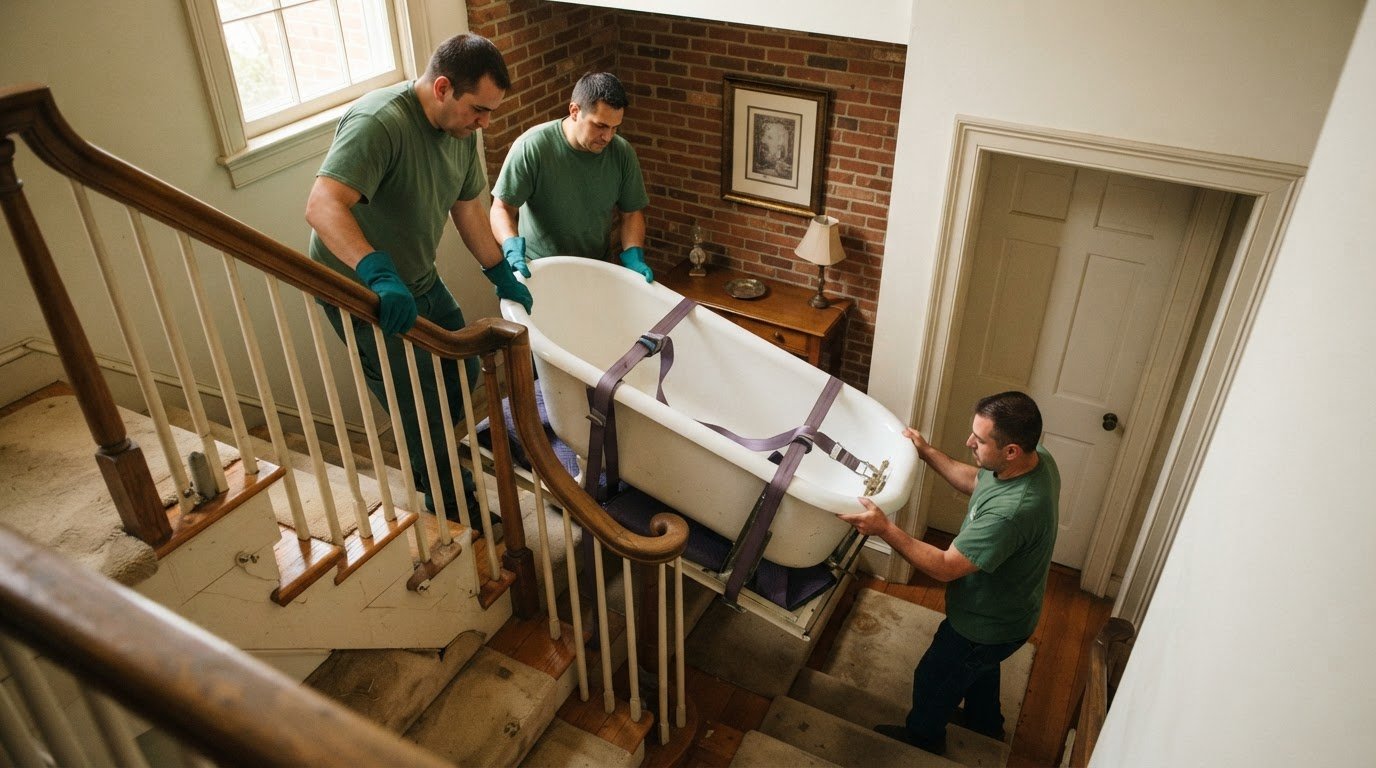
Stairs need a separate plan. The crew assesses the width, landing space, handrails, and turns before carrying bulky sections up or down. In a tight stairwell, a long shelf may need careful angling or separation from its frame. Movers coordinate each lift and movement to keep the shelving controlled near walls, railings, and door trim. The stair route matters as much as the distance to the vehicle.
- Cover the planned route across vulnerable floors, including thresholds and hallway transitions.
- Keep doorways and landings clear so movers can guide each section without sudden detours.
- Check corners, stair turns, and low-clearance areas before starting the carry.
- Set aside nearby storage boxes and loose belongings that could block the path.
Entryways matter at both ends of the move. A narrow front door, porch step, or shared apartment entrance can affect how the crew positions a shelf. Movers plan around the frame, door swing, and space needed to turn without scraping nearby surfaces. If a rack is going to a garage or storage room, the final doorway and floor area also belong in the route plan.
Tell the crew about stairs, shared halls, and any tight access points when arranging the move. If you're here because heavy lifting through your home feels like the hardest part, heavy lifting moving help can support the work. A clear route lets movers focus on controlled carrying and careful placement, while reducing avoidable contact with floors, walls, and entryways.
Assembly and disassembly charges
The charge for taking shelving apart and rebuilding it depends on the work involved. A simple rack with removable shelves differs from connected units with several braces. The estimate also reflects how many sections need handling and whether the shelving must be repositioned before transport. In Virginia, the move plan starts with the unit’s construction, access route, and requested placement. The price depends on the case and is given after a quote request, with assembly needs, disassembly work, access, and transport distance shaping the estimate.
Disassembly can involve more than removing shelves. Movers may need to separate connected frames, keep fasteners together, and manage awkward sections during lifting. For example, a row of workshop racks joined side by side requires different handling from one standalone shelf. The number of connected pieces, their condition, and how they come apart all shape the work. A useful plan accounts for those details rather than treating every metal unit alike.
Reassembly has its own tasks. The crew must match separated parts, rebuild the frame, and return shelves to the intended arrangement. A unit with several similar sections can require more sorting than a single rack. The destination matters too: placing shelving against a clear wall differs from fitting it into a tight storage nook. Share the intended setup so the team can plan the labor needed.
To describe the job clearly, provide these details when requesting an estimate:
- How many shelving units need relocating, and whether they connect.
- Whether shelves hold belongings or need clearing before the move.
- Which parts appear removable, and whether any sections are damaged.
- Where the racks sit now and where they need placement after transport.
- Whether stairs, narrow doors, or a long carry affect access.
Packing can affect the work when items remain on the shelves or need separate handling. The crew may need to account for clearing and organizing contents before dismantling the frame. For example, labeled bins across several shelves require different preparation from an empty rack. Explain what stays with the shelving and what travels separately. This helps define the service you need without assuming packing is part of every shelving move.
If you want to understand what a quote covers, ask for a breakdown of the disassembly, transport, and reassembly work. Compare the proposed plan with the actual setup, including connected racks, stairs, or a specific placement area. That makes it easier to see how the job details shape the plan and whether it suits your move.
Booking timelines
Book once you know the shelving’s destination and preferred move date. The plan depends on the job’s logistics, including access, distance, disassembly, transport, and unloading. Moving one rack along a clear route requires different planning from moving several connected units through a home with stairs. Share those details early so the team can plan around the actual setup rather than a vague item description.
Start with a practical description of the job. Include where the shelves are now, where they’re going, and whether they need assembly or disassembly. Mention narrow hallways, stairs, shared apartment entrances, or limited parking if they affect access. For example, moving a unit from a basement workshop to a garage requires a different route plan from moving shelving between nearby rooms.
Next, identify any timing constraints. A lease handoff, home access window, or delivery appointment can shape your preferred date. Mention whether other moving tasks are happening at the same time. If unloading a container or coordinating another delivery is part of the day, explain the sequence. Clear timing details help the team plan how the shelving move fits into the broader schedule.
Moving labor services are listed as available in Centreville, Virginia, on November 20, 2026. That date is a specific local availability listing, not a standing booking promise. For a planned move, share your preferred date and the job details together. A clear request makes it easier to discuss timing and identify any logistics that could affect the schedule.
- Describe the shelving units, their current location, and the destination.
- Explain whether the move involves stairs, a long carry, or tight access.
- Note requested disassembly, reassembly, or separate unloading tasks.
- Share any date constraints or other scheduled moving services.
Keep the booking details current if the plan changes. Adding another rack, changing the destination, or discovering a stair route can alter the work involved. Send updates promptly so the schedule reflects the new scope. This helps avoid planning for a small move when the job actually involves several units and extra handling.
A useful booking conversation is specific, not complicated. A short description such as “two metal racks from a basement workshop to a first-floor garage, with stairs at the pickup” gives the team helpful context. In Centreville, clear details connect your requested date with the route, handling, and unloading plan. Accurate job information is the best starting point for planning a shelving move.
Centreville movers experience with industrial shelving and workshop equipment
Industrial shelving needs a plan built around its structure and destination. A moving crew identifies how the rack is assembled, whether sections connect, and what must move with it. For example, one standalone shelf differs from several workshop bays joined together. Those details shape how each section is prepared, carried, and placed in a Centreville home.
Workshop equipment adds route and handling considerations. A shelving unit beside exercise equipment may need a different path from a clear garage rack. Movers assess the doorway, hallway, stairs, and destination space before settling on a carry plan. They also account for nearby belongings that could obstruct the move. This preparation helps the crew coordinate heavy items through your home without treating every piece like a simple box.
A practical job plan connects the shelving’s design with the work at each location. The crew can:
- Identify connected sections and decide which parts need separate handling.
- Plan how each piece will pass through the home’s doors and hallways.
- Coordinate the shelving move with other workshop equipment being relocated.
- Place the rack where the customer directs after reaching the destination.
Clear communication matters for specialized moves. Describe the shelving layout, where it sits, and what equipment shares the workshop. A photo can help show whether racks connect or sit beside a workbench. For instance, a crew moving shelving alongside a treadmill needs to understand both items’ positions and the available exit route. Specific details make the work plan more useful.
Local familiarity means understanding the layouts movers encounter in Centreville homes, including garage entrances, basement stairways, and apartment corridors. Each route affects how a bulky frame can be carried and positioned. Considering the actual path, not just the item, helps the team organize the move around access and placement. That planning is especially useful when workshop shelves share space with tools or exercise equipment.
For a shelving move, choose a plan that addresses the rack itself, nearby equipment, and the route between rooms. Discuss whether the job includes moving other heavy belongings, such as exercise equipment, so the work can be coordinated. Arrange heavy-item moving help for shelving and workshop equipment in Centreville when careful handling and a clear route plan matter.
Heavy Furniture Moving
Heavy Furniture Moving helps customers plan careful moves for metal shelving and other bulky household items. Its residential moving services support people facing heavy lifting or tight routes at home. Share where the shelving is now, where it needs to go, and whether other household items affect access. This context helps the team plan around your home and the work required.
For related heavy items, the team also handles exercise equipment and in-home furniture moves. If moving your shelving feels like too much to manage alone, contact Heavy Furniture Moving to discuss the job and the help you need.
Make Your Shelving Move the Next Step
Turn your plans into a clear moving request. Describe the shelving, its location, the destination, and any access details that could shape the job. This gives the conversation a practical focus and helps match the work to your household’s needs. If you need professional movers for heavy metal workshop shelving units in Centreville, Heavy Furniture Moving can help with heavy-item moves and related household lifting.
Heavy Furniture Moving also offers Movers Near Me, Exercise Equipment Moving, and Sofa Hoisting. These services can help when shelving is part of a broader home move or other bulky items need attention. Choose the support that fits your situation, then share the details that matter for planning.
Contact Heavy Furniture Moving to discuss your shelving move and take the next step with confidence.
Frequently Asked Questions
How many hours do I need?
The time depends on the shelving’s design, quantity, and route. Connected racks, tight turns, stairs, and requested reassembly add work compared with one freestanding unit and a clear path. Movers also consider whether the shelves need preparation before lifting. Share the unit layout and both locations when arranging the move so the schedule reflects the actual handling, not an assumed duration.
Can I find professional movers near Centreville, Virginia, for heavy metal workshop shelving units?
Heavy Furniture Moving serves Centreville and nearby communities, including Fairfax, Woodbridge, Manassas, Manassas Park, Aldie, Ashburn, McLean, Vienna, Reston, Chantilly, Clifton, Dumfries, South Riding, Fairfax Station, Haymarket, and Gainesville. Centreville residents seeking professional movers for heavy metal workshop shelving units can request moving help and describe the rack, destination, and access. This helps establish whether the job needs labor support for bulky household items.
What are the hourly rates and minimum charges for local movers in Centreville?
Hourly labor has a 2-hour booking minimum, and the quote is provided upfront before work begins. Hourly rates depend on the job details, while most single heavy items use flat-rate pricing. The estimate reflects the requested work and access conditions. Share the shelving details and route to receive a quote that matches your move, rather than relying on a generic rate.
Should heavy shelving be disassembled before professional movers transport it?
Not necessarily. Movers assess the shelving’s construction, stability, and route before deciding whether it should move intact or in sections. A rack that clears each doorway may need less preparation than connected shelving facing a tight turn. Explain how the unit is assembled and where it needs to go so the crew can plan the handling and any reassembly.
How do movers protect floors, walls, and shelving during a local move?
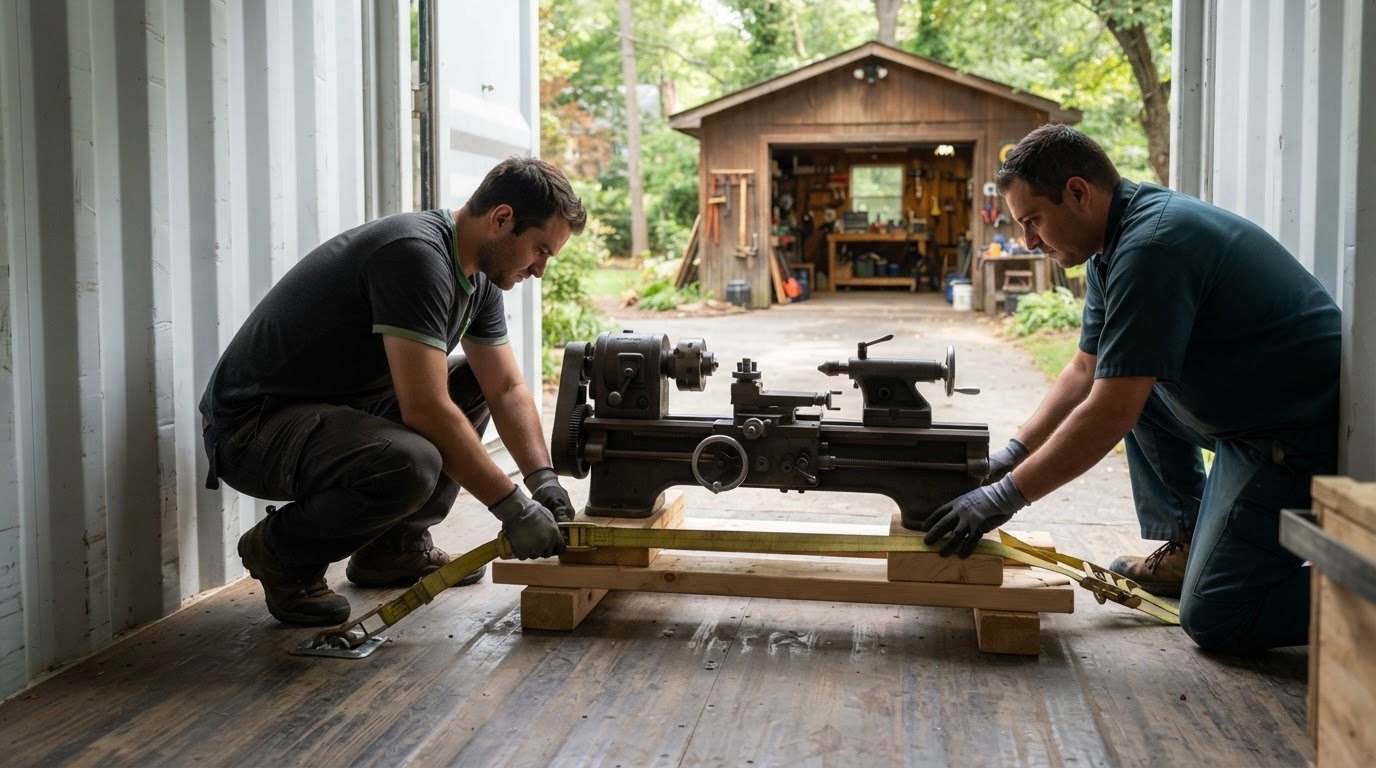
Protection can include moving blankets, shrink film, ratchet straps, masonite floor protection, and door-jamb covers. These materials help protect the item and your home during handling and transport. For example, floor protection can cover a route across finished flooring, while a door-jamb cover helps protect a narrow entry. Wrap and straps are included so the crew can secure and cover items during the job.
What questions should I ask Centreville movers before booking a heavy shelving move?
Give the moving team clear details, then ask what the quote covers, how the route affects the plan, and how shelving preparation will be handled. Mention connected racks, stairs, tight doorways, and the final placement. For labor-only help, plan to supply the vehicle. These specifics help align the requested service with your shelving move and clarify the plan.
Frequently Asked Questions
The time depends on the shelving’s design, quantity, and route. Connected racks, tight turns, stairs, and requested reassembly add work compared with one freestanding unit and a clear path. Movers also consider whether the shelves need preparation before lifting. Share the unit layout and both locations when arranging the move so the schedule reflects the actual handling, not an assumed duration.
Heavy Furniture Moving serves Centreville and nearby communities, including Fairfax, Woodbridge, Manassas, Manassas Park, Aldie, Ashburn, McLean, Vienna, Reston, Chantilly, Clifton, Dumfries, South Riding, Fairfax Station, Haymarket, and Gainesville. Centreville residents seeking professional movers for heavy metal workshop shelving units can request moving help and describe the rack, destination, and access. This helps establish whether the job needs labor support for bulky household items.
Hourly labor has a 2-hour booking minimum, and the quote is provided upfront before work begins. Hourly rates depend on the job details, while most single heavy items use flat-rate pricing. The estimate reflects the requested work and access conditions. Share the shelving details and route to receive a quote that matches your move, rather than relying on a generic rate.
Not necessarily. Movers assess the shelving’s construction, stability, and route before deciding whether it should move intact or in sections. A rack that clears each doorway may need less preparation than connected shelving facing a tight turn. Explain how the unit is assembled and where it needs to go so the crew can plan the handling and any reassembly.
Protection can include moving blankets, shrink film, ratchet straps, masonite floor protection, and door-jamb covers. These materials help protect the item and your home during handling and transport. For example, floor protection can cover a route across finished flooring, while a door-jamb cover helps protect a narrow entry. Wrap and straps are included so the crew can secure and cover items during the job.
Give the moving team clear details, then ask what the quote covers, how the route affects the plan, and how shelving preparation will be handled. Mention connected racks, stairs, tight doorways, and the final placement. For labor-only help, plan to supply the vehicle. These specifics help align the requested service with your shelving move and clarify the plan.