Loading Moving Containers in Fairfax Station: Costs and Time
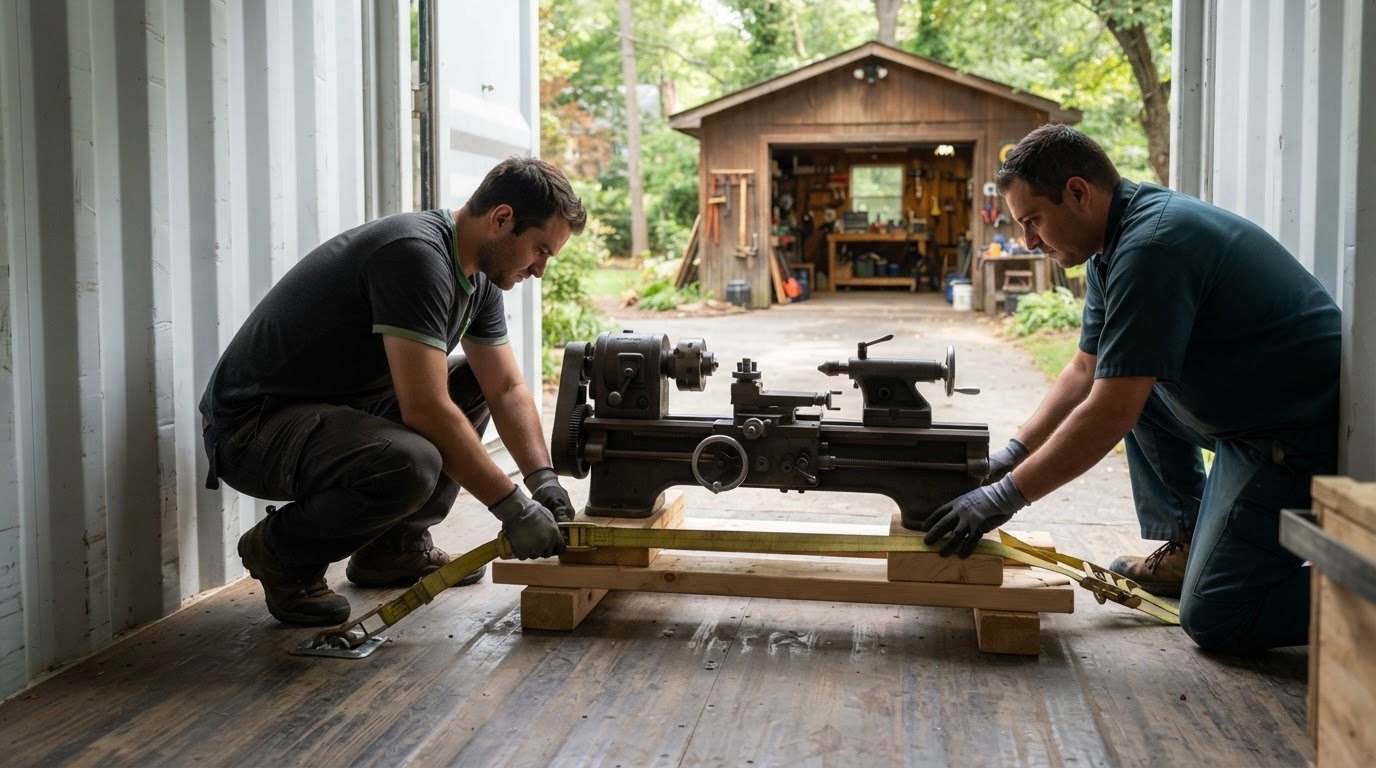
The machinery, not just the container, sets the pace. For loading a moving container with heavy workshop machinery in Fairfax Station, a two-person crew estimate for a home under 800 square feet is 2 hours, but that’s a baseline for the home, not a guaranteed time for machinery loading. Heavy, awkward equipment and a long or restricted path to the container can add work.
Before moving day, it helps to know what affects labor for loading heavy machinery into a container. A useful estimate considers each machine’s size and weight, the route from the workshop to the container, and how easily movers can reach the loading area.
This article explains what shapes labor and cost in Fairfax Station, how distance, stairs, slopes, and access can affect the work, and when professional heavy-lifting help can make loading easier to manage. It also shows how to plan around the machinery rather than rely on a generic home-size estimate.
Key Takeaways
- Use home-size crew estimates as a starting point, then account separately for the work involved in loading heavy machinery.
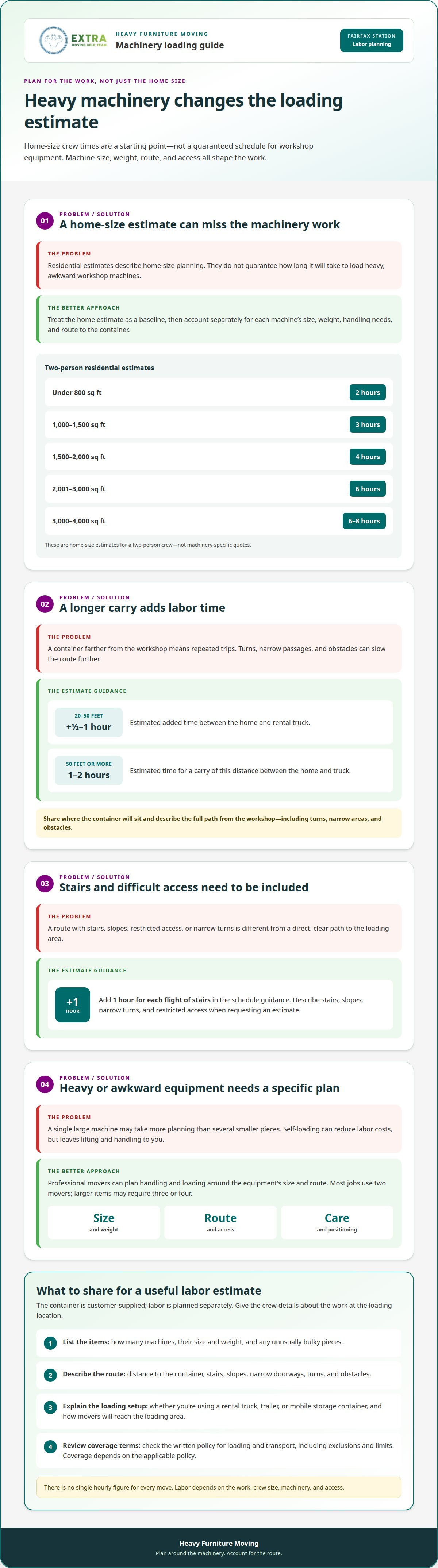
- Plan for access time: a 20-to-50-foot path to the truck can add 1/2 hour to 1 hour, while a carry of 50 feet or more is estimated at 1-2 hours.
- Factor in stairs when estimating the schedule; the guidance adds 1 hour for each flight.
- Learn what information helps shape a labor-only loading estimate when you supply the moving container.
- See how container loading help and heavy-item moving services can fit a move involving bulky workshop equipment.
What does moving in Fairfax Station cost?
Labor-only loading help means a crew loads your customer-supplied container, while you arrange the container itself. Moving labor services in Fairfax Station, Virginia, are listed as available on November 22, 2026. For loading a moving container with heavy workshop machinery in Fairfax Station, a home-size labor estimate is only a starting point, not a machinery-specific quote.
Hourly Help and Labor Estimates
Hourly labor-only help lets you plan crew time separately from container rental. For a two-person crew, estimates are 2 hours for homes under 800 square feet, 3 hours for homes between 1,000 and 1,500 square feet, and 4 hours for homes between 1,500 and 2,000 square feet. These residential estimates describe home-size planning, not a guaranteed schedule for workshop equipment.
For homes between 2,001 and 3,000 square feet, the estimate is 6 hours. Homes between 3,000 and 4,000 square feet are estimated at 6-8 hours with two people. When planning the loading of a moving container with heavy workshop machinery in Fairfax Station, consider the machinery separately from these home-size estimates.
Movers consider how many pieces need loading, their size, the route to the container, and the handling each item requires. One large machine may take more planning than several smaller pieces. When requesting an estimate, share an item list and access details, including any narrow doorways or turns along the route.
Machinery Movers Versus Self-Loading
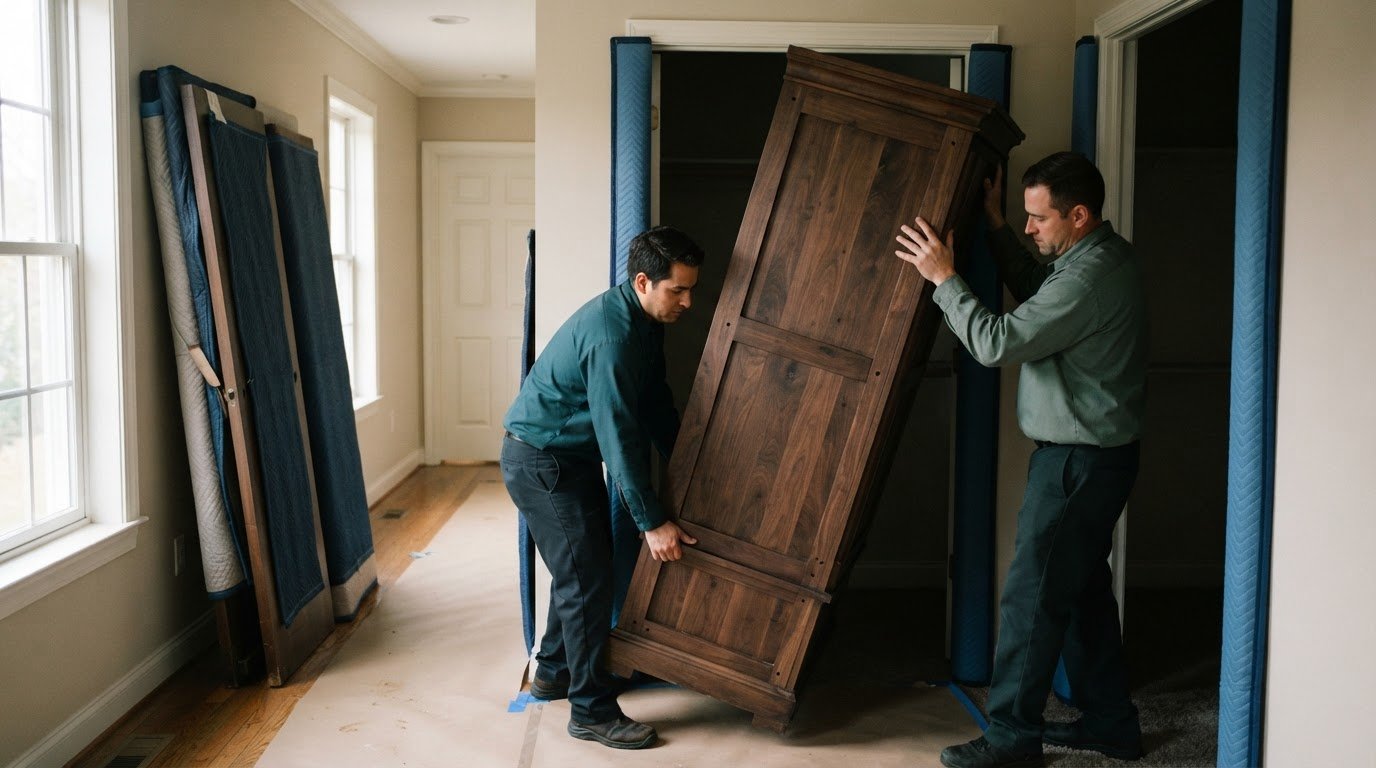
Professional movers are a practical choice for equipment that is heavy, awkward, or difficult to control. A crew can plan how to handle and load each machine based on its size and route. Self-loading can reduce labor costs, but it leaves the lifting and handling work to you.
Consider the equipment’s value, condition, and handling needs when planning labor. Careful positioning can take more time, while a clear route can help prevent delays. Crew size matters too: most jobs use two movers, while larger items may require three or four.
In Fairfax and across Northern Virginia, labor-only moving help can suit people who have arranged their own container and need loading support. The labor estimate depends on the work, crew size, machinery, and access. There is no single hourly figure to apply to every Fairfax Station move. The price depends on the case and is given after a quote request.
Container placement rules depend on the property and location. Public-space requirements and private community rules can differ, so arrange placement clearance with the relevant property authority and HOA before delivery.
Coverage for workshop machinery depends on the applicable policy and its terms. Don’t assume a mover’s coverage protects equipment during both loading and transport. Review the written terms for each stage, including any exclusions and limits.
Loading and unloading moving trucks and mobile storage containers
Loading a rental truck, trailer, storage unit, or portable container involves more than lifting items across a threshold. The crew needs to account for the path, the loading area, and the order of items. Those details affect how quickly movers can work and how much labor the job requires. For someone relocating from a Fairfax Station home, the distance between the door and the vehicle is a key part of the estimate.
A container parked close to the entrance creates a different job from one placed farther away. For a 20-to-50-foot distance between the home and rental truck, the estimate adds 1/2 hour to 1 hour. That extra time covers the repeated trips between the home and vehicle. Heavy workshop machinery can make each trip more involved, especially when equipment needs careful handling along the route.
Distance matters because it affects how far the crew must carry each item. A clear, direct path helps movers maintain a steady flow from the workshop to the container. Turns, narrow passages, and obstacles can slow the work. When requesting an estimate, describe where the container will sit and how movers will reach it so the plan reflects the actual loading conditions.
Loading and unloading require different plans. At the starting address, movers arrange items inside the container, considering the loading sequence and available space. At the destination, they carry items out and place them where directed. A storage unit may have a different entrance and interior layout from a driveway container, so describe access at both locations when requesting an estimate.
For a useful estimate, describe the vehicle or container, its distance from the workshop, and the items being moved. Include whether you’re using a rental truck, trailer, or mobile storage container. Note unusually bulky or heavy pieces and any turns or narrow access points along the route. These details help distinguish straightforward loading from a job involving longer carries or more handling.
Labor in Fairfax is easier to plan when the crew knows the full route and both ends of the move. If you’re here to arrange loading support for a customer-supplied container, container-loading help can fit that need. Clear information about access, distance, and unloading plans helps set practical expectations before moving day.
How movers estimate long carries, slopes, and restricted access
Carry distance and access shape the labor estimate for a Fairfax Station move. Movers consider the route from the workshop to the container, including stairs, slopes, narrow turns, and obstacles. A direct path from the workshop door to a parked truck takes different effort than a route through a side yard. Describe the actual loading area so the estimate reflects the work.
Distance adds carrying time. For a carry of 50 feet or more between the home and truck, the estimate is 1-2 hours. This is separate from the earlier estimate for a 20-to-50-foot distance. The difference matters when a container must sit farther from the entrance, such as near the road instead of beside the workshop.
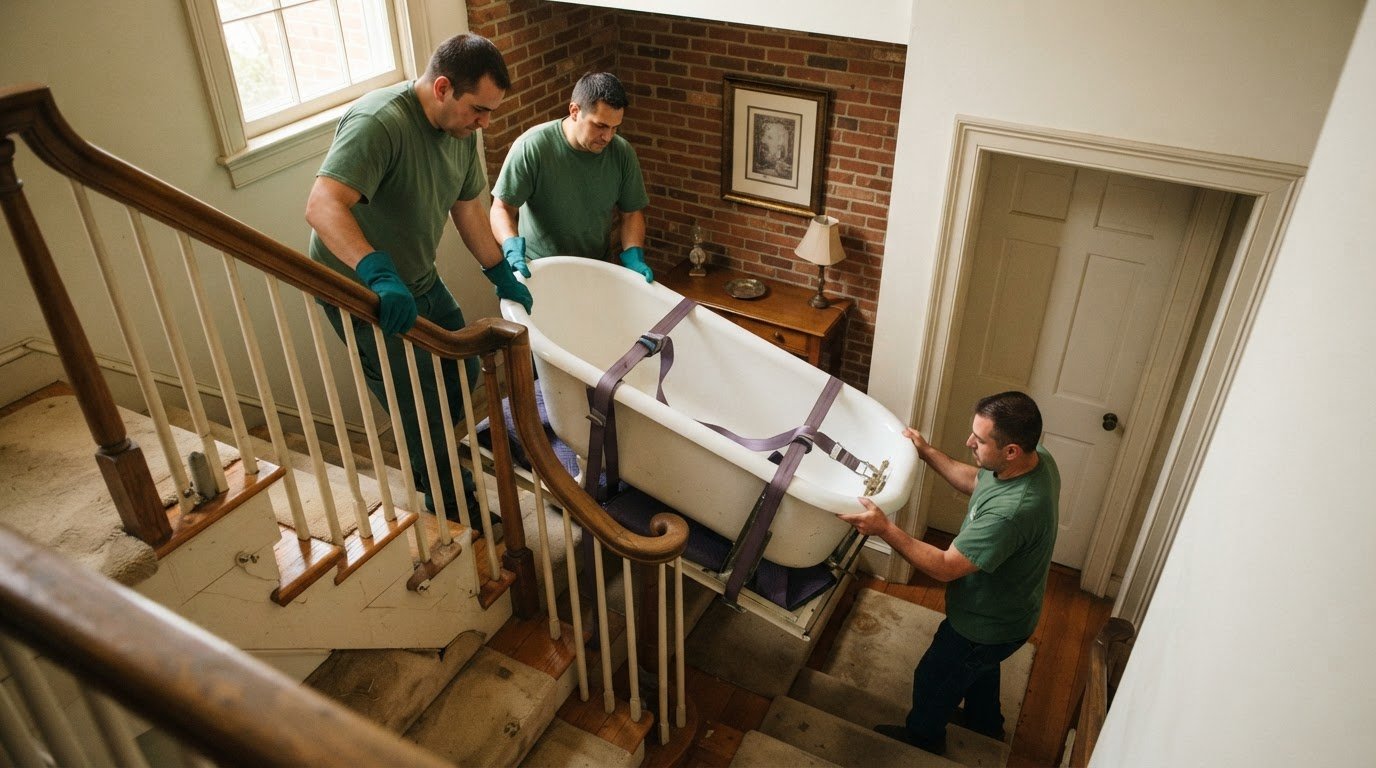
Stairs change the plan, too. Add 1 hour for each flight of stairs when estimating the move. For example, a workshop upstairs requires more carrying time than one opening directly onto a driveway. Movers account for each stair flight along the route, not just the stairs inside the home. This helps distinguish a short, level carry from a longer multi-level job.
A slope can slow the crew because it makes the route less direct and requires careful movement. Restricted access can have a similar effect: a narrow gate, tight turn, or blocked walkway may limit how equipment can be moved. The impact depends on the route, the machine’s size, and the space available to maneuver.
For a practical estimate, give the movers a clear picture of the full route. Describe where the truck can stop, the distance from the workshop, any stairs, and sloped or narrow sections. Include bulky machinery in the item list. A large piece that must pass through a tight turn may require a different handling plan from smaller equipment on a level path.
Packing and access details also affect how a move is organized. Movers can account for equipment that is already prepared for loading, items that still need attention, and the route between the workshop and container. Share those details before delivery, including any access limits at both locations. A courteous crew can then plan its movement around the actual conditions instead of assuming every doorway and path is clear.
For a Fairfax Station estimate, treat distance, stairs, slope, and access as separate parts of the route. The 1-2-hour estimate for carries of 50 feet or more and the 1-hour-per-flight stair allowance offer concrete planning points. The remaining conditions help determine how the crew approaches the work and how much labor the full move requires.
Heavy lifting and moving machinery-sized or bulky items
Loading a moving container with heavy workshop machinery in Fairfax Station takes planning around weight, shape, and placement. Movers also consider the container’s capacity and how the machinery will fit alongside furniture and other items.
Weight limits professional movers check when loading workshop machinery into a moving container
Movers compare each machine’s weight with the container’s rated capacity and the vehicle’s allowable load. They also account for the combined weight of machinery, furniture, and packed belongings. Check the container and vehicle specifications, since weight limits vary by setup.
Weight distribution matters as well as total capacity. Movers plan where heavy pieces will sit and consider the vehicle’s axle limits. The container and vehicle documentation provides the relevant limits. Share the machinery weights and container details so the loading plan can account for both.
How Professionals Secure Machinery in the Container
Movers position machinery to help reduce shifting during transport, then secure it with suitable restraints. The approach depends on the equipment’s shape and weight, as well as the available anchor points. A compact machine and a tall, uneven piece need different placement plans.
Placement also affects nearby belongings. Movers consider how heavy machinery sits beside furniture and other items to reduce pressure on vulnerable parts. Physical loading and insurance coverage are separate considerations, so review the written policy to understand what it covers during handling and transport.
Equipment Professionals Use to Load Heavy Machinery
The equipment used depends on the machine, route, and container setup. Professional movers select handling equipment suited to the item’s dimensions and weight. Doorways, turns, and the loading surface also shape the approach, so no single tool suits every machinery move.
A machine that must pass through a narrow doorway may need a different handling plan from one with a direct route. Movers assess access and the container opening before deciding how to assist. Clear information about the equipment and route helps the crew plan.
For loading heavy workshop machinery into a moving container in Fairfax Station, include each item’s weight, dimensions, and known handling needs when requesting an estimate. This helps movers plan labor, placement, and weight distribution together. Mention any furniture or other bulky items sharing the container, since the combined load affects capacity and arrangement.
The cost depends on the labor required and is provided after a quote request. Machinery, crew needs, access, and container details all shape the estimate. An affordable plan starts with accurate item and route information, not an assumed rate or generic home-size estimate.
What moving container companies serve Fairfax Station, Virginia?
For a Fairfax Station move, distinguish the container company from the crew loading it. You arrange the portable container, then hire labor to load the heavy workshop machinery. These arrangements can have different schedules, terms, and responsibilities. Treat the delivery address, container type, and loading plan as separate parts of the move.
Start with the exact Fairfax Station address and your container arrangements. Confirm that delivery can reach the property and identify where the container can be placed. A driveway placement differs from a spot farther from the workshop entrance, affecting the carry route and labor estimate.
Compare the container terms that affect your move, not just the container label. Review delivery and pickup arrangements, permitted placement, capacity, and how long it can remain on site. For machinery, the loading opening matters as well as the overall space. A machine may fit inside the container but still be difficult to maneuver through the entrance.
Keep the loading crew’s role clear. The container company handles delivery and pickup, while labor-only movers load the items you provide. If a workshop machine and furniture share one container, the loading plan needs to account for both the equipment and the remaining space. The crew’s estimate should reflect the work and access, not just the container size.
Before settling the arrangement, organize these details for the Fairfax Station move:
- The delivery address and intended container placement.
- The container type, capacity, opening, and delivery schedule.
- A list of machinery and bulky items, including known weights and dimensions.
- The route from the workshop to the container, including stairs, slopes, and narrow turns.
- Which party handles delivery, loading, pickup, and transport.
These details help you decide whether the container arrangement suits the machinery and property. A narrow entrance, long carry, or crowded loading area can affect the labor plan even if the container can be delivered. Keep loading labor separate from container rental so the estimate clearly covers each part of the move.
For Fairfax Station residents, choose an arrangement that fits the address, equipment, and loading needs. Confirm the container’s intended use and the crew’s responsibilities in writing, then coordinate delivery timing with the loading plan. This keeps the container and labor schedules aligned without treating one service as a substitute for the other.
Heavy Furniture Moving: pod loading service near me
Heavy Furniture Moving loads customer-supplied containers when bulky items need careful handling. Its pod loading service can help when workshop machinery, exercise equipment, or heavy furniture needs to be loaded alongside household belongings.
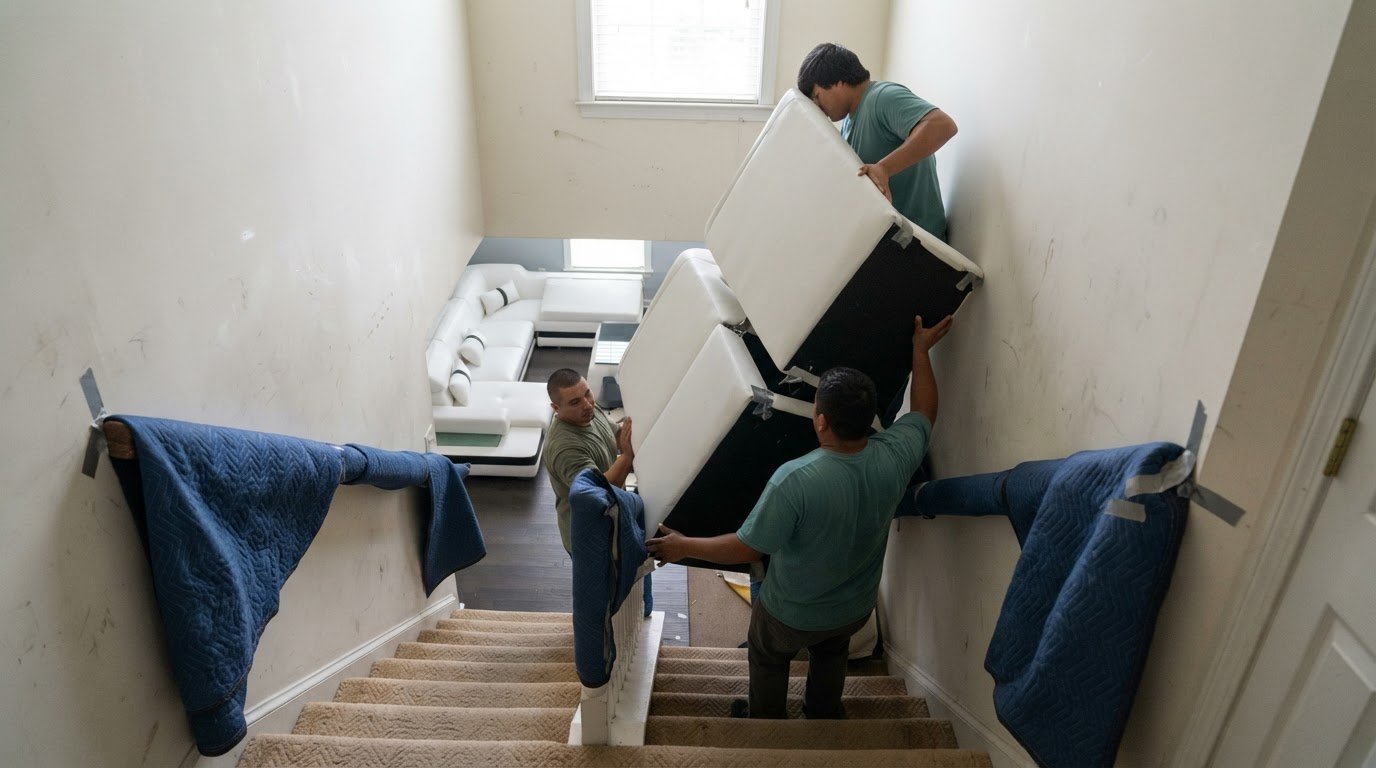
Consider this service when the route to the container, equipment size, or loading sequence makes the job demanding. Heavy Furniture Moving also offers Exercise Equipment Moving and Sofa Hoisting. Share the item list, access route, and container placement details so the crew can plan the loading work.
For loading support in Fairfax Station, contact Heavy Furniture Moving to discuss your move.
Set Up Your Container Move With Confidence
A successful plan for loading a moving container with heavy workshop machinery in Fairfax Station starts with a clear handoff: explain what needs moving, where the container will sit, and what access the crew will have. This gives the loading team a practical picture of the job before moving day.
Use those details to coordinate your container and labor arrangements. Think ahead to the destination, too: decide where the machinery should go after unloading and which items need to stay accessible. Planning these choices can make the transition into the next workspace more organized.
Heavy Furniture Moving offers pod loading help for customer-supplied containers, alongside moving support for heavy and bulky items. Share your move details and discuss the loading help that fits your plans. Contact Heavy Furniture Moving to talk through your container move and take the next step with a clear plan.
Frequently Asked Questions
How many hours should I book for professional container-loading help?
Book at least the two-hour labor minimum, then estimate additional time from the actual workload. A two-person crew estimate for a home under 800 square feet is two hours, but that home-size guide doesn’t account for every workshop machine. Include the item list, dimensions, access route, and container location when planning. A large machine or multiple bulky pieces can change the time needed.
How many movers should I book to load heavy workshop machinery?
Most jobs use two movers, while larger items may need three or four. The right crew depends on the machinery’s size, weight, shape, and route from the workshop to the container. Equipment passing through a tight doorway may need a different plan from an item with direct driveway access. Share the details so the crew can plan for the job.
How soon can labor help arrive?
Same-day crews are often available when a time slot is open. Calling before 2 PM usually gives you the best chance of finding same-day help, though a specific arrival time depends on the schedule. If your container delivery is already arranged, share its timing when booking labor. Coordinating those appointments helps avoid having the container arrive before the loading crew can work.
What if the truck cannot use my driveway or park outside?
Tell the loading crew where the truck can stop and describe the full route from the workshop. A truck parked farther away can add labor time, especially when the route includes stairs, slopes, gates, or tight turns. Mention details such as a side entrance or shared driveway that could affect access. This helps the crew plan around the actual route.
How much does a moving container cost in Fairfax Station?
Container rental costs depend on the container size, rental period, delivery arrangements, and pickup terms. Loading labor is separate from container rental, so keep the two estimates distinct. Workshop machinery may require more loading time than a household-only move. Compare the container’s capacity and delivery terms with your item list and schedule before choosing an arrangement.
Can a moving container be placed on a Fairfax Station driveway or street?
A driveway may provide a private placement area, while a street location can involve different local rules or permissions. Placement also depends on whether the delivery vehicle can reach the spot and whether the container would block access. For a Fairfax Station address, identify the exact location and any property restrictions before arranging delivery. An HOA or property manager may have separate placement requirements for shared or managed property.
Frequently Asked Questions
Book at least the two-hour labor minimum, then estimate additional time from the actual workload. A two-person crew estimate for a home under 800 square feet is two hours, but that home-size guide doesn’t account for every workshop machine. Include the item list, dimensions, access route, and container location when planning. A large machine or multiple bulky pieces can change the time needed.
Most jobs use two movers, while larger items may need three or four. The right crew depends on the machinery’s size, weight, shape, and route from the workshop to the container. Equipment passing through a tight doorway may need a different plan from an item with direct driveway access. Share the details so the crew can plan for the job.
Same-day crews are often available when a time slot is open. Calling before 2 PM usually gives you the best chance of finding same-day help, though a specific arrival time depends on the schedule. If your container delivery is already arranged, share its timing when booking labor. Coordinating those appointments helps avoid having the container arrive before the loading crew can work.
Tell the loading crew where the truck can stop and describe the full route from the workshop. A truck parked farther away can add labor time, especially when the route includes stairs, slopes, gates, or tight turns. Mention details such as a side entrance or shared driveway that could affect access. This helps the crew plan around the actual route.
Container rental costs depend on the container size, rental period, delivery arrangements, and pickup terms. Loading labor is separate from container rental, so keep the two estimates distinct. Workshop machinery may require more loading time than a household-only move. Compare the container’s capacity and delivery terms with your item list and schedule before choosing an arrangement.
A driveway may provide a private placement area, while a street location can involve different local rules or permissions. Placement also depends on whether the delivery vehicle can reach the spot and whether the container would block access. For a Fairfax Station address, identify the exact location and any property restrictions before arranging delivery. An HOA or property manager may have separate placement requirements for shared or managed property.