Post-Move Furniture Placement Help in Haymarket: Get Heavy Pieces Where They Belong
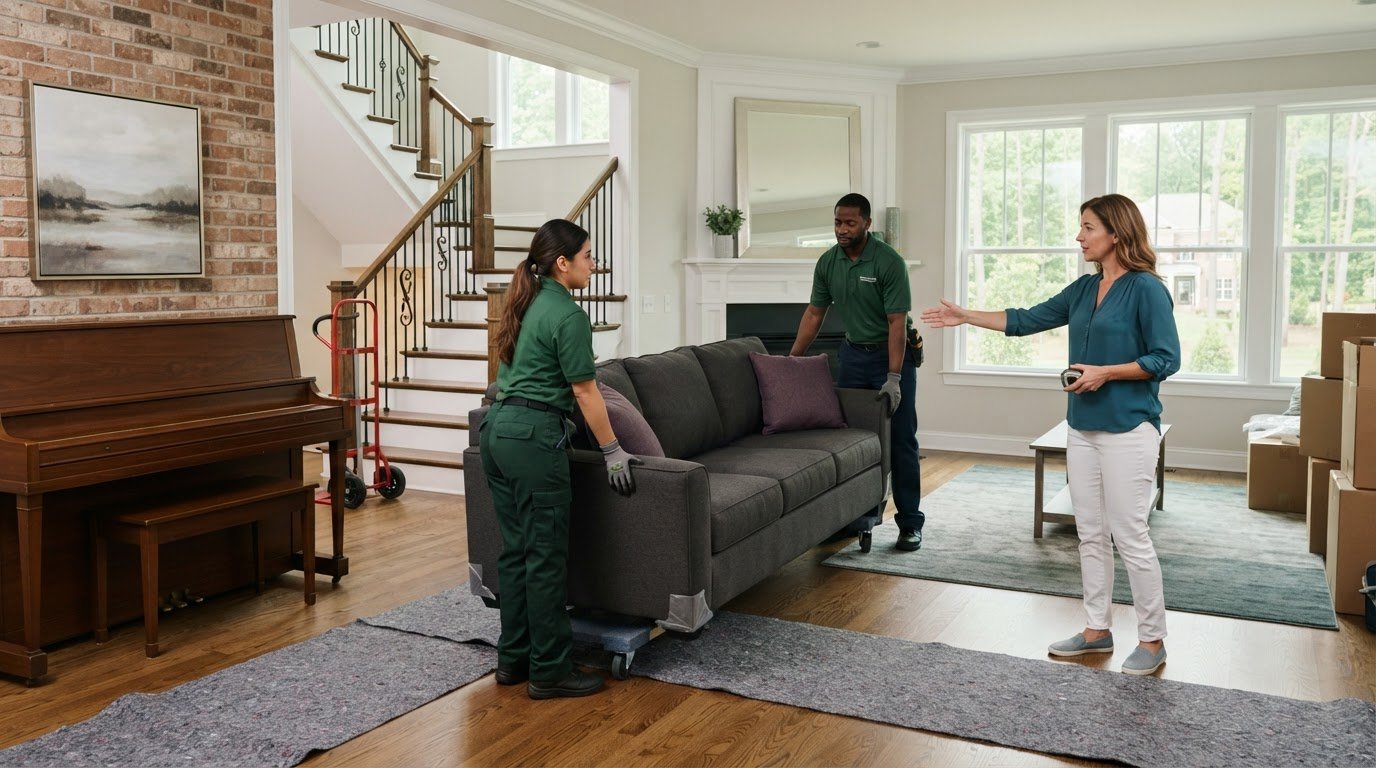
What if the hardest part of your move starts after the boxes are inside? The sofa blocks a walkway, the bed needs to go upstairs, or the room still doesn’t feel right. Post-move furniture placement help Haymarket residents can use makes it easier to get heavy pieces into the rooms and positions that work for everyday life.
It’s normal to feel unsettled when furniture is out of place. But trying to muscle a bulky item across a room or through a tight doorway alone can put you, your floors, and your furniture at risk. Make a plan for each piece, then let experienced local movers handle the heavy lifting while you direct where it goes.
This article explains how to plan furniture placement after a move, identify access challenges, and decide when in-home furniture moving help makes sense. You’ll also learn how sofa hoisting can help when a piece can’t pass through a standard entryway or elevator. Get your rooms working better without taking on every awkward lift yourself.
Key Takeaways
- Plan each room before moving furniture into place so every piece has a clear destination and your spaces work for everyday life.
- Measure furniture and rooms, clear the route, and confirm each piece’s destination before moving it.
- Decide whether to handle placement yourself by considering the item’s size, access challenges, number of pieces, and physical effort involved.
- Use a digital layout tool to test ideas, but remember it can’t move heavy furniture or resolve tight-access challenges.
- Learn when post-move furniture placement help Haymarket residents can use makes it easier to position heavy pieces after a move.
Need post-move furniture placement help in Haymarket? Begin with the room plan
Furniture delivered to your home isn’t automatically ready to use. A sofa may be left near the entry, a dresser may need to go upstairs, or the bed may be in a room that doesn’t suit your routine. Placement turns a delivered piece into a useful part of the room.
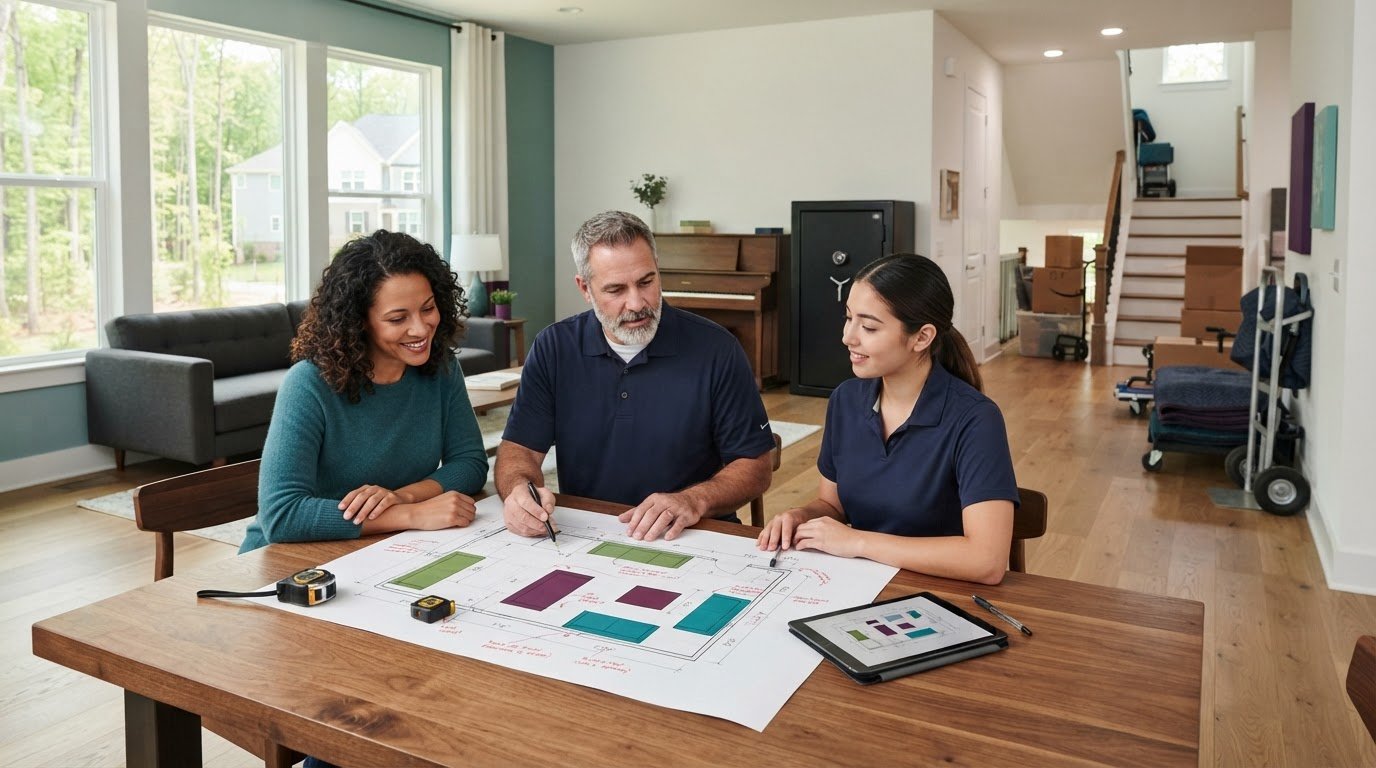
Start by deciding what each room needs to do. Layout planning helps you choose where furniture should go and how people will move through the space. Decorating is about the room’s appearance, such as colors and accessories. Physical placement is the hands-on work of carrying, maneuvering, and positioning furniture. These tasks are related, but a floor plan can’t do the lifting. The principles of interior design can help you consider how a room’s purpose and arrangement work together.
For post-move furniture placement help Haymarket residents can use, begin by choosing a destination for each heavy piece. That gives everyone a practical plan before lifting starts.
Which furniture placement tasks tend to need an extra hand?
A heavy sofa, dresser, bed, or dining table may need careful handling to reach its intended room and position. You may also need to shift a piece after testing the first layout. A sofa that seemed right against one wall might block a walkway, for example, or a dresser may be difficult to reach beside the bed.
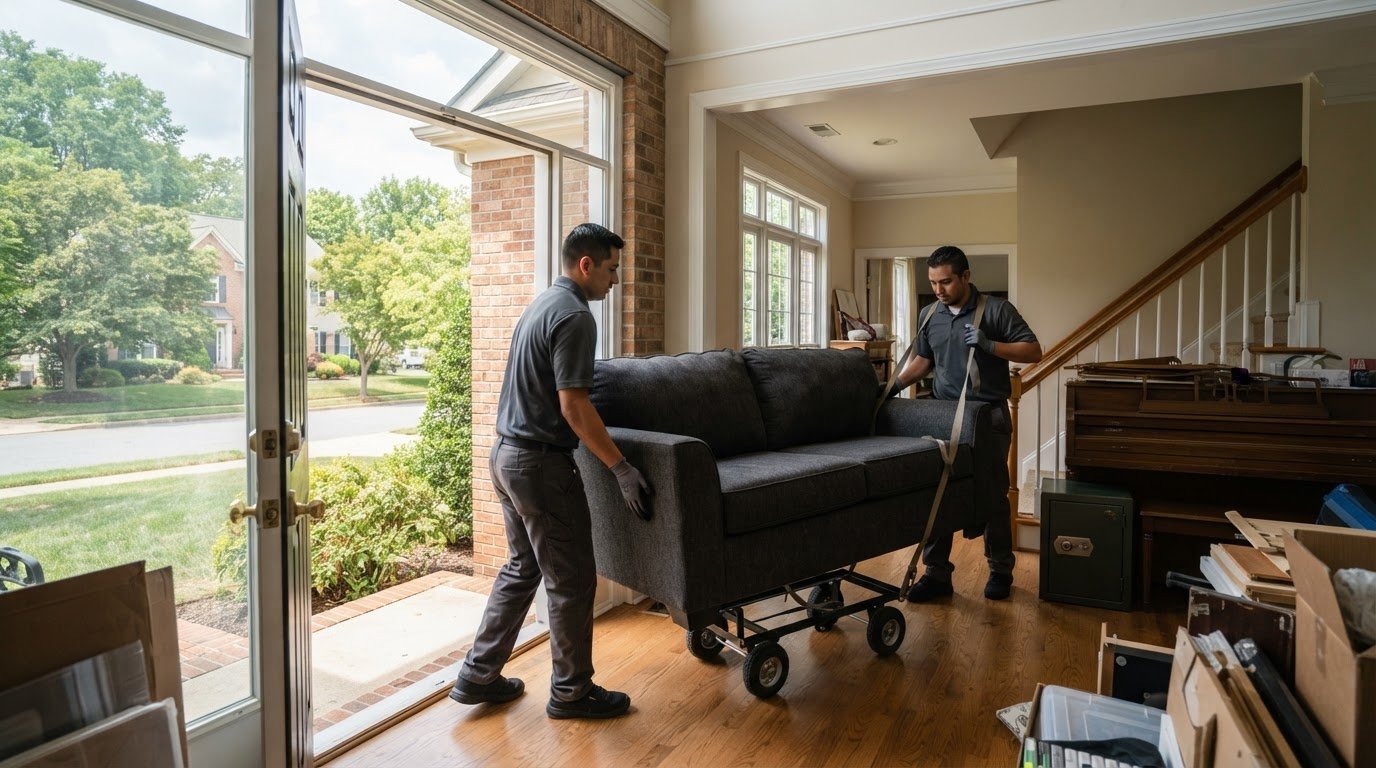
Even a short move can be challenging. A bulky item may be awkward to grip, turn, or guide around a corner, even if it only needs to cross one room. Tight doorways and limited turning space add to the difficulty. If a sofa can’t pass through a standard entryway or elevator, sofa hoisting can help address the access challenge.
What should the final room arrangement accomplish?
A useful arrangement supports everyday movement and the room’s purpose. Keep routes through doorways and commonly used areas clear. Position seating where it’s comfortable to use, keep frequently needed items accessible, and leave practical space to reach beds, storage, and tables.
Before lifting begins, identify where each piece should go. Name the destination room and, if possible, point out the intended wall or area. This prevents unnecessary repositioning and gives everyone a shared plan. If you’re unsure about the layout, focus first on the routes and daily activities that matter most, then place the largest pieces with those needs in mind.
A safe furniture placement sequence for your Haymarket home
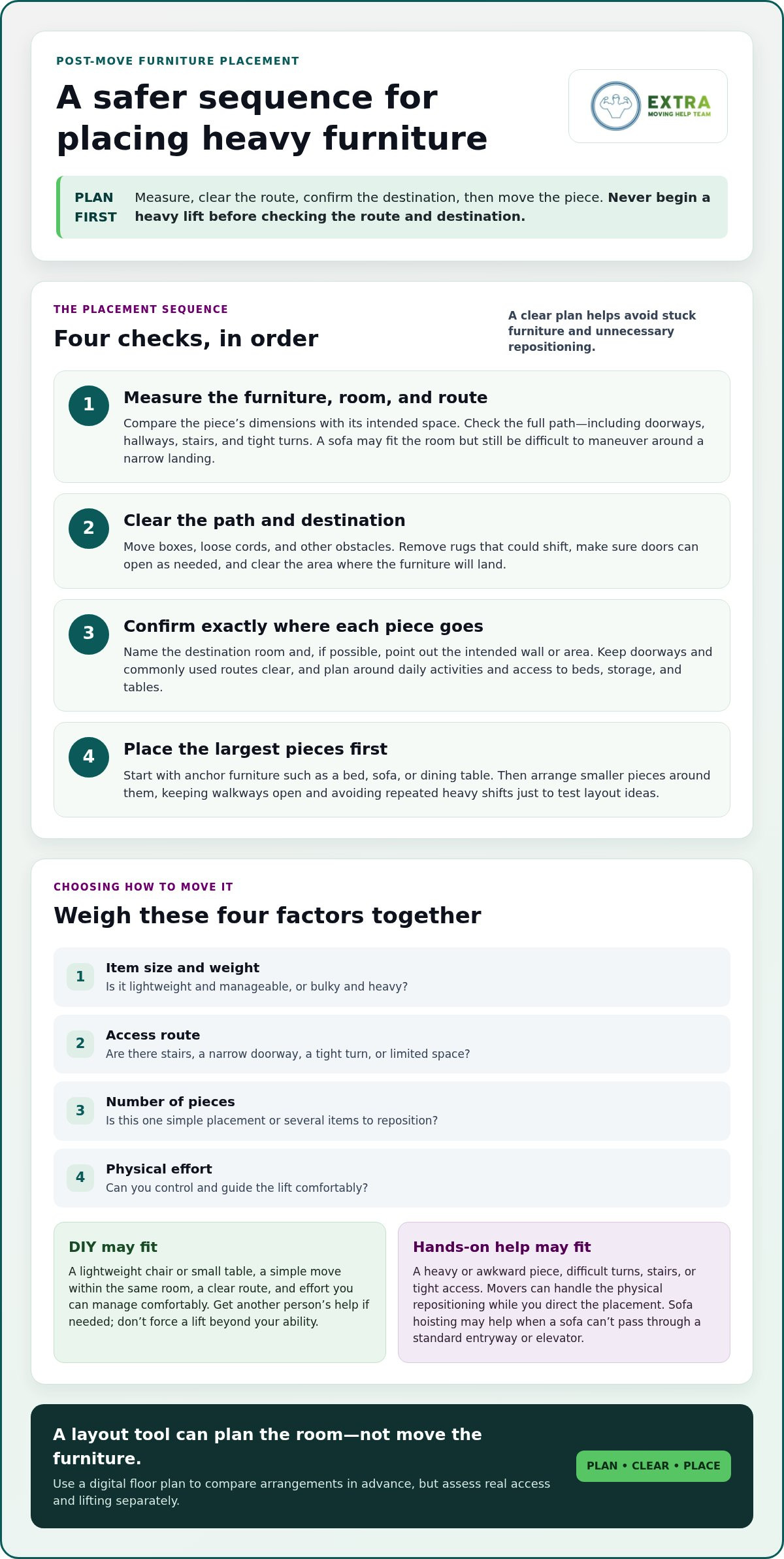
A few checks can prevent a bulky piece from getting stuck on the way to its destination or landing somewhere that doesn’t work. Follow a simple order: measure, clear the route, confirm the destination, then place. Never begin a heavy lift before checking the route and destination.
Measure the furniture, room, and access route first
Note the furniture’s key dimensions and compare them with the space where you want it. Check the route into that room, including doorways, hallways, stairways, and tight turns. A sofa might fit against the living room wall but still be difficult to maneuver around a narrow landing. Measuring ahead can reveal access problems before the lift begins.
Next, clear the path. Move boxes, loose cords, and other obstacles out of the way. Remove rugs that could shift, make sure doors can open as needed, and clear the destination area. An open route supports careful handling and helps reduce the chance of bumping walls or nearby belongings.
Position pieces in a deliberate order
Once the route is clear, confirm the destination and intended position. Place the largest anchor pieces first, such as a bed, sofa, or dining table. Then arrange smaller furniture around them. This lets you assess how the room works before deciding where everything else belongs.
Keep walkways open as you work, and avoid repeatedly shifting heavy pieces just to test different ideas. A digital floor plan can help you compare layouts in advance, but it can’t move furniture or account for every tight turn in your home. Consider ergonomic furniture placement by arranging the room around how people move through and use it.
If an item is awkward to grip, bulky, or difficult to guide through a narrow area, professional heavy-lifting help can make placement easier. In-home furniture movers can handle the physical repositioning while you direct each piece to its planned spot. For post-move furniture placement help in Haymarket, a clear plan helps keep the work focused.
DIY or professional placement help in Haymarket: how to decide
A piece doesn’t need to travel far to be difficult to move. A heavy dresser can be hard to control across a bedroom, while a sofa may need careful maneuvering around a tight turn. Consider four factors: the item’s size and weight, the access route, how many pieces need moving, and the physical effort involved.
A digital layout tool can help you compare room arrangements before moving anything. It can’t carry a bed upstairs, guide a bulky table around a corner, or assess the effort of moving a real piece through your home. Planning is useful, but it doesn’t replace hands-on help.
When might careful DIY placement be enough?
DIY placement may suit a lightweight chair or small table that needs a simple move within the same room, especially if the route is clear and you can manage the task comfortably. Consider the item, the path, and the person doing the work together. A manageable piece in an open space may be straightforward, while the same piece can be harder to move on stairs or through a narrow doorway.
Plan the move and get another person’s help if needed. Don’t force a lift that feels beyond your ability. Stanford’s safe lifting and handling guidelines offer practical guidance for handling items. If you’re unsure you can control a piece, stop and choose another approach.
When does professional heavy-lifting help make sense?
Consider professional help for bulky furniture, narrow access, awkward turns, multiple rooms, or several pieces that need repositioning. Even a short move can involve lifting, balancing, and turning a heavy item without hitting a wall or other belongings. Distance alone doesn’t tell you how demanding the task will be.
Experienced movers can maneuver heavy pieces into their intended positions inside your home. This can help when a bed needs to reach an upstairs room or a dresser must pass through a tight hall. If a sofa won’t fit through a standard entryway or elevator, sofa hoisting can help address the access problem.
For post-move furniture placement help Haymarket residents can use, match the help to the challenge. Manage simple moves yourself when the item is manageable and the path is clear. Get heavy-lifting support when the item’s size, access route, number of pieces, or physical effort makes the job difficult to manage.
Prepare your Haymarket home before furniture placement help arrives
Preparation lets you focus on the furniture instead of obstacles along the way. Before placement starts, identify each destination and clear the route from the entry to the room. This gives the moving team a practical guide and keeps the work area organized.
Make destinations and priorities clear
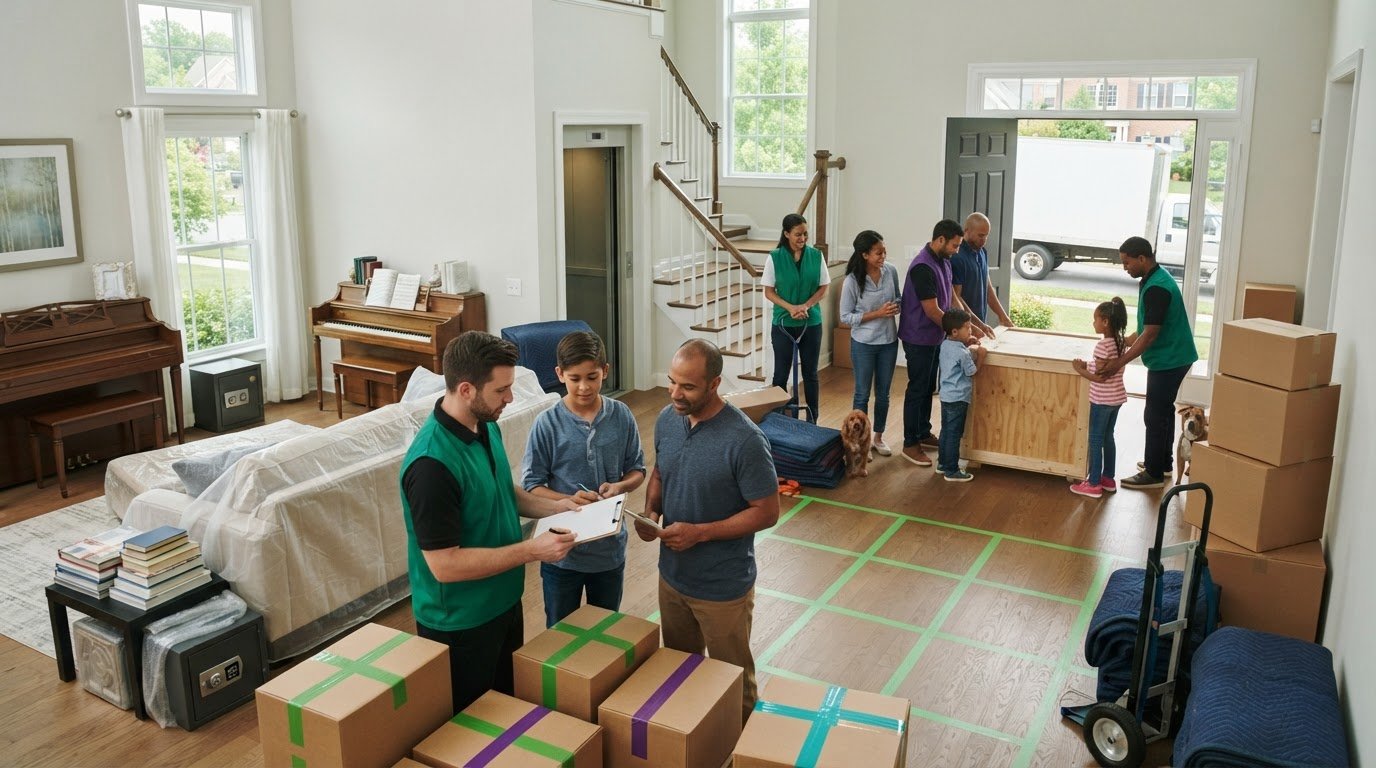
List where each large item belongs and note its preferred position. Mark the pieces you need first, such as a bed or dining table, so the team knows what to prioritize. If the layout isn’t obvious, share a quick sketch or point out the intended spot before moving starts.
Clear access and protect the work area
Walk the route from the entry to each destination room. Remove small belongings, loose cords, rugs that could shift, and anything else that might block the way. Keep hallways, stairs, doorways, and receiving rooms accessible. Move pets and children away from active paths while heavy items are being carried or maneuvered.
Use this quick checklist before the placement work begins:
- Label destinations: Mark rooms clearly or make a simple list showing where each piece goes.
- Set priorities: Identify essential furniture to position first for immediate use.
- Share layout notes: Point out preferred locations or provide a quick room sketch.
- Clear the routes: Move loose items and anything that could obstruct a doorway, hallway, stairway, or room.
- Make space for the work: Keep children, pets, and other household members clear of moving paths.
These steps help turn a busy setup into an organized placement job. They’re especially useful when several rooms need attention or bulky pieces must pass through tight access points. Share your priorities at the start so the moving team can focus on handling the heavy furniture.
For help getting furniture into place after your move, explore local moving help in Haymarket.
Get post-move furniture placement help from Heavy Furniture Moving in Haymarket
The main move may be over, but a heavy sofa still needs to reach its spot, exercise equipment may need to go in another room, or bulky furniture may be sitting awkwardly near the entry. Heavy Furniture Moving helps Haymarket households with residential moving, in-home furniture moving, and heavy-item handling, including positioning furniture where it belongs after delivery.
What kind of placement help can the team provide?
Get help moving heavy furniture into its intended room or position. That can include maneuvering a sofa into the living room, shifting a dresser to improve access, or moving exercise equipment to a more useful area. The team handles the physical work of moving bulky items inside the home while you direct each piece to its planned spot.
Access can be the sticking point. If a sofa can’t pass through a standard entryway or elevator, sofa hoisting can help address the challenge. Before the work begins, identify the item, its destination, and any tight doors, hallways, or turns along the way. Clear details help everyone understand the placement task.
Take the next step after your move
Make a short list of the furniture that still needs positioning. Note each piece’s destination room, which items are most urgent, and any access challenges such as stairs or narrow turns. This gives the team a useful starting point and keeps the work focused on the rooms you need to use.
If you’re also looking for broader residential moving information, see Reliable Movers Near Me in Fairfax and Northern VA. For the specific job of getting heavy furniture into place after a move, in-home help can take the strain of maneuvering bulky pieces off your hands and help you settle in.
Ready to arrange post-move furniture placement help Haymarket? Reach out to Heavy Furniture Moving to plan help with your heavy pieces and their destination rooms.
Get your Haymarket home ready to feel settled
A clear room plan helps each piece land where it can serve you best. Measure first, check the route, and decide each item’s destination before lifting. For bulky furniture or tight access, post-move furniture placement help Haymarket residents can use takes the strain of maneuvering heavy pieces off your hands.
Heavy Furniture Moving provides residential and in-home furniture moving, with specialized handling for heavy items such as pianos, safes, and exercise equipment. Sofa hoisting can help when a piece won’t pass through a standard entryway or elevator. As a veteran-family owned and operated business, the team takes a neighborly approach to the hands-on work of getting furniture into place.
Ready to finish settling in? Get help placing heavy furniture after your move and take the next step toward rooms that work for everyday life.
Frequently Asked Questions
Can movers help place furniture after a move in Haymarket?
Yes. Heavy Furniture Moving provides residential and in-home furniture moving to help position heavy pieces after a move. For post-move furniture placement help Haymarket residents can get support with bulky household items, including sofas and exercise equipment. The local service area also includes Fairfax, Woodbridge, Manassas, Manassas Park, Aldie, Ashburn, McLean, Vienna, Reston, Centreville, Chantilly, Clifton, Dumfries, South Riding, Fairfax Station, and Gainesville.
What should I do before furniture placement help arrives?
Choose a destination and clear access route for each large item. List which room each piece belongs in, identify priority furniture, and note its preferred position. Clear loose belongings and obstacles from doorways, hallways, stairs, and destination rooms. Keep children and pets away from active moving paths. A simple sketch or notes about access challenges can help the team understand your plan.
Is it safe to move heavy furniture by myself after moving?
Moving heavy furniture alone can be difficult, especially if an item is bulky, hard to grip, or needs to pass through a narrow doorway or turn. A short distance doesn’t automatically make the task easy. Don’t attempt a lift that feels beyond your ability, and don’t force or twist a piece to get it moving. Consider help for heavy or awkward items to reduce the risk of strain or damage.
How do I decide where furniture should go in a new home?
Start with how you’ll use each room. Choose positions that keep doorways and everyday walkways clear, make essential items easy to reach, and support the room’s main purpose. Measure the furniture and available space, then consider how each piece fits with the rest of the layout. Decide on destinations before lifting begins. A digital floor plan can help you visualize options, but it can’t handle the physical move.
Can furniture movers help when a sofa will not fit through the doorway?
Yes. Sofa hoisting can help when a sofa can’t pass through a standard entryway or elevator. Note the access problem and identify where the sofa needs to go. Details about the entry, stairs, or other tight areas help clarify the challenge. Heavy Furniture Moving provides sofa hoisting along with residential and in-home furniture moving for households in Haymarket and nearby communities.
Do I need a full move to get help placing furniture?
No. You can get in-home furniture moving help even if the main move is already finished. Labor-only moving help can be useful when boxes are unpacked but a heavy sofa, bed, safe, piano, or exercise equipment still needs positioning. List the pieces and their destination rooms so the placement work has a clear focus. You don’t need to restart the whole move to get help with the heavy lifting.
Frequently Asked Questions
A heavy sofa, dresser, bed, or dining table may need careful handling to reach its intended room and position. You may also need to shift a piece after testing the first layout. A sofa that seemed right against one wall might block a walkway, for example, or a dresser may be difficult to reach beside the bed. Even a short move can be challenging. A bulky item may be awkward to grip, turn, or guide around a corner, even if it only needs to cross one room. Tight doorways and limited turning space add to the difficulty. If a sofa can’t pass through a standard entryway or elevator, sofa hoisting can help address the access challenge.
A useful arrangement supports everyday movement and the room’s purpose. Keep routes through doorways and commonly used areas clear. Position seating where it’s comfortable to use, keep frequently needed items accessible, and leave practical space to reach beds, storage, and tables. Before lifting begins, identify where each piece should go. Name the destination room and, if possible, point out the intended wall or area. This prevents unnecessary repositioning and gives everyone a shared plan. If you’re unsure about the layout, focus first on the routes and daily activities that matter most, then place the largest pieces with those needs in mind. A few checks can prevent a bulky piece from getting stuck on the way to its destination or landing somewhere that doesn’t work. Follow a simple order: measure, clear the route, confirm the destination, then place. Never begin a heavy lift before checking the route and destination.
DIY placement may suit a lightweight chair or small table that needs a simple move within the same room, especially if the route is clear and you can manage the task comfortably. Consider the item, the path, and the person doing the work together. A manageable piece in an open space may be straightforward, while the same piece can be harder to move on stairs or through a narrow doorway. Plan the move and get another person’s help if needed. Don’t force a lift that feels beyond your ability. Stanford’s safe lifting and handling guidelines offer practical guidance for handling items. If you’re unsure you can control a piece, stop and choose another approach.
Consider professional help for bulky furniture, narrow access, awkward turns, multiple rooms, or several pieces that need repositioning. Even a short move can involve lifting, balancing, and turning a heavy item without hitting a wall or other belongings. Distance alone doesn’t tell you how demanding the task will be. Experienced movers can maneuver heavy pieces into their intended positions inside your home. This can help when a bed needs to reach an upstairs room or a dresser must pass through a tight hall. If a sofa won’t fit through a standard entryway or elevator, sofa hoisting can help address the access problem. For post-move furniture placement help Haymarket residents can use, match the help to the challenge. Manage simple moves yourself when the item is manageable and the path is clear. Get heavy-lifting support when the item’s size, access route, number of pieces, or physical effort makes the job difficult to manage. Preparation lets you focus on the furniture instead of obstacles along the way. Before placement starts, identify each destination and clear the route from the entry to the room. This gives the moving team a practical guide and keeps the work area organized.
Get help moving heavy furniture into its intended room or position. That can include maneuvering a sofa into the living room, shifting a dresser to improve access, or moving exercise equipment to a more useful area. The team handles the physical work of moving bulky items inside the home while you direct each piece to its planned spot. Access can be the sticking point. If a sofa can’t pass through a standard entryway or elevator, sofa hoisting can help address the challenge. Before the work begins, identify the item, its destination, and any tight doors, hallways, or turns along the way. Clear details help everyone understand the placement task.
Yes. Heavy Furniture Moving provides residential and in-home furniture moving to help position heavy pieces after a move. For post-move furniture placement help Haymarket residents can get support with bulky household items, including sofas and exercise equipment. The local service area also includes Fairfax, Woodbridge, Manassas, Manassas Park, Aldie, Ashburn, McLean, Vienna, Reston, Centreville, Chantilly, Clifton, Dumfries, South Riding, Fairfax Station, and Gainesville.
Choose a destination and clear access route for each large item. List which room each piece belongs in, identify priority furniture, and note its preferred position. Clear loose belongings and obstacles from doorways, hallways, stairs, and destination rooms. Keep children and pets away from active moving paths. A simple sketch or notes about access challenges can help the team understand your plan.
Moving heavy furniture alone can be difficult, especially if an item is bulky, hard to grip, or needs to pass through a narrow doorway or turn. A short distance doesn’t automatically make the task easy. Don’t attempt a lift that feels beyond your ability, and don’t force or twist a piece to get it moving. Consider help for heavy or awkward items to reduce the risk of strain or damage.
Start with how you’ll use each room. Choose positions that keep doorways and everyday walkways clear, make essential items easy to reach, and support the room’s main purpose. Measure the furniture and available space, then consider how each piece fits with the rest of the layout. Decide on destinations before lifting begins. A digital floor plan can help you visualize options, but it can’t handle the physical move.
Yes. Sofa hoisting can help when a sofa can’t pass through a standard entryway or elevator. Note the access problem and identify where the sofa needs to go. Details about the entry, stairs, or other tight areas help clarify the challenge. Heavy Furniture Moving provides sofa hoisting along with residential and in-home furniture moving for households in Haymarket and nearby communities.
No. You can get in-home furniture moving help even if the main move is already finished. Labor-only moving help can be useful when boxes are unpacked but a heavy sofa, bed, safe, piano, or exercise equipment still needs positioning. List the pieces and their destination rooms so the placement work has a clear focus. You don’t need to restart the whole move to get help with the heavy lifting.