Pack-Rat Container Loading Help in Fairfax: Sizes and Space
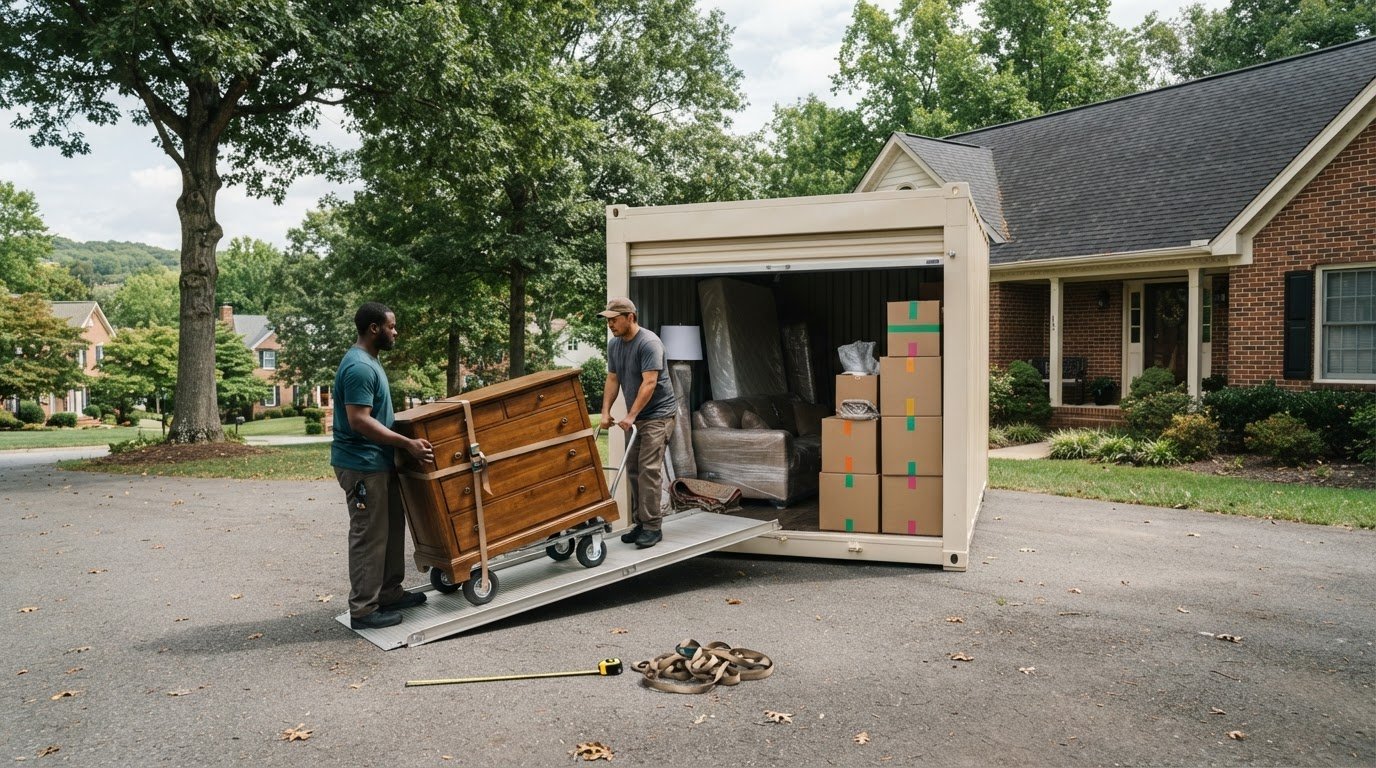
Three container sizes shape your Pack-Rat move in Fairfax, and moving helpers can provide loading help when the container arrives. With Pack-Rat container loading help in Fairfax, you can get hands-on support while loading at your own pace. The right fit depends on what you’re moving and the space available for the container.
It’s easy to focus on the container and overlook the work of fitting furniture, boxes, and bulky items inside. A clear plan makes loading more manageable and helps you use the available space well.
This guide explains how container sizes relate to household capacity, what affects your loading pace, and how to estimate the space you’ll need. You’ll also learn about placement considerations in Fairfax, so you can plan the move with fewer surprises and a steadier start.
Key Takeaways
- Compare the three container sizes with your belongings and the space bulky furniture will take up before settling on a fit.
- Plan around both container height and floor area so large items can be loaded efficiently.
- Build a room-by-room inventory to estimate how much container space your move may need.
- Factor in placement rules early: according to Fairfax County, outdoor storage in the side or rear yard cannot exceed 100 square feet in total area.
- Decide which items need hands-on loading support, especially heavy furniture and exercise equipment, to make loading more manageable.
Container sizes and household capacity
Northern Virginia portable storage containers come in three sizes. Match the container to your belongings, including large furniture, rather than choosing by room count alone. Pack-Rat container loading help in Fairfax is easier to plan when your inventory identifies the pieces that take up the most space.
Container Size Options
Three size options give Fairfax households different amounts of storage space. Compare each container’s interior measurements with your planned load. Check floor space and usable height, especially for tall furniture or stacked boxes. A sofa, mattress, or exercise machine takes up space differently from cartons, so list bulky items separately.
Start with a room-by-room inventory. Record major pieces first, then add boxes and smaller belongings. For example, list a bed frame, mattress, dresser, and bedroom cartons separately. This makes their space needs easier to picture than a general estimate such as “one bedroom.” Note awkward shapes that may not stack neatly.
Household Capacity by Container Size
Household capacity depends on what you’re packing, not just the number of rooms. Two households with similar room counts may need different amounts of space because of furniture, appliances, and box volume. Compare your belongings with each container’s interior dimensions. Include items that must stay upright or cannot be stacked.
Sort belongings into large furniture, boxes, and unusually shaped items. Then identify what must travel together. This helps you judge whether one size can hold the planned load or whether your inventory needs another review. Record measurements for larger pieces to make your estimate more concrete.
What local moving labor companies load Pack-Rat containers in Fairfax? Moving helpers can provide loading help when a Pack-Rat container arrives. They can carry prepared belongings and arrange them inside. List the items that need hands-on loading, such as a heavy dresser or exercise equipment, so the work is clear.
How far in advance should I book container loading help in Fairfax? Arrange help once you know the container’s delivery window, so the labor schedule aligns with its arrival. Share your item list and loading priorities when planning the job. If delivery timing changes, update the schedule to match.
What insurance or liability applies when hired movers load a Pack-Rat container? Responsibility depends on the written terms for the loading work and any coverage selected for the move. Review the terms for damage to belongings, handling of the container, exclusions, and how to report a problem. Keep a copy with your moving paperwork.
For Pack-Rat container loading help in Fairfax, a detailed inventory gives helpers a clearer picture of the load. It also helps you compare container capacity with your actual belongings before moving day.
Container height and floor-area limits
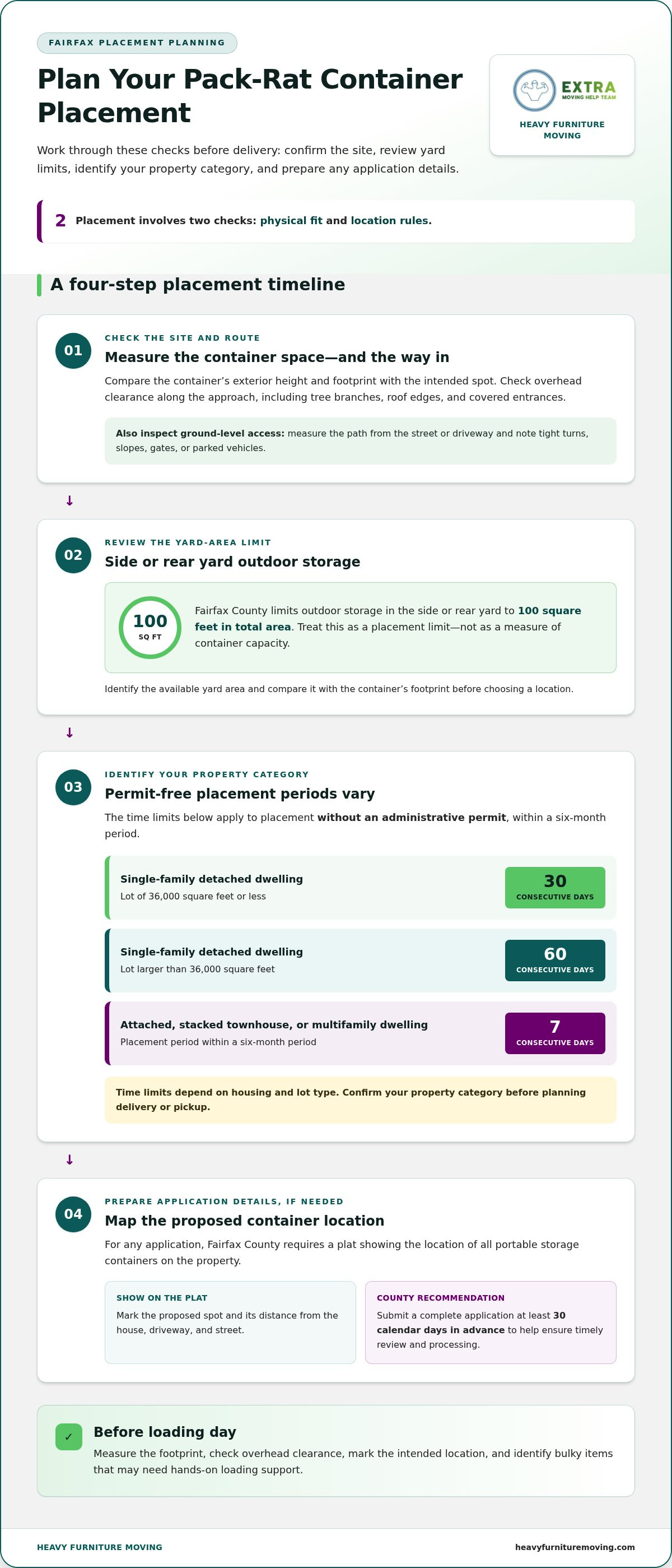
Container placement in Fairfax involves two checks: physical fit and location rules. Compare the container’s exterior measurements with the available space, then review the applicable yard limits before delivery.
Check Height and Access Before Delivery
Use the container’s listed exterior height and footprint to assess your site. Measure overhead clearance along the planned route, including tree branches, roof edges, and covered entrances. A container may fit in the parking area but still be difficult to position if the approach has a low obstruction.
Check the ground-level loading area, too. Measure the path from the street or driveway to the intended spot, and note tight turns, slopes, gates, or parked vehicles. A narrow driveway, for example, may affect where the container can sit even if its footprint fits. Keep the measurements together so your plan accounts for both the container and its access route.
Review Floor Area and Yard Rules
Fairfax County limits outdoor storage in the side or rear yard to 100 square feet in total area, according to Fairfax County. Treat this as a placement consideration, not a measurement of container capacity. Before choosing a location, identify the yard area available and compare it with the container’s footprint.
Other placement rules depend on the property type and lot size. On a lot of 36,000 square feet or less with a single-family detached dwelling, a portable storage container may be placed without an administrative permit for up to 30 consecutive days within a six-month period. On a larger lot with a single-family detached dwelling, the period is up to 60 consecutive days within a six-month period.
For lots with a single-family attached, stacked townhouse, or multifamily dwelling, placement without an administrative permit is allowed for up to seven consecutive days within a six-month period. Time limits vary by housing and lot type. Identify your property category before planning delivery or pickup.
For any application, Fairfax County requires a plat showing the location of all portable storage containers on the property. Mark the proposed spot clearly, including its distance from the house, driveway, and street. Fairfax County recommends submitting a complete application at least 30 calendar days in advance to help ensure timely review and processing.
Plan the site before loading day: measure the footprint, check overhead clearance, and mark the intended location. If bulky items also need careful handling, arrange hands-on moving help as part of your loading plan.
Estimating the number of containers needed
Start with a clear inventory, then compare the total load with the three available container sizes. Room count alone won’t give you a reliable estimate. A lightly furnished home and one with bulky furniture can have very different space needs, even if they have the same number of rooms.
Use these steps to build a practical estimate:
- List large items. Record beds, sofas, dressers, tables, appliances, and exercise equipment individually.
- Count packed belongings. Group boxes by room and note anything that cannot be stacked, such as a floor lamp.
- Sort by shape. Separate items that stack neatly from irregular pieces that leave gaps.
- Compare the load with container dimensions. Check usable floor space and height against your largest pieces.
For example, a sectional sofa takes up space differently from boxes of books. A treadmill may also need more careful positioning than folded clothing. Include each large item in your estimate instead of treating it as part of a general room total. This makes it easier to compare your belongings with each container’s capacity.
Next, consider how tightly your items can be arranged. Similar-sized boxes can often be grouped together, while irregularly shaped furniture may leave unused pockets. Keep walkways and access to priority items in mind. Packing tightly can use space efficiently, but loading order matters if you’ll need to reach certain belongings later.
Portable storage can stay on your property or be picked up and stored at a company warehouse. That choice affects how you plan the load: keep items you’ll need soon easy to identify and access, while long-term storage may call for a different arrangement. Mark priority boxes clearly before loading, especially if you’ll move them between rooms before the container arrives.
Use your estimate to compare container sizes, not just to count them. If the load seems close to one size’s capacity, review bulky pieces and awkward shapes again. Check whether disassembly changes how furniture fits, and keep parts with the matching item. Compare the revised list against the available sizes before finalizing your plan.
You can load your portable storage unit at your own pace. That flexibility lets you organize the work around your household schedule, but a written inventory helps you track what remains. Update it as items enter the container, and note any pieces that need to be loaded last. A running list gives you a clearer estimate and helps prevent belongings from being overlooked on moving day.
Placement and safety requirements
Choose a container location that fits Fairfax County’s placement rules and leaves a clear loading route. Prepare the site and belongings before the movers arrive so loading can begin without obstacles.
Container Placement Requirements
Fairfax County limits outdoor storage in the side or rear yard to 100 square feet in total area, according to Fairfax County. Compare the container’s footprint with the available yard space before choosing a location. Keep this area limit separate from the container’s interior capacity.
Portable storage containers have ground-level loading in Northern Virginia. Choose a firm, level spot with a direct path from the home, such as a driveway without steps. Check for tree branches, low roof edges, gates, and parked vehicles along the route. A clear path helps movers carry large items to the container.
Placement may also depend on the property type and intended location. For example, a container on a driveway differs from one proposed for a yard or public right-of-way. If the container would sit in the Virginia Department of Transportation right-of-way, applicants can contact VDOT at 703-259-2787 or 800-367-7623. Keep the placement plan tied to the actual spot, not a rough guess.
Preparing for Movers
Before movers load a Pack-Rat container, clear the route from each room to the container and move vehicles away from the approach. Set aside fragile or personal belongings, identify items that need special handling, and tell the crew what should load first. For example, keep a marked box of essentials out of the loading area.
Protect floors and doorways with suitable coverings, and remove loose rugs that could shift underfoot. Keep pets away from the route and children clear of lifting areas. Place small hardware in labeled bags beside the matching furniture, such as screws taped to a disassembled bed frame.
Use a simple staging system to organize the loading area. Group boxes by room, label fragile items clearly, and separate belongings that should remain accessible. Keep walkways open rather than stacking cartons near doorways. This gives movers a clear route and helps protect your home and packed items.
Confirm the container’s location before loading starts, then walk the route with the crew. Point out narrow turns, uneven sections, or floors that need extra protection. A clear plan helps the team move bulky furniture without blocking the entrance or repeatedly crossing a crowded area.
Treat permit conditions as part of your placement plan, not as separate paperwork. Fairfax County’s Zoning Administrator may revoke a portable storage container administrative permit if its requirements or conditions are not followed. Before placing or using the container, review the applicable requirements and make sure your setup follows them. If the location or arrangement changes, check it against the same terms before proceeding. An approved permit does not remove the need to meet its conditions.
What loading and packing labor services are available for PODS containers in Fairfax?
Moving helpers can provide loading help when a Pack-Rat container arrives in Fairfax. Container labor focuses on carrying and arranging prepared belongings inside the unit. Plan the work around the items you’ve packed and the loading tasks you need handled.
Separate loading from packing before setting the work plan. Loading means moving furniture and prepared boxes into the container. Packing means wrapping belongings or putting them into boxes. Seal and label cartons before loading starts, and identify furniture that needs disassembly or careful positioning.
Useful loading tasks may include:
- Carrying boxes from rooms to the container.
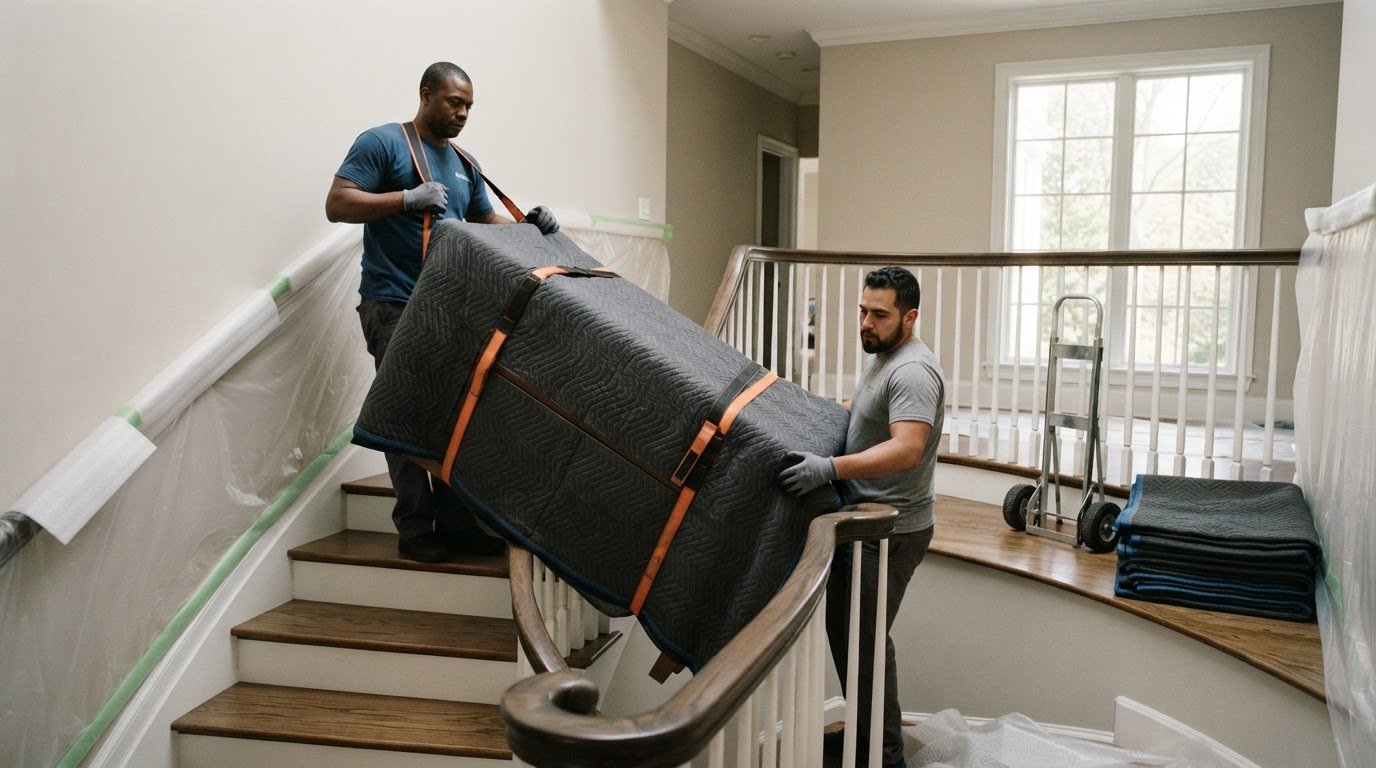
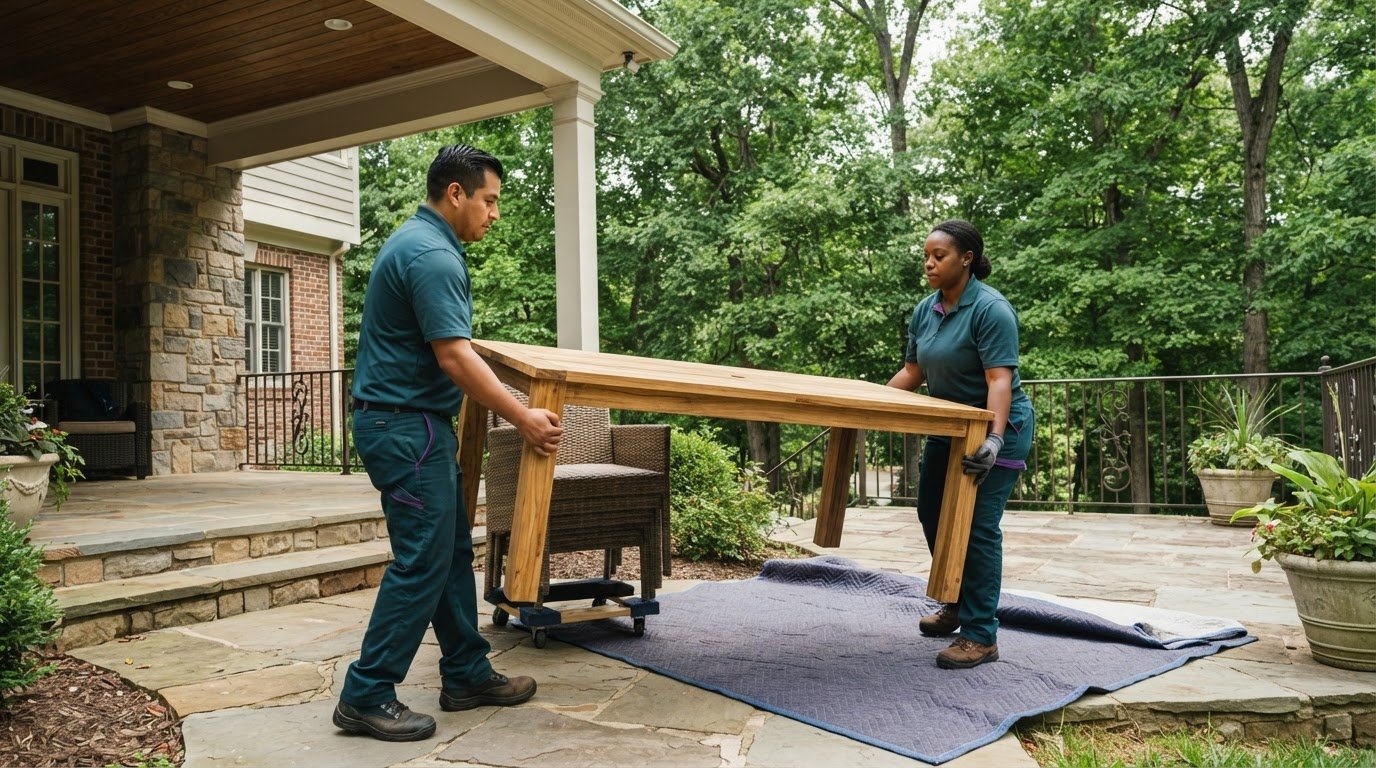
- Moving bulky furniture through doorways and along the loading path.
- Arranging boxes and furniture to use available floor space.
- Positioning items you’ll need first near the container entrance.
Give the crew a clear priority order. For example, load large furniture before arranging smaller cartons around it. Keep fragile boxes together and label them clearly. Set aside essentials, such as medications or documents, rather than placing them deep inside the container. A room-by-room list helps track what has been loaded and what remains.
Prepare the loading route before the container arrives. Clear furniture, shoes, and loose rugs from hallways. Open doors along the route and move vehicles away from the driveway. If a dresser must pass through a narrow turn, measure the route and discuss the tight spot before lifting begins. These steps help avoid delays and unnecessary handling.
Bulky or heavy items may need a dedicated handling plan. Identify exercise equipment, large cabinets, and sofas before loading day. Note whether an item must remain upright or whether its legs can be removed. Keep small hardware in a labeled bag with the matching piece, such as sofa feet stored with the sofa.
Loading labor works best when the requested tasks are clear. Decide whether you need help with every room or only selected items. Tell the crew which belongings are fragile, which must stay accessible, and which should remain out of the container. That gives the loading team a practical order to follow.
For hands-on support with container loading, arrange PODS loading help for your Fairfax move.
Before confirming the work, make a concise plan of what the crew will handle and what you’ll manage yourself. Share access concerns, priority items, and special handling instructions when arranging the service. Keep your list available on loading day to confirm the agreed tasks are complete and accessible belongings are placed appropriately. Clear instructions keep the loading plan focused on your prepared items and the container.
The service area includes Fairfax, Virginia. Northern Virginia service contact hours are Monday through Friday, 8AM-10PM EST, and Sunday, 9:30AM-6:30PM EST. A Fairfax County portable storage container administrative permit is available only when a dwelling has been destroyed or damaged by casualty and will be rebuilt or repaired. If that circumstance applies to your move, consider the permit condition as a separate administrative matter when planning container use; it does not change the need to specify which loading and packing tasks you want handled.
Heavy Furniture Moving: Movers Near Me
Heavy Furniture Moving helps with demanding lifts when bulky pieces need to move from your home into a container. Turn to the team for Movers Near Me support with heavy furniture or exercise equipment that’s difficult to handle alone. Wrap, blankets, and straps are included on every job.
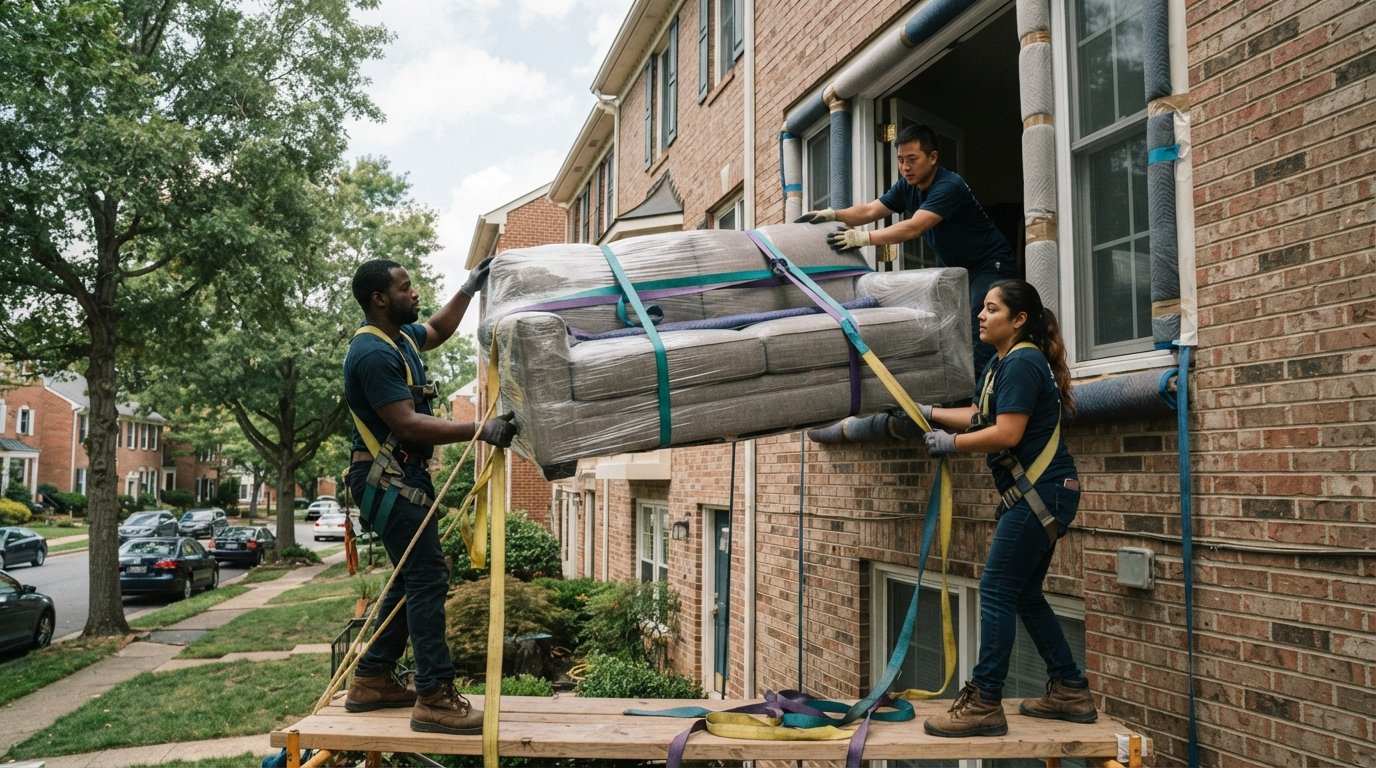
For a large sofa that won’t fit through a doorway, sofa hoisting may offer a practical solution. In-home furniture movers can also carry and position pieces along the route to your container. Share which items need attention and where they’re located so the job can be planned around your loading needs.
Contact Heavy Furniture Moving to discuss the furniture and lifting help you need for your Fairfax move.
Set Your Loading Plan in Motion
Your next step is to turn your container estimate into a clear work plan. Decide which items need lifting help, what must stay accessible, and how you want loading day organized. This gives the crew practical direction before the heavy work begins.
If Pack-Rat container loading help in Fairfax is part of your move, Heavy Furniture Moving can help with Movers Near Me support, Exercise Equipment Moving, and Sofa Hoisting. These services suit moves where bulky equipment or a difficult furniture route needs focused attention. Choose help that matches the items you’re handling, rather than adding tasks your move doesn’t need.
Bring your item list and loading priorities into the conversation. Clear details make it easier to discuss the work and shape a plan around your move. Contact Heavy Furniture Moving to talk through the loading help you need. A solid plan puts you in control and helps you move forward with confidence.
Frequently Asked Questions
Are there Fairfax parking permits or street rules for placing a moving container?
Yes, placement rules depend on the property and whether the container would occupy a public right-of-way. On certain residential lots, containers may be placed without an administrative permit for limited periods. For a container in the Virginia Department of Transportation right-of-way, contact VDOT at 703-259-2787 or 800-367-7623. Plan the location first, distinguishing private property from street space, because the applicable placement requirements differ.
Frequently Asked Questions
Yes, placement rules depend on the property and whether the container would occupy a public right-of-way. On certain residential lots, containers may be placed without an administrative permit for limited periods. For a container in the Virginia Department of Transportation right-of-way, contact VDOT at 703-259-2787 or 800-367-7623. Plan the location first, distinguishing private property from street space, because the applicable placement requirements differ.