Junk Removal for Rental Properties in South Riding: A Turnover Checklist
The keys are due back, the next tenant is waiting, and a bulky item is still in the hallway. In that tight window, junk removal for rental properties South Riding works best when you plan the handoff before arranging service. First, confirm what belongs to the owner, what the tenant must claim or remove, and what has been approved to go.
A fast turnover matters, but rushing can create problems: unclear ownership, blocked access, or a provider arriving without a confirmed item list. A simple plan keeps the cleanout organized and helps the next leasing or maintenance step get underway.
Use this checklist to sort each room, flag bulky items, prepare access details, and identify anything that needs a separate destination. You’ll also find ways to set expectations around donation, recycling, and disposal without assuming every item can follow the same route. Heavy Furniture Moving serves South Riding and provides residential moving support for heavy and bulky household items. Confirm service fit and scheduling before you book, then use a documented handoff plan to keep the transition clear.
Key Takeaways
- Sort items room by room into keep, relocate, remove, donate or recycle if confirmed, and investigate.
- Before booking junk removal for rental properties South Riding, confirm which items are approved for removal and which need another plan.
- Share an item inventory and confirm entry instructions, parking, stairs, elevators, and property access restrictions before scheduling.
- Compare providers by South Riding service availability, accepted items, bulky-item handling, access needs, scheduling, and communication.
- After removal, inspect the property and document its condition so the next leasing or maintenance step has a clear handoff.
Junk removal for South Riding rental properties: start with a turnover checklist
Move-out is complete, the next occupancy is approaching, and there’s still work to do. A clear plan for junk removal for rental properties South Riding helps you remove approved unwanted items without mixing them up with tenant belongings, owner furnishings, or maintenance supplies. The goal is to clear the property while protecting it and preparing for the next leasing or maintenance step.
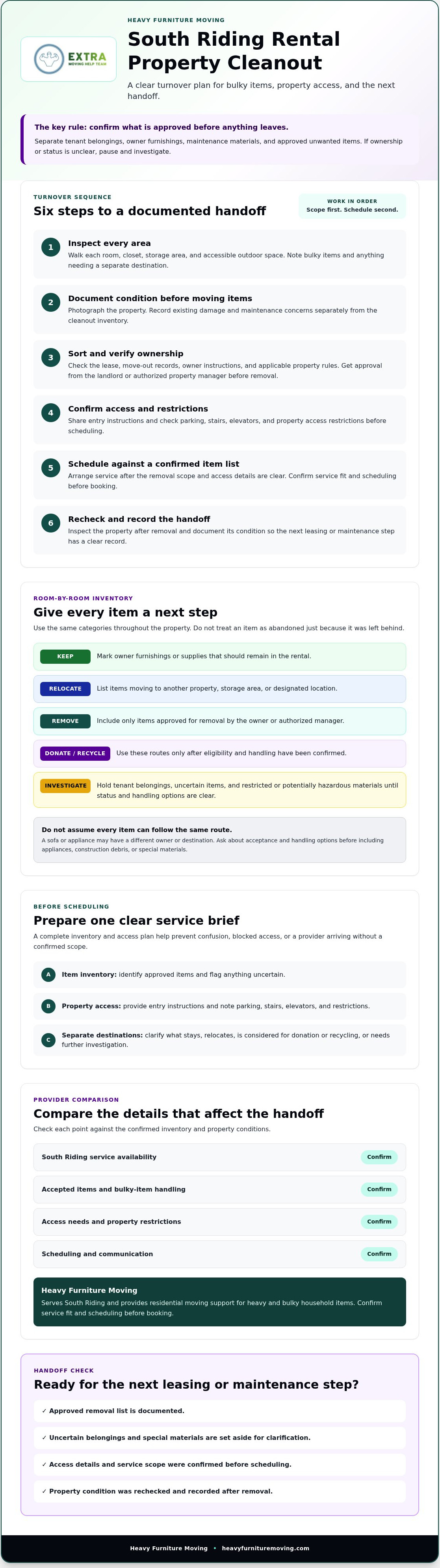
Use a straightforward sequence: inspect, document, sort, confirm access, schedule, and recheck. Keeping the removal decision separate from the condition report makes the records easier to review. Rental turnover is part of the broader work of Property management, where organized records and clear communication support a smoother handoff.
- Inspect: Walk every room, closet, storage area, and accessible outdoor space.
- Document: Photograph the property and note existing damage separately from items to remove.
- Sort: Identify what stays, what moves, and what may be removed after approval.
- Confirm access: Check entry instructions and any property restrictions.
- Schedule and recheck: Arrange removal once the scope and access are clear, then inspect the property again.
Lease terms, move-out records, owner instructions, and applicable property rules can affect what stays or goes. Verify the requirements for the specific South Riding property before deciding. Don’t treat an item as abandoned just because it was left behind. If its status is uncertain, pause and confirm the appropriate next step.
What should a landlord check before clearing a South Riding rental?
Walk the property methodically, including storage spaces and accessible outdoor areas. Photograph its condition before anything is moved, and record damage or maintenance concerns separately from the cleanout list. This makes it easier to review the property afterward without confusing a repair issue with an item for removal. Check the lease, move-out records, and owner instructions before marking belongings for removal.
Who should approve items before removal?
Get approval from the landlord or authorized property manager before anything leaves the property. Separate tenant belongings from owner furnishings, maintenance materials, and items confirmed as unwanted. An appliance, for example, might belong to the owner, be part of a maintenance plan, or be slated for removal. Don’t guess. Keep written approval with a clear item list, and set aside anything whose ownership or status is unclear.
Once the approved list is settled, you’ll have a practical basis for planning the removal. The record also lets the person handling the next leasing or maintenance step see what was cleared and what still needs attention.
Sort rental cleanout items before booking junk removal in South Riding
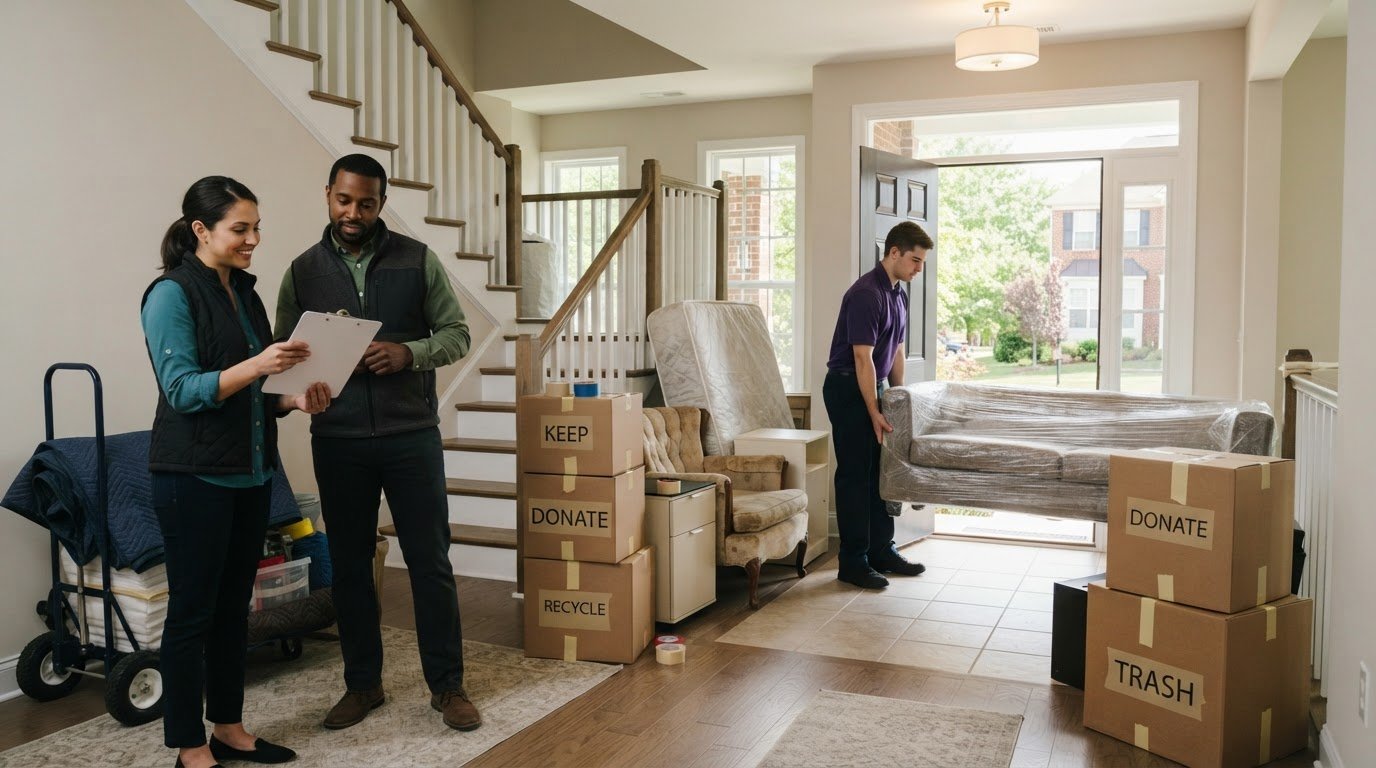
A clear inventory prevents a cleanout from becoming a guessing game. For junk removal for rental properties South Riding, sort items by their next step before requesting service. Owner-approved items can be considered for removal. Tenant belongings, shared property, and anything with unclear ownership need clarification first.
| Category | How to sort it |
|---|---|
| Keep | Mark owner furnishings or supplies that should remain in the rental. |
| Relocate | List items to move to another property, storage area, or designated location. |
| Remove | Include only items the owner or authorized manager has approved for removal. |
| Donate or recycle if confirmed | Set aside items for these options only after confirming eligibility and handling. |
| Investigate | Hold tenant belongings, uncertain items, and restricted or potentially hazardous materials until their status and handling options are clear. |
Which rental items are usually candidates for removal?
Review unwanted furniture, bulky household goods, and leftover items individually with the owner. A sofa or appliance may look ready to go, but that doesn’t establish ownership or confirm that a provider will accept it. Don’t assume appliances, construction debris, or special materials can be taken. Ask about handling options first, and keep uncertain materials separate until you have an answer.
Make the inventory specific: record each item’s quantity, approximate size, and location, such as “one large cabinet, basement” or “two chairs, upstairs bedroom.” Add a photo when it helps show the item or an access concern. These details give the provider a clearer picture of the request without implying that every listed item will be accepted.
How should managers handle donations, recycling, and disposal?
Ask what sorting and destination options are available for each category. Donation or recycling may depend on an item’s condition and the provider’s handling process, so don’t promise either outcome to an owner or tenant before it’s confirmed. For local disposal rules or drop-off choices, check current Loudoun County guidance and consult Virginia’s Solid Waste Management Regulations rather than relying on assumptions.
Keep hazardous, restricted, or unidentified materials out of the approved removal group until you’ve confirmed a safe, appropriate plan. If you’re considering help with bulky household items, review residential junk removal support and confirm the specific scope, item acceptance, and scheduling before making arrangements.
Coordinate South Riding rental access, timing, and property readiness
A confirmed item list is only part of the plan. For junk removal for rental properties South Riding, align the appointment with the turnover schedule and make sure the provider can reach the approved items without disrupting the property or the next step. Set a target date around cleaning, repairs, and the next occupancy, then confirm actual appointment options with the provider rather than assuming a particular time is available.
Use this sequence to keep the handoff organized:
- Confirm approvals. Make sure the removal list is authorized and unresolved belongings are excluded.
- Share an inventory. Provide the property location, item descriptions, quantities, approximate sizes, and where each item is located.
- Arrange access. Confirm who will provide keys or entry instructions, and clarify parking, stairs, elevators, and any access limits.
- Schedule. Ask about appointment options that fit the turnover plan, then verify the agreed details.
- Inspect afterward. Check the cleared areas, document the result, and note any cleaning or maintenance work still needed.
What information should you provide when requesting a pickup?
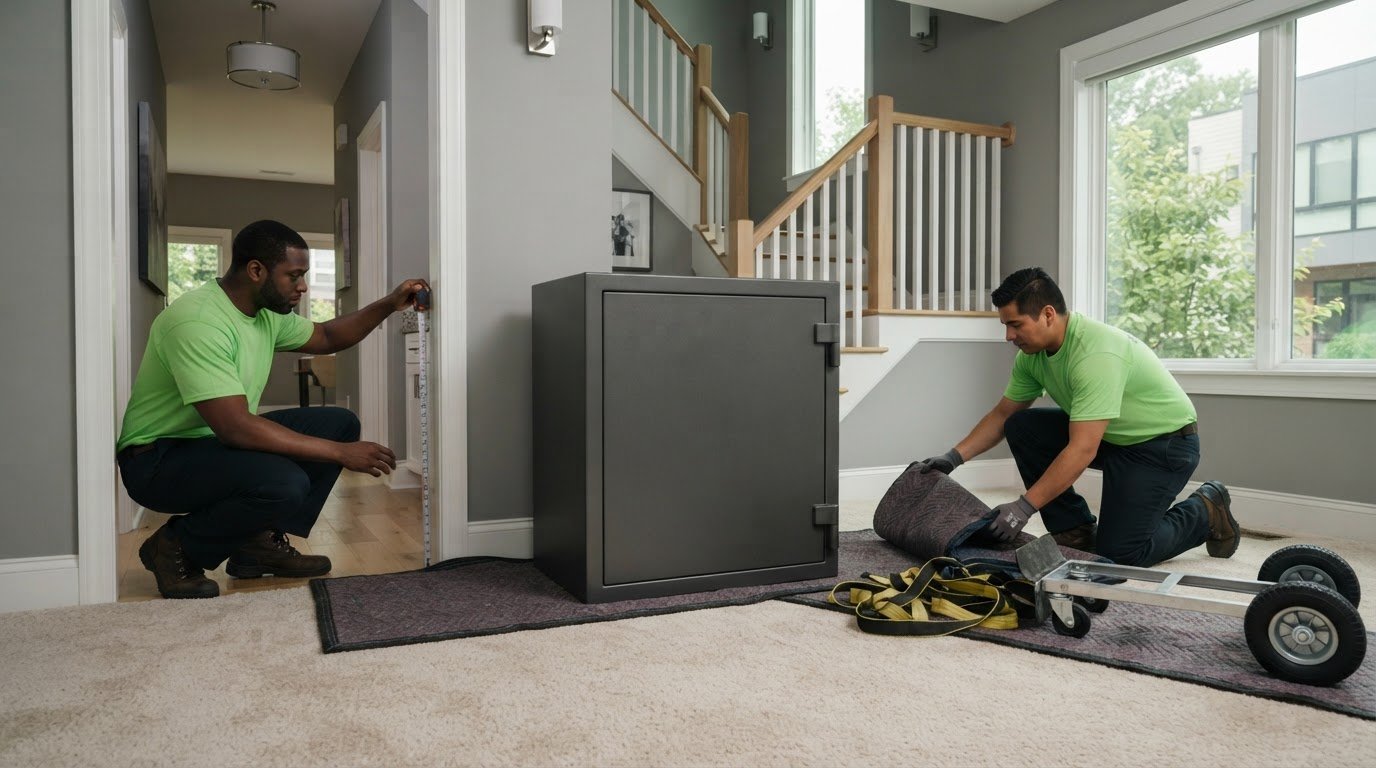
Describe handling conditions before the appointment is set. Flag bulky items, upper floors, narrow doorways, tight turns, elevator use, and other obstacles along the route. Ask whether photos, measurements, or additional access details would help the provider assess the request. Check with the property manager or HOA about rules that could affect entry, parking, loading, or staging items. Requirements vary by property, so verify the ones that apply.
How can you protect the rental before and after removal?
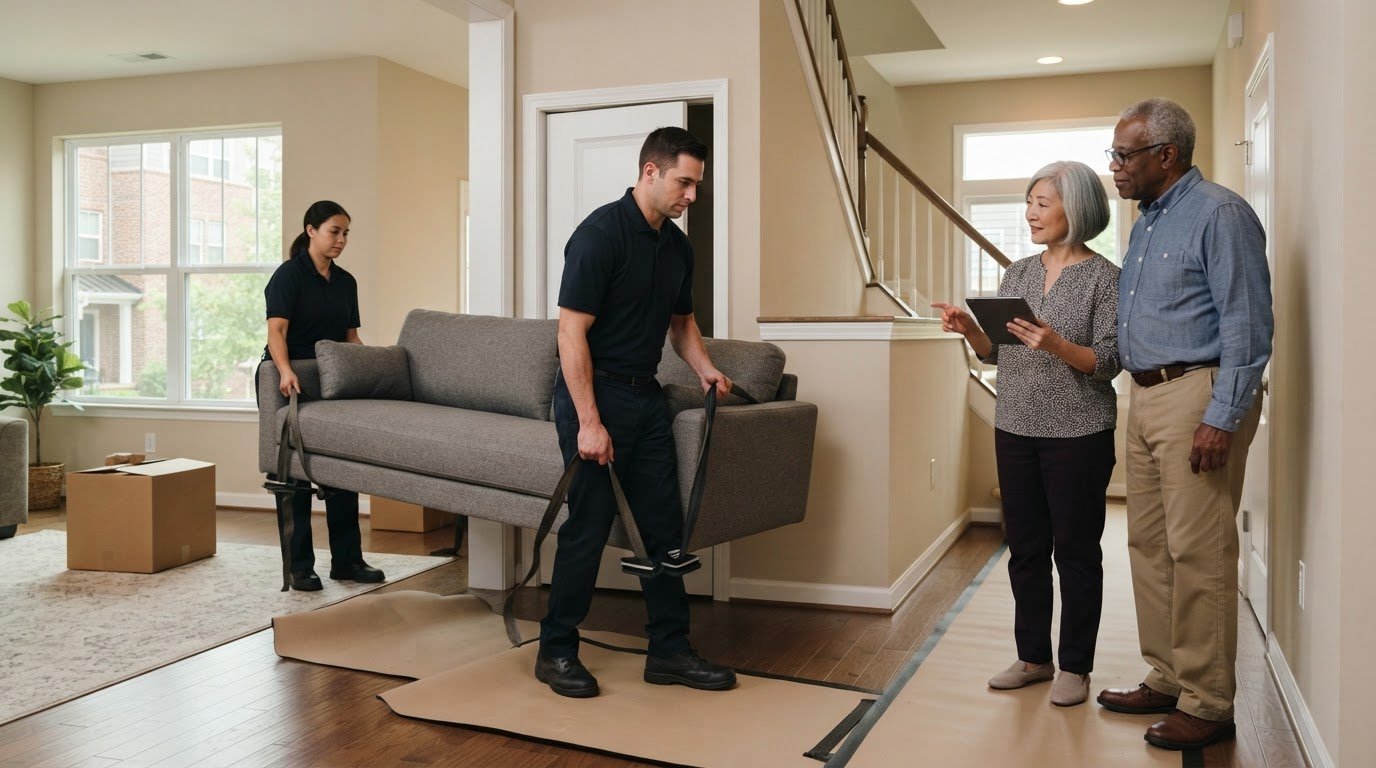
Before the visit, clear safe paths to the approved items and identify floors, walls, doorways, or fixtures that need extra care. Keep items for removal visibly separate from owner furnishings, supplies, and belongings that must stay. If you find paints, cleaners, batteries, or other potentially hazardous household materials, don’t add them to the general item list. Check the EPA guidelines on hazardous waste and ask the provider what handling options, if any, are available.
After removal, walk the affected rooms and access route. Compare the space with your pre-visit notes, photograph any condition changes, and record follow-up cleaning or maintenance needs. This final check gives the leasing or maintenance team a clear picture of what’s ready and what still needs attention.
Compare junk removal options for a South Riding rental property
The right provider is one whose confirmed scope fits the property, item list, access conditions, and turnover plan. For junk removal for rental properties South Riding, give providers the same information so you can compare their responses. Don’t assume a company serves your exact address, accepts every listed item, or offers donation and recycling unless it confirms those details.
What questions should a rental manager ask a junk removal provider?
- Service area: Do you serve this specific South Riding address?
- Item acceptance: Which items on the inventory can you remove, and are any excluded?
- Access: What should we tell you about parking, stairs, elevators, narrow entries, or property restrictions?
- Planning: Do you need photos, measurements, or other details to assess bulky items and prepare a job plan?
- Communication: How will you confirm the agreed scope, communicate changes or exclusions, and let us know when removal is complete?
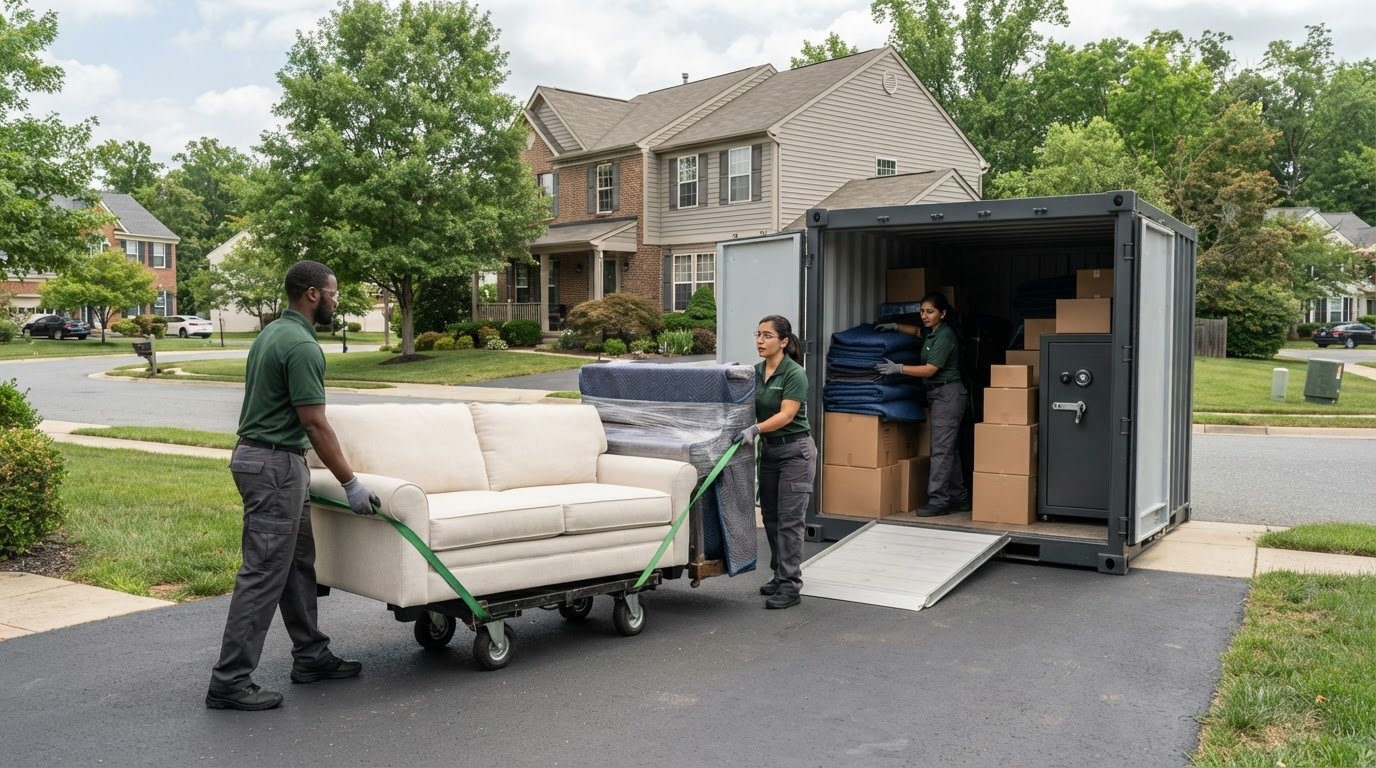
Bulky household items can require more planning than a short list suggests. Note where each item is located and describe tight turns, upper floors, or obstacles along the route. Then ask how those conditions affect the plan. Clear answers help you prepare the property and reduce the chance of a mismatch between the inventory and the agreed work.
How can you compare service scope without relying on assumptions?
Send each provider the same item list and access notes. Compare their responses side by side: service-area confirmation, accepted items, stated exclusions, access needs, appointment options, and how they’ll communicate if the scope changes. Ask for the agreed work to be confirmed clearly before setting the appointment. Keep donation, recycling, and disposal expectations separate from confirmed services until the provider explains what’s available for those items.
If the turnover also involves moving owner furnishings or other household items, consult the guide titled Reliable Movers Near Me in Fairfax and Northern VA for related moving-help information.
Heavy Furniture Moving includes junk removal in its residential moving and logistics services and handles heavy and bulky household items. The company lists South Riding, Fairfax, Woodbridge, Manassas, Manassas Park, Aldie, Ashburn, Mclean, Vienna, Reston, Centreville, Chantilly, Clifton, Dumfries, Fairfax Station, Haymarket, and Gainesville among its local service locations. Ask Heavy Furniture Moving about service fit, item acceptance, and scheduling for your specific property.
Book South Riding rental-property junk removal and complete the handoff
Once the item list and access plan are clear, confirm the job details with the provider before setting the appointment. Heavy Furniture Moving includes junk removal in its residential moving and logistics services, serves South Riding, and handles heavy and bulky household items. That may be relevant if the approved cleanout includes large furnishings. Confirm the specific scope, item acceptance, current service availability, and scheduling before building the appointment into your turnover plan.
What should you confirm before the removal appointment?
Review the details with the provider and the authorized decision-maker. Confirm the property address, approved inventory, access instructions, and appointment details. Make sure every item on the removal list has been approved. If an item is added, removed, or unclear, or access conditions have changed, pause and ask how to handle the difference before work proceeds.
A final confirmation can follow this simple sequence:
- Confirm approved items. Match the list against the owner or property manager’s authorization.
- Arrange access. Verify who will provide entry and share relevant property instructions.
- Complete the agreed removal. Keep any newly disputed or unapproved item out of scope until clarified.
- Inspect and document. Check the cleared areas and record the property’s condition.
What belongs on the post-removal rental handoff checklist?
Walk the rooms and compare the cleared areas with the approved inventory. Note any item that remains, then record cleaning, repair, or maintenance needs separately from the removal work. Take updated photos where useful, and share the condition record with the owner or property manager before tenant preparation begins. This keeps the next step clear without treating removal as a substitute for cleaning or repairs.
A tidy handoff gives the leasing or maintenance team a useful record of what changed and what still needs attention. For junk removal for rental properties South Riding, the final check matters as much as the pickup plan: confirm what was approved, verify what was cleared, and pass along any follow-up work.
If you’re preparing a South Riding rental, contact Heavy Furniture Moving with the property details and item list to ask about service fit, item acceptance, and scheduling. Confirm those details before making them part of your turnover timeline.
Make the Next Rental Handoff Easier
A smooth turnover starts with clear decisions, not just a removal appointment. Confirm who owns each item, get approval before anything leaves, and share an accurate inventory and access plan with the provider. After removal, inspect the property and document any cleaning or maintenance still needed.
That process makes junk removal for rental properties South Riding more organized, especially when bulky household items and a tight turnover schedule are involved. Heavy Furniture Moving lists South Riding among its service locations and includes junk removal in its residential moving and logistics services. The company is veteran-family owned and operated. Confirm item acceptance, service fit, and scheduling before making a removal plan.
Contact Heavy Furniture Moving with your South Riding rental’s item list and access details to ask about service fit, item acceptance, and scheduling. With approvals documented and the handoff steps mapped out, you can prepare the property for its next leasing or maintenance stage.
Frequently Asked Questions
Can I arrange junk removal for a rental property in South Riding?
Yes, you can arrange removal help for a South Riding rental after confirming the approved items and the provider’s service scope. Heavy Furniture Moving lists South Riding among its service locations and includes junk removal in its residential moving and logistics services. Contact the company to confirm current service availability, which items it can handle, and scheduling. A clear inventory and access plan can help you discuss the request.
What should I remove from a rental property between tenants?
Remove only items the landlord or authorized property manager has approved, after checking ownership and move-out records. Sort the contents into keep, relocate, remove, donate or recycle if confirmed, and investigate. Owner furnishings and maintenance supplies may need to stay, while tenant belongings may require clarification. Treat furniture, appliances, and leftover household goods as possibilities to review, not items automatically cleared for removal.
How do I prepare a South Riding rental for junk removal?
Prepare the rental by confirming the approved item list, documenting the property’s condition, and arranging access with the provider. Identify parking instructions, keys or entry procedures, stairs, elevators, narrow passages, and any property restrictions. Keep items to remain separate from those being removed. For junk removal for rental properties South Riding, verify applicable lease, property-management, and community rules before staging items or setting the appointment.
Will a junk removal company donate or recycle rental property items?
Possibly, but donation and recycling depend on the provider’s options and whether specific items qualify. Ask about each category before promising an owner or tenant that an item will be donated or recycled. Confirm how items that are not eligible for those options are handled, too. Check current local guidance for disposal or drop-off requirements rather than assuming every item can follow the same route.
How far ahead should I schedule rental property junk removal?
Contact the provider as soon as you know the approved inventory and target turnover dates. Appointment options and current availability need to be confirmed directly, so don’t assume a particular time or completion window. Share the property location, item list, and access conditions when asking about scheduling. Build the removal appointment into the broader turnover plan, leaving room for inspection and any separate cleaning or maintenance.
Can junk removal include heavy furniture from a rental?
It may, but confirm the specific furniture and handling requirements with the provider before booking. Heavy Furniture Moving specializes in handling heavy and bulky household items, and junk removal is part of its residential moving and logistics services. Share each item’s approximate size and location, along with stairs, tight entries, or other access challenges. Ask whether the listed items fit the requested service before relying on removal.
What information should I give a junk removal provider for a rental cleanout?
Provide the rental’s South Riding address, an approved item inventory, preferred timing, and clear access instructions. Include item quantities, approximate sizes, room locations, and notes about bulky objects, upper floors, stairs, parking, elevators, or narrow entryways. Ask whether photos or measurements would help assess the request. Also identify exclusions and any items whose ownership or removal approval is still uncertain.
What should I do after junk removal at a rental property?
Walk the property and compare cleared areas with the approved inventory. Note anything that remains, then record cleaning, repair, or maintenance needs separately from the removal work. Take updated photos if they help document the condition, and share the record with the owner or property manager before tenant preparation begins. This gives the next person a clear handoff and helps identify any work still needed.
Frequently Asked Questions
Walk the property methodically, including storage spaces and accessible outdoor areas. Photograph its condition before anything is moved, and record damage or maintenance concerns separately from the cleanout list. This makes it easier to review the property afterward without confusing a repair issue with an item for removal. Check the lease, move-out records, and owner instructions before marking belongings for removal.
Get approval from the landlord or authorized property manager before anything leaves the property. Separate tenant belongings from owner furnishings, maintenance materials, and items confirmed as unwanted. An appliance, for example, might belong to the owner, be part of a maintenance plan, or be slated for removal. Don’t guess. Keep written approval with a clear item list, and set aside anything whose ownership or status is unclear. Once the approved list is settled, you’ll have a practical basis for planning the removal. The record also lets the person handling the next leasing or maintenance step see what was cleared and what still needs attention. A clear inventory prevents a cleanout from becoming a guessing game. For junk removal for rental properties South Riding, sort items by their next step before requesting service. Owner-approved items can be considered for removal. Tenant belongings, shared property, and anything with unclear ownership need clarification first.
Review unwanted furniture, bulky household goods, and leftover items individually with the owner. A sofa or appliance may look ready to go, but that doesn’t establish ownership or confirm that a provider will accept it. Don’t assume appliances, construction debris, or special materials can be taken. Ask about handling options first, and keep uncertain materials separate until you have an answer. Make the inventory specific: record each item’s quantity, approximate size, and location, such as “one large cabinet, basement” or “two chairs, upstairs bedroom.” Add a photo when it helps show the item or an access concern. These details give the provider a clearer picture of the request without implying that every listed item will be accepted.
Ask what sorting and destination options are available for each category. Donation or recycling may depend on an item’s condition and the provider’s handling process, so don’t promise either outcome to an owner or tenant before it’s confirmed. For local disposal rules or drop-off choices, check current Loudoun County guidance and consult Virginia’s Solid Waste Management Regulations rather than relying on assumptions. Keep hazardous, restricted, or unidentified materials out of the approved removal group until you’ve confirmed a safe, appropriate plan. If you’re considering help with bulky household items, review residential junk removal support and confirm the specific scope, item acceptance, and scheduling before making arrangements. A confirmed item list is only part of the plan. For junk removal for rental properties South Riding, align the appointment with the turnover schedule and make sure the provider can reach the approved items without disrupting the property or the next step. Set a target date around cleaning, repairs, and the next occupancy, then confirm actual appointment options with the provider rather than assuming a particular time is available. Use this sequence to keep the handoff organized:
Describe handling conditions before the appointment is set. Flag bulky items, upper floors, narrow doorways, tight turns, elevator use, and other obstacles along the route. Ask whether photos, measurements, or additional access details would help the provider assess the request. Check with the property manager or HOA about rules that could affect entry, parking, loading, or staging items. Requirements vary by property, so verify the ones that apply.
Before the visit, clear safe paths to the approved items and identify floors, walls, doorways, or fixtures that need extra care. Keep items for removal visibly separate from owner furnishings, supplies, and belongings that must stay. If you find paints, cleaners, batteries, or other potentially hazardous household materials, don’t add them to the general item list. Check the EPA guidelines on hazardous waste and ask the provider what handling options, if any, are available. After removal, walk the affected rooms and access route. Compare the space with your pre-visit notes, photograph any condition changes, and record follow-up cleaning or maintenance needs. This final check gives the leasing or maintenance team a clear picture of what’s ready and what still needs attention. The right provider is one whose confirmed scope fits the property, item list, access conditions, and turnover plan. For junk removal for rental properties South Riding, give providers the same information so you can compare their responses. Don’t assume a company serves your exact address, accepts every listed item, or offers donation and recycling unless it confirms those details.
Bulky household items can require more planning than a short list suggests. Note where each item is located and describe tight turns, upper floors, or obstacles along the route. Then ask how those conditions affect the plan. Clear answers help you prepare the property and reduce the chance of a mismatch between the inventory and the agreed work.
Send each provider the same item list and access notes. Compare their responses side by side: service-area confirmation, accepted items, stated exclusions, access needs, appointment options, and how they’ll communicate if the scope changes. Ask for the agreed work to be confirmed clearly before setting the appointment. Keep donation, recycling, and disposal expectations separate from confirmed services until the provider explains what’s available for those items. If the turnover also involves moving owner furnishings or other household items, consult the guide titled Reliable Movers Near Me in Fairfax and Northern VA for related moving-help information. Heavy Furniture Moving includes junk removal in its residential moving and logistics services and handles heavy and bulky household items. The company lists South Riding, Fairfax, Woodbridge, Manassas, Manassas Park, Aldie, Ashburn, Mclean, Vienna, Reston, Centreville, Chantilly, Clifton, Dumfries, Fairfax Station, Haymarket, and Gainesville among its local service locations. Ask Heavy Furniture Moving about service fit, item acceptance, and scheduling for your specific property. Once the item list and access plan are clear, confirm the job details with the provider before setting the appointment. Heavy Furniture Moving includes junk removal in its residential moving and logistics services, serves South Riding, and handles heavy and bulky household items. That may be relevant if the approved cleanout includes large furnishings. Confirm the specific scope, item acceptance, current service availability, and scheduling before building the appointment into your turnover plan.
Review the details with the provider and the authorized decision-maker. Confirm the property address, approved inventory, access instructions, and appointment details. Make sure every item on the removal list has been approved. If an item is added, removed, or unclear, or access conditions have changed, pause and ask how to handle the difference before work proceeds. A final confirmation can follow this simple sequence:
Walk the rooms and compare the cleared areas with the approved inventory. Note any item that remains, then record cleaning, repair, or maintenance needs separately from the removal work. Take updated photos where useful, and share the condition record with the owner or property manager before tenant preparation begins. This keeps the next step clear without treating removal as a substitute for cleaning or repairs. A tidy handoff gives the leasing or maintenance team a useful record of what changed and what still needs attention. For junk removal for rental properties South Riding, the final check matters as much as the pickup plan: confirm what was approved, verify what was cleared, and pass along any follow-up work. If you’re preparing a South Riding rental, contact Heavy Furniture Moving with the property details and item list to ask about service fit, item acceptance, and scheduling. Confirm those details before making them part of your turnover timeline. A smooth turnover starts with clear decisions, not just a removal appointment. Confirm who owns each item, get approval before anything leaves, and share an accurate inventory and access plan with the provider. After removal, inspect the property and document any cleaning or maintenance still needed. That process makes junk removal for rental properties South Riding more organized, especially when bulky household items and a tight turnover schedule are involved. Heavy Furniture Moving lists South Riding among its service locations and includes junk removal in its residential moving and logistics services. The company is veteran-family owned and operated. Confirm item acceptance, service fit, and scheduling before making a removal plan. Contact Heavy Furniture Moving with your South Riding rental’s item list and access details to ask about service fit, item acceptance, and scheduling. With approvals documented and the handoff steps mapped out, you can prepare the property for its next leasing or maintenance stage.
Yes, you can arrange removal help for a South Riding rental after confirming the approved items and the provider’s service scope. Heavy Furniture Moving lists South Riding among its service locations and includes junk removal in its residential moving and logistics services. Contact the company to confirm current service availability, which items it can handle, and scheduling. A clear inventory and access plan can help you discuss the request.
Remove only items the landlord or authorized property manager has approved, after checking ownership and move-out records. Sort the contents into keep, relocate, remove, donate or recycle if confirmed, and investigate. Owner furnishings and maintenance supplies may need to stay, while tenant belongings may require clarification. Treat furniture, appliances, and leftover household goods as possibilities to review, not items automatically cleared for removal.
Prepare the rental by confirming the approved item list, documenting the property’s condition, and arranging access with the provider. Identify parking instructions, keys or entry procedures, stairs, elevators, narrow passages, and any property restrictions. Keep items to remain separate from those being removed. For junk removal for rental properties South Riding, verify applicable lease, property-management, and community rules before staging items or setting the appointment.
Possibly, but donation and recycling depend on the provider’s options and whether specific items qualify. Ask about each category before promising an owner or tenant that an item will be donated or recycled. Confirm how items that are not eligible for those options are handled, too. Check current local guidance for disposal or drop-off requirements rather than assuming every item can follow the same route.
Contact the provider as soon as you know the approved inventory and target turnover dates. Appointment options and current availability need to be confirmed directly, so don’t assume a particular time or completion window. Share the property location, item list, and access conditions when asking about scheduling. Build the removal appointment into the broader turnover plan, leaving room for inspection and any separate cleaning or maintenance.
It may, but confirm the specific furniture and handling requirements with the provider before booking. Heavy Furniture Moving specializes in handling heavy and bulky household items, and junk removal is part of its residential moving and logistics services. Share each item’s approximate size and location, along with stairs, tight entries, or other access challenges. Ask whether the listed items fit the requested service before relying on removal.
Provide the rental’s South Riding address, an approved item inventory, preferred timing, and clear access instructions. Include item quantities, approximate sizes, room locations, and notes about bulky objects, upper floors, stairs, parking, elevators, or narrow entryways. Ask whether photos or measurements would help assess the request. Also identify exclusions and any items whose ownership or removal approval is still uncertain.
Walk the property and compare cleared areas with the approved inventory. Note anything that remains, then record cleaning, repair, or maintenance needs separately from the removal work. Take updated photos if they help document the condition, and share the record with the owner or property manager before tenant preparation begins. This gives the next person a clear handoff and helps identify any work still needed.