How to Move and Anchor a Gun Safe in Vienna, With Costs
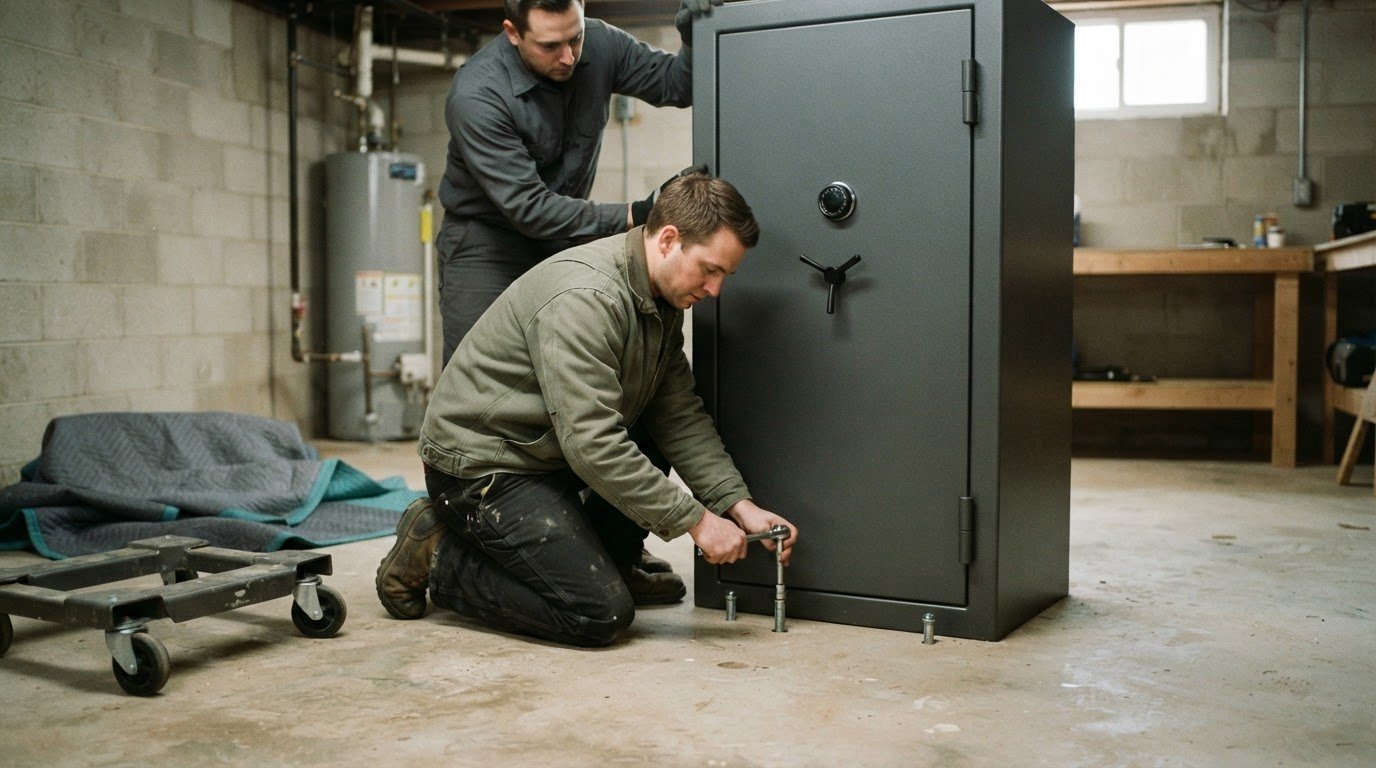
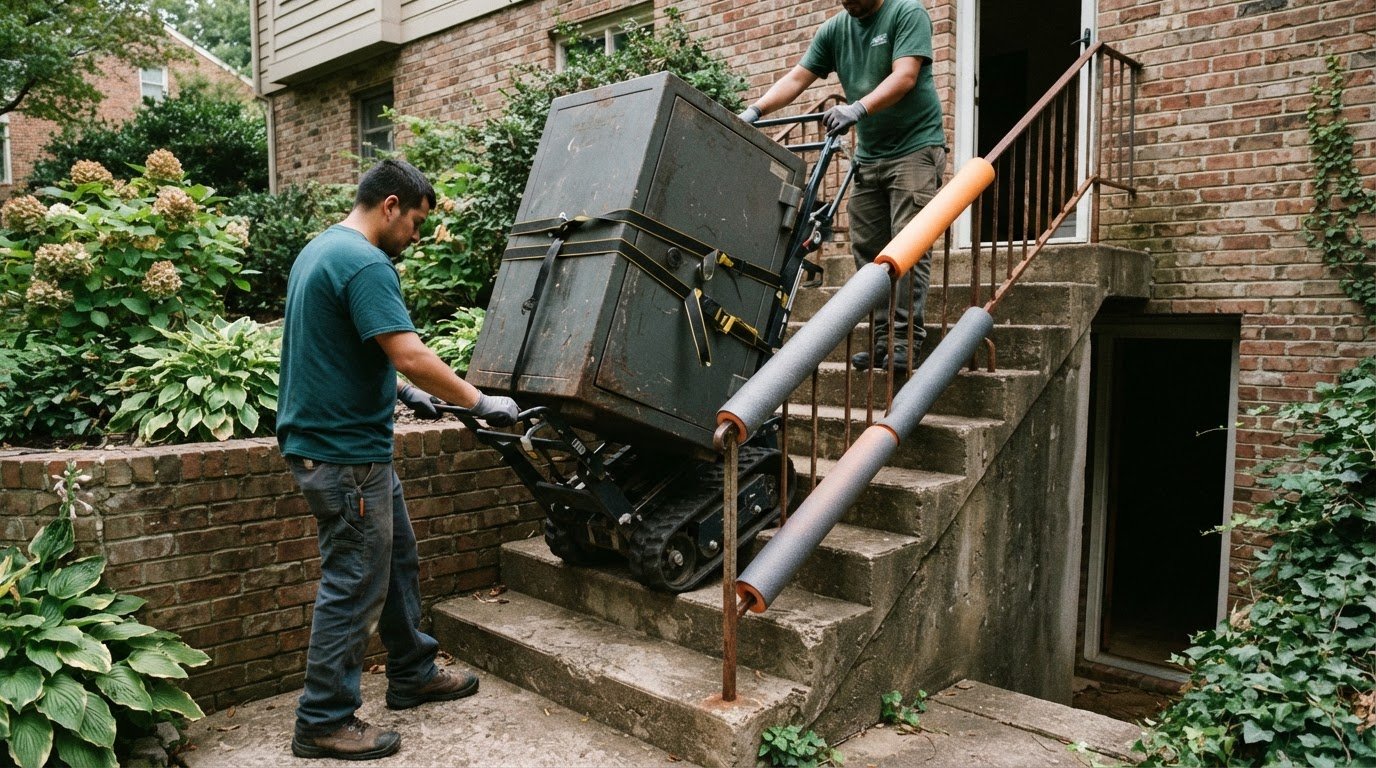
A heavy gun safe can damage floors or stairs if its route and handling aren’t planned. Residential safe movers for bolting a gun safe to a concrete slab in Vienna can protect surfaces during the move and position the safe for anchoring. Most quality gun safes have four pre-drilled anchor holes in the floor. Anchoring a safe to concrete also helps resist tipping and removal.
Moving a safe takes more than muscle. You need a clear plan for the route, the floor protection, and the final placement. This guide explains how professionals reduce the risk of scrapes and impact damage, what affects moving and installation costs, and how a concrete slab fits into anchoring the safe. You’ll also learn what details about the safe and home help shape the plan, so you can make a steadier decision before moving day.
Key Takeaways
- Plan the safe’s route and floor protection around its weight, access points, and obstacles to reduce the risk of damage.
- Separate moving costs from installation costs, and make sure the written estimate reflects the work and access conditions.
- Keep the safe upright and locked during transport to limit shifting and reduce opportunities to pry the door.
- Choose the final position with the concrete slab and any floor features in mind before anchoring.
- Heavy Furniture Moving can help with heavy-item moves when a gun safe needs careful handling through a home.
Why anchoring a safe to concrete improves security
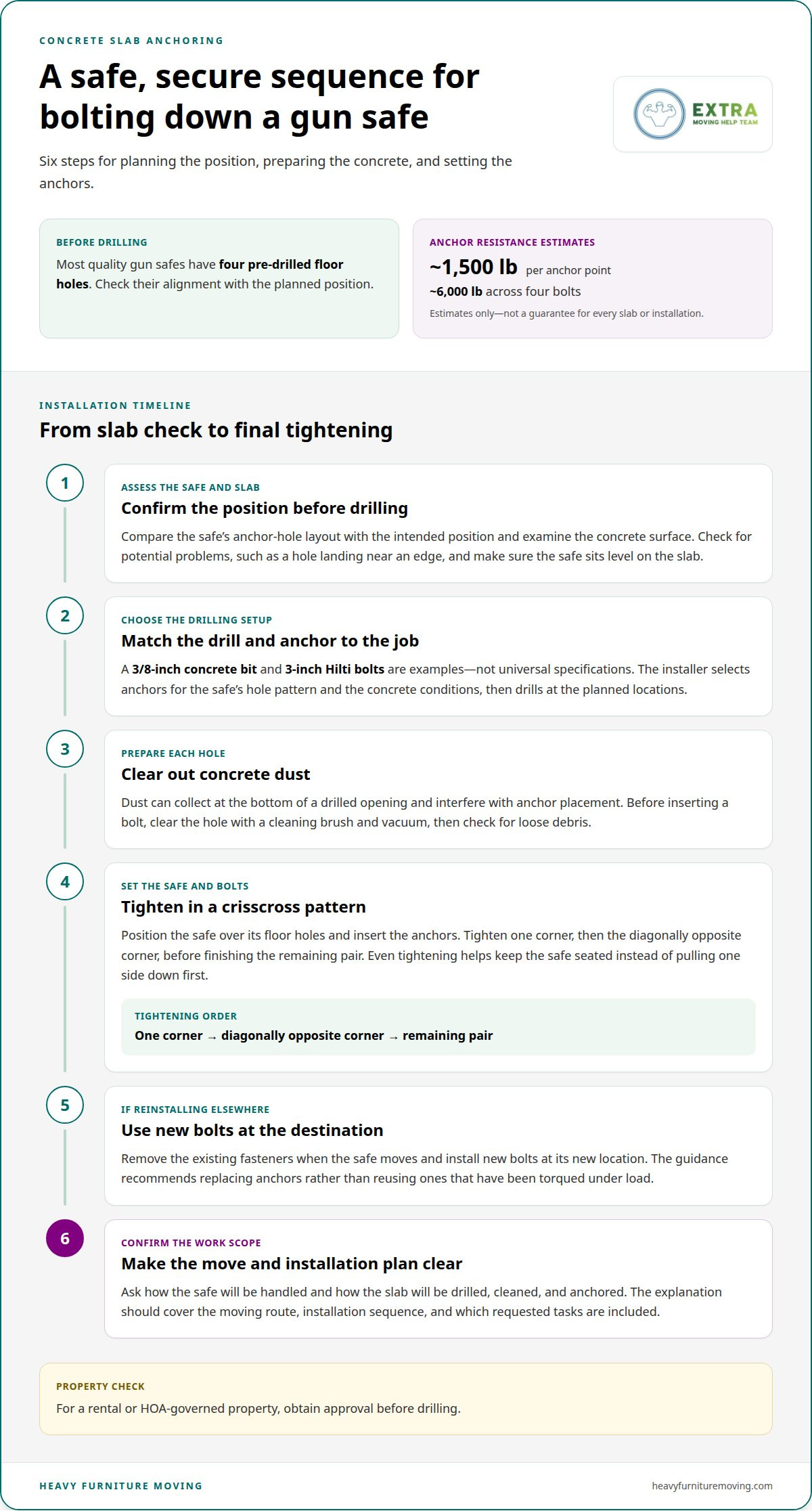
Anchoring a gun safe to a concrete slab helps prevent tipping and makes removal harder. Most quality gun safes have four pre-drilled floor holes. A commonly cited estimate assigns roughly 1,500 pounds of downward resistance to an anchor point, or 6,000 pounds across four bolts. These are estimates, not guarantees for every slab or installation.
When comparing residential safe movers who bolt gun safes to concrete slabs in Vienna, review written proof of coverage and ask how the move and installation will be handled. For a rental or HOA-governed property, obtain approval before drilling. Virginia firearm-storage duties are separate from the mechanical choice of concrete anchors.
- Assess the safe and slab before drilling. The installer compares the safe’s anchor-hole layout with the intended position and examines the concrete surface. This can reveal potential problems, such as a hole landing near an edge. The installer also checks that the safe sits level, since uneven contact can affect how firmly it rests on the slab.
- Match the drill and anchor to the installation. A 3/8-inch bit for concrete and Hilti bolts that are 3 inches long. These are examples, not universal specifications for every safe or slab. A professional selects anchors for the safe’s hole pattern and concrete conditions, then drills each opening at the planned location.
- Clear dust from each anchor hole. Concrete dust can collect at the bottom of a drilled opening and interfere with anchor placement. Before inserting a bolt, the installer clears the hole with a cleaning brush and vacuum, then checks for loose debris. This prepares the opening for the anchor and prevents drilling residue from being trapped underneath it.
- Set and tighten the bolts evenly. The installer positions the safe over its floor holes, inserts the anchors, and tightens them in a crisscross pattern. That means tightening one corner, then the diagonally opposite corner before finishing the remaining pair. Even tightening helps keep the safe seated instead of pulling one side down first.
- Replace anchors when reinstalling at a new location. When a safe moves, remove the existing fasteners and install new bolts at the destination. The guidance recommends new bolts instead of reusing anchors that have been torqued under load. A residential safe mover handling concrete slab bolting in Vienna can plan removal and replacement as part of the relocation work.
- Choose a mover who can explain both parts of the job. Ask how the safe will be handled and how the slab will be drilled, cleaned, and anchored. A clear explanation should cover the moving route and installation sequence. Residential safe movers for bolting a gun safe to a concrete slab in Vienna should describe those steps plainly and state which requested tasks are included.
Factors affecting professional safe installation costs
- Describe the safe accurately. Give the installer its make, model, dimensions, and weight, plus details about accessories inside. A standard 24-gun home safe may weigh 600-900 lbs, so the actual safe’s weight helps determine handling needs. Accurate details also help the crew plan equipment, staffing, and how to position the safe at its destination.
- Explain the complete route. List each turn, stairway, landing, doorway, and threshold between the entry and final position. A safe that fits through the front door may still be difficult to maneuver around a tight hallway corner. Photos of narrow spaces and staircases can help the team understand the route and plan for access challenges.
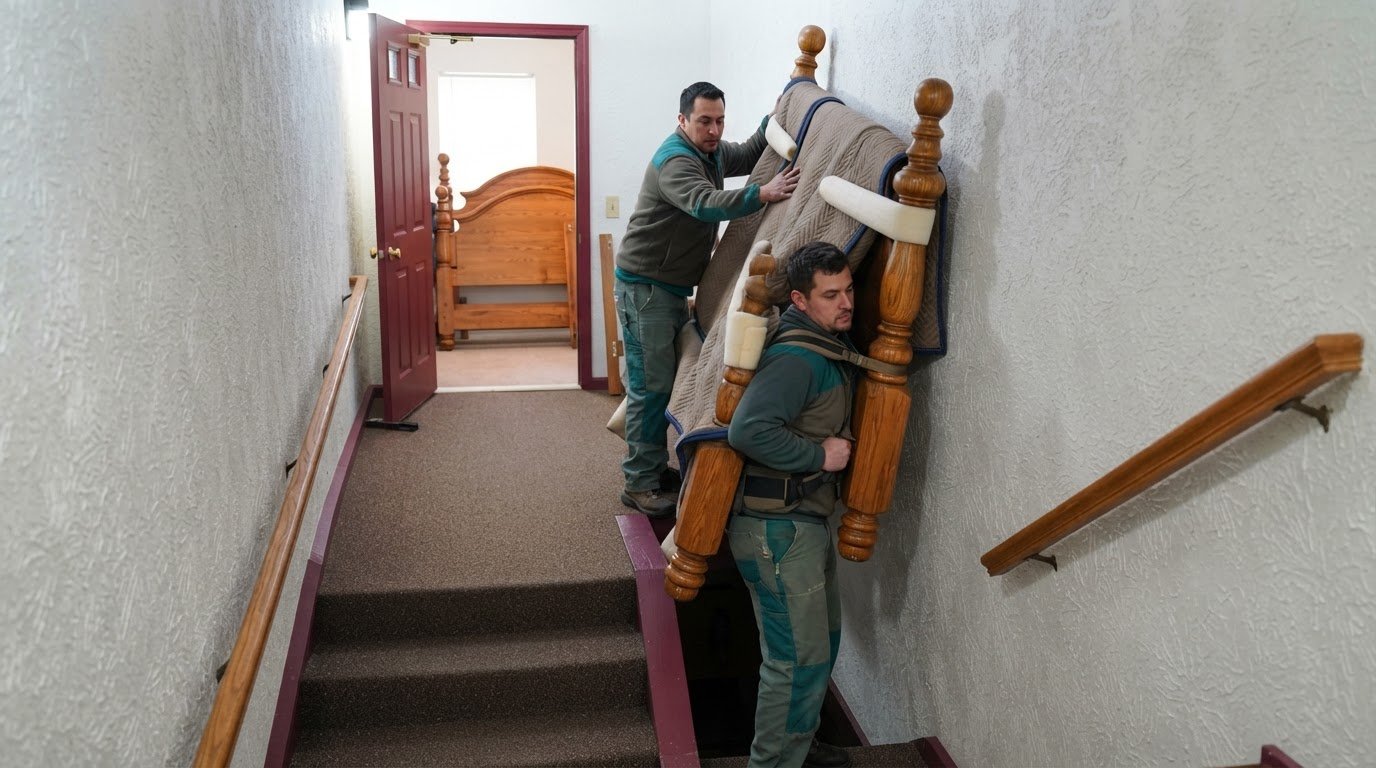
- Identify floor and surface conditions. Tell the team whether the route includes hardwood, tile, carpet, or stairs, and point out uneven transitions. Surface protection and careful handling require planning, especially where a heavy safe must turn or cross a threshold. Mention any existing damage so the work plan can account for it.
- Specify the destination and desired position. Provide the room, the intended location, and any limits on where the safe can sit. A 30-inch-wide safe, for example, may fit differently beside shelving or in a closet than against an open wall. The position also affects access for moving equipment and the work needed to install anchors.
- Separate moving work from installation work. Clarify whether the requested work includes transport, in-home placement, and anchoring. That breakdown shows whether the scope covers delivery only or also preparing the final position and securing the safe. For a concrete slab, share the anchor-hole layout and any known floor features that could affect drilling.
- Request a clear written scope based on the job details. The moving plan depends on the safe’s weight, route access, slab condition, final position, and requested anchor work. A written scope makes it easier to see which steps are included and compare plans on the same basis, without relying on a broad price range.
- Share changes before moving day. If the safe’s contents, route, or destination changes, update the plan before work begins. For example, a newly blocked hallway can affect access and the safe’s path. Clear details help the crew prepare for the actual job. For careful handling of heavy items through a home, consider professional heavy-item moving help.
Keeping the safe locked during a move
- Keep the door closed and locked for transport. An upright safe is difficult to pry open, while tipping it onto its back gives thieves better leverage against the door. Ask the moving crew to keep the safe upright along the route. If a doorway or stair turn requires changing its angle, the crew should plan that movement before handling begins.
- Tell the crew how the lock operates. Explain whether the safe uses a combination lock, electronic keypad, or key. Don’t share the combination unless access is essential to the agreed work. This lets the crew plan around the closed door and avoid unnecessary attempts to open, test, or manipulate the locking mechanism during transport.
- Report any lock or door problem before moving day. A door that won’t latch, a damaged handle, or a missing key can change how the crew handles the safe. Describe the issue clearly, such as a bolt that sticks when the door closes. Don’t force the handle or make last-minute adjustments while the safe is being loaded.
- Ask the crew to protect the door and lock from impact. During a turn through a hallway, a door edge or handle can strike a wall or railing. The movers should account for protruding hardware when planning clearance. Keep the travel path open, including doorways and stair landings, so the safe can move without a sudden collision.
- Keep contents from shifting inside. Loose shelves, racks, or stored items can move as the safe travels over thresholds. Tell the crew if internal parts are removable or already loose. A shifting shelf, for example, can make noise or affect balance, even with the door locked. The crew can account for this detail in its handling plan.
- Set a clear handoff point for keys or access. If the movers need the safe opened for an agreed task, decide who will operate it and when. Keep keys separate from loose household items, and don’t leave them in the lock. A clear handoff avoids confusion at the loading area, during transport, or when the safe reaches its new position.
- Confirm the safe remains upright before each move. Before loading, after unloading, and before moving it into its final room, the crew should check its orientation. A safe tipped onto its back can give someone better leverage at the door. Keep the lock engaged until the safe is positioned and the moving work is complete.
Moving costs and written estimates
- Separate transport from installation. A moving price depends on the job and is provided after a quote request; key factors include weight, access, travel distance, and whether the safe is bolted. Ask for moving and anchoring to appear as separate estimate items. This makes clear whether the quoted scope covers relocation, placement, removal of old anchors, or installation at the destination.
- Give the team the safe’s details. Share its make, model, dimensions, and known weight. A tall safe, for example, may need a different handling plan from a compact model. Mention removable shelves or racks, since they can affect preparation. Specific details help the team understand the load instead of relying on a general description like “large safe.”
- Describe the full route. Include the pickup and delivery floors, stairs, landings, doorways, turns, and thresholds. A ground-floor move with a clear path differs from one involving a narrow staircase. Note elevators or tight corners, too. The route affects equipment, crew planning, and the time needed for handling.
- Explain the safe’s current anchoring. Tell the team whether the safe is bolted down and where it sits. Removing anchors at pickup is a different task from moving an unanchored safe. At delivery, specify whether you need placement alone or anchoring as well. This prevents a gap between the move and final setup.
- Identify destination conditions. State the room and intended position, then describe the access path and floor surface. For a concrete destination, mention the slab and any known floor features. A safe that must pass through a narrow interior doorway may require a more careful route than one entering an open room directly.
- Ask for a clear written scope. The scope should identify what the crew will move and which related tasks are included. Look for separate descriptions of loading, transport, in-home placement, and anchor work. Any excluded task should be clearly identified before moving day.
- Compare plans using the same details. Provide the same safe information, route, destination, and requested work for each plan you compare. One may include placement while another covers transport only. Comparing details side by side helps explain differences without treating unlike services as equal. Keep any updated scope in writing if access details change.
- Report changes before the crew arrives. Tell the moving team if the pickup route, destination, or safe’s bolted status changes. For example, a blocked stairway can alter the planned handling approach. Updated details let the estimate reflect the actual job and help avoid confusion over which moving or installation tasks the written scope includes.
Safe placement on a concrete subfloor
- Choose the position before the safe enters the room. The installer considers the safe’s footprint, door swing, and access to its contents. For a wide, shallow model, placement matters because opening the door can shift its balance forward. Choose a spot that lets the door open without blocking a walkway or striking nearby furniture.
- Check the slab and surrounding floor features. The installer assesses the intended anchor area before drilling. Heated floors can prevent bolting a safe down, so their presence matters when choosing a position. Post-tension slabs can also prevent anchoring. These conditions affect where the safe can be secured and should shape the placement plan before the safe is set down.
- Keep the safe clear of walls where practical. Anchoring to the concrete floor secures the safe without drilling into a wall. Wall bolting can compromise fire protection, so the floor is the preferred anchor point when slab conditions allow. The installer checks that the safe’s floor holes align with the chosen slab area and that the door can open fully.
- Account for the safe’s shape and door movement. Wide, shallow models such as Browning Pro Steel Hell’s Canyon and El Dorado are recommended for ground anchoring. Their proportions can make forward tipping a concern, especially when the door is opened. The installer considers the safe’s dimensions, intended position, and door swing together, rather than treating each detail separately.
- Keep the route and final position aligned. A spot may suit anchoring but create a difficult path through the room. The moving crew plans for the safe’s orientation, doorway clearance, and final alignment before placing it. This avoids repeated shifts across the floor and helps the installer position the safe so its anchor holes meet the planned points.
- Secure the safe to reduce tipping risk. A 1,000 lb safe tipping over can cause serious injury or death. Anchoring helps prevent the safe from tipping, including when its door opens. The installer positions it level against the floor, then secures it through the intended floor holes, leaving the safe stable in its selected location.
- Have heavy safe placement handled as one planned job. Placement, floor conditions, and anchoring all affect the final setup. If a gun safe needs careful movement into position before securing, arrange professional heavy-item moving help for the move and placement.
Heavy Furniture Moving
Heavy Furniture Moving helps with difficult residential moves involving heavy, bulky items such as gun safes. Turn to the team when the safe’s weight, stairs, tight doorways, or delicate floors make the move difficult to manage. Careful route planning and in-home handling help move it to the intended room, where anchoring can be arranged as a separate installation step.
Share the safe’s dimensions, its current location, the destination, and any access challenges. Details such as a narrow landing or a concrete-floor destination help clarify the moving plan. Heavy Furniture Moving also offers local help for other bulky household items, making it a practical option when the safe is part of a larger home move.
Contact Heavy Furniture Moving to discuss your safe move.
Set the next move in motion
Make the safe’s relocation part of a clear home-moving plan, rather than treating it as an afterthought. Decide who will handle transport and who will complete any anchoring at the new location. If you need residential safe movers for bolting a gun safe to a concrete slab in Vienna, share the move details and intended next step so the work can be planned in context.
Heavy Furniture Moving also handles residential moves, exercise equipment moving, and sofa hoisting. These services can help when a safe is one part of a larger household move involving other bulky items.
Contact Heavy Furniture Moving to discuss your move and plan a practical next step. You’re ready to move forward with a steadier plan for your home.
Frequently Asked Questions
How do professional safe movers protect floors and stairs when moving a gun safe?
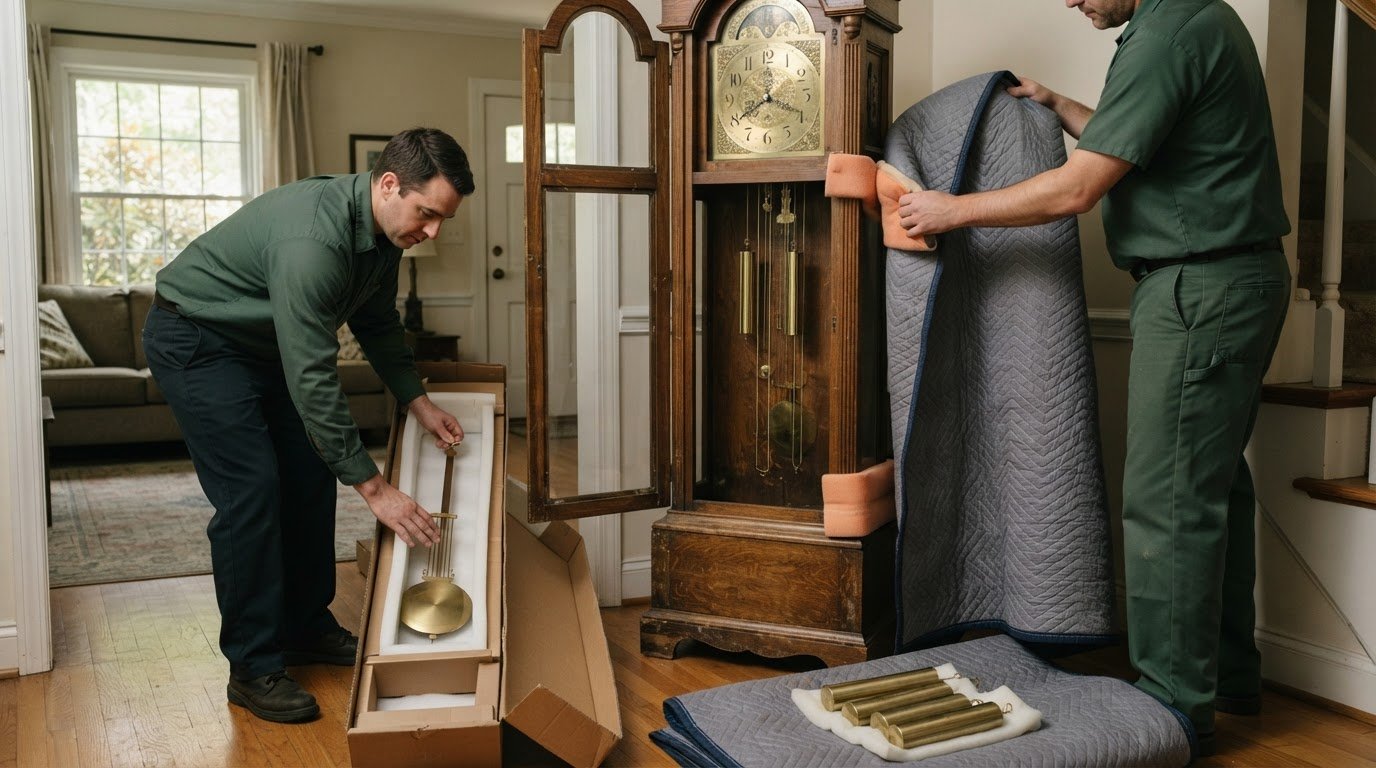
Professional movers use protective materials and controlled handling to reduce scuffs and impacts. Heavy Furniture Moving uses blankets, shrink film, ratchet straps, masonite floor protection, and door-jamb covers. For example, masonite can shield a floor along the travel path, while a door-jamb cover helps protect a tight entry. Share details about stairs, turns, and flooring so the crew can plan how to protect the route.
Should you Bolt your Safe Down?
Anchoring a safe to a suitable concrete slab can help prevent tipping and make removal harder. Before deciding, consider the safe’s intended position and whether drilling is suitable for that area of the floor. A finished floor may affect access to the concrete beneath it, while floor features can limit where anchors are installed. For a rental or shared property, obtain permission for drilling before installation.
How far ahead should I book a safe move?
Arrange your move once you know your preferred date, especially if the safe’s route includes stairs or tight access. Same-day crews are often available when a slot is open, but same-day scheduling isn’t guaranteed. For a date-sensitive move, share the safe’s size, pickup and delivery locations, and access details when arranging the job. This gives the team useful information for planning.
How heavy is my gun safe likely to be?
Gun safes handled by Heavy Furniture Moving range from 300 to 1,500 pounds. The exact weight depends on the safe model and its contents, so use the manufacturer’s specifications when available. A photo of the safe’s label can help identify the model. Share that information before the move, along with whether the safe is loaded, so the crew can plan appropriate handling.
What areas do you cover for gun safe moving?
Heavy Furniture Moving serves Vienna and nearby communities, including Fairfax, Woodbridge, Manassas, Manassas Park, Aldie, Ashburn, McLean, Reston, Centreville, Chantilly, Clifton, Dumfries, South Riding, Fairfax Station, Haymarket, and Gainesville. For a move between two locations, provide both addresses and note any access constraints. The pickup and destination details help establish whether the requested move is within the local service area.
Do gun safe movers in Vienna provide concrete anchoring and installation?
Safe moving and concrete anchoring are distinct parts of a job, so identify both when arranging the work. Heavy Furniture Moving handles safe moves, and the requested scope can include placing the safe and anchoring it at the destination. Share the slab location and any known floor features before scheduling. That lets the team plan the move and intended installation together.
Frequently Asked Questions
Professional movers use protective materials and controlled handling to reduce scuffs and impacts. Heavy Furniture Moving uses blankets, shrink film, ratchet straps, masonite floor protection, and door-jamb covers. For example, masonite can shield a floor along the travel path, while a door-jamb cover helps protect a tight entry. Share details about stairs, turns, and flooring so the crew can plan how to protect the route.
Anchoring a safe to a suitable concrete slab can help prevent tipping and make removal harder. Before deciding, consider the safe’s intended position and whether drilling is suitable for that area of the floor. A finished floor may affect access to the concrete beneath it, while floor features can limit where anchors are installed. For a rental or shared property, obtain permission for drilling before installation.
Arrange your move once you know your preferred date, especially if the safe’s route includes stairs or tight access. Same-day crews are often available when a slot is open, but same-day scheduling isn’t guaranteed. For a date-sensitive move, share the safe’s size, pickup and delivery locations, and access details when arranging the job. This gives the team useful information for planning.
Gun safes handled by Heavy Furniture Moving range from 300 to 1,500 pounds. The exact weight depends on the safe model and its contents, so use the manufacturer’s specifications when available. A photo of the safe’s label can help identify the model. Share that information before the move, along with whether the safe is loaded, so the crew can plan appropriate handling.
Heavy Furniture Moving serves Vienna and nearby communities, including Fairfax, Woodbridge, Manassas, Manassas Park, Aldie, Ashburn, McLean, Reston, Centreville, Chantilly, Clifton, Dumfries, South Riding, Fairfax Station, Haymarket, and Gainesville. For a move between two locations, provide both addresses and note any access constraints. The pickup and destination details help establish whether the requested move is within the local service area.
Safe moving and concrete anchoring are distinct parts of a job, so identify both when arranging the work. Heavy Furniture Moving handles safe moves, and the requested scope can include placing the safe and anchoring it at the destination. Share the slab location and any known floor features before scheduling. That lets the team plan the move and intended installation together.