How to Move a Heavy Commercial Range While Protecting Floors
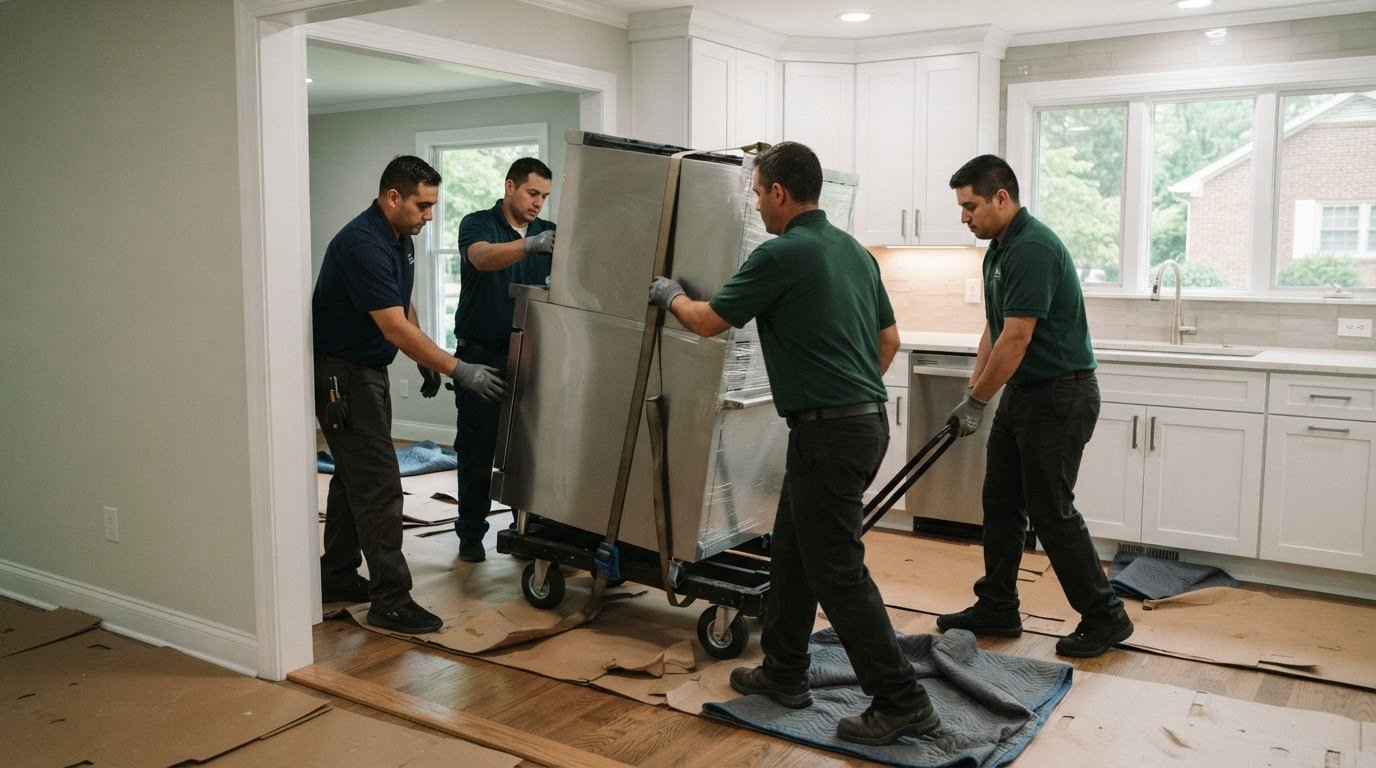
Protect the floor before the range moves. Moving a heavy commercial range into a residential kitchen takes careful planning and suitable equipment. Lay blankets or cardboard over the floor before the lift begins.
A commercial range can be difficult to maneuver, especially through a home with finished floors, tight turns, or narrow doorways. A clear plan helps the crew control the load and reduce the risk of scuffs or damage along the way.
Here, you’ll learn how to plan the crew and equipment, prepare the route, move the range, and protect the floor from pickup to placement. You’ll also see how weight, dimensions, stairs, and the kitchen layout affect the move, so you can make practical decisions before lifting starts.
Key Takeaways
- Plan a crew of at least four movers and use a dolly or hand truck to manage the range’s weight.
- Measure the range and map the route before moving day to spot tight turns, doorways, and stairs.
- Lay blankets or cardboard along the path to help shield floors from scratches and scuffs.
- Prepare the range for transport, secure it in the truck, and plan its final position before bringing it inside.
Crew size and heavy equipment
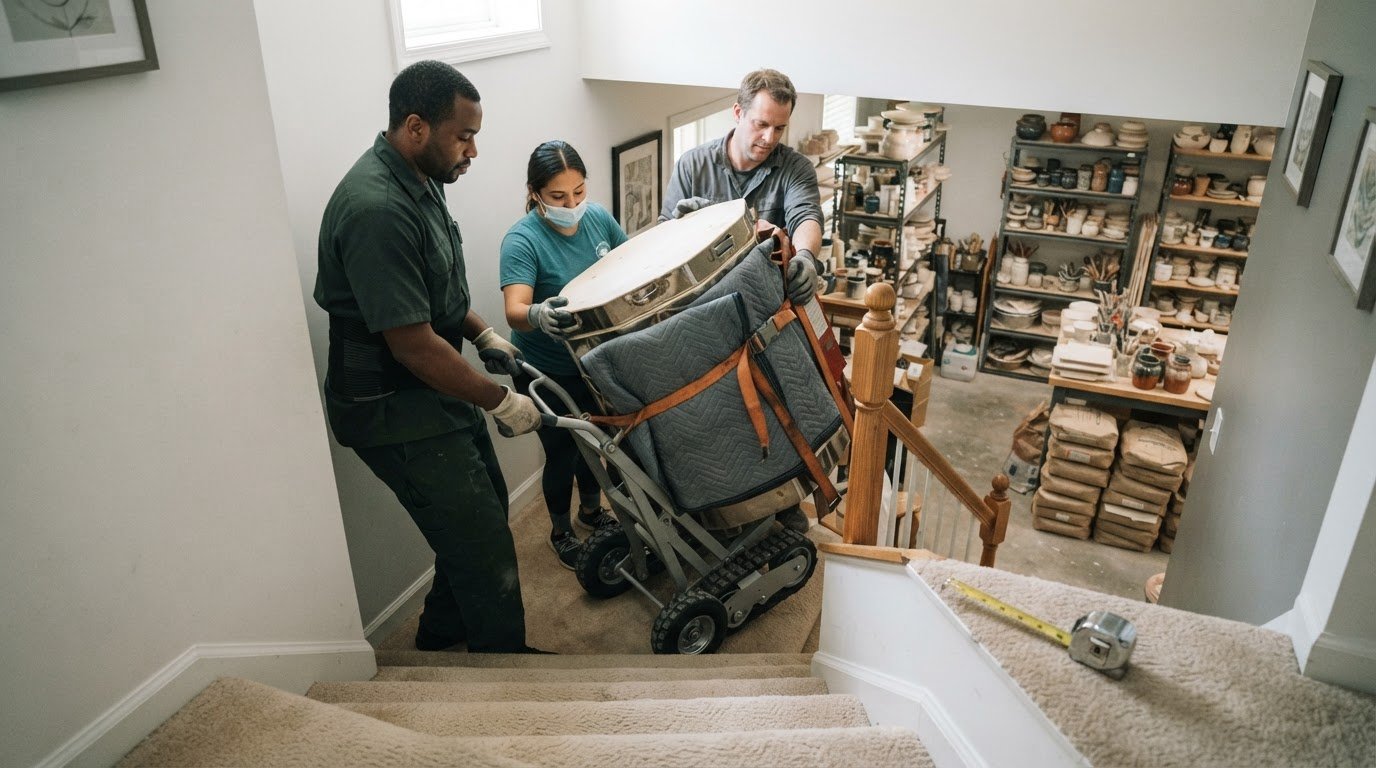
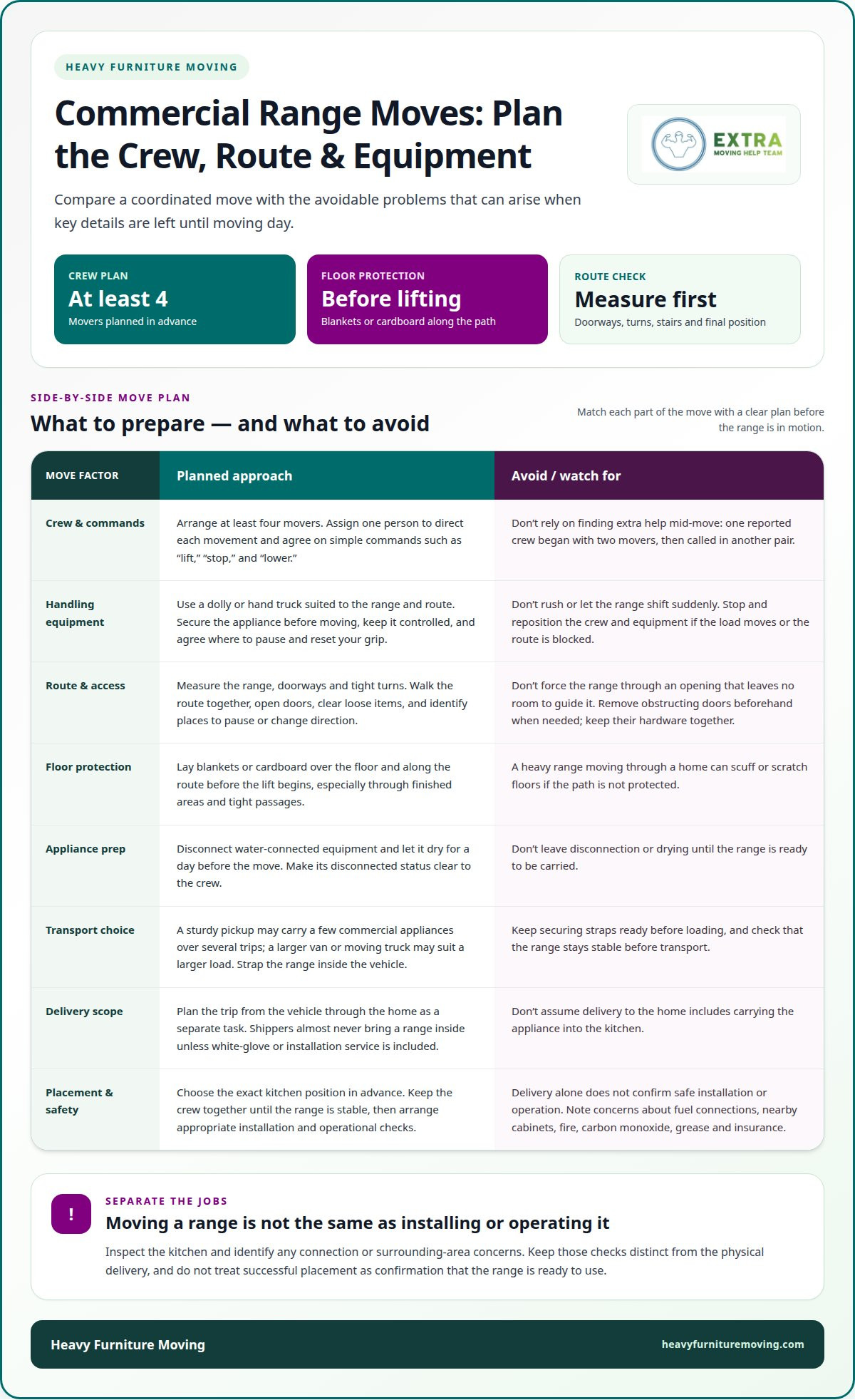
- Plan for a four-man crew before setting a moving date. A commercial range is heavy enough to require several people, and a larger crew can coordinate the lift and guide the load through the home. One reported move began with two movers, who called in another pair to help. Arrange the full crew in advance so the lift doesn’t depend on finding extra hands midway.
- Assign clear roles before anyone touches the range. Choose one person to direct each movement and keep communication simple, using agreed commands such as “lift,” “stop,” and “lower.” Other crew members can steady and guide the appliance. Having one person call instructions helps everyone move together, especially near a doorway, a turn, or the kitchen entrance.
- Use a dolly or hand truck suited to the appliance and the route. Secure the range on the equipment before starting, then keep the load controlled as the crew moves it. Don’t rush or let the range shift suddenly. Agree on where to pause and reset your grip if a tight passage interrupts steady movement.
- Prepare straps before loading the range. Bungee cords or straps can help secure appliances during a move, and commercial appliances should be strapped once they’re inside the transport truck. Keep the securing equipment ready rather than searching for it after loading. Check that the range stays stable during transport, then maintain control as the crew prepares to unload it at the home.
- Clear the route before the crew begins. Move loose items, open doors, and identify narrow points where the team may need to adjust its position. Walk through the route with everyone before lifting starts. A clear path lets the crew focus on controlling the range instead of stopping to move household objects while carrying it.
- Prepare water-connected equipment ahead of moving day. Disconnect water-connected equipment and let it dry before moving. This helps prevent water from complicating handling or transport. Keep the route clear while the appliance dries, and make its disconnected status clear to everyone assigned to the move.
- Set the range down in a controlled way, then arrange for the appropriate installation and operational checks. Keep the crew together until the appliance is stable in its intended position. Don’t leave the range unsecured or unattended during final placement.
In one reported move, the local moving company initially sent two movers, who called in another pair to help. That experience shows why the crew plan should be settled before the range is in motion, rather than treating extra help as an on-the-spot fix. Make sure everyone knows who is directing each movement and which parts of the route need particular care. Keep commands consistent from the first lift through placement, and make any pause clear before anyone changes grip or position.
Treat the equipment, route, and crew as parts of one plan. Have the dolly or hand truck and securing straps ready before lifting begins, and agree on how the range will be kept stable while it is moved. Walk the route together in advance, noting narrow points and places where the team may need to stop and reset. Confirm that doors are open and loose items have been moved, then make sure every mover understands the route. If water-connected equipment is involved, ensure it has been disconnected and allowed to dry for a day before the move. At the destination, keep the crew in place until the range is stable and its operation has been tested. These preparations help the team work in coordination from the first lift until the appliance is settled.
Moving commercial ranges
Move the range only after planning its route, handling, and final position. Treat delivery, installation, and household safety as separate parts of the job.
-
Assess Residential Range Risks
Inspect the kitchen before the range enters, and note fire, carbon monoxide, grease, and insurance concerns. Consider the range’s fuel connection, nearby cabinets, and the condition of the cooking area. The National Bureau of Standards reported that a cooking-oil fire could produce enough heat to ignite nearby materials, particularly cabinets.
Keep moving the appliance separate from decisions about using it. Identify what needs attention after placement, including the range’s connections and the space around it. A successful delivery does not confirm that installation or operation is safe. Record concerns clearly so they aren’t lost during the physical move.
-
Plan the Commercial Range Move
Map the range’s route from the vehicle to its exact kitchen position before moving day. Measure doorways, turns, and other tight points, then compare them with the appliance’s dimensions. Mark where the crew may need to pause or change direction. Clear the route and choose a safe place to set the range down if the move must stop.
Check whether doors or other removable parts obstruct the path. Remove any doors that need to come off before moving the range, and keep their hardware together for reassembly. Plan the final position in advance rather than leaving the crew to maneuver the appliance around a crowded kitchen. A mapped location also helps avoid repeated shifting after arrival.
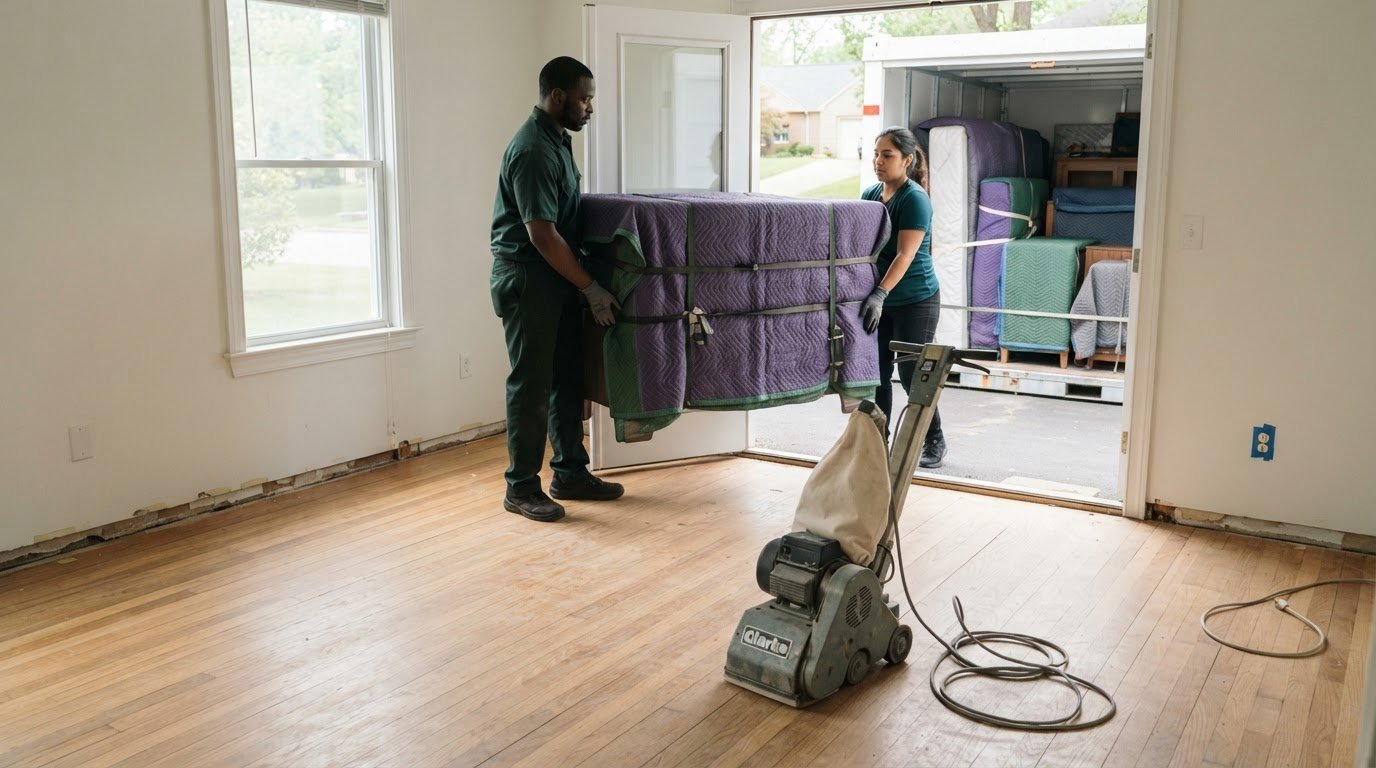
- Choose transport based on the load and trip plan. A sturdy pickup truck may carry a few commercial appliances over several trips, while a larger van or moving truck may suit a larger load. Whatever vehicle you use, secure the range with straps once it’s inside. Check that it stays stable before the vehicle moves.
- Separate delivery from bringing the range into the house. Shippers almost never bring a range inside unless white-glove or installation service is included. Plan the move from the vehicle through the home as a separate task. This keeps the route, crew, and final placement part of one coordinated plan when the range arrives.
- Keep the appliance controlled through every change in direction. Use a dolly or hand truck, move at a steady pace, and stop if the load shifts or the route is blocked. Don’t force the range through an opening that leaves no room to guide it. Reposition the crew and equipment before continuing.
- Finish with a placement check. Confirm the range sits in the planned location and that the route is clear of loose parts and packing materials. Keep installation and operation decisions distinct from the move itself. If the heavy lift is the main obstacle, a heavy lifting moving service can help with moving bulky items into position.
Protecting floors during appliance moves
- Walk the full route before bringing the appliance inside. Look for wood, tile, vinyl, thresholds, loose rugs, and debris that could affect the move. Remove grit and small objects, since pressure beneath a heavy appliance can mark a finished surface. Clear enough space at the destination to place the range without repeatedly turning it on the floor.
- Cover the travel path with blankets or cardboard before the crew starts. Use a continuous layer where the range will pass, including the entry and kitchen approach. Keep the material flat and aligned so it doesn’t bunch underfoot or interrupt the dolly’s path. Check it after each doorway or turn, where edges can shift.
- Keep the range on moving equipment instead of dragging it across the floor. A dolly or hand truck helps control the appliance while the crew guides it along the protected route. Stop if a wheel catches an edge or the covering folds. Reset the material and equipment before continuing, rather than pulling the range across an exposed patch.
- Plan the appliance’s final position before moving it into the kitchen. Mark the intended location using nearby counters or cabinets as reference points. Clear the space, then guide the range toward that spot in a controlled line. Choosing the placement early reduces extra shifts and turns that can disturb floor coverings or expose the surface beneath them.
- Protect the floor during final placement, not just on the walk from the entrance. Keep blankets or cardboard beneath the appliance’s path as it reaches its position. Move slowly while adjusting alignment. If the range needs shifting, reposition the protective layer first, then move it with controlled pressure instead of sliding it over bare flooring.
- Prepare water-connected appliances before moving day. Unplug them and allow them to dry for a day before transport. Keep the floor around the appliance dry, and remove moisture from the route before laying down cardboard or blankets. A dry, clear path helps the crew handle the appliance without carrying water onto protected flooring.
- Separate floor protection from reinstallation. Once the range is positioned, keep the coverings in place until the appliance is steady and the immediate setup work is finished. Remove them carefully so grit or debris on top doesn’t fall onto the floor. Gather loose material from the route before returning rugs, chairs, or kitchen items.
- Arrange appropriate checks after the appliance is installed at its new location. For a water-connected appliance, check for moisture around the floor after reconnection. Keep protective coverings nearby during this work, then remove them when the area is clear. A final look can catch shifted material or water before the kitchen is back in use.
What range weight and dimensions affect delivery access, stairs, and floor load capacity?
- Record the range’s actual weight and outside dimensions before planning the route. Treat those figures as the specifications for that range, not as a standard for every commercial model. Use the appliance’s own measurements, including handles or other parts that extend beyond its body.
- Measure every doorway, hall, and turn along the route. Compare the narrowest clear opening with the range’s width and depth, then note whether the crew can angle it safely. A 48-inch-wide range may fit a doorway but still need extra turning space. Include doorframes, nearby cabinets, and protruding handles in the assessment.
- Walk the stair route before moving the appliance. Measure stair width, landings, and headroom, then identify turns where the range may need to change orientation. A tight landing can limit movement even when each stair is wide enough. Plan where the crew can pause without blocking the route or placing the range in an unstable position.
- Consider floor load capacity using the range’s weight and planned location. A heavy range transfers its load through its feet or base, while the floor’s construction determines how that load is supported. Don’t assume a floor is suitable because it looks sturdy. Use available building information and the appliance’s specifications when evaluating the intended spot.
- Assess the route’s surfaces as well as the kitchen floor. Stairs, landings, thresholds, and transitions may all be part of the move. Identify fragile or uneven areas in advance, and protect the route with blankets or cardboard. Keep the coverings flat so they don’t shift or create a trip point as the range passes.
- Map the final position before the crew arrives. Compare the range’s width and depth with the opening and surrounding counters, then clear the space. Decide which direction the range must face and how it will be aligned. This avoids extra turns and unnecessary repositioning after the appliance reaches the kitchen.
- Use the measurements to plan equipment and handling, not just fit. The range’s weight affects how the crew controls it; its width affects grip, turning room, and doorway clearance. A route that works for a narrower appliance may not work for a 48-inch model. Match the equipment and movement plan to the actual range.
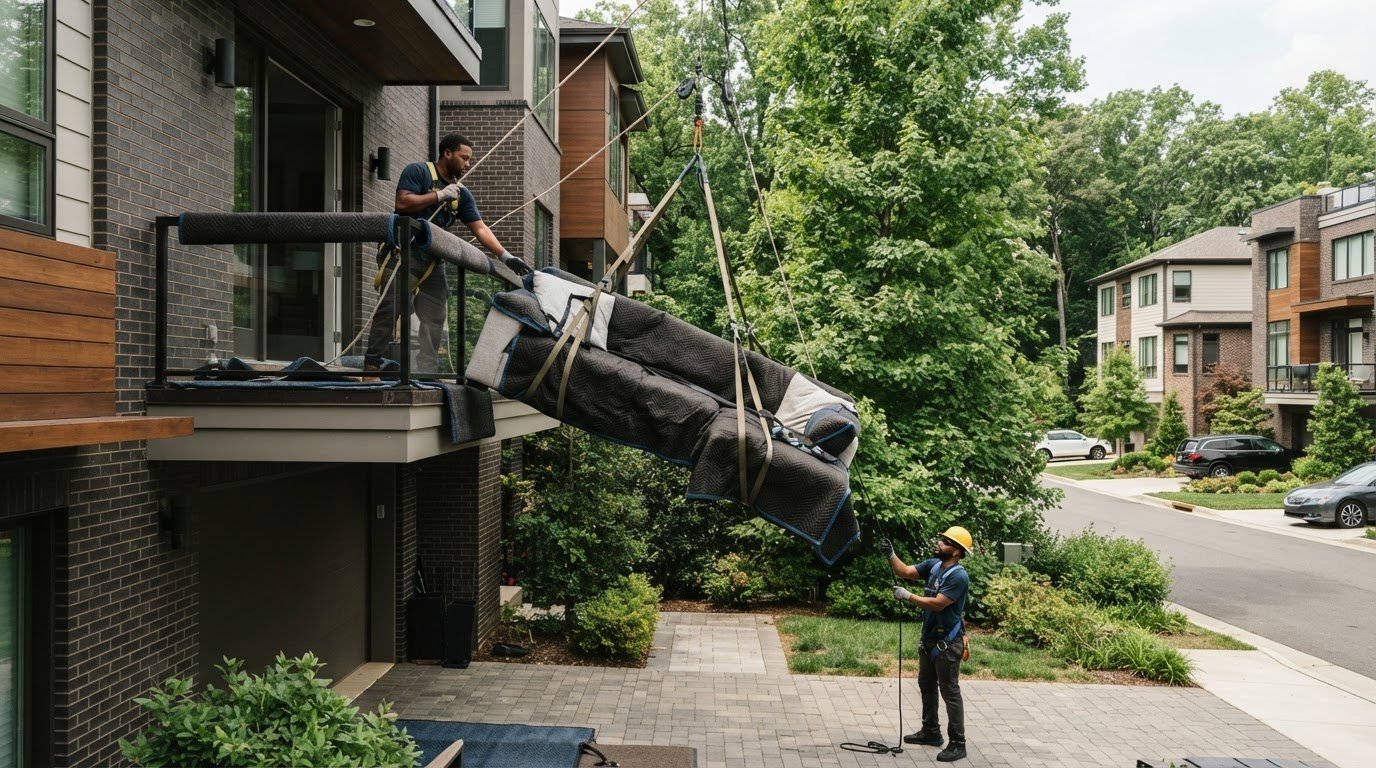
- Bring in experienced help when the range’s weight, stairs, or narrow access make the move difficult to control. A heavy lifting moving service can help manage bulky items along a planned route. Share the range’s weight, dimensions, and stair details when arranging the move, so the handling plan reflects the real access conditions.
Treat the load as both a handling and floor-protection concern. Keep the delivery plan consistent with the measured route and intended position. If a turn or doorway cannot be approached as planned, stop and reassess rather than forcing the appliance through. Blankets or cardboard can protect floors as commercial appliances move. Place the covering along the travel path and where handlers may need to pause or reposition the range. Lay it flat before the move, and check that its edges won’t obstruct footing. Adjust the covering if the route or approach changes.
After the range reaches the kitchen, keep floor protection in place while moving it into its final position, then remove it when movement is complete. Don’t let floor covering replace checks of the clearances, stair route, or planned location. Keep the intended direction of travel clear, and tell everyone helping about tight points before the appliance reaches them. If the measured route or destination floor raises concern, pause and seek appropriate assistance instead of relying on extra padding. Protect the surfaces without compromising stable footing, access, or control.
Heavy Furniture Moving: Movers Near Me
Heavy Furniture Moving can help with bulky household items that also need careful handling during your kitchen project. Its Movers Near Me and in-home furniture moving services support residential furniture moves, while Exercise Equipment Moving and Sofa Hoisting help with other difficult items.
Turn to Heavy Furniture Moving when your plans include moving household furniture or exercise equipment alongside the range. Share the items and access challenges involved so the crew can understand the work. For help with heavy household moving tasks, contact Heavy Furniture Moving.
Make the Next Move a Planned One
Before the range arrives, turn your measurements and route notes into a simple move-day plan. Decide who will guide each stage, where the appliance will go, and what needs to happen before it’s used. Preparation helps keep the kitchen project moving without leaving key decisions until the range is at the door.
For moving a heavy commercial range into a residential kitchen, you can also plan help with other bulky household items. Heavy Furniture Moving offers Movers Near Me, Exercise Equipment Moving, and Sofa Hoisting. Choose the support that fits the remaining work around your home.
Ready to plan the heavy lifting? Contact Heavy Furniture Moving to discuss your moving needs. Take the next step with a clear plan and keep your kitchen project on track.
Frequently Asked Questions
How do movers safely transport a heavy commercial range without damaging it or the home?
Prepare the appliance and route, then keep the range steady throughout loading and delivery. Before the move, photograph existing marks and set aside removable accessories so they don’t shift or get misplaced. Tell the crew about fragile finishes, tight corners, and any spot where the range must pause. In Vienna, a clear handoff between delivery and installation helps prevent rushed handling at the kitchen entrance.
What steps are required to prepare a residential kitchen for delivery and installation of a commercial range?
Clear the kitchen work area and make the planned installation spot accessible. Remove countertop appliances, loose utensils, and items stored beside the range location. Keep the range’s instructions and detached parts together for installation. Before delivery, identify the relevant utility connections and make those areas accessible for the installer. For moving a heavy commercial range into a residential kitchen in Vienna, separate the carrying plan from installation arrangements.
Frequently Asked Questions
Prepare the appliance and route, then keep the range steady throughout loading and delivery. Before the move, photograph existing marks and set aside removable accessories so they don’t shift or get misplaced. Tell the crew about fragile finishes, tight corners, and any spot where the range must pause. In Vienna, a clear handoff between delivery and installation helps prevent rushed handling at the kitchen entrance.
Clear the kitchen work area and make the planned installation spot accessible. Remove countertop appliances, loose utensils, and items stored beside the range location. Keep the range’s instructions and detached parts together for installation. Before delivery, identify the relevant utility connections and make those areas accessible for the installer. For moving a heavy commercial range into a residential kitchen in Vienna, separate the carrying plan from installation arrangements.