Furniture Moving in Vienna for Floor Installation
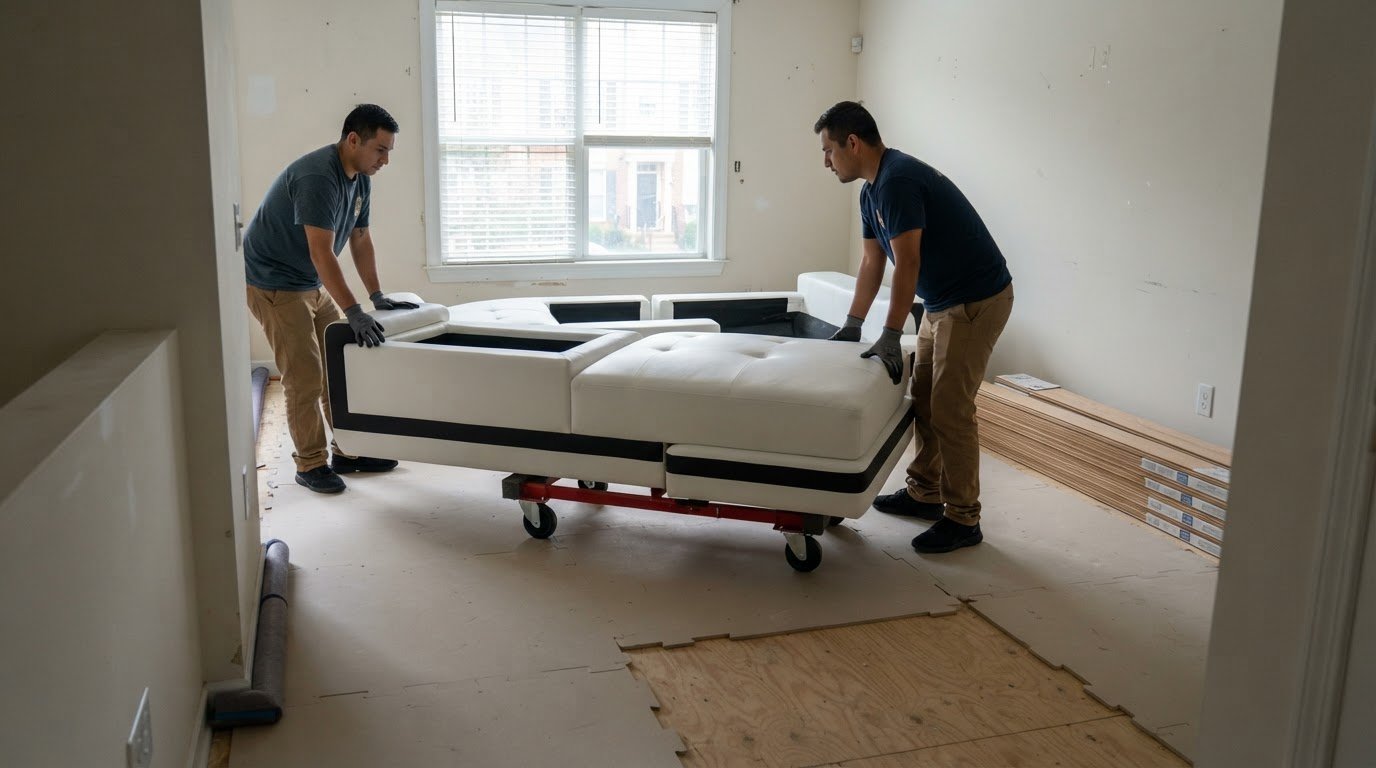
The flooring work may take days, but the furniture plan affects the whole schedule. Hardwood installation in a 200- to 400-square-foot room usually takes one to three days, and the full process can take a little longer than a week because the wood needs time to acclimate. Planning in-home furniture rearrangement for new flooring installation in Vienna helps make room for the work and keeps access clear.
It makes sense to focus on the flooring installation itself, but moving furniture out, protecting it, and returning it at the right time matter too. A rushed move can add stress just as your home is being refreshed, especially when rooms are tight or items are bulky.
This guide explains what to plan for when moving furniture, how room access affects the work, and how flooring type and acclimation influence the schedule. You’ll also learn how to coordinate furniture moves with installation so the floor is ready before items go back in.
Key Takeaways
- Plan furniture removal and room access alongside the flooring schedule so installers can reach the work area without delays.
- Build acclimation and post-installation waiting time into your plan, especially for hardwood floors.
- Agree on how furniture will be moved and protected, then lift items rather than dragging them across new flooring.
- For bulky items or a full room rearrangement, in-home furniture movers can help clear the space and put the plan into action.
Will Flooring Installers Move Your Furniture?
Furniture moving depends on the installer’s written scope and the size of the project. Plan who clears each room before installation begins.
DIY or Professional Furniture Moving
Check the flooring estimate for furniture removal, room-to-room moves, and returning items after installation. These are separate tasks, so an estimate covering installation alone may leave furniture handling to you. For a small project, you may be able to shift light pieces into an untouched room. A whole-home project can leave fewer spaces for temporary storage.
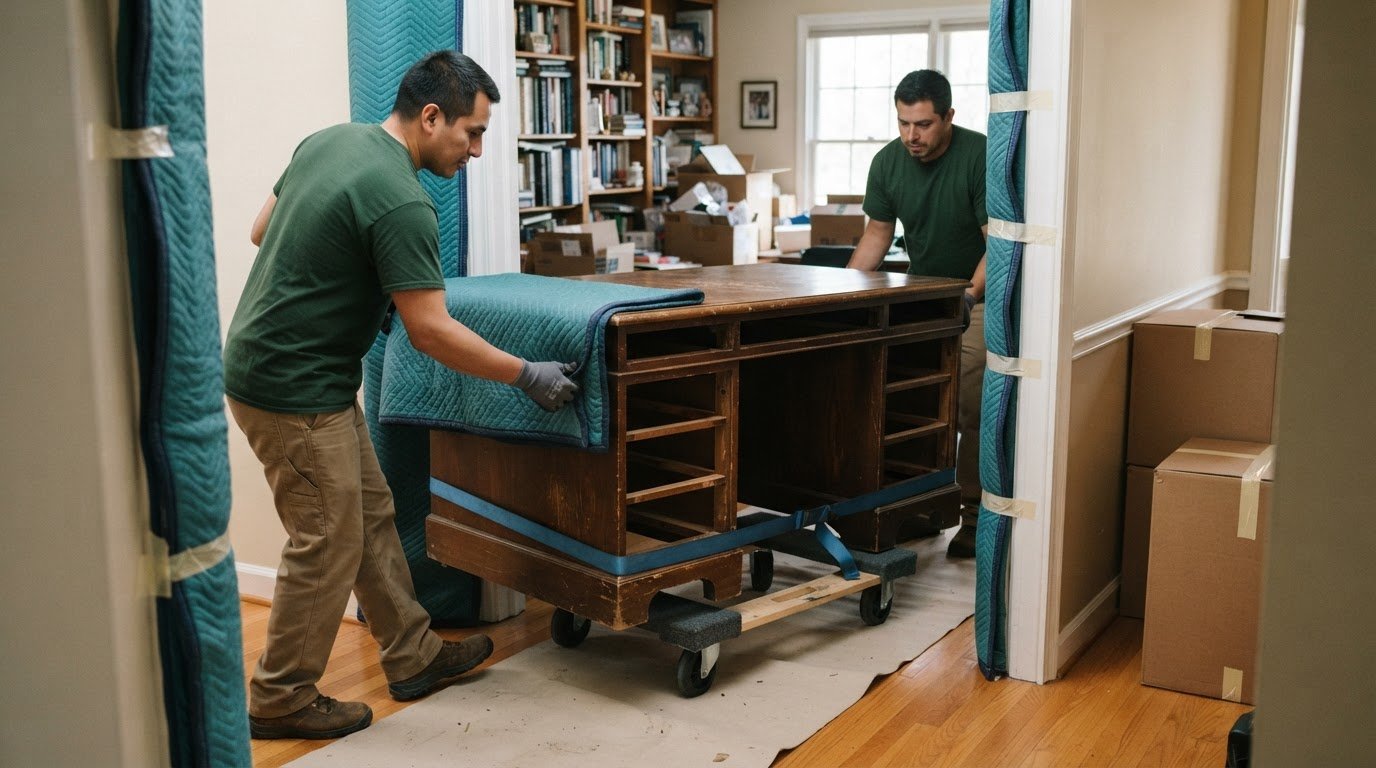
Moving furniture yourself can work for manageable pieces and short, clear routes. Professional help is useful when bulky items, narrow turns, or several rooms make the moves harder to coordinate. Decide who will handle each item and where it will wait. A clear plan keeps the flooring crew’s work area accessible and prevents last-minute rearranging.
Furniture Preparation and Moving Risks
Move furniture and area rugs out of the installation room unless the work plan assigns their handling. Clear small items from shelves and surfaces before shifting larger pieces. Which furniture must homeowners move before flooring installation? Clear movable furniture and rugs so installers can reach the floor, and agree on how large items will be handled.
Moving furniture can scratch existing floors, mark walls, or damage belongings if items catch on doorways. Dragging furniture can also scratch new flooring. Lift items rather than dragging them, and clear the route of loose belongings. Anchors can complicate a move; the U.S. Consumer Product Safety Commission notes that removing an anchor during moving or redecorating may require wall repairs.
Vinyl Plank Moving and Floor Protection
During vinyl plank installation, furniture may be moved to an area not being worked on, then returned once the new flooring is ready. This can work for a room-by-room project if there is enough clear space nearby. If the room must be fully cleared, arrange temporary placement outside the work area. Keep a clear path so installers can reach the floor.
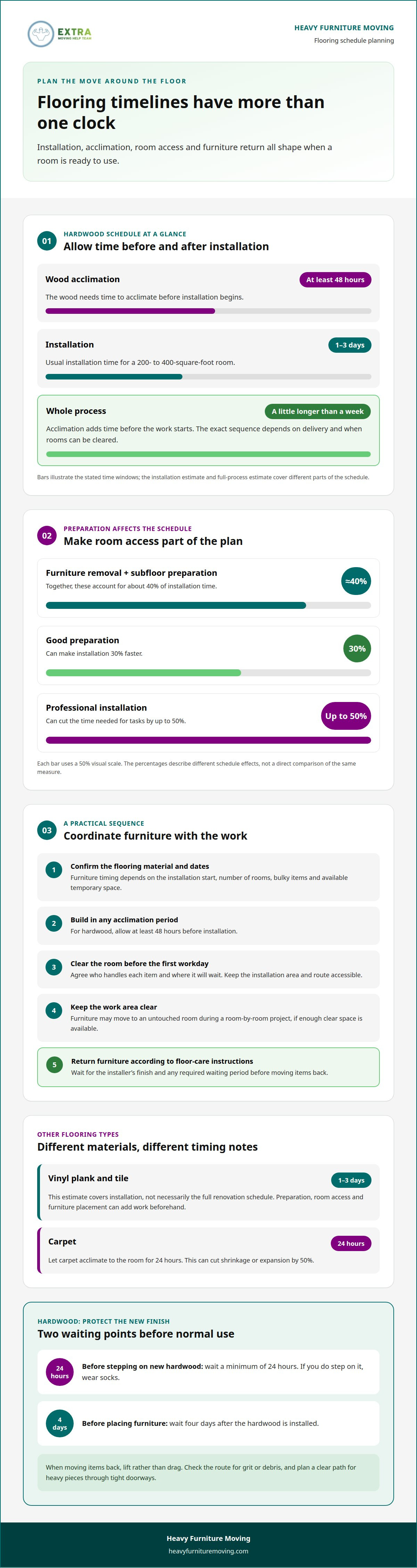
Protect new hardwood when moving furniture back. Wait four days before placing furniture on newly installed hardwood floors. Homeowners should wait a minimum of 24 hours before stepping on the new hardwood; if they do, they should wear socks. Lift each item into position instead of sliding it. Check the route for grit or debris first, since particles under furniture can mark the finish. Give heavy pieces a planned route, especially through tight doorways.
Installation timelines and scheduling
Flooring schedules depend on the material, preparation, and room access. Plan furniture moves around those stages, not just the hours spent laying the flooring. Include acclimation, room clearing, and returning furniture in the schedule so each task has its place.
Hardwood installation timelines
Hardwood installation in a 200- to 400-square-foot room usually takes one to three days. The wood also needs at least 48 hours to acclimate before installation. Plan for a little longer than a week overall, since acclimation adds time before the work starts. The precise sequence depends on when the flooring arrives and when rooms can be cleared.
Preparation matters. Furniture removal and subfloor preparation account for about 40% of installation time. Good preparation can make installation 30% faster, while professional installation can cut the time needed for tasks by up to 50%. These figures show why clearing access and arranging furniture moves belong in the schedule, rather than being left until installation day.
Scheduling furniture movers
In Vienna, Virginia, arrange furniture movers once your flooring dates are set. Timing depends on the installation start, number of rooms, bulky items, and available temporary space. Schedule the move-out before installers need access, then arrange the return after flooring work and any required waiting periods.
Use a simple sequence:
- Confirm the flooring material and installation dates.
- Set aside time for hardwood acclimation before installation.
- Schedule furniture removal before the first workday.
- Leave the installation area clear through preparation and floor installation.
- Plan furniture return around the installer’s finish and floor-care instructions.
Other flooring and renovation schedules
Vinyl plank flooring, tile, and resinous coatings usually take one to three days. Specialized installers like Masterclass Epoxy Floors & Training emphasize that full room clearing and proper curing times are essential before returning furniture. Subfloor preparation, room access, and furniture placement can add work beforehand. For a multi-room project, ask how the crew will sequence the rooms so furniture can move into spaces not being worked on.
Carpet has its own preparation step. Letting carpet acclimate to the room for 24 hours can cut shrinkage or expansion by 50%. Include that period when coordinating furniture removal and installation. A delayed delivery or an unfinished room can shift the sequence, so keep the furniture move tied to the actual work dates.
For a coordinated move around your flooring schedule, furniture-moving help can make room clearing and return easier to plan.
Furniture handling and protection in flooring estimates
A flooring estimate should explain how furniture will be handled, where it will go, and what protection is included. The material, room layout, and available storage all affect the plan. For example, moving a sofa into a basement requires a clear route and a safe place for it to wait.
Who is responsible for protecting furniture, walls, and belongings during in-home rearrangement? Responsibility follows the agreed scope: you coordinate which items need to move, while movers protect the belongings they handle. The flooring estimate should also explain how the work area and nearby surfaces will be protected.
Check the estimate for specific tasks, not just a broad phrase like “furniture moving.” Confirm whether it covers clearing the room, moving items elsewhere in the home, and returning them after installation. It should also identify exclusions, such as appliances or belongings needing separate handling. Clear wording helps prevent gaps between flooring work and furniture moving.
- Moving: Identify which rooms and furniture pieces are included.
- Protection: State what will shield furniture, walls, and floors along the route.
- Placement: Name the temporary location, such as a basement or an unused room.
- Return: Coordinate when furniture can go back without disrupting installation.
Use a room-by-room inventory to make the scope practical. In a living room, list the sofa, chairs, tables, and shelving. Note bulky or delicate pieces separately because their size and shape affect handling. Include the route through hallways and doorways. A narrow turn may require a different moving sequence than an open path.
Protecting furniture takes more than covering it. Clear loose items from shelves and tabletops before larger pieces are moved. Keep small belongings together, away from dust and foot traffic. Protect nearby walls and door frames along tight routes, and clear pathways of boxes or rugs that could shift underfoot.
Moving furniture can scratch floors, scrape walls, or damage items if a piece is dragged or catches on a doorway. Homes that clear the installation area well see a 40% drop in damage to items. Not moving furniture can lead to up to 25% of carpet installation problems. These figures reinforce why the estimate should assign responsibility for clearing and moving items.
Before finalizing the plan, assign each item a destination and decide who will handle it. Check that the route works for the largest piece, especially if it needs to go into a basement. A clear materials and protection plan, with tasks assigned to movers and installers, keeps the flooring area accessible and reduces confusion on installation day.
Room access and installation logistics
Plan each room around the installer’s route, subfloor work, and temporary furniture storage. Clear access lets the crew reach the floor without repeatedly shifting belongings. In-home furniture rearrangement for new flooring installation in Vienna works best when the room sequence and furniture destinations are mapped out beforehand.
Can furniture be moved and returned while new flooring is installed one room at a time? Yes. Move furniture into spaces not being worked on, then return it when the new flooring in that room is ready. The room size and available clear space determine whether this approach will work.
Start with a room-by-room sequence. For example, move a living-room sofa and chairs into an untouched dining room, then clear the dining room before its flooring work begins. Keep an open route between the entrance, active room, and temporary storage space. A hallway crowded with boxes or furniture can block materials and tools from reaching the subfloor.
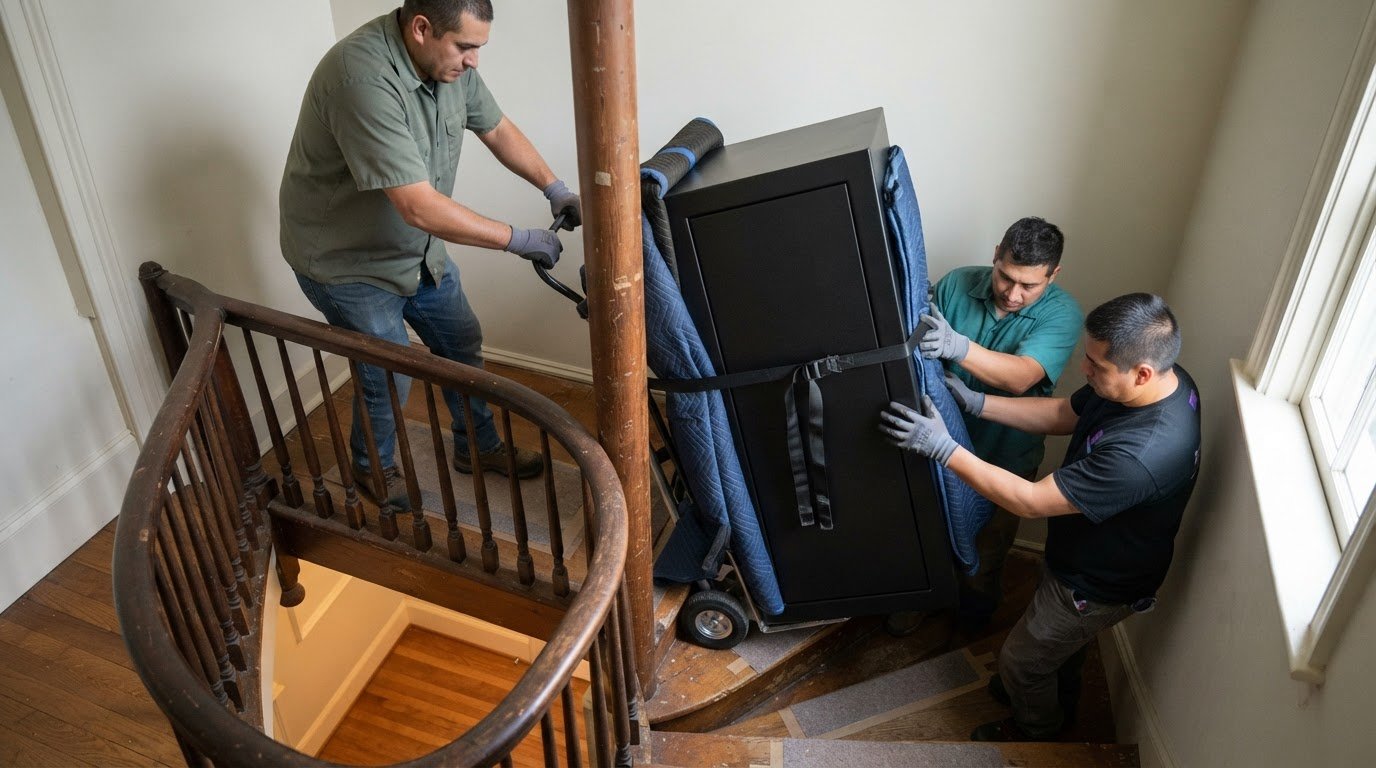
Measure large furniture and tight doorways before setting the route. Around 60% of movers suggest measuring furniture and doorways to avoid problems in tight spaces. Note turns, stairs, and narrow hallways too. A bookcase that fits through the front entrance may still be difficult to turn into a bedroom. Plan its destination before the move starts.
Use these steps to organize access:
- Mark which room is being worked on first.
- Choose an unused space for furniture from that room.
- Keep the path to the active room clear of rugs, boxes, and small belongings.
- Move stored items only when the flooring sequence requires that space.
- Return furniture after the installer says the room is ready for use.
For a lead-safe renovation, remove furniture, area rugs, curtains, food, clothing, and other household items from the work area until cleanup is complete, according to the U.S. Environmental Protection Agency. This preparation affects more than the floor. Items left in the room can obstruct access and need to be moved before work can continue.
Kitchens and utility areas need extra planning because appliances connect to electrical or plumbing systems. Coordinate appliance moves with the installation plan rather than treating a refrigerator or dishwasher like ordinary furniture. If new flooring is part of a broader kitchen update, coordinating with remodelers like A United Construction can ensure cabinetry, appliance disconnections, and floor schedules align seamlessly. Keep the route and work zone clear, and consider how the appliance will be accessed while flooring work is underway.
Storage choices affect the room sequence. A garage may not suit antique or temperature-sensitive furniture in some seasons, so choose an indoor space when needed. If no unused room can hold the contents of the active area, the crew may need to change the room order. The floor plan, room size, and available staging space all inform that decision.
Before work begins, walk the planned route from the entrance to each room. Confirm the first room, temporary furniture spaces, and path to the subfloor. A clear sequence helps installers progress without repeatedly relocating the same items. It also ties in-home furniture rearrangement for new flooring installation in Vienna to the actual room schedule.
What furniture moving and rearrangement services are available in Vienna, Virginia, for new flooring installation?
For a flooring project in Vienna, Virginia, furniture help can range from clearing one room to rearranging items across the home. The right scope depends on the floor plan and which spaces stay open during installation. For example, a living room’s contents may move into a dining room, then shift again when that room becomes the next work area.
In-home furniture moving means relocating items within the home rather than taking everything to a new address. It can help when flooring work proceeds room by room and furniture needs temporary placement elsewhere. A clear plan lists the items, their destinations, and the order of each move. This keeps the room sequence practical and avoids unnecessary handling.
Some pieces need focused lifting support. A treadmill, weight bench, or large sofa can be awkward to move through a hallway, especially when turns or doorways restrict the route. Exercise Equipment Moving and heavy-item moving help with these challenging pieces. For example, a treadmill might move from a bedroom into an unused room while installers work on the bedroom floor.
- Room clearing: Move selected furniture out of the active installation space.
- In-home rearrangement: Place items in other rooms according to the project sequence.
- Heavy-item handling: Coordinate bulky pieces such as exercise equipment or a sofa.
- Labor-only help: Add lifting assistance when the household has already arranged the move.
Choose the scope by matching each item to a task. A small bedroom project may involve a bed frame, dresser, and chair. A multi-room renovation may need staged moves because temporary storage in one room can block access when that room’s turn arrives. Separate everyday belongings from large furniture so the plan focuses on items that need lifting.
Clear service details help coordinate furniture work with the flooring schedule. Identify the first room, the items leaving it, and their temporary destination. Then plan the return move around the installation sequence and floor-care instructions. This is useful in Vienna homes where several rooms share narrow hallways or have limited staging space.
For help clearing rooms or moving bulky pieces inside your home, arrange in-home furniture moving around your flooring project.
Heavy Furniture Moving: in home furniture movers near me
Heavy Furniture Moving helps clear rooms and reposition bulky furniture for flooring work. Turn to the team when a sofa, dresser, or exercise equipment is difficult to move safely through your home. In-home furniture movers can shift items between rooms and help keep the installation area accessible as work progresses.
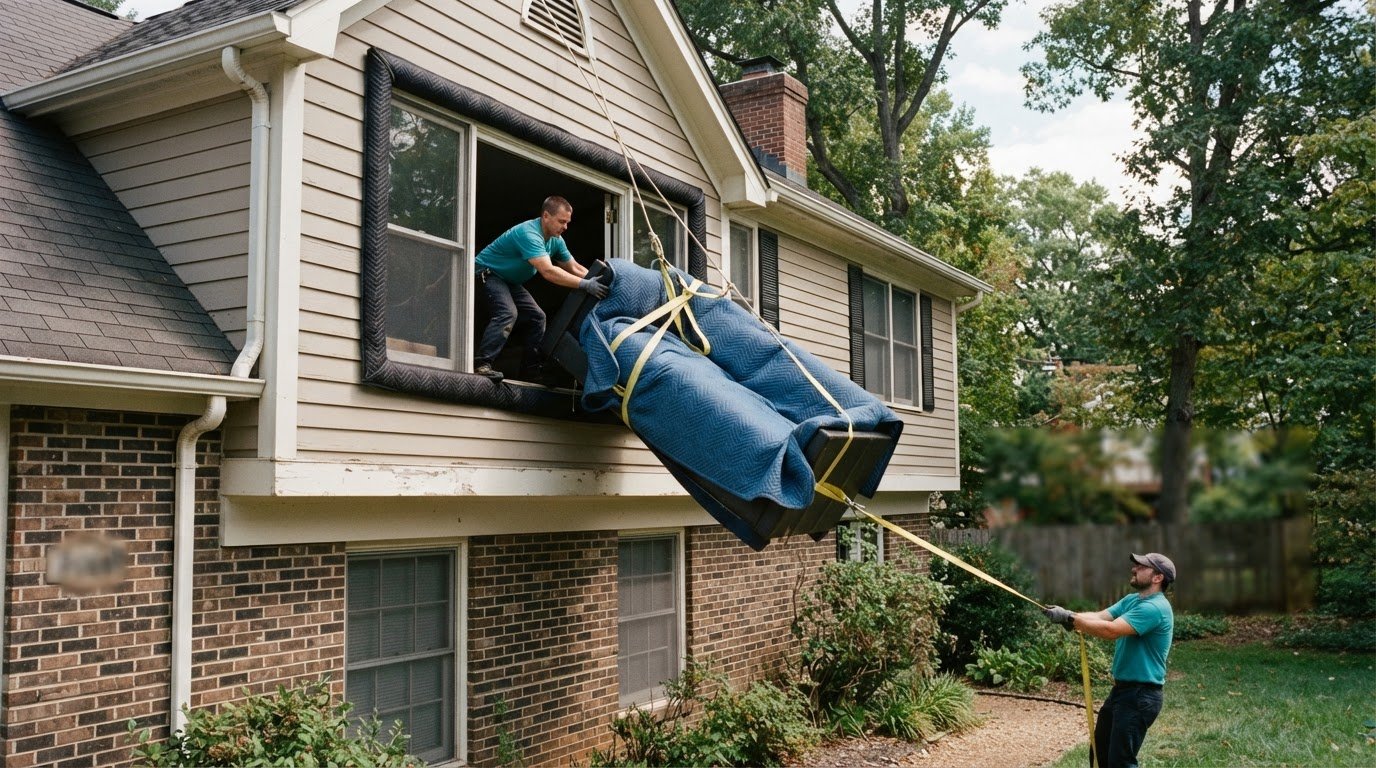
For a single challenging piece, Exercise Equipment Moving or Sofa Hoisting may suit the task. For broader room rearrangement, Movers Near Me can help with furniture moves as part of your flooring plan. Share which rooms need clearing, what needs to move, and where each item should go. That gives the move a clear starting point and helps coordinate it with the installation schedule.
Contact Heavy Furniture Moving to plan furniture moves for your flooring project.
Set Up the Move Before Flooring Day
Make the furniture plan the final piece of your flooring schedule. List what needs to move, where each item will go, and when the rooms can be used again. This simple handoff gives everyone a shared plan and helps prevent decisions from piling up on installation day.
For in-home furniture rearrangement for new flooring installation in Vienna, focus on the details that shape the move: bulky or awkward items, narrow routes, and temporary placement inside your home. Decide which tasks you’ll handle and where lifting help would make the project easier. A clear plan protects your time and lets you focus on the renovation.
Heavy Furniture Moving can help with furniture moves and bulky items as part of your preparation. Contact Heavy Furniture Moving to discuss your flooring project and the furniture that needs moving. Take the next step with a practical plan, and get your home ready for its new floors.
Frequently Asked Questions
How Long Will Installation Take?
Hardwood installation in a 200- to 400-square-foot room usually takes one to three days, with at least 48 hours for the wood to acclimate beforehand. Treat installation time as only one part of the schedule. Delivery, subfloor preparation, room access, and floor-care requirements can add stages. Keep furniture moves coordinated with those stages so items don’t return while installation work is underway.
Can You Do The Heavy Lifting?
Yes. Heavy Furniture Moving handles heavy-item moves, including Exercise Equipment Moving and Sofa Hoisting. These services can help when a treadmill needs to leave a room or a bulky sofa must be moved before flooring work. Wrap, blankets, and straps are included on every job. Share what needs moving and where it needs to go so the move fits your flooring plan.
Do flooring contractors in Vienna move furniture before installation, and what are their fees?
Some flooring proposals include furniture handling, while others focus on floor work; the estimate’s scope determines what’s included. There’s no single furniture-moving fee for every Vienna project. Heavy Furniture Moving uses hourly labor with a 2-hour minimum, or flat rates for most single heavy items. The price is provided upfront by phone, based on the requested work and item.
How should rooms be prepared for furniture moving and new floor installation?
Before the move, clear loose belongings from shelves, tabletops, and floors, then separate small items from furniture being relocated. Clear the route through hallways and doorways, including rugs that could shift. For a lead-safe renovation, remove furniture, area rugs, curtains, food, clothing, and other household items from the work area until cleanup is complete, according to the U.S. Environmental Protection Agency.
How long does furniture relocation and flooring installation typically take?
There is no single duration for furniture relocation and flooring installation combined. Moving time depends on the number and size of items, the distance between rooms, access, and whether furniture needs disassembly. Flooring time depends on the material, room size, and preparation. Moving a few chairs between nearby rooms, for example, differs from relocating bulky items through stairs or tight turns.
How do local furniture moving services compare with hiring flooring installers to move furniture in Vienna?
Flooring installers handle the floor work, while furniture movers focus on lifting and relocating household items. That distinction helps when a project includes heavy or awkward pieces or furniture needs to move between rooms in stages. Heavy Furniture Moving offers local furniture moves, Exercise Equipment Moving, and Sofa Hoisting. Choose the scope that matches the items and room sequence.
Frequently Asked Questions
Hardwood installation in a 200- to 400-square-foot room usually takes one to three days, with at least 48 hours for the wood to acclimate beforehand. Treat installation time as only one part of the schedule. Delivery, subfloor preparation, room access, and floor-care requirements can add stages. Keep furniture moves coordinated with those stages so items don’t return while installation work is underway.
Yes. Heavy Furniture Moving handles heavy-item moves, including Exercise Equipment Moving and Sofa Hoisting. These services can help when a treadmill needs to leave a room or a bulky sofa must be moved before flooring work. Wrap, blankets, and straps are included on every job. Share what needs moving and where it needs to go so the move fits your flooring plan.
Some flooring proposals include furniture handling, while others focus on floor work; the estimate’s scope determines what’s included. There’s no single furniture-moving fee for every Vienna project. Heavy Furniture Moving uses hourly labor with a 2-hour minimum, or flat rates for most single heavy items. The price is provided upfront by phone, based on the requested work and item.
Before the move, clear loose belongings from shelves, tabletops, and floors, then separate small items from furniture being relocated. Clear the route through hallways and doorways, including rugs that could shift. For a lead-safe renovation, remove furniture, area rugs, curtains, food, clothing, and other household items from the work area until cleanup is complete, according to the U.S. Environmental Protection Agency.
There is no single duration for furniture relocation and flooring installation combined. Moving time depends on the number and size of items, the distance between rooms, access, and whether furniture needs disassembly. Flooring time depends on the material, room size, and preparation. Moving a few chairs between nearby rooms, for example, differs from relocating bulky items through stairs or tight turns.
Flooring installers handle the floor work, while furniture movers focus on lifting and relocating household items. That distinction helps when a project includes heavy or awkward pieces or furniture needs to move between rooms in stages. Heavy Furniture Moving offers local furniture moves, Exercise Equipment Moving, and Sofa Hoisting. Choose the scope that matches the items and room sequence.