Emotional Reassurance When Moving Heirlooms: A Practical Guide
What helps most when a family heirloom has to leave the home where it’s been treasured for years? Emotional reassurance when moving heirlooms doesn’t come from a promise that nothing can go wrong. It comes from being heard, knowing what will happen, and having a clear plan for each meaningful piece.
It’s understandable to worry about damage or loss, especially when an item’s value can’t be measured in money. You may wonder how to explain its importance, prepare it for moving, or make sure everyone knows how it should be handled on moving day. Those concerns deserve a thoughtful conversation and specific instructions, not assumptions.
This guide explains how to record heirlooms and their condition, share practical handling notes, and stay involved before, during, and after a move. You’ll also find ways to decide what to handle yourself and where residential moving or packing support can help, whether you’re moving within Fairfax, Woodbridge, Manassas, or another nearby community.
Key Takeaways
- Emotional reassurance when moving heirlooms starts with feeling heard and included, not with promises that nothing can go wrong.
- Use a written inventory with distinct descriptions, condition notes, and personal context to identify meaningful items and clarify concerns.
- Consider an item’s size, fragility, access route, packing needs, and your comfort level when deciding what to handle yourself and where moving help could make sense.
- Follow a clear moving-day sequence, and keep small, irreplaceable essentials with you when practical.
- Residential moving and packing support can help organize a household move in Fairfax, Woodbridge, Manassas, and nearby Northern Virginia communities.
Emotional Reassurance When Moving Heirlooms Starts with Feeling Heard
A small framed photograph, a well-worn chair, or a box of family letters can carry a history that won’t fit on a moving checklist. Heirlooms connect people to relatives, shared memories, and a sense of continuity. If you’re wondering what is an heirloom, its meaning often reaches beyond age or material value. An item may matter because of the people, stories, and occasions attached to it.
That’s why ordinary moving decisions can feel heavier. Someone unfamiliar with an item’s history may not understand its sentimental value, and family members may feel differently about the same object. One person may see a cabinet; another may remember a grandparent’s home. Neither reaction has to be the “right” one. Being heard starts with making room for those differences instead of dismissing anyone’s feelings.
Why family heirlooms can make a move feel more personal
A practical concern might be how to pack a fragile keepsake or move a heavy piece through a tight doorway. Emotional concerns can go deeper: sadness about leaving a family home, pressure to keep an item others value, or fear that letting it go means losing part of its story. These feelings are different from packing or access questions. Naming what’s weighing on you can make it easier to decide what conversation or support would help.
Emotional reassurance when moving heirlooms means feeling informed, heard, and involved in decisions. It doesn’t require everyone to share the same attachment. It does mean you can explain what matters, raise concerns, and understand the plan for the move.
What meaningful reassurance can, and cannot, promise
A thoughtful plan sets clear expectations: which items need attention, what preparation is planned, and how questions will be handled. You can share useful context without telling the whole family story. For example, say, “This lamp belonged to my mother, and I’m concerned about its delicate base,” then add that concern to the item’s written notes.
No moving plan can promise zero risk. Broad assurances may sound comforting, but they don’t explain what will actually happen. Honest communication can. Reassurance depends on communication and a plan, not promises. When people know what’s decided and have a chance to speak up, they can approach the move with clearer expectations and more confidence.
How to Build Confidence Through a Shared Heirloom Moving Plan
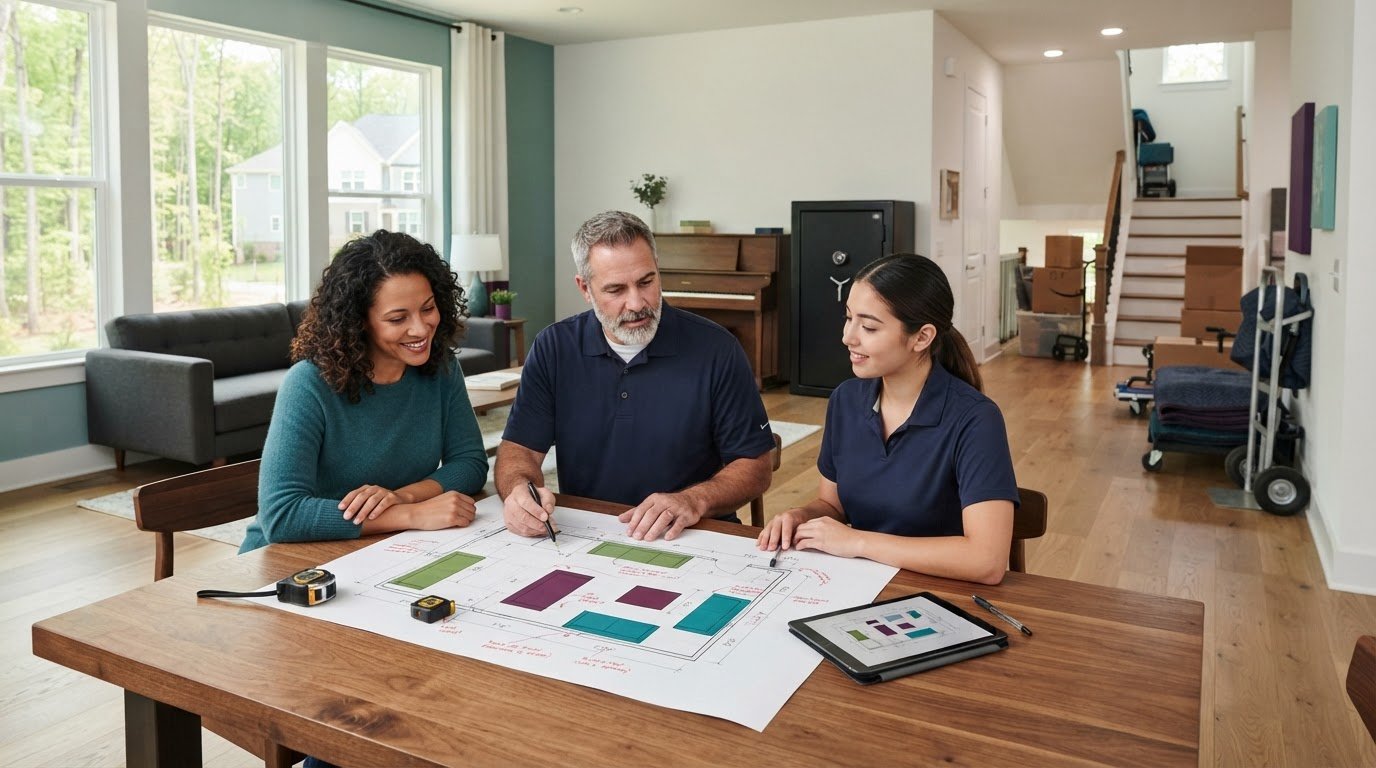
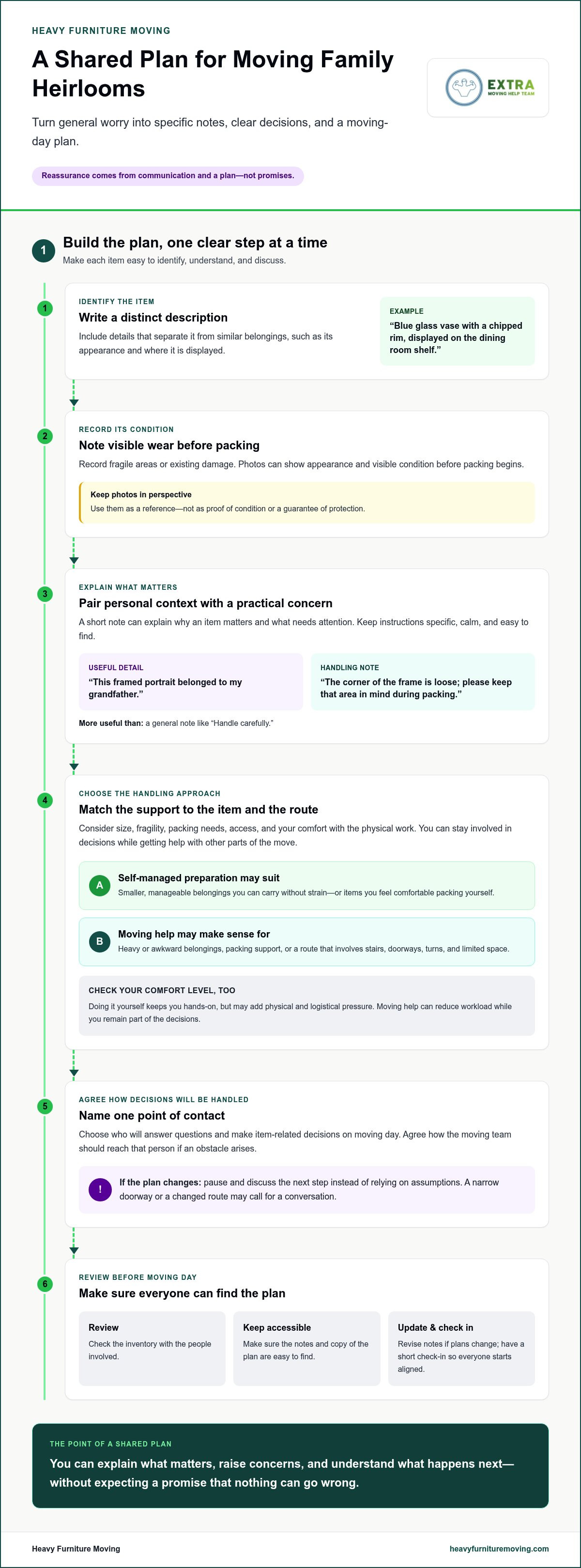
A shared plan turns general worry into clear steps. List the heirlooms that need attention, note what concerns you about each one, and agree on what happens next. Keep the conversation open as plans develop. A written record supports emotional reassurance when moving heirlooms because everyone can see what’s been discussed and where decisions stand.
Make each inventory entry detailed enough to distinguish similar items. Instead of writing “blue vase,” note “blue glass vase with a chipped rim, displayed on the dining room shelf.” Add a short personal note if it helps explain why the item matters. Photos can record the item’s appearance and visible condition before packing. Keep them as a reference, not proof of condition or a guarantee of protection.
Describe the heirloom’s importance and needs
Explain both what the item is and what concerns you. For example: “This framed portrait belonged to my grandfather. The corner of the frame is loose, so please keep that area in mind during packing.” Record visible wear or fragile areas before packing begins. Keep instructions calm, specific, and easy to find. “Handle carefully” is less useful than pointing out a loose frame corner or delicate base.
Agree on updates and decisions
Choose one person to answer questions and make decisions about the item on moving day. Agree how the moving team should reach that person if an obstacle comes up, such as a narrow doorway or a change in the planned route. A clear point of contact reduces uncertainty and avoids conflicting instructions. If a decision needs to change, pause and discuss the next step instead of relying on assumptions.
Before moving day, review the inventory and make sure the people involved know where the notes are. Keep a copy accessible and update it if the plan changes. A short check-in helps everyone start with the same understanding.
For a larger household move, see local residential moving and packing support.
Should You Move Heirlooms Yourself or Use Professional Moving Help?
You don’t have to choose between handling every item alone and handing over every decision. The right approach depends on the heirloom, the route out of the home, the packing involved, and how comfortable you feel managing the physical work. You can stay in control of meaningful belongings while getting help with other parts of the move.
| Consideration | Self-managed preparation | Professional moving help |
|---|---|---|
| Size and weight | May suit smaller, manageable belongings you can carry without strain. | Can help with heavy or awkward belongings that need a planned move. |
| Fragility and packing | Lets you pack an item yourself if you’re comfortable preparing it. | Packing support can help as part of a larger household move. |
| Access route | Requires you to assess stairs, doorways, turns, and available space. | Moving help can account for the route and physical demands in the plan. |
| Comfort and control | Keeps you hands-on, but may add physical and logistical pressure. | Can reduce the workload while you stay involved in decisions about your belongings. |
When handling preparation yourself may feel right
You might prefer to pack a small box of letters or carry a compact keepsake yourself. Personal handling can feel familiar, but it isn’t automatically safer or easier. Think about the item’s weight, whether you can hold it securely, and the path through the home. Stairs, tight turns, and limited space can change what feels manageable. Choose based on the task, not guilt or pressure to do everything yourself.
When professional moving support may reduce the load
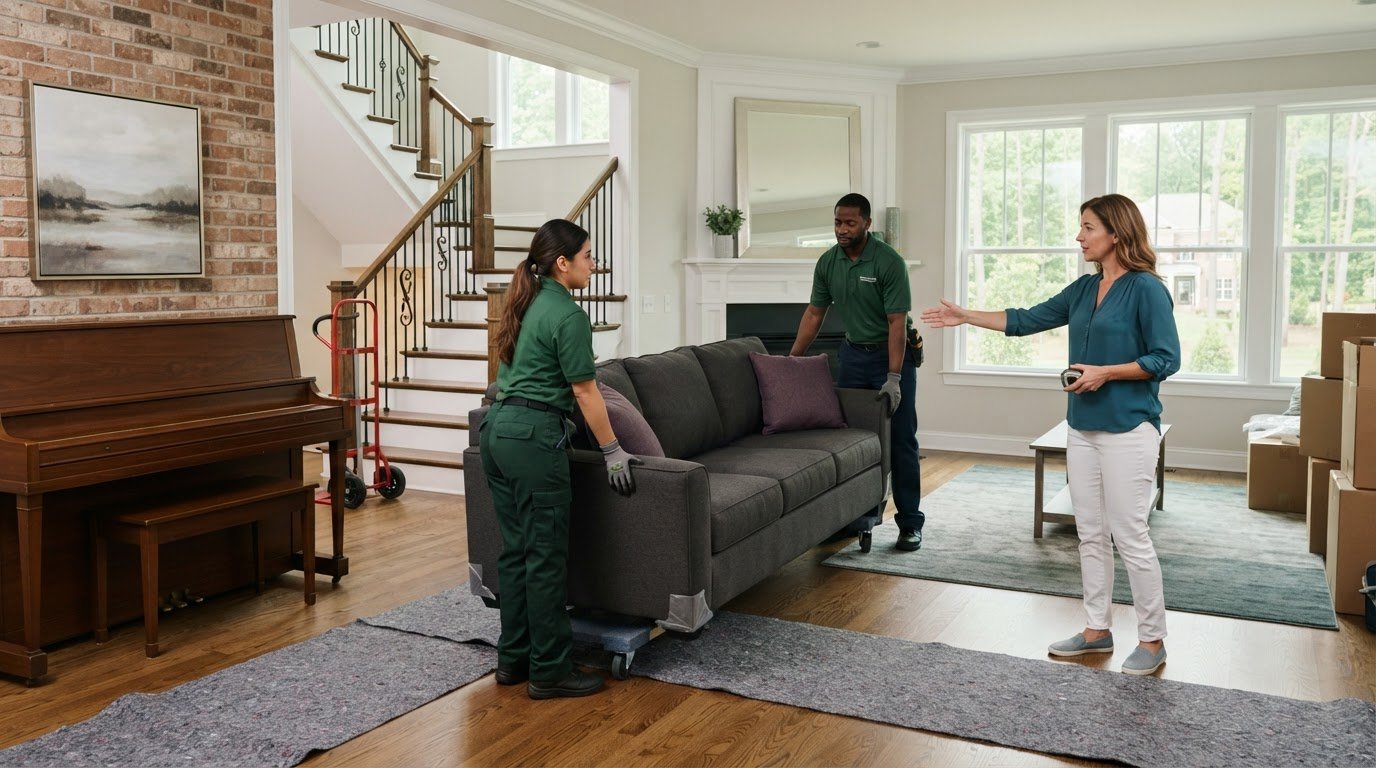
For a larger household move, residential moving and packing support can take some physical work off your hands. Heavy or awkward belongings call for a planned approach, especially if the route has tight turns or stairs. Heavy Furniture Moving handles heavy items such as pianos and safes. You can still explain your priorities, stay involved in decisions, and keep personal or especially meaningful items in your care when that suits your plan.
There’s no single right choice for every heirloom. Consider its size, fragility, access route, packing needs, and your comfort level. Combining personal preparation with moving help can make emotional reassurance when moving heirlooms feel more achievable while leaving you in charge of important decisions.
How to Prepare Heirlooms and Stay Involved on Moving Day
A simple sequence keeps important details visible before, during, and after the move. It also gives you clear moments to make choices and raise concerns. For unusual materials or delicate items that need specific packing instructions, use guidance suited to the item. Don’t guess at cleaning or wrapping methods if its finish or condition makes you unsure.
A simple checklist before packing begins
- Sort and set aside. Gather the heirlooms you want to track separately. Identify which items need extra attention, and decide whether any small, essential, or irreplaceable belongings are practical for you to carry personally.
- Document what you see. Write a clear description of each item and note existing marks, loose parts, or visible wear. Take photos for your personal records, with enough detail to recognize the item and its condition before packing.
- Decide on packing. Consider the item’s size, fragility, and known care needs. Note what you plan to pack yourself and what you want included in the household move. For unusual materials or fragile finishes, use item-specific guidance rather than relying on general packing tips.
- Share the plan. Before loading, review the inventory and handling notes with the people involved. Make sure the owner or designated decision-maker is available for questions, and agree how to raise an unexpected concern.
- Check on arrival. Compare each heirloom with your records after it arrives. Note any new concerns promptly and keep your notes and photos together for reference.
A calm handoff and arrival check
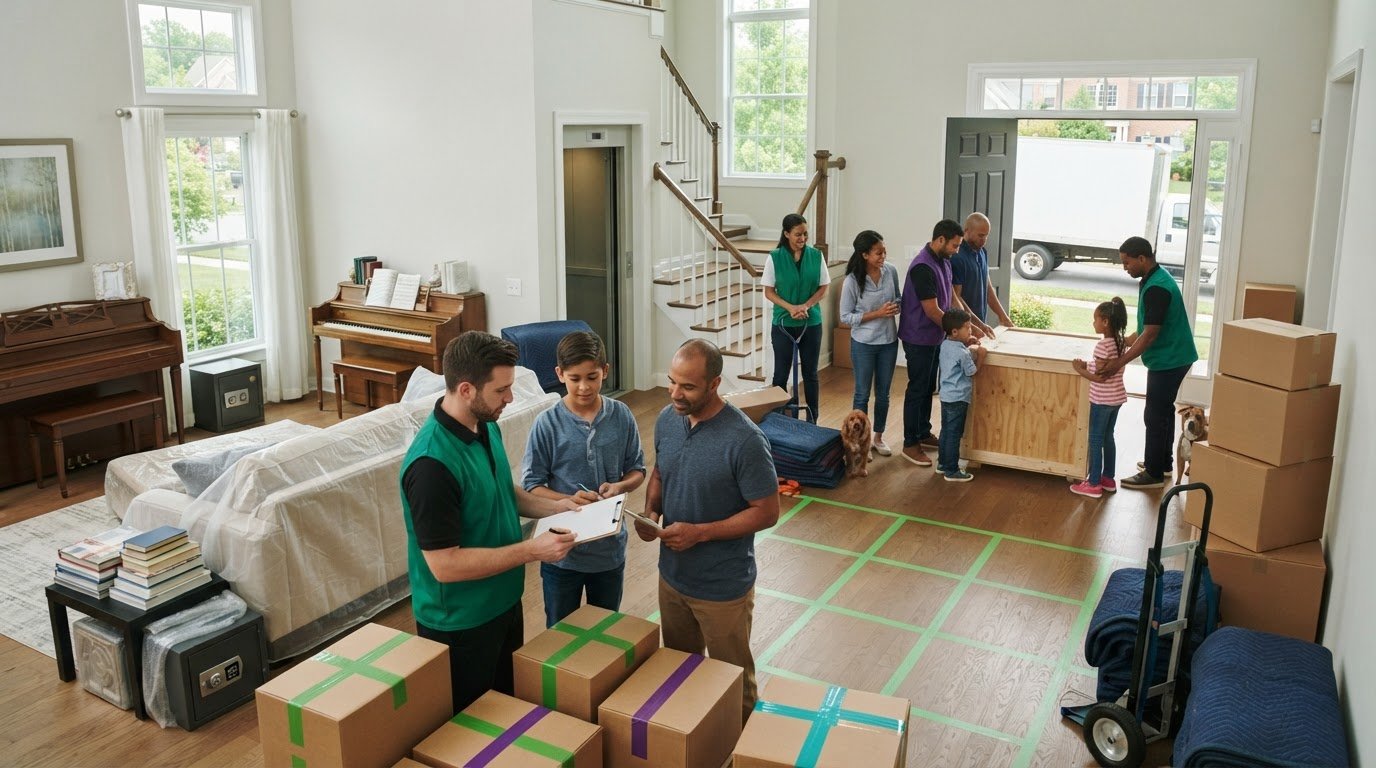
Keep the inventory easy to access, not buried among moving papers or packed belongings. A short handoff can clarify which items need attention and who can answer questions. If plans change or an access issue comes up, having the decision-maker reachable helps prevent confusion about next steps.
Sort, document, decide, communicate, then check. This sequence makes the move easier to follow without promising a particular outcome. You stay involved while making room for practical support with the larger household move.
For residential moving and packing support as part of your household move, read about moving help for your home.
Find Local Moving Support for Heirlooms in Northern Virginia
A household move can involve everyday furniture, packed boxes, and belongings that carry deep personal meaning. Heavy Furniture Moving provides residential moving and packing support for households in Northern Virginia, including Fairfax, Woodbridge, Manassas, and nearby communities. A clear conversation about your move puts useful details on the table, from the size of the household to the items that need extra attention.
What thoughtful local moving support can look like
Good support starts with understanding the move as a whole. Share which belongings matter most, what concerns you have, and practical details that may affect the plan. Clear communication keeps expectations in view, while packing support can ease the work involved in preparing a household.
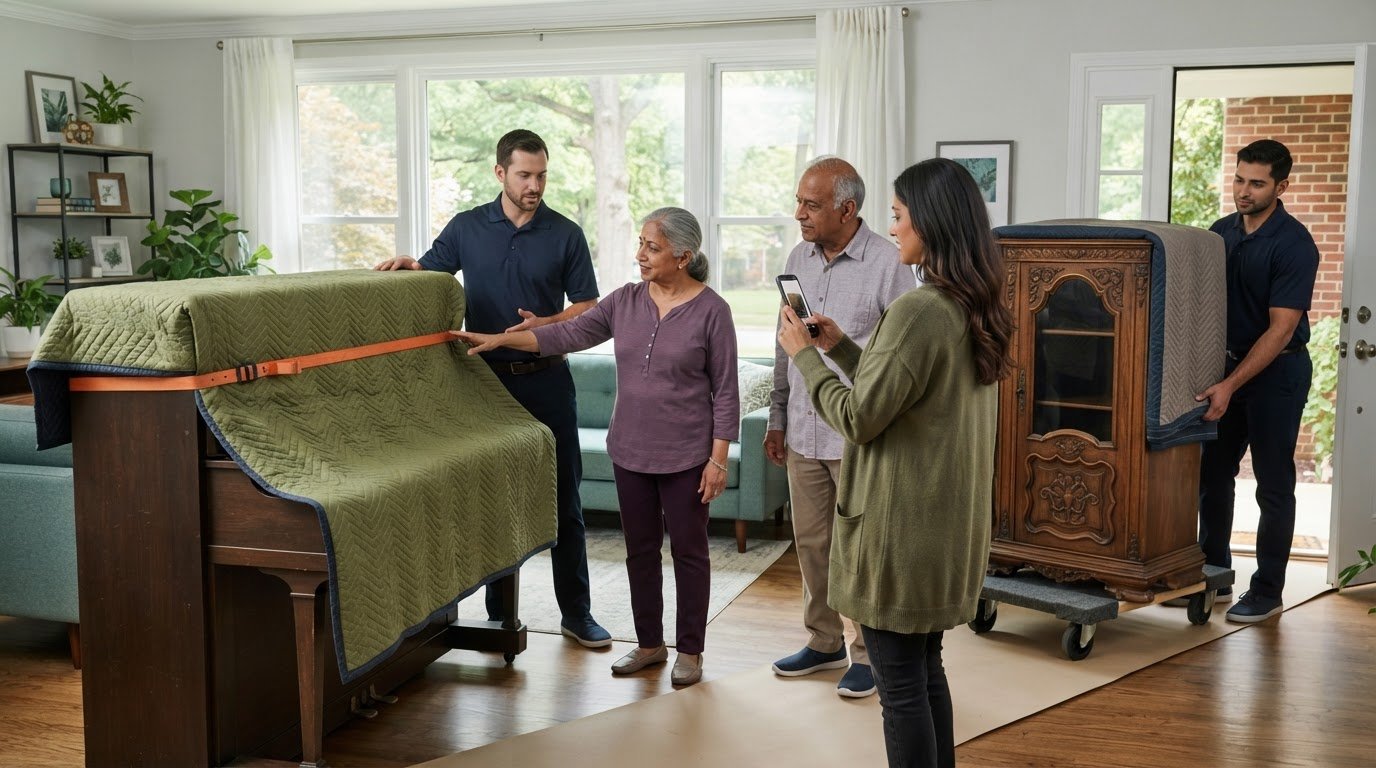
Heavy Furniture Moving also handles heavy items such as pianos and safes. That experience is relevant when a home includes large or awkward belongings. Explain your priorities for each heirloom so the moving plan reflects the details that matter to you.
For an overview of the company’s local service, see reliable movers in Fairfax and Northern Virginia. Keep your inventory and notes handy so you can describe the move in concrete terms.
Make the next step feel straightforward
You don’t need a perfect script. Start with where you’re moving, which belongings matter most, and what concerns you. Mention practical details such as stairs, tight doorways, or a long walk between the home and the truck. These facts help shape a useful conversation about your household move.
Emotional reassurance when moving heirlooms grows from being included in the plan and knowing how to raise a concern. A local team can discuss residential moving and packing needs while you stay involved in decisions about meaningful belongings. Thoughtful preparation starts with one clear conversation.
Talk with our local moving team about your household move and the items you want to plan around.
Move Forward with a Clear, Thoughtful Plan
Meaningful belongings deserve more than a rushed decision. Identify the heirlooms that need attention, write down their condition and handling concerns, and agree on who will make decisions if questions come up. A written plan helps you stay involved and keeps moving-day communication clear.
Remember, emotional reassurance when moving heirlooms comes from feeling heard and knowing what to expect, not from a promise of zero risk. You can choose what to handle yourself and where support with the larger household move would help. Heavy Furniture Moving provides residential moving and packing support, along with moving help for heavy items such as pianos and safes. As a veteran-family-owned and operated business, the team brings a personal approach to the work.
Ready to talk through your household move and the belongings that matter to you? Talk with our local moving team and start with one clear conversation.
Frequently Asked Questions
How do I feel less anxious about moving family heirlooms?
Make a clear plan for the items that worry you most. List each heirloom, note its visible condition and any concerns, and decide who will answer questions on moving day. Share what the item means to you and ask for clear updates about the plan. Emotional reassurance when moving heirlooms comes from being informed and involved, not from expecting anyone to promise that nothing can go wrong.
Should I move heirlooms myself or hire professional movers?
Choose based on each item’s size, fragility, access route, packing needs, and your comfort level. You might carry a small keepsake yourself while getting help with heavier belongings or the rest of the household move. Personal handling isn’t automatically safer or easier, especially if an item is awkward to carry or the route includes stairs. You can use moving help and still make decisions about meaningful items.
How should I prepare heirlooms before moving day?
Set aside the items you want to track, then make a written inventory with descriptions that distinguish similar belongings. Note visible marks or fragile areas, and take photos for your own reference. Decide which items you’ll pack or carry yourself and which need moving support. Keep notes accessible and share specific handling concerns before loading. For delicate materials or unusual items, use guidance suited to that item.
Can movers pack sentimental or fragile belongings?
Yes. Heavy Furniture Moving provides residential packing support as part of household moves. Explain which belongings are fragile or meaningful, what concerns you have, and whether you have specific packing preferences. Packing needs differ by item, so share details early and keep any specialist care instructions clear. The team serves Fairfax, Woodbridge, Manassas, Manassas Park, Aldie, Ashburn, McLean, Vienna, Reston, Centreville, Chantilly, Clifton, Dumfries, South Riding, Fairfax Station, Haymarket, and Gainesville.
What should I tell movers about family heirlooms?
Identify each item clearly and explain what needs attention. Mention visible wear, delicate areas, unusual weight, or access challenges such as narrow stairs or doorways. Keep instructions specific and easy to find, and say who should be contacted if a question comes up. You don’t need to share the whole family history; a short note about why an item matters can help others understand your concern.
What if an heirloom is damaged during a move?
Document what you notice as soon as practical. Take clear photos, write down the concern and when you found it, and keep the item’s inventory notes with your records. Notify the moving company promptly and review the move paperwork for the relevant process and contact details. Avoid attempting repairs before you’ve recorded the damage. Keep your communication factual, and save copies of any related messages or documents.
How can I help an older family member feel reassured about moving heirlooms?
Include them in decisions and ask which belongings matter most rather than assuming what they want to keep or move. Write down their preferences, explain the plan in simple steps, and agree who will answer questions on moving day. If they want to carry a small personal item themselves, make room for that where practical. A calm conversation and clear choices can help them feel respected and involved.
Frequently Asked Questions
Make a clear plan for the items that worry you most. List each heirloom, note its visible condition and any concerns, and decide who will answer questions on moving day. Share what the item means to you and ask for clear updates about the plan. Emotional reassurance when moving heirlooms comes from being informed and involved, not from expecting anyone to promise that nothing can go wrong.
Choose based on each item’s size, fragility, access route, packing needs, and your comfort level. You might carry a small keepsake yourself while getting help with heavier belongings or the rest of the household move. Personal handling isn’t automatically safer or easier, especially if an item is awkward to carry or the route includes stairs. You can use moving help and still make decisions about meaningful items.
Set aside the items you want to track, then make a written inventory with descriptions that distinguish similar belongings. Note visible marks or fragile areas, and take photos for your own reference. Decide which items you’ll pack or carry yourself and which need moving support. Keep notes accessible and share specific handling concerns before loading. For delicate materials or unusual items, use guidance suited to that item.
Yes. Heavy Furniture Moving provides residential packing support as part of household moves. Explain which belongings are fragile or meaningful, what concerns you have, and whether you have specific packing preferences. Packing needs differ by item, so share details early and keep any specialist care instructions clear. The team serves Fairfax, Woodbridge, Manassas, Manassas Park, Aldie, Ashburn, McLean, Vienna, Reston, Centreville, Chantilly, Clifton, Dumfries, South Riding, Fairfax Station, Haymarket, and Gainesville.
Identify each item clearly and explain what needs attention. Mention visible wear, delicate areas, unusual weight, or access challenges such as narrow stairs or doorways. Keep instructions specific and easy to find, and say who should be contacted if a question comes up. You don’t need to share the whole family history; a short note about why an item matters can help others understand your concern.
Document what you notice as soon as practical. Take clear photos, write down the concern and when you found it, and keep the item’s inventory notes with your records. Notify the moving company promptly and review the move paperwork for the relevant process and contact details. Avoid attempting repairs before you’ve recorded the damage. Keep your communication factual, and save copies of any related messages or documents.
Include them in decisions and ask which belongings matter most rather than assuming what they want to keep or move. Write down their preferences, explain the plan in simple steps, and agree who will answer questions on moving day. If they want to carry a small personal item themselves, make room for that where practical. A calm conversation and clear choices can help them feel respected and involved.