What to Do With Unwanted Furniture After Moving in Ashburn

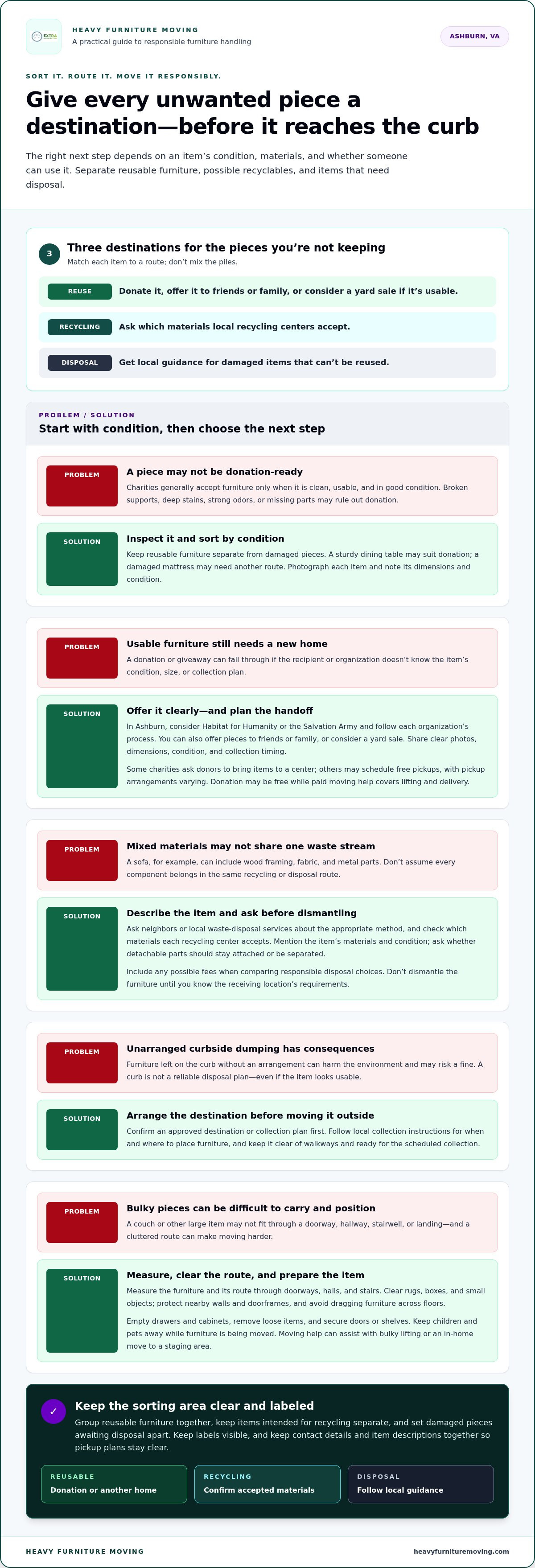
Don’t leave unwanted furniture on the curb in Ashburn. If you’re deciding what to do with unwanted furniture after moving in Ashburn, sort each piece for donation, a new home with friends or family, recycling, or proper disposal. Unplanned curbside dumping can harm the environment and may risk a fine.
Moving can leave you with furniture that no longer fits your home, and deciding what happens next can feel like one more heavy task. The right option depends on the item’s condition, materials, and whether someone can use it. A simple plan helps you clear space without letting unwanted furniture pile up.
First, decide what to keep. Then sort the remaining furniture into pieces that can be donated or passed along, items that may be recyclable, and those that need disposal. Before moving anything bulky, measure the item and its route through doorways, halls, and stairs.
Key Takeaways
- Keep furniture you expect to use in your new home, and set aside pieces that no longer fit your needs or space.
- Donate usable furniture in good condition, but plan how it will get to the charity or donation center.
- Offer unwanted pieces to friends or family to give them another home and reduce transportation costs.
- Don’t leave furniture on the curb; find the appropriate disposal or recycling option for items that can’t be reused.
- For bulky pieces that are difficult to move, professional furniture-moving help can make the next step easier.
1. Local charities and donation-center guidelines
Start with the furniture’s condition. Charities generally accept pieces only when they’re clean, usable, and in good condition. Check for broken supports, deep stains, strong odors, or missing parts. A sturdy dining table may suit donation, while a damaged mattress may need another route. Photograph each item and note its dimensions before arranging a handoff.
Donation can be a free way to pass furniture along, but you may need to handle transportation. Some charities ask donors to bring items to a donation center, while others may schedule free pickups. Pickup arrangements vary: the organization may collect from inside your home or ask you to place the item in an agreed accessible spot. Clear the route through hallways and doorways before moving it.
For a couch, separate the donation decision from the transport task. If you can’t move the sofa yourself, paid moving help can handle the lifting and delivery. The donation may be free, while the fee covers the moving work. Measure the couch and its route before pickup to help avoid problems at a doorway, stairwell, or landing.
Are there restrictions or fees for disposing of mattresses and upholstered furniture in Loudoun County? Donate these items only if they meet the charity’s condition standards. Don’t leave furniture on the curb unless it’s part of an arranged collection.
In Ashburn, consider Habitat for Humanity or the Salvation Army for usable furniture. Follow the organization’s donation process, then arrange pickup or transport. Follow the local collection instructions for when to place furniture outside. Keep it clear of walkways and ready for the scheduled collection.
Where can I sell used furniture near Ashburn, VA? A yard sale is one option for usable pieces. Clean each item, take clear photos, and research comparable used-furniture prices before setting an asking price. Selling before a move can also reduce what you need to transport.
How do I safely prepare furniture for pickup or disposal? Empty drawers and cabinets, remove loose items, and secure doors or shelves. Measure large pieces, clear the route, and keep children and pets away while furniture is being moved.
Let the destination guide your final steps. For a charity pickup, keep the item in the agreed location and make it easy to identify. For a donation-center drop-off, protect the furniture during transport and don’t load pieces that fail the organization’s condition standards. A clear photo, dimensions, and brief condition description help explain what you’re offering.
2. Environmentally responsible furniture disposal
Give each unwanted item a destination before moving it outside. Ashburn residents can ask neighbors or local waste-disposal services about the appropriate disposal method. This is especially useful for furniture made from mixed materials, such as a sofa with wood framing, fabric, and metal parts. Don’t assume every component belongs in the same waste stream. Describe the item clearly when asking for guidance.
Keep reusable furniture separate from damaged pieces. A sturdy table or dresser may be suitable for reuse, while a broken item may need another disposal route. Ask about local recycling options and which materials each center accepts. Include any possible fees when comparing recycling with other responsible disposal choices.
Don’t leave unwanted furniture on the curb for pickup without an arrangement. Improper disposal can harm the environment and may risk a fine. A curb is not a reliable disposal plan, even if an item looks usable. Arrange an approved destination first, then move the furniture when collection or delivery is ready. This prevents sofas, mattresses, and cabinets from sitting outside without a clear next step.
Before arranging disposal, note the item’s materials and condition. For example, describe whether a chair has a solid frame, loose upholstery, or broken legs. Share those details with a local waste-disposal service so its guidance matches the item. If the furniture has detachable parts, ask whether they should stay attached or be separated. Don’t dismantle it until you know the receiving location’s requirements.
Set up a simple sorting area inside your home or garage. Group reusable furniture together, keep items intended for recycling separate, and place damaged pieces awaiting disposal in another area. Keep labels visible, especially when several items look alike. A clear list helps prevent recyclable pieces from being mixed with furniture headed for disposal and makes collection planning easier.
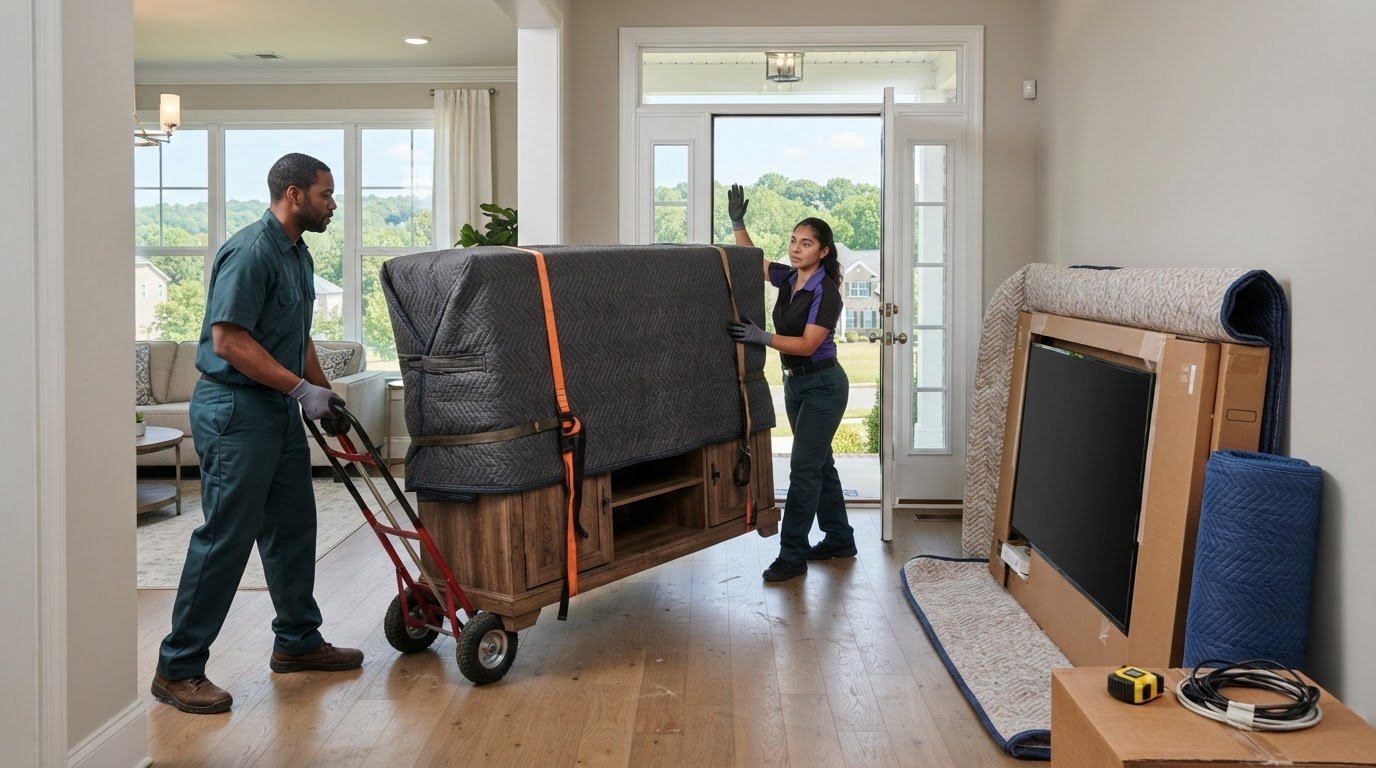
Plan the carrying route before moving heavy furniture. Clear loose rugs, boxes, and small objects from hallways, then protect nearby walls and doorframes. Keep walkways open while sorting, and avoid dragging furniture across floors. If a bulky piece needs to be shifted indoors to a designated staging area, in-home furniture movers can help with that physical move.
Match every item to a destination: reuse, recycling, or disposal. Keep contact details and item descriptions together so you can follow through without mixing up pickup plans. Responsible handling starts before furniture reaches the curb, recycling center, or disposal site.
3. Giving furniture to friends or family
Offer usable furniture to people you know before choosing another destination. A neighbor may need a dining table, or a relative may welcome a spare bed. Giving a piece directly can reduce transportation needs, especially when the recipient lives nearby. Send a clear message describing the item, its condition, and when it can be collected.
Be specific about what you’re offering. For a sofa, include its approximate dimensions, color, fabric condition, and visible wear. Share photos from several angles, including close-ups of stains or loose parts. Honest details help your friend decide whether it suits their home and avoid surprises at pickup.
Check that the furniture will fit before setting a handoff time. Measure the item and the recipient’s doorway, stairwell, or elevator route. A large dresser may fit the room but not turn through a narrow hallway. Ask the recipient to confirm the route and destination space, then agree on a collection window that works for both households.
Make the pickup plan clear. Say whether the recipient needs to carry the item from its current room or whether you’ll move it to an accessible area. For a heavy bookcase, remove loose shelves and place small hardware in a labeled bag. Clear boxes, rugs, and other obstacles from the route before anyone starts lifting.
Set a clear decision point without pressuring the recipient. Let your cousin know when you need an answer because your moving schedule is approaching. If they pass, offer the chair to someone else rather than leaving it in limbo. You could say the item is available until a specific day and explain your next plan.
Agree on the furniture’s condition and handoff details in writing. A text can confirm that the recipient accepts a used dining set, including its scratches or loose chair leg. Keep screws, brackets, and assembly instructions with the piece. A brief note helps prevent confusion about which parts belong with the furniture.
Coordinate transport before moving day. A recipient with a suitable vehicle may be able to take a small table, but a sectional sofa needs careful handling through tight spaces. If furniture stays in your home until pickup, clear the route and protect nearby walls. For a bulky item that needs repositioning indoors, in-home furniture movers can help move it to the handoff area.
Keep the exchange simple: describe the item, confirm the recipient wants it, agree on pickup details, and prepare the route. That gives usable furniture a new home while helping you clear space for the move.
4. Deciding which furniture to keep or discard
Start with the home you’re moving into, not the one you’re leaving. Compare each item with the rooms, layout, and routines at your destination. A dining table used every day may earn its space, while a spare desk may not fit the new floor plan. Keep furniture you expect to use, especially on a long-distance move, when transporting unused pieces may be impractical.
Consider function and condition together. Sit on the sofa, open dresser drawers, and check a bed frame for loose joints. Ask whether a repair would make the item useful or whether damage affects comfort or stability. A scratched tabletop can still serve its purpose; a cabinet that won’t stay closed may create more hassle than value. Don’t keep a piece just because it once matched another room.
Measure before you commit. Write down the dimensions of large furniture and compare them with the destination room and entry route. A sectional might fit the living room but block a doorway or crowd the main walkway. Sketching the layout can reveal problems before moving day. Leave room for doors, drawers, and chairs to open fully.
If you’re deciding what to do with unwanted furniture after moving Ashburn, consider how often you’ll use each piece. A suitable bed already waiting at your new home may make another one unnecessary. A sturdy bookcase used daily could be worth keeping. Weigh usefulness, fit, and moving effort before choosing the item’s next destination.
Give uncertain furniture a temporary decision category instead of rushing. Set aside a chair you like but can’t place yet, then keep it out of the way while you settle in. Once you know the room dimensions and your needs, decide whether to keep it, pass it along, or dispose of it. Keep this group small and label each piece clearly.
Write one destination beside each item: keep, give away, donate, or dispose of. A simple list prevents a useful dresser from being mistaken for unwanted furniture during packing. Mark kept pieces for their destination rooms and separate undecided items from those already assigned. A clear plan makes deciding what to do with unwanted furniture after moving in Ashburn easier as boxes and furniture are moved.
Apply the same test to sentimental pieces. Ask whether the item has a clear place or purpose in your next home. If a family table matters but won’t fit, consider keeping it until you can make a deliberate decision. If a bulky piece needs repositioning while you sort, in-home furniture movers can help move it safely within the house.
5. Environmental impact and landfill diversion
Keep usable furniture in circulation before choosing disposal. A solid dresser, sound bed frame, or intact dining chair can serve another household rather than going straight to a landfill. Sort items by condition and materials, then decide whether each piece can be reused, recycled, or discarded. This sequence helps prevent reusable furniture from being treated as waste.
For damaged furniture, ask local waste-disposal services or neighbors about appropriate options in Ashburn. A sofa may combine fabric, foam, wood, and metal, and those materials can affect where it belongs. Describe the item clearly, including its main materials, condition, and whether parts can be separated without damage.
Include any possible cost when comparing recycling with other disposal options. Before transporting a cabinet or couch, find out whether the center accepts its materials and how to prepare the item. Following the center’s instructions can prevent a wasted trip and keep unsuitable furniture out of its intake area.
Don’t leave unwanted furniture on the curb for pickup without an arrangement. Improper disposal can harm the environment and may risk a fine. A sofa left outdoors can block a walkway and become harder to reuse if it gets wet or dirty. Arrange a suitable destination first, then move the item when pickup or transport is ready. Don’t use the curb as temporary storage.
Use a room-by-room sorting plan to reduce mistakes during a move. Mark a wooden table for reuse, a damaged chair for disposal guidance, and a sound bookcase for a new home. Keep these groups separate in the garage or staging area. Clear labels help family members and helpers follow the same plan, especially when several pieces look alike.
For furniture made from mixed materials, don’t assume every part has the same destination. A metal bed frame and its fabric-covered headboard may need different handling. Ask about the whole item first, then separate components only if the receiving location advises it. Keep screws and brackets together in a labeled bag if dismantling is part of the preparation.
Track each piece until it leaves your home. Write down its destination, pickup plan, and any preparation needed. If a bulky item must be moved to a staging area, get help moving furniture inside your home. A clear plan keeps furniture from becoming an unplanned curb pile and gives reusable pieces a better chance of finding another use.
Heavy Furniture Moving: Movers Near Me
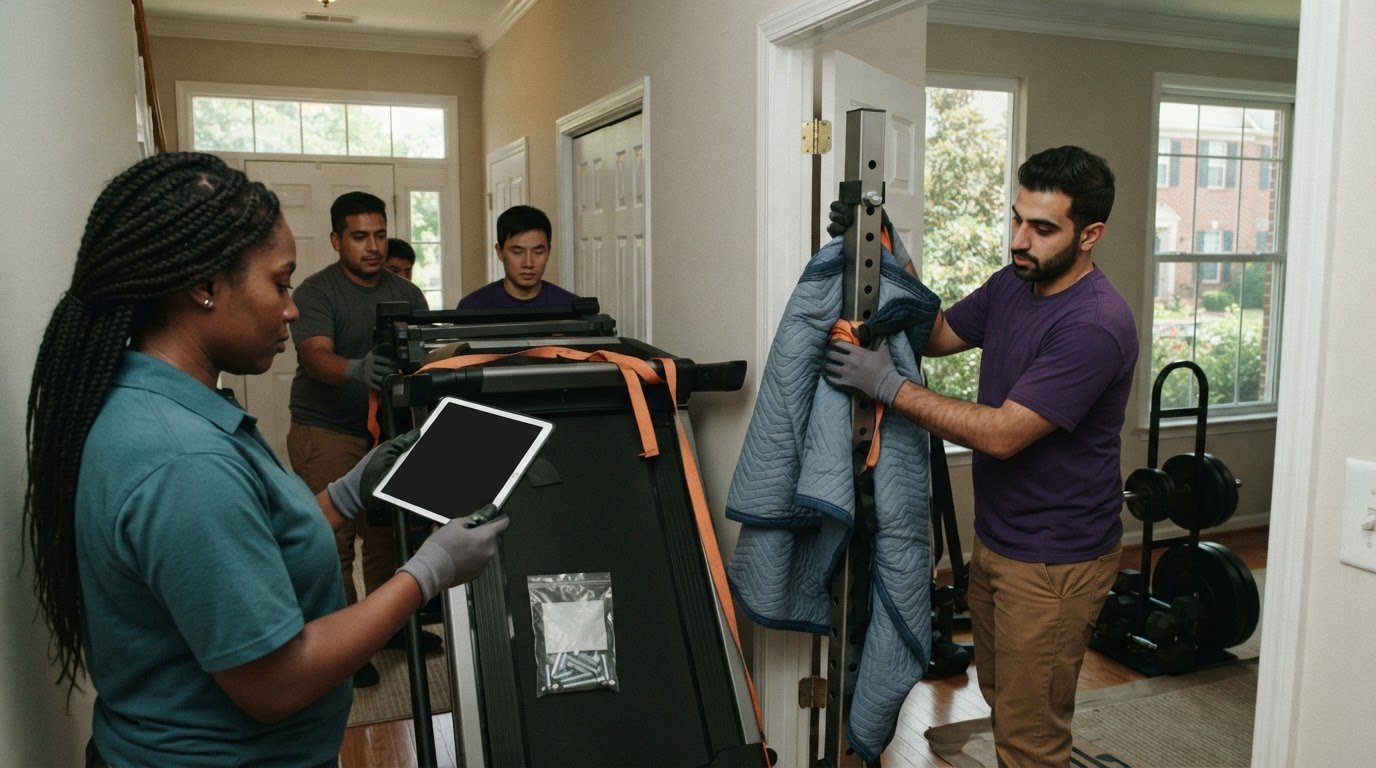
Heavy Furniture Moving can help when bulky furniture needs careful handling after your move. Use its Movers Near Me service for furniture that needs transporting, or choose in-home furniture movers to reposition a piece inside your home. Exercise equipment moving is available for heavy fitness machines, and sofa hoisting can help when a couch won’t pass through a doorway or stairwell.
These services help with the physical part of your plan: moving furniture to another room, preparing it for transport, or handling an awkward lift. Decide where each item is going, then identify which pieces need experienced help. For unwanted furniture staying in your home until pickup, moving it to an accessible staging area can make the handoff easier.
Contact Heavy Furniture Moving to discuss the furniture you need help moving.
Turn Your Furniture Decisions Into a Moving-Day Plan
To decide what to do with unwanted furniture after moving in Ashburn, turn each choice into a clear task. Note which pieces need to leave, where they’re going, and what must happen before they move. Set aside any tools, keys, or access details needed for each handoff. A written plan helps you stay focused during the final days and prevents bulky items from becoming an afterthought.
For furniture that needs careful lifting or repositioning, arrange help before boxes crowd the route. Heavy Furniture Moving provides support for demanding furniture tasks, so you can focus on settling into your next space. Share what needs moving and where it needs to go, then make a plan that fits your move.
Ready to handle the heavy lifting? Contact Heavy Furniture Moving to discuss your furniture move. One clear next step can make the transition feel more manageable. You’re ready to move forward.
Frequently Asked Questions
Can You Leave Furniture on the Curb?
No. Don’t leave unwanted furniture on the curb in Ashburn without an arranged collection. A curbside location is appropriate only when it’s part of a scheduled pickup plan. Keep the item at home until you know its destination and collection timing. This also helps avoid blocking a sidewalk or exposing furniture to the weather.
Where can I donate a couch in Ashburn, VA?
Start with Habitat for Humanity or the Salvation Army, which may schedule free furniture pickups. A couch should be in good condition for donation, without major damage that makes it unusable. Describe its condition and size when arranging pickup. If you’re delivering it yourself, plan how to transport it safely and protect the upholstery from dirt or rain.
Where can I donate unwanted furniture in Ashburn, VA?
Consider Habitat for Humanity, the Salvation Army, or another charitable organization that accepts furniture. Donation can be a free disposal option, though you may need to bring items to the charity yourself. Sort pieces by condition before contacting an organization. For example, offer a sturdy bookcase for donation, but find another route for a broken chair. Share clear photos and dimensions to describe each item.
Which charities in Loudoun County offer furniture pickup in Ashburn?
Habitat for Humanity, the Salvation Army, and other organizations may schedule free furniture pickups. Depending on the arrangement, pickup may be from inside the home or from a designated curbside spot. Make the furniture accessible and keep the route clear. Describe the item’s condition and location when scheduling so the pickup plan suits the piece and your home.
How do Loudoun County bulk trash and furniture disposal rules work?
For municipal bulk pickup, place furniture outside the night before collection. Don’t put it out early or use the curb for storage. Keep it clear of walkways and follow the collection arrangement for your address. If bulk pickup isn’t suitable, consider another disposal route.
Does Loudoun County offer furniture recycling or special waste collection?
For guidance on the right route, contact neighbors or local waste-disposal services and describe the furniture’s materials and condition. A wooden frame, upholstered seat, and metal parts may need different handling. Ask about the appropriate disposal method before transporting an item, especially if it contains several materials.
What does furniture removal cost in Ashburn, VA?
Costs depend on the disposal route and the number of items. Compare the destination and handling requirements, not just the fee, before choosing.
How can I arrange curbside furniture pickup in Ashburn?
First, decide whether the item is going to a charity or municipal bulk collection. For municipal pickup, follow the collection arrangement and put the furniture out only when instructed. For a charity, share the item’s condition and location when scheduling, then follow its pickup instructions. Keep the piece accessible without blocking a walkway, and don’t leave it curbside before the collection plan is set.
Frequently Asked Questions
No. Don’t leave unwanted furniture on the curb in Ashburn without an arranged collection. A curbside location is appropriate only when it’s part of a scheduled pickup plan. Keep the item at home until you know its destination and collection timing. This also helps avoid blocking a sidewalk or exposing furniture to the weather.
Start with Habitat for Humanity or the Salvation Army, which may schedule free furniture pickups. A couch should be in good condition for donation, without major damage that makes it unusable. Describe its condition and size when arranging pickup. If you’re delivering it yourself, plan how to transport it safely and protect the upholstery from dirt or rain.
Consider Habitat for Humanity, the Salvation Army, or another charitable organization that accepts furniture. Donation can be a free disposal option, though you may need to bring items to the charity yourself. Sort pieces by condition before contacting an organization. For example, offer a sturdy bookcase for donation, but find another route for a broken chair. Share clear photos and dimensions to describe each item.
Habitat for Humanity, the Salvation Army, and other organizations may schedule free furniture pickups. Depending on the arrangement, pickup may be from inside the home or from a designated curbside spot. Make the furniture accessible and keep the route clear. Describe the item’s condition and location when scheduling so the pickup plan suits the piece and your home.
For municipal bulk pickup, place furniture outside the night before collection. Don’t put it out early or use the curb for storage. Keep it clear of walkways and follow the collection arrangement for your address. If bulk pickup isn’t suitable, consider another disposal route.
For guidance on the right route, contact neighbors or local waste-disposal services and describe the furniture’s materials and condition. A wooden frame, upholstered seat, and metal parts may need different handling. Ask about the appropriate disposal method before transporting an item, especially if it contains several materials.
Costs depend on the disposal route and the number of items. Compare the destination and handling requirements, not just the fee, before choosing.
First, decide whether the item is going to a charity or municipal bulk collection. For municipal pickup, follow the collection arrangement and put the furniture out only when instructed. For a charity, share the item’s condition and location when scheduling, then follow its pickup instructions. Keep the piece accessible without blocking a walkway, and don’t leave it curbside before the collection plan is set.