How to Choose Between MyProMovers and Local Movers for a Gym Move
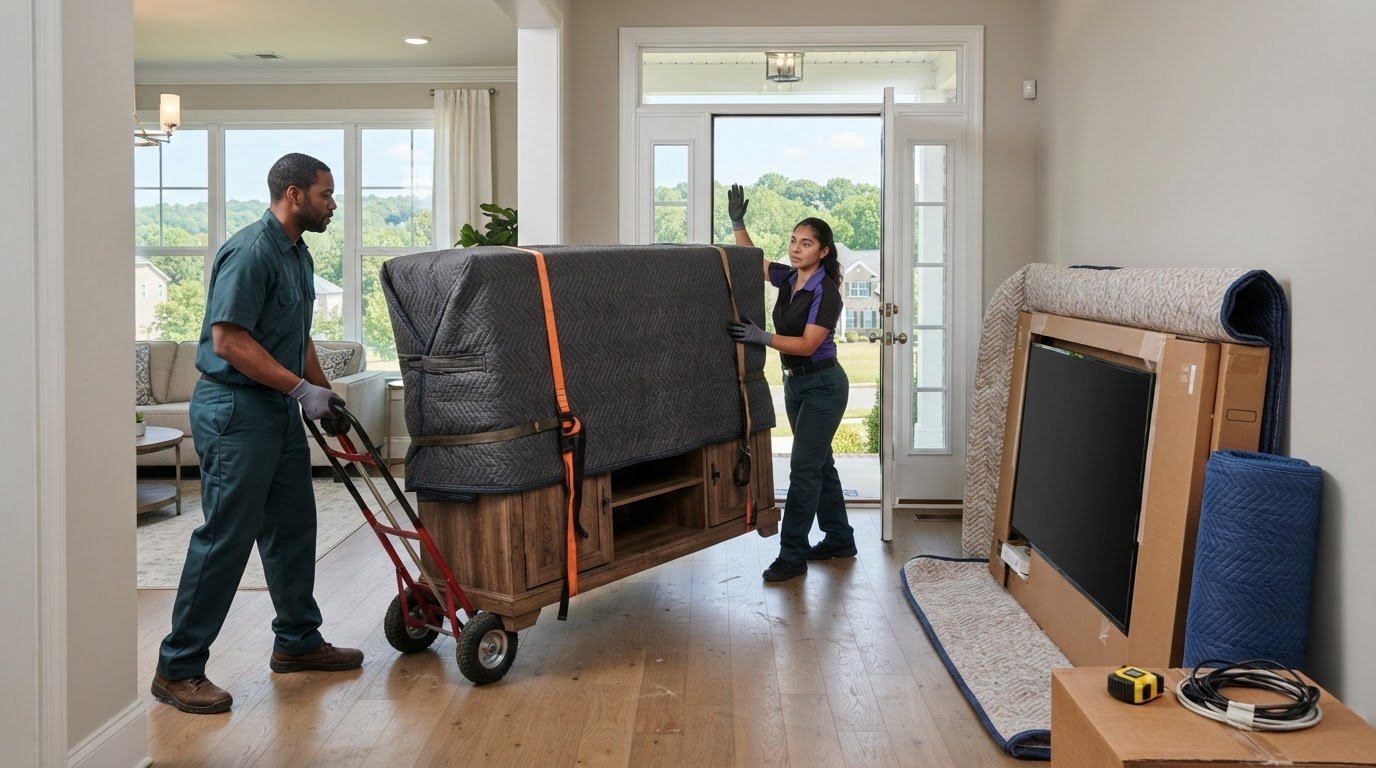
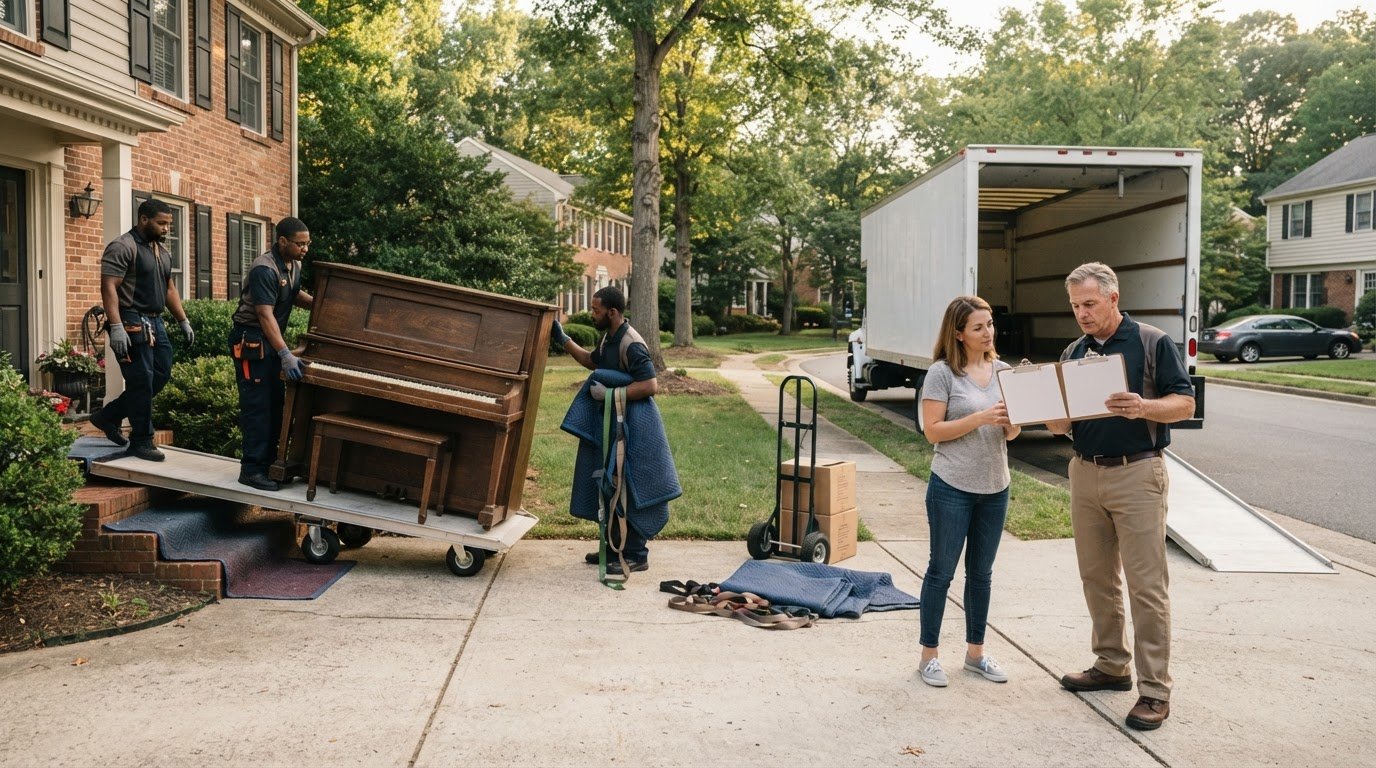
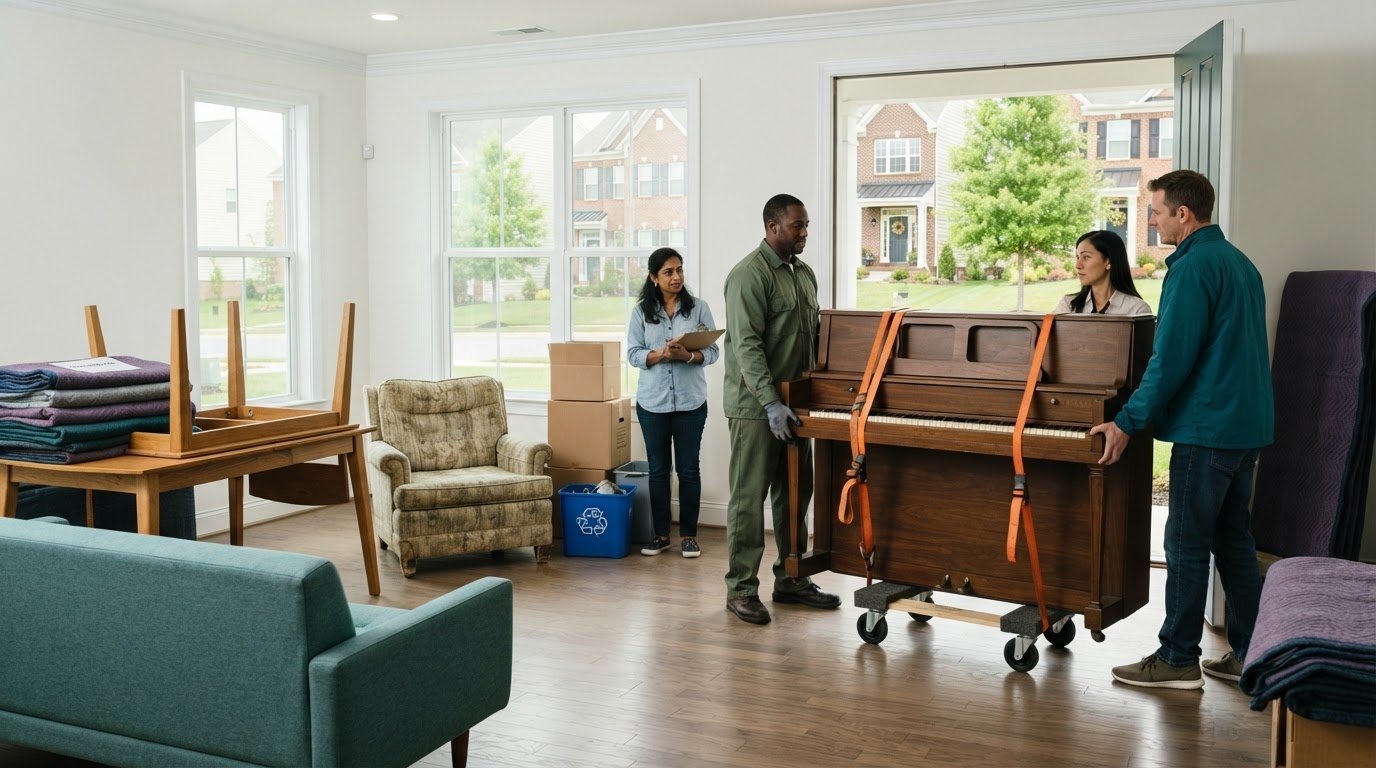
Choosing between MyProMovers and local movers for gym equipment depends on the handling plan, not just the company name. Compare how each option approaches disassembly, heavy lifting, protection, and delivery, and review the written terms before moving day.
Price and familiarity are useful starting points, but gym equipment brings specific challenges. Racks, benches, treadmills, and weights may involve delicate screens, loose hardware, bulky frames, and heavy loads. A move plan should account for each item rather than treating everything like ordinary boxes.
Compare the practical details: what must come apart, how equipment should be prepared, what protection is included, and how stairs and doorways affect the route. These points help you choose support suited to your home gym and avoid preventable delays.
Key Takeaways
- Photograph racks and benches before taking them apart, then label bagged hardware so reassembly is easier.
- Compare movers by how they plan to handle oversized equipment, tight access points, and pieces that need careful lifting.
- Split plates and dumbbells among smaller boxes, and label each box with its approximate weight.
- Ask about valuation coverage for expensive gym equipment before moving day so you understand how it applies to your items.
- Map out access, equipment preparation, and delivery-room needs at both homes to keep the move organized.
Equipment disassembly and reassembly
Check mover credentials through applicable state and federal mover-registration records, using the company’s exact legal name. Compare recent Google reviews for gym-equipment examples, then look for demonstrated experience with racks, benches, treadmills, and documented reassembly.
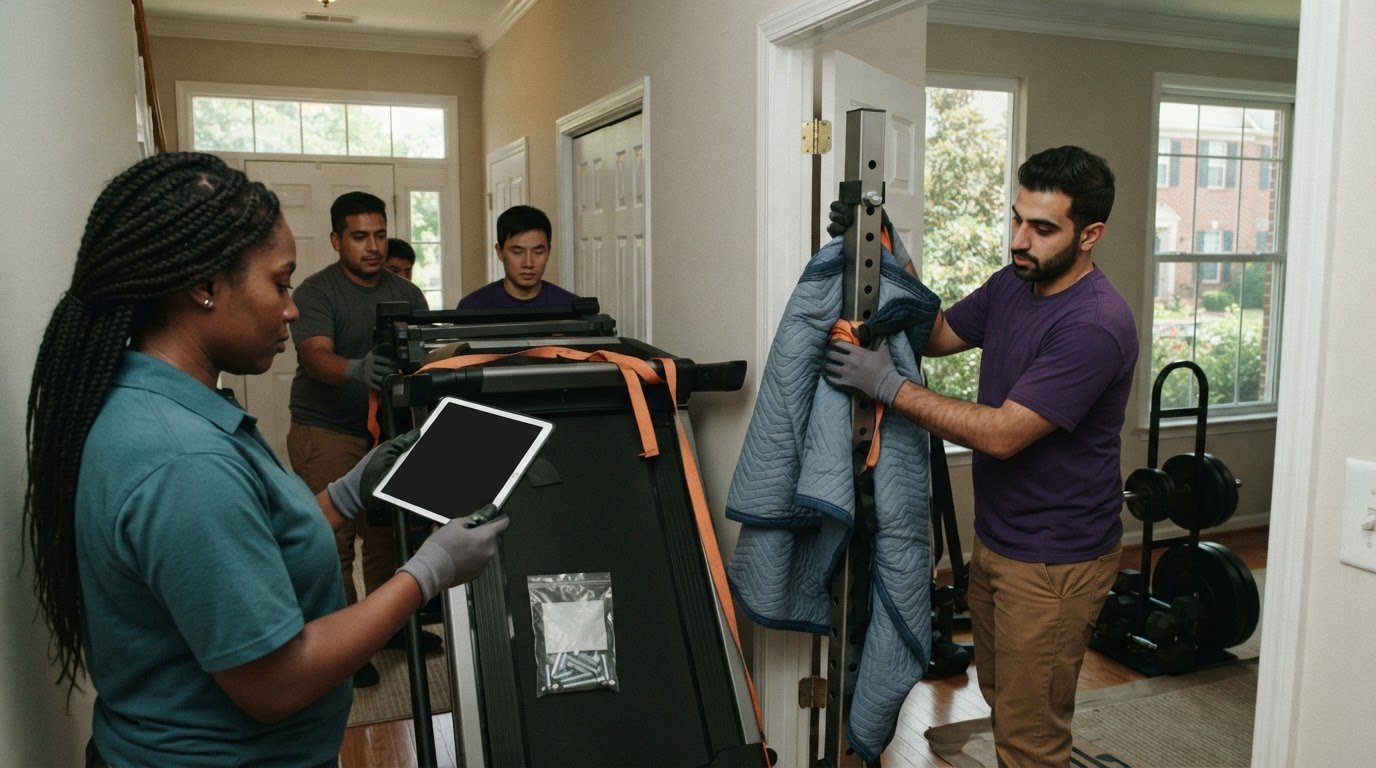
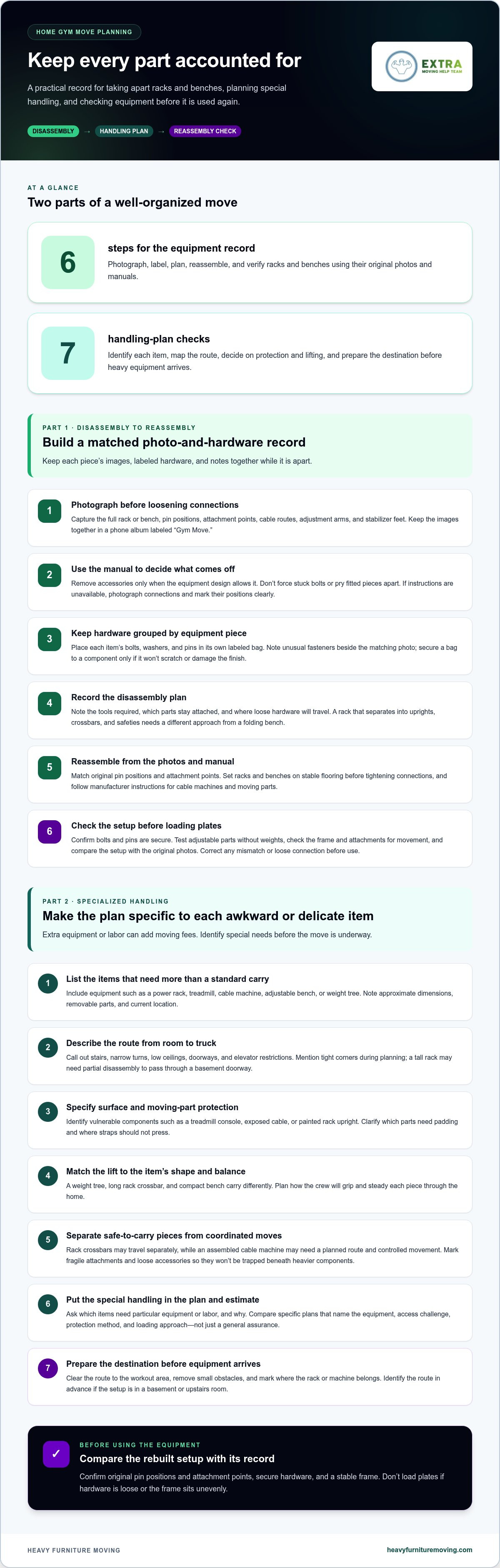
- Photograph each rack or bench before loosening any connections. Capture the full frame, pin positions, and attachment points, along with cable routes, adjustment arms, and stabilizer feet. A photo showing which upright holds a safety bar can make reassembly clearer. Keep the images together in a phone album labeled “Gym Move.”
- Use the manufacturer’s manual to identify which parts can be removed. Take off accessories such as pull-up bars, weight horns, and bench pads only when the design allows it. Don’t force stuck bolts or pry fitted pieces apart. If assembly instructions are unavailable, photograph the connections and mark their positions clearly.
- Organize hardware by equipment piece instead of mixing it all together. Put each item’s bolts, washers, and pins in a separate labeled bag. Secure the bag to a large component only if it won’t scratch or damage the finish. Note unusual fasteners beside the matching photo.
- Include disassembly in the move plan. A rack that separates into uprights, crossbars, and safeties needs a different approach from a folding bench. Note the tools required, which parts stay attached, and where loose hardware will travel. This inventory helps keep small parts with the right equipment.
- Reassemble equipment using its photos and manual, matching the original pin positions and attachment points. Place racks and benches on stable flooring before tightening connections. Follow the manufacturer’s instructions for cable machines and moving parts. Don’t load plates onto a rack if its hardware is loose or its frame sits unevenly.
- Before loading plates, check that every bolt and pin on the reassembled rack or bench is secure. Test adjustable parts without weights, then check the frame and attachments for movement. Compare the setup with your original photos. Correct any connection that doesn’t match its documented position before using the equipment.
Treat the visual record and the labeled hardware as one matched set for each rack or bench. Make sure the images are clear enough to distinguish pin locations and show how each attachment meets the equipment. Keep the hardware label specific to that piece, so it remains associated with the item it belongs to throughout the work. When reviewing the record, compare the equipment with its photographs before making changes to the arrangement. If a pin position or attachment point is unclear, refer back to the original image rather than relying on memory. This simple record-keeping approach keeps the details of each piece together and gives you a consistent reference while the equipment is apart and when its components are being put back in place.
Specialized handling services
Compare the handling plan for each awkward, oversized, or delicate piece. Extra equipment or labor can add moving fees, so identify what needs special attention before the move is underway.
- List every item that needs more than a standard carry, such as a power rack, treadmill, cable machine, adjustable bench, or weight tree. Note approximate dimensions, removable parts, and current location. A treadmill in a basement presents different access challenges from a bench by the front door. This inventory helps plan the route and handling.
- Describe the path from each room to the truck. Include stairs, narrow turns, low ceilings, doorways, and elevator restrictions. A tall rack may need partial disassembly to pass through a basement doorway. Mention tight corners while planning, not when a large frame is already halfway through one.
- Ask how the crew will protect machine surfaces and moving parts. A treadmill console, exposed cable, or painted rack upright can be vulnerable during handling. Identify which components need padding and where straps should not press. A sound plan accounts for contact points as well as the distance between homes.
- Match the lifting approach to each item’s shape and balance. A weight tree carries its load differently from a long rack crossbar or compact bench. Consider how the crew will grip and steady each piece while moving it through the home. Fitting through a doorway doesn’t automatically make an item easy to carry.
- Separate items that can travel safely in pieces from those needing coordinated handling. Rack crossbars may be carried separately, while an assembled cable machine may need a planned route and controlled movement. Mark fragile attachments and loose accessories so they won’t get trapped beneath heavier components.
- Have special handling needs reflected in the move plan and estimate. Ask which items need particular equipment or labor and why. Compare a specific plan that names the equipment, access challenge, protection method, and loading approach, rather than relying on a general assurance.
- Prepare the destination before heavy equipment arrives. Clear the route to the workout area, remove small obstacles, and mark where the rack or machine belongs. If the setup is in a basement or upstairs room, identify that route in advance. For a move centered on bulky gym gear, review heavy equipment moving help as one option for planning the lift.
Gym equipment safety
A gym-equipment move needs attention to details such as securing a folding treadmill and protecting its screen. A plan that overlooks these steps can leave equipment vulnerable to damage or shifting during handling.
- Clear loose items before moving equipment. Remove plates from the rack, dumbbells from the weight tree, and accessories from the bench. Loose weights can shift, and attached bars or accessories can catch on a doorway. Keep each piece clear before wrapping or lifting it.
- Split heavy plates and dumbbells among multiple small boxes. Don’t place 100 pounds of plates in one box because it may be unsafe to lift. Label each box with its approximate weight, not only its contents. For example, a box marked “plates, heavy” gives less carrying guidance than one labeled with its approximate weight.
- Protect treadmill and stationary-bike screens during transport. Remove a screen separately only when the manufacturer allows it, and pack it with padding. Keep cables and connectors from snagging on nearby equipment. If the screen stays attached, protect it from pressure and contact with other items.
- Secure a folding treadmill before it leaves the room. Use the manufacturer’s lock or a strap to keep the folding mechanism closed during transport. Check that the lock engages properly and follow the manufacturer’s instructions for positioning the treadmill. A loose deck can swing open and make the load harder to control.
- Roll rubber gym flooring and mats instead of folding them. Folding can leave creases that make mats harder to lay flat in the new workout area. Keep rolled pieces together and protect them from sharp edges, metal feet, and heavy equipment. Mark the bundle for the gym so it doesn’t get buried among household boxes.
- Keep people clear of the route before carrying a rack or treadmill. Remove loose objects, secure pets elsewhere, and open doors fully. Point out low ceilings, stairs, and tight turns. A clear route helps avoid sudden stops that could shift a load or bring it into contact with walls.
- Inspect each item after unloading and before using it again. Look for loose covers, pinched cables, bent attachments, or marks on a treadmill screen. Keep weights off a rack until its frame and connections are secure. On a stationary bike, check that pedals and display parts remain in place before riding.
Keep these two precautions in view as separate parts of preparing gym equipment for transport. Rubber gym flooring and mats should be rolled rather than folded when preparing them for a move; the same care applies to each mat or flooring piece being readied. Before transporting a folding treadmill, secure its folding mechanism with the manufacturer's lock or a strap to prevent it from unfolding in the truck. That instruction applies to the treadmill’s folding mechanism, not just the way it is positioned. Together, these reminders keep the preparation focused on the flooring’s rolled form and the treadmill’s secured fold.
Liability insurance
Before moving valuable gym equipment, review the mover’s written terms for damage or loss. Compare those terms with your equipment, including the rack, treadmill, and cable machine, and keep the move agreement with your records.
- List the equipment you’re moving, including each item’s make, model, and condition. Keep purchase documents if available, and note details such as a treadmill console or separate attachments. A clear inventory gives you a specific record of what is being moved.
- Ask how the mover’s written terms apply to the items on your list. Keep the terms with your move paperwork and review how they address damage or loss and what steps you must follow. A written explanation is easier to refer to than a verbal summary.
- Compare coverage details with the equipment’s current value and condition. A used weight bench, a newer treadmill, and a multi-station cable machine can have very different replacement costs. Keep receipts, model information, and clear photos together. If an item already has a scratch or worn pad, document it before loading.
- Clarify how the written terms apply to separate components. A treadmill’s display, power cord, and safety key may be distinct from its frame. A rack may have removable safeties, J-cups, and pull-up attachments. Include these parts in your inventory and review how the terms apply.
- Understand the process for reporting damage or missing equipment. Review which records and photos are needed, where to send a report, and any applicable deadline. Keep the written instructions with your inventory. If a treadmill arrives with a cracked screen, photograph it before moving the machine again.
- Read any exclusions and conditions in the written terms, including language about owner-packed items, existing damage, mechanical problems, and equipment prepared against instructions. These details may affect how a problem is handled. Make sure you understand any clause that applies to your gym equipment.
- Save a dated record before pickup and after delivery. Photograph the rack, treadmill, and bench from several angles, including existing marks and attached components. Keep the inventory, coverage documents, and move paperwork together. Compare the delivered items against those records before signing completion paperwork.
- Compare the actual written terms, not just a general statement that equipment is covered. Make sure your valuable machine and its vulnerable parts are included in the discussion. Clear records and an understanding of the terms can help you prepare before moving day.
Logistical planning
Moving costs can depend on the equipment, access, distance, labor, truck needs, packing, and storage. Compare estimates that explain the work involved and how your route affects the job, rather than focusing only on an equipment list.
-
Plan moving logistics
Map the move from the current workout room to the new one. Record both addresses, parking access, stairs, narrow halls, and the destination for each machine. A treadmill going to a basement needs a different route plan from a bench going to a ground-floor room. Share access details before moving day.
Write down what needs packing, what can move assembled, and whether storage is part of the plan. If storage is needed, include it when comparing estimates. An in-home assessment can help a mover evaluate belongings and explain the work involved. Compare the stated labor, travel, packing, and storage components.
-
Assess weight, stairs, and distance
Describe each heavy item and the route it must take. A weight tree, bulky rack, and treadmill have different lifting and access needs. Note stairs and tight turns at both addresses, since they can affect the work and equipment required. Be specific about a basement pickup rather than calling it simply “gym equipment.”
Record the distance between homes and the expected travel route. A local move is generally defined as covering a radius of about 50-100 miles. Moving companies commonly charge for local moves by the hour per mover, while some offer a flat rate based on an in-home estimate. Travel fees may also cover bringing the crew to the location.
- Prepare a room-by-room inventory before comparing estimates. List the rack, treadmill, bench, plates, dumbbells, and any other large pieces. Note which items need disassembly, special handling, or extra packing materials. A larger volume can require more labor, truck space, and materials. Packing services or materials can add to moving costs, so identify what you plan to pack yourself.
- Set a clear sequence for moving day. Identify which equipment should leave first, what needs to stay accessible, and where items should go at delivery. Label boxes with their contents and destination room. Mark heavy boxes clearly so they can be handled appropriately.
- If the move is rushed, make a checklist of essential, helpful, and lower-priority tasks. Start with access details, the equipment inventory, and the delivery route. Pack room by room, beginning with less-used spaces. Keep the key workout equipment and move notes easy to find.
Heavy Furniture Moving: Movers Near Me
Heavy Furniture Moving provides Exercise Equipment Moving for gym gear, including treadmills and weight racks. The team also offers Movers Near Me for local moving needs and Sofa Hoisting for bulky furniture that needs another route through the home. Its crew includes wrap, blankets, and straps on every job.
Before arranging your move, prepare an equipment list and note access details such as stairs, narrow doorways, and each item’s destination room. Sharing this information helps Heavy Furniture Moving plan the work and helps you organize the transition to your new workout space.
Contact Heavy Furniture Moving to discuss your gym equipment move, or visit heavyfurnituremoving.com.
Choose the right support for your next move
Choosing the right professionals for gym equipment comes down to the help your move requires and how well the plan fits your home. Consider the full handoff, including whether the equipment can be placed where it belongs so you can get your workout space organized.
Heavy Furniture Moving offers Exercise Equipment Moving for gym gear, Movers Near Me for local moving needs, and Sofa Hoisting for bulky furniture. These services can help when a move includes both workout equipment and large household pieces. Match the support to your items and access challenges, then plan your next step.
Contact Heavy Furniture Moving to discuss your move. Your new workout space is within reach, and planning ahead can help you move toward it with confidence.
Frequently Asked Questions
Why You Should Consider Professional Moving Company For Your Gym Equipment Move?
Moving gym equipment calls for a plan for heavy loads, awkward grips, and tight access. When comparing MyProMovers with local movers for gym equipment, focus on the handling plan, not just the company name. A treadmill coming from a basement may need a different route from a bench near the front door. Heavy Furniture Moving provides Exercise Equipment Moving for residential gym moves, with wrap, blankets, and straps included on every job.
What insurance or liability coverage applies when movers transport gym equipment?
The applicable protection depends on the mover’s written terms and move agreement. Don’t rely on the word “insured” alone. Review what the terms say about gym equipment, damage, exclusions, preparation requirements, and reporting a problem. Keep the agreement and equipment inventory together for reference.
What questions should I ask before booking a mover for gym equipment?
Ask who will handle each machine, how the crew will manage its model and access route, and what preparation is needed. Request an estimate that explains stairs, distance, parking, and equipment handling. For moves in Fairfax, Woodbridge, Manassas, Manassas Park, Aldie, Ashburn, McLean, Vienna, Reston, Centreville, Chantilly, Clifton, Dumfries, South Riding, Fairfax Station, Haymarket, or Gainesville, share both addresses and the rooms involved.
Frequently Asked Questions
Moving gym equipment calls for a plan for heavy loads, awkward grips, and tight access. When comparing MyProMovers with local movers for gym equipment, focus on the handling plan, not just the company name. A treadmill coming from a basement may need a different route from a bench near the front door. Heavy Furniture Moving provides Exercise Equipment Moving for residential gym moves, with wrap, blankets, and straps included on every job.
The applicable protection depends on the mover’s written terms and move agreement. Don’t rely on the word “insured” alone. Review what the terms say about gym equipment, damage, exclusions, preparation requirements, and reporting a problem. Keep the agreement and equipment inventory together for reference.
Ask who will handle each machine, how the crew will manage its model and access route, and what preparation is needed. Request an estimate that explains stairs, distance, parking, and equipment handling. For moves in Fairfax, Woodbridge, Manassas, Manassas Park, Aldie, Ashburn, McLean, Vienna, Reston, Centreville, Chantilly, Clifton, Dumfries, South Riding, Fairfax Station, Haymarket, or Gainesville, share both addresses and the rooms involved.