Summer Moving Challenges in Northern Virginia: Your 2026 Checklist
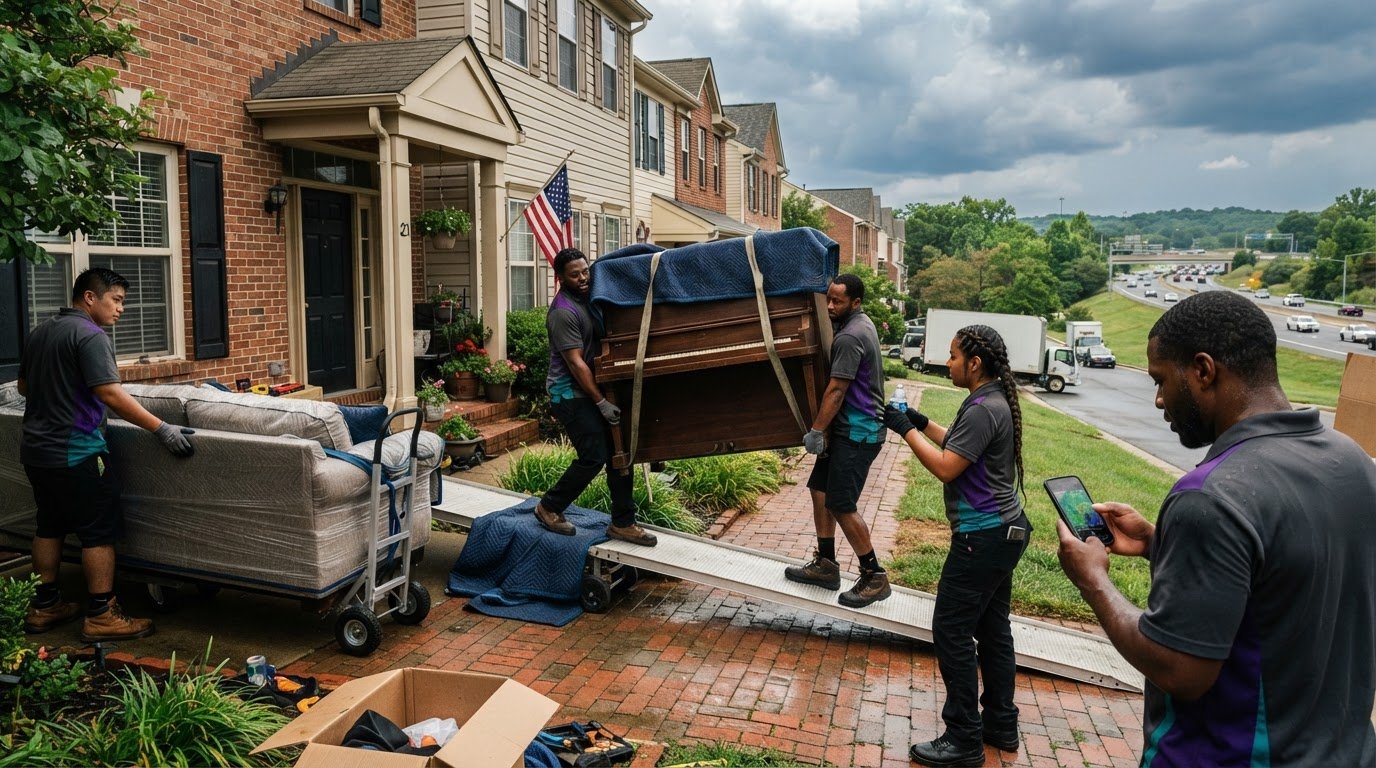
A summer move in Northern Virginia can lose time before the first box is loaded. The summer moving challenges in Northern Virginia aren’t just about heat: humid afternoons can make lifting exhausting, traffic on I-95, I-66, and I-495 can disrupt timing, and limited parking or building access can slow the whole day.
If you’re moving during peak season, it’s worth planning early to secure your preferred date and keep people and belongings safe. A practical plan can ease the pressure. Prepare for hot conditions, sudden storms, busy roads, and property rules before moving day arrives.
This checklist will help you build a realistic timeline, plan breaks and weather backups, coordinate parking and elevator access, and leave room for traffic delays. You’ll also find ways to reduce heavy-lifting strain and keep bulky items from turning a tight doorway into a bigger problem. Plan for heat, access, and timing together to make your move easier to manage.
Key Takeaways
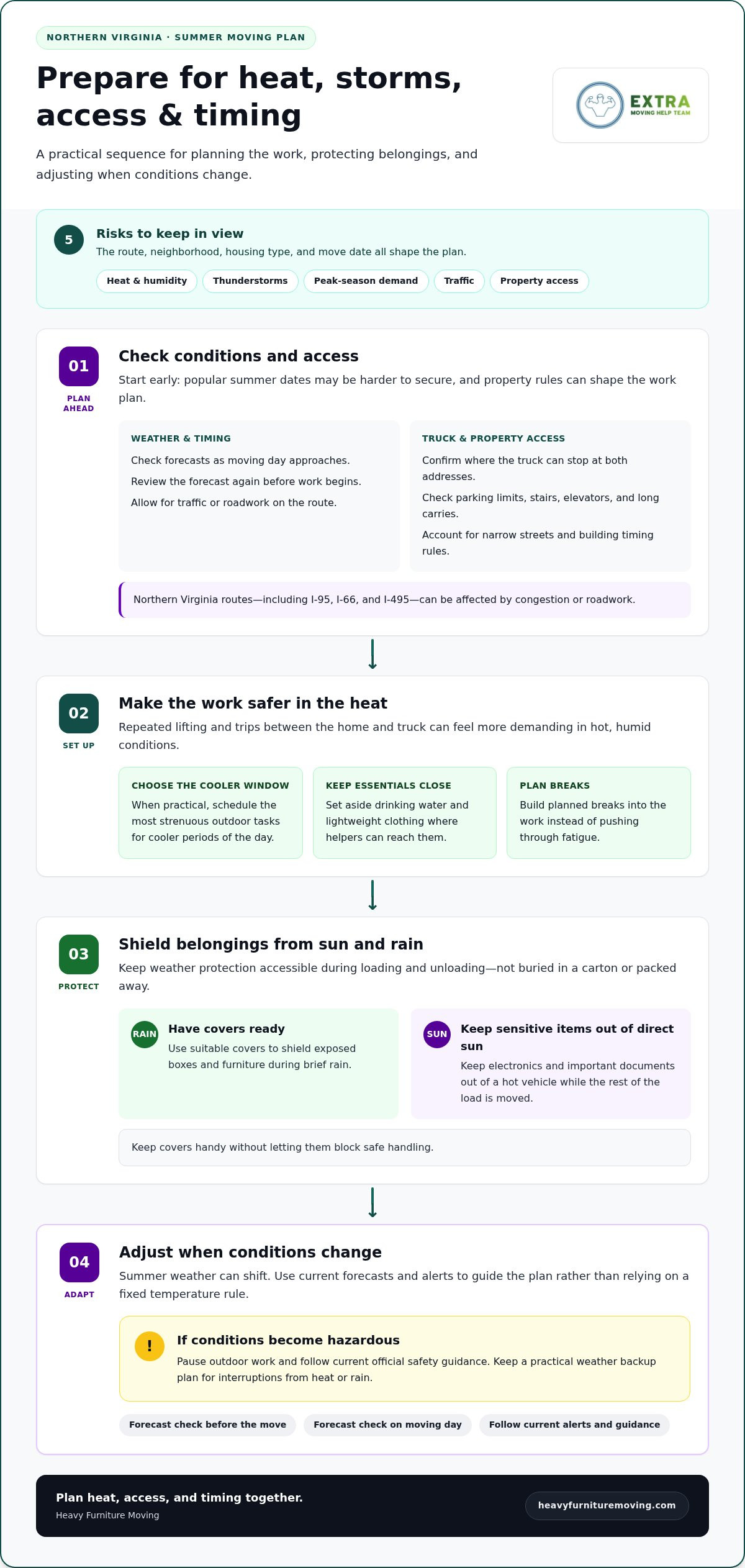
- Plan for summer moving challenges in Northern Virginia by accounting for heat, storms, peak-season demand, traffic, and property access.
- Schedule strenuous loading for cooler available periods when practical, and prepare for changing weather to help protect people and belongings.
- Match your move plan to the property, from elevator reservations and loading zones to stairs, narrow streets, and long carries.
- Use a week-before, day-before, and moving-day checklist to organize access, routes, supplies, weather updates, and household essentials.
- Consider experienced moving help for heavy items, tight access, stairs, packing, or a full residential move.
Summer Moving Challenges in Northern Virginia: What Can Disrupt Moving Day?
A move across town can still bring a full set of moving-day hurdles. Heat and humidity make loading harder, traffic can slow the drive, and the truck may have limited room to park near either home. Apartments, condos, and other properties can add access rules or timing restrictions. The summer moving challenges in Northern Virginia depend on the route, neighborhood, housing type, and move date, so a short distance alone doesn’t tell you how smoothly the day will go.
Keep five risks on your radar:
- Heat and humidity: Sustained lifting and loading can feel more demanding.
- Thunderstorms: Changing weather may interrupt outdoor loading or expose belongings to rain.
- Peak-season demand: Popular moving dates may be harder to secure.
- Traffic: Congestion or roadwork can affect travel time.
- Property access: Parking limits, stairs, elevators, and long carries can slow loading and unloading.
This guide focuses on household moving logistics, from preparing for loading conditions to planning around roads and property access.
Why a short Northern Virginia move can still take longer than expected
Distance is only one part of door-to-door timing. The crew also needs to reach the home, carry items to the truck, secure them for travel, and unload at the new address. A nearby destination won’t prevent delays caused by a distant parking spot, stairs, a reserved elevator, or a narrow street that limits truck access.
A move between Fairfax, Woodbridge, or Manassas can involve very different roads and property layouts. Don’t assume the same plan fits each community. Review the route and local access conditions close to moving day, including where the truck can stop at both addresses.
Which summer moving problems deserve early attention?
Separate weather preparation from timing and access planning. Heat and humidity can make repeated lifting more demanding, while thunderstorms may change outdoor working conditions. Virginia's climate is generally humid subtropical, and summer weather can include severe storms. Check the forecast as moving day approaches and keep a practical backup plan.
Scheduling and property challenges need their own attention. Peak-season demand can affect date choices, while traffic, parking, and building rules can affect the work plan even when the weather is clear. Heat, thunderstorms, seasonal demand, traffic, and property access are the five risks to plan around before a Northern Virginia summer move.
Northern Virginia Summer Heat and Storms: Protect People and Belongings
Summer weather can turn routine loading into harder physical work. Heat and humidity may increase fatigue during repeated carrying, lifting, and trips between the house and truck. A storm can bring a different problem: rain may interrupt loading or put exposed boxes and furniture at risk. Build flexibility into the work plan instead of assuming the weather will hold steady.
How should you prepare for heat during a summer move?
When practical, schedule the most strenuous outdoor tasks for cooler periods of the day. Set aside drinking water, lightweight clothing, and planned breaks for everyone helping. Keep these essentials within reach in the home, not buried in a carton or packed into the moving vehicle. If conditions become hazardous, pause outdoor work and follow current official safety guidance. Ready.gov’s extreme heat safety guidelines offer practical steps for preparing for and responding to extreme heat.
Check National Weather Service forecasts for heat advisories, thunderstorms, and changing conditions as moving day approaches. Because the forecast can shift, review it again before work begins. Follow current alerts and guidance rather than relying on a fixed temperature rule or trying to push through unsafe conditions.
How can you reduce weather risks to furniture and boxes?
Keep suitable covers handy for brief rain during loading and unloading. Store them where helpers can reach them quickly, and use them to shield belongings without blocking safe handling. Keep electronics, important documents, and other sensitive items out of direct sun. Don’t leave them in a hot vehicle while the rest of the load is being moved.
- Check the forecast before the move and again on moving day.
- Set aside water, lightweight clothing, and accessible household essentials.
- Keep rain covers ready for items exposed during loading and unloading.
- Pause outdoor work when conditions become hazardous and follow official guidance.
A forecast check belongs on every summer move checklist because changing heat or rain can affect both safe work and how you protect belongings. If heavy household items add strain to a hot moving day, experienced heavy-item moving help can take some of the lifting pressure off your household.
Summer Moving in Northern Virginia: Plan Around Traffic, Parking, and Access
A smooth move depends on more than choosing a route. The truck needs a workable place to stop, and people need a clear path from the home to the vehicle. Stairs, long carries, elevator reservations, or a narrow street can change the loading plan and add time, especially when summer weather makes outdoor work less comfortable.
Use this quick comparison to spot access issues early:
| Property type | Possible access issue | Preparation step |
|---|---|---|
| Single-family home | Driveway space, steps, or a long path to the entrance | Identify a safe loading spot and clear the path |
| Apartment or condo | Reserved elevator, loading zone, move window, or service entrance | Review building procedures and make required reservations |
| Townhouse | Stairs, limited curb space, or a long carry from the truck | Share stair and parking details with the moving team |
| Narrow residential street | Limited room for a moving vehicle to stop without blocking access | Find a suitable loading option and a backup location |
What should you confirm with your building or neighborhood?
Contact property management directly about elevator bookings, loading areas, permitted move windows, stairs, and any required advance notice. Find out where a moving vehicle can load safely without blocking driveways, entrances, or neighbors. For a home on a narrow street, decide where the truck can stop and identify another loading spot in case the first one is occupied.
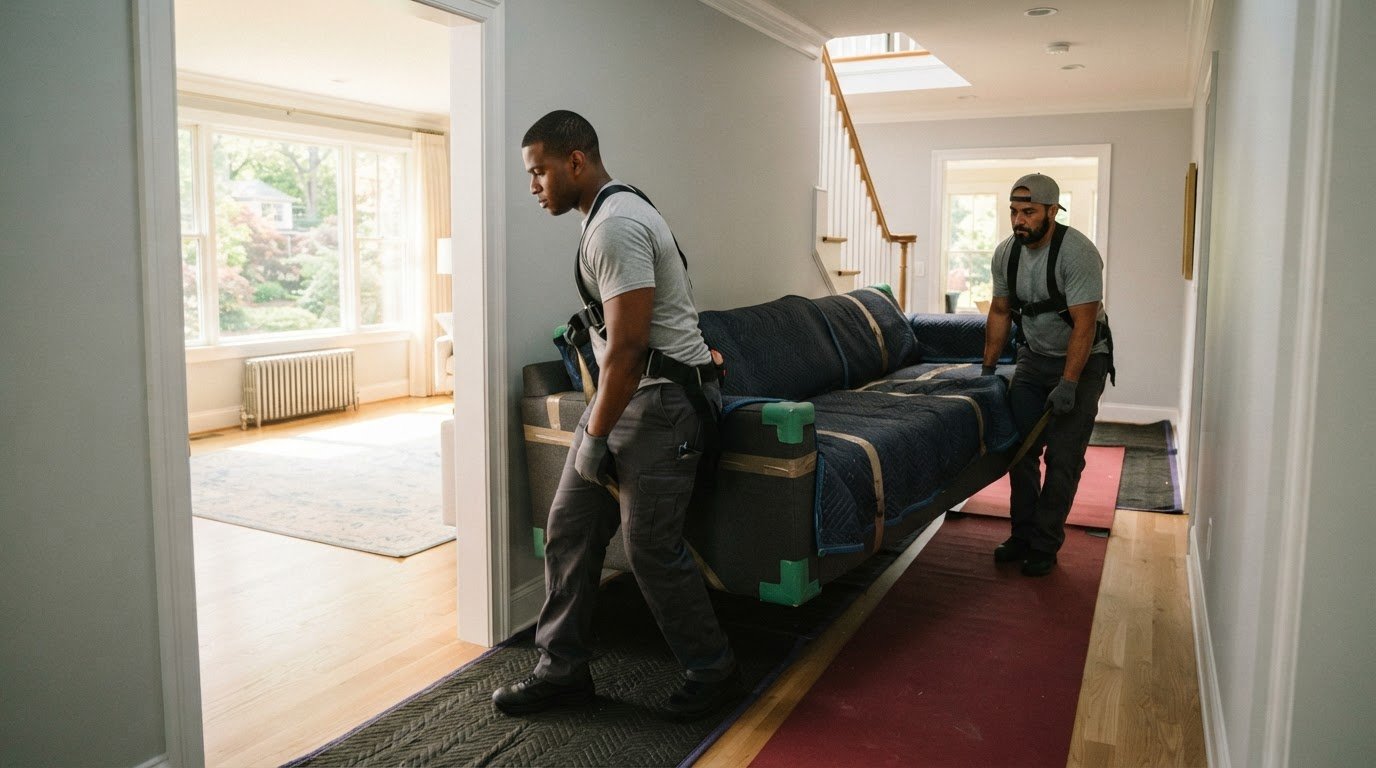
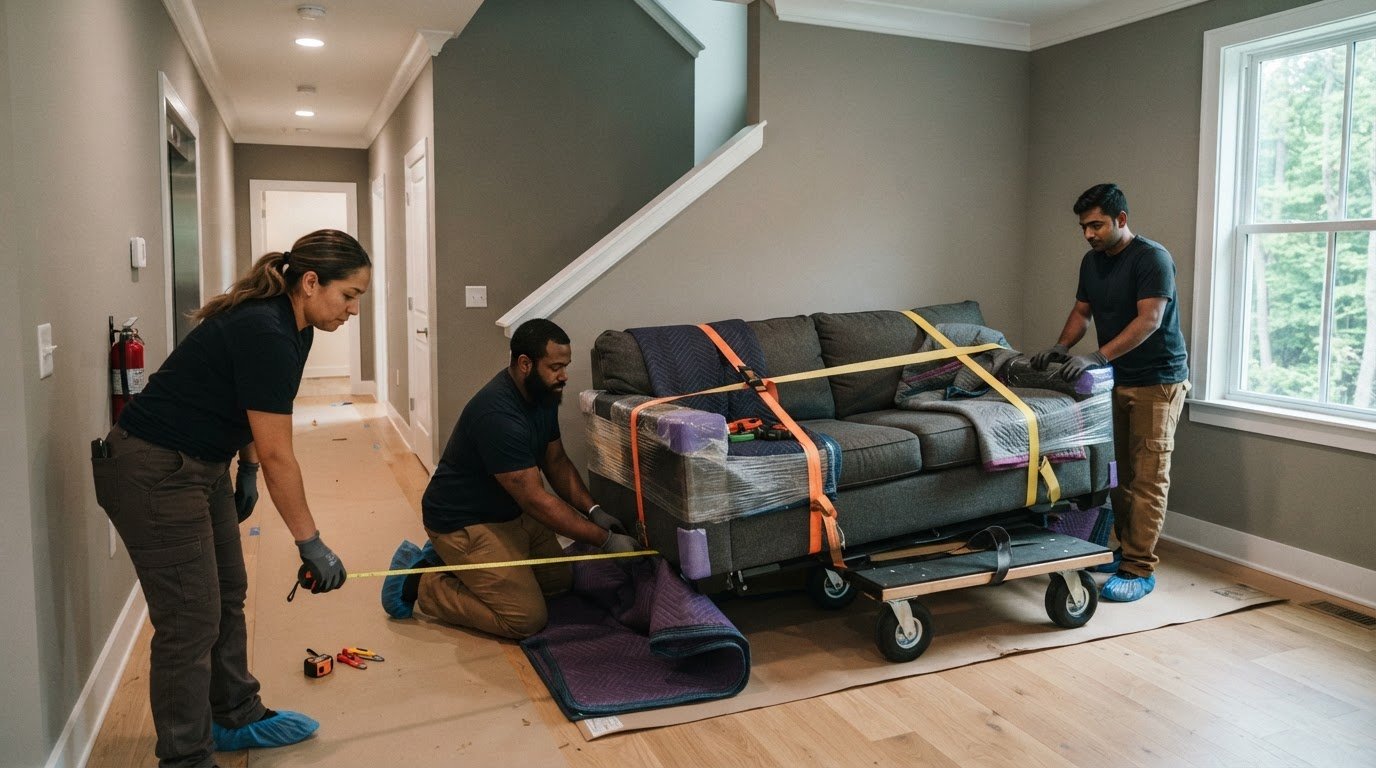
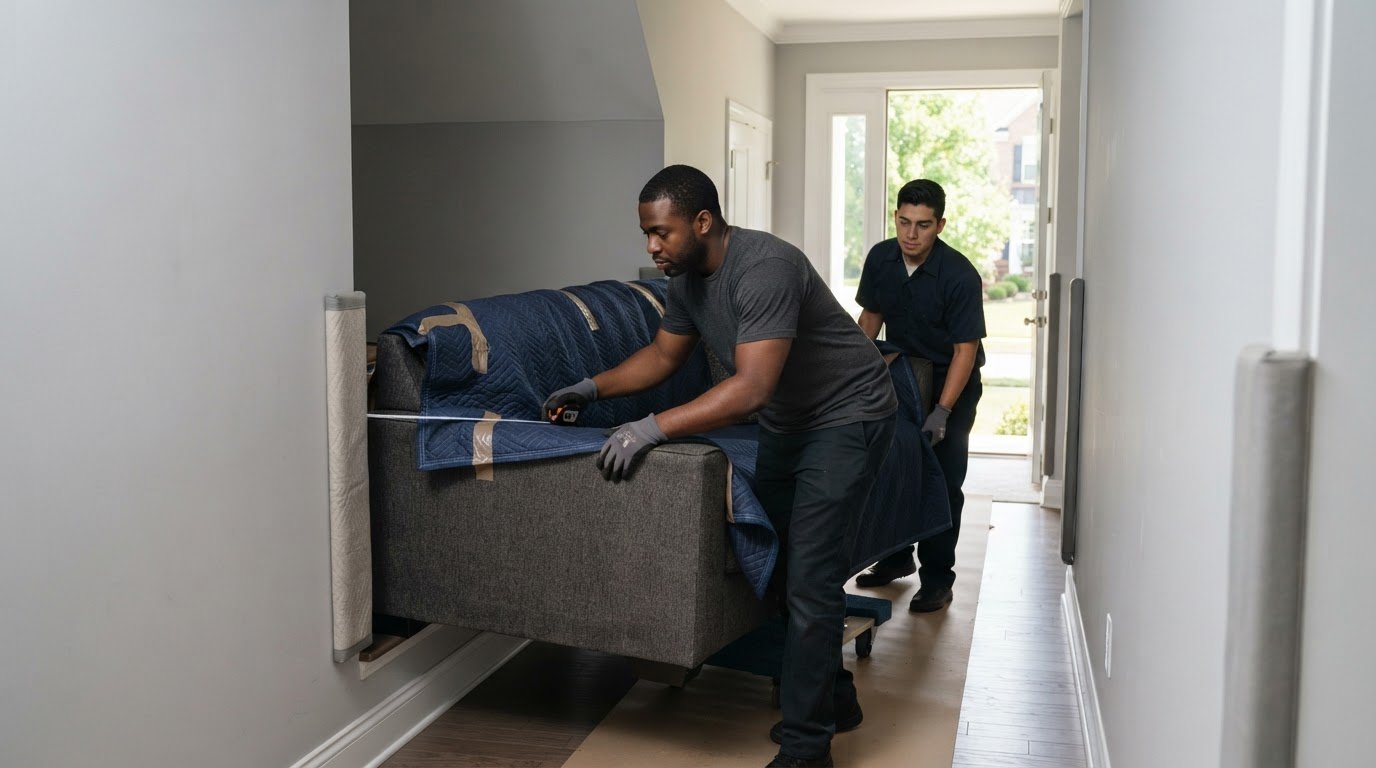
Before moving day, give the moving team clear access details. Note stairways, long carries, entrance restrictions, and the dimensions of bulky items that may be difficult to maneuver. A sofa that needs a different route through the home, for example, is easier to plan for when access limits are shared ahead of time.
How can you reduce route and parking surprises?
Check the planned route and expected traffic conditions near departure time. I-66 and I-95 are useful examples of major corridors to review, but current conditions can change, so treat travel estimates as estimates rather than promises of exact timing. Confirm where the vehicle can park at both addresses and choose a backup loading option in case the preferred space isn’t available.
If traffic or access delays leave helpers waiting outside, keep the day’s heat plan in mind too. Ready.gov offers extreme heat safety tips for reducing risks during hot conditions. Planning the route, parking, and property access together helps keep summer moving challenges in Northern Virginia from becoming avoidable hold-ups.
A Northern Virginia Summer Moving Checklist for the Week Before and Moving Day
Use this timeline to turn summer moving challenges in Northern Virginia into manageable tasks. A few checks in advance can help prevent a missed reservation, a blocked walkway, or essentials getting packed out of reach.
What belongs on the week-before summer moving checklist?
- Confirm the move: Recheck the date and moving window. Review building procedures, elevator reservations, loading arrangements, and any required advance notice with property management.
- Share access details: Tell your moving team about stairs, narrow halls, long carries, heavy items, and other access limits. Include dimensions for bulky furniture if they may affect how it gets out of the home.
- Gather supplies: Set aside drinking water, weather-appropriate clothing, rain covers, and clear box labels. Keep supplies easy to reach instead of burying them in packed cartons.
- Pack household essentials separately: Prepare a bag for important documents, medications, chargers, and items you’ll need right away. Keep heat-sensitive belongings separate so you can monitor them and avoid leaving them in a hot vehicle.
The day before: Check the latest forecast and planned route, then note a backup loading option in case your preferred parking space is unavailable. Finish labeling boxes and set aside items that should travel with the household. Confirm that building access arrangements are still in place.
What should you do on moving day?
Before loading starts, check current weather and route conditions again. Adjust the plan to match what’s happening, and keep water, covers, and essential items accessible. Clear walkways, stairs, and doorways so people carrying furniture aren’t forced around loose boxes or household clutter.
Keep children and pets away from active lifting areas, and give household members a clear place to stay while items move through the home. Load essential and weather-sensitive belongings where you can keep track of them. If a sudden change in conditions affects outdoor work, pause and follow current official safety guidance.
Do one final walk-through of each room, closet, and storage area before leaving. Check that essentials haven’t been mixed into the load, pathways are clear, and the receiving address is ready for unloading. A steady routine helps everyone focus on the next task instead of searching for supplies or important items.
If heavy lifting or tight access is part of your plan, explore local moving help for support with your household move.
When Northern Virginia Movers Can Help With Summer Moving Challenges
Summer moving days can be demanding even when the route is short. Heat, stairs, bulky furniture, and tight access can pile up quickly. Experienced help can ease the physical work and keep the moving plan manageable, whether you need support with a few difficult items or a full residential move.
Heavy Furniture Moving provides residential moving support in Northern Virginia, including heavy-item handling, packing and unpacking, and sofa hoisting. Explore reliable movers in Fairfax and Northern VA for local moving support tailored to the work involved.
Which summer moving tasks may benefit from experienced help?
Pianos, safes, and exercise equipment need careful handling and advance planning. Stairs, narrow halls, and limited parking can make carrying these heavy items more complicated, especially during a hot day. Share the item dimensions, route through the home, stairs, and truck access details when planning your move. That gives the work plan a clearer starting point.
A sofa that can’t pass through a standard doorway or other access point may need a different way out. Sofa hoisting can help address that specific challenge. Clear information about the furniture and the home’s access points helps determine the right approach. For other household needs, packing and unpacking support can reduce the amount of work you’re managing around move day.
Professional help can also make sense if repeated lifting feels like too much or if coordinating the household move alongside access and weather planning is becoming difficult. The right level of support depends on what needs to move and the conditions at both homes.
How to take the next step without adding pressure
Start with three things: confirm property access, prepare for the forecast, and identify the items that will need careful lifting or a specific route. Write down stairs, narrow passages, bulky-item dimensions, and any loading limits. A clear picture of the challenges is a useful starting point for planning support.
Summer moving challenges in Northern Virginia can feel like a lot to juggle, but a practical plan and the right hands-on support can take pressure off the day. Share what you’re moving and the access details to discuss the help that fits your needs. Contact Heavy Furniture Moving to talk through your move.
Make Your Summer Move Easier With a Clear Plan
Summer moving challenges in Northern Virginia are easier to manage when you plan for weather, travel, and access as one job. Check the forecast and route, confirm parking and property rules, and keep essentials and sensitive belongings close at hand. A simple checklist helps you stay focused when moving day gets busy.
For heavy or awkward items, experienced help can ease the physical load. Heavy Furniture Moving provides residential moving support, including specialized handling for pianos, safes, and exercise equipment, plus sofa hoisting for suitable access challenges. The veteran-family-owned-and-operated team is ready to discuss the details of your move.
Contact Heavy Furniture Moving to discuss your summer move, including your access needs and the items that need careful handling. With preparation and the right support, you can approach moving day with more confidence and settle into your next home ready for summer.
Frequently Asked Questions
Why is summer moving difficult in Northern Virginia?
Summer moves can combine humid heat, sudden thunderstorms, busy roads, and higher demand for preferred moving dates. These summer moving challenges in Northern Virginia can make lifting more tiring and disrupt timing, even on a short local route. Parking restrictions, stairs, elevator reservations, and long carries add another layer of planning. Conditions differ by neighborhood and property, so check the weather, route, and access arrangements for both addresses.
How can I stay safe while moving in hot weather?
Reduce strain by planning the heaviest outdoor work for cooler available periods when practical. Set out drinking water, wear lightweight clothing, and schedule breaks for everyone helping. Keep these essentials close, not packed in the truck. Watch current National Weather Service alerts and follow official heat-safety guidance. If conditions become hazardous, pause outdoor work and follow current instructions rather than pushing through the heat.
When should I book movers for a summer move in Northern Virginia?
Start planning as soon as you know your move date, since summer is a busy moving season and preferred dates may be harder to secure. Timing depends on your move and current demand, so don’t assume a particular lead time. Heavy Furniture Moving provides residential moving support in Fairfax, Woodbridge, Manassas, Manassas Park, Aldie, Ashburn, McLean, Vienna, Reston, Centreville, Chantilly, Clifton, Dumfries, South Riding, Fairfax Station, Haymarket, and Gainesville.
What should I do if thunderstorms are forecast on moving day?
Check the National Weather Service forecast and alerts before work begins, then monitor conditions as the day unfolds. Keep suitable covers ready for furniture and boxes exposed during loading or unloading. If storms make outdoor work hazardous, pause and follow official guidance. Keep electronics, documents, medications, and other essentials accessible and protected rather than buried in the load. Build flexibility into the plan instead of assuming the forecast will stay unchanged.
How can I plan around Northern Virginia traffic on moving day?
Review your route and expected traffic conditions close to departure, especially if your trip uses major corridors such as I-66, I-95, or I-495. Conditions can change, so treat travel estimates as estimates, not promises. Confirm where the moving vehicle can load and unload, and identify a backup parking option. Share route or access constraints with your moving team so the plan accounts for more than drive time alone.
What should I confirm with my apartment or HOA before a summer move?
Ask property management about move windows, elevator reservations, loading areas, stairs, parking rules, and any advance notice or reservation steps. Find out where a moving vehicle can stop without blocking entrances or access for others. Check the rules at both addresses, since they may differ. Share narrow hallways, staircases, long carries, and bulky-item dimensions with your moving team ahead of moving day.
How do I protect furniture and electronics from summer heat during a move?
Use suitable covers to shield furniture and boxes from brief rain while loading or unloading, and keep sensitive items out of direct sun. Don’t leave electronics, important documents, or medications in a hot vehicle. Pack these essentials separately so they remain easy to monitor and retrieve. Check the forecast before the move, and adjust how you protect exposed belongings if conditions change.
Frequently Asked Questions
Separate weather preparation from timing and access planning. Heat and humidity can make repeated lifting more demanding, while thunderstorms may change outdoor working conditions. Virginia's climate is generally humid subtropical, and summer weather can include severe storms. Check the forecast as moving day approaches and keep a practical backup plan. Scheduling and property challenges need their own attention. Peak-season demand can affect date choices, while traffic, parking, and building rules can affect the work plan even when the weather is clear. Heat, thunderstorms, seasonal demand, traffic, and property access are the five risks to plan around before a Northern Virginia summer move. Summer weather can turn routine loading into harder physical work. Heat and humidity may increase fatigue during repeated carrying, lifting, and trips between the house and truck. A storm can bring a different problem: rain may interrupt loading or put exposed boxes and furniture at risk. Build flexibility into the work plan instead of assuming the weather will hold steady.
When practical, schedule the most strenuous outdoor tasks for cooler periods of the day. Set aside drinking water, lightweight clothing, and planned breaks for everyone helping. Keep these essentials within reach in the home, not buried in a carton or packed into the moving vehicle. If conditions become hazardous, pause outdoor work and follow current official safety guidance. Ready.gov’s extreme heat safety guidelines offer practical steps for preparing for and responding to extreme heat. Check National Weather Service forecasts for heat advisories, thunderstorms, and changing conditions as moving day approaches. Because the forecast can shift, review it again before work begins. Follow current alerts and guidance rather than relying on a fixed temperature rule or trying to push through unsafe conditions.
Keep suitable covers handy for brief rain during loading and unloading. Store them where helpers can reach them quickly, and use them to shield belongings without blocking safe handling. Keep electronics, important documents, and other sensitive items out of direct sun. Don’t leave them in a hot vehicle while the rest of the load is being moved. A forecast check belongs on every summer move checklist because changing heat or rain can affect both safe work and how you protect belongings. If heavy household items add strain to a hot moving day, experienced heavy-item moving help can take some of the lifting pressure off your household. A smooth move depends on more than choosing a route. The truck needs a workable place to stop, and people need a clear path from the home to the vehicle. Stairs, long carries, elevator reservations, or a narrow street can change the loading plan and add time, especially when summer weather makes outdoor work less comfortable. Use this quick comparison to spot access issues early:
Contact property management directly about elevator bookings, loading areas, permitted move windows, stairs, and any required advance notice. Find out where a moving vehicle can load safely without blocking driveways, entrances, or neighbors. For a home on a narrow street, decide where the truck can stop and identify another loading spot in case the first one is occupied. Before moving day, give the moving team clear access details. Note stairways, long carries, entrance restrictions, and the dimensions of bulky items that may be difficult to maneuver. A sofa that needs a different route through the home, for example, is easier to plan for when access limits are shared ahead of time.
Check the planned route and expected traffic conditions near departure time. I-66 and I-95 are useful examples of major corridors to review, but current conditions can change, so treat travel estimates as estimates rather than promises of exact timing. Confirm where the vehicle can park at both addresses and choose a backup loading option in case the preferred space isn’t available. If traffic or access delays leave helpers waiting outside, keep the day’s heat plan in mind too. Ready.gov offers extreme heat safety tips for reducing risks during hot conditions. Planning the route, parking, and property access together helps keep summer moving challenges in Northern Virginia from becoming avoidable hold-ups. Use this timeline to turn summer moving challenges in Northern Virginia into manageable tasks. A few checks in advance can help prevent a missed reservation, a blocked walkway, or essentials getting packed out of reach.
The day before: Check the latest forecast and planned route, then note a backup loading option in case your preferred parking space is unavailable. Finish labeling boxes and set aside items that should travel with the household. Confirm that building access arrangements are still in place.
Before loading starts, check current weather and route conditions again. Adjust the plan to match what’s happening, and keep water, covers, and essential items accessible. Clear walkways, stairs, and doorways so people carrying furniture aren’t forced around loose boxes or household clutter. Keep children and pets away from active lifting areas, and give household members a clear place to stay while items move through the home. Load essential and weather-sensitive belongings where you can keep track of them. If a sudden change in conditions affects outdoor work, pause and follow current official safety guidance. Do one final walk-through of each room, closet, and storage area before leaving. Check that essentials haven’t been mixed into the load, pathways are clear, and the receiving address is ready for unloading. A steady routine helps everyone focus on the next task instead of searching for supplies or important items. If heavy lifting or tight access is part of your plan, explore local moving help for support with your household move. Summer moving days can be demanding even when the route is short. Heat, stairs, bulky furniture, and tight access can pile up quickly. Experienced help can ease the physical work and keep the moving plan manageable, whether you need support with a few difficult items or a full residential move. Heavy Furniture Moving provides residential moving support in Northern Virginia, including heavy-item handling, packing and unpacking, and sofa hoisting. Explore reliable movers in Fairfax and Northern VA for local moving support tailored to the work involved.
Pianos, safes, and exercise equipment need careful handling and advance planning. Stairs, narrow halls, and limited parking can make carrying these heavy items more complicated, especially during a hot day. Share the item dimensions, route through the home, stairs, and truck access details when planning your move. That gives the work plan a clearer starting point. A sofa that can’t pass through a standard doorway or other access point may need a different way out. Sofa hoisting can help address that specific challenge. Clear information about the furniture and the home’s access points helps determine the right approach. For other household needs, packing and unpacking support can reduce the amount of work you’re managing around move day. Professional help can also make sense if repeated lifting feels like too much or if coordinating the household move alongside access and weather planning is becoming difficult. The right level of support depends on what needs to move and the conditions at both homes.
Summer moves can combine humid heat, sudden thunderstorms, busy roads, and higher demand for preferred moving dates. These summer moving challenges in Northern Virginia can make lifting more tiring and disrupt timing, even on a short local route. Parking restrictions, stairs, elevator reservations, and long carries add another layer of planning. Conditions differ by neighborhood and property, so check the weather, route, and access arrangements for both addresses.
Reduce strain by planning the heaviest outdoor work for cooler available periods when practical. Set out drinking water, wear lightweight clothing, and schedule breaks for everyone helping. Keep these essentials close, not packed in the truck. Watch current National Weather Service alerts and follow official heat-safety guidance. If conditions become hazardous, pause outdoor work and follow current instructions rather than pushing through the heat.
Start planning as soon as you know your move date, since summer is a busy moving season and preferred dates may be harder to secure. Timing depends on your move and current demand, so don’t assume a particular lead time. Heavy Furniture Moving provides residential moving support in Fairfax, Woodbridge, Manassas, Manassas Park, Aldie, Ashburn, McLean, Vienna, Reston, Centreville, Chantilly, Clifton, Dumfries, South Riding, Fairfax Station, Haymarket, and Gainesville.
Check the National Weather Service forecast and alerts before work begins, then monitor conditions as the day unfolds. Keep suitable covers ready for furniture and boxes exposed during loading or unloading. If storms make outdoor work hazardous, pause and follow official guidance. Keep electronics, documents, medications, and other essentials accessible and protected rather than buried in the load. Build flexibility into the plan instead of assuming the forecast will stay unchanged.
Review your route and expected traffic conditions close to departure, especially if your trip uses major corridors such as I-66, I-95, or I-495. Conditions can change, so treat travel estimates as estimates, not promises. Confirm where the moving vehicle can load and unload, and identify a backup parking option. Share route or access constraints with your moving team so the plan accounts for more than drive time alone.
Ask property management about move windows, elevator reservations, loading areas, stairs, parking rules, and any advance notice or reservation steps. Find out where a moving vehicle can stop without blocking entrances or access for others. Check the rules at both addresses, since they may differ. Share narrow hallways, staircases, long carries, and bulky-item dimensions with your moving team ahead of moving day.
Use suitable covers to shield furniture and boxes from brief rain while loading or unloading, and keep sensitive items out of direct sun. Don’t leave electronics, important documents, or medications in a hot vehicle. Pack these essentials separately so they remain easy to monitor and retrieve. Check the forecast before the move, and adjust how you protect exposed belongings if conditions change.