Summer Moving Challenges in Northern Virginia: Your 2026 Checklist
A summer move in Northern Virginia can lose time before the first box is loaded. Heat and humidity make lifting more demanding, traffic can slow the truck, and limited parking or building rules can complicate access. These summer moving challenges in Northern Virginia are easier to handle when you plan for them together, not one at a time.
If you’re concerned about working in the heat, finding a suitable move date, or getting belongings through a narrow entrance, plan for those issues early. Summer is a busy season for moving, and local traffic and property rules can add pressure to an already demanding day.
This practical 2026 checklist covers hot conditions, sudden weather changes, route planning, property access, and ways to protect people and belongings. Use it to prepare your date, check both addresses, pace the work, and decide whether you need help with heavy or bulky items. Start early, confirm the details, and leave room to adjust the plan.
Key Takeaways
- Plan for summer moving challenges in Northern Virginia, including heat, storms, traffic, seasonal demand, and property access rules.
- Schedule strenuous lifting for cooler available periods when practical, and prepare for heat, humidity, and changing weather.
- Check parking, loading areas, elevator reservations, stairs, and long carries at both homes before moving day.
- Use a week-before, day-before, and moving-day checklist to confirm your date, route, forecast, supplies, and household essentials.
- Consider experienced help with heavy items, tight access, packing, or sofa hoisting when those tasks add strain.
Summer Moving Challenges in Northern Virginia: What Can Disrupt Moving Day?
A nearby move can still be a tough day’s work. Heat and humidity can make lifting tiring, traffic can delay the drive, and limited parking or building rules can complicate loading and unloading. The summer moving challenges in Northern Virginia depend on more than the distance between homes. Your route, neighborhood, housing type, and move date all affect the plan.
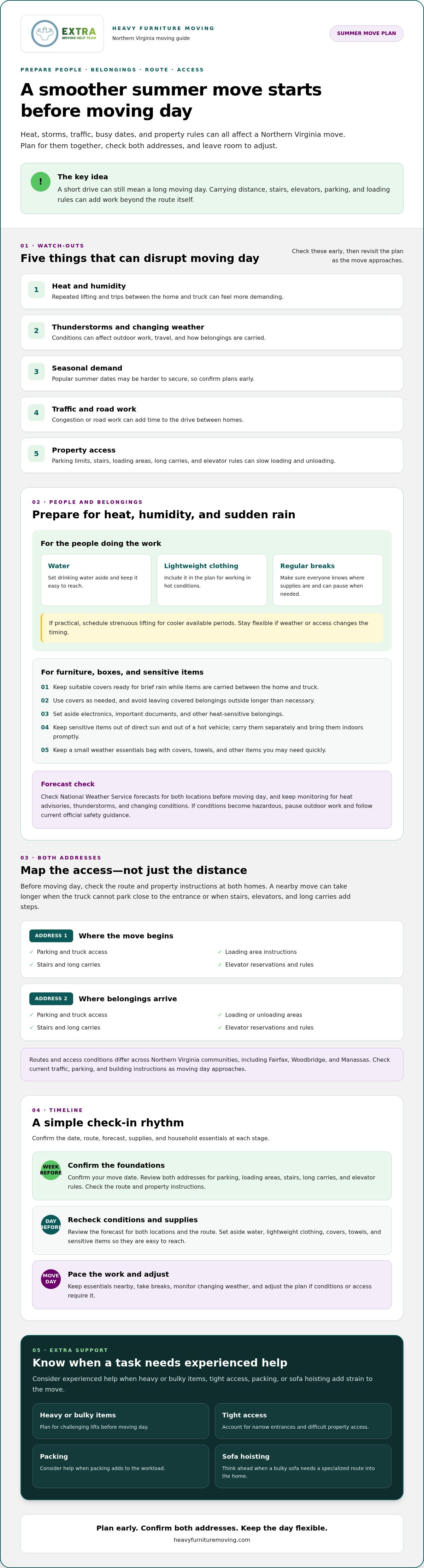
Start by checking these five potential trouble spots:
- Heat and humidity: Repeated lifting and trips between the home and truck can feel more demanding.
- Thunderstorms: Changing weather can affect outdoor work and travel.
- Seasonal demand: Popular summer dates may be harder to secure, so confirm your plans early.
- Traffic: Congestion or road work can add time to the route.
- Property access: Parking limits, stairs, loading areas, and elevator rules can slow the work.
Virginia has a humid subtropical climate, and storms are among the weather conditions to consider, as described in the Climate of Virginia. This guide focuses on household moving logistics: preparing people, belongings, routes, and property access. It doesn’t cover relocation paperwork or school enrollment.
Why a short Northern Virginia move can still take longer than expected
Distance tells only part of the story. Moving time also includes carrying belongings out of one home, getting them to the truck, driving the route, and bringing them into the next home. A short trip can take longer if the truck can’t park close to the entrance, or if stairs, elevators, and long carries add steps.
Fairfax, Woodbridge, and Manassas are all Northern Virginia communities, but their routes and property access conditions aren’t identical. Check the route and both addresses for current traffic, parking, and building instructions as moving day approaches.
Which summer moving problems deserve early attention?
Separate weather risks from scheduling and access issues. Heat, humidity, and thunderstorms can affect the people doing the physical work and the conditions for loading. Seasonal demand, road delays, and property rules call for early checks and clear coordination.
Heat, storms, seasonal demand, traffic, and property access are the five summer risks to plan around before moving day. If practical, schedule strenuous tasks for cooler available periods. Keep the plan flexible, and check the forecast and access details again as the move approaches.
Northern Virginia Summer Heat and Storms: Protect People and Belongings
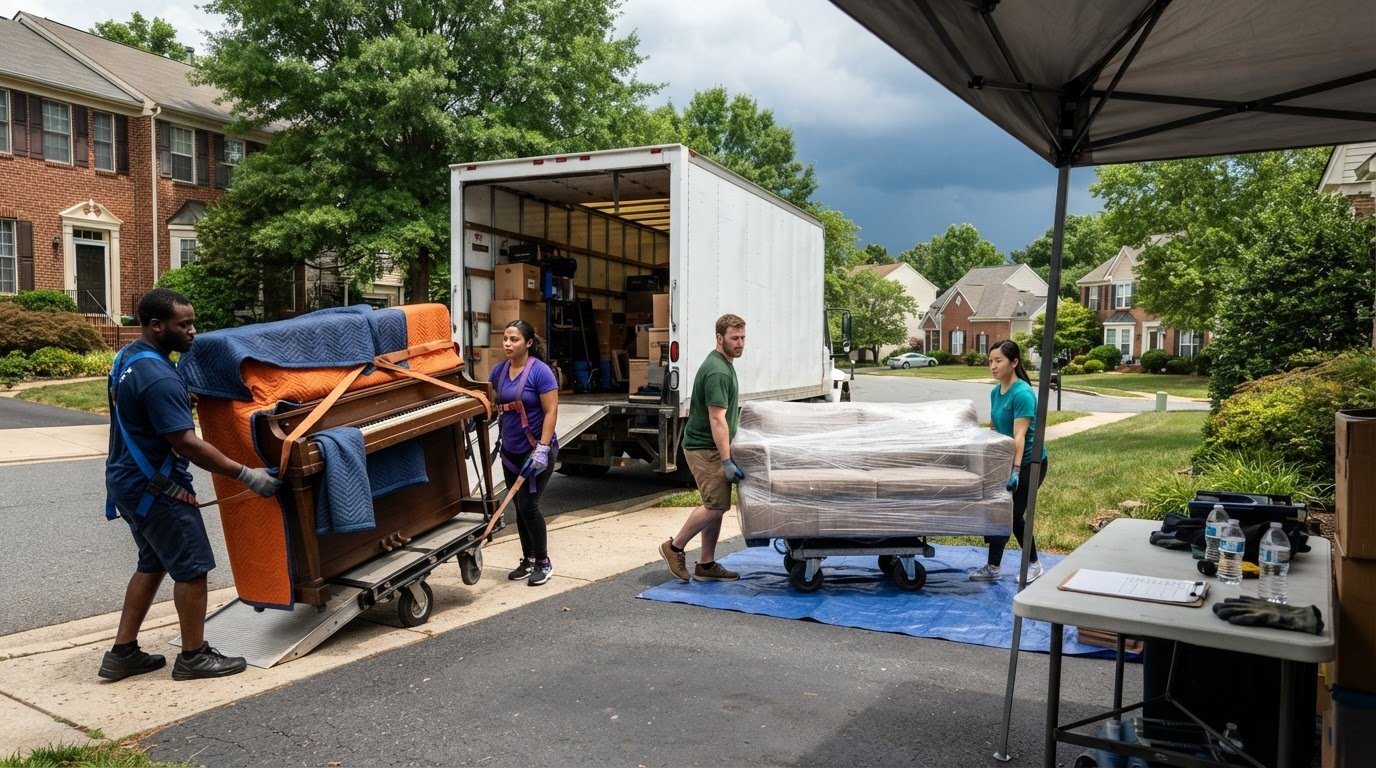
Heat and humidity can make repeated trips between the house and truck draining. Fatigue may build as you lift, carry, and load, so plan around the people doing the work, not just the number of boxes. If practical, schedule the most strenuous tasks for cooler available periods, while staying flexible if weather or access changes the timing.
How should you prepare for heat during a summer move?
Set aside drinking water, lightweight clothing, and a plan for regular breaks. Keep these essentials within easy reach, not buried in boxes or packed into the moving vehicle. Make sure everyone helping knows where supplies are and can pause when needed.
Check National Weather Service forecasts for both locations before moving day, and keep monitoring them for heat advisories, thunderstorms, and changing conditions. If conditions become hazardous, pause outdoor work and follow current official safety guidance. Ready.gov’s Extreme Heat Safety resource offers practical steps for preparing for and responding to extreme heat. Don’t rely on a fixed schedule if the forecast calls for a change of plan.
How can you reduce weather risks to furniture and boxes?
Keep suitable covers ready to protect furniture and boxes from brief rain while items are carried between the home and truck. Use covers as needed, and avoid leaving covered belongings outside longer than necessary. Before loading, set aside items that need extra care, such as electronics, important documents, and other heat-sensitive belongings.
Keep sensitive items out of direct sun, and don’t leave them in a hot vehicle. Pack them separately so you can carry them with you and bring them indoors promptly. A small weather essentials bag can hold covers, towels, and other items you may need quickly if conditions shift.
Include a forecast check on every summer move checklist because changing heat or storms can affect both the people doing the work and belongings in transit. Check the National Weather Service forecast again close to moving day, then adjust the timing or pause outdoor tasks when official guidance calls for caution.
Heavy furniture adds effort to an already demanding day. If bulky items or repeated heavy lifting are part of your plan, you can review heavy lifting moving help as one option for that part of the move.
Summer Moving in Northern Virginia: Plan Around Traffic, Parking, and Access
A workable route is only part of the plan. The truck also needs a safe place to load, and the path from each home to the vehicle must suit the items being moved. These details can shape the pace of a summer move as much as traffic. Check both addresses before moving day, especially if a building has set procedures or the street offers limited parking.
| Property type | Possible access issue | Preparation step |
|---|---|---|
| Single-family home | Driveway space may be limited or shared. | Confirm where the vehicle can load without blocking access. |
| Apartment or condo | Elevator reservations, loading areas, or move windows may apply. | Ask property management about procedures and advance notice. |
| Townhouse | Stairs, narrow entries, or a longer carry to the truck can affect the plan. | Share access details and bulky-item dimensions with the moving team. |
| Narrow residential street | There may be little room for a moving vehicle to stop safely. | Identify an alternate loading location if the preferred space is unavailable. |
What should you confirm with your building or neighborhood?
Contact property management directly. Ask whether you need to reserve an elevator or loading area, follow a specific move window, use stairs, or give advance notice. Confirm where a moving vehicle can stop without blocking neighbors, entrances, or other access. If parking permission is needed, find out who handles it and what steps to take. Share details about stairs, narrow doorways, long carries, and bulky-item dimensions with your moving team ahead of time.
How can you reduce route and parking surprises?
Check the route near your planned departure time, including major corridors such as I-66 or I-95 when they’re part of the trip. Use 511 Virginia traffic information to review current conditions, then allow flexibility rather than counting on an exact travel time. Traffic can change, and the route that looks simplest may not be the best option at departure.
Make a backup loading plan, too. If the closest space is occupied or unavailable, know where the vehicle can safely stop and how that changes the carry. Confirming access in advance can prevent confusion at the curb. Planning for these practical details makes summer moving challenges in Northern Virginia easier to manage, even when the day doesn’t follow the original schedule.
A Northern Virginia Summer Moving Checklist for the Week Before and Moving Day
A short checklist keeps small tasks from piling up when the weather or access plan changes. Use this sequence to prepare for summer moving challenges in Northern Virginia, and keep the details somewhere everyone helping can find them.
The week before
- Confirm the moving date and window. Recheck the agreed timing and share any updates with everyone involved.
- Lock down access details. Confirm loading arrangements, parking permissions, elevator reservations, building move windows, and any advance notice with property management.
- Share the hard parts. Tell your moving team about stairs, narrow halls, long carries, heavy items, and other access limits before moving day.
- Gather supplies. Set aside drinking water, weather-appropriate covers, labels, and supplies you’ll need to keep accessible.
- Pack an essentials bag. Keep medications, important documents, chargers, and daily necessities with your household, not buried in a box or loaded into the moving vehicle.
- Separate heat-sensitive belongings. Set aside electronics and other items that shouldn’t sit in direct sun or a hot vehicle.
The day before
Check the forecast and planned route, then review access instructions for both addresses. Charge phones, finish labeling boxes clearly, and put the essentials bag where you can grab it quickly. Make sure water and weather supplies are ready. If a detail has changed, tell the people helping before work begins.
On moving day
Check current weather and route conditions again before loading starts. Adjust the plan to match conditions, and keep walkways clear of loose items, cords, and boxes so people can carry safely. Set aside a clear area away from active lifting for children and pets, and keep household members who aren’t helping out of the work path.
Keep essential and weather-sensitive belongings easy to monitor and out of direct sun. Carry documents and medications with you, and don’t leave sensitive items in a hot vehicle. If conditions change, pause and reassess rather than pushing ahead on the original schedule.
Heavy items, stairs, or tight access can make a summer moving day more demanding. If you’d like help with the lifting, explore local heavy lifting moving help.
When Northern Virginia Movers Can Help With Summer Moving Challenges
Extra help can make sense when a move includes heavy items, stairs, narrow access, or more lifting than your household can comfortably manage in warm weather. You might need help with a few demanding pieces or support with a residential move. Before choosing the type of help, identify the hardest tasks and describe them clearly when you ask about service.
Heavy Furniture Moving provides residential moving support in Northern Virginia, including help with heavy and bulky items, exercise equipment moving, and sofa hoisting. You can learn more about reliable movers in Fairfax and Northern VA and consider what support fits your move.
Which summer moving tasks may benefit from experienced help?
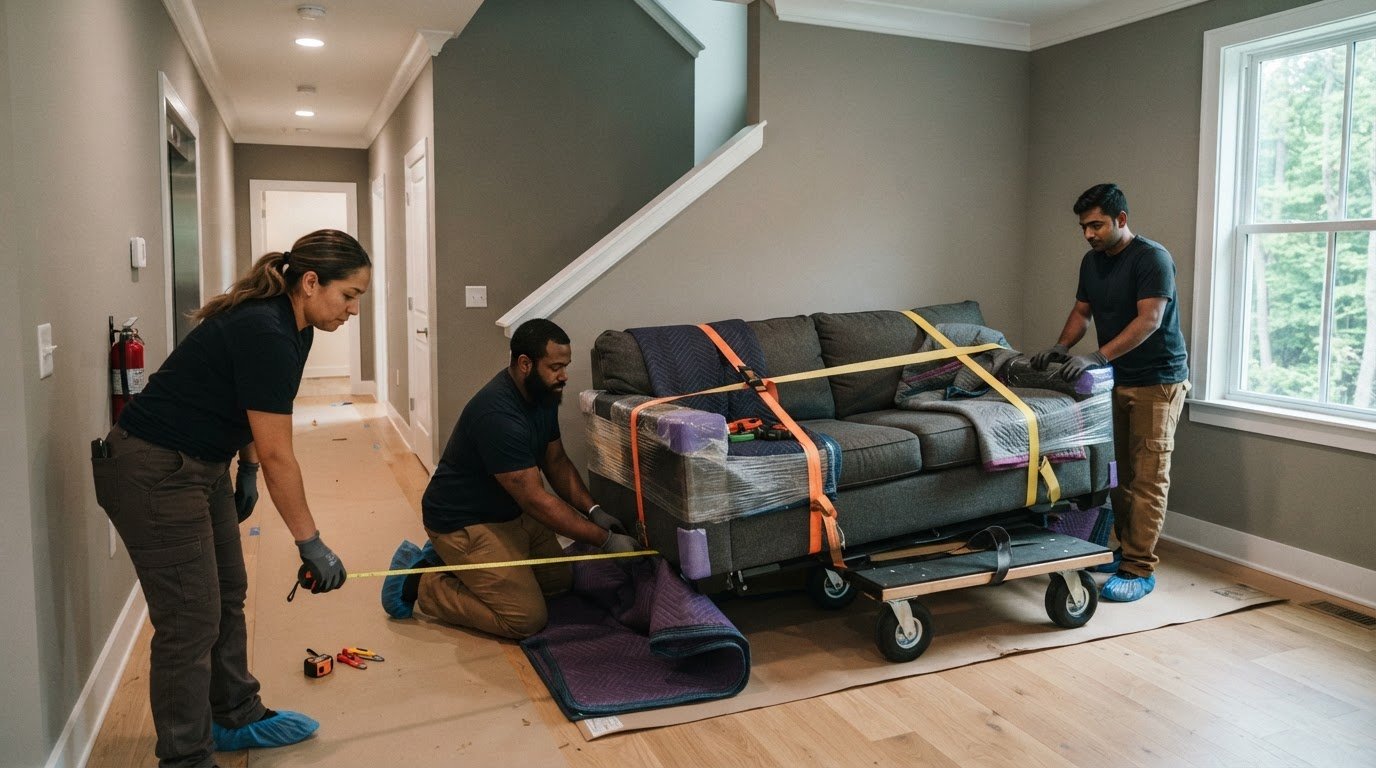
Pianos, safes, and exercise equipment need advance planning and careful handling. Before moving day, note where each item sits, the route it must take through the home, and any stairs or tight turns along the way. Measure bulky pieces and access points if you can. Sharing those details early helps clarify what the job involves.
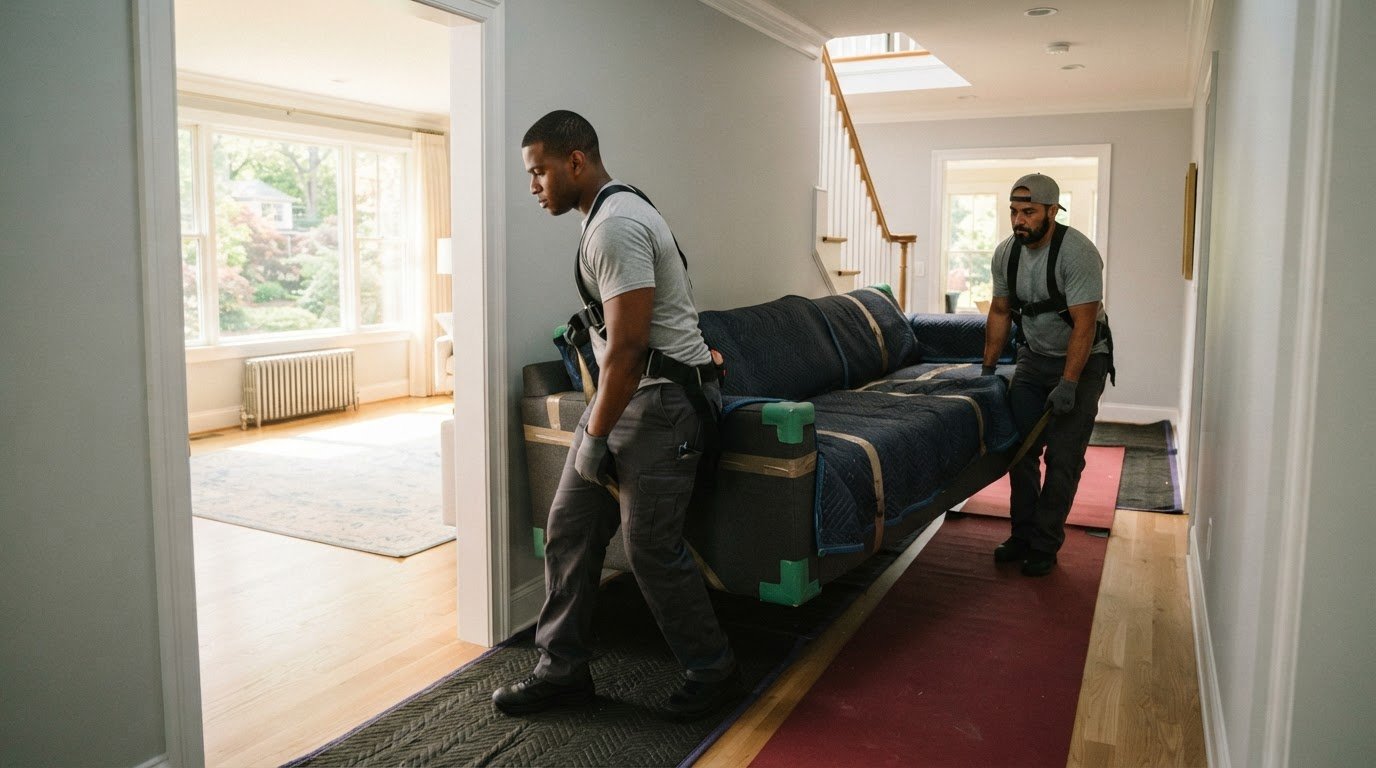
A sofa that won’t fit through a standard doorway or stairwell may need another approach. Sofa hoisting can be an option when furniture can’t pass through standard access points. Don’t wait until the item is stuck in a hallway to raise the issue. Explain the dimensions and access constraints when discussing your move.
Professional help may also be useful if you need support with packing or a full household move. Be specific about which tasks you want help with, and confirm that the provider handles those needs. Summer moving challenges in Northern Virginia can feel more manageable when the plan accounts for both the physical work and the property’s access limits.
How to take the next step without adding pressure
Start with three basics: confirm access at both homes, prepare for the forecast, and list the items or lifting tasks that may need support. Include stairs, narrow halls, parking limits, and bulky-item measurements in your notes. Clear information makes it easier to discuss the right scope of help without assuming every move needs the same plan.
If you’re considering help with heavy lifting or a sofa that won’t fit through a standard access point, Contact Heavy Furniture Moving to discuss your moving needs and ask about available support.
Make Your Summer Move Easier to Manage
A smoother move starts with a realistic plan. Confirm property access and parking, check the route and forecast, and keep water, essentials, and weather-sensitive belongings within reach. These practical steps help you prepare for the summer moving challenges in Northern Virginia without expecting every detail to go perfectly.
Some jobs call for extra hands, especially when heavy items, stairs, or tight access add strain. Heavy Furniture Moving provides residential moving support and specialized handling for pianos, safes, and exercise equipment. Sofa hoisting may also help with suitable access challenges. Share item details and property conditions when discussing your move so you can confirm what help fits.
Ready to talk through your plans? Contact Heavy Furniture Moving to discuss your summer move. With preparation and support for the toughest tasks, you can approach moving day with more confidence.
Frequently Asked Questions
Why is summer moving difficult in Northern Virginia?
Heat, humidity, thunderstorms, seasonal demand, traffic, and property access can all complicate a summer move. Repeated lifting may feel more tiring in hot weather, while a reserved elevator, limited parking, or a long carry can slow loading. Even a nearby move may take longer once you account for access at both homes and changing road conditions. Plan for the summer moving challenges in Northern Virginia by checking these details early.
How can I stay safe while moving in hot weather?
Keep drinking water, lightweight clothing, and planned breaks ready for everyone helping. Schedule strenuous tasks for cooler available periods when practical, and keep essentials easy to reach rather than packed away. Watch for current heat advisories and follow official safety guidance. If conditions become hazardous, pause outdoor work and reassess the plan. Don’t push through simply to stay on schedule; people’s well-being should come before the moving timeline.
When should I book movers for a summer move in Northern Virginia?
Start asking about scheduling as soon as you know your preferred moving date. Summer is a busy moving season, so popular dates may be harder to secure, but availability varies by provider and date. Confirm the moving window directly rather than assuming a specific lead time will work. If your date is flexible, ask whether other dates could suit your plans, then verify the booking details before coordinating building access and other arrangements.
What should I do if thunderstorms are forecast on moving day?
Check the National Weather Service forecast and alerts before work starts, then keep monitoring conditions as the day unfolds. Prepare suitable covers for belongings during loading and unloading, and protect electronics and important documents from rain and direct sun. If official guidance indicates hazardous conditions, pause outdoor work and adjust the plan. Let the people helping know about timing changes, and avoid assuming the storm will pass on a fixed schedule.
How can I plan around Northern Virginia traffic on moving day?
Review your route and expected traffic conditions close to departure, including major roads such as I-66 or I-95 if they’re part of your trip. Check VDOT’s current traffic information and allow flexibility rather than relying on an exact travel time. Conditions can change. Whether you’re moving between Fairfax, Woodbridge, Manassas, Manassas Park, Aldie, Ashburn, McLean, Vienna, Reston, Centreville, Chantilly, Clifton, Dumfries, South Riding, Fairfax Station, Haymarket, or Gainesville, check the route that fits your addresses.
What should I confirm with my apartment or HOA before a summer move?
Ask property management about elevator bookings, loading areas, move windows, stairs, parking permissions, and required advance notice. Confirm where a moving vehicle can stop safely without blocking access, and find out what to do if your preferred loading space is unavailable. Share the building’s access rules with everyone helping. If you have bulky furniture, also provide its dimensions and flag narrow halls, tight turns, or other limits before moving day.
How do I protect furniture and electronics from summer heat during a move?
Keep electronics, important documents, and other heat-sensitive belongings out of direct sun, and don’t leave them in a hot vehicle. Carry essential or delicate items with you when practical. Use suitable covers to shield furniture and boxes from brief rain during loading and unloading. For wood furniture, avoid wrapping it in plastic, which can trap moisture; use moving blankets or paper padding instead. Clean and dry appliances before moving them.
Frequently Asked Questions
Separate weather risks from scheduling and access issues. Heat, humidity, and thunderstorms can affect the people doing the physical work and the conditions for loading. Seasonal demand, road delays, and property rules call for early checks and clear coordination. Heat, storms, seasonal demand, traffic, and property access are the five summer risks to plan around before moving day. If practical, schedule strenuous tasks for cooler available periods. Keep the plan flexible, and check the forecast and access details again as the move approaches. Heat and humidity can make repeated trips between the house and truck draining. Fatigue may build as you lift, carry, and load, so plan around the people doing the work, not just the number of boxes. If practical, schedule the most strenuous tasks for cooler available periods, while staying flexible if weather or access changes the timing.
Set aside drinking water, lightweight clothing, and a plan for regular breaks. Keep these essentials within easy reach, not buried in boxes or packed into the moving vehicle. Make sure everyone helping knows where supplies are and can pause when needed. Check National Weather Service forecasts for both locations before moving day, and keep monitoring them for heat advisories, thunderstorms, and changing conditions. If conditions become hazardous, pause outdoor work and follow current official safety guidance. Ready.gov’s Extreme Heat Safety resource offers practical steps for preparing for and responding to extreme heat. Don’t rely on a fixed schedule if the forecast calls for a change of plan.
Keep suitable covers ready to protect furniture and boxes from brief rain while items are carried between the home and truck. Use covers as needed, and avoid leaving covered belongings outside longer than necessary. Before loading, set aside items that need extra care, such as electronics, important documents, and other heat-sensitive belongings. Keep sensitive items out of direct sun, and don’t leave them in a hot vehicle. Pack them separately so you can carry them with you and bring them indoors promptly. A small weather essentials bag can hold covers, towels, and other items you may need quickly if conditions shift. Include a forecast check on every summer move checklist because changing heat or storms can affect both the people doing the work and belongings in transit. Check the National Weather Service forecast again close to moving day, then adjust the timing or pause outdoor tasks when official guidance calls for caution. Heavy furniture adds effort to an already demanding day. If bulky items or repeated heavy lifting are part of your plan, you can review heavy lifting moving help as one option for that part of the move. A workable route is only part of the plan. The truck also needs a safe place to load, and the path from each home to the vehicle must suit the items being moved. These details can shape the pace of a summer move as much as traffic. Check both addresses before moving day, especially if a building has set procedures or the street offers limited parking.
Contact property management directly. Ask whether you need to reserve an elevator or loading area, follow a specific move window, use stairs, or give advance notice. Confirm where a moving vehicle can stop without blocking neighbors, entrances, or other access. If parking permission is needed, find out who handles it and what steps to take. Share details about stairs, narrow doorways, long carries, and bulky-item dimensions with your moving team ahead of time.
Check the route near your planned departure time, including major corridors such as I-66 or I-95 when they’re part of the trip. Use 511 Virginia traffic information to review current conditions, then allow flexibility rather than counting on an exact travel time. Traffic can change, and the route that looks simplest may not be the best option at departure. Make a backup loading plan, too. If the closest space is occupied or unavailable, know where the vehicle can safely stop and how that changes the carry. Confirming access in advance can prevent confusion at the curb. Planning for these practical details makes summer moving challenges in Northern Virginia easier to manage, even when the day doesn’t follow the original schedule. A short checklist keeps small tasks from piling up when the weather or access plan changes. Use this sequence to prepare for summer moving challenges in Northern Virginia, and keep the details somewhere everyone helping can find them.
Pianos, safes, and exercise equipment need advance planning and careful handling. Before moving day, note where each item sits, the route it must take through the home, and any stairs or tight turns along the way. Measure bulky pieces and access points if you can. Sharing those details early helps clarify what the job involves. A sofa that won’t fit through a standard doorway or stairwell may need another approach. Sofa hoisting can be an option when furniture can’t pass through standard access points. Don’t wait until the item is stuck in a hallway to raise the issue. Explain the dimensions and access constraints when discussing your move. Professional help may also be useful if you need support with packing or a full household move. Be specific about which tasks you want help with, and confirm that the provider handles those needs. Summer moving challenges in Northern Virginia can feel more manageable when the plan accounts for both the physical work and the property’s access limits.
Heat, humidity, thunderstorms, seasonal demand, traffic, and property access can all complicate a summer move. Repeated lifting may feel more tiring in hot weather, while a reserved elevator, limited parking, or a long carry can slow loading. Even a nearby move may take longer once you account for access at both homes and changing road conditions. Plan for the summer moving challenges in Northern Virginia by checking these details early.
Keep drinking water, lightweight clothing, and planned breaks ready for everyone helping. Schedule strenuous tasks for cooler available periods when practical, and keep essentials easy to reach rather than packed away. Watch for current heat advisories and follow official safety guidance. If conditions become hazardous, pause outdoor work and reassess the plan. Don’t push through simply to stay on schedule; people’s well-being should come before the moving timeline.
Start asking about scheduling as soon as you know your preferred moving date. Summer is a busy moving season, so popular dates may be harder to secure, but availability varies by provider and date. Confirm the moving window directly rather than assuming a specific lead time will work. If your date is flexible, ask whether other dates could suit your plans, then verify the booking details before coordinating building access and other arrangements.
Check the National Weather Service forecast and alerts before work starts, then keep monitoring conditions as the day unfolds. Prepare suitable covers for belongings during loading and unloading, and protect electronics and important documents from rain and direct sun. If official guidance indicates hazardous conditions, pause outdoor work and adjust the plan. Let the people helping know about timing changes, and avoid assuming the storm will pass on a fixed schedule.
Review your route and expected traffic conditions close to departure, including major roads such as I-66 or I-95 if they’re part of your trip. Check VDOT’s current traffic information and allow flexibility rather than relying on an exact travel time. Conditions can change. Whether you’re moving between Fairfax, Woodbridge, Manassas, Manassas Park, Aldie, Ashburn, McLean, Vienna, Reston, Centreville, Chantilly, Clifton, Dumfries, South Riding, Fairfax Station, Haymarket, or Gainesville, check the route that fits your addresses.
Ask property management about elevator bookings, loading areas, move windows, stairs, parking permissions, and required advance notice. Confirm where a moving vehicle can stop safely without blocking access, and find out what to do if your preferred loading space is unavailable. Share the building’s access rules with everyone helping. If you have bulky furniture, also provide its dimensions and flag narrow halls, tight turns, or other limits before moving day.
Keep electronics, important documents, and other heat-sensitive belongings out of direct sun, and don’t leave them in a hot vehicle. Carry essential or delicate items with you when practical. Use suitable covers to shield furniture and boxes from brief rain during loading and unloading. For wood furniture, avoid wrapping it in plastic, which can trap moisture; use moving blankets or paper padding instead. Clean and dry appliances before moving them.