Residential Safe Movers in Clifton for Stair Climbing
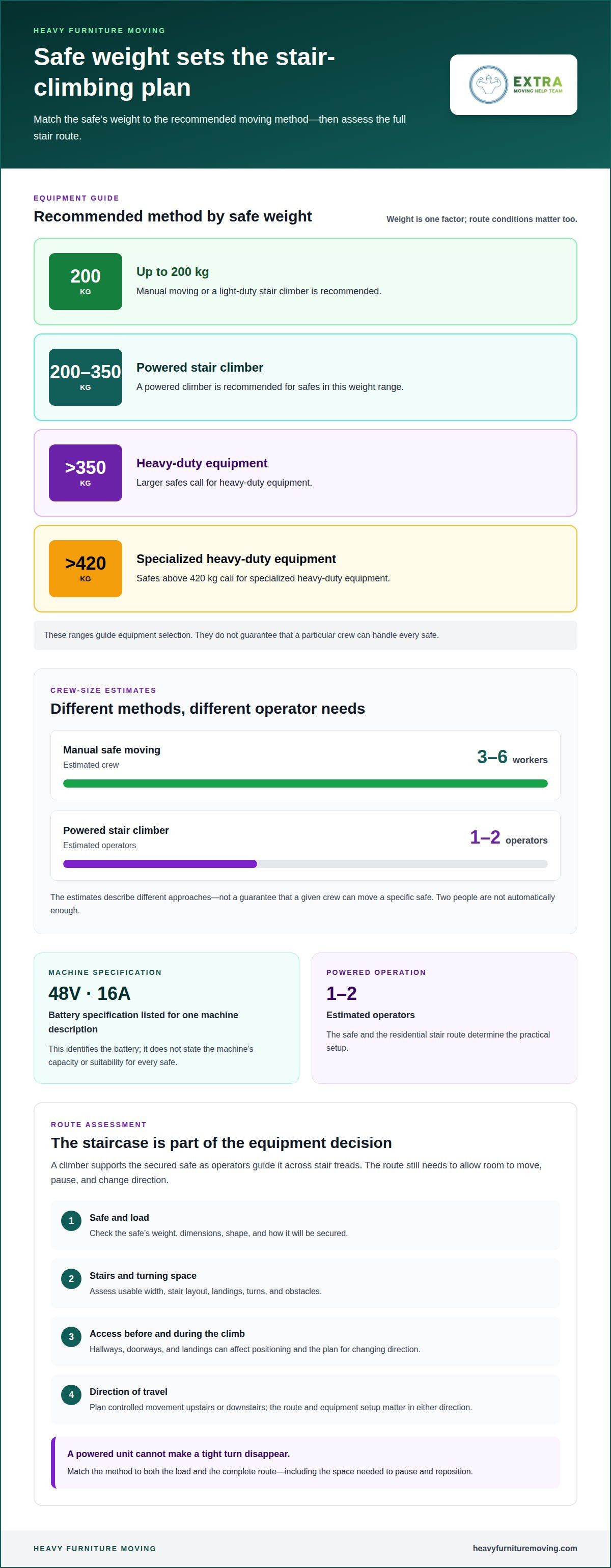
Two people aren’t automatically enough to move a heavy safe upstairs. For residential safe movers with a motorized stair climber in Clifton, the safe’s weight helps determine the method: manual moving or a light-duty climber is recommended up to 200 kg, a powered climber for 200-350 kg, and heavy-duty equipment for larger safes. Safes above 420 kg call for specialized heavy-duty equipment.
It makes sense to ask whether a motorized stair climber is right for your safe move. On stairs, the method and route matter as much as the crew size. This guide explains how powered equipment works, what to assess in your safe and stairway, and how to prepare for residential safe movers with a motorized stair climber in Clifton.
Key Takeaways
- Choose between manual handling and powered equipment by weighing the safe and assessing the stair route, not by counting movers alone.
- Understand how a powered stair climber helps control a heavy load and what the equipment setup involves.
- See when a two-person move may be suitable and when a heavier safe calls for a different approach.
- Learn which features of the safe and staircase shape a practical moving plan.
- Find out how heavy-item moving help can fit when a safe or other bulky item needs to move through a home.
Manual moving compared with powered stair climbers
Manual safe moving is estimated to require 3-6 workers. A powered stair climber is estimated to require 1-2 operators. Those figures describe different approaches, not a guarantee that a particular crew can handle every safe. The safe’s dimensions, stair layout, and turning space all affect the plan. For residential safe movers using a motorized stair climber in Clifton, the route matters alongside the load.
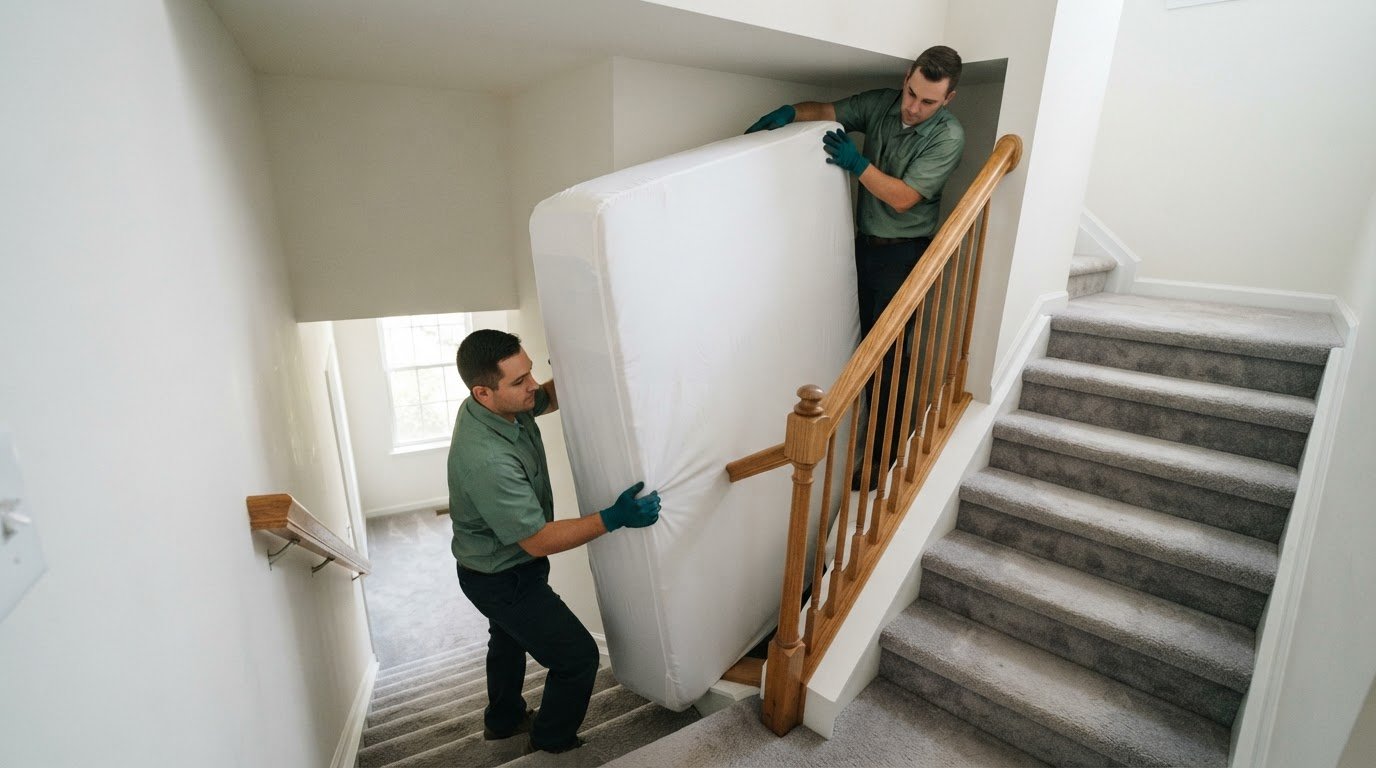
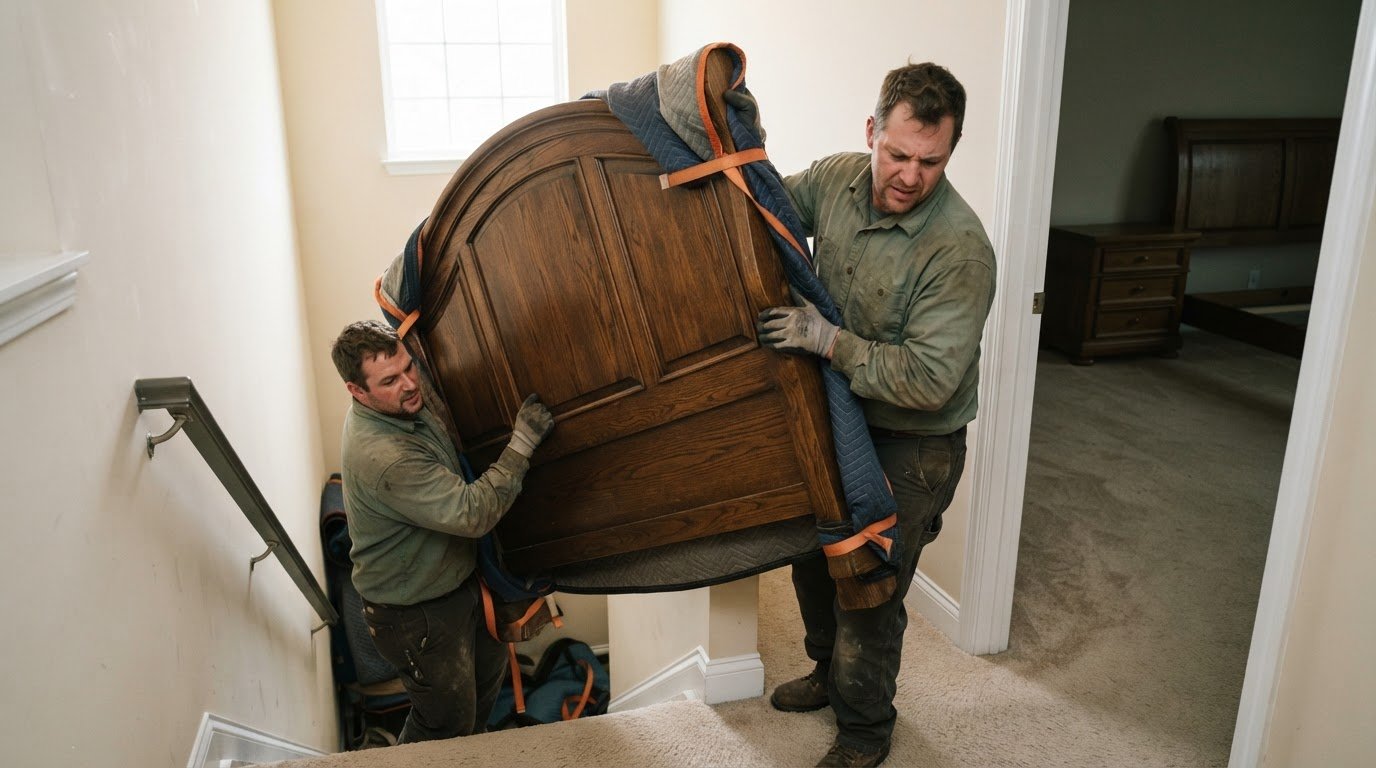
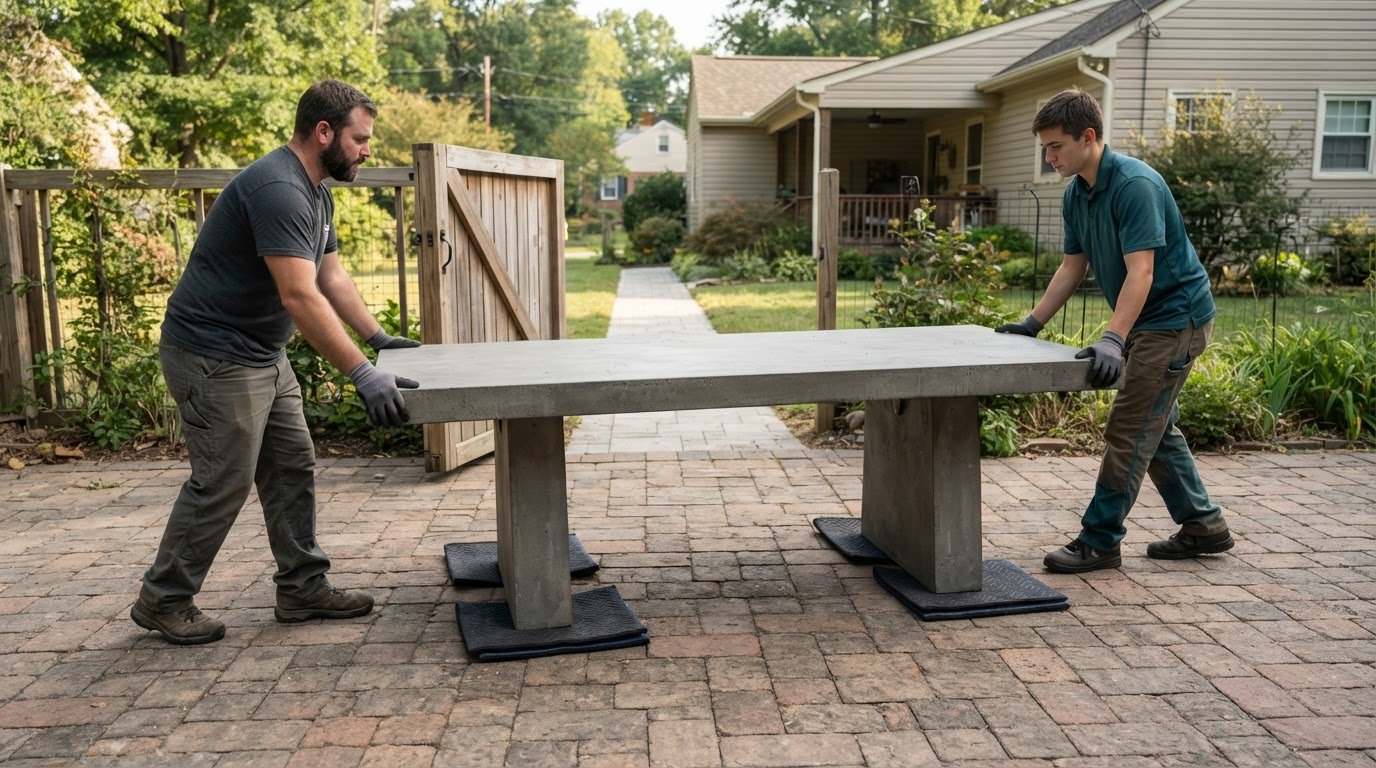
With manual handling, movers coordinate each lift and movement. More people can share the work, but they also need enough room to grip and reposition the safe. On a staircase with a tight turn, the crew may need to pause, adjust the angle, and move in controlled stages. Footing and landing space shape each step.
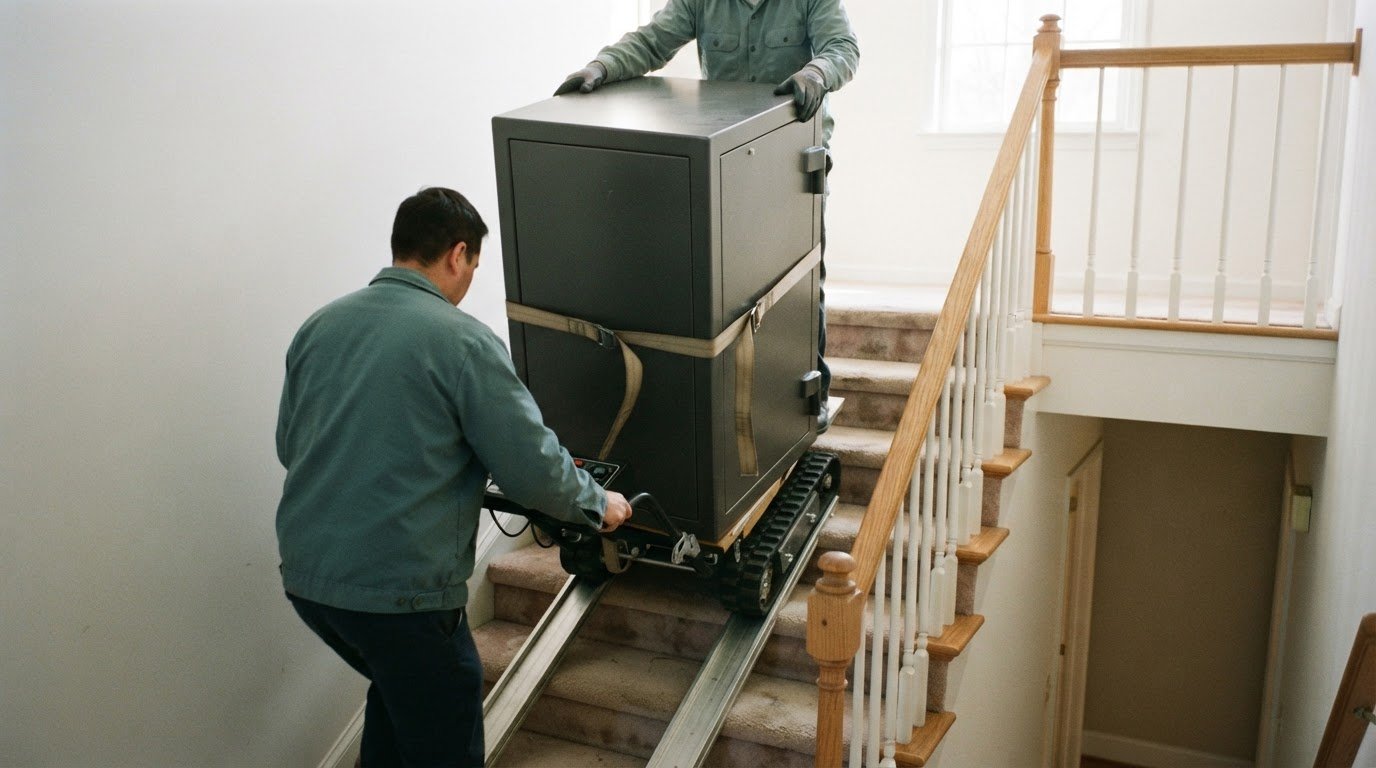
A powered stair climber supports the safe as it travels across the steps, while operators guide and control its position. This can reduce reliance on a larger group during the stair-climbing stage. It does not eliminate the need to assess the route, secure the load, and plan each turn before moving.
Compare the methods by assessing the complete route, not just the first step:
- Manual movement: A crew coordinates lifting, pauses, and repositioning. This approach needs enough room for workers to stay in position around the safe.
- Powered climbing: Operators guide a machine carrying the load step by step. Its suitability depends on the safe and stair route.
- Landings and turns: A tight corner may call for a different sequence than a straight staircase. Either method must account for the space needed to change direction.
- Downstairs travel: The team must control the safe’s movement downhill. The route and equipment setup still matter, even when the safe has already reached an upper floor.
Moving a safe upstairs or downstairs requires controlled movement at every step. The direction affects how the team manages the load, but the staircase remains central. A straight flight may allow steady progress, while a landing can require a pause and careful repositioning. A powered unit cannot make a tight turn disappear.
Choose the method after assessing the safe, staircase, and destination. Measure the route’s usable width, identify landings and turns, and note obstacles along the way. Then match the equipment and crew to those conditions. For residential safe movers with a motorized stair climber in Clifton, these details help determine whether powered or manual handling suits the route. The goal is controlled movement that fits the safe and the space.
Powered equipment for professional safe movers
Reviews describe customer experiences. Insurance addresses coverage, while safe-moving experience involves handling heavy loads on stairs. Motorized stair-climbing equipment is used for residential safe moves, with powered operation estimated at 1-2 operators.
Powered Lifting Features
A powered stair climber carries a secured load as operators guide it across stair treads. One listed machine description gives a 48V 16A battery. That specification identifies the battery, not the machine’s capacity or suitability for every safe. Operators still need to match the equipment setup to the safe and the route.
Consider how the machine supports the safe throughout the move. The load must stay positioned as the climber moves from one tread to the next. At a landing, operators may need to pause and change direction. A straight stairway and a tight turn create different handling demands, even with the same machine.
Powered equipment can support controlled stair travel, but careful handling is still essential. The safe must be secured, and the route must give the machine and operators room to navigate each step. A narrow landing, for example, may limit how the equipment can turn.
- Match the climber setup to the safe’s weight and shape.
- Account for stair width, landings, turns, and obstacles.
- Secure the safe before moving it onto the stairs.
- Plan how operators will pause and reposition at a landing.
Residential Stair-Climbing Equipment
Yes, motorized stair-climbing equipment is used for residential safe moves. Powered operation is estimated at 1-2 operators, though the safe and route determine the practical setup. A machine that suits an open staircase may not fit a narrow turn. Residential access therefore matters alongside the safe itself.
Planning also means assessing the approach to the stairs. A hallway, doorway, or landing can affect how the team positions the safe before the climb. A sharp turn between a hallway and staircase, for example, may require a different setup from direct access to a straight flight.
Reviews, insurance, and experience address different considerations. Reviews describe customer experiences; insurance concerns coverage; experience reflects familiarity with safe moves. The work also depends on practical details such as safe dimensions, stairs, and turning space. Together, these factors help shape the equipment plan.
For a heavy item that needs careful handling at home, explore help with a heavy move. A clear route plan and suitable equipment keep the stair-climbing process focused on controlled movement.
Can two people move a heavy safe upstairs?
Two people are not automatically enough. The safe’s weight and the stair access help determine the method. The weight ranges below explain when powered or specialized equipment may be recommended.
Safe Handling of Heavy Loads
Safe handling starts with identifying the safe’s weight and the route to its destination. Choose moving equipment based on the safe’s weight and the conditions of the route. A powered stair climber may be appropriate for some heavier safes. These ranges guide equipment selection, but they don’t establish that two people can safely handle every safe.
Before moving, the crew plans how to position and secure the safe, then assesses each stair and landing. The same principle applies to other heavy loads: an exercise machine, for example, may be awkward to grip even if it weighs less. Its dimensions and grip points affect how it can be controlled.
Upstairs Moving Challenges
Stairs add turns, landings, and limited working space. A safe weighing 350-420 kg calls for a heavy-duty stair climber, while a safe above 420 kg calls for specialized heavy-duty equipment. Those thresholds help distinguish equipment needs. They don’t mean a two-person team is suitable for every move.
For a narrow turn, both the safe and equipment must fit through the available space. The team also needs a plan to pause and change direction without losing control. A straight staircase and one with a tight landing create different demands, even when the safe weighs the same.
Building and Elevator Arrangements
Whether a move needs building approval, a permit, or an elevator reservation depends on the property’s arrangements. A house with private stairs differs from a shared building with a managed elevator. For a quote, provide the pickup and destination details, safe weight and dimensions, stair access, landings, tight turns, and any elevator use.
Those details describe the route before moving day. Mention a shared entrance or elevator reservation requirement, if applicable, so access can be planned. Be specific about where the safe starts, where it needs to go, and which parts of the route involve stairs.
Stair and Safe Charges
Stairs, narrow hallways, and safe weight can affect the moving quote. The price depends on the case and is provided after a quote request. The route, access, safe dimensions, and equipment needs are relevant factors, because each can change how the move is planned.
For a useful quote, share the safe’s weight and dimensions, both addresses, stair details, and any tight hallway or landing. If you do not know the exact weight, provide the make or model if available. Clear route information helps distinguish a straightforward stair run from a move that needs specialized equipment.
Motorized stair-climbing hand trucks
A motorized stair-climbing hand truck carries a secured load across a staircase. Unlike a regular hand truck designed for level floors, it is made for stair travel. For a safe, the machine and load must fit the route together. A straight flight, a landing, and a sharp turn each affect how the equipment can move.
Start with the safe’s dimensions and the staircase layout. A tall safe may need more clearance than a compact one, even if both can use powered equipment. Note narrow doorways, low ceilings, landings, and changes in direction. A tight turn at the top, for example, may determine how the team positions the safe before climbing.
Next, consider how the hand truck will carry the load. The safe must be positioned and secured so it stays aligned as the machine moves between steps. Operators need room to guide the equipment and pause where the route requires a turn. Powered movement does not replace controlled handling or a clear path.
- Map the route: Identify the entry, stairs, landings, turns, and destination room.
- Measure access: Record tight doorways and the narrowest part of the staircase.
- Describe the safe: Share its dimensions and weight when requesting a moving plan.
- Plan transitions: Note where the team must stop, turn, or change direction.
These steps connect the equipment plan to the home itself. A clear staircase may allow a direct approach, while a landing can require repositioning. If a hallway leads to the stairs, the approach to the first step matters too. Each change of direction adds a decision point for moving the safe and hand truck together.
Motorized equipment can support stair movement, but it does not suit every route. The safe’s size, weight, and shape must work with the machine and available space. A heavy safe on a wide staircase may present a different challenge from a smaller safe approaching a narrow turn. Route details help determine the setup.
Plan for the full path, not just the staircase. An upstairs destination with a narrow doorway, for instance, may require careful positioning after the climb. A basement exit can create similar access challenges in reverse. A complete route description helps the team prepare for each transition and keep the move orderly.
Which safe movers serve Clifton, Virginia and nearby towns?
Clifton is in Northern Virginia, and Heavy Furniture Moving serves Clifton and nearby communities. Heavy-item moving requests depend on the pickup and destination addresses, not just a town name. A move within Clifton and a trip from Clifton to Fairfax involve different routes, but both need clear details about the safe and building access. Nearby service-area towns include Fairfax, Woodbridge, Manassas, Vienna, and Centreville.
Start with the full origin and destination addresses, including the town for each. Then describe where the safe is now and where it needs to go. A safe moving from a ground-floor room to an upstairs destination has different access needs from one moving between rooms on the same level. Include the floors to make the request specific.
Access at both properties matters. Note stairs, narrow hallways, tight turns, and elevator access, whether the move starts in Clifton or ends in another Northern Virginia community. A safe may clear the pickup doorway but face a narrow turn before reaching its destination room. The street address alone will not reveal that indoor obstacle.
Include these details when describing a safe move:
- Route: Provide pickup and destination addresses, with the correct town for each.
- Safe details: Share its weight and dimensions, or its make and model if those details are available.
- Building access: Describe floors, stairs, elevators, doorways, and tight turns at both locations.
- Move scope: State whether the safe is moving within one home or between separate properties.
Nearby-town service depends on the actual addresses and access needs. A short trip from Clifton to Fairfax can still involve challenging stairs, while a longer trip to another listed community may have simpler building access. Distance is only one part of planning; the safe’s size and the path through each property also shape the work.
Describe the full route, from the room where the safe starts to its destination. Mention a basement pickup, upstairs room, shared entrance, or elevator if relevant. For example, a safe moving from a Clifton basement to a room in a Woodbridge home requires clear details about both properties. This makes the service request practical and precise.
Need help with a heavy household move in Clifton or a nearby Northern Virginia town? Request help with your moving plan and include the addresses, safe details, and access notes.
Heavy Furniture Moving
Heavy Furniture Moving helps with demanding household moves that require careful handling of bulky items. If your safe move also involves furniture or exercise equipment, the team can help with those parts of the job. The route details you have gathered, including stairs, narrow hallways, and the destination, also clarify the work involved.
Turn to Heavy Furniture Moving for help with heavy household items or in-home moving tasks. Share what needs to move and describe access at both locations. Clear details help the team understand the job and plan the right support.
Contact Heavy Furniture Moving to discuss your moving needs.
Plan the next step with confidence
Before arranging the move, gather the safe’s dimensions, its current location, the destination, and access details at both ends. This gives residential safe movers with a motorized stair climber in Clifton a clearer picture of the route and handling involved. Include stairs, tight turns, and narrow hallways so the plan reflects the home, not just the distance between addresses.
Heavy Furniture Moving also offers Movers Near Me, Exercise Equipment Moving, and Sofa Hoisting for other demanding household moves. Share what needs to be moved and where it needs to go, then contact the team with a clear description of the job.
Contact Heavy Furniture Moving to discuss your moving needs. A well-described route is a practical place to start, and help is within reach.
Frequently Asked Questions
Residential safe movers in Clifton that use motorized stair climbers
Heavy Furniture Moving handles residential safe moves in Clifton, Virginia, and nearby Northern Virginia communities. Share the pickup and destination addresses, along with access details, to describe the route. For a home safe, include its make or model if known and any steps between the entrance and its final room.
What safe weights and stair configurations can motorized stair climbers handle?
Recommended equipment depends on both safe weight and stair access. Manual moving or a light-duty climber is recommended up to 200 kg; a powered stair climber is recommended for 200-350 kg. Heavy-duty climbers are recommended for 350-420 kg safes, and specialized heavy-duty equipment for safes above 420 kg. Landings, narrow turns, and limited clearance also affect whether a machine can negotiate the route.
What risks can occur when moving a safe on stairs, and how do insured movers prevent damage?
A safe can shift, strike a wall, or scrape floors if the load or route is poorly managed. Insurance concerns coverage, but it does not prevent physical damage. Heavy Furniture Moving measures item dimensions, doorways, and stairs before lifting. Wrap, blankets, and straps are included on every job, along with floor and corner protection such as runners and door-jamb covers.
Frequently Asked Questions
Recommended equipment depends on both safe weight and stair access. Manual moving or a light-duty climber is recommended up to 200 kg; a powered stair climber is recommended for 200–350 kg. Heavy-duty climbers are recommended for 350–420 kg safes, and specialized heavy-duty equipment for safes above 420 kg. Landings, narrow turns, and limited clearance also affect whether a machine can negotiate the route.
A safe can shift, strike a wall, or scrape floors if the load or route is poorly managed. Insurance concerns coverage, but it does not prevent physical damage. Heavy Furniture Moving measures item dimensions, doorways, and stairs before lifting. Wrap, blankets, and straps are included on every job, along with floor and corner protection such as runners and door-jamb covers.