Residential Rigging Service for Oversized Furniture in Clifton
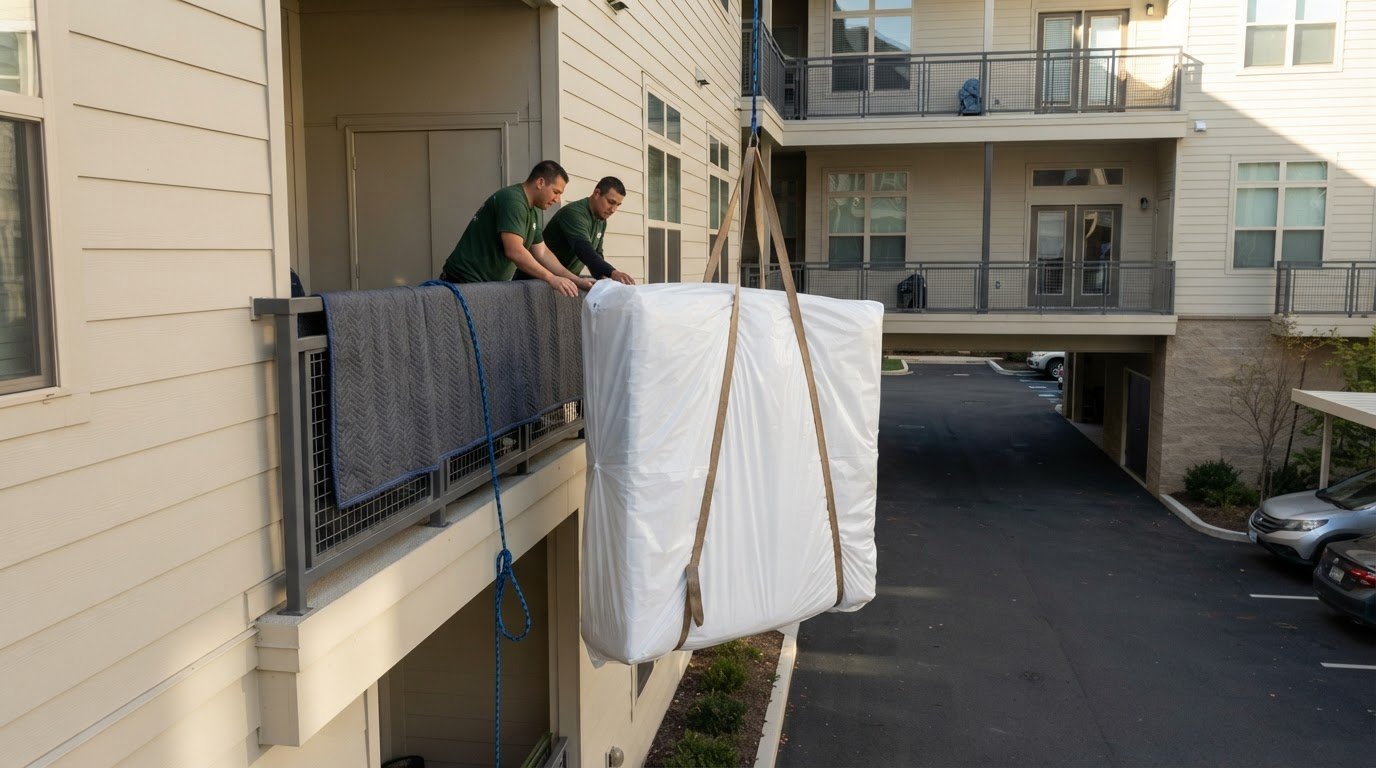
Yes, an oversized mattress can sometimes be hoisted through a third-floor balcony in Clifton if the opening, exterior approach, and rigging setup provide a clear, controlled path. A residential rigging service to hoist an oversized mattress through a third-floor balcony in Clifton starts by assessing those details before the lift.
A mattress may seem flexible enough to squeeze through a stairwell, but tight turns, narrow landings, and low ceilings can make that route impractical. A balcony may be worth considering when the indoor path will not work.
The decision depends on the mattress’s dimensions and flexibility, the balcony opening, access around the building, and room to guide the load. This guide explains how a planned hoist works and when experienced furniture movers can help with an oversized item.
Key Takeaways
- Compare the item’s dimensions with the full route, including balcony or window openings, turns, and nearby obstructions.
- A controlled hoist depends on a clear lifting path and a rigging setup suited to the item and building access.
- For large mattresses, consider how their size and flexibility affect handling through an upper-floor opening.
- In some residential buildings, tenant-use elevators can help move furniture; access and elevator fit shape the plan.
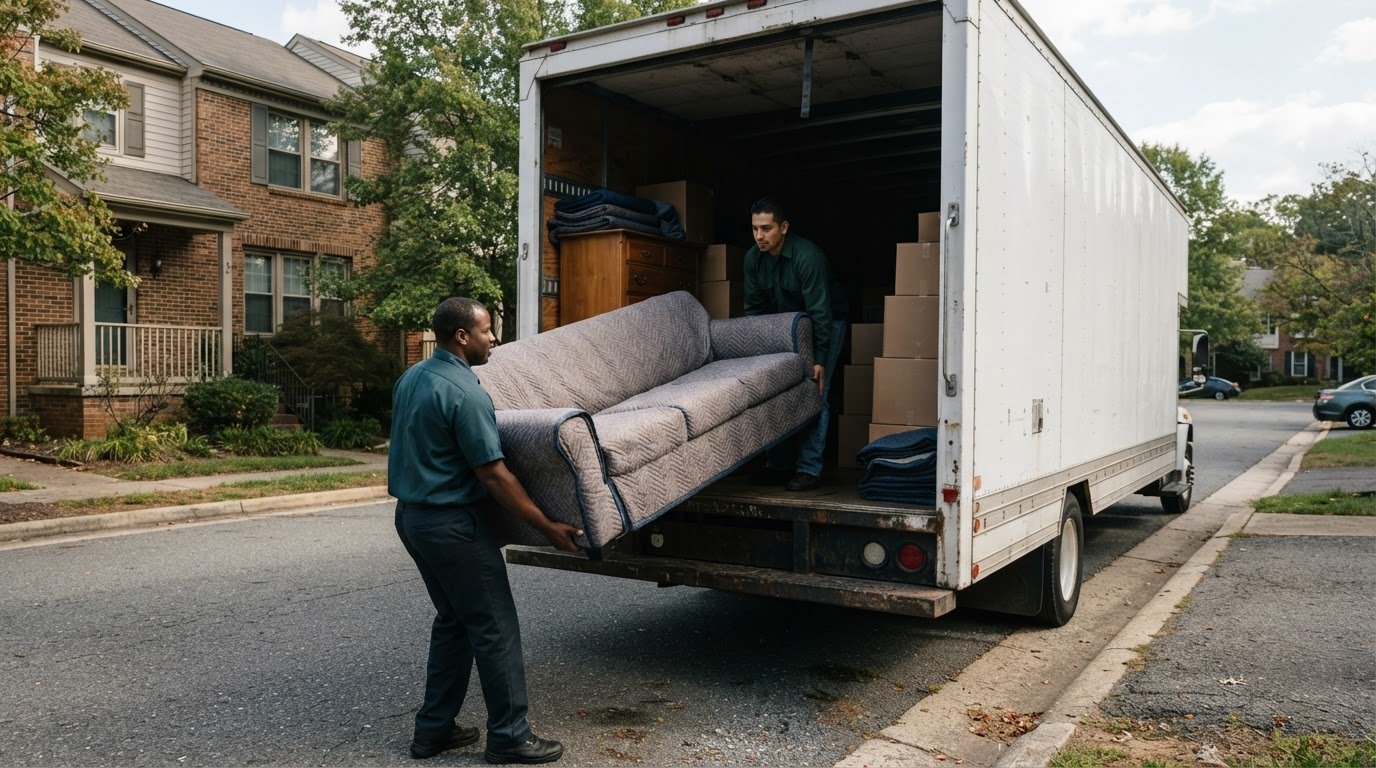
- Heavy Furniture Moving offers Sofa Hoisting and furniture-moving help for bulky items that are difficult to move through the home.
Can you hoist furniture through a window on an upper floor?
Yes, an oversized mattress can sometimes be hoisted through an upper-floor window or balcony. For a residential rigging service to hoist an oversized mattress through a third-floor balcony in Clifton, Virginia, the opening, exterior approach, and indoor route are assessed before lifting.
Window and Balcony Hoisting
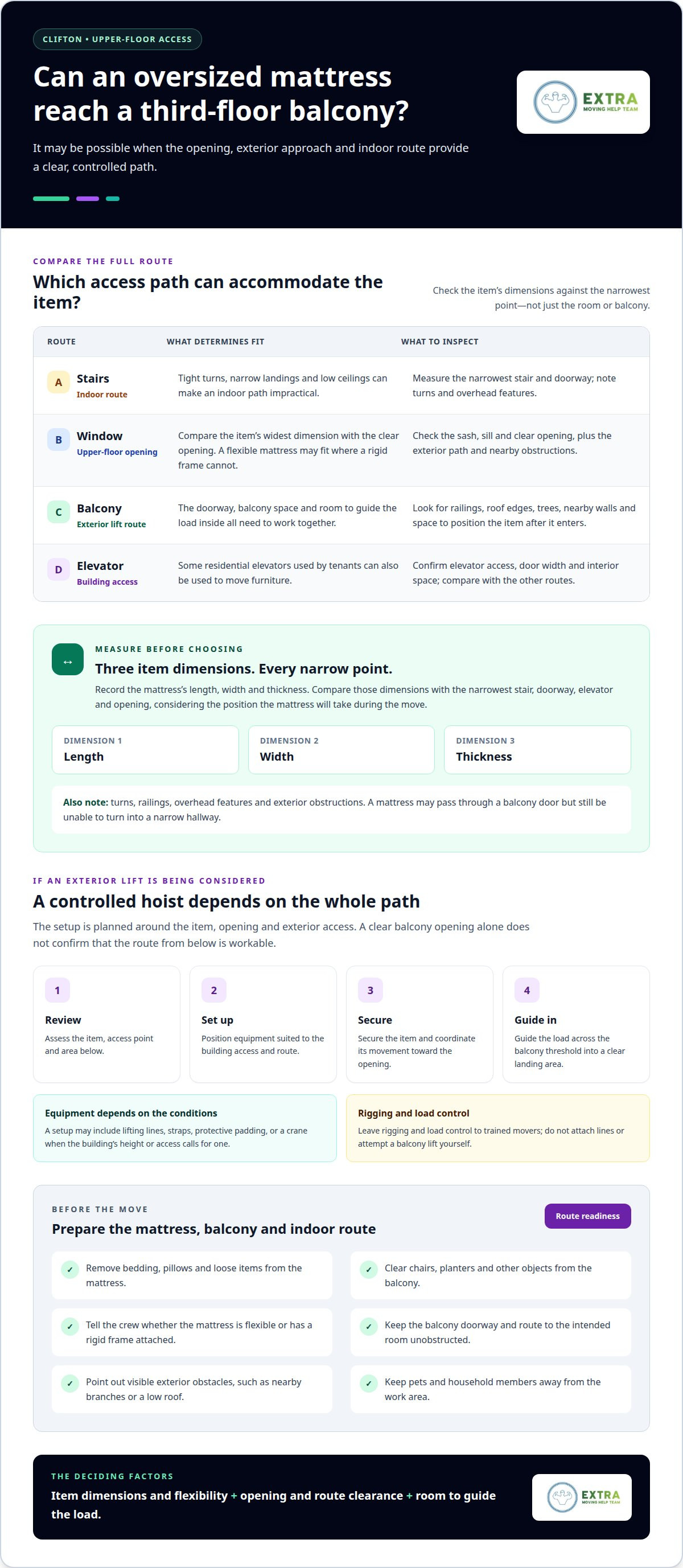
Window and balcony hoisting moves an item outside the building, then guides it through an upper-floor opening. It can help when a mattress or sofa cannot clear an indoor stair turn. Compare the item’s widest dimension with the opening, and note railings, roof edges, trees, and nearby walls. A balcony door may offer a wider path than a window, but its entrance and approach still matter.
For example, a mattress that bends may pass through an opening that cannot accommodate a rigid bed frame. A frame may need to be moved separately if it can be dismantled. Measure the item in the position it will take during the lift, and identify anything that could block the route from the ground to the opening.
Upper-Floor Access Options
Compare the stairs, windows, balcony, and building elevator. If the stairs and windows will not work, consider whether a tenant-use elevator fits the item. According to the U.S. Access Board, some residential elevators used by tenants can also be used to move furniture. Elevator access, door width, and interior space determine whether this route is practical.
For a window move, check the sash, sill, and clear opening, not just the room’s dimensions. For a balcony move, inspect the doorway and the space available to position the item after it enters. Keep the indoor route clear, too. A mattress may pass through the balcony door but still be unable to turn into a narrow hallway.
Use this order to compare routes:
- Measure the item’s length, width, and thickness.
- Measure the narrowest stair, doorway, elevator, and opening.
- Note turns, railings, overhead features, and exterior obstructions.
- Choose the route with enough room to guide the item steadily.
Clifton Residential Rigging Services
For a home in Clifton, Virginia, a residential rigging service for hoisting an oversized mattress through a third-floor balcony considers the item, opening, building layout, and access below. Share measurements and describe the route from the loading area to the intended room. Those details help shape a practical plan for a mattress, sofa, or other bulky piece.
Identify whether each item is flexible, rigid, or separable. A mattress and bed frame may need different handling because their shapes differ. Point out balcony rails, landscaping, and overhead obstructions during the access review. If an elevator or stair route remains usable, compare it with the window path rather than assuming an exterior lift is necessary.
Moving a mattress through a window without a hoist works only when people can control its position along the entire route. A tenant-use elevator may offer another option, as may separating a frame into manageable pieces. For a third-floor balcony in Clifton, the opening, exterior path, and room to guide the item determine whether hoisting is practical.
Rigging and equipment for controlled lifting
A controlled lift matches the rigging setup to the item, opening, and exterior route. The equipment and sequence depend on whether lifting lines are suitable or a crane is needed.
Rigging Equipment
Equipment may include lifting lines, straps, protective padding, and a crane when the building’s height or access calls for one. Each part supports the load, guides its position, or helps protect surfaces during handling. For a mattress, the crew considers its size and flexibility before choosing where to support it. A rigid sofa or exercise machine needs a different setup.
Consider the whole route, not just the balcony. A narrow approach, overhead obstruction, or limited setup area can affect equipment choices. For example, a clear balcony opening may still be difficult to reach from below if trees or building features block the lifting path. The crew plans for these conditions rather than treating every upper-floor move alike.
Lifting Procedure
A professional lift starts with a review of the item, access point, and area below. The crew then positions equipment, secures the item, and coordinates its movement toward the opening. At the balcony, the team guides the load across the threshold. The sequence matters: moving too soon can make alignment harder, especially with a long mattress or bulky sofa.
Preparation also means choosing a clear landing area inside. Move furniture away from the balcony door and keep the route open to the intended room. If a crane is needed, its position and reach shape the lifting plan. Do not attach lines or attempt a balcony lift yourself; leave rigging and load control to trained movers.
Balcony and Mattress Preparation
Before the crew arrives, remove bedding, pillows, and loose items from the mattress. Clear chairs, planters, and other objects from the balcony, then keep the doorway unobstructed. Tell the crew whether the mattress is flexible or has a rigid frame attached. This helps distinguish the mattress lift from a separate move for the frame.
Point out the balcony access route and visible obstacles, such as a low roof or nearby branches. Keep pets and household members away from the work area. Inside, clear the path from the balcony to the bedroom, including hallway turns. A designated landing space lets the crew guide the mattress in without first moving unrelated furniture.
For a bulky item that needs careful handling, heavy lifting moving help can be a practical next step. Share the item type, its dimensions, and the balcony access details when arranging the move.
Assessment of access points and item dimensions
Start with the item, then trace every part of its route. For an oversized mattress, record its length, width, and thickness, along with the dimensions of the balcony opening. A mattress may fit one way but not another, so compare measurements in the position used for moving. Include packaging if it will stay on the item.
Measure the narrowest point on each route, not just the room entrance. Check bedroom doors, hallway turns, stair landings, elevator doors, and the balcony doorway. A wide hallway will not help if a tight turn blocks a long mattress. Write each measurement beside its location so you can compare the route at a glance.
At the balcony, measure the clear opening with the doors fully open. Note the sill, railings, nearby walls, and any part of the frame that reduces usable space. For example, a broad balcony may still have a narrow doorway. Check whether the item can approach the opening straight or must turn before entering.
Then assess the outside path. Look from the intended loading area toward the balcony for branches, roof edges, wires, signs, or other obstructions. Note slopes or limited staging space below. These details affect where equipment can be positioned and how the item can approach the opening. A clear view from the street does not necessarily mean the lifting path is clear.
Use this measurement sequence to build a useful route record:
- Measure the item’s length, width, and thickness.
- Measure every doorway, stair pinch point, elevator opening, and balcony entrance.
- Record tight turns and the space available on each landing.
- Describe exterior obstacles between the ground and the target opening.
- Identify where the item can be set down inside after entry.
Compare the smallest opening with the item’s dimensions and orientation. If a mattress needs to tilt, consider both its width and length as it turns. A rigid bed frame may move differently from a flexible mattress, even when their measurements appear similar. Record each component separately if the bed can be dismantled.
Share measurements and route notes before the move. Photos of the balcony, doorway, hallway turn, and exterior approach can clarify what each measurement describes. Label each photo by location, such as “balcony entrance” or “stair landing.” Specific details are more useful to the moving team than a general description like “tight access.”
Hoisting large items into or out of high-rise buildings
High-rise moves involve more than lifting an item to a balcony. The crew must coordinate the building approach, exterior route, opening, and indoor handoff. For a third-floor mattress move in Clifton, map each transition from the loading area to the bedroom. A clear route on one level does not guarantee a clear route on the next.
Begin with building access. Identify the entrance, loading area, balcony or window, and room receiving the item. Note gates, narrow walkways, parked vehicles, landscaping, and overhead obstructions. These details show whether equipment can reach the building and where the crew can stage the lift. For an item leaving a high floor, plan the same route in reverse.
Next, consider how the building layout affects the move. A lobby may have a tight turn that blocks a long sofa, even if the apartment hallway is wide. An elevator may cover part of the route, while stairs or an exterior lift handle another section. Compare the item’s shape with each transition. Rigid furniture needs a different approach from a flexible mattress.
Plan the indoor handoff before lifting begins. Clear the landing area by the window or balcony, then open the route to the destination room. Decide where the item will turn after entering. For example, a mattress may pass through a balcony doorway but need room to rotate before reaching a bedroom. Keep the receiving area clear of chairs, lamps, and loose belongings.
A simple route plan can help organize the move:
- Mark the building entrance and the nearest practical staging area.
- Trace the path from staging to the selected upper-floor opening.
- Identify each doorway, turn, and transition between indoor and outdoor space.
- Choose a clear landing area inside for the item’s arrival.
For a high-rise building, describe the exterior setting clearly. A courtyard, setback, low roof, or nearby tree can change how equipment approaches the opening. Mention whether the balcony faces a driveway, garden, or enclosed space. These details help the crew understand the lift area before setting up, especially when access is not a direct path beside the building.
Finally, plan for people and timing in the home. Keep household members and pets away from the landing area, and avoid scheduling other deliveries through the same route. If a sofa or large exercise machine is also moving, list each item separately. The crew can then account for its size, shape, and destination as part of one organized high-rise move.
For a third-floor mattress move in Clifton, plan the exterior route from the staging area to the selected window or balcony, then clear the indoor path to the bedroom. Check access, overhead obstructions, and the landing area so the crew can assess how equipment can reach the building.
Hoisting mattresses and oversized furniture
Mattresses, sofas, and rigid furniture create different lifting challenges. An item’s shape and flexibility help determine how it can travel outside and through an upper-floor opening.
Mattress Hoisting
A mattress can bend, but its length and width still affect control during a lift. Keep it in a protective cover, remove loose bedding, and identify handles or seams before moving. Do not assume folding is suitable; the mattress construction determines whether it can bend. A mattress with a rigid base attached needs a different plan from a mattress alone.
A residential rigging service to hoist an oversized mattress through a third-floor balcony in Clifton may be an option when indoor routes cannot accommodate it. The opening and exterior access shape the plan.
Oversized Furniture Hoisting
A sofa, wardrobe, or exercise machine will not move like a mattress. Rigid corners and projecting parts can catch against an opening, while an uneven shape can shift during handling. Remove detachable cushions or parts where practical, and identify fragile trim, glass, or loose components before the move. Keep each removed piece with its furniture item.
For a sofa, note its longest side, arm shape, and whether it can be turned onto an edge. A tall cabinet may need a different orientation from a wide table. These differences affect how the item is supported and guided. List large pieces individually rather than describing everything as oversized furniture.
Local Mattress and Furniture Crane Service
For a home in Clifton, Virginia, a crane may be considered when the exterior route and building access call for lifting equipment. A residential rigging service to hoist an oversized mattress through a third-floor balcony in Clifton depends on the item’s shape, the opening’s position, and usable space near the building.
Prepare a concise item list before arranging the move. Include whether each piece is rigid or flexible, assembled or separated, and entering or leaving the home. If a mattress and sofa are moving together, describe each destination and the order they should enter. This gives the crew a practical picture of the work.
Keep children, pets, and unrelated deliveries away from the planned work area. Clear the receiving room, and leave the route from the opening to its final location open. For a bulky sofa that needs an exterior route, arrange sofa hoisting help and share the item’s shape and access details.
Heavy Furniture Moving: Movers Near Me
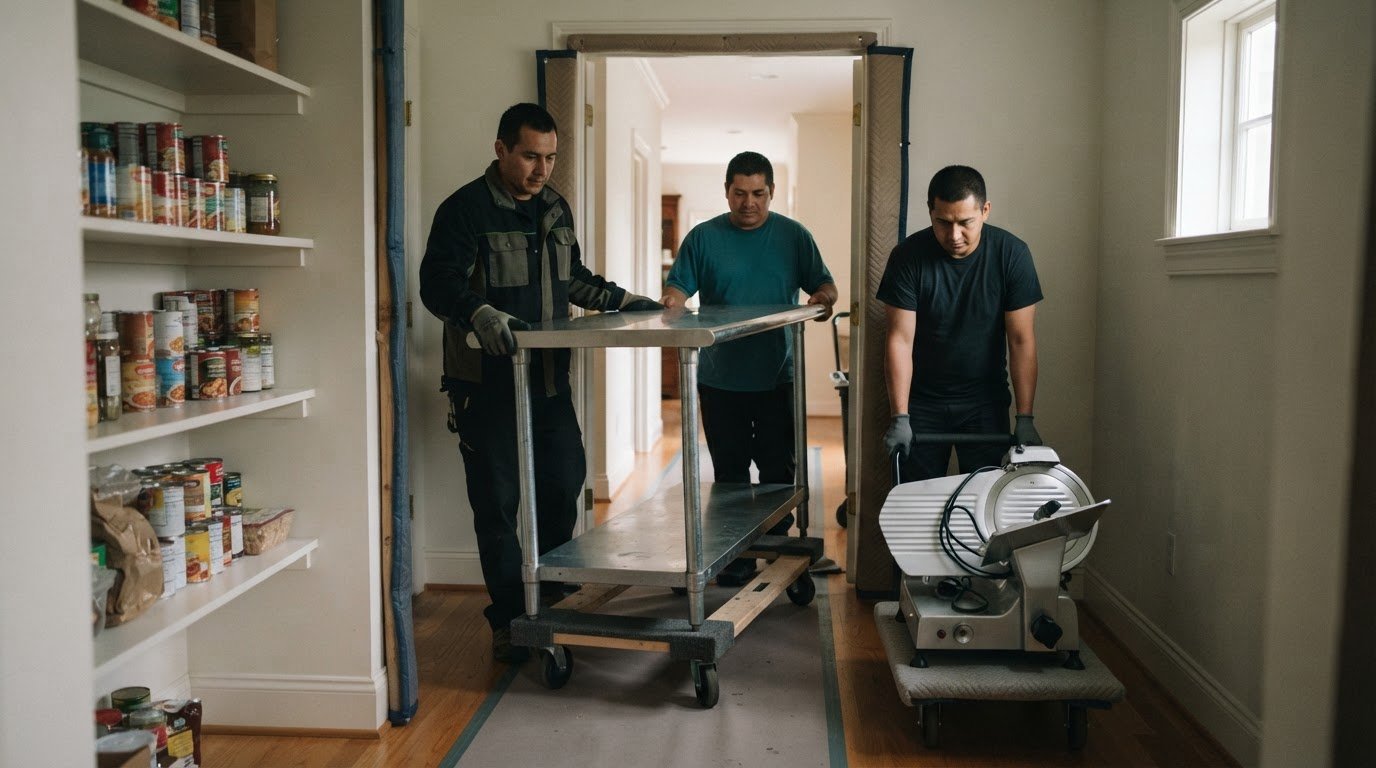
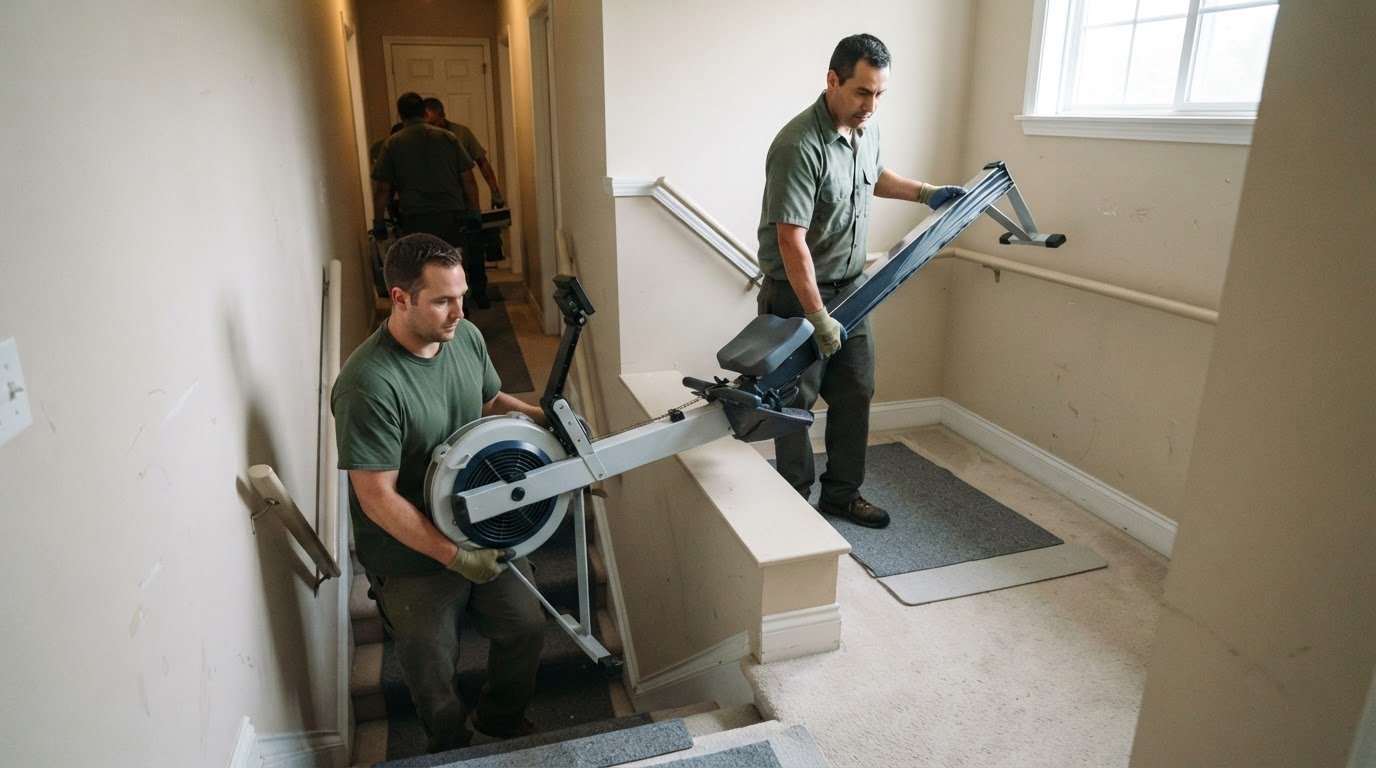
Heavy Furniture Moving helps with bulky household moves when a mattress, sofa, or exercise machine will not fit through the usual route. Turn to the team for Sofa Hoisting, Exercise Equipment Moving, or in-home furniture moving help suited to the item and access details.
Share what needs moving, where it is, and whether stairs, an elevator, or an upper-floor opening may be involved. Clear details help match the job with the right moving support, whether you need one heavy item moved or help with furniture inside your home.
To discuss your move, contact Heavy Furniture Moving.
Plan Your Next Move With Confidence
A difficult route does not have to stall your furniture move. If you are considering a residential rigging service to hoist an oversized mattress through a third-floor balcony in Clifton, gather the item’s dimensions and describe the access route clearly. These details give the moving team a useful starting point for discussing the job.
Heavy Furniture Moving offers Movers Near Me, Exercise Equipment Moving, and Sofa Hoisting. Choose support that fits the item, whether you are moving a mattress, sofa, or heavy fitness equipment. A clear plan starts with what needs moving and where it needs to go.
When you’re ready to discuss the move, contact Heavy Furniture Moving. Take the next step with a straightforward description of your item and its access challenges. You can move forward with a clearer plan and less guesswork.
Frequently Asked Questions
Do you provide a certificate of insurance for my building?
A certificate of insurance is building-specific paperwork, so identify your property’s documentation requirements before planning the hoist. Ask management what information it needs, who should receive the certificate, and when it must be submitted. For a Clifton apartment, include those details when arranging the move. A certificate documents insurance coverage; it does not itself grant permission to reserve building access or use a balcony.
Is hoisting safe for my balcony or railing?
Do not treat a balcony railing as a lifting anchor or assume it can support a suspended mattress. The setup should account for the balcony structure, lift path, and chosen rigging points. Keep residents clear of the work area, and do not attempt a DIY lift. For a furniture move, Heavy Furniture Moving includes wrap, blankets, and straps on every job.
What about permits?
Permit needs depend on the equipment setup and where it will be placed. A hoist using space outside the building may raise different questions from a move handled entirely within private property. For a Clifton address, ask property management and local officials about applicable building or public-space requirements. Include the planned equipment location when describing the move, since it can affect the answer.
How do I measure a mattress and balcony opening before a hoist?
Use a tape measure to record the mattress’s length, width, and thickness, then measure the balcony opening’s clear space with the door fully open. Note whether the mattress can be turned or flexed during entry. Measure any attached base separately. Take a photo facing the opening and label the measurements so each dimension is clearly tied to the mattress or doorway.
What are the risks and safety requirements for hoisting a mattress to a third-floor balcony?
A mattress can shift, catch on an edge, or obstruct the opening if its position is not controlled. Keep the balcony and receiving room clear, and keep people away from the area below the lift. Do not secure ropes to railings or try to guide a suspended mattress yourself. The crew needs a clear path, coordinated handling, and rigging suited to the item and access conditions.
What information do rigging companies need for a mattress hoist quote?
Give Heavy Furniture Moving the mattress dimensions, whether it has an attached base, and the Clifton building’s floor and opening type. Describe the approach from the equipment setup area to the balcony, including gates or obstacles. Share clear photos of the mattress, balcony, and access route. Mention whether the mattress is entering or leaving, and identify the room or area where it needs to go.
Frequently Asked Questions
A certificate of insurance is building-specific paperwork, so identify your property’s documentation requirements before planning the hoist. Ask management what information it needs, who should receive the certificate, and when it must be submitted. For a Clifton apartment, include those details when arranging the move. A certificate documents insurance coverage; it does not itself grant permission to reserve building access or use a balcony.
Do not treat a balcony railing as a lifting anchor or assume it can support a suspended mattress. The setup should account for the balcony structure, lift path, and chosen rigging points. Keep residents clear of the work area, and do not attempt a DIY lift. For a furniture move, Heavy Furniture Moving includes wrap, blankets, and straps on every job.
Permit needs depend on the equipment setup and where it will be placed. A hoist using space outside the building may raise different questions from a move handled entirely within private property. For a Clifton address, ask property management and local officials about applicable building or public-space requirements. Include the planned equipment location when describing the move, since it can affect the answer.
Use a tape measure to record the mattress’s length, width, and thickness, then measure the balcony opening’s clear space with the door fully open. Note whether the mattress can be turned or flexed during entry. Measure any attached base separately. Take a photo facing the opening and label the measurements so each dimension is clearly tied to the mattress or doorway.
A mattress can shift, catch on an edge, or obstruct the opening if its position is not controlled. Keep the balcony and receiving room clear, and keep people away from the area below the lift. Do not secure ropes to railings or try to guide a suspended mattress yourself. The crew needs a clear path, coordinated handling, and rigging suited to the item and access conditions.
Give Heavy Furniture Moving the mattress dimensions, whether it has an attached base, and the Clifton building’s floor and opening type. Describe the approach from the equipment setup area to the balcony, including gates or obstacles. Share clear photos of the mattress, balcony, and access route. Mention whether the mattress is entering or leaving, and identify the room or area where it needs to go.