Protecting Furniture from Humidity During a Virginia Move: A Practical Guide
The tightest wrap isn’t always the safest choice for furniture in damp weather. Plastic can shield a piece from rain, but if moisture gets trapped underneath, it can create another problem. Protecting furniture from humidity during a VA move takes more than covering an item once. It means limiting damp exposure at every handoff, from the home to the truck and into the new space.
Rain, humid air, and condensation can all be concerns, especially if furniture waits in a truck or temporary storage. Rather than guessing whether a blanket or plastic is best, match the covering to the task and check that the furniture is dry before wrapping it. This guide explains how to prepare furniture, reduce exposure during loading and transport, and inspect pieces after arrival.
Bulky items can be especially difficult to cover and carry at the same time. Professional packing or moving help can make handling easier, particularly for heavy furniture. With a plan for each stage, you can reduce exposure to moisture and give your belongings a better chance of arriving dry and ready for their new home.
Key Takeaways
- Assess each piece’s material, condition, and likely exposure time to decide how much protection it needs.
- Check the forecast and loading route, then clean and fully dry furniture before covering it.
- For protecting furniture from humidity during a VA move, choose blankets, breathable covers, or plastic based on the task, and never seal damp surfaces.
- Keep furniture off wet ground, check covers after rain exposure, and inspect pieces when they arrive.
- Consider professional moving help for heavy or bulky furniture that’s difficult to cover and carry safely.
Why humidity matters when protecting furniture during a Virginia move
Humidity is moisture in the air. Unlike rain or a spill, it doesn’t put liquid water directly on a surface, but prolonged exposure to damp air can still affect furniture. Wood may absorb or release moisture as conditions change, which can cause it to shift. Learn more about how humidity damages wooden furniture, including why changes in moisture levels matter.
The risk depends on the piece, its condition, and how long it stays exposed. Well-maintained furniture may respond differently from a piece with cracks, loose joints, worn finish, or previous moisture damage. Moving day brings several transitions: furniture leaves a dry room, crosses a potentially wet loading path, rides in a vehicle, then enters a home with different conditions. Rain isn’t the only concern. Damp air and condensation can affect a piece even if it never gets soaked.
Which furniture materials need the most attention?
Wood furniture deserves a close look because moisture changes can affect the material and its finish. Check for existing wear, and follow care instructions for painted, stained, or specialty finishes. Upholstered furniture, leather, and mattresses also need clean, dry coverings. A wet or dirty cover can transfer moisture or grime, while a tight covering over a damp surface can hold moisture against the material. For delicate finishes or specialty fabrics, check the manufacturer’s guidance before choosing a covering.
Where can moisture reach furniture during a move?
Trace the route from each room to the destination. Rain may reach furniture at an open doorway or during loading. Wet pavement, damp blankets, and contact with wet walls or floors can transfer moisture directly. Temperature changes inside a vehicle may also contribute to condensation, so check coverings if the load has been exposed to damp conditions. At the destination, keep furniture off wet floors and away from wet walls.
Brief contact with damp air is not the same as furniture sitting in wet conditions for an extended period. Duration matters, as do the material and its starting condition. Prevention can reduce exposure, but it can’t guarantee that furniture will be unaffected. For protecting furniture from humidity during a VA move, focus on limiting wet contact at each transition and checking pieces as you go.
How to prepare furniture before a humid or rainy Virginia move
Good protection starts before the first item leaves the room. Check the forecast, then walk the route from each room to the truck. Note exposed steps, a long driveway, or a doorway where rain could reach furniture. If the path may get wet, keep the item indoors until the loading area is ready, with a clean, dry covering close at hand.
Clean furniture using methods suited to its finish, then let every surface dry fully. Check undersides, joints, and the spaces beneath cushions. Furniture should be dry before you wrap it airtight; plastic can trap moisture against a damp surface. For broader conservation context, the Smithsonian’s Museum Conservation Institute shares resources on professional furniture preservation standards. For specialty finishes, leather, and delicate materials, follow the manufacturer’s care instructions.
A pre-move furniture inspection checklist
Before covering furniture, check its surfaces, seams, cushions, and undersides for dampness or visible mold. Set aside pieces that need special handling because of their material or care instructions. Take clear photos of existing marks and note concerns before packing or moving begins. A condition record helps everyone handling the piece understand where extra care is needed.
Prepare items for handling where appropriate. Remove loose cushions and detachable parts, and take out drawers if doing so makes a piece safer to carry. Keep small hardware together and label it with the item it belongs to. Don’t force parts off or remove components if the manufacturer advises against it.
Choose coverings without trapping moisture
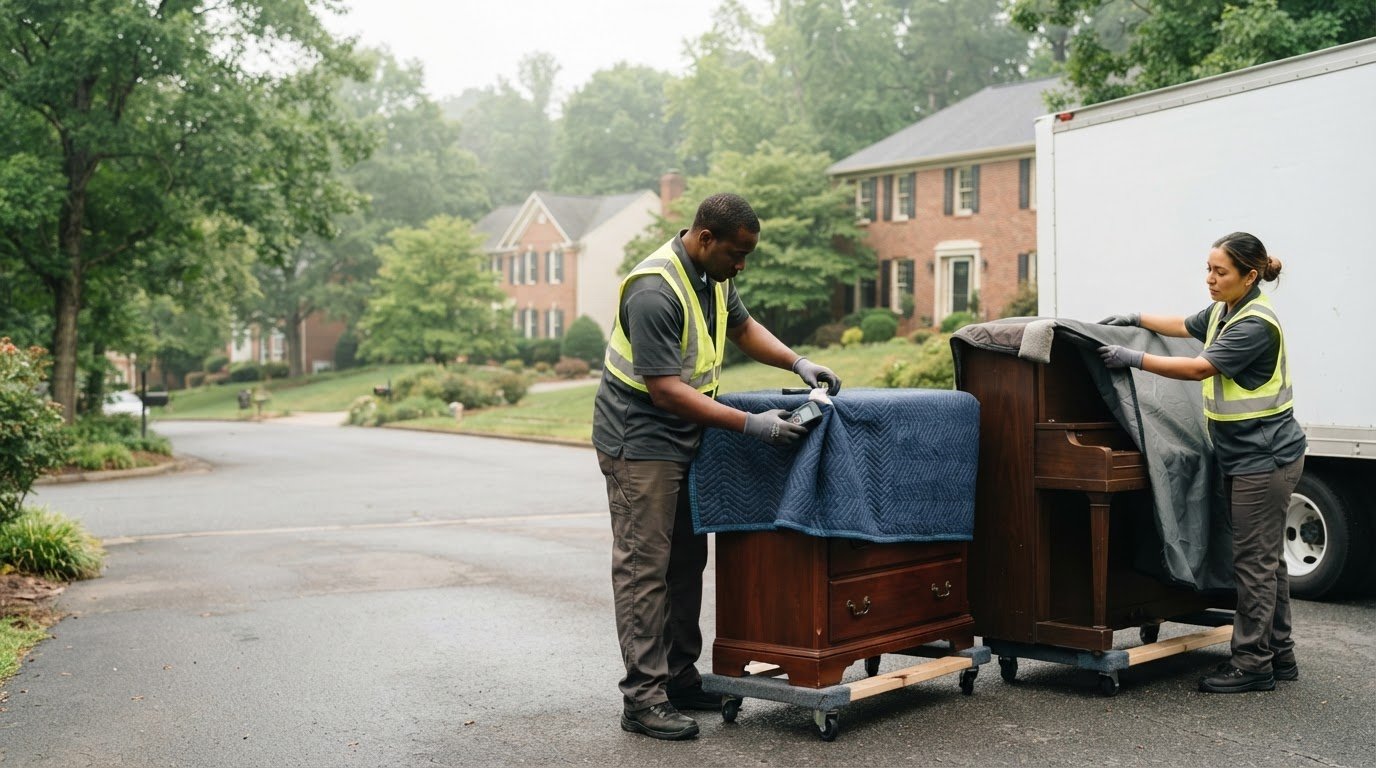
Use clean, dry moving blankets to cushion furniture and protect surfaces from contact. Plastic sheeting can shield a piece from rain during a short outdoor transfer, but don’t use it to store damp furniture or leave it sealed around an item for an extended time. A room-by-room checklist can help you track which pieces are inspected, dry, and ready to cover. The Smithsonian’s conservation resources offer helpful background, while the manufacturer’s care directions should guide decisions for a specific item.
- Before loading: Confirm each piece is clean and dry, and check the loading path for rain exposure.
- As you prepare each room: Remove loose parts when appropriate, photograph existing marks, and apply a clean, dry cover.
This sequence keeps preparation organized without holding up loading. If heavy or bulky pieces are difficult to inspect, cover, and move safely, professional furniture moving help may make handling easier. Careful preparation is a practical first step in protecting furniture from humidity during a VA move, although no covering can eliminate every risk.
Moving blankets, plastic, and breathable covers: what works best?
No single cover addresses every moving-day risk. Choose based on what the furniture needs: cushioning from bumps, protection from dust, or a short-term shield from rain. A cover can limit dirt and contact, but it won’t draw moisture out of furniture or prevent dampness from becoming trapped. For protecting furniture from humidity during a VA move, match the covering to the task and check that it’s clean and dry before use.
| Material | Useful situation | Limitation | Handling note |
|---|---|---|---|
| Moving blanket | Cushioning against bumps and scuffs during transport | Can transfer dampness or dirt if it’s wet or unclean | Use a clean, dry blanket; secure it so it stays in place |
| Breathable fabric cover | Keeping dust off dry furniture indoors or during a move | Doesn’t block rain or splashes | Choose a clean, dry cover and avoid using it as rain protection |
| Plastic sheeting | Brief protection from rain or splashes during loading or unloading | Can trap moisture if left sealed around furniture | Use temporarily, then remove in a dry indoor space |
When are blankets or breathable covers the better choice?
Moving blankets are useful when furniture needs cushioning from contact with other items or the vehicle. Keep them dry and check the side that will touch the finish. A breathable fabric cover can suit a dry sofa or chair that mainly needs dust protection. Neither option replaces rain protection. The National Park Service offers practical guidelines for wooden object care, including advice on caring for wood.
When can plastic help, and when can it cause trouble?
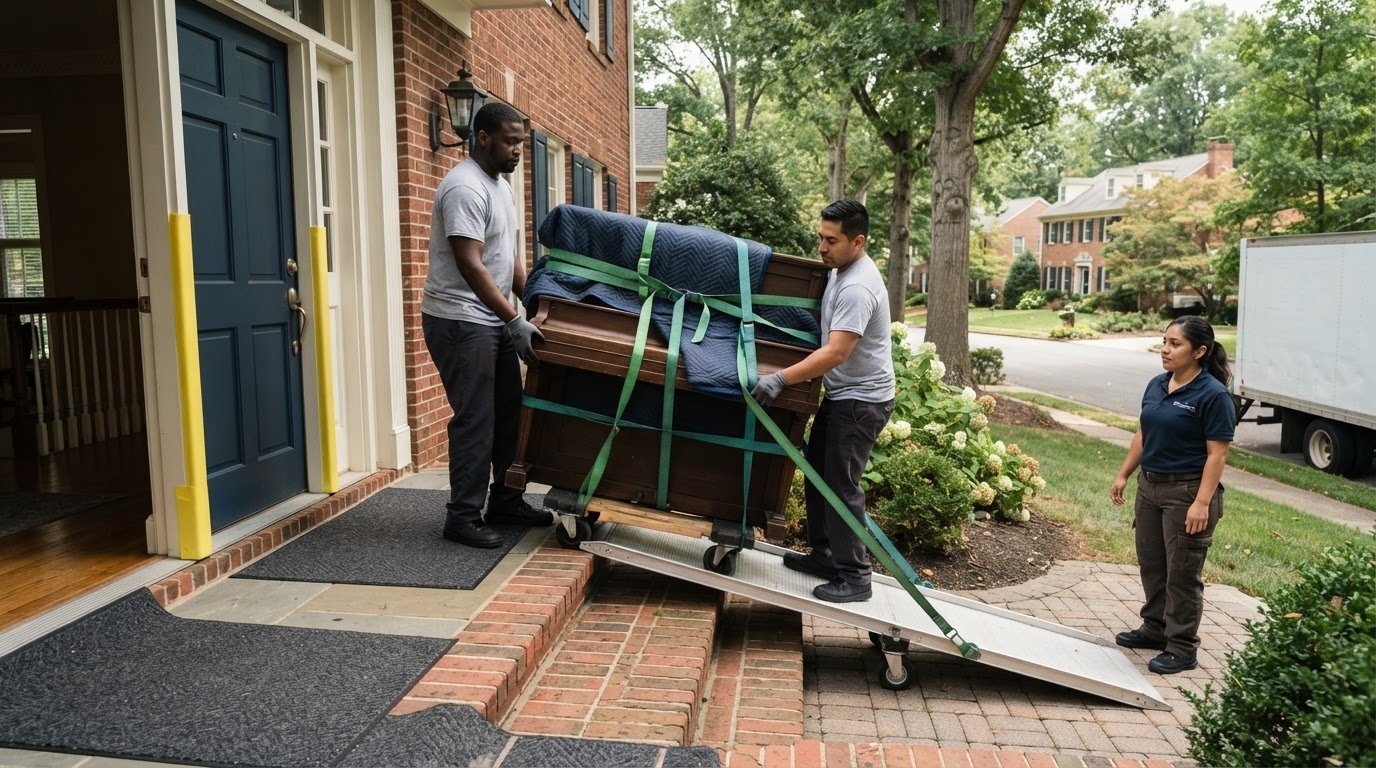
Plastic can shield furniture from rain during a short trip between the door and truck, or from splashes along a wet loading route. Treat it as temporary protection, not a storage wrap. Don’t seal damp furniture inside it or leave a wrapped piece unattended for an extended time. Once the item is indoors in a dry space, remove the plastic, inspect the surface and covering, and let the furniture air out if needed.
Keep each covering’s purpose clear: blankets cushion, breathable fabric covers limit dust, and plastic briefly blocks direct water. Using the right cover at each transition helps protect furniture without mistaking a barrier for moisture control.
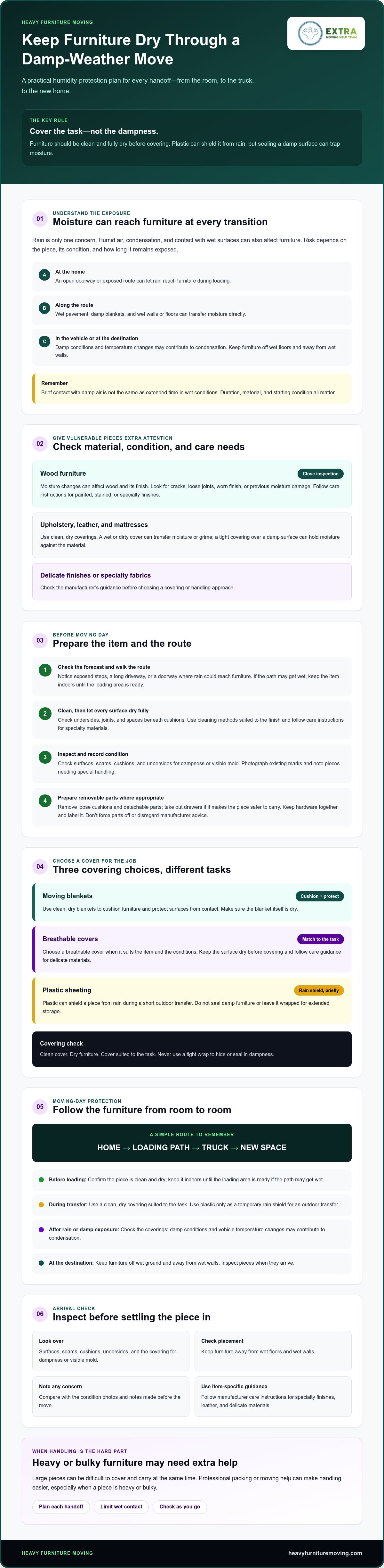
A step-by-step humidity protection plan for moving day
Virginia weather can shift between the forecast and loading time. Check the local forecast before the move, then adjust to the conditions outside. If rain starts, keep furniture off wet ground and prevent damp covers from touching clean surfaces. Protecting furniture from humidity during a VA move means managing each handoff, not just the time items spend in transit.
- Prepare the route. Clear the path from each room to the truck. Keep clean, dry blankets and temporary rain covers close by, and choose an indoor place where furniture can wait if loading pauses.
- Load with care. Keep furniture away from wet pavement, damp items, and visibly wet truck surfaces. Check protective materials after rain or contact with moisture, and replace anything that has become damp.
- Prioritize vulnerable pieces. If weather interrupts loading, focus on upholstered furniture, mattresses, and moisture-sensitive items. Keep them indoors or under suitable temporary protection while you wait. Don’t rush them through rain just to keep the schedule moving.
- Unload promptly. Move pieces directly into a dry indoor space when possible. Avoid leaning them against wet walls or setting them on wet floors.
- Inspect before settling in. Check coverings and furniture for dampness, discoloration, or unusual odors. Remove temporary plastic once the item is indoors and conditions are dry.
Protect furniture during loading and transport
Keep the loading area organized so furniture doesn’t sit outside while the route or truck is being cleared. Use clean, dry protective materials, and avoid placing pieces against wet surfaces or beside items that could transfer moisture. If rain or unexpected weather makes the route unsafe or exposes furniture, pause loading and reassess. This can help prevent a wet cover or splash from being carried into the vehicle and pressed against a finish.
Unwrap, inspect, and settle furniture after arrival
Once furniture is indoors in a dry space, remove temporary plastic and check both the item and its covering. Look over wood surfaces and upholstery for damp areas, discoloration, or unfamiliar odors. If a piece feels damp, give it room to air in a dry, ventilated area, and follow the manufacturer’s care guidance before applying cleaners or treatments. Don’t place it directly against a wall or pile other items on it while it dries.
Heavy or bulky pieces can be harder to protect while lifting and moving through a wet route. If you need help with careful handling, get moving help for heavy furniture and confirm service availability for your location.
When professional moving help makes humidity protection easier
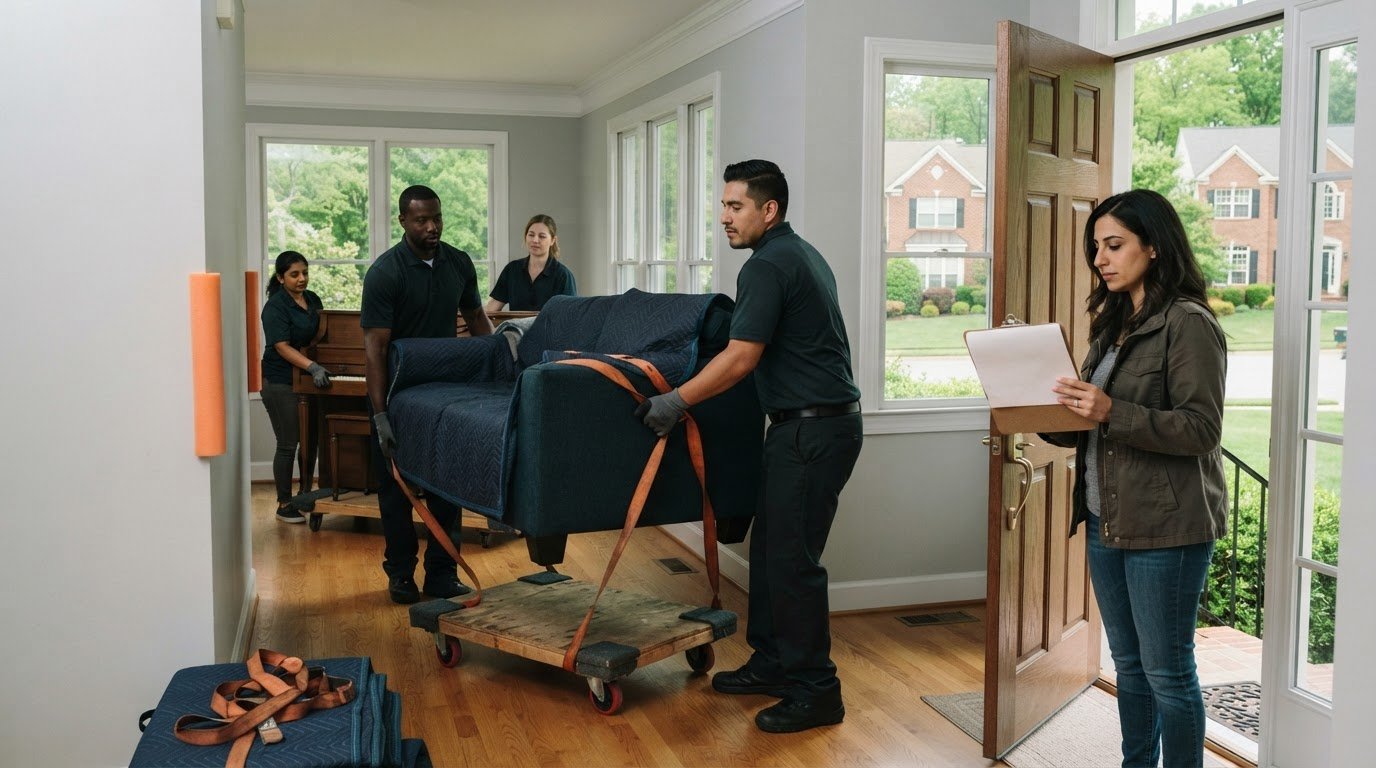
Extra hands can help coordinate lifting, covering, and loading, especially if rain narrows the time available to move furniture outdoors. Professional movers can help reduce unnecessary pauses and repeated handling, but they can’t control the weather or guarantee that furniture will stay unaffected. Share your priorities before moving day so the crew knows which items need careful handling and what conditions may affect the route.
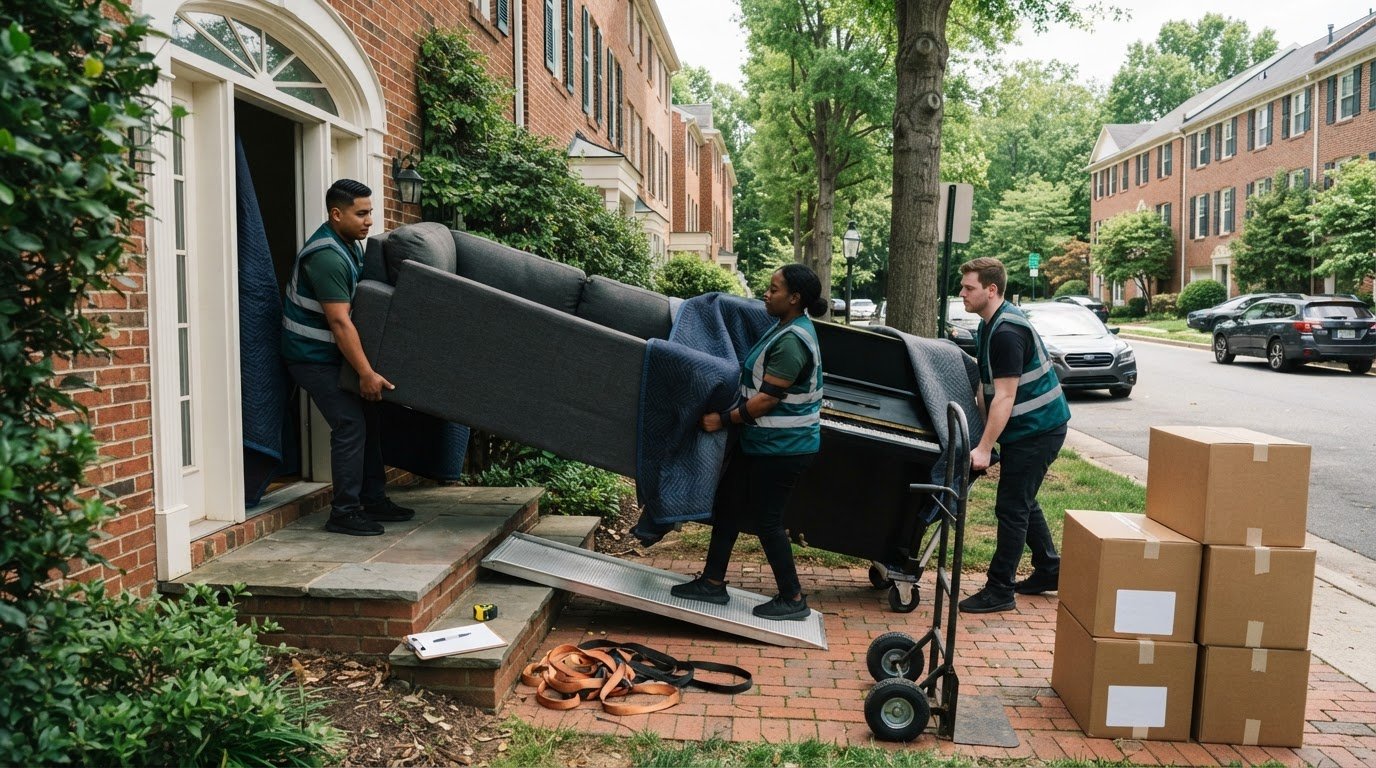
This can be useful for protecting furniture from humidity during a VA move when pieces are heavy, awkward, or hard to wrap while being carried. A large sofa, for example, may need coordinated lifting through a tight doorway while someone keeps its covering secure. Moving and packing support helps with the move itself. It isn’t the same as storage, and it doesn’t mean furniture will be kept in a humidity-controlled space.
Which moves may benefit from experienced furniture movers?
Consider experienced help for bulky pieces that are difficult to lift and cover at the same time, or delicate items that need a careful route through doorways and hallways. Even a local move in Fairfax, Woodbridge, or Manassas may involve stairs, narrow access, or an exposed walk to the vehicle. Discuss these details in advance so the handling plan can account for both the item and the route.
Plan your Virginia move with less stress
Before requesting help, make a short list of large or delicate pieces and note anything that could affect access. Include stairs, narrow entrances, long walks from the home to the vehicle, and whether loading areas are covered. Ask what packing support is available for your move, and confirm current service availability for your location. Clear information helps you plan before loading begins.
- Identify heavy or awkward items that need coordinated handling.
- Describe access conditions and any likely exposure to rain.
- Confirm which packing needs and moving tasks can be supported.
If managing the heavy lifting and packing feels like too much to handle alone, explore residential moving support and ask whether it fits your move. A straightforward plan and the right help can make loading more manageable, while you focus on keeping furniture protected at each stage.
Make your Virginia move easier to manage
Protecting furniture from humidity during a VA move comes down to a few practical habits: start with clean, dry furniture, choose coverings for the task, and check each piece as it moves from home to truck to destination. Blankets can cushion, breathable covers can guard against dust, and temporary plastic can shield items from rain, but none should trap moisture against furniture.
If heavy or bulky pieces make careful handling harder, professional moving and packing support can take some pressure off. Heavy Furniture Moving provides residential moving and packing support, including specialized handling for heavy furniture, in Fairfax, Woodbridge, Manassas, and nearby communities. Confirm service availability for your location and discuss your packing needs before the move.
Explore residential moving help for your Virginia move, and take the next step with a clear plan. With preparation and the right support, you can approach moving day with greater confidence.
Frequently Asked Questions
Can humidity damage furniture during a move?
Yes, moisture in the air can affect some furniture, depending on its material, condition, and exposure time. Wood, upholstery, and leather may need different care. During a move, watch for rain, damp coverings, and wet loading areas. Keep pieces dry, use clean, suitable protection, and inspect them after arrival. For protecting furniture from humidity during a VA move, follow the manufacturer’s instructions for specialty finishes and materials.
Should I wrap furniture in plastic for a move in Virginia?
Plastic can shield furniture from rain or splashes during a short outdoor transition, such as carrying a piece from the doorway to the vehicle. It isn’t a breathable storage cover. Don’t seal damp furniture inside plastic or leave it wrapped for an extended time. Keep blankets and other protective materials clean and dry, then remove temporary plastic after bringing furniture indoors and check for trapped moisture.
What is the best way to protect wood furniture from humidity while moving?
Start with clean, fully dry furniture and check the care instructions for its finish. Use a clean, dry moving blanket to cushion surfaces during transport, and use temporary protection against rain during loading without sealing dampness inside. Keep wood off wet ground and away from damp walls or items. Once indoors, remove temporary plastic and inspect the piece. For valuable or delicate finishes, ask the manufacturer or a qualified specialist for guidance.
How do I protect a couch from humidity during a move?
Make sure the couch and its cushions are dry before covering them. Use clean moving blankets for padding and surface protection, and add temporary rain protection during an exposed transition if needed. Don’t leave a damp couch sealed in plastic. At the destination, bring it indoors promptly, remove temporary wrapping, and inspect the upholstery and seams for dampness before using it. Follow the manufacturer’s care instructions for cleaning or drying.
Is a climate-controlled storage unit necessary during a Virginia move?
Whether climate-controlled storage is suitable depends on how long furniture will be stored, its materials, and the conditions where it will wait. This guide can’t assess a particular unit or guarantee a storage outcome. Ask the storage provider about the facility’s environmental controls and whether the space suits your belongings. Heavy Furniture Moving provides residential moving and packing support, not climate-controlled storage, so arrange storage directly with a provider if needed.
What should I do if furniture gets wet during a move?
Move the furniture to a dry indoor area as soon as practical and remove any temporary plastic covering. Carefully blot surface moisture without rubbing or applying cleaners that aren’t approved for the material. Give the item space to air in a dry, ventilated room, then check for lingering dampness, discoloration, or unusual odors. Follow the manufacturer’s care guidance, and seek qualified advice if the material or finish is valuable or the moisture remains.
Can movers help protect furniture from rain and humidity?
Moving help can support careful handling, covering, and loading, but confirm the specific packing support and availability for your move before booking. Ask how items will be handled during loading and what you should prepare. Heavy Furniture Moving provides residential moving and packing support, with specialized handling for heavy and bulky furniture. Its service area includes Fairfax, Woodbridge, Manassas, Manassas Park, Aldie, Ashburn, McLean, Vienna, Reston, Centreville, Chantilly, Clifton, Dumfries, South Riding, Fairfax Station, Haymarket, and Gainesville. Confirm current availability for your location.
How should I prepare for a rainy moving day in Virginia?
Check the local forecast and plan a clear route from each room to the vehicle. Keep protective materials dry until needed, identify furniture that needs extra attention, and avoid setting pieces on wet ground. If conditions change, pause and adapt the loading plan where practical rather than letting furniture sit in the rain. After arrival, move each piece indoors, remove temporary rain protection, and inspect surfaces and upholstery for dampness.
Frequently Asked Questions
Wood furniture deserves a close look because moisture changes can affect the material and its finish. Check for existing wear, and follow care instructions for painted, stained, or specialty finishes. Upholstered furniture, leather, and mattresses also need clean, dry coverings. A wet or dirty cover can transfer moisture or grime, while a tight covering over a damp surface can hold moisture against the material. For delicate finishes or specialty fabrics, check the manufacturer’s guidance before choosing a covering.
Trace the route from each room to the destination. Rain may reach furniture at an open doorway or during loading. Wet pavement, damp blankets, and contact with wet walls or floors can transfer moisture directly. Temperature changes inside a vehicle may also contribute to condensation, so check coverings if the load has been exposed to damp conditions. At the destination, keep furniture off wet floors and away from wet walls. Brief contact with damp air is not the same as furniture sitting in wet conditions for an extended period. Duration matters, as do the material and its starting condition. Prevention can reduce exposure, but it can’t guarantee that furniture will be unaffected. For protecting furniture from humidity during a VA move, focus on limiting wet contact at each transition and checking pieces as you go. Good protection starts before the first item leaves the room. Check the forecast, then walk the route from each room to the truck. Note exposed steps, a long driveway, or a doorway where rain could reach furniture. If the path may get wet, keep the item indoors until the loading area is ready, with a clean, dry covering close at hand. Clean furniture using methods suited to its finish, then let every surface dry fully. Check undersides, joints, and the spaces beneath cushions. Furniture should be dry before you wrap it airtight; plastic can trap moisture against a damp surface. For broader conservation context, the Smithsonian’s Museum Conservation Institute shares resources on professional furniture preservation standards. For specialty finishes, leather, and delicate materials, follow the manufacturer’s care instructions.
Moving blankets are useful when furniture needs cushioning from contact with other items or the vehicle. Keep them dry and check the side that will touch the finish. A breathable fabric cover can suit a dry sofa or chair that mainly needs dust protection. Neither option replaces rain protection. The National Park Service offers practical guidelines for wooden object care, including advice on caring for wood.
Plastic can shield furniture from rain during a short trip between the door and truck, or from splashes along a wet loading route. Treat it as temporary protection, not a storage wrap. Don’t seal damp furniture inside it or leave a wrapped piece unattended for an extended time. Once the item is indoors in a dry space, remove the plastic, inspect the surface and covering, and let the furniture air out if needed. Keep each covering’s purpose clear: blankets cushion, breathable fabric covers limit dust, and plastic briefly blocks direct water. Using the right cover at each transition helps protect furniture without mistaking a barrier for moisture control. Virginia weather can shift between the forecast and loading time. Check the local forecast before the move, then adjust to the conditions outside. If rain starts, keep furniture off wet ground and prevent damp covers from touching clean surfaces. Protecting furniture from humidity during a VA move means managing each handoff, not just the time items spend in transit.
Consider experienced help for bulky pieces that are difficult to lift and cover at the same time, or delicate items that need a careful route through doorways and hallways. Even a local move in Fairfax, Woodbridge, or Manassas may involve stairs, narrow access, or an exposed walk to the vehicle. Discuss these details in advance so the handling plan can account for both the item and the route.
Yes, moisture in the air can affect some furniture, depending on its material, condition, and exposure time. Wood, upholstery, and leather may need different care. During a move, watch for rain, damp coverings, and wet loading areas. Keep pieces dry, use clean, suitable protection, and inspect them after arrival. For protecting furniture from humidity during a VA move, follow the manufacturer’s instructions for specialty finishes and materials.
Plastic can shield furniture from rain or splashes during a short outdoor transition, such as carrying a piece from the doorway to the vehicle. It isn’t a breathable storage cover. Don’t seal damp furniture inside plastic or leave it wrapped for an extended time. Keep blankets and other protective materials clean and dry, then remove temporary plastic after bringing furniture indoors and check for trapped moisture.
Start with clean, fully dry furniture and check the care instructions for its finish. Use a clean, dry moving blanket to cushion surfaces during transport, and use temporary protection against rain during loading without sealing dampness inside. Keep wood off wet ground and away from damp walls or items. Once indoors, remove temporary plastic and inspect the piece. For valuable or delicate finishes, ask the manufacturer or a qualified specialist for guidance.
Make sure the couch and its cushions are dry before covering them. Use clean moving blankets for padding and surface protection, and add temporary rain protection during an exposed transition if needed. Don’t leave a damp couch sealed in plastic. At the destination, bring it indoors promptly, remove temporary wrapping, and inspect the upholstery and seams for dampness before using it. Follow the manufacturer’s care instructions for cleaning or drying.
Whether climate-controlled storage is suitable depends on how long furniture will be stored, its materials, and the conditions where it will wait. This guide can’t assess a particular unit or guarantee a storage outcome. Ask the storage provider about the facility’s environmental controls and whether the space suits your belongings. Heavy Furniture Moving provides residential moving and packing support, not climate-controlled storage, so arrange storage directly with a provider if needed.
Move the furniture to a dry indoor area as soon as practical and remove any temporary plastic covering. Carefully blot surface moisture without rubbing or applying cleaners that aren’t approved for the material. Give the item space to air in a dry, ventilated room, then check for lingering dampness, discoloration, or unusual odors. Follow the manufacturer’s care guidance, and seek qualified advice if the material or finish is valuable or the moisture remains.
Moving help can support careful handling, covering, and loading, but confirm the specific packing support and availability for your move before booking. Ask how items will be handled during loading and what you should prepare. Heavy Furniture Moving provides residential moving and packing support, with specialized handling for heavy and bulky furniture. Its service area includes Fairfax, Woodbridge, Manassas, Manassas Park, Aldie, Ashburn, McLean, Vienna, Reston, Centreville, Chantilly, Clifton, Dumfries, South Riding, Fairfax Station, Haymarket, and Gainesville. Confirm current availability for your location.
Check the local forecast and plan a clear route from each room to the vehicle. Keep protective materials dry until needed, identify furniture that needs extra attention, and avoid setting pieces on wet ground. If conditions change, pause and adapt the loading plan where practical rather than letting furniture sit in the rain. After arrival, move each piece indoors, remove temporary rain protection, and inspect surfaces and upholstery for dampness.