Professional Movers for Heavy Garden Statues in Dumfries
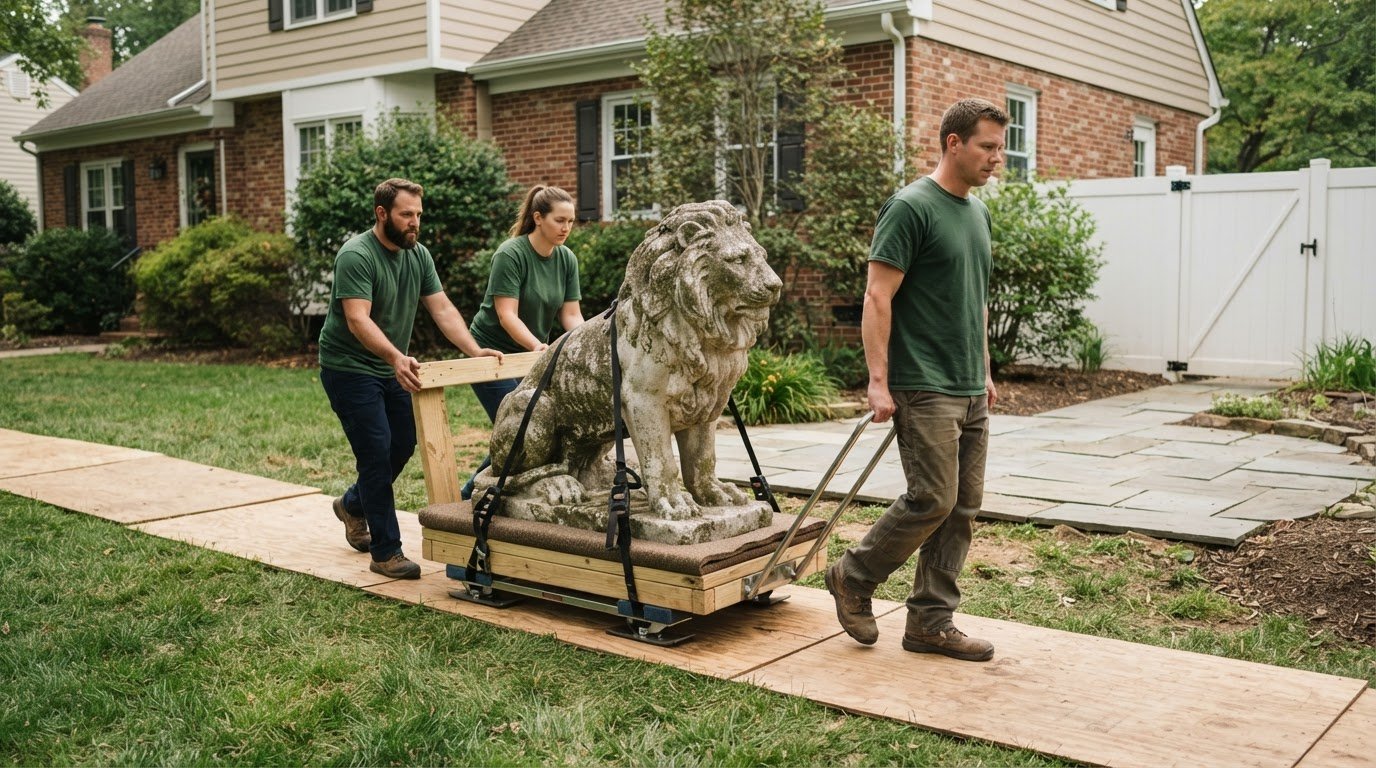
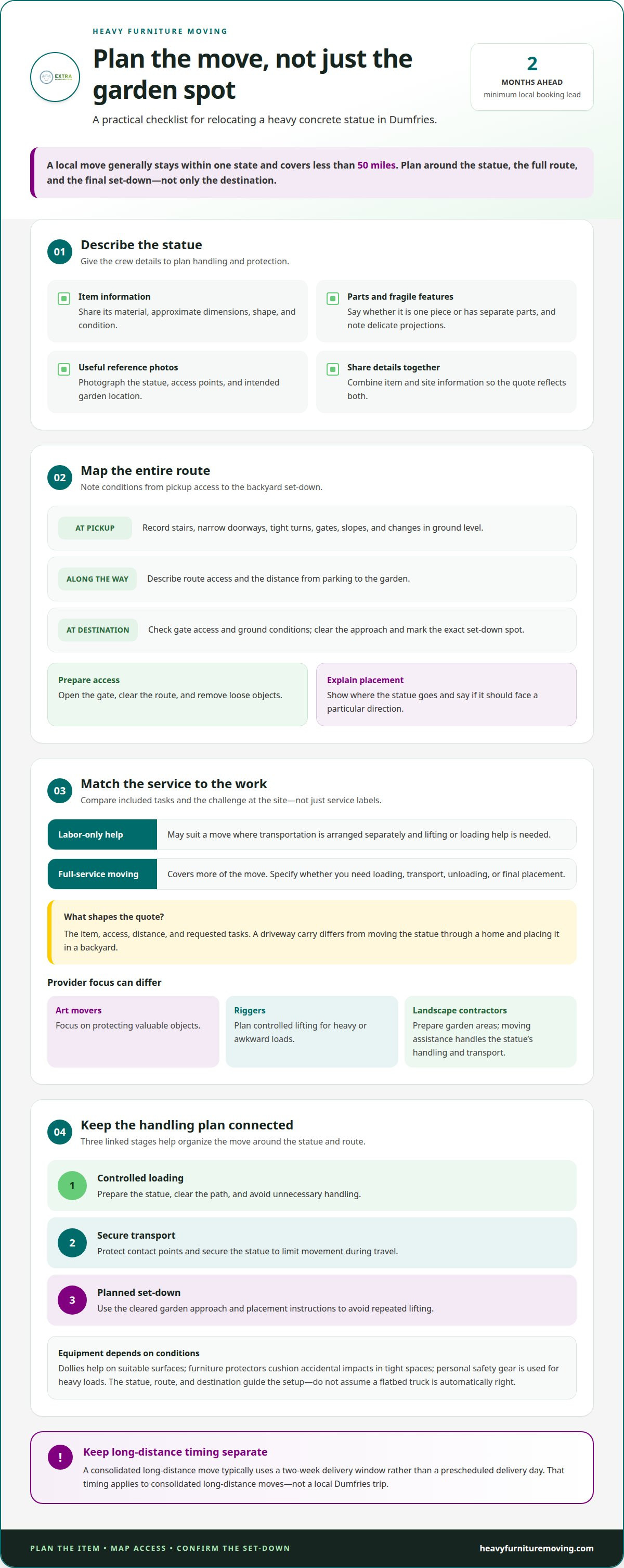
Give a heavy garden statue more than a last-minute slot on moving day. For a local move, book at least two months ahead; arranging professional movers to relocate heavy concrete statuary to a backyard garden in Dumfries takes planning for the statue, the route, and the final placement.
It’s easy to focus on where the statue will look best and leave the hard part until later. But access through the home or yard, tight turns, steps, and ground conditions at the destination all affect how the move is handled.
This guide explains how movers plan the lift, protect and transport concrete statuary, and set it down in the garden. You’ll also learn what to share when arranging the move, how credentials fit into your decision, and why early scheduling gives you more room to plan. With the key details mapped out, you can prepare the route and placement before moving day, without taking on the heavy lift yourself.
Key Takeaways
- Map the statue’s route from pickup to garden, noting stairs, narrow turns, gates, and changes in ground level.
- Share the statue’s size, shape, and condition so the moving plan can account for its weight and handling needs.
- Learn how careful loading, protection, and transport help reduce the chance of bumps or damage.
- Plan the final garden position before moving day, including access for the movers and a clear place to set the statue.
- See how scheduling and mover credentials fit into planning a smoother local move.
Local moving services
A local move generally stays within one state and covers less than 50 miles. For a Dumfries statue move, match the moving services to the item, route, and destination.
Heavy Item and Specialty Moving
Specialty moving covers oversized furniture, fitness equipment, and heavy items such as concrete statuary. The handling plan should account for the item’s weight, shape, and route, rather than treating it like ordinary belongings. A broad statue may need a different grip and loading position than a narrow exercise machine. Describe tight turns and doorways so the crew can plan the route.
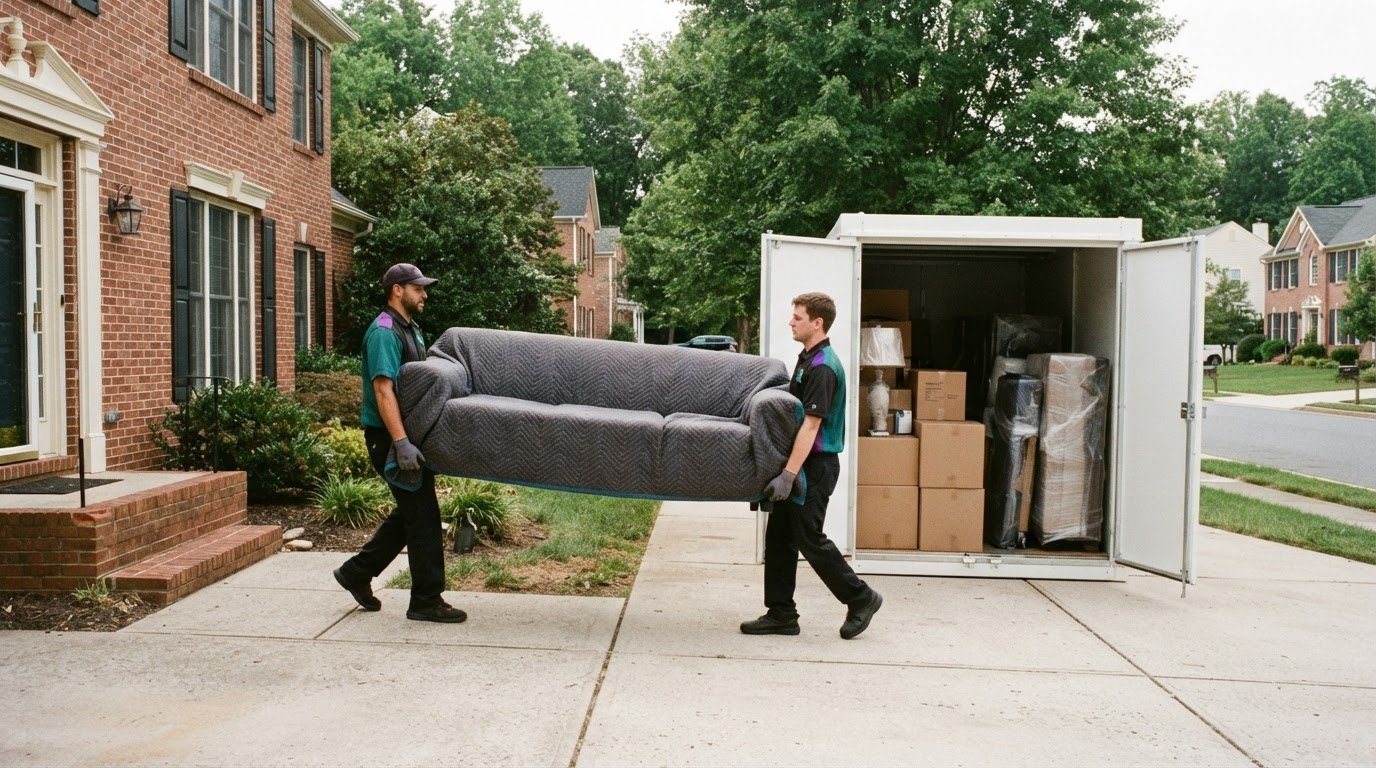
Movers commonly use dollies, furniture protectors, and personal safety gear for heavy loads. Tell the crew whether the statue is one piece or has separate parts. That distinction can affect how it’s protected and positioned for transport.
Quote Requests and Access Details
Build an inventory before requesting a quote. Describe the statue’s material, approximate dimensions, shape, condition, and any attached parts. Then map the pickup and delivery route, noting stairs, narrow doorways, gates, slopes, and the distance from parking to the garden.
Prepare the backyard by clearing the route, opening the gate, and removing loose objects. Mark the intended placement spot and show how the crew can reach it. Photos of the statue, access points, and destination make your description more useful. Share these details together so the quote reflects both the item and the site.
Labor-Only and Full-Service Costs
Labor-only and full-service moving cover different scopes of work. Labor-only help can suit a move where you’ve arranged transportation and need lifting or loading assistance. Full-service moving covers more of the move. For a Dumfries statue relocation, the price depends on the item, access, distance, and requested tasks, and is provided after a quote request.
Compare the work included, not just the service label. A statue carried from a driveway differs from one moved through a home and placed in a backyard. Explain whether you need loading, transport, unloading, or final placement. Clear task details help define the work and the quote.
Statue Relocation Provider Comparisons
Art movers generally focus on protecting valuable objects; riggers plan controlled lifting for heavy or awkward loads; landscape contractors prepare garden areas. For a concrete statue, consider whether the main challenge is careful handling, lifting, or site preparation. Describe the full move from pickup to placement to clarify the scope.
For a Dumfries statue relocation, distinguish the moving work from garden preparation. A landscape contractor’s work is most relevant when the garden needs preparation; moving assistance addresses handling and transport. Before delivery, clear the route and identify the set-down spot so the crew has a workable plan for the backyard.
Loading, transport, and delivery placement
A careful move links three stages: controlled loading, secure transport, and a planned set-down. For a Dumfries garden statue, each stage should reflect the item’s shape and the route to its final position.
Organized Loading and Transportation
Start with a clear sequence: prepare the statue, move it to the vehicle, secure it for travel, then unload it at the garden. Keep the path clear and identify the final placement before loading begins. This helps avoid unnecessary handling. Share whether the statue has delicate projections or separate pieces, since those details affect how it can be protected and positioned.
Transport time depends on distance, traffic, route access, and loading or unloading needs. A consolidated long-distance move typically uses a two-week delivery window instead of a prescheduled delivery day. That schedule applies to consolidated long-distance moves, not a local Dumfries trip. For a local move, ask how pickup, travel, and garden placement fit into the planned schedule.
Heavy Statuary Moving Equipment
Dollies help move large items across suitable surfaces, while furniture protectors cushion accidental impacts in tight spaces. Movers also use personal safety gear when handling heavy loads. The right setup depends on the statue’s weight, shape, route, and destination. For example, a narrow garden gate may limit how a dolly can approach the placement area.
Before loading, the crew should assess the statue and its route, then choose equipment suited to those conditions. Don’t assume a flatbed truck is automatically the right choice for statuary; the vehicle and handling plan should fit the item and the move.
Keep loading organized by separating the statue from loose belongings and anything that could shift against it. Protective materials help guard contact points, while secure positioning limits movement during transport. Packing services may suit household belongings, but the statue still needs a handling plan based on its shape and route.
At delivery, clear the garden approach and mark the exact set-down spot. Check that the gate opens fully and remove anything that could obstruct the route. Tell the crew whether the statue should face a particular direction. Clear placement instructions help avoid repeated lifting after the statue reaches the backyard.
Share the pickup address, destination, access conditions, and desired placement when arranging moving help for heavy items. Those details help organize loading and transport around the actual move, rather than relying on assumptions.
Licensed and insured mover credentials
Before booking a statue move in Dumfries, clarify who will do the work, what the paperwork covers, and which tasks are included. A license and insurance are different records. Read each document for the named business, stated scope, and connection to your pickup and destination.
Start with the moving company’s exact business name. Compare it across the estimate, service agreement, and credential documents. If a record names a different business, note how that business relates to the crew handling your move. Keep the documents together so you can refer to the same names when discussing the job.
Read insurance wording rather than assuming “insured” describes every situation. Look for the property, work, and circumstances addressed, plus any exclusions or limits in the document. A concrete statue differs from ordinary furniture. Record its material, existing chips, projecting details, and intended placement before handling starts.
- Match the business name on the estimate to credential records.
- Review the written insurance scope, exclusions, and limits.
- Record visible marks or damage before loading.
- Keep the agreed handling and delivery tasks with the paperwork.
Use a written inventory to define the job. Describe the statue, any separate components, and whether it starts indoors or outdoors. Add the route and destination, such as a side gate leading to a backyard. These details connect the paperwork to the actual move instead of a generic household job.
For a Dumfries move, make sure the documents describe the business and work involved at your Virginia address. Keep a copy available through delivery, especially when the statue is going beyond the driveway. A record that describes the destination helps clarify the agreed scope.
Before the crew arrives, compare the written scope with the physical plan. Check whether the agreed work ends at the driveway or includes carrying the statue to its garden location. Note who handles loading, unloading, and placement. Clear records make it easier to discuss a damaged protector, a missed task, or a changed delivery point using specific details.
Credentials help you understand the paperwork, but they don’t replace a practical handling plan. Review the business name, documents, scope, and inventory together. For a heavy statue, the records should match the item and route, from the first lift to its final backyard position.
Planning around stairs, gates, parking, and long carries
Access shapes the route from the pickup point to the backyard. Before moving day, walk the full path and note stairs, narrow turns, gate openings, parking, and the distance from the vehicle to the statue’s destination. A clear route helps the crew plan each carry and protect nearby surfaces.
For permits or access requirements in Dumfries, first identify whether the move stays on private property or uses public space. The need for permission depends on that distinction and the access involved. Note any planned use of a public street or blocked access, then arrange the appropriate permission before moving day.
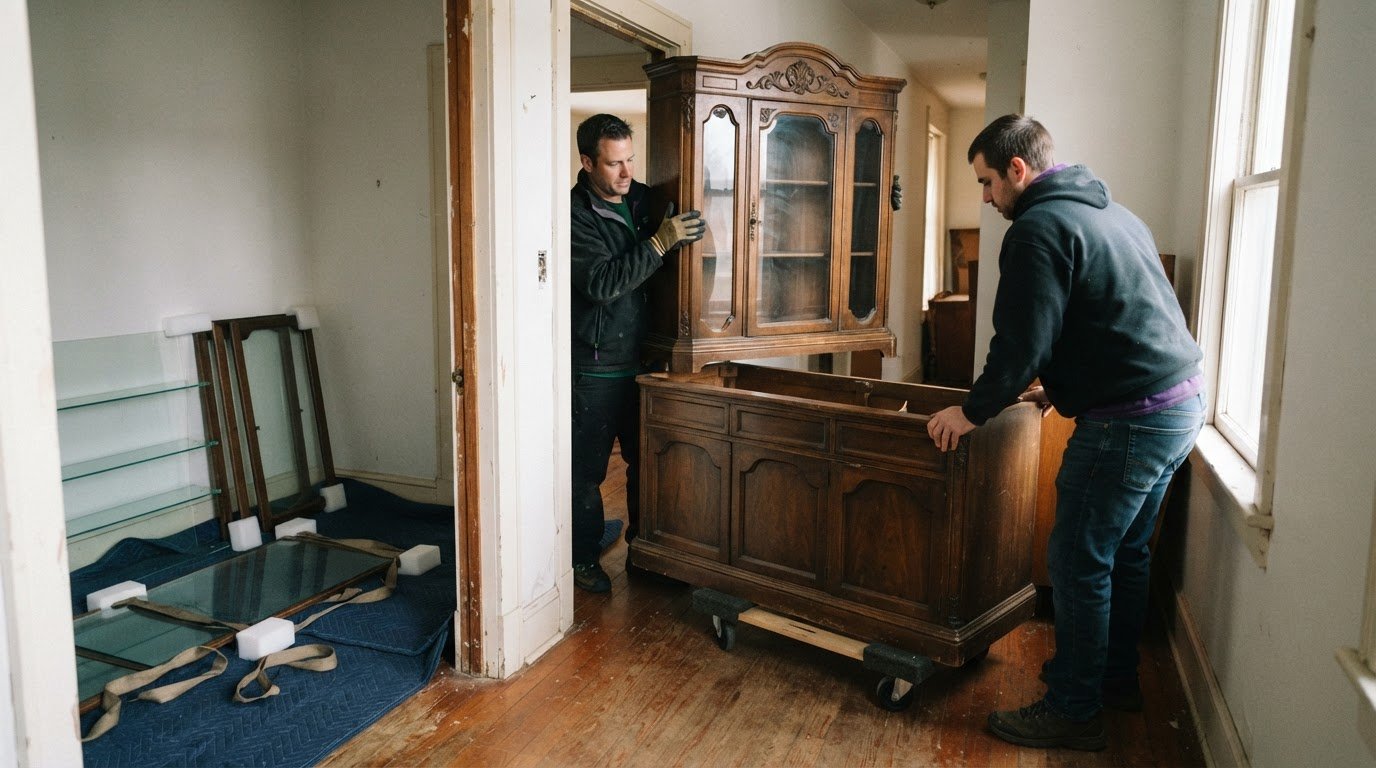
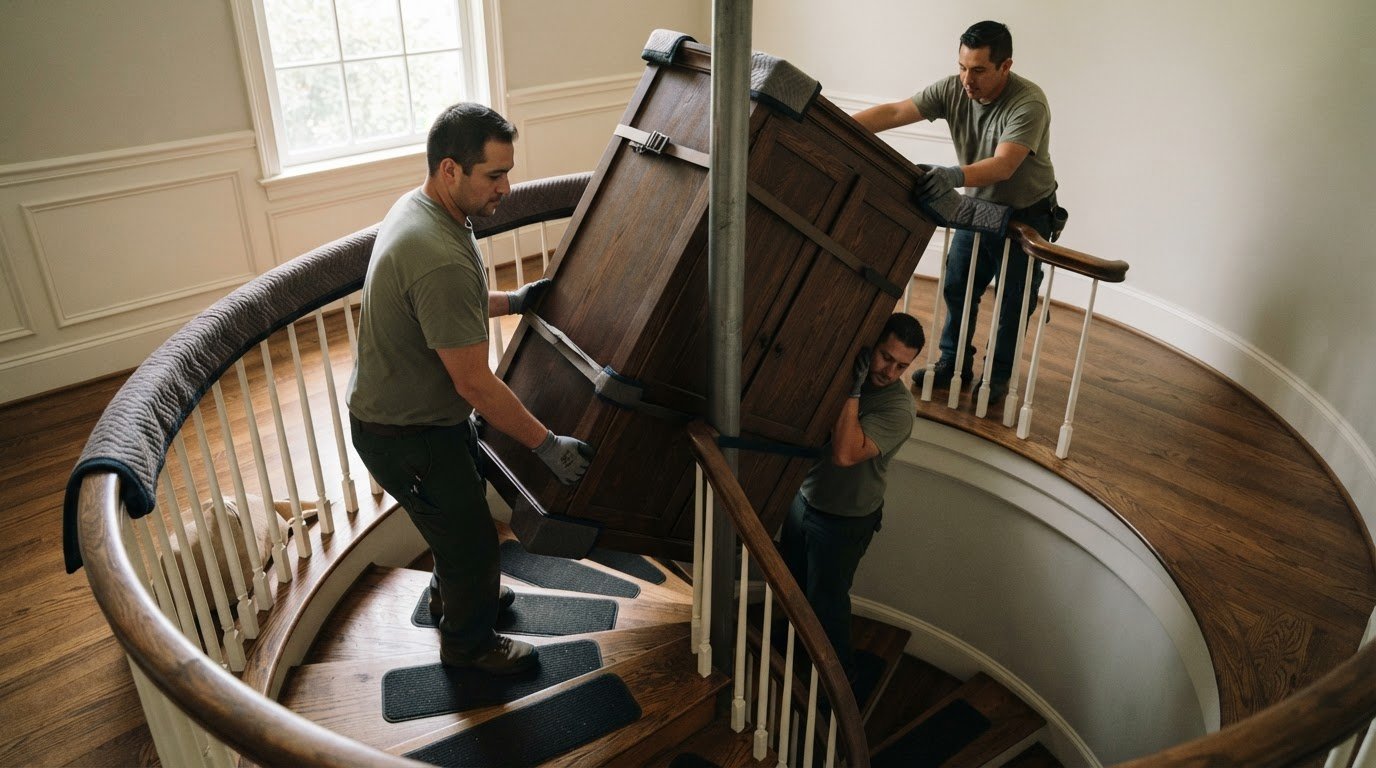
At the pickup, count each stair section and note landings, handrails, and tight turns. A statue that fits through the front door may still be difficult to pivot on an apartment landing. Share these details with the moving company, and keep the route free of packing materials, rugs, and loose belongings.
For a backyard gate, measure the narrowest opening and check its swing. A gate that opens only partway can restrict the statue’s approach, even when the garden path is wide. Remove movable obstacles, secure the gate open, and point out low branches or uneven ground before the crew starts.
Parking affects how the statue travels between the vehicle and the entrance. Identify a safe loading position and the closest available stopping point. If a driveway is shared, coordinate vehicle access with the household or property manager. For a long carry from the vehicle to the garden, map a route around steps, soft ground, and sharp corners.
Long carries need a practical route, not just a straight line on a map. Walk it with the destination in mind. For example, choose a firm path around a muddy lawn rather than crossing it directly. Remove hoses, garden tools, and planters that could interrupt the crew’s footing or movement.
Apartments add shared doors, hallways, elevators, and building access. Tell the moving team which entrance leads to the statue and whether other residents use the same corridor. For a move across state lines, include both addresses and access notes in the plan; the route and distance affect scheduling and transport.
- Measure the tightest door, gate, or landing.
- Clear the route from vehicle to final placement.
- Identify parking limits and any shared access.
Include each detail when requesting a quote. Clear access notes help the crew plan before arrival. If moving the statue again later, update the route plan, since landscaping, gates, or parking may have changed.
Heavy Concrete Statuary Movers in Dumfries, Virginia
Choosing professional movers to relocate heavy concrete statuary to a backyard garden in Dumfries starts with describing the statue itself. Explain whether it is a single casting, has projecting features, or includes separate components. A narrow base, for example, calls for different handling than a broad, low sculpture. These details help shape the move around the item, not just its overall size.
Next, map the job from pickup to final placement. Identify how the statue leaves the property, the route it follows, and the exact garden destination. Note transitions such as a side entrance, paved walk, or lawn crossing. For professional movers to relocate heavy concrete statuary to a backyard garden in Dumfries, those route details help clarify the work from the first lift through placement.
Make the quote request specific. Share approximate dimensions, material, visible condition, and any parts that detach. Photos showing the full shape and close views of existing chips or cracks add useful context. Include stairs, tight turns, gate width, and the carry from the vehicle to the destination.
- Describe the statue and any separate components.
- Outline the route from pickup to its garden position.
- List the tasks needed, including loading and placement.
- Document existing damage before the move.
Define the requested work before booking. Say whether the job ends at the driveway or includes carrying the statue to its garden location. Explain any access limits and identify the intended set-down spot. A clear scope helps everyone understand what happens after the statue arrives.
Plan the date early. Local moves should be booked at least two months ahead, and May through September is typically peak moving season. Share your preferred date and any driveway or gate restrictions when arranging the move.
Before moving day, clear the garden approach and mark the statue’s position. If landscaping or access changes after booking, update the plan. A new planter or closed gate can affect how the crew reaches the spot.
For help coordinating a heavy lift and local move in Dumfries, arrange heavy-item moving help with the pickup, route, and garden placement details ready.
Heavy Furniture Moving: Movers Near Me
Heavy Furniture Moving is a natural next step when a heavy lift or local move feels difficult to manage alone. Its heavy-item moving service and labor-only help can support the physical work involved in moving bulky items. Share the statue’s size, condition, pickup point, garden route, and intended placement so the job is clearly described.
For related household moves, Heavy Furniture Moving also offers Exercise Equipment Moving, Sofa Hoisting, and in-home furniture moving. These services address different moving needs, so describe the item and access conditions when discussing your task. That helps match your request to the right kind of moving assistance.
Contact Heavy Furniture Moving to discuss your move, including the statue’s route and destination.
Make the Garden Move Your Next Project
A statue can shape the feel of a garden for years, so treat its arrival as part of the space’s design. Before scheduling, decide how people will approach it, what should frame it, and whether the placement leaves room for future garden changes. A clear destination helps turn a difficult lift into a purposeful addition.
If you need professional movers to relocate heavy concrete statuary to a backyard garden in Dumfries, prepare the item and access details before discussing the move. Heavy Furniture Moving offers Movers Near Me, Exercise Equipment Moving, and Sofa Hoisting for other bulky-item needs. Share the statue’s condition, route, and intended placement when you reach out.
Start the next step with a clear description of the job. Contact Heavy Furniture Moving to discuss your move and plan for the statue’s place in your garden.
Frequently Asked Questions
How far in advance should I hire movers?
For a local move, arrange movers at least two months ahead. That gives you time to coordinate the statue’s pickup, access, and garden placement. If your date falls during the busy May-through-September moving season, plan early and share any restrictions on driveway or gate access. For a statue with unusual dimensions or a complicated route, include those details when booking so they can shape the moving plan.
What does it cost to move heavy concrete garden statues in Dumfries, VA?
The cost depends on the statue and the work involved, and is provided after a quote request. Key factors include the item’s size and shape, pickup and delivery access, distance, stairs, and the requested loading and placement work. A single statue carried from a driveway differs from one moved through a home and around a narrow side path. Share the full scope to receive a quote for your Dumfries move.
How do movers calculate weight and size for concrete statue relocation?
Movers estimate handling needs from the statue’s dimensions, material, shape, and route. Measure its height, width, and depth, and note a broad base, hollow sections, or projecting details. Photos from several angles help show features that measurements alone miss. Also describe the tightest doorway, turn, or gate. These details help the crew plan how to position and handle the statue without relying on its appearance alone.
What insurance and liability coverage applies to statue movers in Virginia?
Coverage depends on the written terms for the move, so read the agreement and insurance documents together. Look for which property and handling stages they address, including loading, transport, unloading, and placement. Note exclusions, limits, and how existing chips or cracks are recorded. Photograph the statue before work begins, and keep those images with the move paperwork. That creates a clear record of its condition and the agreed scope.
What are the risks of cracking concrete statuary during transport and placement?
Concrete can crack if a statue is struck, allowed to shift, or supported unevenly during lifting or set-down. Thin projections and narrow bases can be especially vulnerable to pressure. Before moving day, photograph existing damage and point out delicate edges. Keep the route clear so the piece doesn’t need abrupt turns around obstacles. At the garden, prepare a stable, level landing area suited to the statue’s base.
How do I get quotes for moving a concrete statue to a backyard garden?
Send the statue’s dimensions, photos, current location, and any visible damage with your quote request. Describe stairs, gates, parking, and the route to its exact garden destination. Heavy Furniture Moving serves Dumfries and nearby communities, including Fairfax, Woodbridge, Manassas, Manassas Park, Aldie, Ashburn, McLean, Vienna, Reston, Centreville, Chantilly, Clifton, South Riding, Fairfax Station, Haymarket, and Gainesville. Include whether you need loading, transport, or placement help.
Frequently Asked Questions
For a local move, arrange movers at least two months ahead. That gives you time to coordinate the statue’s pickup, access, and garden placement. If your date falls during the busy May-through-September moving season, plan early and share any restrictions on driveway or gate access. For a statue with unusual dimensions or a complicated route, include those details when booking so they can shape the moving plan.
The cost depends on the statue and the work involved, and is provided after a quote request. Key factors include the item’s size and shape, pickup and delivery access, distance, stairs, and the requested loading and placement work. A single statue carried from a driveway differs from one moved through a home and around a narrow side path. Share the full scope to receive a quote for your Dumfries move.
Movers estimate handling needs from the statue’s dimensions, material, shape, and route. Measure its height, width, and depth, and note a broad base, hollow sections, or projecting details. Photos from several angles help show features that measurements alone miss. Also describe the tightest doorway, turn, or gate. These details help the crew plan how to position and handle the statue without relying on its appearance alone.
Coverage depends on the written terms for the move, so read the agreement and insurance documents together. Look for which property and handling stages they address, including loading, transport, unloading, and placement. Note exclusions, limits, and how existing chips or cracks are recorded. Photograph the statue before work begins, and keep those images with the move paperwork. That creates a clear record of its condition and the agreed scope.
Concrete can crack if a statue is struck, allowed to shift, or supported unevenly during lifting or set-down. Thin projections and narrow bases can be especially vulnerable to pressure. Before moving day, photograph existing damage and point out delicate edges. Keep the route clear so the piece doesn’t need abrupt turns around obstacles. At the garden, prepare a stable, level landing area suited to the statue’s base.
Send the statue’s dimensions, photos, current location, and any visible damage with your quote request. Describe stairs, gates, parking, and the route to its exact garden destination. Heavy Furniture Moving serves Dumfries and nearby communities, including Fairfax, Woodbridge, Manassas, Manassas Park, Aldie, Ashburn, McLean, Vienna, Reston, Centreville, Chantilly, Clifton, South Riding, Fairfax Station, Haymarket, and Gainesville. Include whether you need loading, transport, or placement help.