Packing and Shipping Heirlooms Internationally from Aldie: Costs
An heirloom’s shipping cost depends on its size, weight, fragility, destination, packing needs, and shipping method. Packing and shipping heirlooms internationally from Aldie can call for a custom crate when an item is unusually large, heavy, or delicate. Sea freight for household goods takes 20-60 days, while air freight costs 5-10 times more than sea freight.
It’s natural to focus on the shipping quote, but the item’s risks matter just as much. A clear inventory, careful condition assessment, and suitable packing help you compare options and avoid surprises.
This guide explains how to assess heirlooms before they travel, what affects packing and freight costs, and how air and sea shipping differ in time and expense. You’ll also learn when custom packing makes sense and what details to prepare for a useful quote. Start by identifying what you’re sending, where it’s going, and what protection it needs.
Key Takeaways
- Assess each heirloom’s condition, fragility, value, and destination requirements before deciding how to ship it.
- Use a custom wooden crate for an unusually heavy, large, or fragile piece, and keep a detailed inventory for quotes and customs paperwork.
- Compare at least three moving quotes and plan ahead, since international household moves require coordination and sea freight can take 20-60 days.
- Weigh air freight’s speed against its higher cost; it can cost 5-10 times more than sea freight.
- Protect fragile items with cushioning and secure box placement, and photograph each heirloom before packing to document its condition.
Custom boxes and crates for unusual items
Match the crate to the heirloom’s shape, weight, fragility, and destination. Customs paperwork should clearly describe the actual contents.
Custom Crates for Unusual Items
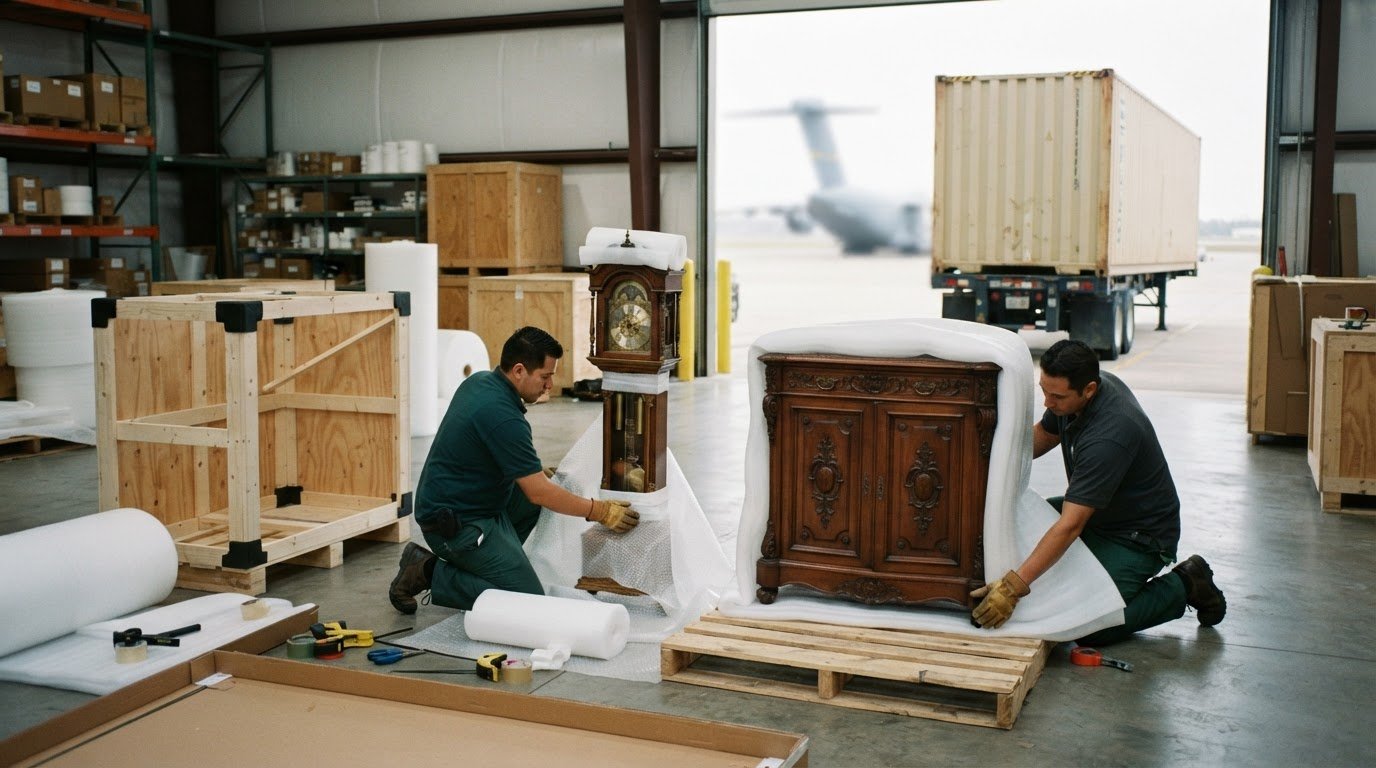
A custom wooden crate may suit an exceptionally heavy, large, or fragile heirloom. Measure the item, including handles, legs, and other projections. Note its weight, weak points, and whether any furniture can be disassembled. The crate should hold the item securely without pressing against delicate surfaces. Keep the measurements with your inventory when requesting shipping estimates.
Fragile Antique Packing Methods
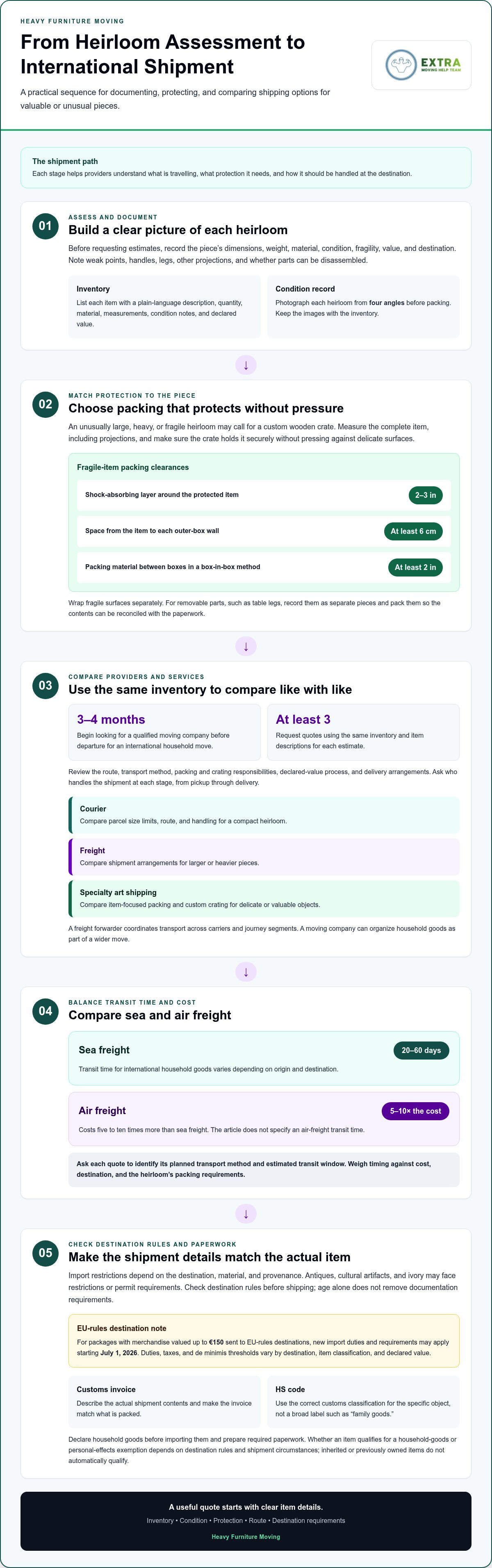
Wrap fragile surfaces separately, then add a 2 to 3 inch shock-absorbing layer around the protected artifact. Leave at least 6 cm between the item and each outer-box wall. For a box-in-box method, leave at least 2 inches of packing material between boxes. These clearances help keep the heirloom from striking the package walls during handling.
Import restrictions depend on the destination and the heirloom’s material and provenance. Antiques, cultural artifacts, and ivory may face restrictions or permit requirements, so identify the exact item and check the destination’s rules before shipping. Age alone does not mean an object can enter without documentation.
For packages with merchandise valued up to €150 sent to EU-rules destinations, new import duties and requirements may apply starting July 1, 2026. Duties, taxes, and de minimis thresholds vary by destination, item classification, and declared value. Build those details into your comparison of shipping options.
Whether heirlooms qualify for household-goods or personal-effects exemptions depends on destination rules and shipment circumstances. Declare household goods before importing them and prepare the required paperwork. Don’t assume an inherited or previously owned item automatically qualifies for an exemption.
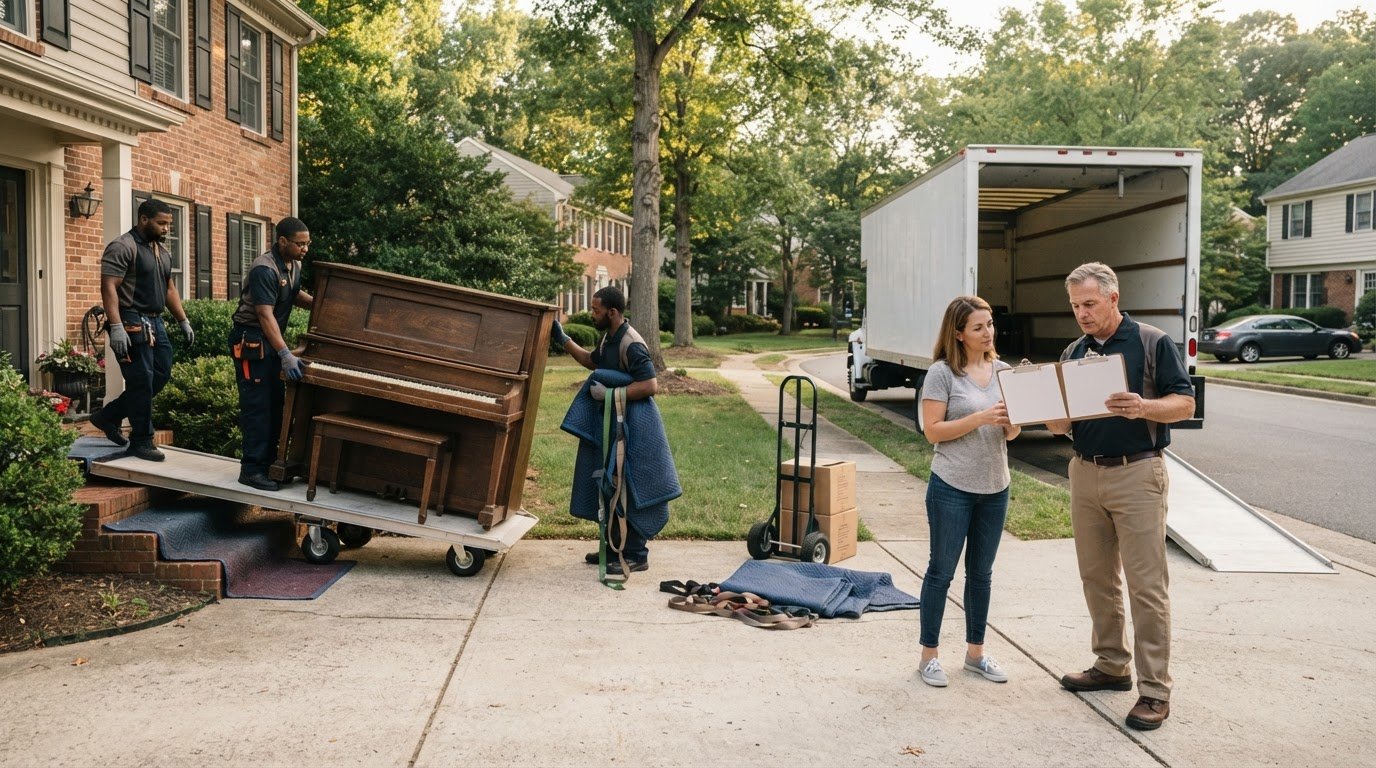
In Aldie and nearby communities, arrange professional packing and crating for shipment preparation, and use a qualified appraiser for valuation. For bulky furniture that needs to be moved through your home, Heavy Furniture Moving can provide local help with the lifting. Keep appraisal records separate from the customs invoice so each document serves its purpose.
Prepare a detailed inventory before completing customs forms. List each heirloom with a plain-language description, quantity, material, and declared value. The customs invoice should match the shipment contents, while the HS code identifies the item’s customs classification. Use the correct classification for the specific object, not a broad label such as “family goods.”
Use consistent descriptions, destination details, and required shipment information on customs forms and package labels. Photograph each heirloom from four angles before packing, then keep the images with the inventory. If a delicate table has removable legs, record them as separate pieces and pack them so the paperwork and crate contents are easy to reconcile.
Choosing an international freight forwarder
Choose a shipping plan based on the heirloom’s dimensions, fragility, destination, and delivery schedule. Compare options before packing begins.
Freight Forwarder and Moving Company Selection
For an international household move, begin looking for a qualified moving company 3-4 months before departure. Request at least three quotes, using the same inventory and item descriptions for each estimate. That makes it easier to compare packaging, crating, transport, and delivery arrangements without confusing differences in scope.
Review each quote for the route, transport method, packing responsibilities, and declared-value process. Ask for the full sequence from pickup through delivery, including who handles the shipment at each stage. A forwarder coordinates transport across carriers and journey segments; a moving company can organize household goods as part of a wider move.
Give each company a detailed inventory with measurements, materials, condition notes, and photographs. Identify unusual items, such as a carved cabinet with fragile inlay, before requesting estimates. Clear details help providers assess handling needs and prepare comparable quotes.
Courier, Freight, and Specialty Art Shipping
Courier services suit parcels that meet their size and handling limits. Compare freight for larger or heavier shipments, while specialty art shipping focuses on item-specific packaging and crating. Match the service to the heirloom rather than choosing by name alone: a small framed photograph and a large carved furniture piece have different packing needs.
Pack-and-ship stores can coordinate shipments through USPS, UPS, FedEx, DHL, and freight carriers. The right carrier depends on parcel dimensions, destination, transport method, and packing requirements. For an unusual heirloom, compare how the proposed packaging protects vulnerable areas and how the shipment will move between carriers.
Use this simple comparison when reviewing options:
- Courier: Compare parcel limits, route, and handling for a compact heirloom.
- Freight: Compare shipment arrangements for oversized or heavy pieces.
- Specialty art shipping: Compare custom crating and item-focused packing for delicate or valuable objects.
Sea freight for international household goods takes 20-60 days, depending on origin and destination. Ask each quote to identify the planned transport method and estimated transit window, then weigh timing against the heirloom’s packing requirements. For local help moving a heavy piece into its shipment area, heavy-item moving support can ease the physical handling before pickup.
International shipping methods and transit times
Choose transport by weighing transit time, shipment size, handling needs, and budget. Sea freight for international household goods takes 20-60 days, depending on origin and destination. Air freight costs 5-10 times more than sea freight, so it may suit a delicate heirloom when speed matters more than cost.
Request a written estimate based on the destination, item dimensions, total shipment weight, packing needs, and delivery arrangements. Compare quotes using the same inventory. For example, a carved chair may need different packaging and handling from a small framed photograph, even if both are going to the same address.
Air and sea freight involve different transport stages. A shipment’s route, transfer points, customs processing, and final delivery all affect its arrival. Ask how the quoted transit window is counted and whether it covers transport only or also pickup and delivery. Compare these stages separately across estimates.
- Sea freight: Compare the 20-60-day transit range with your move schedule and the heirloom’s packing needs.
- Air freight: Weigh its speed against a cost that is 5-10 times higher than sea freight.
- Parcel carriers: Pack-and-ship stores can coordinate shipments through USPS, UPS, FedEx, DHL, and freight carriers.
Sea transport brings movement and changing conditions. In a heavy storm, the front of a container ship can bob up and down by over 15 meters. Vibration can shift a poorly secured object inside its crate, while humidity can affect wood, paper, and other delicate materials. Use internal supports and protective packaging suited to the heirloom.
Before choosing a method, write down the heirloom’s measurements, material, fragile areas, and destination. Then compare how each option handles pickup, crating, transport, and final delivery. A large antique cabinet, for example, may need freight handling and a custom crate; a compact keepsake may meet a parcel service’s requirements. Match the service to the item, not just the advertised transit speed.
Build the delivery schedule around the full route. If sea freight is planned, allow for its 20-60-day transit period, then account for pickup and destination delivery separately. For air freight, compare the quoted route and handling stages against the higher transport cost. Clear estimates help you choose how to send each heirloom safely.
Assessment of antiques and heirlooms for shipping risks
Assess each heirloom before choosing packaging or transport. A carved chest, porcelain figure, and framed portrait face different risks. Record existing wear, loose joints, delicate finishes, and repairs. These details help distinguish old damage from damage that occurs during shipment.
Start with a careful condition review. Open doors and drawers gently, check handles and feet, and note any movement or cracks. For a clock, record whether its pendulum or hands move freely. For a painting, note lifting paint, a loose frame, or marks on the backing. Don’t clean or repair antiques before documenting their condition.
For high-value antiques or items worth more than $2,000, obtain a certified appraisal. An appraisal can establish a documented value and describe the item’s materials, age, and condition. Keep a copy with your inventory and shipping records. Separate sentimental importance from appraised value, since those describe different kinds of worth.
Consider how the destination and each handling stage could affect the object. Delicate veneer may be vulnerable to pressure, while a glass panel can crack if the package shifts. Wood may respond poorly to changing humidity. Identify these weak points before selecting cushioning, supports, or a crate.
- Structure: Note loose joints, unstable legs, and removable parts.
- Surface: Record scratches, flaking finish, fragile inlay, or exposed edges.
- Materials: Identify wood, paper, glass, metal, fabric, or mixed materials.
Review insurance terms alongside the valuation. The average insurance claim for a damaged or lost antique shipment exceeded $25,000 in 2023. That figure shows why declared value and coverage details deserve close attention. Keep the appraisal, condition notes, and shipment documents together so the item’s description stays consistent.
Plan for inspection at delivery, too. Most international carriers require damage reports within 48 to 72 hours after delivery. If you find damage, photograph it before moving or unpacking the object further. Send the evidence to the shipping company or insurance provider when filing a claim.
Use carrier tracking updates to follow shipment progress and delivery status when available. If an heirloom must wait before unpacking, consider how its packaging and storage conditions may affect the material. A paper keepsake, for example, needs different handling from a metal object. Note any concerns before shipment, then compare them with the item’s condition on arrival.
Make a final risk review item by item. Pair each concern with a practical safeguard: stabilize a loose drawer, protect a fragile edge, or secure a removable component separately. This targeted assessment makes valuable family pieces easier to identify, handle, and inspect throughout the move.
What packing materials and methods protect fragile antiques during international shipping?
Build protection in layers, from the heirloom’s surface to the shipping container. A porcelain figurine, framed portrait, and carved chair each need different support.
Wrap and Cushion Each Piece
First, separate detachable parts and wrap each one on its own. Use clean, non-abrasive wrapping against delicate finishes, then add a 2 to 3 inch shock-absorbing layer around the protected artifact. Keep cushioning snug without pressing against carvings, painted details, or fragile joints. A framed picture, for example, needs support around its frame and protection over the glass.
Place the wrapped item in a sturdy inner box, then center that box inside a larger one. For this box-in-box method, leave at least 2 inches of packing material between the inner and outer boxes. Fill empty spaces so the inner box can’t slide. Test the package gently before sealing it; movement means the contents need more support.
Fit the Outer Package
Choose an outer box that leaves at least 6 cm between the item and every wall. Use a custom wooden crate for an exceptionally heavy, large, or highly fragile heirloom. Secure the object inside so it cannot shift against the crate during handling. Keep the item’s weight balanced, and avoid placing pressure on narrow legs or projecting handles.
For furniture, remove parts that can be safely detached and protect them separately. Mark each wrapped component in your inventory, such as “table leg” or “drawer front.” Put hardware in a labeled bag secured inside the package, away from polished surfaces. This keeps parts together and makes unpacking easier.
- Glass: Add a firm protective layer and keep the frame from pressing against other objects.
- Carved wood: Cushion protruding details so packing pressure doesn’t rest on them.
- Small objects: Use a fitted inner container to prevent rattling and contact with other pieces.
Seal every seam and reinforce the flaps. USPS recommends reinforcing package flaps with 2-inch-wide packing tape. Add clear handling labels, but don’t rely on labels as a substitute for internal cushioning. Photograph the packed heirloom and its closed box for your records.
Before moving a large, packed crate, clear the route through doorways and halls. For help handling a bulky item inside your home, arrange heavy lifting moving help. Keep the crate upright, protect its corners, and match each package to the inventory entry before pickup.
A pack-and-ship store can prepare a shipment by supplying boxes and packing materials, packing items, and handling addressing and labeling. Packing materials and labor are charged separately from delivery-service charges.
Heavy Furniture Moving: Movers Near Me
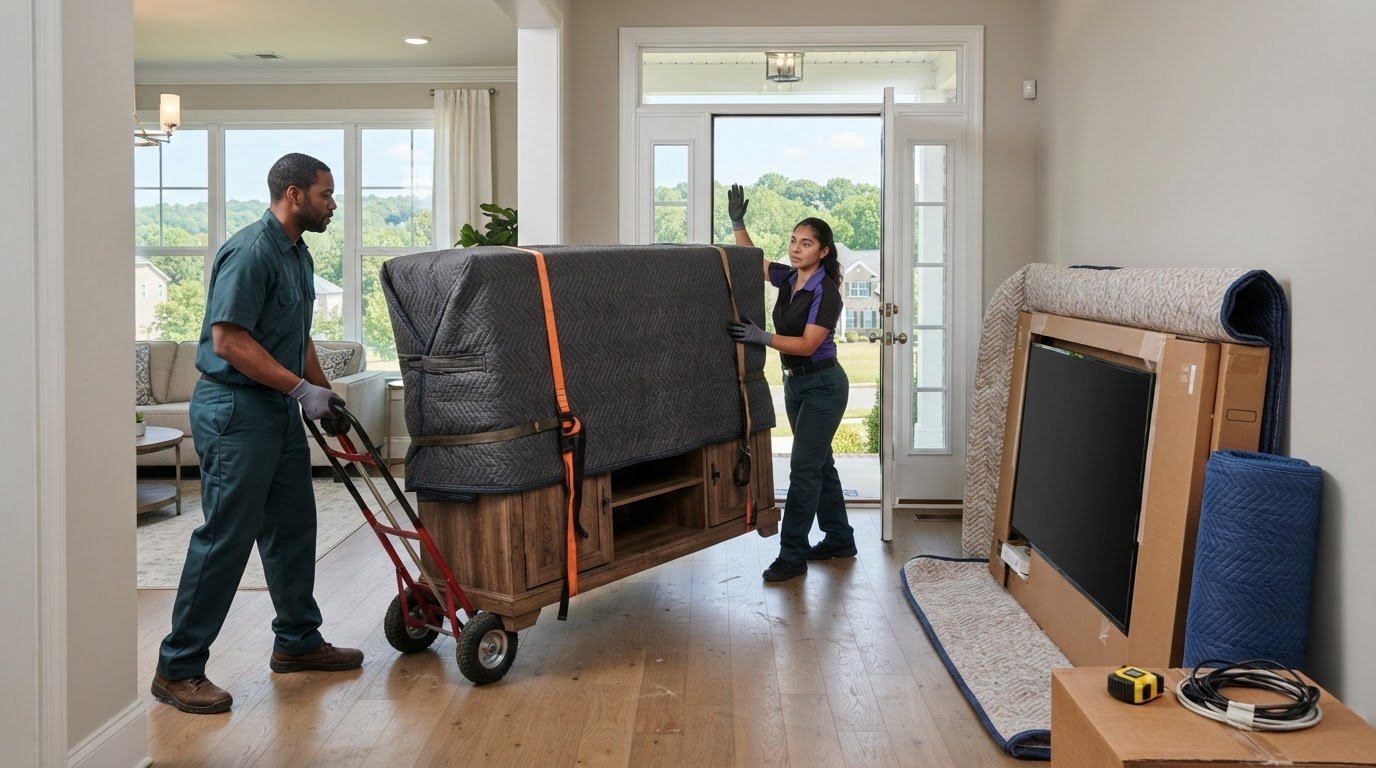
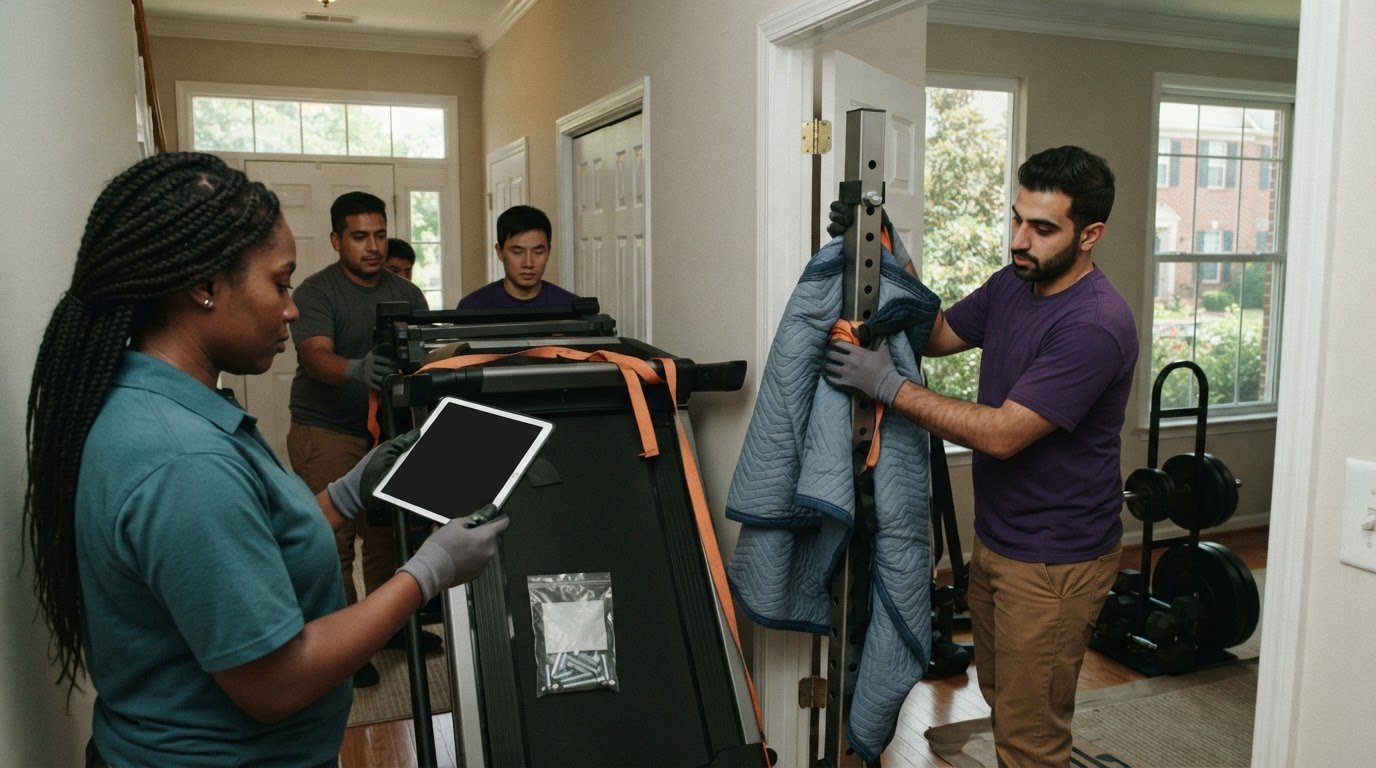
Heavy Furniture Moving can handle bulky heirlooms before an international shipment. Use its Movers Near Me service when a heavy cabinet, large sofa, or other substantial piece is difficult to move through your home. Sofa Hoisting can help move a sofa through a tight opening, while Exercise Equipment Moving handles heavy fitness equipment. Wrap, blankets, and straps are included on every job.
These services cover lifting and moving items within the home, not customs paperwork or international freight arrangements. Keep your packing plan and shipment documents separate, and use this support to move heavy items where they need to go inside your home.
For help with a heavy item, contact Heavy Furniture Moving.
Make Your Next Move With Care
Before packing begins, decide which heirlooms are essential to your next home and which need a different plan. Talk with family members about pieces with shared meaning, then choose one person to coordinate decisions. A clear plan can prevent last-minute changes from disrupting the move.
For packing and shipping heirlooms internationally from Aldie, set a practical sequence for preparing each item and arranging its physical move. Keep family decisions, packing preparation, and in-home handling organized as separate tasks. If a bulky piece is difficult to maneuver, Heavy Furniture Moving can provide the lifting and movement help you need.
Contact Heavy Furniture Moving to discuss help moving a heavy item. With a thoughtful plan and the right support for the physical work, you can move forward with confidence.
Frequently Asked Questions
Step 1: Where, What, & How Much Can You Send?
You can ship heirlooms to a destination that accepts the specific item and its required paperwork. Start by listing each object, its material, approximate value, and destination country. Some pieces may need special permits or may be restricted, so identify items such as ivory or cultural artifacts early. Shipping costs depend on shipment size, weight, packing needs, destination, and transport method.
How much does it cost to ship heirlooms internationally from Aldie?
Shipping costs depend on the shipment and are established through a quote. Key factors include destination, package dimensions and weight, transport method, packing or crating needs, and delivery arrangements. A small keepsake and a large antique cabinet require different handling and transport plans. Prepare an itemized inventory so the estimate reflects what you’re sending.
How should heirlooms be appraised, documented, and insured for international transit?
Get a certified appraisal for a high-value antique or an item worth more than $2,000. Keep the appraisal with receipts, ownership records, and a written condition description. For a family painting, record the artist or known history alongside visible wear, without guessing at details. Compare the declared value with the insurance terms, and retain copies of all records separately from the packed shipment.
What customs forms and declarations are required to ship antiques and heirlooms abroad from the U.S.?
Required forms depend on the destination, shipment type, and item. Prepare a detailed inventory, customs invoice, and accurate item descriptions, then declare household goods before importing them. The destination country’s rules determine the required paperwork and whether an item needs additional documentation. For example, describe a carved wooden chair by its contents and material rather than using a vague label like “personal items.”
What are the risks of shipping family heirlooms internationally, and how can damage or loss be prevented?
Heirlooms can be damaged by impact, shifting, vibration, or changing humidity, and shipments can be lost in transit. Match the packing to the item’s weak points, secure removable parts, and keep inventory and condition records accessible. On delivery, inspect the package and contents promptly. Photograph any damage before moving the item further, then submit the evidence within the carrier’s reporting window.
What are the duties, taxes, and de minimis thresholds for importing heirlooms in major destination countries?
Duties, taxes, and de minimis thresholds vary by destination, item classification, and declared value. For packages valued up to €150 sent to EU-rules destinations, new import duties and requirements may apply starting July 1, 2026.
Frequently Asked Questions
You can ship heirlooms to a destination that accepts the specific item and its required paperwork. Start by listing each object, its material, approximate value, and destination country. Some pieces may need special permits or may be restricted, so identify items such as ivory or cultural artifacts early. Shipping costs depend on shipment size, weight, packing needs, destination, and transport method.
Shipping costs depend on the shipment and are established through a quote. Key factors include destination, package dimensions and weight, transport method, packing or crating needs, and delivery arrangements. A small keepsake and a large antique cabinet require different handling and transport plans. Prepare an itemized inventory so the estimate reflects what you’re sending.
Get a certified appraisal for a high-value antique or an item worth more than $2,000. Keep the appraisal with receipts, ownership records, and a written condition description. For a family painting, record the artist or known history alongside visible wear, without guessing at details. Compare the declared value with the insurance terms, and retain copies of all records separately from the packed shipment.
Required forms depend on the destination, shipment type, and item. Prepare a detailed inventory, customs invoice, and accurate item descriptions, then declare household goods before importing them. The destination country’s rules determine the required paperwork and whether an item needs additional documentation. For example, describe a carved wooden chair by its contents and material rather than using a vague label like “personal items.”
Heirlooms can be damaged by impact, shifting, vibration, or changing humidity, and shipments can be lost in transit. Match the packing to the item’s weak points, secure removable parts, and keep inventory and condition records accessible. On delivery, inspect the package and contents promptly. Photograph any damage before moving the item further, then submit the evidence within the carrier’s reporting window.
Duties, taxes, and de minimis thresholds vary by destination, item classification, and declared value. For packages valued up to €150 sent to EU-rules destinations, new import duties and requirements may apply starting July 1, 2026.