Moving labor for garage furniture moves in Haymarket
Yes, moving labor can help lift and carry heavy furniture into your garage while hardwood refinishing is underway. For labor to move heavy furniture into a garage during hardwood refinishing in Haymarket, plan the route and clear furniture contents before the move. When it’s time to bring pieces back, wait about 4 days after a water-based finish or about 7 days after an oil-based finish before moving heavy furniture onto the floor.
It makes sense to want rooms cleared without scratching the hardwood or straining your back. This guide explains how labor to move heavy furniture into a garage during hardwood refinishing can help, how to protect floors, and what to plan before the work begins. You’ll find practical steps for preparing furniture and the route, plus guidance on timing the return move. With a clear plan and the right lifting help, you can protect the floors and make the project easier to manage.
Key Takeaways
- Don’t assume furniture moving is included in flooring work; plan the labor separately if the quote doesn’t cover it.
- Make temporary garage storage secure and waterproof to help protect furniture and belongings.
- Lift and set furniture down gently rather than dragging or pushing it across hardwood.
- Use fresh felt pads on furniture legs before returning pieces to refinished floors.
- Separate lifting from transportation when planning labor-only help; arrange the truck as a distinct part of the move.
1. Moving furniture between rooms during flooring work
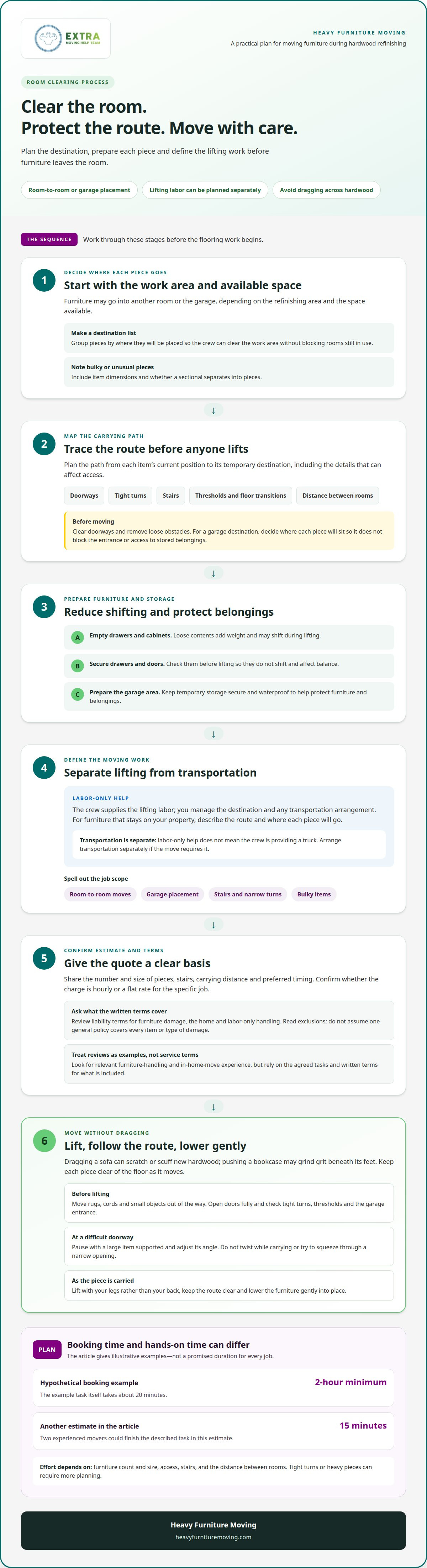
Hardwood refinishing usually requires clearing rooms before sanding and coating begin. In a Haymarket home, furniture may go into another room or the garage, depending on the work area and available space. Map the route from each item’s current position to its temporary destination, including doorways, turns, stairs, and floor transitions. Empty drawers and cabinets before moving because loose contents add weight and may shift during lifting. Group pieces by destination so the crew can clear the work area without blocking access to rooms still in use.
Labor-only moving is useful when you have transportation or need furniture shifted inside the home. The crew supplies the lifting labor, while you manage the destination and any transportation arrangement. Full-service moving typically involves a broader move, so it may not match a short flooring project. State whether the job involves room-to-room moves, garage placement, stairs, or bulky items. For example, a sofa going through a narrow doorway needs a different route plan than a small side table.
Time and effort depend on the furniture count, item size, access, stairs, and distance between rooms. A clear hallway and a short route can simplify the job; tight turns or heavy pieces can require more planning. A hypothetical booking example uses a two-hour minimum, although the actual furniture-moving task takes about 20 minutes. Another estimate says two experienced movers could finish the task in 15 minutes. These examples show why minimum booking periods and hands-on moving time can differ.
Moving labor may be billed hourly, while a flat-rate quote sets the charge for a specific job in advance. The price depends on the job details. Share the number and size of the pieces, stairs, carrying distance, and preferred timing when requesting a quote. An accurate item list and route description give the estimate a clearer basis than simply saying, “Move furniture.”
Use moving labor reviews to look for relevant examples, such as furniture handling, room-to-room work, or careful floor protection. A review describes one customer’s experience; it doesn’t replace written service terms. Treat a guarantee as a separate commitment, and read what it covers before booking. Don’t assume a general satisfaction promise covers refinishing damage or every item. For this job, the key details are the agreed tasks, hourly basis or upfront quote, and any stated limits. Clear expectations make re moving furniture easier to coordinate with the flooring schedule.
2. Can You Hire Movers to Move Furniture Into a Garage?
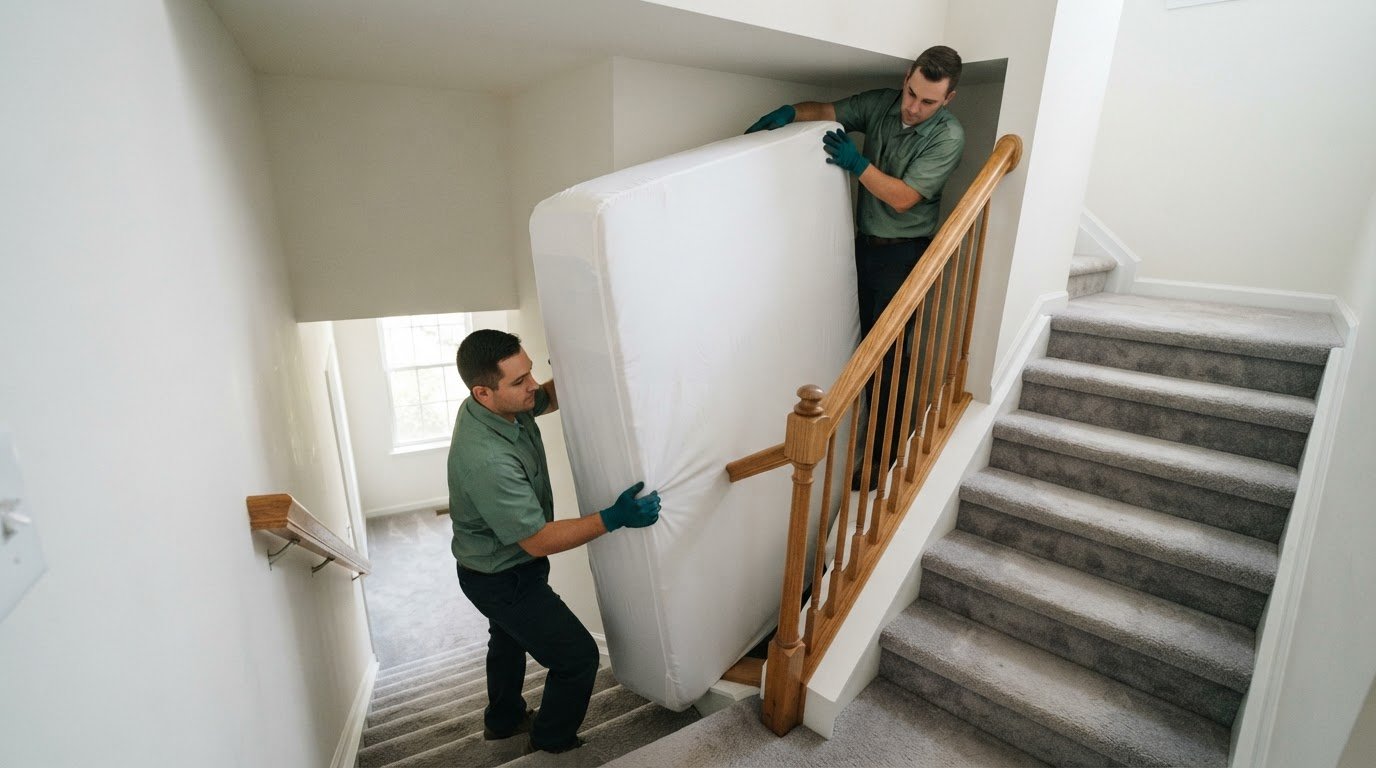
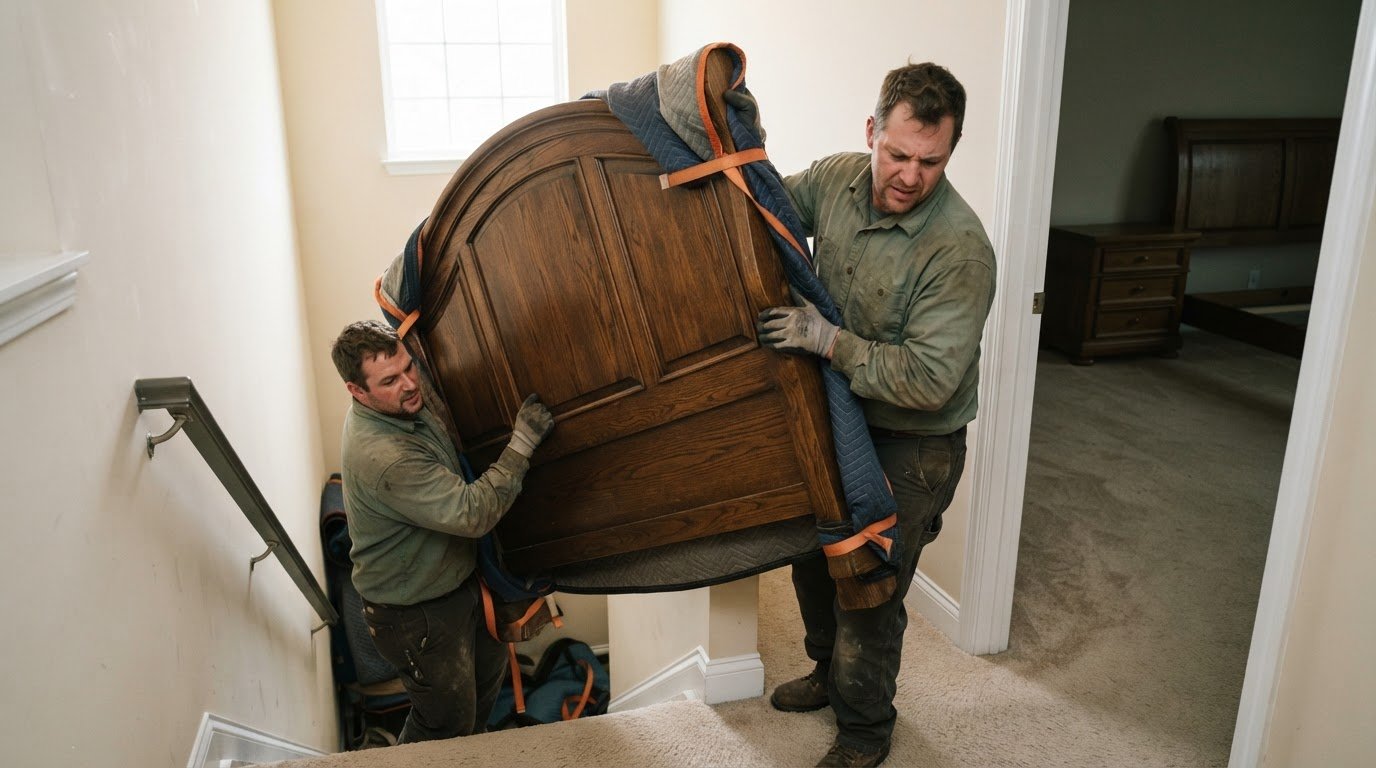
Hiring movers can make sense for heavy, awkward pieces or difficult routes. A long carry down stairs calls for careful planning, especially with a large sofa or loaded bookcase. Choose help when an item is hard to control, the route has tight turns, or lifting it alone could strain you. A manageable side table on a clear, level path is a different task. Match the plan to the furniture and route, not just the distance.
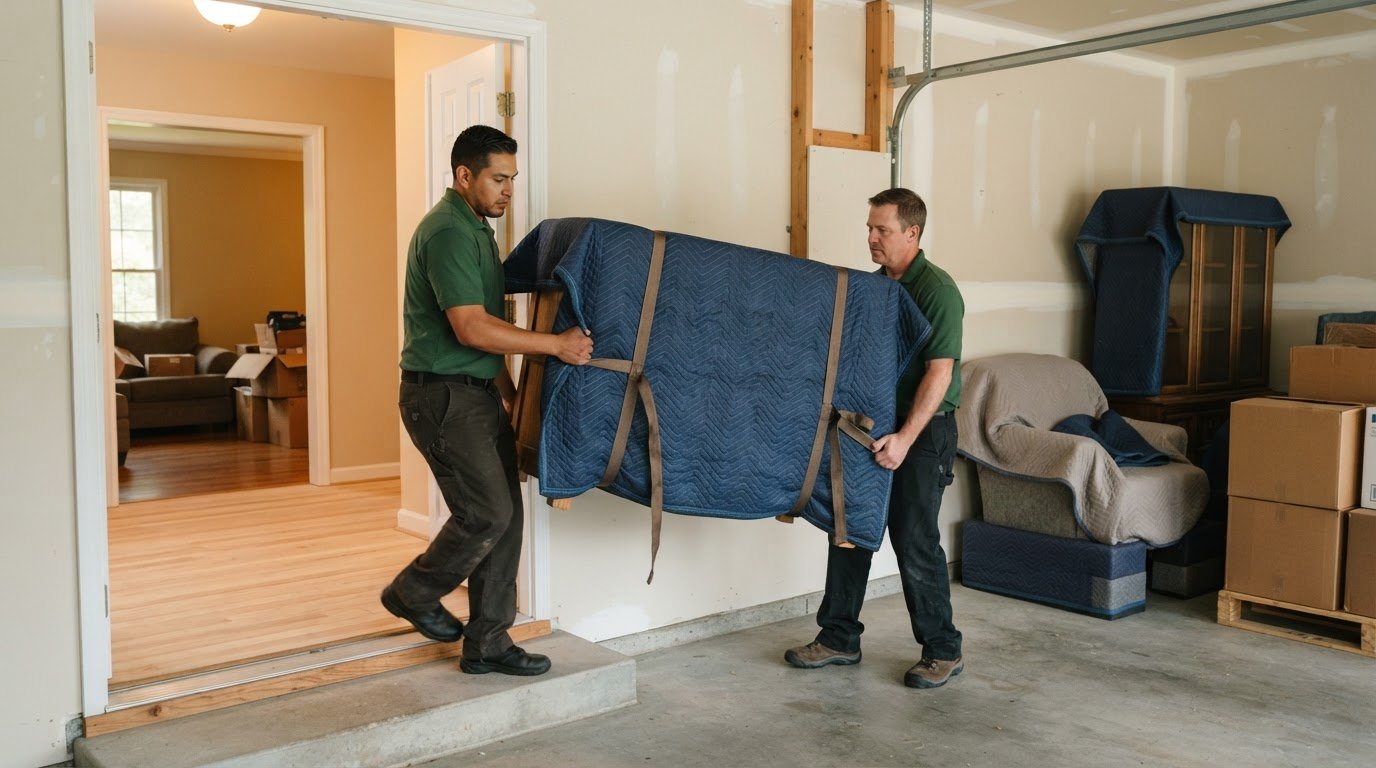
Before booking, map the path from each room to the garage. Clear doorways, move loose obstacles, and decide where each item will sit. Mark the garage area so the crew can place furniture without blocking the entrance or access to stored belongings. Share the stair locations, narrow turns, and item dimensions when arranging the job. For a sectional, explain whether it separates into pieces. These details help the crew plan the carry and identify access challenges early.
In Virginia, review the written liability terms for the specific move. Ask what protection applies to furniture damage, the home, and labor-only handling, and read any exclusions before booking. Don’t assume one general policy covers every item or type of damage. Moving heavy furniture during refinishing can scratch floors, mark walls, or cause an item to tip during a tight turn. Dust and foot traffic can also interfere with active sanding or finishing work, so coordinate the move around the work area.
When comparing local movers, focus on whether the service fits your job, not just the hourly rate. Look for experience with furniture handling, in-home moves, stairs, and garage placement. Reviews can offer useful examples, but describe individual jobs. Confirm whether the quote is hourly or flat-rate and what work it covers. Heavy Furniture Moving offers labor-only help when you provide your own truck, pod, or container. For furniture that stays on your property, describe the route and destination so the lifting work can be planned accordingly.
Before confirming, give movers an item list and describe the route. Ask whether the crew can handle your largest piece, how billing time is counted, and what liability terms apply. If you’re arranging lifting without a full household move, labor-only moving help can suit that narrower task. A clear scope helps everyone prepare for the garage move and keeps the flooring schedule in view.
3. Lifting furniture rather than dragging it
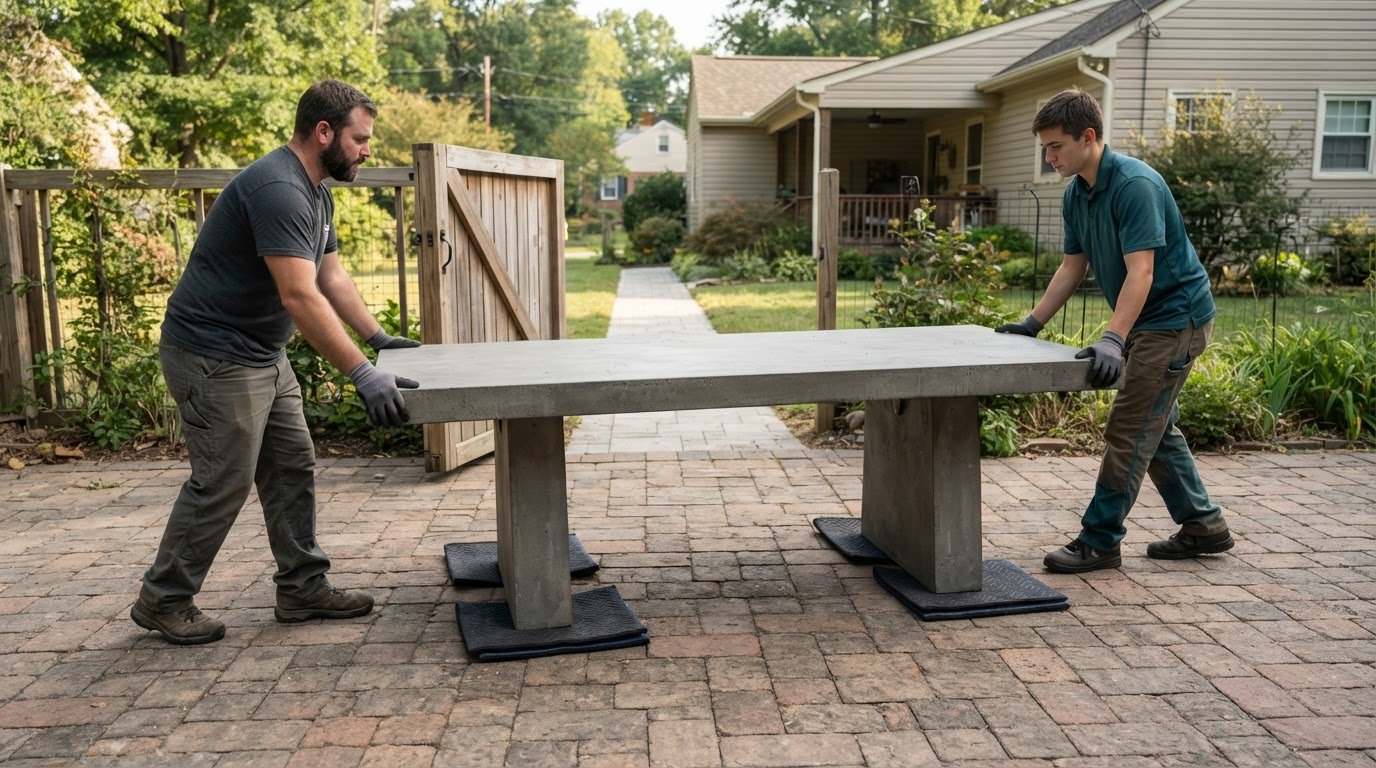
Dragging a sofa across newly finished hardwood can leave scratches or scuffs. Pushing a bookcase may grind grit beneath its feet. Lift each piece clear of the floor, follow the planned route, and lower it gently. This matters especially when furniture crosses a newly refinished section, where even a short slide can mark the finish. Before lifting, check that drawers and doors are secured. A shifting drawer can throw off balance as the piece moves.
Set the route before anyone picks up a heavy item. Move rugs, cords, and small objects out of the way. Open doors fully and check tight turns, thresholds, and the garage entrance. For a large cabinet, pause at a doorway and adjust the angle while the item is supported. Don’t twist while carrying or try to squeeze through a narrow opening. A clear path helps prevent collisions with walls and doorframes, as well as sudden drops onto the floor.
Use your legs, not your back, when lifting. Stand close to the furniture, bend your knees, keep your back steady, and rise smoothly. Make sure everyone carrying the piece understands when to lift, turn, and lower it. If the item feels unstable or too heavy to control, set it down safely and change the plan. A piano, safe, or exercise machine needs deliberate handling. Don’t force a lift just to avoid asking for assistance.
Choose equipment to suit the item and route, not convenience alone. Straps or a dolly may help with suitable pieces, but equipment must not scrape or roll across vulnerable flooring. Heavy Furniture Moving includes floor and corner protection on every job, along with wrap, blankets, and straps. Keep protective material clean and flat because loose coverings can bunch beneath a foot or wheel. For a garage move, arrange a stable landing spot first and keep the receiving area clear.
When returning furniture after refinishing, lift and place it gently instead of dragging or pushing it into position. Fit clean, thick felt pads on every furniture leg before setting pieces down. Check that each pad sits flat and fully covers the contact point. A metal chair leg can scratch hardwood if its pad is missing or folded. Clear away protective coverings and check that no debris is trapped beneath furniture feet. Inspect each piece before lowering it.
4. Protecting new hardwood when returning furniture
Wait for the finish to reach its stated furniture-return time before moving pieces back. After refinishing with water-based polyurethane, wait about 4 days before returning heavy furniture. After oil-based polyurethane, wait about 7 days. Light furniture has shorter waits: 24-48 hours for water-based polyurethane, and at least 72 hours for oil-based polyurethane. These timings differ by finish and furniture weight, so don’t treat them as interchangeable.
Dry to the touch doesn’t mean fully cured. Curing time varies by finish, so allow the surface to cure fully before treating it as ready for normal use. During that period, handle the surface gently and avoid loading it with heavy objects before the recommended return time. Keep shoes, grit, and equipment off the floor during the move. One dirty wheel or furniture foot can press debris into a vulnerable finish.
Before moving furniture back into each room, prepare every contact point. Fit clean, thick felt pads on all furniture legs, including wooden and metal feet. Check that each pad is secure and lies flat. A dining chair with a missing pad can scratch hardwood as it shifts. Lift each piece into position, lower it carefully, and avoid pushing it across the floor. Keep a clear path so carriers don’t have to pivot around furniture already in place.
Plan temporary storage around the refinishing schedule. A waterproof, secure garage can protect furniture during a short project. Keep items raised away from damp areas, and don’t stack belongings against furniture surfaces. A storage unit rented for a full month may be more than a small flooring project needs. Compare the project’s expected duration with the storage arrangement, access needs, and loading effort before deciding.
Build the return move into the flooring estimate and schedule. List which pieces need to come back first, where each belongs, and which items are especially heavy. This lets the moving labor follow the floor’s readiness instead of rushing the room. If the finish needs more time before heavy pieces can return, keep those items in secure temporary storage. For newly installed hardwood, wait four days before returning furniture, allowing the flooring time to set. Then place each piece gently and inspect the floor around its feet.
5. Service limitations, including no transportation
Labor-only help covers the physical work, not transportation. For a garage move, furniture can be carried and positioned without being hauled elsewhere. Heavy Furniture Moving provides labor-only service when you supply your own truck, pod, or container. If the garage is on your property, map the carry route separately from any vehicle plan. If items need to go to another location, arrange transportation as a separate part of the move.
Define the job by its destination and tasks. “Move furniture to the garage” should clarify whether each piece stays inside the home, goes through an exterior door, or needs loading into a vehicle. Moving a cabinet across a room differs from carrying it down steps and loading it for transport. Share the item list, garage entrance, stairs, and tight turns when booking. Clear details help align the requested labor with the actual work.
Transportation and labor require different planning. A truck must fit the items and reach the loading area, while the crew needs a safe path for lifting and carrying. If you arrange your own vehicle, plan its arrival around the loading sequence. Keep the loading area clear and decide which pieces go in first. For labor-only service, provide the truck, pod, or container if loading is part of the job. Plan transportation separately if the furniture is going to another location.
Before work begins, confirm the agreed scope in plain language. Identify the furniture, where it starts, where it ends, and whether loading is part of the task. Name unusual items, such as an exercise machine with attached parts, so the crew can plan its handling. Also clarify what happens if the route changes or an item cannot pass through a doorway. A clear task description prevents confusion between moving services that provide labor and services that include transportation.
For a hardwood project, the garage may serve as temporary storage, but that doesn’t change the distinction between carrying and hauling. Keep the garage entrance accessible and the landing area ready. If you’re moving items to a separate storage location, plan the vehicle and delivery details independently. Heavy lifting help can address the physical transfer, while transportation must match the destination. Arrange heavy furniture moving help for the lifting portion of your garage move.
Heavy Furniture Moving: labor only movers near me
Heavy Furniture Moving provides labor-only furniture moving for refinishing projects. Turn to the team when a heavy sofa, cabinet, or exercise machine needs careful lifting into a garage or another room. You provide the truck, pod, or container if transportation or loading is involved. Describe the destination and route so the crew can plan how to lift and place each item.
Heavy Furniture Moving also handles exercise equipment moving and sofa hoisting. These services can help with bulky items that are difficult to maneuver through a doorway or stairwell. Share the item, its destination, and any access challenges when describing the job.
Contact Heavy Furniture Moving to discuss the furniture move you need.
Set Up Your Refinishing Move With Confidence
Make the furniture move part of your refinishing plan, not a last-minute scramble. Decide who will handle each task, where furniture will go, and how the work schedule connects to the room’s return to use. A clear handoff keeps the flooring work and household logistics moving in step. It also gives you a practical way to spot gaps before the room is cleared.
If you need labor to move heavy furniture into a garage during hardwood refinishing in Haymarket, gather the job details: the items, route, destination, and whether loading or transportation is involved. Heavy Furniture Moving can help with the lifting. Share those details to plan the work around your home.
Heavy Furniture Moving can help with the physical work involved in furniture moves. Take the next step at your pace and discuss the job directly. Contact Heavy Furniture Moving today to talk through your move and plan a smoother path through refinishing.
Frequently Asked Questions
Can You Do The Heavy Lifting?
Yes. Heavy Furniture Moving handles heavy, awkward household items, including pianos, safes, and exercise equipment. For a Haymarket garage move, describe the item, its starting room, destination, and route. A sectional that cannot turn through an entry may need a different plan from an exercise machine moving through an open doorway. Don’t attempt an unstable lift alone; choose help suited to the item and access conditions.
Can You Hire Movers to Move Furniture Into a Garage?
Yes. Movers can carry furniture from rooms into a garage as an in-home move. This can help when a piece is too bulky to maneuver safely without assistance. For labor to move heavy furniture into a garage during hardwood refinishing in Haymarket, explain whether the job ends inside the garage or includes loading into a vehicle. Heavy Furniture Moving offers labor-only help when you provide your own truck, pod, or container.
How soon can labor help arrive?
Same-day and next-day heavy-item jobs are often available. For same-day, same-afternoon service, call before 2 PM. To help plan the job, provide a photo of the item and the stairs or access route. Those details help the team assess the move and provide a time estimate in minutes. Share the refinishing schedule too, so the furniture move can be coordinated with the work underway.
What is the hourly rate for furniture movers in Haymarket, VA?
The hourly rate depends on the job details and is provided after a quote request. Hourly labor has a 2-hour minimum, while most single heavy items use a flat rate provided by phone. The item, access, stairs, and landings affect the estimate. Stairs and landings are priced before the crew arrives, so describe them when discussing the move.
Do furniture movers charge extra for heavy or oversized items?
Most single heavy items receive a flat-rate quote by phone, rather than being priced solely by the hour. Stairs and landings are priced before the crew arrives. Wrap, blankets, and straps are included on every job. Share the item type, its dimensions, and any access challenges when requesting an estimate. A sectional, for example, may need different handling than a compact chair.
How should homeowners prepare furniture before hardwood floor refinishing?
Empty dressers and safes before the move; most other items can usually stay loaded. Send a photo of the furniture and any stairs so the team can understand the item and access. Keep breakable or loose belongings separate, and identify pieces that need disassembly, such as a bed frame or sofa legs. This gives the crew useful preparation details without requiring you to unload every household item.
Can furniture movers move items safely without damaging freshly refinished hardwood floors?
Protective materials help reduce the risk of damage, but no moving method can guarantee against every mark. Every job includes floor and corner protection, such as runners, masonite, and door-jamb covers. Wrap, blankets, and straps are included too. For freshly refinished floors, coordinate the move with the finish’s return-to-furniture timing and tell the crew which areas need protection.
Do moving companies in Haymarket provide labor-only furniture moving?
Yes. Heavy Furniture Moving offers labor-only service when you provide your own truck, pod, or container. It can also suit an in-home move, such as carrying furniture into a garage during refinishing. Explain whether the task involves carrying, loading, or both. That helps define the lifting work and plan around your actual destination.
Frequently Asked Questions
Yes. Heavy Furniture Moving handles heavy, awkward household items, including pianos, safes, and exercise equipment. For a Haymarket garage move, describe the item, its starting room, destination, and route. A sectional that cannot turn through an entry may need a different plan from an exercise machine moving through an open doorway. Don’t attempt an unstable lift alone; choose help suited to the item and access conditions.
Yes. Movers can carry furniture from rooms into a garage as an in-home move. This can help when a piece is too bulky to maneuver safely without assistance. For labor to move heavy furniture into a garage during hardwood refinishing in Haymarket, explain whether the job ends inside the garage or includes loading into a vehicle. Heavy Furniture Moving offers labor-only help when you provide your own truck, pod, or container.
Same-day and next-day heavy-item jobs are often available. For same-day, same-afternoon service, call before 2 PM. To help plan the job, provide a photo of the item and the stairs or access route. Those details help the team assess the move and provide a time estimate in minutes. Share the refinishing schedule too, so the furniture move can be coordinated with the work underway.
The hourly rate depends on the job details and is provided after a quote request. Hourly labor has a 2-hour minimum, while most single heavy items use a flat rate provided by phone. The item, access, stairs, and landings affect the estimate. Stairs and landings are priced before the crew arrives, so describe them when discussing the move.
Most single heavy items receive a flat-rate quote by phone, rather than being priced solely by the hour. Stairs and landings are priced before the crew arrives. Wrap, blankets, and straps are included on every job. Share the item type, its dimensions, and any access challenges when requesting an estimate. A sectional, for example, may need different handling than a compact chair.
Empty dressers and safes before the move; most other items can usually stay loaded. Send a photo of the furniture and any stairs so the team can understand the item and access. Keep breakable or loose belongings separate, and identify pieces that need disassembly, such as a bed frame or sofa legs. This gives the crew useful preparation details without requiring you to unload every household item.
Protective materials help reduce the risk of damage, but no moving method can guarantee against every mark. Every job includes floor and corner protection, such as runners, masonite, and door-jamb covers. Wrap, blankets, and straps are included too. For freshly refinished floors, coordinate the move with the finish’s return-to-furniture timing and tell the crew which areas need protection.
Yes. Heavy Furniture Moving offers labor-only service when you provide your own truck, pod, or container. It can also suit an in-home move, such as carrying furniture into a garage during refinishing. Explain whether the task involves carrying, loading, or both. That helps define the lifting work and plan around your actual destination.