Moving a Glass Vitrine in Manassas Park: Cost and Care
A glass vitrine needs a move planned around its fragile panels, weight, and route, not just a careful lift. Moving a heavy glass display vitrine cabinet without shattering it in Manassas Park means protecting the glass, preparing the cabinet for handling, and planning for tight turns, stairs, and access at both homes.
It’s understandable to worry about cracks, shifting shelves, or damage to the cabinet’s frame. The right preparation helps movers handle those risks with care. This guide explains what to protect, what information to share before moving day, and what can shape specialty moving costs.
You’ll learn how to prepare a vitrine move in Manassas Park and when a heavy-lifting team makes sense. A clear plan for the cabinet and its route can make the process more manageable, from the first conversation through delivery.
Key Takeaways
- Learn which protective materials help shield glass panels and cabinet frames during handling.
- Share the vitrine’s size, weight, condition, and access details so movers can plan the right approach.
- Understand why specialty-item estimates can differ from standard moving costs.
- See how stairs, narrow turns, and carry distance can affect the work involved.
- Find out what to look for when arranging moving help for a glass cabinet in Manassas Park.
Protective materials for fragile items
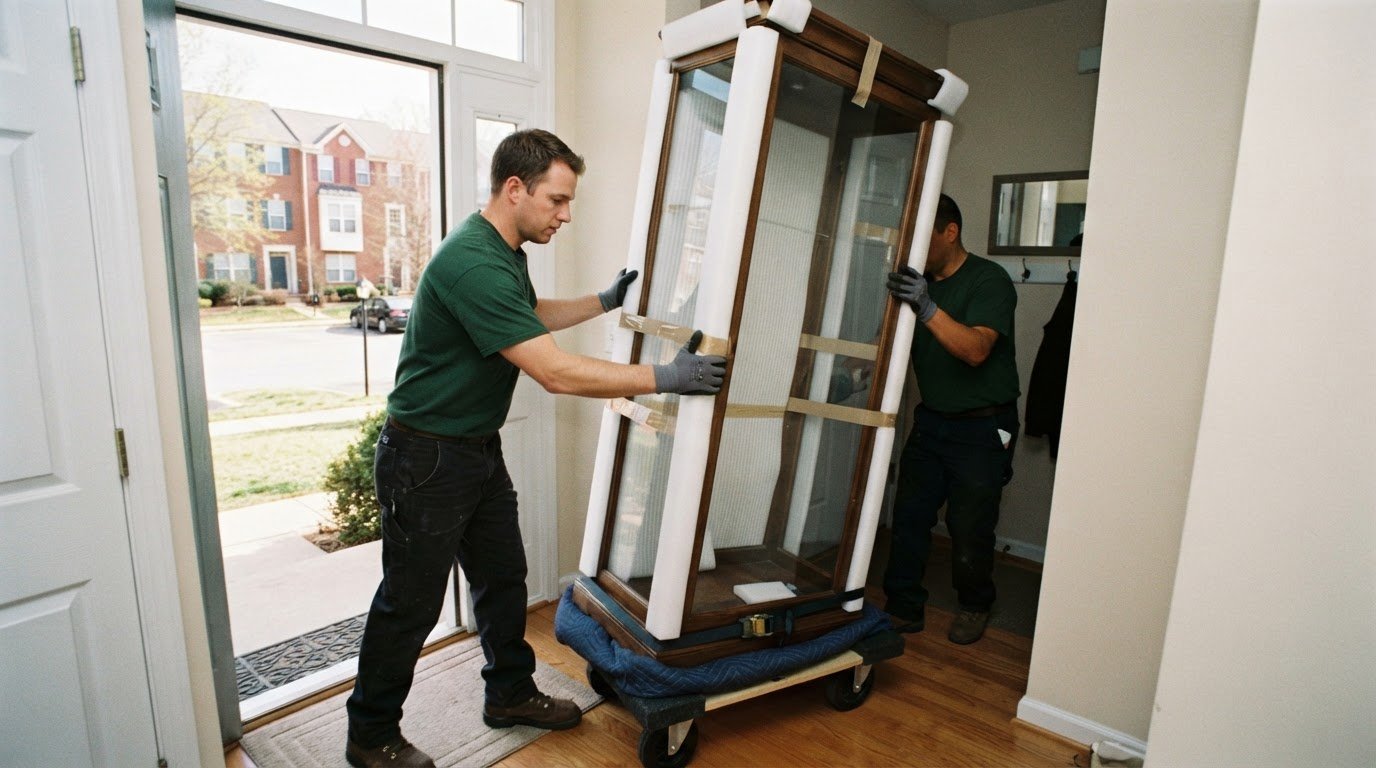
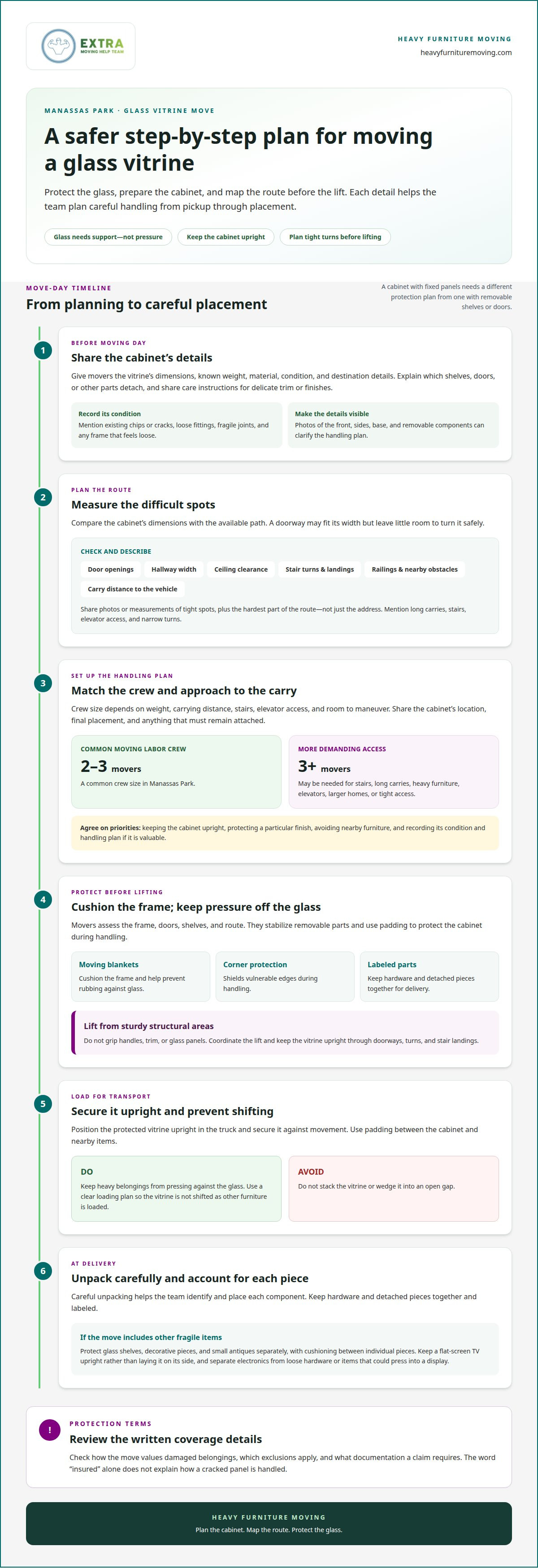
For moving a heavy glass display vitrine cabinet without shattering it in Manassas Park, movers should assess the frame, doors, shelves, and route before lifting. They stabilize removable parts, cushion exposed surfaces, and plan how to carry the cabinet without putting pressure on the glass. A cabinet with fixed panels needs a different protection plan from one with removable shelves or doors.
Movers use padding, such as moving blankets, around the cabinet’s frame and secure it against shifting. Corner protection can shield vulnerable edges, while padding helps prevent straps or nearby furniture from rubbing against the glass. Movers keep hardware and detached pieces together and labeled, making unpacking and placement more organized at the destination.
Glass needs support, not pressure. Movers hold the cabinet by sturdy structural areas, not handles, trim, or glass panels. They coordinate the lift and keep the vitrine upright while navigating doorways and turns. That coordinated handling is central to moving a heavy glass display vitrine cabinet without shattering it in Manassas Park, especially through tight halls or stair landings.
In the truck, the team positions the protected vitrine upright and secures it against movement. They keep heavy belongings from pressing against the glass and use padding between the cabinet and nearby items. A clear loading plan also helps prevent the vitrine from being shifted as other furniture is loaded. It shouldn’t be stacked or wedged into an open gap.
Packing and unpacking fragile goods takes item-by-item care. Movers can protect glass shelves, decorative pieces, and small antiques separately, with cushioning between individual pieces. For an antique wood frame, padding should shield the finish without catching on delicate trim. At delivery, careful unpacking helps the team identify and place each component.
Fragile electronics need their own handling plan. Keep a flat-screen TV upright rather than laying it on its side, because its weight can damage the screen. Movers also separate electronics from loose hardware and items that could press into a display. For antiques, they account for delicate finishes, loose fittings, and glass inserts. Notes about existing chips or cracks help document condition before handling.
Moving protection for glass furniture depends on the applicable contract and policy terms. Review how the move values damaged belongings, what exclusions apply, and what documentation a claim requires. The word “insured” alone doesn’t explain how a cracked panel is handled. Written terms can clarify the protection relevant to the vitrine.
What should I share with movers before they handle my specialty items?
Give movers the vitrine’s dimensions, known weight, condition, and destination details before moving day. This information helps the moving team plan the crew, route, and handling approach.
Preparing Specialty Items
Share what the cabinet is made of, which parts detach, and whether any glass panels or shelves already have chips or cracks. Photos of the front, sides, base, and removable components can clarify the handling plan. Include approximate dimensions and weight if known, plus care instructions for delicate trim or finishes.
List other specialty belongings separately, such as an antique table, exercise equipment, or a large electronic display. Tell movers what needs to stay with each item, including loose hardware or original fittings. These details help the team plan protection and keep parts together through loading and delivery.
Planning Crew Size and Access
Crew size depends on the item’s weight, carrying distance, stairs, elevator access, and room to maneuver. A common moving labor crew in Manassas Park is 2-3 movers. Larger homes, stairs, elevators, long carries, heavy furniture, or tight access may require 3 or more movers.
Describe the hardest part of the route, not just the address. Mention a narrow hallway, a landing where movers must turn, or a long path from the entrance to the vehicle. Those specifics help the team plan coordinated handling and reduce delays or stress during the move.
Moving Bulky and Expensive Items
For a large or valuable item, provide its location in the home, final placement, and any parts that must remain attached. Note whether the vitrine stands near a wall, sits on a raised surface, or has a frame that feels loose. Movers can use those details to plan how to support the cabinet without gripping glass or delicate trim.
Be clear about what matters most: keeping the cabinet upright, protecting a particular finish, or avoiding contact with nearby furniture. For antiques, mention fragile joints and decorative details. If the item is valuable, ask that its condition and handling plan be recorded before the move.
Measuring Doorways and Stairs
Movers assess doorways and stairs by comparing the cabinet’s dimensions with the available route. They consider door openings, hallway width, ceiling clearance, stair turns, landings, and nearby obstacles. Share photos or measurements of tight spots so the team can plan the path before lifting.
A doorway may fit the cabinet’s width but leave little room to turn it safely. Stair railings, low ceilings, and sharp corners can also change the approach. Movers use this access information to plan where the item needs careful repositioning and whether another route through the home makes more sense.
For a difficult carry involving bulky furniture, heavy lifting moving service can help address the physical demands of the job.
Are Specialty Item Moves More Costly Than Standard Moves?
A specialty move costs more when an item needs extra handling, equipment, or planning beyond ordinary furniture transport. For a glass vitrine, the estimate depends on the cabinet, the route, and the work included.
Specialty-Moving Estimates
A moving plan for a specialty item should describe the specific work, not just label it “fragile.” For example, moving a glass cabinet through a narrow stair turn calls for different handling from carrying it through a wide ground-floor doorway. The route, cabinet size, packing needs, and loading plan all affect the work involved.
Ask for an estimate that separates the move’s main parts: preparation, carrying, transport, and delivery placement. A local move typically stays under 50 miles and doesn’t cross state lines. Distance still matters, but access and handling can weigh heavily for a single vitrine. Storage, an extra pickup, or a changed delivery location can also alter the work being priced.
Compare what each moving plan includes rather than looking only at the total. One service may cover packing and placement, while another covers labor for loading and unloading. A clear scope helps prevent mismatched expectations and gives you a practical basis for discussing the job.
Specialty-Moving Services
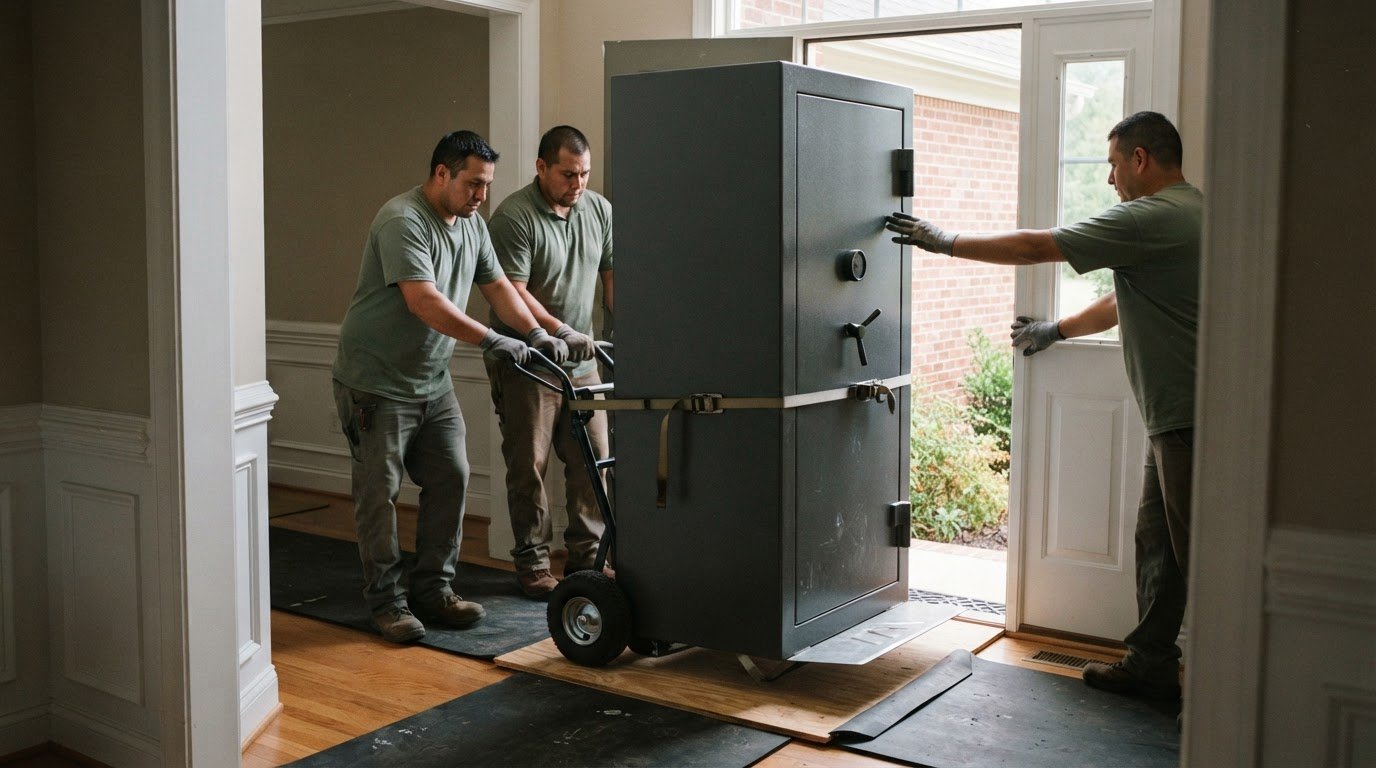
Specialty-item moving services can include protective packing, careful lifting, transport, and placement at the destination. A glass vitrine may need its shelves or loose components handled separately, while a safe or exercise machine presents different weight and access demands. The equipment and crew plan should match the item and the route.
Clarify which tasks are included and which belongings need separate preparation. For example, a move could cover carrying and loading but not packing small antiques displayed inside the cabinet. That distinction matters: a smooth move depends on a shared understanding of what the team will handle, where each item will go, and what the service covers.
Special handling is most useful when ordinary loading methods don’t fit the item’s size, material, or fragility. It gives the move a defined plan for the cabinet rather than treating it like another box or piece of furniture.
Single-Item Moving
Moving one item can still involve careful planning. A single glass cabinet may take more coordination than several standard boxes if it is bulky, delicate, or difficult to carry through the home. The item count alone doesn’t describe the labor or equipment required.
For a single-item moving plan, describe the vitrine’s dimensions, condition, pickup room, and destination placement. Include details such as stairs, elevator access, a long carry, or restricted vehicle access. A cabinet moving from one room to another also differs from one transported to a new address, even if both jobs involve the same item.
Give the moving team a clear scope: whether the job includes packing, loading, transport, unloading, and final placement. That makes it easier to judge whether the proposed service fits the task and helps keep the move organized from pickup through delivery.
Factors that affect specialty moving costs
A specialty move depends on the work, distance, access, and protection the item needs. A glass vitrine traveling across Manassas Park on a direct ground-floor route presents different demands from one carried down stairs and transported farther.
Distance and route: Movers consider the trip between pickup and delivery, plus the path inside each property. A local move is typically less than 50 miles and doesn’t cross state lines. Extra stops, a long carry from the home to the truck, or difficult truck access can add work beyond driving distance alone.
Size and handling: A tall display cabinet takes more planning than a small end table. Its height, width, weight, glass panels, and removable shelves affect how movers position and carry it. A cabinet that needs careful turning through a tight hallway demands more coordination than an item with a clear path.
Protection and finish: Handling needs can change with the vitrine’s materials and condition. A polished wood frame, delicate trim, or existing glass damage calls for care. Antiques may also have fragile joints or decorative details. The finish and construction guide the protection plan, while packing shelves or loose fittings separately adds tasks.
Access and crew: Stairs, elevator access, narrow landings, and long carries shape the labor involved. A common moving labor crew in Manassas Park is 2-3 movers. Stairs, heavy furniture, tight access, elevators, or long carry distances may require 3 or more movers, changing the resources needed for the job.
Service scope: A moving plan can differ depending on whether it covers packing, loading, transportation, unloading, and placement. Moving only the cabinet differs from handling its contents or other belongings, such as a nearby antique table. Clarifying which tasks are included makes services easier to compare on equal terms.
For a useful estimate, provide the cabinet’s dimensions, condition, pickup and delivery addresses, and access details. Note stairs, elevator use, and the desired room at delivery. The price depends on the case and is given after a quote request; distance, handling needs, access, and included services shape the estimate. A clear scope helps align the planned work with the cabinet’s needs.
Finding movers serving Manassas Park
For a glass display cabinet or antique in Manassas Park, the move needs a clear handling plan from pickup through placement. Local movers should account for the cabinet’s glass, frame, dimensions, and route, rather than treating it like ordinary boxed belongings.
Start with the job details: the pickup and delivery addresses, the cabinet’s approximate size, and where it sits inside the home. Describe stairs, elevator access, narrow hallways, and the distance from the entrance to the vehicle. For example, a vitrine in an upstairs room with a tight landing needs a different plan from one beside a ground-floor entrance.
Local service can mean different things. A local move is typically less than 50 miles and doesn’t cross state lines. In Manassas Park, pickup and delivery may still involve challenging access at either end. The route inside each home matters as much as the distance between addresses, so share details about both locations.
Clarify what the moving work covers. Loading and unloading are distinct tasks, as are packing, transport, and placement in the destination room. If the vitrine contains removable shelves or antiques, state whether those pieces also need handling. A clear scope helps the moving team plan each task and helps you understand what the service includes.
Useful details to provide include:
- The cabinet’s dimensions, approximate weight, materials, and existing damage.
- Whether shelves, doors, or hardware detach, and which pieces travel separately.
- Stairs, turns, elevator access, entry restrictions, and the destination room.
- Whether the move includes packing, loading, transport, unloading, and placement.
These facts also help establish how many movers the job may need. Heavy furniture, stairs, elevators, long carries, or tight access may require 3 or more movers. A vitrine carried through a narrow hallway, for instance, needs coordinated movement and enough room to maneuver.
Make the plan specific to the item. Note whether the cabinet is an antique, has a delicate finish, or includes glass panels that need separate attention. If a kitchen doorway or stair turn limits the route, identify that access point early. Those details help the team plan loading, unloading, and careful placement without guesswork.
For a glass cabinet that needs careful lifting and coordinated handling, arrange heavy-item moving help for your Manassas Park move.
Heavy Furniture Moving
Heavy Furniture Moving is a practical next step when a glass vitrine is too heavy or awkward to move safely without help. The team handles heavy and bulky residential items, helping you plan around the cabinet’s size, condition, and access route. Share details about stairs, narrow turns, and where the vitrine needs to go. That context helps shape the work around your home and belongings.
Turn to professional moving help when the cabinet’s weight, fragile glass, or tight access makes the move difficult to manage alone. Heavy Furniture Moving also offers local moving help and in-home furniture moving for related lifting needs.
Contact Heavy Furniture Moving to discuss your vitrine move.
Plan the next move with confidence
A vitrine deserves a move plan built around the cabinet and the home it’s leaving. For moving a heavy glass display vitrine cabinet without shattering it in Manassas Park, share the item’s details and access conditions with a team prepared for heavy, delicate furniture.
Heavy Furniture Moving handles heavy residential items and offers Movers Near Me, Exercise Equipment Moving, and Sofa Hoisting. Professional moving help makes sense when the cabinet’s weight, glass, or route makes handling it alone difficult. Share details about the vitrine and its destination to get the move started.
Contact Heavy Furniture Moving to discuss moving your glass vitrine. With a thoughtful plan and capable hands, you can move forward with greater confidence.
Frequently Asked Questions
How do professional movers protect furniture during a move?
Movers protect furniture by matching padding and restraints to each item’s surfaces and shape. A glass vitrine may need separate protection for its frame, edges, and exposed panels, while a wood dresser needs protection against scratches and scuffs. The crew also plans where each item sits during transport, keeping heavy pieces from pressing against fragile surfaces. Point out existing damage before work begins so its condition is clear.
How do professional movers handle large pieces of furniture?
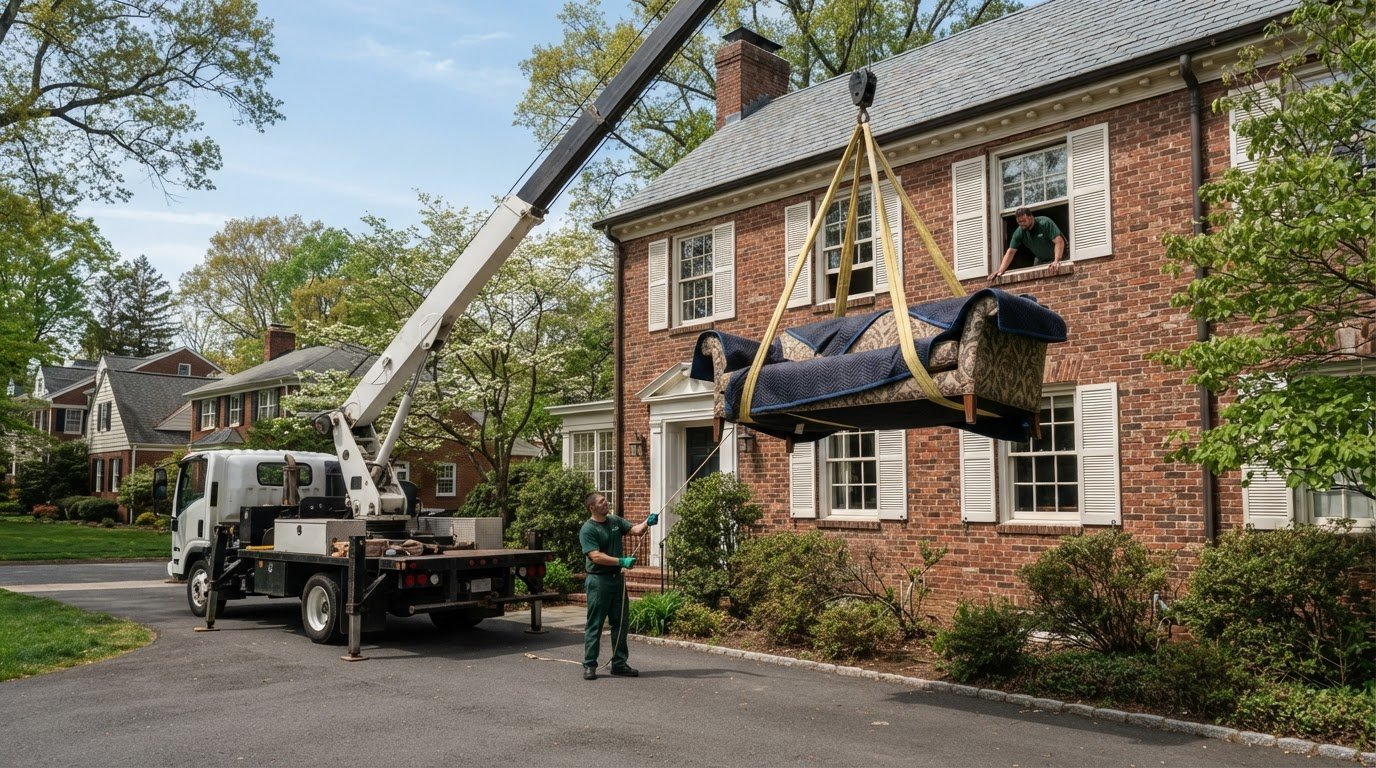
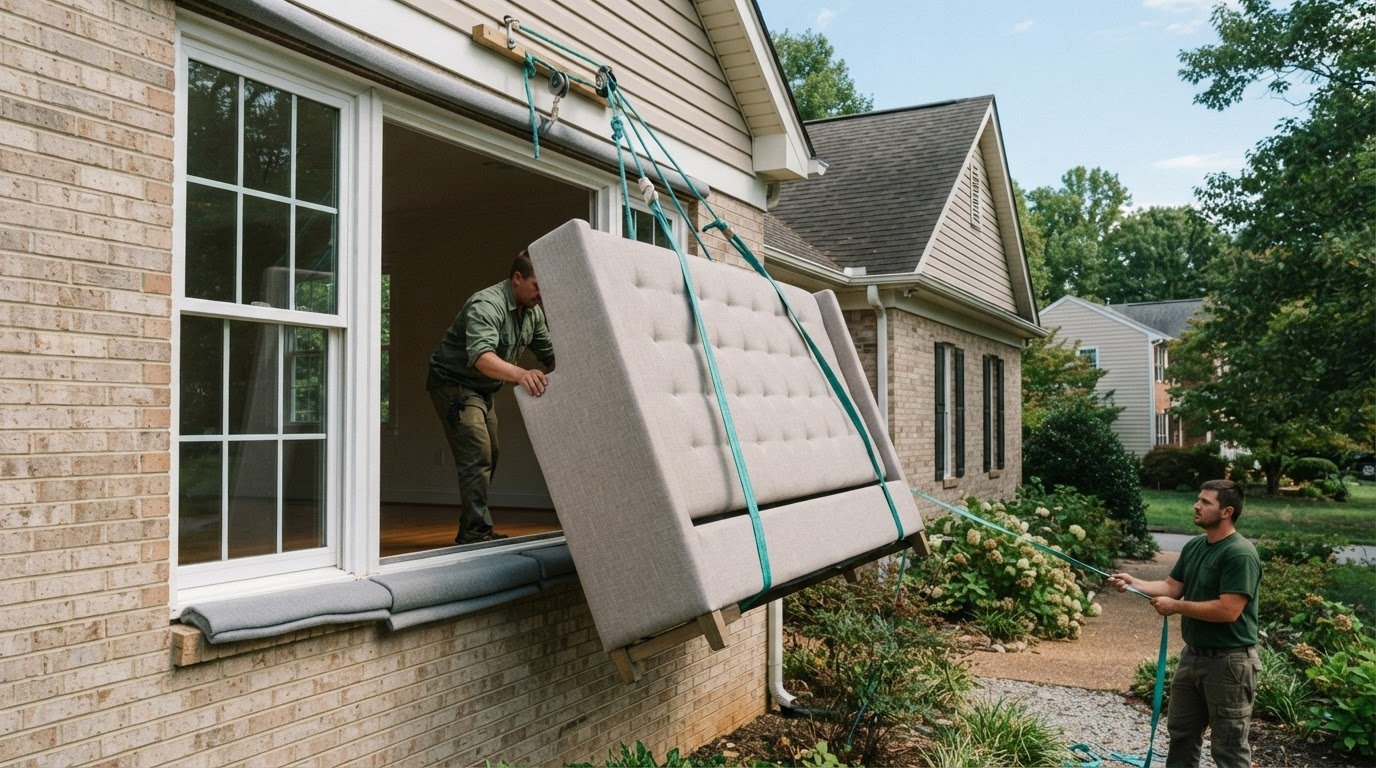
Movers plan the lift and route before moving a bulky piece, then coordinate their movements through doorways and around corners. For example, a wide cabinet may need careful angling through a hall, while a sofa that cannot pass through an entryway may require hoisting. Movers also account for the item’s balance and the floor beneath it. Share the destination room so the team can plan placement, not just removal.
How do professional movers remove and pack glass shelves and doors from a display cabinet for moving?
Movers first determine whether shelves and doors are designed to come off safely. If removable, they handle each piece separately, protect it with cushioning, and keep associated hardware organized. Fixed panels stay secured within the cabinet and receive protection suited to their position. A clear photo of the cabinet before packing can help the crew identify which shelves or doors belong in each opening during delivery.
What moving equipment do professionals use to transport a heavy glass cabinet?
Equipment depends on the cabinet’s weight, shape, and route. Moving crews may use blankets, straps, and dollies to protect and control heavy furniture; floor and doorway protection can also help reduce contact with the home. The crew chooses equipment to support the cabinet’s frame, not its glass panels. Stairs or tight turns can change what’s needed, so share access details before the move is planned.
How many movers are needed to move a heavy glass display cabinet?
The crew size depends on the cabinet’s dimensions and weight, plus stairs, turns, and carrying distance. A straightforward carry may need a different plan than a heavy vitrine moving through a narrow landing. Heavy Furniture Moving covers most jobs with 2 movers, while larger items may require 3-4 movers. Share the cabinet’s measurements and route details so the crew plan reflects the actual handling demands.
How much does it cost to move a glass display cabinet in Manassas Park, VA?
The cost depends on the cabinet, route, access, and work included, so there isn’t one price that fits every move. Heavy Furniture Moving uses flat-rate pricing for most single heavy items and hourly labor with a 2-hour minimum. You receive the total upfront before work begins. Give the team the cabinet’s dimensions, pickup and delivery details, and any stairs or tight access points to shape the quote.
Should professionals move a glass display cabinet upright or lay it flat?
Professionals assess the cabinet’s construction and handling instructions before choosing its transport position. An intact display cabinet is generally kept upright when its frame is designed to carry it that way, rather than laid flat where pressure could fall unevenly on the structure or glass. The crew also secures it against shifting and avoids placing other items against its panels. Share manufacturer instructions if you have them.
Frequently Asked Questions
Movers protect furniture by matching padding and restraints to each item’s surfaces and shape. A glass vitrine may need separate protection for its frame, edges, and exposed panels, while a wood dresser needs protection against scratches and scuffs. The crew also plans where each item sits during transport, keeping heavy pieces from pressing against fragile surfaces. Point out existing damage before work begins so its condition is clear.
Movers plan the lift and route before moving a bulky piece, then coordinate their movements through doorways and around corners. For example, a wide cabinet may need careful angling through a hall, while a sofa that cannot pass through an entryway may require hoisting. Movers also account for the item’s balance and the floor beneath it. Share the destination room so the team can plan placement, not just removal.
Movers first determine whether shelves and doors are designed to come off safely. If removable, they handle each piece separately, protect it with cushioning, and keep associated hardware organized. Fixed panels stay secured within the cabinet and receive protection suited to their position. A clear photo of the cabinet before packing can help the crew identify which shelves or doors belong in each opening during delivery.
Equipment depends on the cabinet’s weight, shape, and route. Moving crews may use blankets, straps, and dollies to protect and control heavy furniture; floor and doorway protection can also help reduce contact with the home. The crew chooses equipment to support the cabinet’s frame, not its glass panels. Stairs or tight turns can change what’s needed, so share access details before the move is planned.
The crew size depends on the cabinet’s dimensions and weight, plus stairs, turns, and carrying distance. A straightforward carry may need a different plan than a heavy vitrine moving through a narrow landing. Heavy Furniture Moving covers most jobs with 2 movers, while larger items may require 3-4 movers. Share the cabinet’s measurements and route details so the crew plan reflects the actual handling demands.
The cost depends on the cabinet, route, access, and work included, so there isn’t one price that fits every move. Heavy Furniture Moving uses flat-rate pricing for most single heavy items and hourly labor with a 2-hour minimum. You receive the total upfront before work begins. Give the team the cabinet’s dimensions, pickup and delivery details, and any stairs or tight access points to shape the quote.
Professionals assess the cabinet’s construction and handling instructions before choosing its transport position. An intact display cabinet is generally kept upright when its frame is designed to carry it that way, rather than laid flat where pressure could fall unevenly on the structure or glass. The crew also secures it against shifting and avoids placing other items against its panels. Share manufacturer instructions if you have them.