Labor to Shift Heavy Living Room Furniture During Interior Painting
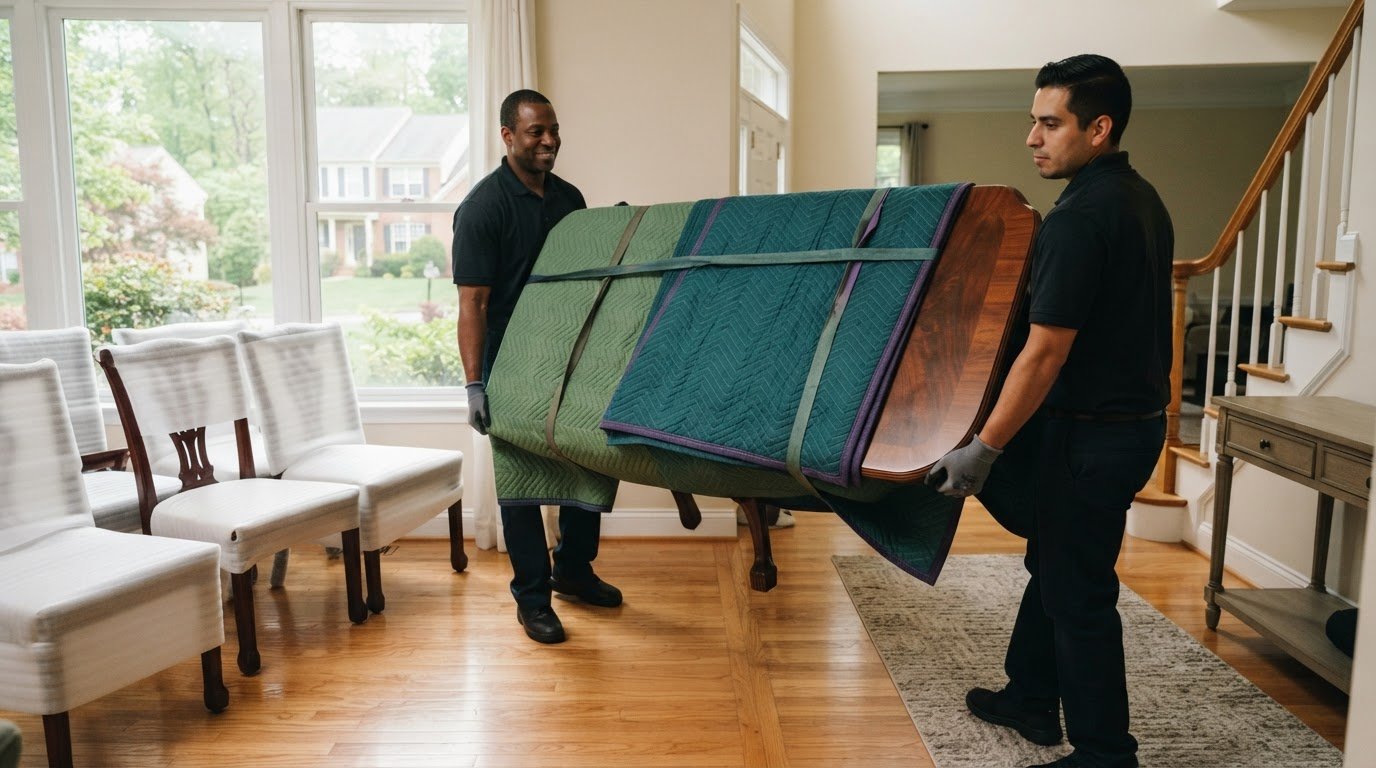
A freshly painted room can still feel off if the furniture goes back without a plan. Treat moving heavy pieces as a separate part of the painting setup, and don’t assume it’s included in a painting estimate. If you need labor to shift heavy living room furniture during interior painting in Clifton, decide where each piece should go before work begins.
It makes sense to focus first on clearing space and protecting the room. But where the sofa, chairs, and tables return can shape how balanced the finished space feels. A dark, solid piece may carry more visual weight than a lighter or reflective one, so simply putting everything back where it stood may not create the look you want.
This article explains how symmetry and visual balance can guide furniture placement after painting, and how the ideas differ. You’ll see why matching pieces aren’t required for a balanced arrangement, what to consider when heavy furniture needs shifting, and how to make the room feel intentional once the walls are ready.
Key Takeaways
- Clarify whether furniture shifting is included in the painting estimate, and make sure the scope explains which pieces need to move.
- Any added labor depends on the furniture and the work involved, so understand what the estimate covers before painting begins.
- Protect the room by clearing small items and planning where each heavy piece will go while the walls are being painted.
- Use visual balance to guide the furniture’s return: matching pieces can create symmetry, while different pieces can still balance by their visual weight.
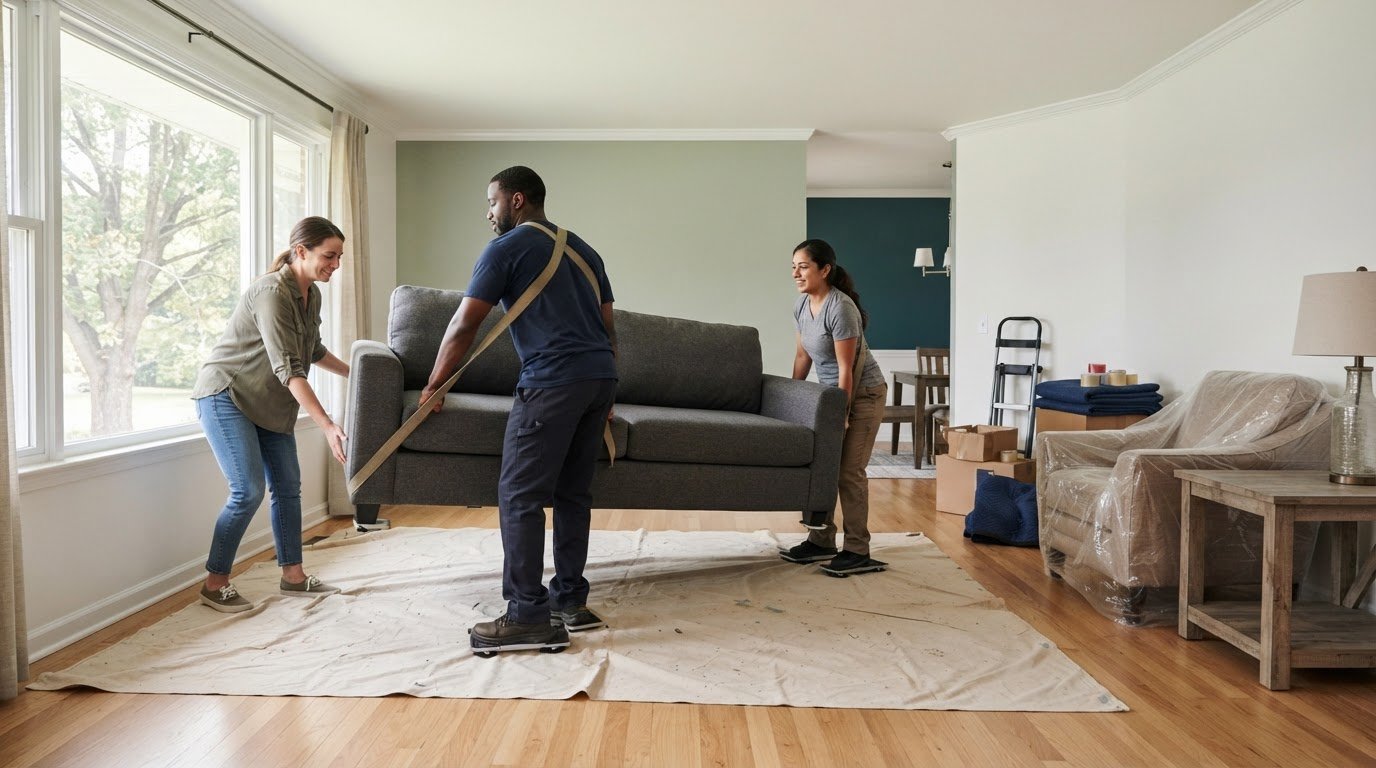
- For bulky sofas or other heavy pieces, in-home furniture moving help can make shifting them easier to manage.
Do Clifton painters include furniture moving in quotes?
There’s no single rule that includes furniture moving in every Clifton painting quote. The written scope determines what the estimate covers. If it lists wall preparation, paint, and application but says nothing about moving furniture, don’t assume shifting a sectional is included. Treat painting and heavy-item moving as separate tasks unless the estimate clearly combines them.
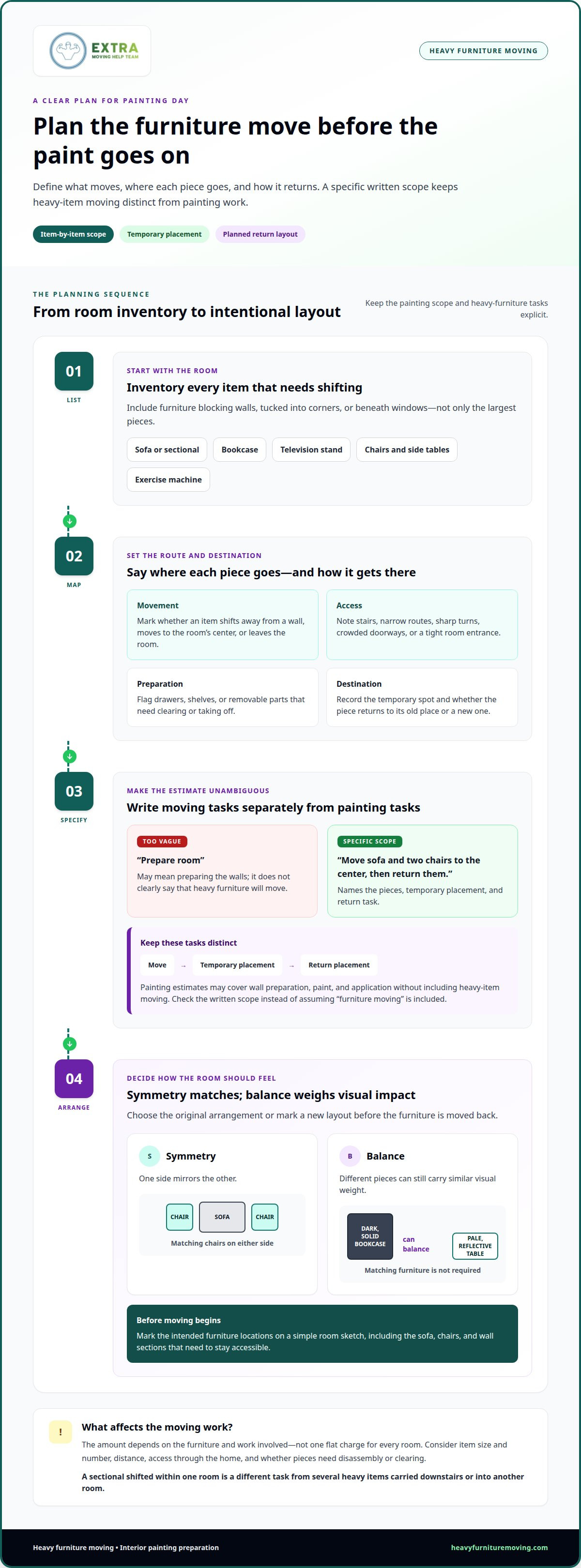
Look for specific descriptions, not broad phrases like “prepare room.” That wording might mean preparing the walls, rather than moving a sofa, bookcase, or entertainment center. A useful scope identifies which pieces move, where they go, and whether they return after painting. For example, “move sofa and two chairs to the center, then return them” is clearer than “clear living room.”
Before work starts, make a room-by-room inventory of everything that needs shifting. Note furniture that blocks the walls, including pieces tucked into corners or beneath windows. A heavy sectional may need repositioning more than once if painters need access to different wall sections. A small side table may be easy to move, but include it if it sits in the work area.
- Identify each item, such as a sofa, bookcase, or television stand.
- Mark whether it needs moving away from a wall or out of the room.
- Note whether it needs to return to its original spot after painting.
- Show any placement limits, such as a narrow route or a crowded doorway.
Placement also affects the finished room. If furniture will return after the paint dries, decide whether you want the old arrangement or a new one. Symmetry means one side mirrors the other, such as matching chairs on either side of a sofa. Balance means both sides carry similar visual weight, even when the pieces differ. A dark, solid bookcase can feel heavier than a pale, reflective table, so balance doesn’t require identical furniture.
That distinction helps define the moving task. “Return everything to its original position” is different from arranging a sofa and chairs into a more balanced layout. Marking the intended locations before moving furniture can reduce guesswork later. A simple room sketch can show the sofa’s new position, the chair placement, and which wall sections need to stay accessible.
For labor to shift heavy living room furniture during interior painting in Clifton, keep the scope specific. Plan for moving, temporary placement, and return placement as separate tasks. A quote that names each task makes it easier to see what the painting estimate includes and what requires separate labor. It also gives everyone a clear reference when the room is ready for the furniture to go back.
Extra charges for moving heavy furniture?
There isn’t one extra charge that fits every Clifton living room. The amount depends on the work involved and the furniture being shifted. A sofa moved a short distance differs from a loaded bookcase that must be emptied, carried through a tight doorway, and placed elsewhere. Painting estimates should make clear whether moving labor is included or treated as separate work.
The quote depends on the job. Key factors include the number and size of items, how far they need to move, access through the home, and whether pieces need disassembly. Moving a sectional around one room is a different task from carrying several heavy items downstairs or into another room.
Access can affect the work, too. A wide route from the living room to an open area may allow a direct move. A narrow hall, sharp turn, or crowded doorway may require a slower, more careful route. The furniture’s position matters as well. A sofa against one wall may only need to shift enough for painting access, while a large cabinet may need to leave the room entirely.
Clarify these details before comparing estimates:
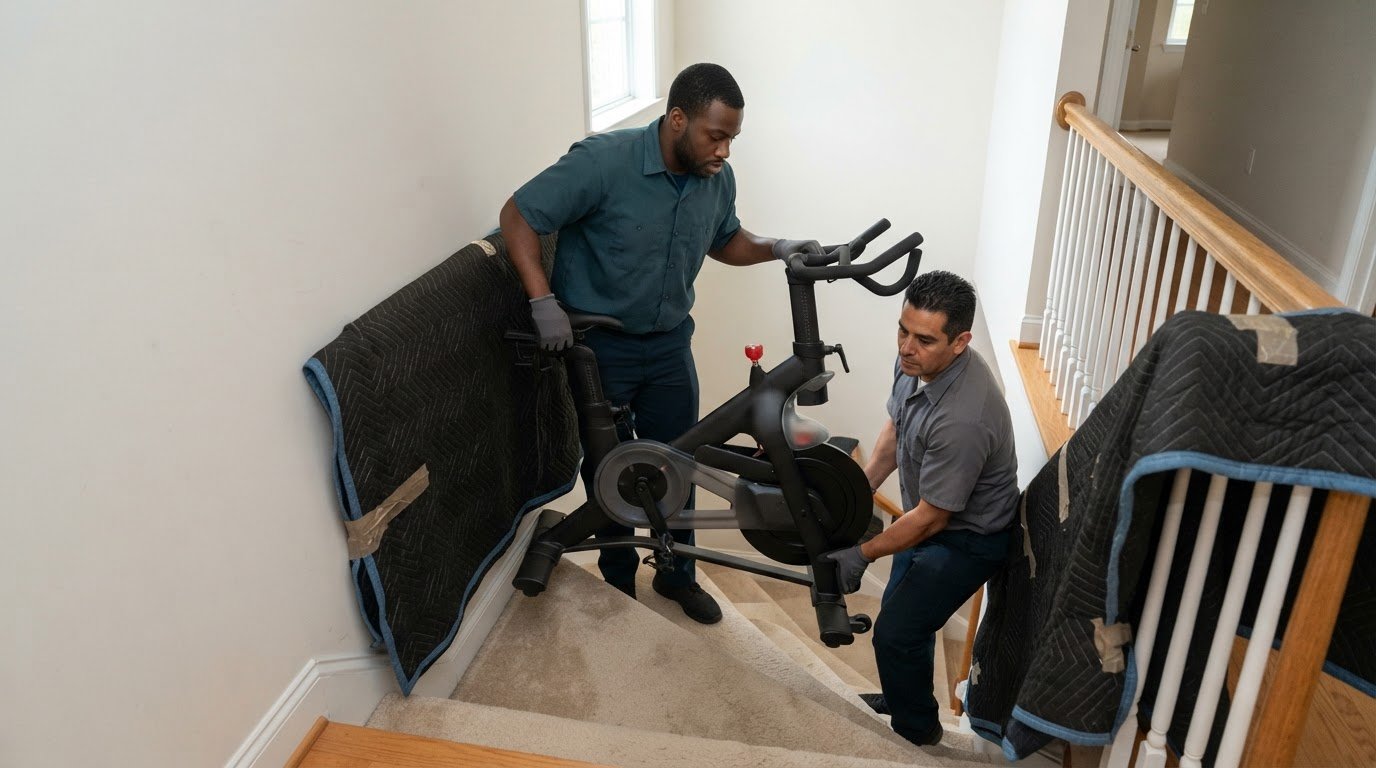
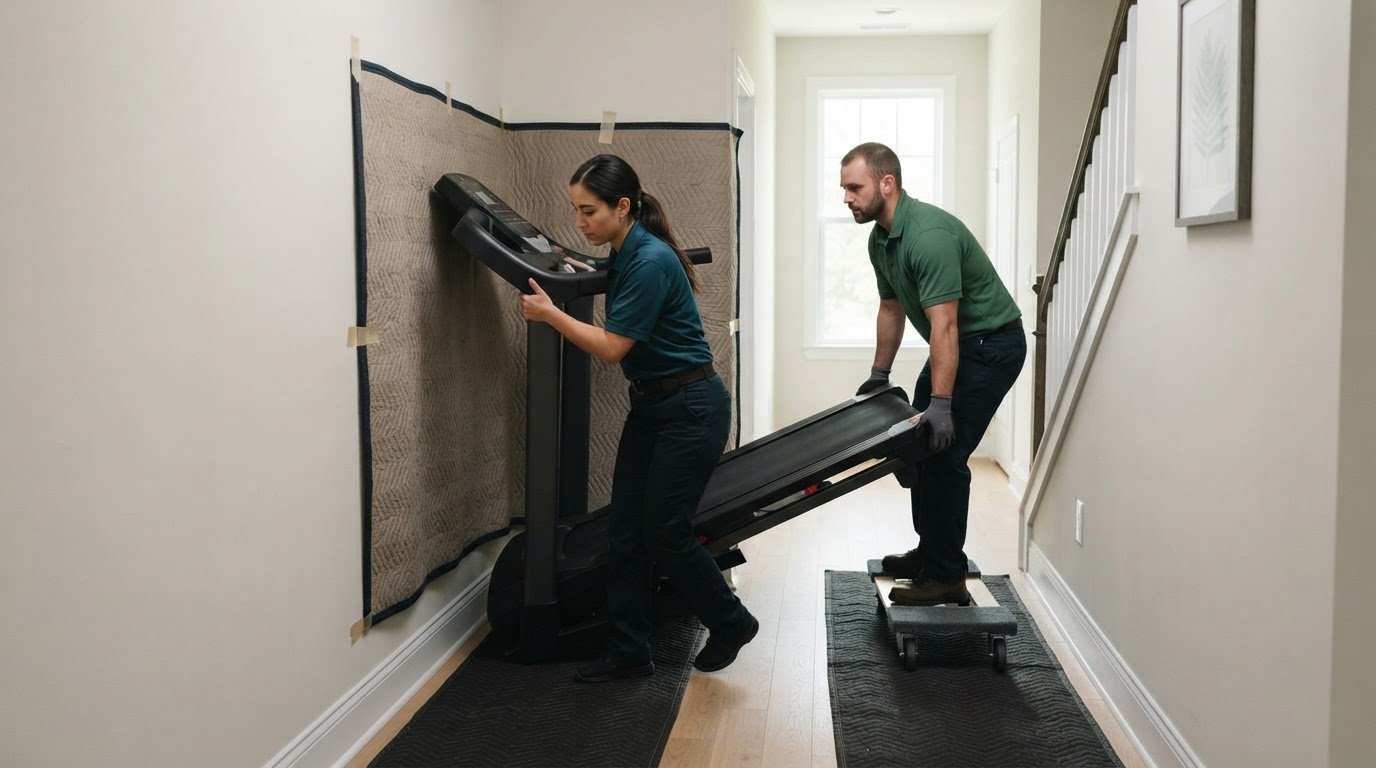
- List each heavy item, such as a sectional, bookcase, or exercise machine.
- Describe the starting point and intended temporary placement for each piece.
- State whether the item needs to return to its original position or a new spot.
- Note access concerns, including stairs, tight turns, or a narrow room entrance.
- Explain whether drawers, shelves, or removable parts need to be cleared or taken off.
These details help distinguish moving labor from other work. A painting contractor may include shifting light chairs, while a large sofa or filled cabinet could require separate arrangements. The estimate should identify what will be moved and what remains your responsibility. “Move furniture” can mean different things; listing the items and destinations makes the scope easier to understand.
Also distinguish temporary repositioning from a full move. If a sofa only needs to shift toward the center of the room, it can stay on-site during painting. If the room has limited floor space, furniture might need to go into another area. Clarify whether items will be returned after painting, especially if you want a new layout rather than the original arrangement.
Ask for the moving work to be described in writing alongside the painting scope. Specify whether the sectional and bookcase will move, where each will wait, and whether they’ll return afterward. Don’t assume that vague “room preparation” includes heavy lifting. Clear task descriptions let you compare what each estimate covers without relying on a guessed flat rate.
If heavy pieces need dedicated handling rather than simple repositioning, in-home furniture moving help can address that part of the project separately from painting. Match the requested work to the actual items and route, then keep the agreed scope clear before the room is cleared.
Preparing a room for painting and furniture moving?
Start by separating small belongings from the heavy pieces. Remove lamps, framed photos, remotes, and decorations from tables and shelves. Clear the sofa cushions and put loose items in labeled boxes. This gives the movers fewer objects to handle and keeps personal belongings together during painting.
Empty drawers and open shelves before moving a cabinet or bookcase. A drawer full of books can shift as the furniture tilts, and loose objects may fall from an open shelf. Pack books and small electronics separately. Keep screws, shelf pins, and removable hardware in a bag labeled with the furniture piece’s name.
Prepare the route between the living room and the temporary placement area. Move floor lamps, baskets, rugs, and small tables out of the way. Check the path through doorways and around corners. If a sofa needs to turn through a narrow hall, clear the approach on both sides rather than leaving shoes or boxes along the wall.
- Remove breakable objects from shelves, tabletops, and nearby windowsills.
- Pack small electronics and label their cables before disconnecting them.
- Clear the route to the chosen holding area, including corners and doorway approaches.
- Keep pets and everyday foot traffic away from the work path.
- Mark furniture parts that come apart, such as removable legs or shelf panels.
Take care of electronics before shifting the television stand or media cabinet. Photograph the cable connections, then label each cable before unplugging it. Store the remote, power cords, and small accessories together. This record can make reconnecting the television and other equipment easier after painting.
Protect items that will stay in the room. Move small objects away from the walls and group them on a cleared surface outside the painting area. Keep access to the wall edges open, especially behind a sofa or beneath a window. Don’t place packed boxes where they block the route or will need to be moved again.
Decide where each large piece will wait. A sectional might move toward the center, while a bookcase could go into an adjoining room. Clear the temporary location before moving furniture. If the room has little open floor space, identify another suitable area rather than creating a crowded pile beside the work zone.
Make a simple placement note for the furniture’s return. Sketch the sofa, chairs, and tables, then mark which direction each piece faces. If you want a new arrangement, draw it rather than relying on memory. A dark sofa and pale chairs can carry different visual weight, so consider how the pieces will look together once the room is painted.
Before work begins, walk through the prepared room and point out fragile items, marked furniture parts, and the intended holding area. Confirm which objects will stay in place and which need moving. This final walkthrough can catch a forgotten side table or a cable still attached to a cabinet before the room is cleared.
What are the risks of moving heavy furniture without professional help
A loaded bookcase can shift unexpectedly when lifted, while a sofa may block the person carrying the opposite end. Without a clear plan, people can lose their grip, twist awkwardly, or trap fingers between furniture and a doorway. The risk increases when an item is bulky, difficult to hold, or being moved through a tight living room.
Strains are one concern. Lifting a sectional from its base can force someone to bend and reach at the same time. A sudden change in weight can pull the body off balance. People may also underestimate how hard it is to control a cabinet while turning around a hallway corner. Good intentions don’t make an awkward lift easier.
Furniture and home surfaces can also be damaged. Dragging a sofa across hardwood may leave scratches, while bumping a table leg against a painted doorframe can chip the finish. A bookcase that catches on a wall corner may scrape drywall. Even a short move across one room can cause damage if the item tips or slides without control.
Small objects create another hazard. A lamp left on a side table can fall when the table moves. A television still attached to its stand can pull cables or topple. Before shifting furniture, clear loose items and disconnect electronics. If an item has removable shelves or legs, secure those parts so they don’t swing or slide during the move.
- Clear the route of rugs, shoes, cords, and small tables.
- Remove loose items from shelves, drawers, and tabletops.
- Keep children and pets outside the moving path.
- Stop if a piece tilts, catches, or becomes difficult to control.
Trying to manage a heavy item with too few people can make it harder to control. One person may lift while another pulls, causing the furniture to twist between them. A sectional passing through a doorway may require coordinated movement and a clear path. If the group can’t communicate or hold the piece steadily, forcing the move can put people and nearby belongings at risk.
Unplanned movement can also disrupt painting. A sofa set against a freshly painted wall may scuff the surface. Furniture placed in the middle of the room can block access to another wall, requiring another shift. Mark the temporary location before lifting. Keep the item away from the work area and leave painters a clear route.
Professional help is especially useful for heavy or awkward pieces that need careful handling, including large sofas, loaded cabinets, and exercise equipment. It can also make sense when a narrow doorway, hallway turn, or limited room space complicates the move. Don’t force a lift that feels unstable. Arrange heavy furniture moving help for pieces that are difficult to shift safely.
For a living room repaint, the goal is controlled movement, not speed. Prepare the route, clear loose belongings, and decide where each large piece will wait. If an item feels too difficult to handle, leave it in place until suitable help is arranged. A careful pause is better than a damaged doorway, scratched floor, or uncontrolled lift.
Heavy Furniture Moving: Movers Near Me
Heavy Furniture Moving can shift living room pieces when painters need clear access to walls or bulky furniture feels difficult to move safely. Its in-home furniture moving service suits projects involving a heavy sofa, while Exercise Equipment Moving can help with bulky workout equipment in the home. If a sofa cannot pass through a doorway or stairwell, Sofa Hoisting can provide another way to move it.
Share which items need moving, where they need to go, and whether they should return to their original places after painting. This makes the requested labor clear and keeps the furniture plan aligned with the room layout you want. Contact Heavy Furniture Moving to discuss your furniture-moving needs.
Set Up the Room You Want to Enjoy
Use the painting project as a chance to make the living room work better for you. Before the furniture returns, consider how you use the space: where people sit, how they move through the room, and which pieces should draw attention. A balanced arrangement can feel right without matching furniture on both sides. Let the room’s shape and your daily routine guide the final placement.
If labor to shift heavy living room furniture during interior painting in Clifton is holding up your plans, include the task in your project preparation. Decide which pieces need moving and where you want them placed. A clear plan gives the work a practical endpoint, not just an empty wall.
Share your furniture-moving needs with Heavy Furniture Moving and take the next step toward a freshly painted room arranged for everyday living. Your space can feel ready for its next chapter.
Frequently Asked Questions
How much does it cost to move heavy living room furniture for interior painting in Clifton, Virginia?
There’s no single price for moving heavy living room furniture; the cost depends on the job. Factors include the item, access route, stairs, and whether it needs repositioning within the home or a more involved move. Shifting a sofa within one room differs from moving a sectional through a difficult route, so describe the task when requesting a quote.
What furniture moving services are available in Clifton, Virginia?
Options include in-home furniture moving, Exercise Equipment Moving, Sofa Hoisting, and Movers Near Me. They can suit tasks such as relocating a sofa, moving home gym equipment, or hoisting a sofa through an entryway. Service areas include Clifton and nearby Northern Virginia communities such as Fairfax, Woodbridge, Manassas, Vienna, and Reston. Wrap, blankets, and straps are included on every job.
Do movers offer minimum-hour rates for moving furniture within a home in Clifton?
Yes. Hourly labor has a 2-hour minimum, while most single heavy-item moves use a flat rate. The pricing approach depends on whether the task involves hourly labor or a single-item move. For example, moving one sofa differs from shifting several pieces around a room. Describe the furniture and the intended move to get a quote for the specific work.
Frequently Asked Questions
There’s no single price for moving heavy living room furniture; the cost depends on the job. Factors include the item, access route, stairs, and whether it needs repositioning within the home or a more involved move. Shifting a sofa within one room differs from moving a sectional through a difficult route, so describe the task when requesting a quote.
Options include in-home furniture moving, Exercise Equipment Moving, Sofa Hoisting, and Movers Near Me. They can suit tasks such as relocating a sofa, moving home gym equipment, or hoisting a sofa through an entryway. Service areas include Clifton and nearby Northern Virginia communities such as Fairfax, Woodbridge, Manassas, Vienna, and Reston. Wrap, blankets, and straps are included on every job.
Yes. Hourly labor has a 2-hour minimum, while most single heavy-item moves use a flat rate. The pricing approach depends on whether the task involves hourly labor or a single-item move. For example, moving one sofa differs from shifting several pieces around a room. Describe the furniture and the intended move to get a quote for the specific work.