How to Move a Mahogany Dining Set Without Scratching It
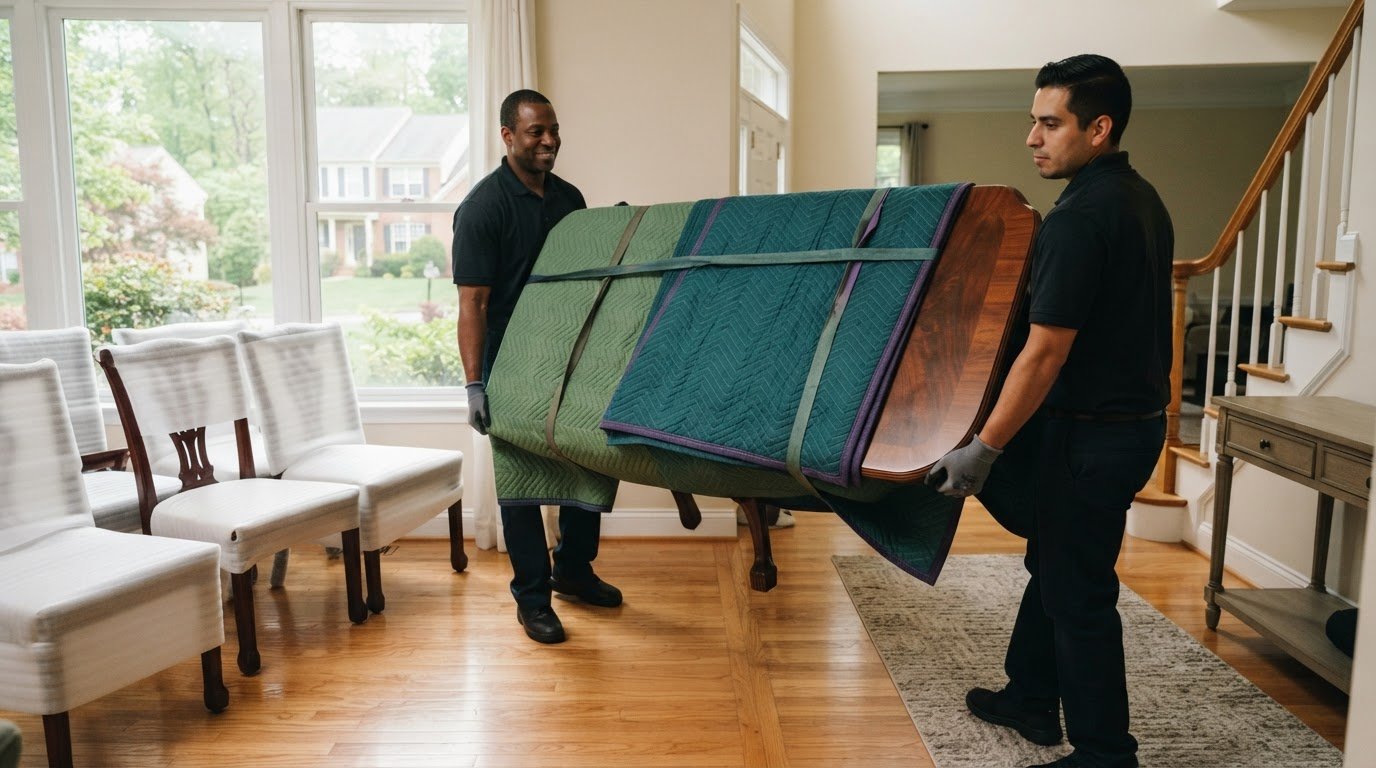
Start safely before the dining set leaves the room: clear the route, protect each surface with clean padding, and lift rather than drag. If you’re learning how to safely move a solid mahogany dining set without scratching its finish in Gainesville, remove only detachable parts, wrap each piece securely, and keep straps and tools away from the wood.
It’s understandable to worry about the finish. A scrape against a doorway or grit under rough padding can mark a treasured table. Careful handling helps prevent damage, and inspecting any existing mark can help distinguish a shallow surface scratch from a deeper gouge.
To safely move a solid mahogany dining set without scratching its finish in Gainesville, prepare the route and protect the wood before lifting. This guide covers the table and chairs, careful handling, and what to inspect after the move. It also explains how scratch depth can help you decide whether a mark needs attention. Work through each step, from the first lift to the final placement.
Key Takeaways
- Prepare the table and chairs for transport by identifying which parts can be safely removed.
- Choose protective layers that cushion the wood without letting rough materials rub against the finish.
- Use stretch wrap thoughtfully, with a barrier between the plastic and mahogany.
- Pack chairs to keep their frames and legs from knocking against other furniture in transit.
- Learn how to assess a mark after the move and decide whether it looks superficial or needs more attention.
Preventing scratches on solid wood tables
Prepare the route and protect the mahogany before lifting. Keep grit, moisture, and hard edges away from the finish throughout the move.
-
Disassemble the table and chairs safely
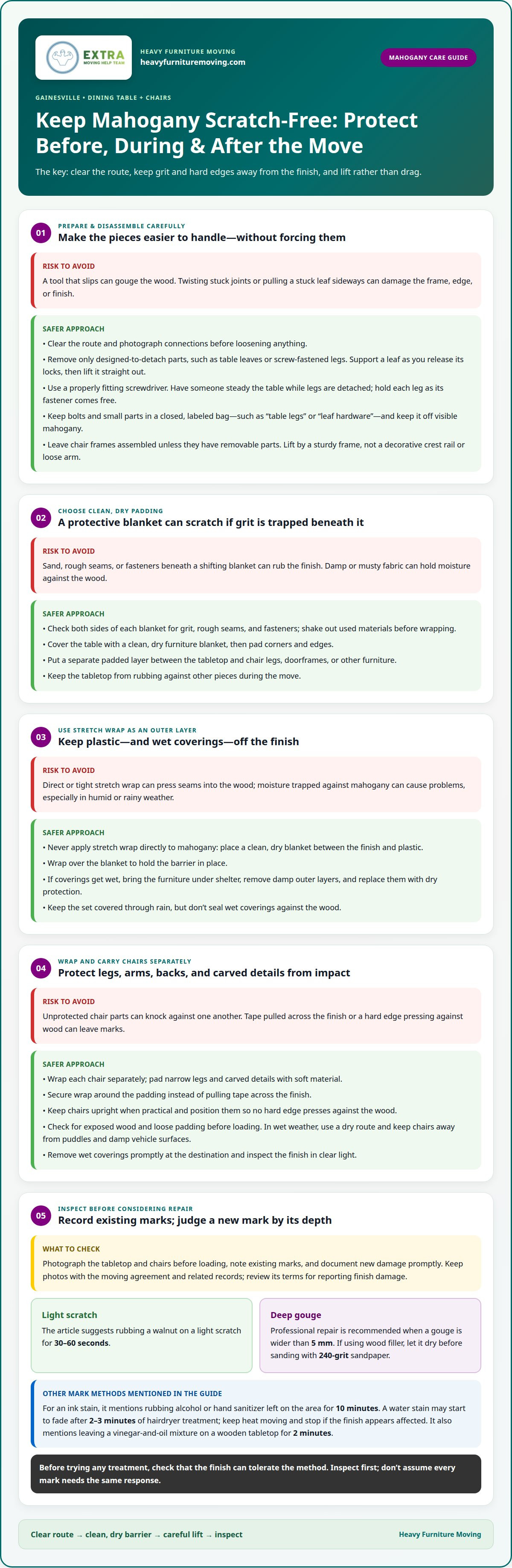
Remove only parts designed to detach, such as table leaves or screw-fastened legs. Photograph each connection and place the hardware in a labeled bag. Use a properly fitting screwdriver to avoid gouging the wood if it slips. Don’t force stuck joints, since twisting can damage the frame or finish.
For a move in Gainesville, Virginia, review the moving agreement’s terms for reporting finish damage. Photograph the tabletop and chairs before loading, note existing marks, and document any new damage promptly. Keep the photos with the agreement and other move-related records.
-
Choose protective blankets and padding
Cover the table with a clean, dry furniture blanket, then pad its corners and edges. Check the fabric for grit, rough seams, and fasteners before it touches the mahogany. Sand trapped beneath a shifting blanket can scratch the finish, so inspect both sides and shake out used materials before wrapping.
Keep the tabletop from rubbing against chair legs, doorframes, or other furniture. Put a separate padded layer between pieces instead of relying on one blanket to protect both surfaces. Avoid damp or musty blankets, as moisture held against the wood can leave marks during the trip.
-
Protect the finish from stretch wrap
Don’t apply stretch wrap directly to mahogany. Place a clean, dry blanket between the finish and plastic, then wrap over the barrier to hold it in place. Tight plastic can press seams into the wood, and trapped moisture can cause problems in Gainesville’s humid or rainy weather.
Keep the set covered while moving it through rain, but don’t seal wet coverings against the wood. Bring the furniture under shelter, remove damp outer layers, and replace them with dry protection. During packing, focus on keeping rain and wet materials off the finish rather than treating water rings.
-
Pack and transport the dining chairs
Wrap each chair separately so its legs, arms, and back don’t knock against one another. Pad narrow legs and carved details with soft material, securing the wrap around the padding instead of pulling tape across the finish. Keep chairs upright when practical, and position them so no hard edge presses against the wood.
Before loading, check each chair for exposed wood and loose padding. In wet weather around Gainesville, carry chairs along a dry route and keep them away from puddles and damp vehicle surfaces. At the destination, remove wet coverings promptly and inspect the finish in clear light for new marks.
How to disassemble a mahogany dining table and chairs safely for moving
Take apart only components designed to come off. Controlled disassembly makes handling easier and keeps tools away from finished wood.
- Clear the table and photograph its connections before loosening anything. Check underneath for bolts, brackets, leaf locks, or labels showing how the parts fit together. Keep the photos handy for reassembly. If a joint looks glued, capped, or unfamiliar, leave it intact rather than prying at the mahogany.
- Remove table leaves according to their locking mechanism. Support each leaf as you release its locks, then lift it straight out without scraping its edge across the tabletop. Set it on a stable, padded surface. Don’t pull a stuck leaf sideways; check for another latch or support that may still be holding it.
- Detach table legs only if their fasteners are clearly designed for removal. Have someone steady the table while you loosen each connection with a properly fitting tool. Hold the leg as the fastener comes free so it doesn’t swing into the apron. Don’t use the tabletop as a lever or rest it on an unprotected edge.
- Keep each fastener with the part it belongs to. Put bolts, washers, and small brackets in a closed bag, then label it “table legs” or “leaf hardware.” Attach the bag to a protected underside, not to visible mahogany. Separate hardware by component so a similar-looking bolt isn’t forced into the wrong hole during reassembly.
- Leave chair frames assembled unless their design includes removable parts. Check each chair for loose joints, detachable cushions, and protruding hardware before wrapping. Lift chairs by a sturdy frame, not by a decorative crest rail or loose arm. If a cushion detaches easily, pack it separately to prevent pressure against the wood.
- Prepare the pieces for carrying before lifting. Clear the doorway, measure the tight turn against the widest component, and assign one person to guide each end. Keep removed legs and leaves supported instead of leaning them against a wall. If the table base is awkward to control, moving help for heavy furniture can help with the difficult lift.
After the pieces are safely moved, inspect the tabletop before attempting any finish repair. The guide recommends leaving a vinegar-and-oil mixture on a wooden tabletop for 2 minutes. For an ink stain, let rubbing alcohol or hand sanitizer sit on the area for 10 minutes. A water stain may start to fade after 2-3 minutes of hairdryer treatment; keep the heat moving and stop if the finish appears affected.
For a light scratch on a solid wood table, rub it with a walnut for 30-60 seconds. For a deep gouge, the page recommends professional repair when it is wider than 5mm. If using wood filler on a deep gouge, let it dry before sanding with 240-grit sandpaper. Avoid treating a mahogany surface until you know its finish can tolerate the chosen method.
Best furniture blankets, padding, and stretch wrap for protecting wood furniture
- Inspect every blanket before using it on a mahogany table. Choose clean, dry furniture blankets with a soft surface and no rough seams, loose threads, grit, or exposed fasteners. A blanket can hold debris from a previous move even if it looks clean. Shake it out, check both sides, and set aside any cover that feels damp or abrasive.
Keep stitched blanket edges away from delicate corners. Fold them inward so the smoother fabric rests against the protective layer.
- Add padding where the table is most likely to touch another surface. Place soft corner protectors along the tabletop edges, then pad the apron and legs. For a carved edge, fold a blanket to make a cushion without forcing fabric into the detail. The goal is to prevent contact, not press hard enough to leave folds against the finish.
- Layer the protection in order: soft material against the furniture, thicker cushioning outside it, and securing wrap last. This keeps coarse blanket seams and straps away from the wood. Check that each layer lies flat across the tabletop. A wrinkle under tension can create a pressure point, especially where the table rests against a wall or another item in transit.
- Use stretch wrap to hold padding in place, not as the first layer against the finish. Wrap around the blanket, not directly around the mahogany, and keep the film snug without compressing corners. Avoid adhesive tape on finished surfaces. If tape is needed to secure a loose blanket, stick it to the blanket itself so it won’t pull at the wood.
- Match the covering to each piece’s shape. A broad tabletop needs an even, smooth cover, while chair legs and table corners need separate cushioning. Don’t bundle the table and chairs together under one tight cover. They can shift against each other, allowing a chair rung or leg to rub through the padding during a turn or stop.
- Check the protection before carrying and again after loading. Run a hand over the covered tabletop to find exposed edges, bunching, or loose wrap. Press gently at each corner to make sure the padding stays in place. If a blanket slips while the table is lifted, set the piece down safely and adjust the layers rather than dragging fabric across the finish.
Should you use plastic wrap directly on a mahogany finish during a move
No. Keep plastic wrap off the mahogany itself. Use it to secure a clean, soft barrier, not as the material touching the finish.
- Inspect the finish before wrapping. Look for wax, polish, dust, or tacky areas that plastic could press against. Wipe away loose dust with a clean, dry cloth, using light strokes. Don’t apply polish or liquid cleaner just before wrapping; fresh residue can transfer beneath a tight covering.
Check the table edges and carved details, too. Film can catch on those spots and create pressure when pulled tight.
- Place a clean, dry cloth or furniture blanket between the wood and plastic. Smooth the barrier across the tabletop so folds don’t bunch beneath the film. Cover exposed corners with folded padding before securing the larger layer. This keeps plastic from gripping the finish and helps prevent wrap edges from pressing into delicate trim.
Use separate barriers for the tabletop, apron, and legs. Each shape needs a flat, stable covering.
- Wrap over the protective layer, not around bare mahogany. Start on the blanket and continue across itself, keeping the film snug enough to hold the fabric in place. Don’t pull it tight across corners or carved details. Tight bands can compress soft padding and create ridges that press against the wood during handling.
Keep the wrap’s cut edge on the outer layer. Don’t let it touch finished surfaces.
- Keep plastic away from damp wood and wet padding. If rain reaches the covering during a Gainesville move, bring the piece under shelter and remove wet outer layers. Replace them with dry material before securing the furniture again. Sealing moisture against wood can leave marks or affect the finish, particularly if the covering stays in place during transport.
Don’t leave a wrapped table in direct sunlight. Check the surface whenever you change its coverings.
- Use stretch wrap only where it solves a clear problem, such as keeping a blanket from slipping. Leave the underside or another safe opening accessible, so you can remove the wrap without dragging film across the finish. Keep scissors and blades away from the wood. Cut the plastic from the outside, then peel it back slowly.
For example, unwrap a table leg by loosening the film at its seam instead of pulling it lengthwise over the mahogany.
- Inspect the barrier after moving each piece. If the blanket has shifted, stop and reposition it before carrying the table farther. Look for exposed corners, plastic touching wood, or damp patches. At arrival, remove the outer wrap and padding promptly, then examine the finish under clear light for rub marks or moisture.
How to pack and transport mahogany dining chairs without scratching them
Handle each chair as a separate piece, from inspection through unloading. Focus on contact points that can rub: legs, arms, back rails, and seat edges.
- Inspect each chair before packing. Check the legs and joints for looseness, then note existing marks on the arms, crest rail, and seat frame. Remove detachable cushions and pack them separately. Don’t tighten loose joints during packing; tools can slip and mark the finish, and movement can worsen a weak connection.
- Protect carved backs and narrow spindles with soft padding. Lay the padding over each detail without forcing it into grooves, where it could catch or leave pressure marks. Cover individual spindles if they touch. For an armchair, cushion the arms and their supports so those projecting edges don’t rub against another chair.
- Wrap the seat frame and legs without pulling material across the finish. Place padding around each leg, then secure it around the padding. Keep tape on the covering, never on the mahogany. Check underneath for a crossbar or exposed fastener that could press against another surface as the chair moves.
- Carry a chair by its sturdy seat frame, not by a decorative top rail or a single arm. Hold it upright and keep its legs clear of doorjambs. At a narrow turn, pause and reposition instead of twisting the chair against a wall. One person can guide the frame while another watches the legs.
- Load chairs so their frames can’t knock together. Keep each padded chair separate from table legs, hardware, and other hard items. If you need to nest chairs, put a clean protective layer between every contact point and don’t force one chair tightly inside another. Check that no spindle or leg presses against a neighboring finish.
- Secure chairs by their stable frames, with straps resting on protective padding rather than bare wood. After loading, test each chair gently for shifting and adjust its position before closing the vehicle. During unloading, inspect the coverings before lifting. If you want hands-on support moving dining chairs and other furniture, arrange in-home furniture moving help.
Heavy Furniture Moving: Movers Near Me
Heavy Furniture Moving provides local furniture-moving help when a mahogany dining set is too awkward or heavy to handle safely alone. In-home movers can help carry bulky pieces through tight hallways, doorways, and stairwells. Explain which parts are disassembled and where the set needs careful handling, so the crew can plan the move. This can help when you’re concerned about controlling the table, coordinating the chairs, or protecting finished wood during the carry. For a simpler move, follow the preparation steps above and keep every piece cushioned and stable. Contact Heavy Furniture Moving to discuss help with your dining set.
Set Up Your Dining Room for the Next Chapter
Plan beyond the truck ride. Choose the table’s new position before carrying it inside, and clear a direct route to that spot. Check that chairs can slide out without scraping nearby walls or furniture. Space around the set makes everyday use easier and helps prevent bumps after the move.
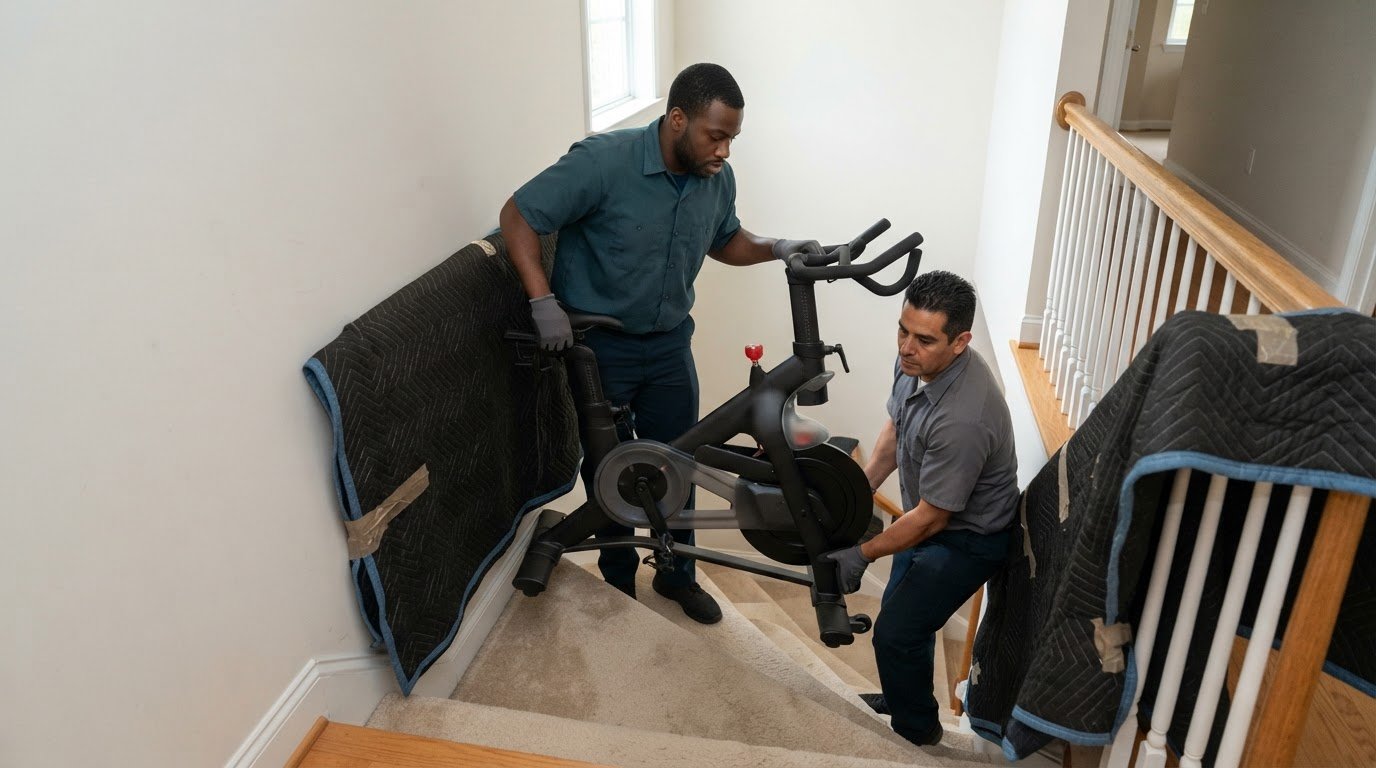
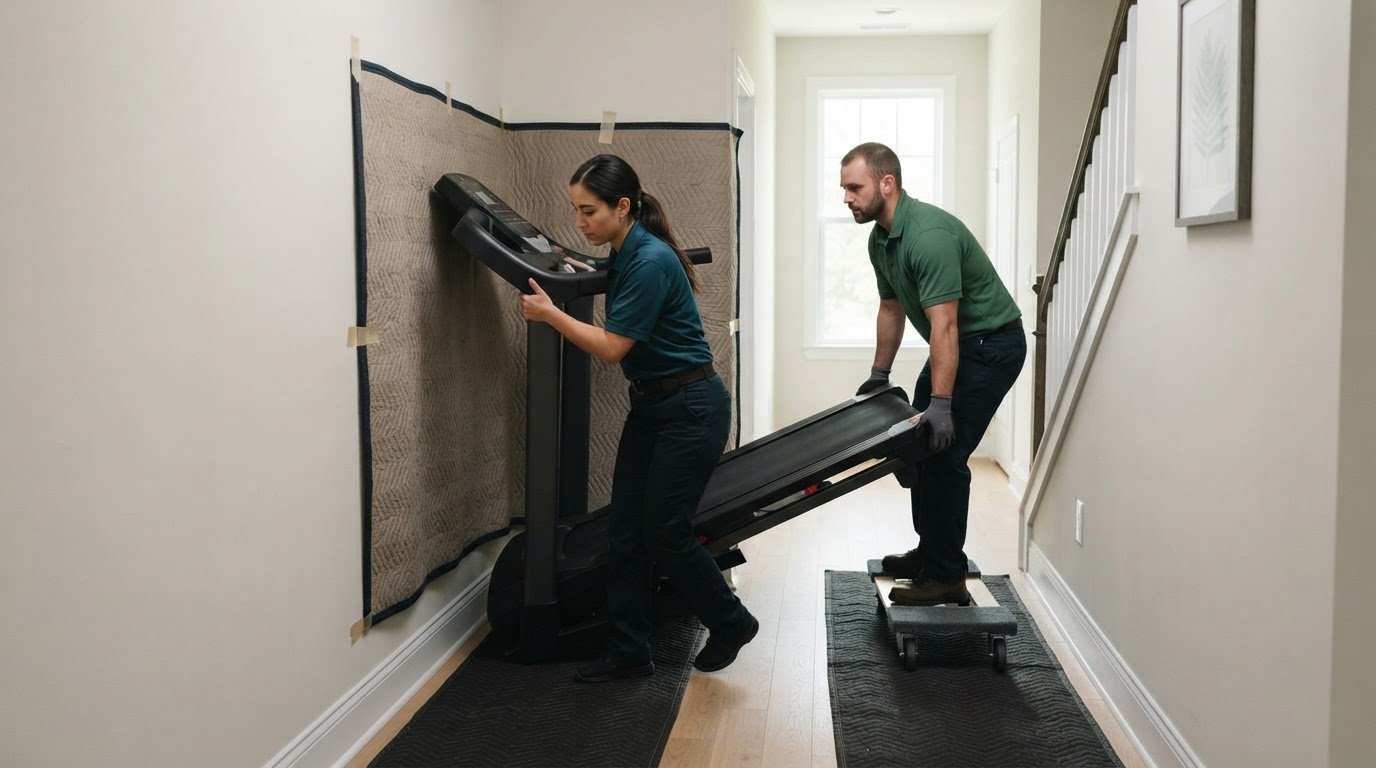
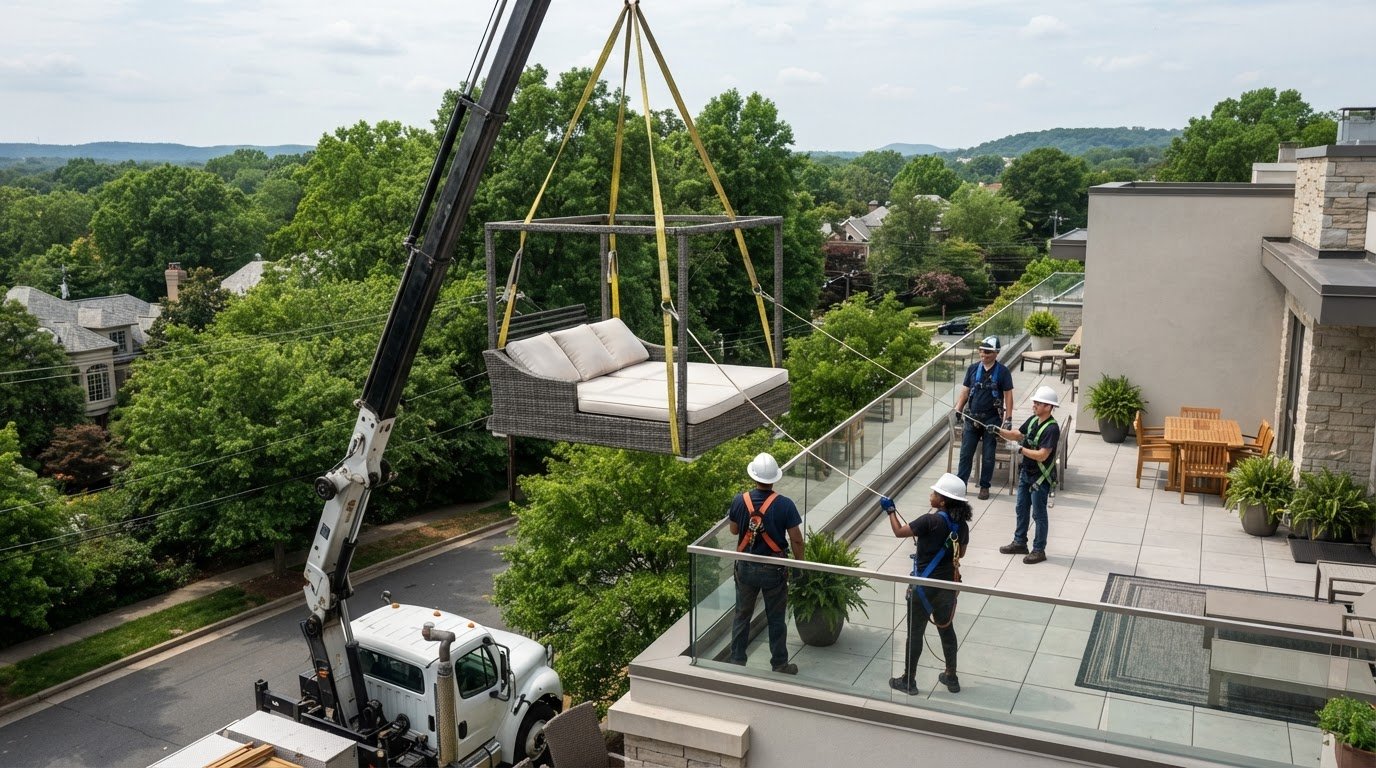
If you’re planning how to safely move a solid mahogany dining set without scratching its finish in Gainesville, consider the tightest turns and heaviest lift before moving day. Those are the moments when capable help can make the work more manageable. Heavy Furniture Moving provides local moving support for furniture and other bulky items, including exercise equipment moving and sofa hoisting.
Choose the approach that fits your home, your route, and the pieces you need moved. Contact Heavy Furniture Moving for help with your move. Take the next step with a clear plan, and give your mahogany set a careful start in its new home.
Frequently Asked Questions
How do you protect a solid mahogany dining table finish when moving it?
Keep finished surfaces from touching floors, walls, tools, or other furniture. Before carrying the table, clear the route and move nearby objects out of the way, including picture frames and doorstop hardware. During the lift, keep hands and equipment away from the tabletop edges. Choose the table’s final position before bringing it into the room to avoid repeated repositioning.
How many movers are needed to move a solid wood dining table safely?
The safe number of lifters depends on the table’s size, weight, shape, and route, so one number won’t suit every dining table. A compact table on a clear, level path is different from a large table going through a narrow stairwell. Make sure everyone can keep it balanced and communicate clearly. If the table can’t be controlled without strain, don’t attempt the lift.
How do you lift and carry a heavy dining table without damaging its joints or legs?
Lift the table from sturdy structural points, not by pulling on a leg or decorative edge. Keep it supported as a team and move in small, coordinated steps through turns. Don’t tilt it onto a single leg or use a joint as a handle, since that concentrates force in one place. Pause before stairs or tight corners to agree on the next move.
Are there Gainesville furniture movers specializing in antiques or fine wood furniture?
Heavy Furniture Moving serves Gainesville, Virginia, and offers local moving help for heavy and bulky household furniture. Its service information doesn’t describe a separate antique-restoration specialty. For a mahogany dining set, explain the piece’s construction, dimensions, and route so the moving task is clear. This helps distinguish ordinary furniture handling from restoration work, which involves repairing or refinishing the wood rather than transporting it.
What to do if a wood furniture finish is scratched during a move
Photograph new damage promptly and keep the photos with the written moving agreement and other move-related records. Inspect the mark to determine whether it is a shallow surface scratch or a deeper gouge that needs more attention.
Frequently Asked Questions
Keep finished surfaces from touching floors, walls, tools, or other furniture. Before carrying the table, clear the route and move nearby objects out of the way, including picture frames and doorstop hardware. During the lift, keep hands and equipment away from the tabletop edges. Choose the table’s final position before bringing it into the room to avoid repeated repositioning.
The safe number of lifters depends on the table’s size, weight, shape, and route, so one number won’t suit every dining table. A compact table on a clear, level path is different from a large table going through a narrow stairwell. Make sure everyone can keep it balanced and communicate clearly. If the table can’t be controlled without strain, don’t attempt the lift.
Lift the table from sturdy structural points, not by pulling on a leg or decorative edge. Keep it supported as a team and move in small, coordinated steps through turns. Don’t tilt it onto a single leg or use a joint as a handle, since that concentrates force in one place. Pause before stairs or tight corners to agree on the next move.
Heavy Furniture Moving serves Gainesville, Virginia, and offers local moving help for heavy and bulky household furniture. Its service information doesn’t describe a separate antique-restoration specialty. For a mahogany dining set, explain the piece’s construction, dimensions, and route so the moving task is clear. This helps distinguish ordinary furniture handling from restoration work, which involves repairing or refinishing the wood rather than transporting it.