Labor for Loading Wooden International Shipping Crates in Centreville
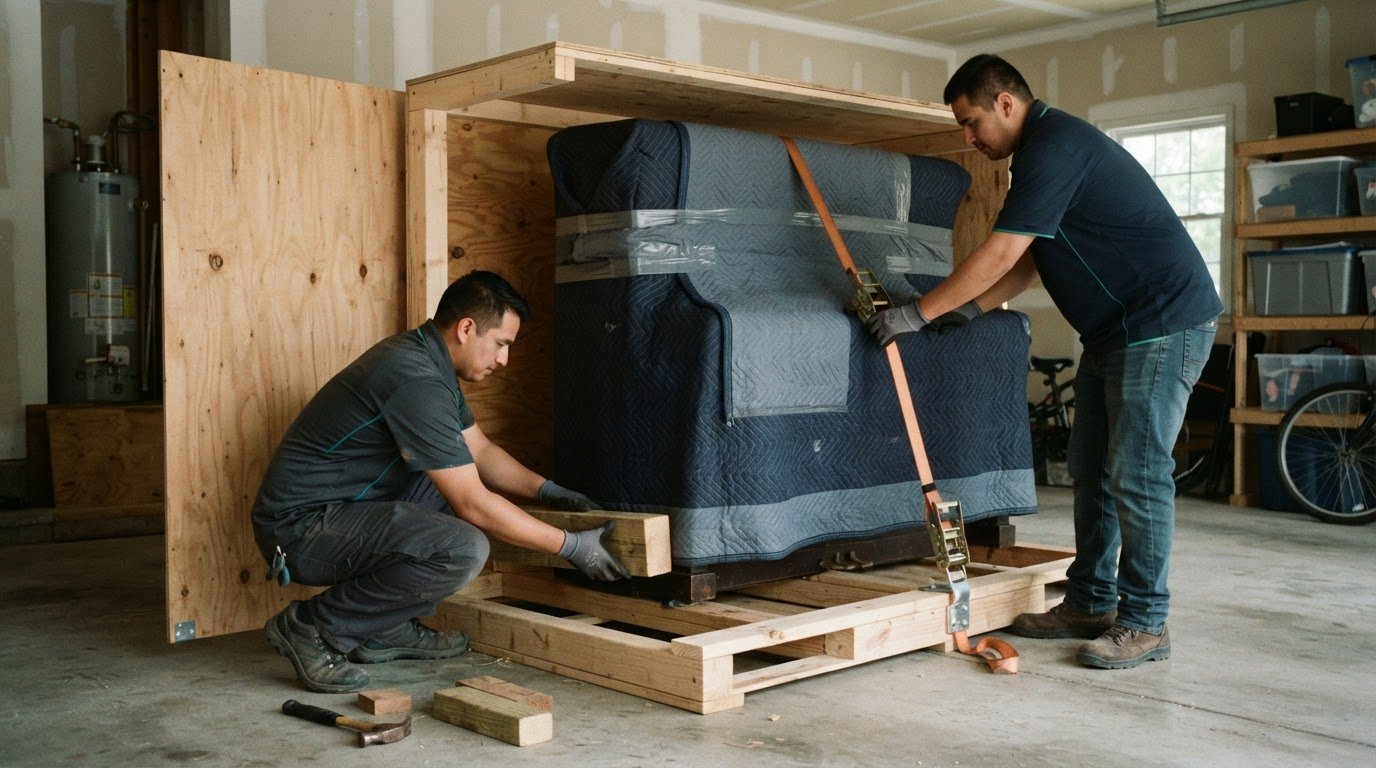
A strong wooden crate can’t protect cargo that shifts inside it. Labor to load wooden international shipping crates in Centreville can support packing, loading, unloading, and securing the shipment with blocking, bracing, and strapping. Each step helps prepare the item for handling from pickup through delivery.
It makes sense to focus on the crate itself, but how an item is positioned and secured inside matters too. Careful packing and loading help keep cargo stable, while blocking and bracing fill open spaces and strapping holds the load in place.
Learn how these tasks fit together, what to consider when preparing a shipment, and how cargo weight and shape affect the work. The sections ahead explain the loading process, ways to secure items inside a crate, and when hands-on moving help can make the job easier.
Key Takeaways
- See how packing, loading, and unloading tasks fit together when preparing a wooden crate for shipment.
- Learn how blocking, bracing, and strapping help limit movement inside a crate.
- Explore how the cargo’s size, weight, and shape influence the equipment and handling plan.
- Find out which job details can affect a labor quote, from the number of crates to the work involved.
- Discover when Heavy Furniture Moving’s labor-only moving help, pod loading, or exercise equipment moving can support your project.
Packing, loading, and unloading services
Crate work can include preparation, assembly, loading, and unloading. For a Centreville shipment, the cargo’s dimensions, weight, and destination shape the work sequence. Labor to load wooden international shipping crates in Centreville can involve more than moving a prepared box. It may include positioning the item, packing it inside, and loading the finished crate for transport.
Crate Assembly and Container Loading
Assembly starts with measuring the item and planning a crate around its shape. Machinery, manufacturing equipment, and furniture need room for protective material and handling access. A pallet can provide a base for lifting and transport. The HTS classification listed for wooden packing cases, crates, cable drums, and related goods is 4415.10.90.00, according to the U.S. International Trade Commission.
Container loading depends on crate dimensions and the available floor space. The crew positions each crate to use space efficiently while keeping it accessible for unloading. For international shipments, identify whether wood packaging needs an ISPM-15 certification mark. The International Plant Protection Convention explains that the standard covers raw-wood dunnage, but excludes pest-free processed wood, such as plywood.
Packing and Unloading Sequence
A practical sequence starts by checking that the cargo, pallet, and crate interior fit together. Protect the item, place it inside, and restrain it before closing the crate. For example, a machine with projecting parts needs protection where those parts could contact the crate walls. At delivery, unloading reverses the sequence: open the crate, remove restraints, and move the item without dragging it across the floor.
Precision matters at both ends. The crate needs handling access, and the unloading plan should account for doorways, equipment, and final placement. For labor to load wooden international shipping crates in Centreville, the route and destination container also shape how workers position each crate.
Alternatives and Booking Timing
Alternatives include shipping suitable cargo on a secured pallet instead of enclosing it in a crate, or choosing domestic transport when international shipping isn’t needed. The cargo’s shape and handling needs guide that choice. Arrange labor once the crate dimensions, cargo weight, site access, and container arrival window are established. These details help create a workable schedule without assuming every shipment follows the same timeline.
Loading Labor Coverage and Pricing
Insurance and liability depend on the written labor agreement and the shipment’s existing policy. Documents should clarify which tasks are covered and how responsibility is handled during loading. Labor may be priced hourly, per crate, or per shipment. The approach depends on the scope, including assembly, packing, loading, unloading, and the number of handling steps.
Compare what each pricing format includes. A per-crate quote should define the work for each crate; a shipment quote should identify the included loading and unloading tasks. The price depends on the case and is given after a quote request, with factors such as cargo weight, crate count, access, and requested tasks shaping the scope.
Securing items with blocking, bracing, and strapping
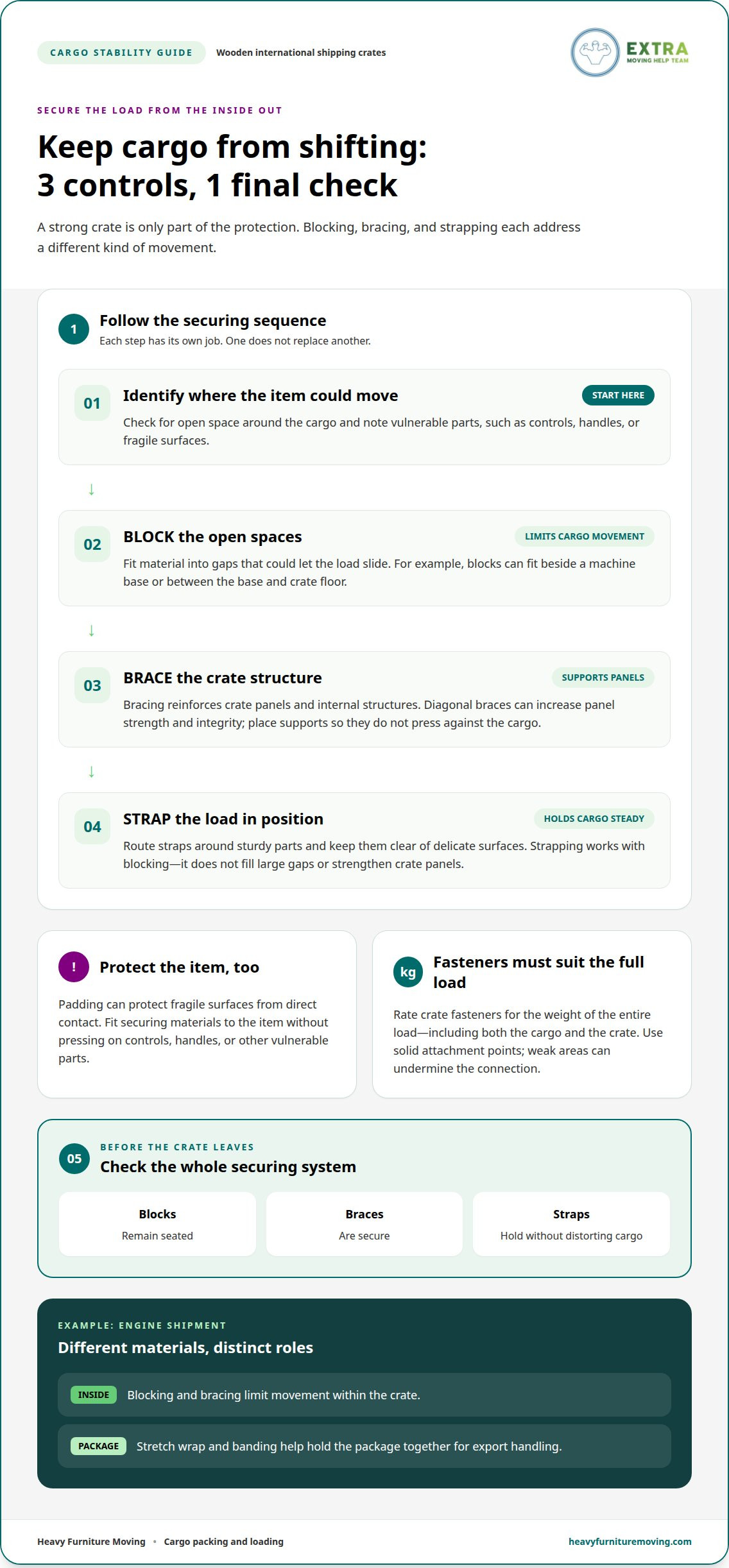
Blocking, bracing, and strapping each control a different kind of movement inside a crate. Blocking fills gaps around freight, bracing supports the crate structure, and strapping holds cargo in position. Together, these steps help reduce shifting during handling and transport.
Start by identifying where the item could move. A machine with open space beside its base may need blocks fitted between the base and crate floor. Side blocks can limit sliding, while padding protects fragile surfaces from direct contact. The material should fit the item without pressing on controls, handles, or other vulnerable parts.
Bracing reinforces the wooden crate around the load. Diagonal braces on each crate panel can increase its strength and integrity. Their placement should support the panels against movement without pressing against the cargo. For custom wood crating, the cargo’s shape and the crate’s construction guide where internal supports belong.
Fasteners matter as much as the lumber. Crate fasteners should be rated for the weight of the entire load, including both the item and the crate. The securing plan must account for the packed shipment, not just the machinery or industrial equipment inside. Fasteners placed in weak areas can undermine the connection, so solid attachment points are important.
- Block: Fit material into open spaces that could let the cargo slide.
- Brace: Support crate panels and internal structures against shifting.
- Strap: Hold the load steady without crushing fragile parts.
Strapping should work with the blocking, not replace it. A strap can keep a secured item in position, but it won’t fill a large gap or strengthen a crate panel. Route straps around sturdy parts of the cargo and keep them clear of delicate surfaces. A strapped machine, for example, should remain stable without pressure on exposed controls.
An engine shipment calls for a coordinated approach: internal blocking and bracing, sturdy expendable crate packaging, stretch wrap, and banding. Each material has a separate role. Blocking and bracing limit movement inside; stretch wrap and banding help hold the package together for export handling.
Before the crate leaves, check that blocks remain seated, braces are secure, and straps hold without distorting the cargo. These practical checks help match the packing to the shipment’s handling demands. For hands-on help moving heavy items into place, explore loading and heavy-lifting help.
Freight weight ranges can help organize the securing plan before the crate is closed. Car transmissions and lawn equipment are examples of freight items weighing 0-500 lbs. Commercial cooking equipment and appliances are examples of freight items weighing 500-800 lbs. Construction material and travertine tile are examples of freight items weighing 800-1,000 lbs. For each shipment, keep blocking fitted to gaps and route straps around sturdy parts, so the load stays held without pressure on vulnerable surfaces. Confirm that supports remain in place as the crate is prepared for handling.
For wooden crate corners, three-way corner construction with nails driven into side grain is recommended for strong, rigid corners. This complements secure internal bracing: firm corners and seated supports help the crate retain its shape while the cargo stays in position. Check both the crate structure and the item, rather than treating straps as a substitute for blocks or braces.
Does crate-loading labor include packing, blocking, bracing, and securing cargo?
It can, when the agreed work scope includes those tasks. “Loading” alone may mean placing a prepared crate or item into position, while packing adds protection and securing adds restraints. For a shipment with a machine, define each step separately so the crew knows whether to prepare the item, fit it inside the crate, and secure it for transport.
A clear scope follows the cargo from its current location to its packed position. It identifies who supplies the crate and packing material, who assembles the crate, and whether the labor includes internal blocking, bracing, and strapping. A prepared pallet may need loading only, while loose equipment may need placement, cushioning, and internal restraint before the crate is closed.
Some packing tasks depend on the item itself. An engine shipment requires draining all fluids and securely mounting the engine to a pallet deck before crating. That preparation is separate from lifting the pallet into a crate. Listing each stage helps prevent a gap between preparing the item and the loading crew’s assigned work.
- Packing: Position protective material around the item and vulnerable parts.
- Blocking and bracing: Fit supports to limit movement inside the crate.
- Securing: Apply straps or banding as part of the agreed packing plan.
- Loading: Move the prepared cargo into the crate or designated transport space.
For machinery with exposed controls, the scope can specify that cushioning must protect those parts without pressing against them. For furniture, it can distinguish wrapping surfaces from securing the piece within the crate. These examples make “packing” more precise and clarify which materials and handling steps are part of the job.
Before work starts, the crew can compare the cargo, crate, pallet, and written task list. If the crate is already assembled, the work may focus on positioning and securing the load. If it needs assembly, include that as a separate task. The cargo’s weight and shape also affect the handling plan and support placement.
Labor-only moving help suits projects where the customer has arranged the crate or transport and needs physical handling. Heavy Furniture Moving offers labor-only help for loading customer-provided trucks or pods. Pod loading is different from packing cargo inside an export crate, so describe the task clearly when arranging help.
Write the agreed sequence in plain terms: prepare the item, protect it, place it, restrain it, and close the crate. This gives each stage a clear owner and helps the loading work match the shipment’s needs.
What equipment is needed to load heavy items into international shipping crates?
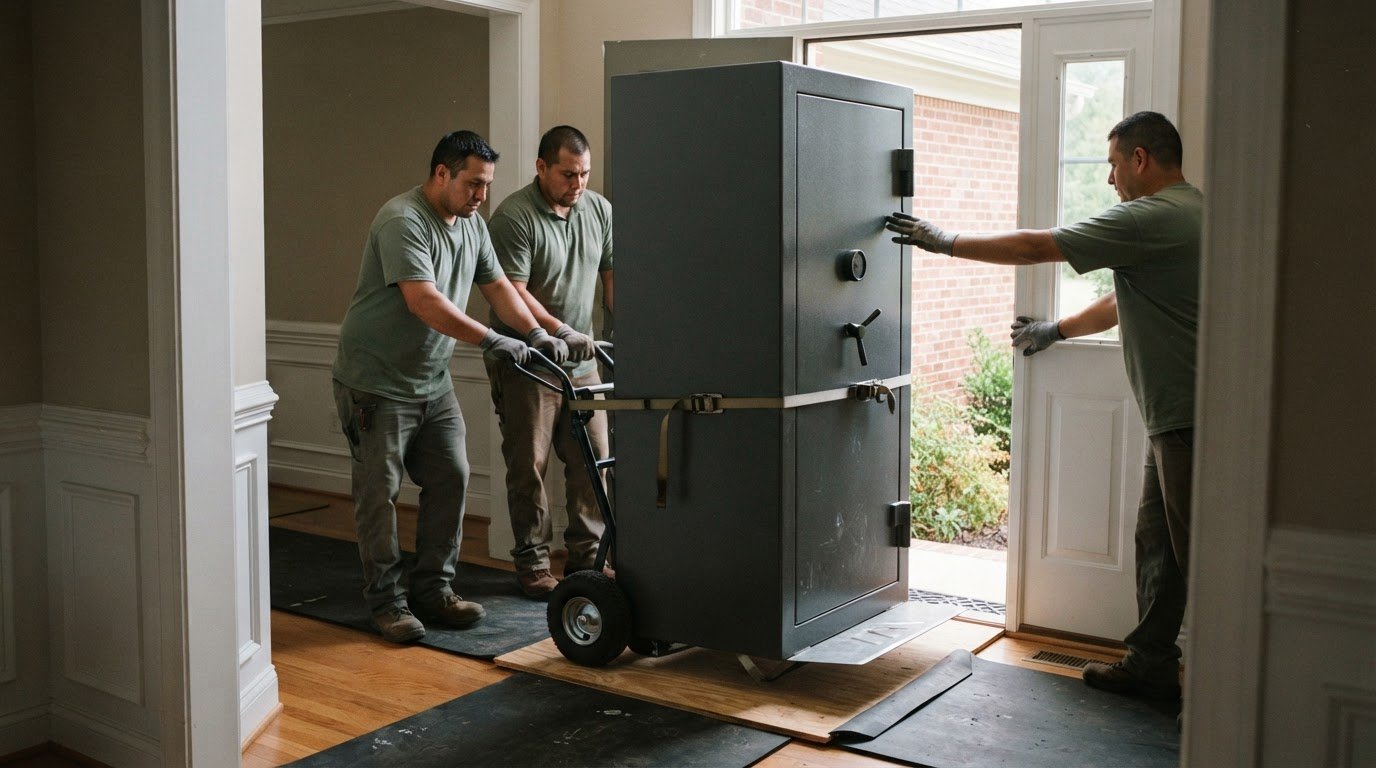
The equipment depends on the cargo’s weight, shape, and route into the crate. A pallet jack can move palletized freight across a clear floor, while a forklift may be used when the load and access suit that method. For a bulky machine, consider the crate opening, turning space, and final position before choosing equipment.
Different tools serve different stages. A dolly helps move suitable items across a level surface; lifting straps help workers control a bulky object during a coordinated lift. A forklift or other lifting equipment can position heavier freight, but the load must match the equipment’s capacity and available working space. No single tool fits every crate or building.
Before moving begins, assess the route from the item’s location to the crate. Narrow doors, steps, uneven floors, and tight turns can change the equipment plan. A large exercise machine, for example, may fit through a wide loading area but need careful positioning near the crate opening. Measuring the item and access path helps identify a suitable handling method.
- Moving equipment: Dollies or pallet jacks can help move cargo across suitable floors.
- Lifting equipment: A forklift may help position heavy machinery when access permits.
- Handling aids: Moving straps can help control bulky items during coordinated lifting.
- Crate materials: Pallets, protective padding, and securing materials support placement and packing.
The crate and its base also affect the plan. A pallet should support the item’s footprint, while the crate opening must allow the load to enter without scraping or catching. For an irregular machine, plan the approach around projecting parts, control panels, and stable lifting points. This keeps equipment contact focused on sturdy areas.
Equipment selection also depends on the worksite. A forklift needs room to approach and turn; a hand-operated pallet jack needs a usable path beneath the pallet. If the cargo starts inside a home or workshop, doorway width and floor transitions matter as much as the crate location. These conditions guide the sequence of moves.
For heavy lifting, the goal is controlled placement, not simply moving the item quickly. The crew coordinates lifting, guiding, and positioning so the cargo reaches the crate base in the intended orientation. Exercise equipment moving can involve bulky, uneven shapes, so a clear path and planned handling approach are especially useful.
Before loading, match the tool to the item, pallet, crate opening, and route. This practical assessment helps avoid choosing equipment that cannot reach the load or maneuver in the available space.
How is crate-loading labor priced: hourly, per crate, or by shipment?
Crate-loading labor can be priced by time, by crate, or as one shipment job. Each method measures a different part of the work. An hourly structure tracks labor time; a per-crate structure ties the scope to each crate; a shipment quote can group several tasks into one project. Compare what each approach includes, not just its label.
Hourly pricing connects the charge to the time spent on site. Work may take longer when a heavy item needs careful positioning, the loading route has tight turns, or the crate requires assembly. A defined task list shows how packing, loading, and unloading affect the work. Delays caused by access or cargo preparation can also change the time required.
A per-crate approach focuses on the number of crates and the work for each one. Loading a prepared pallet into one crate may involve different labor from placing an item, packing it internally, and closing the crate. Note whether the scope includes crate assembly, securing the cargo, and moving it into a container. Those details make per-crate estimates easier to compare.
A shipment-based quote can bundle tasks across the full job. For example, a project may include handling multiple pieces, packing them into crates, and loading them for transport. The scope should identify included steps and distinguish crate labor from other services. Item count, cargo dimensions, weight, access, equipment needs, and requested handling all affect the work.
- Hourly: Compare the time-based scope and the tasks assigned to the crew.
- Per crate: Confirm how each crate’s packing and loading work is defined.
- Per shipment: Review which project stages are included in the grouped scope.
Before requesting a quote, describe the cargo, crate count, loading location, and work needed. Include whether the crates are assembled, whether items need packing, and whether unloading is part of the job. A clear description gives the quote a practical basis and separates labor from materials or transport arrangements.
The price depends on the case and is given after a quote request; key factors include cargo weight, number of crates, site access, and whether assembly, packing, loading, or unloading is required.
If you need hands-on help loading a pod or handling heavy items, request labor-only moving help for your project.
NMFC freight class is assigned primarily based on shipment density measured in pounds per cubic foot. That detail may help describe the freight, but it doesn’t specify whether the requested labor is hourly, per crate, or priced as a shipment. Keep the labor scope explicit: identify which handling tasks the quote covers and compare those tasks on the same basis.
A density-based classification and a labor-pricing method address different questions: one concerns shipment density, while the other describes how the labor charge is organized. A freight-class reference does not fully describe packing, loading, or unloading work. Ask for the estimate to state the labor basis and included tasks, so the quoted structure stays clear alongside any freight-class information.
Heavy Furniture Moving: labor only movers near me
Heavy Furniture Moving offers labor-only moving help for lifting and loading tasks. Turn to this option when you’ve arranged the crate or transport but need hands-on help moving heavy items into position. For a portable storage container, pod-loading service can help with loading; Exercise Equipment Moving fits bulky fitness machines that need careful handling. Movers Near Me can support local moving needs when the job involves relocating furniture or other heavy belongings. Share the items and the work you need done when you contact Heavy Furniture Moving, so the request clearly describes the job. Contact Heavy Furniture Moving to discuss your moving help.
Set Up Your Next Move With Confidence
Before arranging labor to load wooden international shipping crates in Centreville, define the handoff: which items need moving, where they’ll be placed, and what work is already arranged. A clear plan keeps the loading task focused and gives the crew useful details about access and handling.
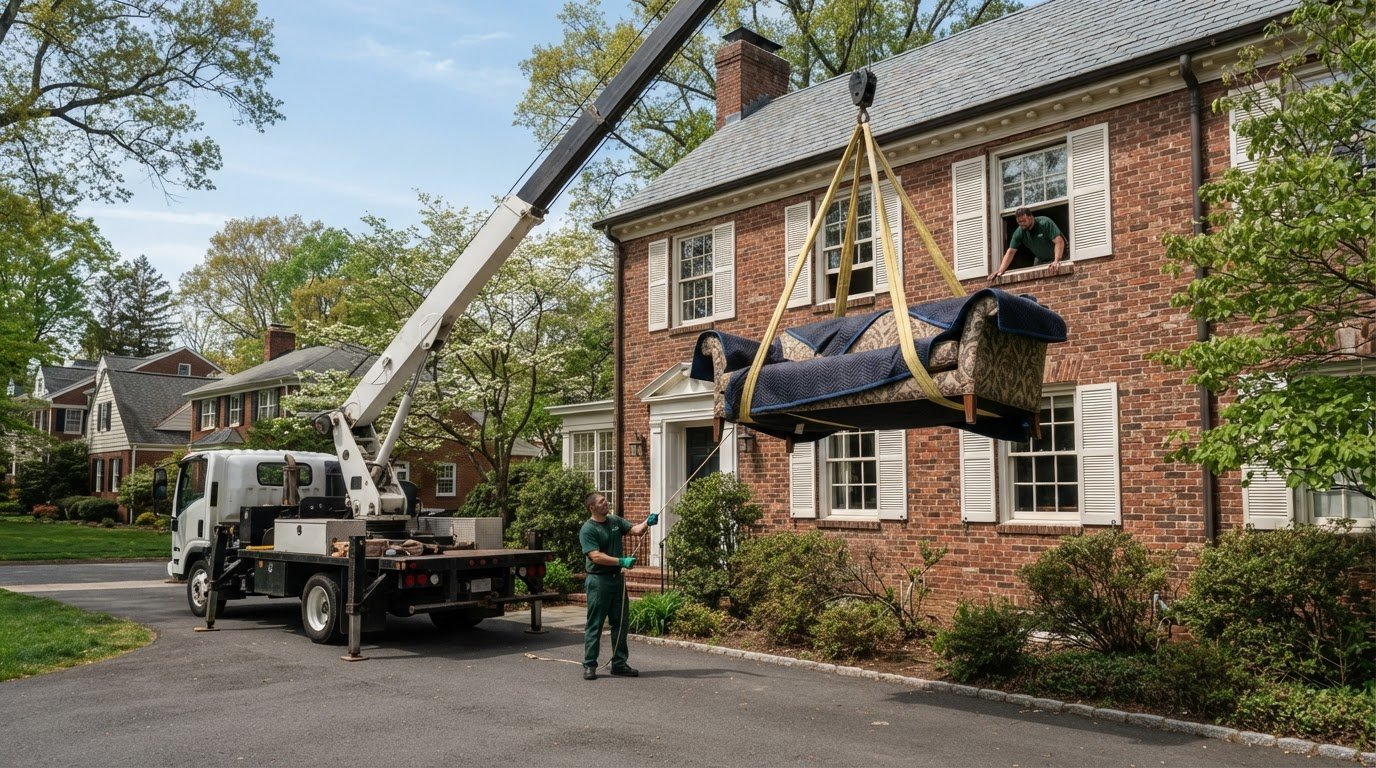
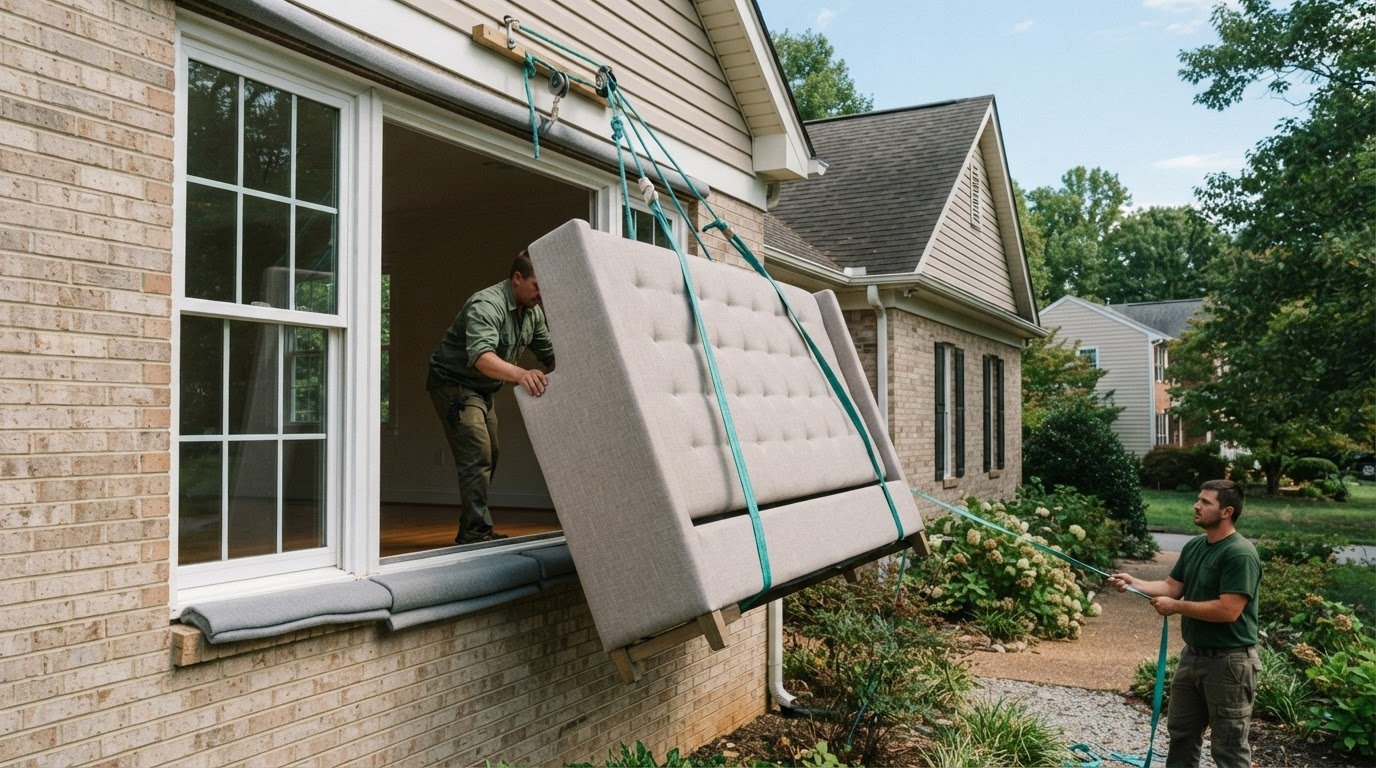
Heavy Furniture Moving can also help with related lifting needs beyond crate loading. Its Movers Near Me service supports local moving tasks, Exercise Equipment Moving handles bulky fitness equipment, and Sofa Hoisting helps move sofas through challenging spaces. Choose the kind of help that matches the next step in your project.
Share the job details and what you need moved, then take the next step at your pace. A straightforward conversation can help you organize the right kind of moving labor for your plans. Contact Heavy Furniture Moving to discuss your move and get started.
Frequently Asked Questions
Which moving or freight companies in Centreville load wooden export crates?
Heavy Furniture Moving is a Centreville-area moving option for labor and heavy-item handling. The company also coordinates international shipments for household goods. For a crate project, describe the items and the specific lifting or loading work you need, such as moving a bulky piece into a prepared crate. This helps clarify whether you need moving labor, shipment coordination, or both.
How many workers and hours are typically needed to load a wooden shipping crate?
Crew size and work time depend on the freight, crate, and access route. For example, most jobs are handled by two movers, while larger items may require three or four. That guidance does not apply to every wooden crate; cargo size, weight, and handling requirements shape the plan.
Frequently Asked Questions
Heavy Furniture Moving is a Centreville-area moving option for labor and heavy-item handling. The company also coordinates international shipments for household goods. For a crate project, describe the items and the specific lifting or loading work you need, such as moving a bulky piece into a prepared crate. This helps clarify whether you need moving labor, shipment coordination, or both.
Crew size and work time depend on the freight, crate, and access route. For example, most jobs are handled by two movers, while larger items may require three or four. That guidance does not apply to every wooden crate; cargo size, weight, and handling requirements shape the plan.