In-Home Furniture Rearrangement for South Riding Nurseries
A nursery conversion doesn’t have to start with buying more furniture. An in-home furniture rearrangement service for nursery conversion in South Riding can move suitable pieces between rooms or floors and place them in your new layout. Room dimensions, doorways, stairs, and the route through the home all affect what can be moved and where it can go.
It’s natural to worry about getting bulky furniture through a narrow hallway or around a tight turn. A careful assessment considers the furniture, the spaces it must pass through, and the nursery layout. You can clarify which pieces can be repositioned, what needs to move out of the room, and how access shapes the plan.
This guide explains how room-to-room and floor-to-floor transfers work, what information helps plan the move, and how movers handle tight spaces. It also covers practical nursery details, including clear pathways and space for everyday furniture and supplies.
Key Takeaways
- Map the nursery layout around room dimensions, doors, windows, closets, vents, outlets, and clear paths between key areas.
- Room-to-room and floor-to-floor moves depend on the furniture’s size and the access route, including hallways, stairs, and tight turns.
- An assessment helps plan which pieces can be repositioned and how the move can work within the home’s layout.
- Set up essential furniture and storage before adding décor, and keep everyday supplies near the areas where they’ll be used.
- Heavy Furniture Moving offers in-home furniture moving for nursery rearrangements involving bulky pieces or challenging access.
Moving furniture between rooms and floors
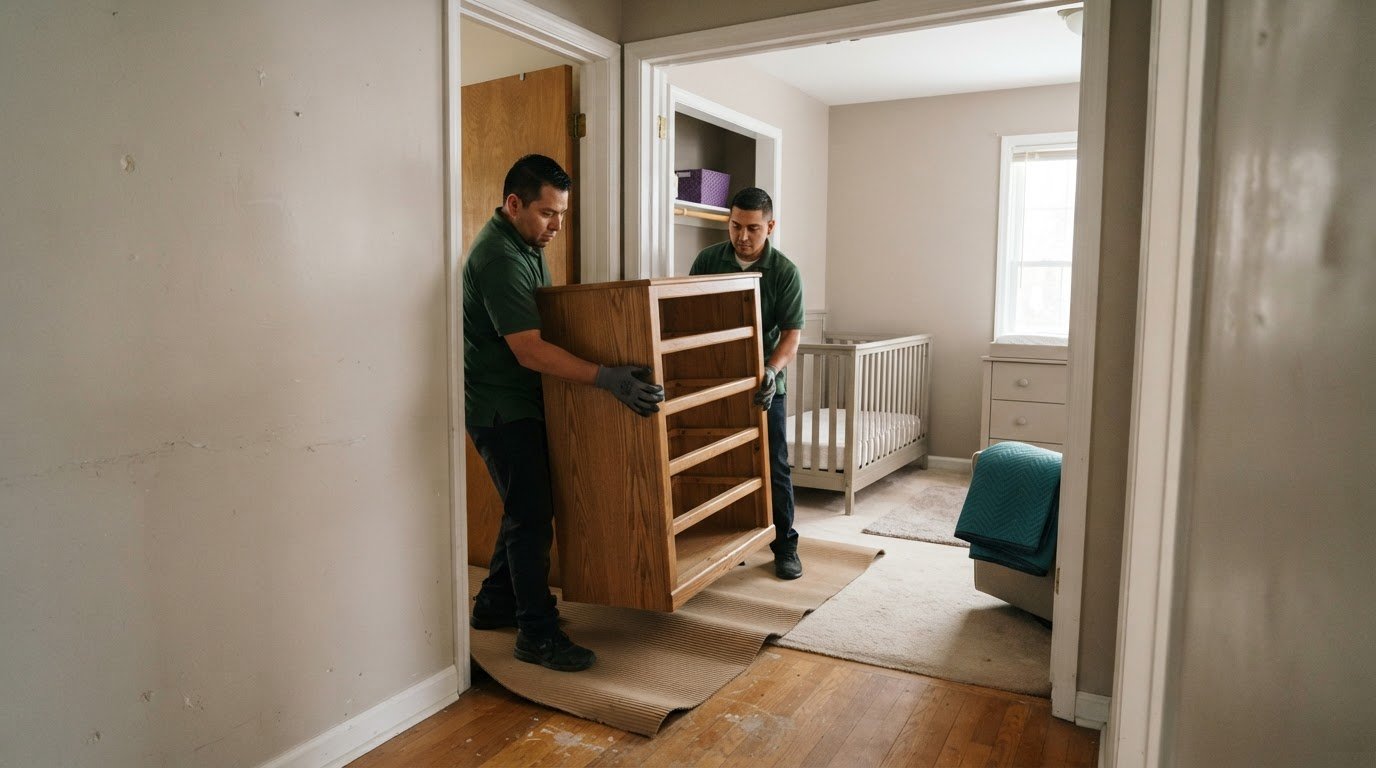
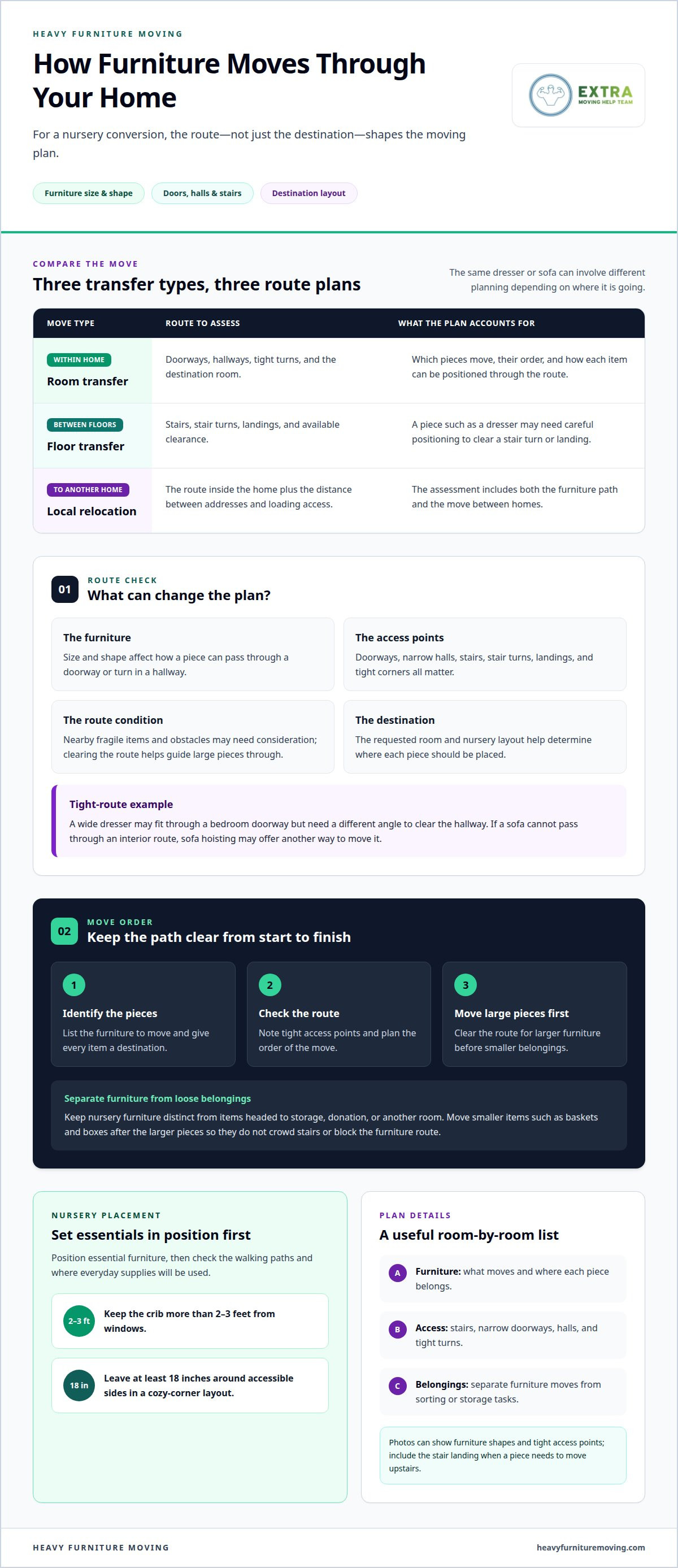
Furniture may move from a spare room into the nursery, between floors, or to another local home. The route shapes the plan. Movers consider each piece’s size and shape, along with doorways, hallways, stair turns, and the destination room. A wide dresser may fit through a bedroom door but need a different angle to clear the hallway.
Room and floor transfers start with the items and their route. Identify what needs moving, note tight access points, and decide the order. For a nursery conversion, you might first clear a desk and boxes, then move a dresser from another bedroom. Moving larger pieces before sorting smaller belongings can keep the route clear.
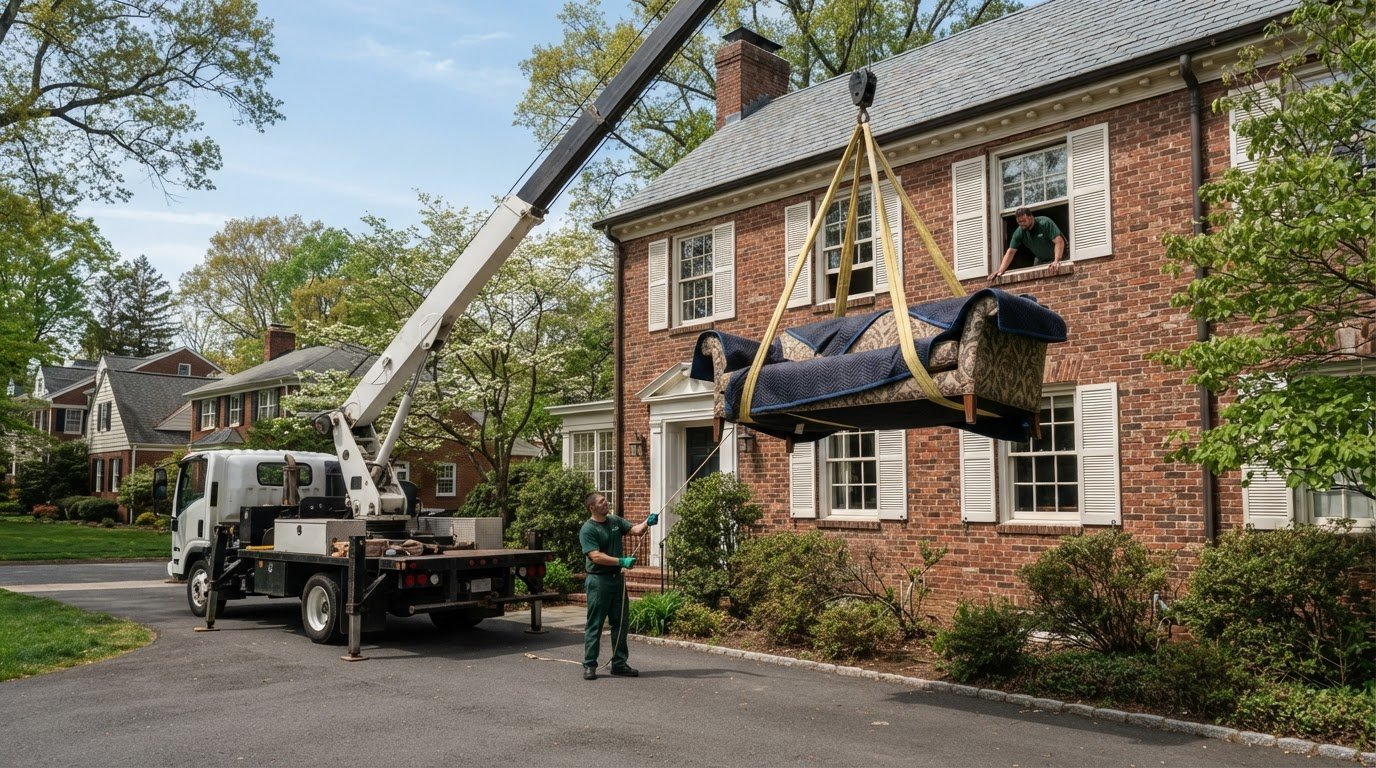
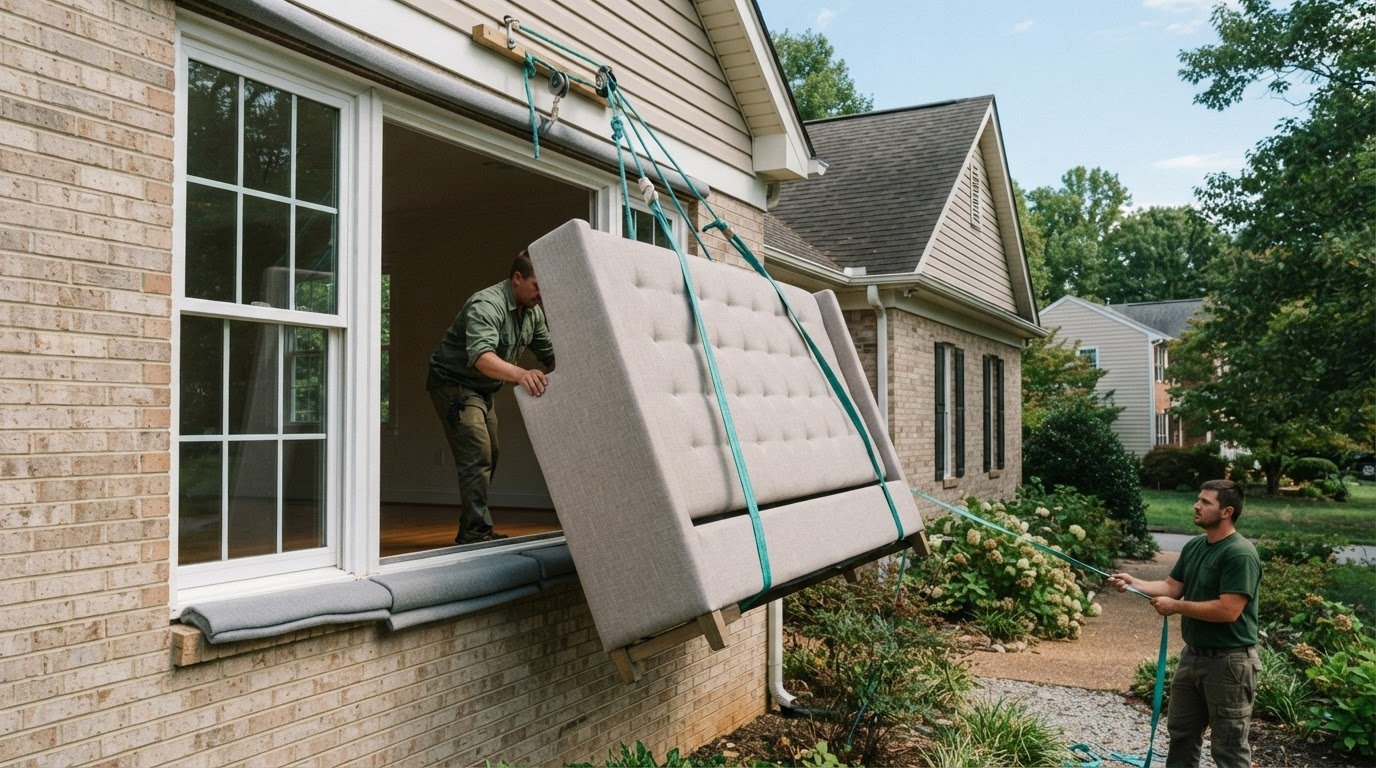
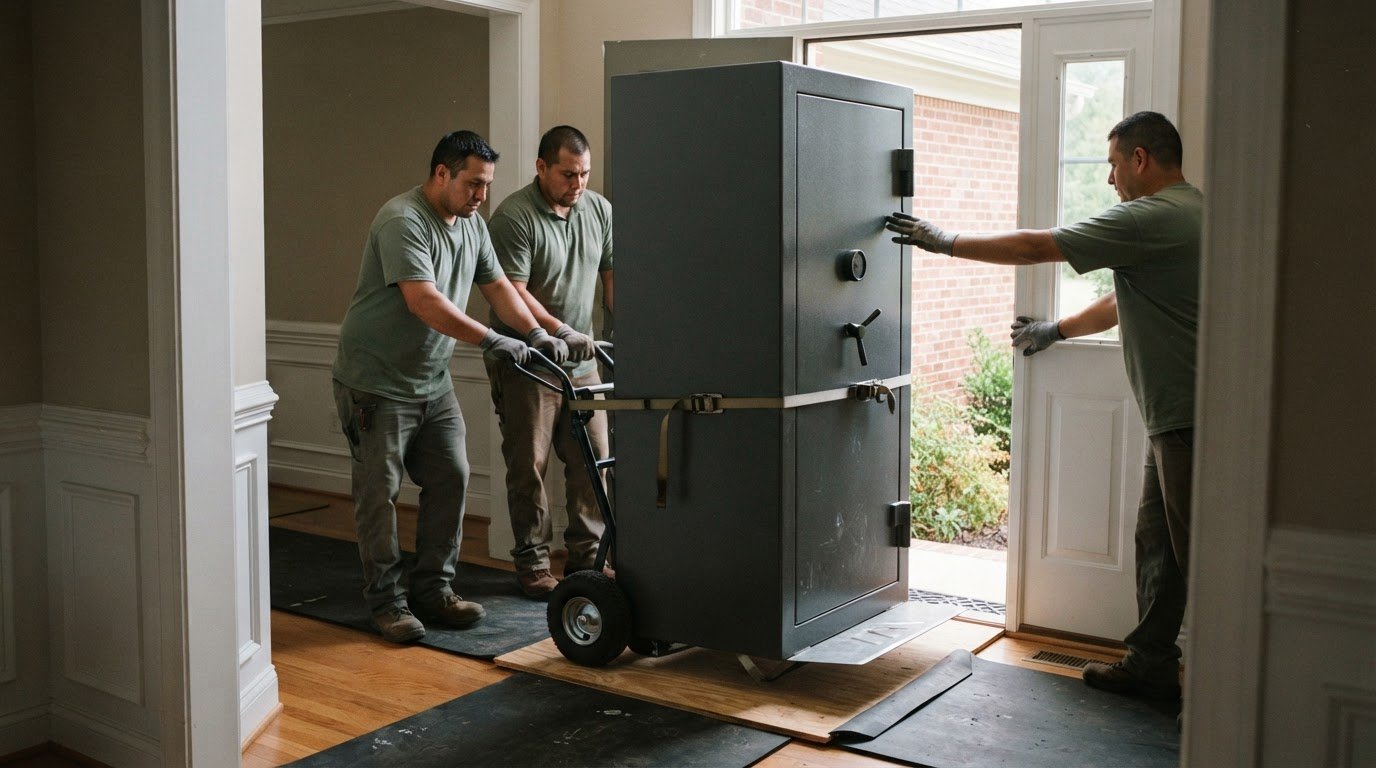
Heavy lifting takes more than strength. Bulky furniture needs controlled handling through narrow passages, around corners, and across stair landings. A sofa, exercise machine, or large dresser can be hard to turn without enough clearance. Movers assess the route and plan how to position each item. If a sofa cannot pass through an interior route, sofa hoisting may offer another way to move it.
Protecting furniture and the home starts with planning around surfaces and obstacles. Movers can clear the route, account for nearby fragile items, and guide large pieces through doorways. For a nursery setup, they can move a crib, dresser, or chair into position while avoiding unnecessary trips across the room. The handling approach depends on the item and the access.
This article focuses on South Riding. For an in-home move, the plan depends on the home’s actual layout. Moving between homes adds the distance between addresses and the loading route to the assessment. That differs from shifting furniture down a hall, even when the same dresser or sofa is involved.
Give every household item a clear destination. Separate nursery furniture from belongings headed to storage, donation, or another room. Move smaller items such as baskets and boxes after the larger pieces, so they don’t crowd stairs or block the furniture route. Heavy furniture needs a planned path; loose belongings need organized placement.
- Room transfer: move selected furniture within the home.
- Floor transfer: plan around stairs, landings, and turns.
- Local relocation: include the route between homes and loading access.
For a nursery, position essential furniture first. Then assess clear walking paths and keep the crib more than 2-3 feet from windows; leave at least 18 inches around accessible sides in a cozy-corner layout.
Can you help rearrange furniture in my home?
Yes, furniture can be repositioned within a home for a nursery conversion. The plan and estimate depend on the layout, item size, stairs, access route, and requested work.
For a nursery conversion, an interior designer plans the room’s appearance, while an organizer focuses on sorting and storage. A furniture mover handles the physical transfer, such as moving a dresser into the nursery or shifting a chair upstairs.
There isn’t one booking lead time that suits every home project. Once you know your preferred date, furniture list, and destination rooms, share them so the scope and access details can be discussed together.
The cost of professional furniture rearrangement depends on the work involved, not simply the number of rooms. Moving one dresser across a hallway differs from moving a crib, chair, and storage unit between floors. For a quote, identify the items, destinations, stairs, and any tight turns.
The company’s hourly labor has a two-hour minimum. The work requested, route, stairs, and access help determine the labor needed. Request an upfront quote based on the actual move so you can assess the full scope before work begins.
Included Rearrangement Services
A nursery rearrangement can include moving selected furniture between rooms, placing pieces in the requested layout, and moving bulky items out of the nursery. The scope might include a crib, dresser, chair, or storage furniture. List what needs moving, where each piece belongs, and whether it must travel to another room or floor.
Planning also means considering the route for each piece. Moving a dresser upstairs, for example, calls for attention to stair turns and landing space. List furniture separately from boxes or loose household items, which may need different handling or destinations.
South Riding Availability and Booking
For an in-home project near South Riding, describe the rooms involved and the furniture moving between them. A nursery conversion might mean clearing one room, bringing in a dresser from another, and placing a chair near the feeding area. These specifics define the work more clearly than simply asking to “rearrange the house.”
Choose a preferred date after deciding which pieces should move and where they’ll go. Include stairs, narrow doorways, and bulky items in the booking details. The timing can then be considered alongside the project scope and access needs, rather than assuming every home requires the same plan.
For an estimate, provide an item list and a simple room-by-room destination plan. Photos can show furniture shapes and tight access points. If a dresser needs to move upstairs, include the stair landing. Clear details make it easier to discuss the labor and work involved.
- List each piece and its destination room.
- Note stairs, narrow halls, and tight turns.
- Separate furniture moves from sorting or storage tasks.
If the main challenge is moving heavy furniture through the home, explore in-home furniture moving support as part of planning the nursery setup.
Estimates and in-person or virtual assessments
A furniture rearrangement estimate starts with the work requested, the items involved, and the route through the home. South Riding homeowners can describe whether furniture is moving within one bedroom, between floors, or into a nursery from another room. Insurance and background-screening practices are separate provider policies, not details an estimate alone establishes.
An in-person assessment lets movers see the furniture and access directly. They can compare a dresser’s size with a doorway, inspect the stair landing, and note tight turns along the route. These details help clarify which items are included and what may affect the labor involved. They also help explain the requested room layout.
A virtual assessment can use photos or a video walkthrough to show the key details. Capture each piece, its current location, and its destination. Include the bedroom doorway, hall, and stairs if they’re part of the route. A close-up of a narrow turn can show access more clearly than a room-wide image.
Share the essentials clearly: an item list, where each item is now, and where it’s going. For example, note that a dresser is coming from an upstairs bedroom and needs to go into the nursery. Mention large or unusually shaped pieces, along with obstacles that could affect how they’re carried.
- Items: name the crib, dresser, chair, or other furniture.
- Locations: identify the starting room and destination for each piece.
- Access: describe stairs, narrow doorways, and tight turns.
- Scope: state whether the request covers furniture only or other household items.
Make sure the estimate matches the actual task. A quote for moving one chair across a room doesn’t describe a multi-room transfer involving a dresser and stairs. If the nursery layout changes, share the new destinations before work begins so the estimate reflects the agreed scope.
Insurance and staff screening deserve a clear explanation before the move. These practices differ, so don’t treat a written estimate as proof of coverage or background checks. Ask what the stated policy means for the furniture being moved, and how the company handles a concern about an item or the crew. Clear answers help you understand the service terms.
Choose an in-person assessment when access is hard to show on camera, such as a tight stair turn. A virtual walkthrough can suit a straightforward move with visible paths and a short item list. Either way, organize the details before the nursery furniture is coming into the room. A clear plan helps keep the estimate focused on the work.
In-home furniture rearrangement services near South Riding, VA
For a South Riding nursery conversion, in-home rearrangement means moving selected furniture within the residence. The work might involve transferring pieces between bedrooms, moving them between floors, or clearing a room for a new layout. Each plan starts with the requested items, their destinations, and the route inside the home.
Separate the physical move from decisions about other belongings. For example, a dresser can move into the nursery while boxes go to another room or storage. Give items to keep, pack away, donate, or sell distinct destinations. This keeps loose belongings from crowding the furniture route.
South Riding homes have different room shapes and access points, so the same item may need a different route from one home to another. A large dresser might leave through a bedroom doorway, pass along a hallway, and enter the nursery from another angle. If stairs connect the rooms, include the landing and turns in the move plan.
Before the move, account for fixed features and everyday use. Note doors, windows, closet access, outlets, and heating or cooling vents. Avoid blocking vents or radiators so air can circulate around the crib and changing area. Plan clear paths between the crib, changing surface, and feeding chair.
A nursery may include a crib, changing surface or dresser, storage for clothing and supplies, and a comfortable feeding or settling chair. Arrange pieces to keep drawers and closets accessible. Place daily-use items near the changing and feeding areas. Baskets, shelves, drawers, and labeled containers can group diapers, wipes, clothing, blankets, and burp cloths.
Room measurements help show what can fit before furniture is carried in. Measure the room, doorways, closets, and usable wall space. This is especially helpful when a spare bedroom has a desk or bed that must leave before nursery furniture arrives. Move larger furniture and boxes first, then sort shelves, drawers, and closets.
An in-home rearrangement differs from a local move between addresses. A local relocation involves loading and travel between homes. An in-home project focuses on room-to-room placement and the route through the residence. Identifying which type of move you need helps define the scope for a South Riding home.
Choose nursery décor after placing essential furniture and storage. Keeping surfaces clear can make tidying easier as the child grows. Set up sleep spaces according to current product instructions and pediatric guidance. For a future room change, reassess the layout, clear the route, and move only the pieces needed for the next stage.
What services are included in a nursery room conversion or furniture rearrangement?
A nursery conversion can include moving selected furniture into the room and positioning it for the planned layout. A crib, dresser, storage piece, and feeding chair each serve a different purpose. The work is the physical rearrangement, such as moving a dresser from another bedroom and shifting an existing chair to make space.
Start with essential pieces, then decide where storage will work best. A dresser with a changing pad on top can save space compared with a separate changing table. Use drawers, baskets, shelves, and labeled containers to group diapers, wipes, clothing, blankets, and burp cloths. Keep daily-use supplies close to the changing and feeding areas.
Room layout affects how each piece fits into daily routines. Keep a clear route between the crib, changing area, and feeding chair. Don’t let furniture block doors, closets, outlets, windows, or heating and cooling vents. Keep furniture clear of vents and radiators to allow airflow around the crib and changing area.
Plan furniture positions before rearranging the room. A low-profile rocking chair with rounded edges can suit a smaller corner, while a glider with a locking mechanism helps prevent unexpected movement. Keep surfaces open to make tidying easier as the child grows. Store extra supplies until they suit the child’s size and routine.
The work can also include moving bulky pieces out of the room being converted. A desk, bed, or storage cabinet may need to leave before nursery furniture can be placed. Sort belongings into items to keep at home, pack away, donate or sell, and revisit later. Moving larger furniture and boxes first can make it easier to sort smaller items.
Furniture placement and sleep-space setup are separate tasks. Follow current product instructions and pediatric guidance when setting up nursery furniture and sleep spaces. Furniture rearrangement covers moving and positioning pieces; your chosen instructions guide the crib setup. This keeps the scope clear and each decision in its proper place.
Plan the crib, changing surface, storage, and feeding chair before adding décor. Once essential furniture is in place, use the remaining wall and floor space to guide décor choices. Keep daily-use items accessible and store extra supplies until needed. This sequence helps the room work without crowding its main pathways.
Ready to arrange the heavy pieces for your nursery? Plan your nursery furniture move around the items and layout you’ve chosen.
Heavy Furniture Moving: in home furniture movers near me
Heavy Furniture Moving is a practical next step when nursery setup involves bulky furniture or difficult access. Its in-home furniture movers can reposition pieces between rooms, while Movers Near Me can help with a local move. For a large sofa that cannot pass through an interior route, Sofa Hoisting may be suitable. Exercise Equipment Moving covers heavy fitness equipment that needs relocating at home.
Turn to a moving service when a dresser, sofa, or exercise machine needs careful handling, or when stairs and tight turns complicate the route. Share the items and destinations to describe the job clearly. To discuss nursery furniture rearrangement or another heavy-item move, contact Heavy Furniture Moving.
Make room for the next chapter
A nursery should support your family’s current routine while leaving room for it to change. An in-home furniture rearrangement service for nursery conversion in South Riding can help put your chosen plan into practice, especially when bulky pieces need to move through the home.
Heavy Furniture Moving also offers Movers Near Me, Exercise Equipment Moving, and Sofa Hoisting for other heavy-item moving needs. For nursery furniture, focus your request on the pieces to move and the layout you want. A clear starting point makes the next step straightforward.
Contact Heavy Furniture Moving to discuss your furniture rearrangement needs. Take the nursery from an empty room to a space ready for your family’s next chapter.
Frequently Asked Questions
How do I get an estimate?
Request an estimate by sharing the furniture list, your South Riding address, and where each item needs to go. For an in-home furniture rearrangement service for nursery conversion in South Riding, include photos of bulky pieces and tight access points, such as a stair turn. Heavy Furniture Moving provides an upfront total before work begins, without an in-home estimate visit. Mention any special handling needs, such as a sofa that may need hoisting.
Nursery conversion furniture rearrangement services in Loudoun County, VA
Heavy Furniture Moving provides nursery furniture rearrangement for South Riding households in Loudoun County. An in-home furniture rearrangement service for nursery conversion in South Riding can involve moving selected household furniture into a nursery or shifting pieces elsewhere in the home. A dresser, for example, may move from a guest room while a sofa is relocated to another room. The plan depends on the items and access. Heavy Furniture Moving also serves nearby Ashburn and Aldie.
How much does in-home furniture rearrangement cost in South Riding, Virginia?
The cost depends on the items, requested work, and access, so request an upfront quote for your South Riding project. Heavy Furniture Moving uses hourly labor with a 2-hour minimum, and flat-rate pricing for most single heavy items. The quote accounts for stairs and wrap before work starts. Wrap and straps are included at no extra charge, so the estimate can reflect the planned job upfront.
Can furniture movers rearrange furniture within the same home without moving it off-site?
Yes. In-home furniture moving can shift pieces between rooms or floors without taking them to another address. Movers can relocate a dresser from a guest room into a nursery or move exercise equipment to another part of the home. Share the item and destination when requesting an estimate. This distinguishes an in-home rearrangement from a local move between residences.
Frequently Asked Questions
Request an estimate by sharing the furniture list, your South Riding address, and where each item needs to go. For an in-home furniture rearrangement service for nursery conversion in South Riding, include photos of bulky pieces and tight access points, such as a stair turn. Heavy Furniture Moving provides an upfront total before work begins, without an in-home estimate visit. Mention any special handling needs, such as a sofa that may need hoisting. Nursery conversion furniture rearrangement services in Loudoun County, VA Heavy Furniture Moving provides nursery furniture rearrangement for South Riding households in Loudoun County. An in-home furniture rearrangement service for nursery conversion in South Riding can involve moving selected household furniture into a nursery or shifting pieces elsewhere in the home. A dresser, for example, may move from a guest room while a sofa is relocated to another room. The plan depends on the items and access. Heavy Furniture Moving also serves nearby Ashburn and Aldie.
The cost depends on the items, requested work, and access, so request an upfront quote for your South Riding project. Heavy Furniture Moving uses hourly labor with a 2-hour minimum, and flat-rate pricing for most single heavy items. The quote accounts for stairs and wrap before work starts. Wrap and straps are included at no extra charge, so the estimate can reflect the planned job upfront.
Yes. In-home furniture moving can shift pieces between rooms or floors without taking them to another address. Movers can relocate a dresser from a guest room into a nursery or move exercise equipment to another part of the home. Share the item and destination when requesting an estimate. This distinguishes an in-home rearrangement from a local move between residences.