How to Pack Fragile Items: Pro Mover’s Guide (2026)
The most dangerous part of your move isn't the heavy lifting; it’s the physics of the small stuff. We understand that pit in your stomach when you wrap a grandmother’s china or look at a massive glass-top table. You're worried about a single bump in the road turning your memories into a pile of shards. It’s a valid fear. Most people don't realize that fragility is a function of weight and structural tension. Learning how to pack fragile items for moving isn't just about using enough bubble wrap; it’s about managing those physical forces like a pro.
We’ve spent years as a veteran-family owned team in Northern VA, acting as protectors for the toughest items. This guide will teach you the exact techniques we use in Fairfax and Manassas to ensure a break-free arrival. You’ll get a clear list of necessary supplies and the confidence to handle bulky, delicate pieces. We'll walk through securing glassware, stabilizing heavy furniture, and understanding why specific packing materials are worth every penny for your peace of mind. Get ready to master the professional standard for securing your home.
Key Takeaways
- Upgrade your materials from thin grocery store cardboard to professional-grade corrugated boxes to handle the structural tension of heavy valuables.
- Discover how to pack fragile items for moving using the "Burrito Wrap" method and three-inch "Crumple Zones" to absorb road vibration.
- Protect delicate kitchen and dining items by packing plates vertically and using specific nesting techniques for crystal stemware.
- Learn the proper way to secure oversized glass-top furniture and protect sensitive digital displays on heavy gym equipment.
- Understand when the physical risk to family heirlooms makes professional packing labor a safer, more cost-effective choice than DIY.
Essential Supplies for Packing Fragile Items
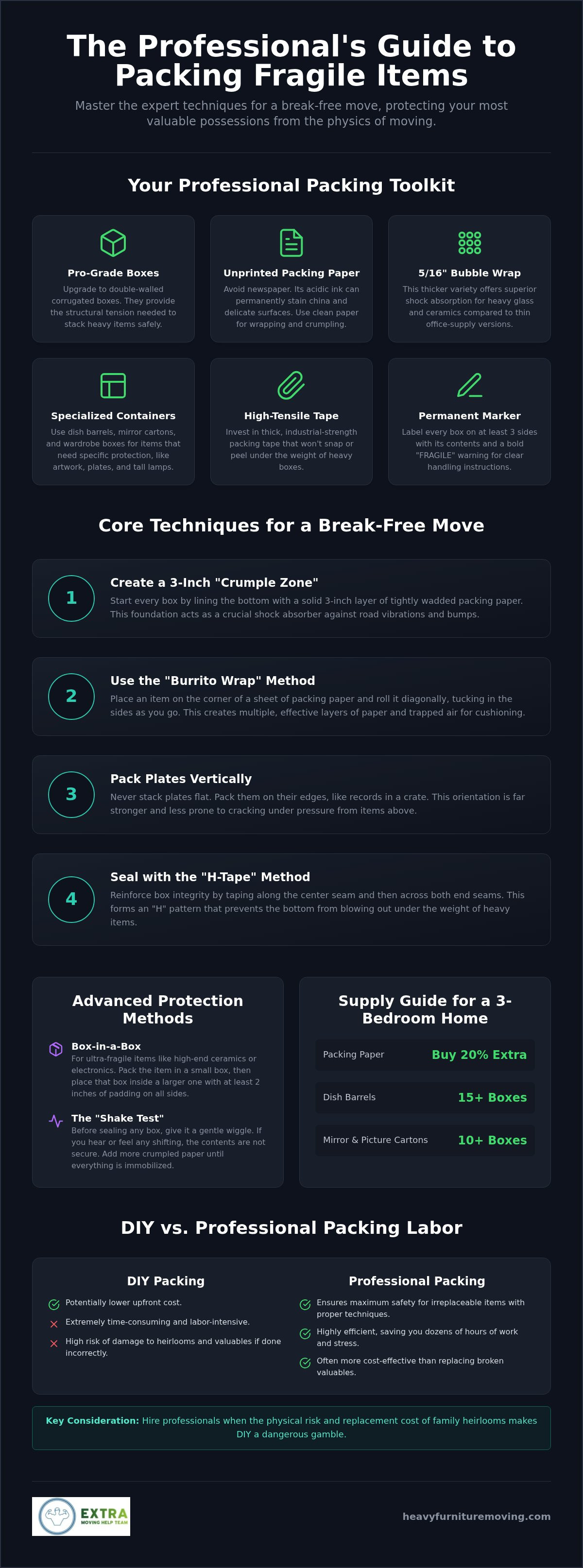
Your break-free move starts long before the truck arrives. If you want to know how to pack fragile items for moving successfully, you have to start with professional-grade materials. Don't rely on thin, single-wall boxes from the grocery store. Professional corrugated boxes are built with double-walled construction. They provide the structural tension needed to stack heavy items without the bottom falling out. It's about protecting your investment from the ground up.
Choose your wrapping materials carefully. Never use old newspapers. The ink on newsprint is acidic and permanent; it will bleed onto your china and ruin delicate surfaces. Stick to clean, unprinted packing paper. For items that need serious shock absorption, use 5/16-inch Bubble wrap. This thicker variety provides a much better cushion for heavy glass and ceramics than the thin, small-cell versions found in office supply aisles.
Use specialized containers for your most vulnerable pieces. Dish barrels are reinforced with extra-thick cardboard to prevent crushing. Mirror cartons are designed to slide together for a custom fit around artwork and glass-top tables. Wardrobe boxes aren't just for clothes; they're excellent for moving tall, awkward lamps that won't fit anywhere else.
The Professional Packing Toolkit
High-tensile packing tape is your best friend. Cheap tape snaps under the weight of a heavy box or peels off in the humidity. Buy the thick, industrial-strength rolls. Wrap large furniture items in thick moving blankets to prevent surface scratches. Finally, follow the Permanent Marker Rule. Label every box on at least three sides with its contents and "FRAGILE" in bold letters. It ensures our team knows exactly which items need the protector's touch during the load-in.
Calculating Supply Quantities for a Northern VA Home
Estimating your needs in a typical Fairfax or Manassas home can be tricky. A good rule of thumb is to buy 20% more packing paper than you think you need. You'll use it faster than you expect when creating "crumple zones." For a standard three-bedroom home in Northern VA, plan for at least 15 dish barrels and 10 mirror cartons. You can find quality supplies at local hardware stores or specialized moving supply depots across Prince William and Fairfax counties. Having too many supplies is a minor inconvenience; running out mid-pack is a disaster.
The Core Techniques: How to Wrap and Box Valuables
Mastering how to pack fragile items for moving requires a shift in mindset. You aren't just putting things in boxes; you're engineering a protective environment. Start every box with a "Crumple Zone." Take your unprinted packing paper and bunch it into tight balls. Create a solid three-inch layer of this wadded paper at the very bottom of the carton. This foundation acts as a shock absorber that handles the vibrations and bumps of the moving truck. Without this buffer, every jolt travels directly into your valuables.
Use the "Burrito Wrap" method for your glassware and ceramics. Place your item on the corner of a large sheet of packing paper and roll it diagonally. Tuck the sides in as you go. This technique ensures multiple layers of paper and trapped air surround the item. It's far more effective than just rolling it straight. Following expert advice from major carriers, always remember that air and paper are your best defense against impact. Stacking order is equally vital. Always place the heaviest, densest items at the bottom and save the top of the box for the lightest, most delicate pieces.
Before you seal the box, perform the "Shake Test." Give the carton a gentle wiggle. If you feel anything shifting or hear a single clink, you don't have enough padding. Add more crumpled paper until the contents are completely immobilized. If the process feels overwhelming, our packing and unpacking team can step in to handle the technical details for you.
The Box-in-a-Box Method for Ultra-Fragiles
For high-end ceramics or sensitive electronics, double boxing is mandatory. First, wrap your item and place it in a snug small box with enough padding to pass the shake test. Next, place that small box inside a larger carton. Fill the gap between the two boxes with at least two inches of packing peanuts or paper on all sides. This creates a secondary "floating" buffer. It's the only way to guarantee safety for items that are truly irreplaceable.
Tape Reinforcement for Heavy Loads
Don't just run a single strip of tape down the middle. Use the "H-Tape" method to seal every box. Apply tape along the center seam and then across both end seams to form a literal "H." This reinforces the structural integrity of the carton and prevents the bottom from blowing out under pressure. Tension-based taping for corrugated cardboard involves applying the tape with firm, consistent pressure to ensure the adhesive bonds deeply with the paper fibers. This creates a rigid seal that holds even when the box is stacked deep in the truck.
Room-by-Room Guide for Fragile Possessions
Every room in your home presents a different challenge. In the kitchen, the biggest mistake is stacking plates flat. This puts all the weight on the bottom plate. Instead, pack plates vertically, like records in a crate. It’s a core part of how to pack fragile items for moving safely. Use plenty of paper buffers when nesting bowls to prevent friction. In the dining room, focus on your crystal. Wrap the stems first to provide a thicker "neck" before wrapping the whole glass. If you have heavy table leaves, wrap them in moving blankets and secure them with tape that never touches the wood surface.
Living rooms often feature large screens and glass-front consoles. Never lay a flat-screen TV flat; the internal glass can't support its own weight under vibration. Use a specialized TV box. For your home office, treat monitors like high-end art. Remove the stands and wrap the screens in non-abrasive foam. Printers need their ink cartridges removed and the scanner bed taped down. This prevents internal mechanical damage while the truck is in motion between Fairfax and Manassas.
Protecting Art, Mirrors, and Large Glass
Apply a large "X" of masking tape across the surface of large mirrors or glass-front frames. This doesn't prevent breaking, but it keeps the glass from shattering into dangerous shards if an accident occurs. Use telescoping mirror boxes. These two-piece cartons slide together to create a custom, rigid fit for any size frame. Don't skip corner protectors. These simple cardboard or foam pieces are the most underrated tool in the kit. They prevent the frame's joints from splitting during a bump.
Packing the "Unpackables": Oddly Shaped Decor
Floor lamps and shades are notoriously difficult. Always remove the shade and the bulb. Pack the shade in its own box with plenty of light tissue paper. For statues and sculptures, use the "mummy" technique. Wrap the item in multiple layers of bubble wrap until its shape is unrecognizable and then tape it securely. This is especially important for the heavy stone or marble decor pieces we often handle in McLean homes. These items require both physical strength and a delicate touch to avoid chipping. If you find yourself staring at an awkward heirloom you can't figure out, it's okay to ask for help.
Handling Heavy and Oversized Fragile Items
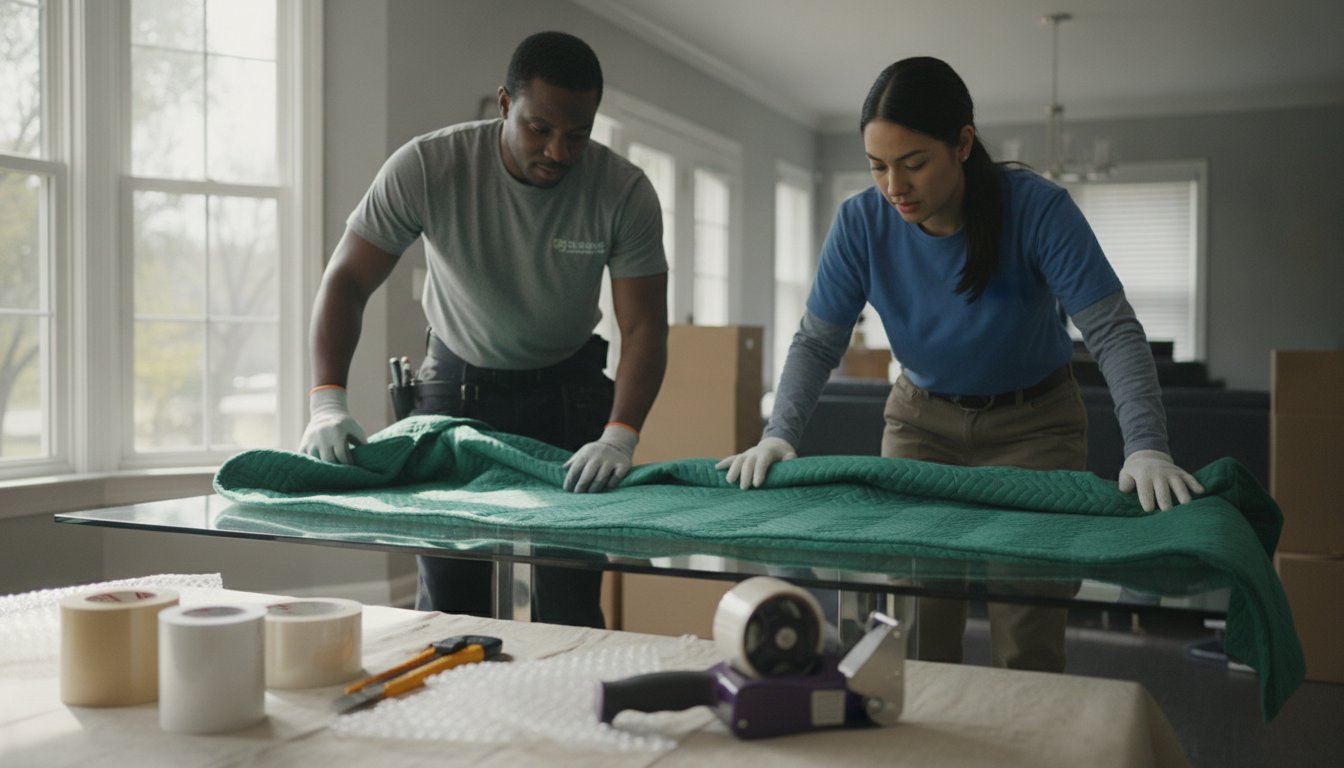
Fragility isn't just about thin glass; it’s often about mass. A 300 pound safe or a grand piano is fragile because its internal mechanics or delicate finish can't handle a sudden shift. When you're learning how to pack fragile items for moving, you must treat these heavyweights with a specialized strategy. Disassemble glass-top tables completely. Never move the frame with the glass still attached. Slide the glass into a "glass-pack," which is a heavy duty corrugated sleeve, and tape it securely before wrapping it in moving blankets. This prevents the glass from flexing or shattering under its own weight.
Modern gym equipment like Pelotons or high end treadmills features sensitive digital displays. These screens are prone to cracking if the equipment frame flexes during transport. Remove the screens if possible or wrap them in several layers of non-abrasive foam and bubble wrap. For top-heavy items like armoires or tall bookshelves, remove all internal shelves and drawers. This lowers the center of gravity and prevents the piece from tipping inside the truck. Managing these "Heavy Fragiles" requires a blend of physical power and technical precision.
Navigating Narrow Northern VA Spaces
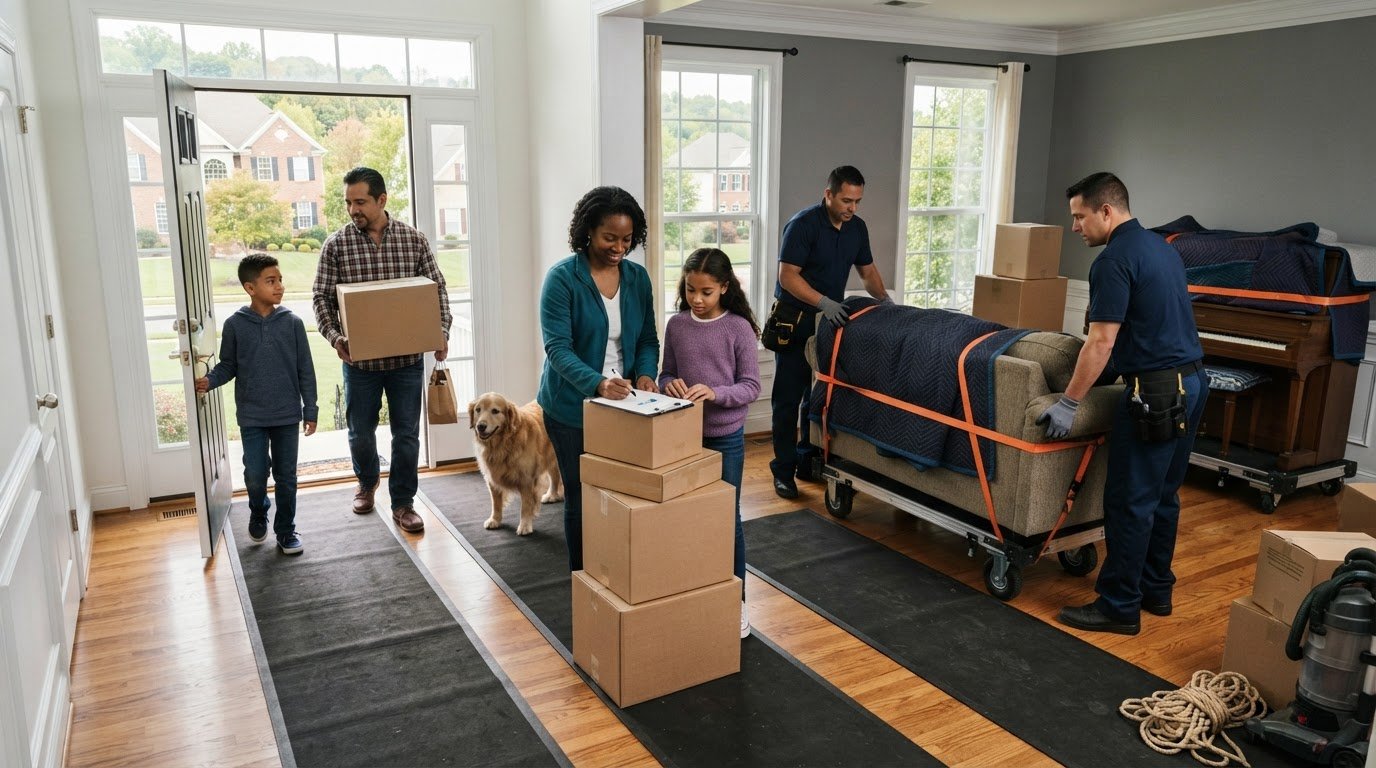
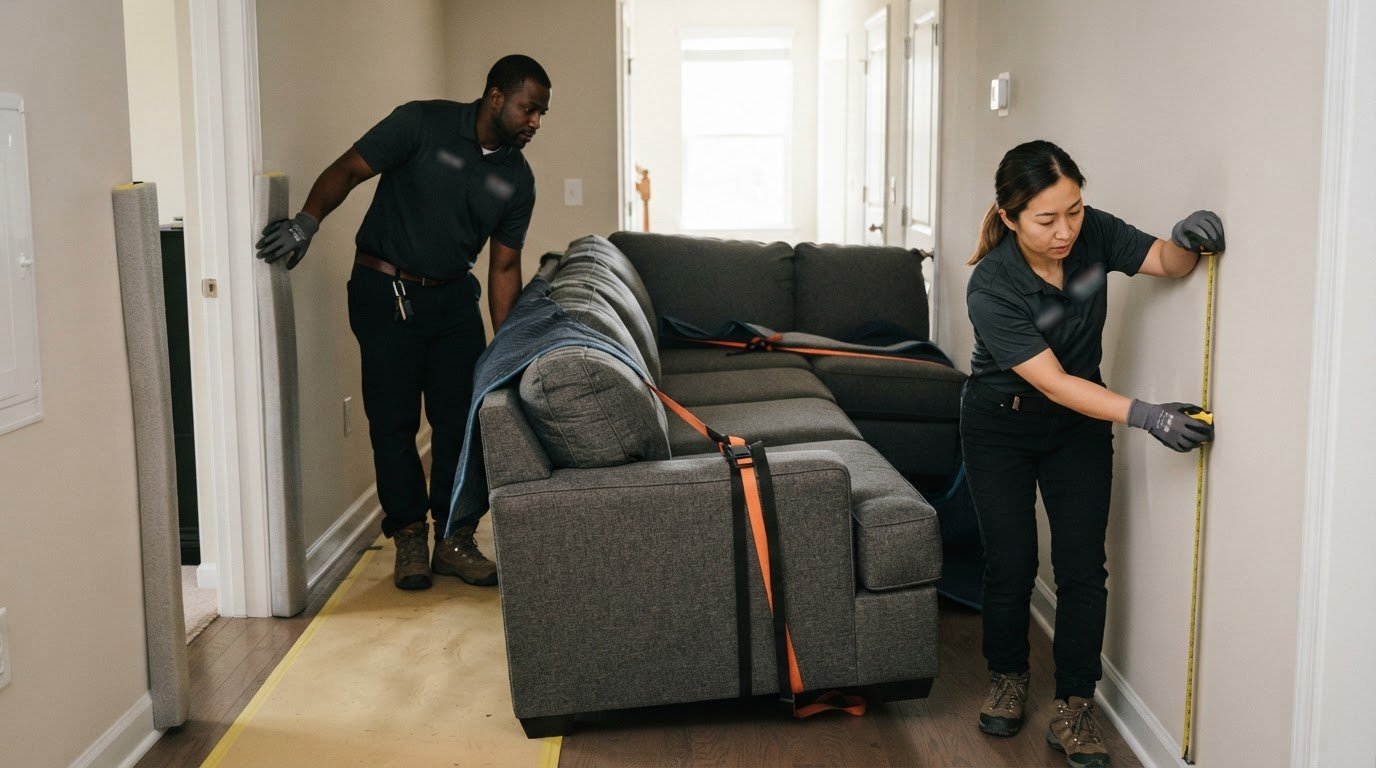
Historic homes in Alexandria and McLean often have hallways that weren't built for modern furniture. If a delicate sofa or an oversized cabinet won't clear a tight corner, don't force it. This is where sofa hoisting becomes the only safe option to avoid structural damage to the piece or your home. Protect your hardwood floors by using heavy-duty floor runners or felt pads. We take visible pride in ensuring your historic property remains as pristine as your belongings. If you're facing a complex move, contact our furniture moving specialists to handle the heavy lifting for you.
Securing Items for the Long Haul
Loading the truck is where the "Wall" method comes into play. Build a solid wall of boxes from the floor to the ceiling, placing your heaviest fragile boxes at the base. Use tie-downs and E-track systems to anchor heavy furniture so it doesn't slide into your delicate items. Fill every gap with "soft" items like blankets or pillows to eliminate any chance of movement. Constant road vibration can loosen internal mechanical components or create hairline fractures in stressed glass during transport.
When to DIY vs. Hiring Professional Packing Labor
Deciding how to pack fragile items for moving often comes down to a simple risk assessment. Ask yourself if the cost of professional labor outweighs the price of replacing your $3,000 OLED TV or a priceless family heirloom. DIY packing saves money upfront, but it places the entire burden of risk on your shoulders. If a box drops or a screen cracks during a self-move, there’s no recourse for the loss. Professional movers provide a critical liability factor that offers true peace of mind during a stressful transition.
Consider a hybrid approach to balance your budget and your safety. Handle the "easy" stuff like books, clothes, and linens on your own. This strategy lets you focus your resources on hiring experts for the specific items that actually keep you up at night. Our team of Movers Near Me is specifically trained to act as the protector for your most difficult possessions. We bring the muscle and the technical know-how to ensure your heavy fragiles survive the trip across Northern VA without a scratch.
What to Expect from Professional Packers
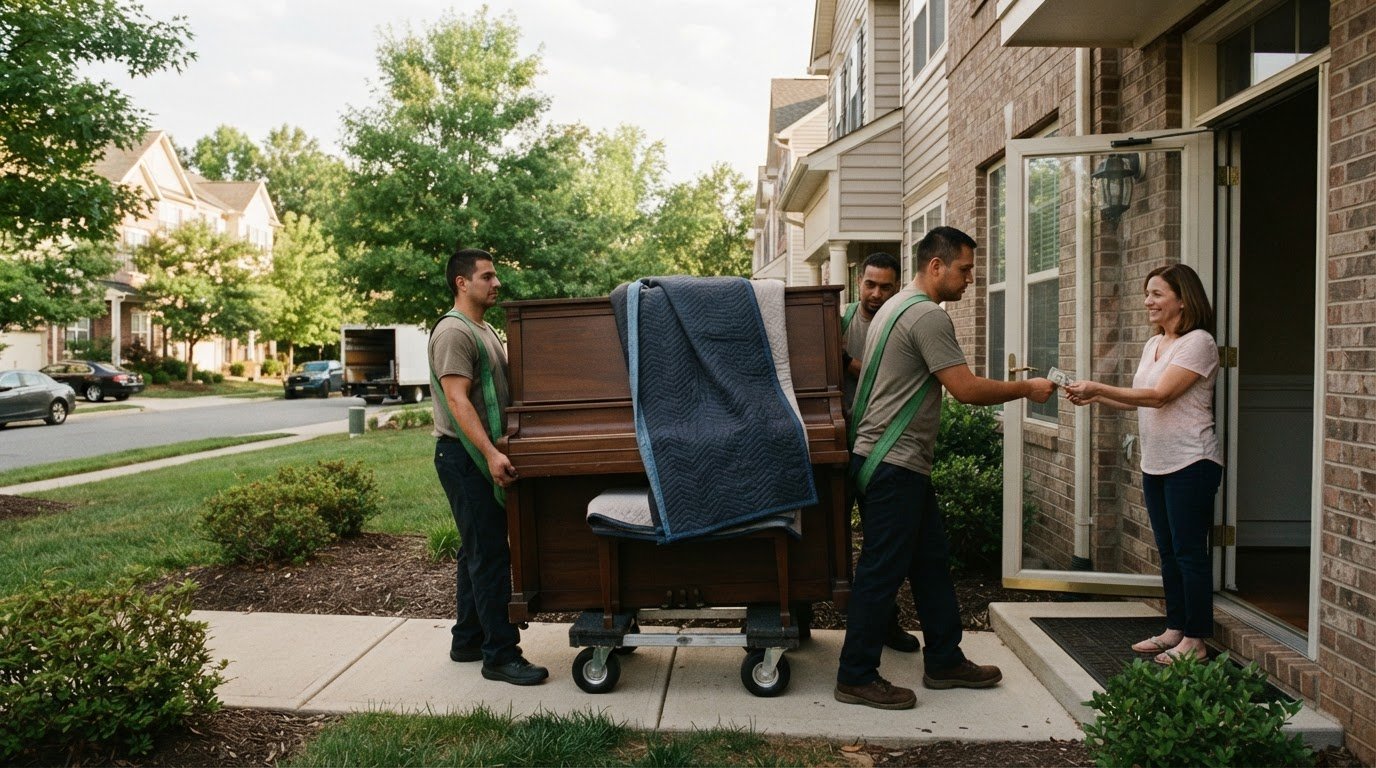
Efficiency is the hallmark of a pro team. What takes a homeowner three days of stressful labor usually takes our crew about four to six hours. We arrive with specialized equipment you won't find at a local hardware store. This includes piano boards for uprights and grands, heavy-duty safe dollies, and professional hoisting straps for those tight Alexandria townhome balconies. If you're managing an international shipment or moving high-value antiques, we can provide custom crating solutions. These wooden enclosures offer the highest level of structural protection available in the industry today.
Booking Your Move in Northern VA
Start by requesting a clear quote for your specific needs. You can opt for "Labor Only" if you just need help with the technical packing, or "Full Service" if you want us to handle the entire logistical puzzle from start to finish. Remember that the peak moving season in Fairfax and Ashburn is extremely busy. Secure your booking at least six weeks in advance if you're moving between May and September. Before our truck pulls up, double-check your final checklist. Ensure all walkways are clear and your high-priority items are clearly marked for the crew. We take pride in our hardworking dedication to the local community, and we're ready to make your next move your easiest one yet.
Secure Your Move with Confidence
Mastering how to pack fragile items for moving is about more than just tape and paper; it’s about engineering a safe journey for your most valued possessions. You now have the professional techniques to create effective crumple zones and secure everything from kitchen glassware to heavy glass-top tables. Remember that the right supplies, like double-walled boxes and high-tensile tape, are the foundation of a damage-free arrival. Don't let the physical struggle of handling bulky or delicate heirlooms overwhelm you during this transition.
If the task feels too heavy, our team is here to act as your protector. We are a veteran-family owned business and specialized heavy item moving experts serving Fairfax, Ashburn, and all of Northern VA. We take visible pride in our hardworking dedication to your community. Get a Free Quote for Professional Packing and Moving Help today and let us handle the technical details. You've got the plan; now it's time to make your move a success.
Frequently Asked Questions
What is the best way to pack glass items for moving?
Use cell dividers to keep individual pieces from touching. Wrap each glass in at least two sheets of packing paper. Place them vertically in the box rather than laying them flat. This vertical alignment handles pressure and road vibration much better. Fill every single gap with crumpled paper to eliminate movement. If you can hear a clink when you shake the box, you need to add more padding immediately.
Can I use clothes or towels to pack fragile items?
Avoid using clothes or towels for your most delicate valuables. Fabric compresses under weight, which creates dangerous gaps inside the box. While it seems like a great way to save on supplies, towels don't provide the same rigid shock absorption as crumpled packing paper. Use linens only for non-fragile items or as a very outer layer of padding for large furniture. Stick to professional materials for heirlooms.
How do I pack a flat-screen TV without the original box?
Purchase a heavy-duty telescoping TV box designed for flat screens. Wrap the screen in a non-abrasive foam cover to prevent scratches. Secure the TV upright in the box using foam corner protectors. Never lay the screen flat during transport. The internal glass is designed to stand vertically; laying it down significantly increases the risk of a pressure crack during the drive.
Is it better to bubble wrap or paper wrap fragile items?
Use both for the best results. Packing paper is ideal for surface protection and filling small voids. Bubble wrap is the superior choice for heavy shock absorption on items like lamps or thick glass vases. Always wrap the item in paper first to prevent bubble impressions on delicate finishes. This layered approach is a key part of how to pack fragile items for moving when safety is your top priority.
How do I pack heavy but fragile items like stone table tops?
Treat stone table tops like oversized glass. Slide the slab into a heavy-duty mirror carton or a custom-built wooden crate. Stone is brittle and can snap under its own weight if it isn't supported correctly. Always carry and store these pieces on their edge rather than flat. Use thick moving blankets and high-tensile tape to ensure the stone stays immobilized against the side of the truck.
How do you label boxes for fragile items correctly?
Label every fragile box on at least three sides with a bold permanent marker. Write "FRAGILE" and "THIS SIDE UP" clearly. Include the destination room and a brief description of the contents. This ensures that our team knows exactly where to place the box in your new home without having to open it. Clear labeling prevents heavy boxes from being stacked on top of your delicate china.
How much does it cost to hire professional packers in Northern Virginia?
Professional packing costs in Northern Virginia vary based on the size of your home and the complexity of your items. Most companies calculate the total based on an hourly labor rate plus the cost of specialized materials like dish barrels. Factors like the number of rooms and the density of breakables influence your final estimate. Knowing how to pack fragile items for moving can save you money, but professional labor ensures your high-value items are protected.
Frequently Asked Questions
Use cell dividers to keep individual pieces from touching. Wrap each glass in at least two sheets of packing paper. Place them vertically in the box rather than laying them flat. This vertical alignment handles pressure and road vibration much better. Fill every single gap with crumpled paper to eliminate movement. If you can hear a clink when you shake the box, you need to add more padding immediately.
Avoid using clothes or towels for your most delicate valuables. Fabric compresses under weight, which creates dangerous gaps inside the box. While it seems like a great way to save on supplies, towels don't provide the same rigid shock absorption as crumpled packing paper. Use linens only for non-fragile items or as a very outer layer of padding for large furniture. Stick to professional materials for heirlooms.
Purchase a heavy-duty telescoping TV box designed for flat screens. Wrap the screen in a non-abrasive foam cover to prevent scratches. Secure the TV upright in the box using foam corner protectors. Never lay the screen flat during transport. The internal glass is designed to stand vertically; laying it down significantly increases the risk of a pressure crack during the drive.
Use both for the best results. Packing paper is ideal for surface protection and filling small voids. Bubble wrap is the superior choice for heavy shock absorption on items like lamps or thick glass vases. Always wrap the item in paper first to prevent bubble impressions on delicate finishes. This layered approach is a key part of how to pack fragile items for moving when safety is your top priority.
Treat stone table tops like oversized glass. Slide the slab into a heavy-duty mirror carton or a custom-built wooden crate. Stone is brittle and can snap under its own weight if it isn't supported correctly. Always carry and store these pieces on their edge rather than flat. Use thick moving blankets and high-tensile tape to ensure the stone stays immobilized against the side of the truck.
Label every fragile box on at least three sides with a bold permanent marker. Write "FRAGILE" and "THIS SIDE UP" clearly. Include the destination room and a brief description of the contents. This ensures that our team knows exactly where to place the box in your new home without having to open it. Clear labeling prevents heavy boxes from being stacked on top of your delicate china.
Professional packing costs in Northern Virginia vary based on the size of your home and the complexity of your items. Most companies calculate the total based on an hourly labor rate plus the cost of specialized materials like dish barrels. Factors like the number of rooms and the density of breakables influence your final estimate. Knowing how to pack fragile items for moving can save you money, but professional labor ensures your high-value items are protected.