Preparing for Movers to Arrive in Haymarket: Your 2026 Checklist
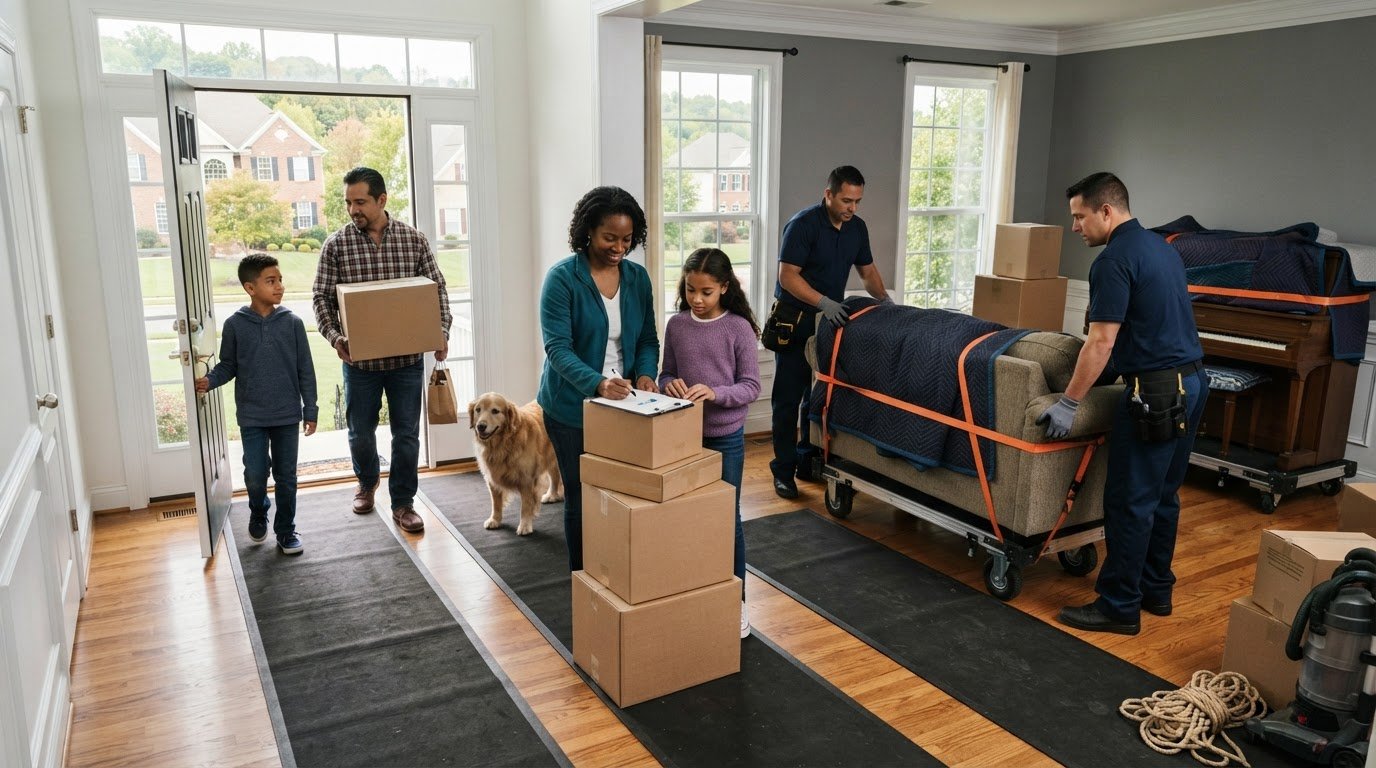
A blocked path between your front door and the truck can slow moving day before the boxes are even loaded. Use this preparing for movers to arrive checklist Haymarket residents can follow to clear routes, sort belongings, and make the morning more manageable. A little preparation helps movers focus on handling your belongings instead of working around clutter.
Decide ahead of time what to pack, what to keep within reach, and how to protect fragile items and your home. Set aside essentials you’ll need that day, label belongings that need special care, and clearly mark anything that should stay behind.
This checklist covers the days before moving day and the final steps to take that morning. You’ll learn how to open up safe pathways, protect your home, and prepare oversized belongings. Heavy Furniture Moving also provides specialized handling for exercise equipment and sofa hoisting for furniture that cannot fit through standard entryways or elevators.
Key Takeaways
- Use the preparing for movers to arrive checklist Haymarket homeowners can follow to organize tasks before moving day.
- Pack and label in stages so everyday essentials stay easy to find and special-care items are easy to identify.
- Decide what you’ll handle yourself and what instructions movers need for belongings that require extra care.
- Follow a night-before and arrival-morning routine to keep the move organized, including plans for children and pets.
- Plan focused help for bulky or specialized belongings, such as exercise equipment or a sofa that needs hoisting.
Preparing for Movers in Haymarket: Start with a Clear Moving-Day Plan
A move involves many small jobs: sorting and packing belongings, setting aside essentials, and making sure movers can reach the rooms and items they need to handle. This preparing for movers to arrive checklist Haymarket residents can adapt to a townhouse, detached home, or other residence helps bring those tasks together before moving day.
A moving-day plan is a shared list of access details, priorities, and ready-to-move belongings. It gives everyone clear instructions, so movers can focus on the work and you don’t have to make every decision as the move is underway.
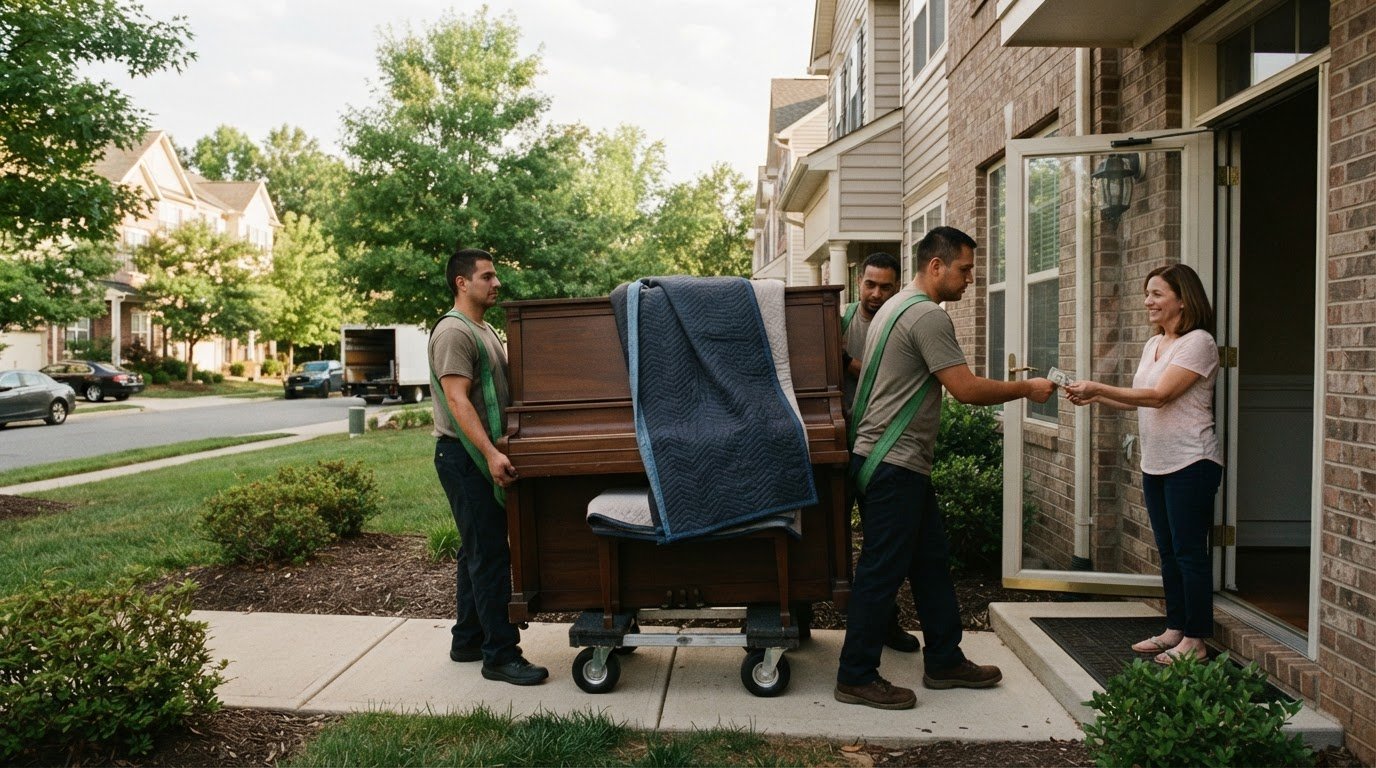
Start with the access at your property. A driveway, shared parking area, gate, stairway, or elevator can affect where movers enter and how they reach belongings. Homes and access arrangements vary across Haymarket, Virginia, so note the details that apply to your address rather than relying on a one-size-fits-all plan.
What to decide before moving week
Set the moving date and choose who will answer questions or make decisions on the day. Before packing, sort belongings and make clear choices about what is moving. This reduces confusion when movers reach a room, closet, or item that isn’t clearly marked.
- Separate belongings into four groups: moving, staying, donating, and discarding.
- Identify fragile and valuable items, plus oversized pieces such as large furniture or exercise equipment.
- List belongings that need special care or should not be packed with ordinary household items.
- Choose a household decision-maker who will be reachable during the move.
Keep the moving list separate from the list of belongings staying behind. Clear labels or a designated area can help prevent something you intend to keep from being loaded onto the truck.
How to make arrival instructions useful
Keep arrival instructions brief, specific, and easy to find. Include the full address, preferred entrance, relevant access details, and a day-of contact. Share the information with the moving team before moving day so it’s available when the crew arrives.
- Describe where a vehicle can approach or park, including any driveway considerations.
- Note gate access, stairs, narrow turns, or elevator details that affect the route indoors.
- Identify the entrance movers should use and any areas they should avoid.
- Flag oversized or fragile belongings and say where they are located.
Walk the route from the entrance to each room. Look for tight corners, low-clearance areas, and clutter that could obstruct the path. If access depends on a gate code, key, or building entry process, include the instructions needed to reach the home. Record the arrangements that apply to your address and share them ahead of time.
Keep your plan in one place, such as a printed page or a note on your phone. A simple handoff helps your household and the moving crew start with the same priorities.
The Week Before Movers Arrive in Haymarket: Pack, Label, and Protect
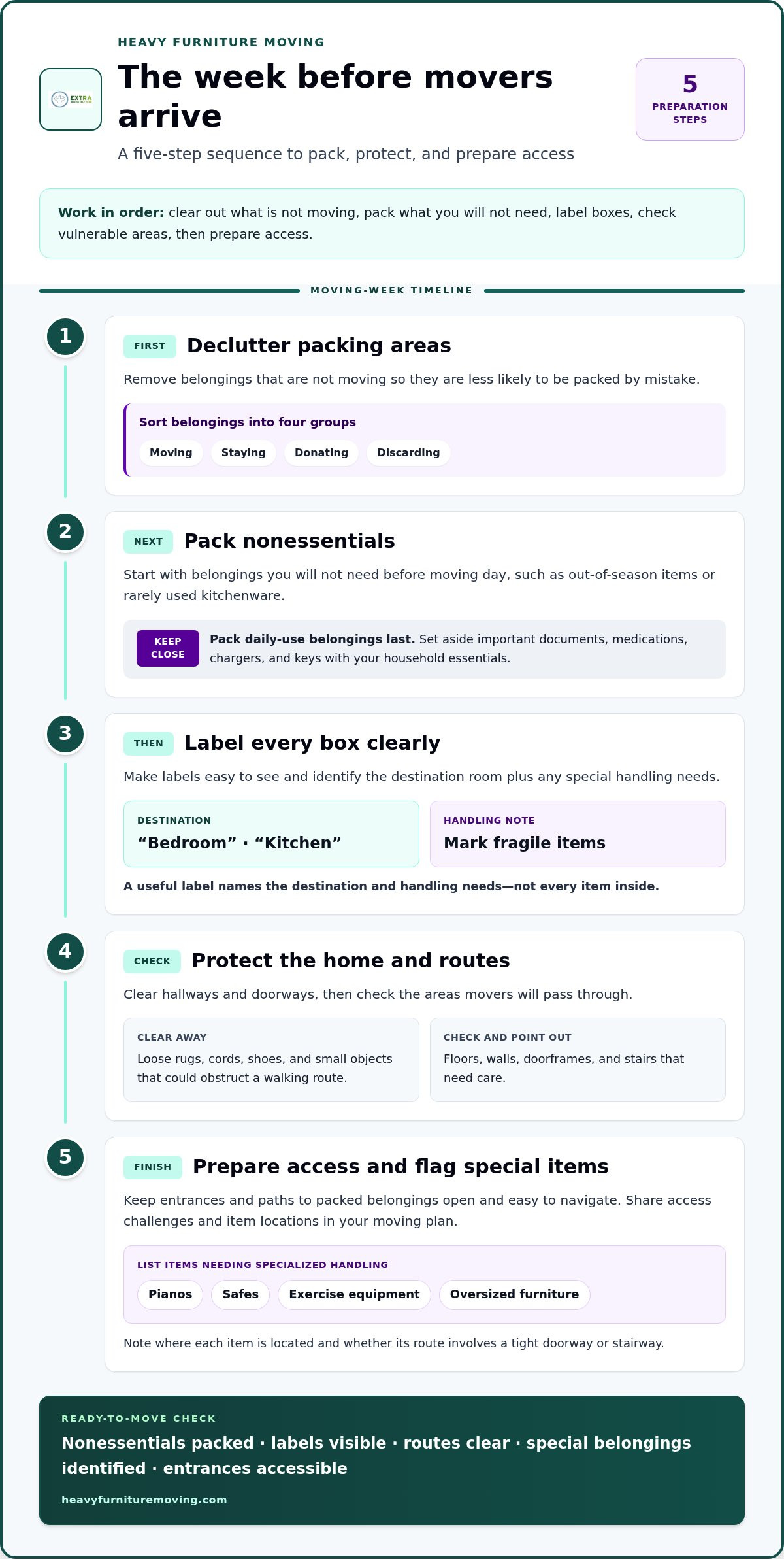
Use the week before moving day to get belongings ready and clear, protect the routes through your home. Work in this order: declutter, pack nonessentials, label boxes, check vulnerable areas, then prepare access. Tackling tasks in sequence keeps the work manageable and helps movers focus on moving rather than sorting.
- Declutter. Remove items that aren’t moving from packing areas so they don’t get boxed by mistake.
- Pack nonessentials. Start with belongings you won’t need before moving day, such as out-of-season items or rarely used kitchenware.
- Label. Mark each box with its destination room and any special handling needs.
- Protect. Clear and check the routes movers will use, including doorways, halls, and stairs.
- Prepare access. Keep entrances and paths to packed belongings open and easy to navigate.
Packing and labeling for an easier unload
Pack daily-use belongings last, and keep them separate from boxes headed to the truck. Set aside important documents, medications, chargers, and keys with your household essentials. Keeping these items close prevents a search through packed boxes on your first day.
Label boxes with a clear destination, such as “bedroom” or “kitchen,” and mark fragile items so they stand out. A useful label names the destination and handling needs, not every item inside the box. Keep labels visible, and clearly distinguish items needing extra care from ordinary cartons.
If packing feels like too much to manage alone, Heavy Furniture Moving provides residential packing and unpacking support in Haymarket. For home gym equipment, include the item details and the route it must take through the home in your moving plan, so its handling can be planned separately.
Protecting the home and identifying special items
Clear hallways and doorways before moving day. Pick up loose rugs, cords, shoes, and small objects that could obstruct a walking route or get in the way of larger belongings. Check floors, walls, doorframes, and stairs for areas that need care, and point them out before movers begin carrying items through the home.
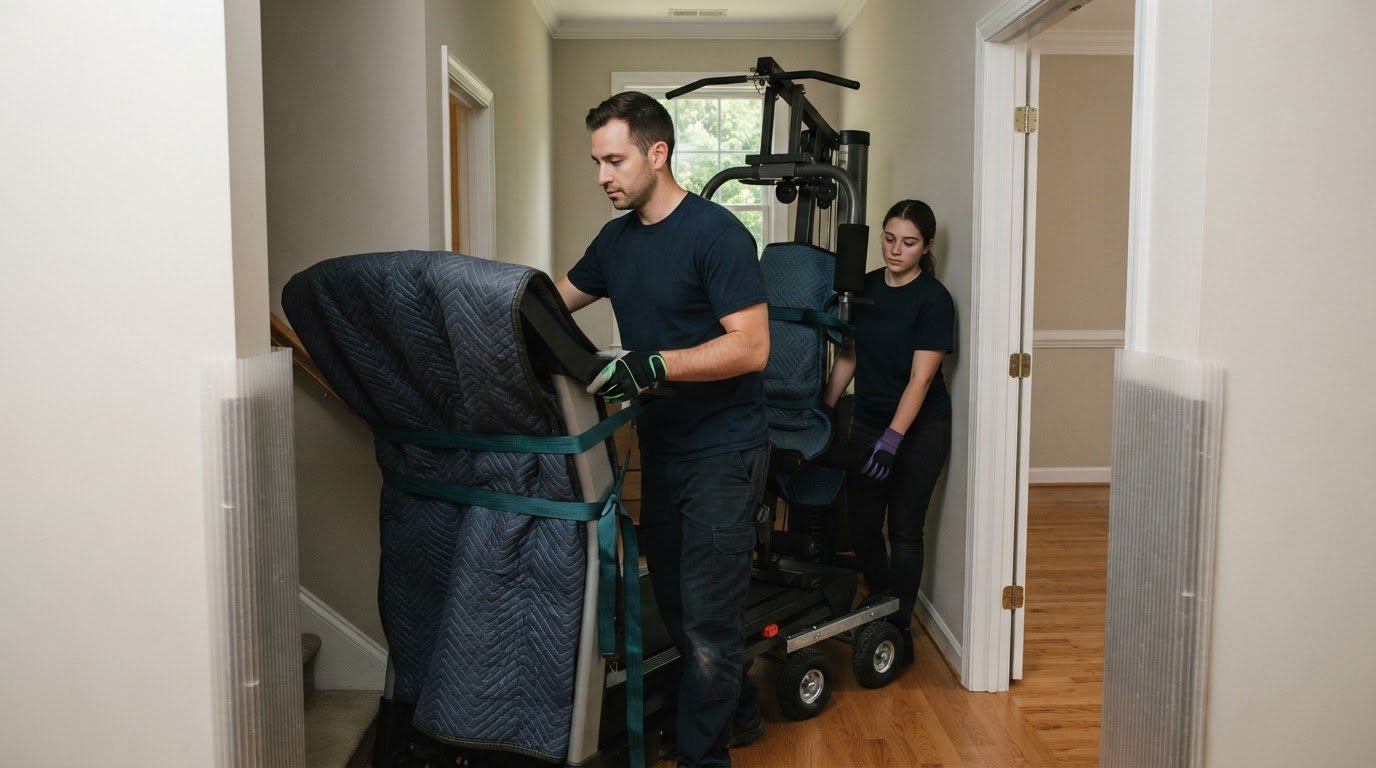
Make a separate list of belongings that need specialized handling. Flag pianos, safes, exercise equipment, and oversized furniture, and note where each item is located. A large piece may need a careful route through a tight doorway or stairway. Share its location and any access challenges in advance.
Add these steps to your preparing for movers to arrive checklist Haymarket and tackle them one at a time. If you’d like hands-on support with packing or a bulky item, Heavy Furniture Moving’s moving help can be part of your plan.
Moving-Day Preparation in Haymarket: What to Compare and Confirm
Hiring movers doesn’t automatically mean every household item is packed, sorted, or ready to go. Decide what you’ll prepare yourself and where you want support. This helps set clear expectations and focuses attention on the tasks that need it most.
Use this comparison to add practical decisions to your preparing for movers to arrive checklist Haymarket. For each task, note what you’ll do, what details the moving team needs, and whether an item requires specialized handling.
| Task | Homeowner preparation | Information to share | When specialized handling matters |
|---|---|---|---|
| Ordinary boxes | Sort, pack, and label by destination room, or arrange packing support. | Identify boxes that are fragile or need special care. | Most standard cartons can be planned as part of the household move. |
| Fragile belongings | Separate delicate items and mark them clearly. | Explain what needs extra care and where it is located. | Use a separate handling plan for especially delicate or valuable pieces. |
| Heavy or unusual items | Clear the route and note any tight turns or access challenges. | Share the item type, location, and relevant access details. | Pianos, safes, exercise equipment, and oversized furniture may need focused handling. |
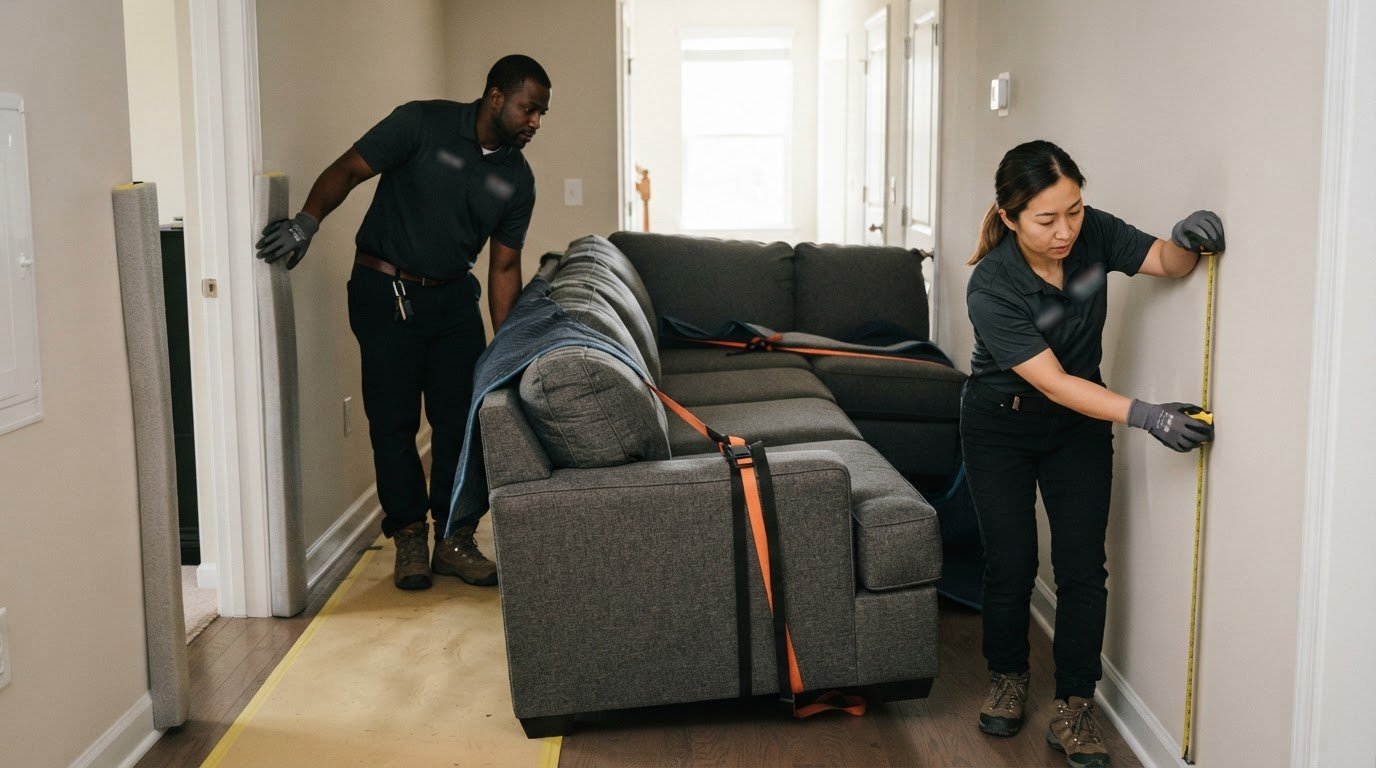
| Large furniture that won’t fit through an opening | Identify the furniture and the entryway or elevator limitation. | Provide item and access details, including useful measurements. | Sofa hoisting can help move furniture that cannot pass through standard entryways or elevators. |
DIY preparation or packing and moving support?
Self-packing gives you direct control over what goes in each box and how belongings are sorted. It can suit households with time to pack and label room by room. Keep essentials separate, and clearly distinguish anything that should stay behind from belongings that are moving.
If packing the household feels like too much to take on alone, Heavy Furniture Moving provides packing and unpacking support. Decide which rooms or belongings you want help with, then share those priorities as part of the moving plan. Either way, don’t assume boxes will be packed simply because movers are scheduled. Ready-to-move belongings and clearly communicated packing needs help everyone start with the same expectations.
Which belongings need a separate handling plan?
Ordinary cartons and bulky specialty items require different planning. A piano, safe, exercise machine, or oversized sofa can raise questions about weight, shape, and the route out of the home. Don’t try to lift or maneuver a heavy item alone. Instead, note where it sits and describe the route, including stairs, narrow halls, doors, and elevator access.
Share useful dimensions for the item and the tightest parts of its route, such as a doorway or stair landing. Those details help the moving team understand the challenge and plan the right support, including sofa hoisting when furniture cannot fit through a standard entryway or elevator.
The Night Before and Arrival Morning: A Haymarket Moving Checklist
Keep the final steps short and visible. Save this part of your preparing for movers to arrive checklist Haymarket on your phone or print it, then work through it in order. A quick review tonight and a clear handoff in the morning can prevent last-minute searching and keep carrying routes open.
The night-before checklist
Finish the jobs that are easier to handle before the crew arrives. Put household essentials in a separate bag or container and keep it with you rather than mixing it into the moving load.
- Finish packing belongings that are moving, and label any boxes still needing a destination room or special-care note.
- Separate items traveling with the household, including keys, important documents, medications, chargers, and day-one essentials.
- Set aside water and anything else your household will need during the move. Keep these items easy to reach.
- Walk the planned route from the entrance through the home. Move loose cords, rugs, shoes, and other trip hazards out of the way.
- Make a final pass for belongings staying behind. Keep them visibly apart from items that are packed and ready to move.
- Review the arrival instructions and make sure the day-of contact can be reached.
Don't leave essential items in a box just because it's labeled. A separate household bag prevents you from having to search for medication, keys, or a phone charger during the first hours in your new home.
The arrival-morning checklist
Before the crew begins carrying items, do one last access check:
- Open the agreed entrance and clear the path from it to the rooms being moved.
- Make the relevant driveway, gate, stair, or elevator access usable according to your property's arrangements.
- Keep children and pets away from active carrying routes. Arrange a separate, supervised space for them while movers are working.
- Point out belongings that are staying behind so they're easy to distinguish from the moving load.
- Identify fragile items and any belongings that need special handling before they're moved.
- Show the crew access challenges that could affect bulky pieces, such as a narrow turn or tight doorway.
- Keep your essential bag with you, not in a room where it could be packed or carried out.
Stay available to answer questions, but keep the route clear while the crew works. A short, direct handoff helps movers focus on your priorities and handle belongings with care.
For help coordinating your Haymarket move, see local moving help for Haymarket.
When to Bring in Haymarket Movers for Heavy or Difficult Items
A well-prepared home can still have belongings that need more than ordinary packing and planning. Pay attention to items that are heavy, oversized, delicate, or difficult to maneuver through the home. Stairs, narrow turns, tight doorways, and limited entry access can make an item challenging even if it fits in its current room.
Signs an item may need specialized moving help
Plan separately for an item with delicate components, an awkward shape, or a route that leaves little room to maneuver. Don’t test a difficult lift alone or improvise with bulky furniture. Pianos, safes, and exercise machines receive specialized handling from Heavy Furniture Moving. A sofa that cannot pass through a standard entryway or elevator can be moved using sofa hoisting.
Before moving day, note the item’s approximate dimensions and location. Describe the route, including stairs, narrow turns, doorways, and limited access. These details help the moving team understand the challenge and prepare for careful handling. If you’re unsure whether an item can pass through a tight space, don’t force it. Share the measurements and access notes instead.
Finish planning with a local moving team
Bring your preparation together in one handoff: list the items needing special attention, note home access details, and identify what you’ve packed or set aside. Heavy Furniture Moving provides residential moving and packing support, along with specialized handling for pianos, safes, and exercise equipment. For a sofa that won’t fit through a standard entryway or elevator, the company provides sofa hoisting.
Heavy Furniture Moving serves Haymarket and nearby Northern Virginia communities, including Fairfax, Woodbridge, Manassas, Manassas Park, Aldie, Ashburn, McLean, Vienna, Reston, Centreville, Chantilly, Clifton, Dumfries, South Riding, Fairfax Station, and Gainesville. For local context and service details, explore reliable movers in Fairfax and Northern Virginia. Gather your item list and access notes, then get moving help for a Haymarket move.
That final handoff completes your preparing for movers to arrive checklist Haymarket. You’ve prepared the home, identified belongings that need extra attention, and included hard-to-move items in the plan. Share what matters most so the moving team can focus support where it’s needed.
Make Your Moving-Day Plan Work for You
Your checklist doesn’t need to make moving day perfect. It needs to give you a clear next step when questions or small surprises come up. Keep your notes handy, make decisions one at a time, and adjust as the move unfolds. A practical plan can make a demanding day feel more manageable.
If you’re still working through your preparing for movers to arrive checklist Haymarket, focus on what matters most to your household: who can answer questions, what needs special attention, and which belongings you want close by. Heavy Furniture Moving is a veteran-family-owned and operated business providing residential moving support for local households.
Get moving help for your Haymarket home and take the next step with a team ready to support your move.
Frequently Asked Questions
How far in advance should I start preparing for movers to arrive?
Start planning at least eight weeks before moving day if your schedule allows. That gives you time to sort belongings, decide what needs packing support, and work through the preparing for movers to arrive checklist Haymarket without squeezing every task into the final days. If your move is sooner, prioritize decisions that affect the crew: what’s moving, which items need special handling, and how movers will access your home.
Should I empty dresser drawers before movers arrive?
In most cases, empty dresser drawers before the move. Loose items can shift or spill, and full drawers add weight that may make furniture harder to handle. Pack clothing and personal items in separate boxes or bags, and keep delicate objects out of drawers. If you have a lightweight dresser and want to leave soft clothing inside, make that part of the moving plan rather than assuming the drawers can stay full.
Do I need to be home when movers arrive?
Plan to be home if you can, especially at the start of the move. A household decision-maker can answer questions about what’s staying, clarify priorities, and point out belongings that need special care. If you can’t be there, arrange for a trusted adult who knows the plan to meet the crew and make routine decisions. Share that person’s name and contact details beforehand.
What should I keep with me instead of loading onto the moving truck?
Keep personal essentials and hard-to-replace belongings with you. These often include identification, important documents, medications, keys, a wallet, phone, charger, and small valuables. Pack them in a clearly separate bag that stays in your possession, not among the boxes being loaded. If children or pets are moving with you, include what they’ll need during the trip, such as snacks, a leash, or familiar comfort items.
Should I empty the refrigerator before movers arrive?
Yes, plan to remove food and loose items from the refrigerator before moving day. Use or give away perishables ahead of time, and pack anything you’re taking separately so it doesn’t get mixed with household boxes. Clean and dry removable shelves or drawers if you’re transporting them. For the appliance itself, follow its care instructions for preparation and disconnection instead of improvising with water lines or electrical connections.
Can movers handle a piano, safe, or exercise equipment?
Yes. Heavy Furniture Moving provides specialized handling for pianos, safes, and exercise equipment. These items can have unusual weight, shape, or delicate parts, so include the item type and its location in your moving plan. Note route details such as stairs or tight turns. Don’t attempt a difficult lift on your own; plan suitable help for the item.
What should I tell movers about my Haymarket home before arrival?
Share anything that could affect access or the moving route at your property. Give the full address, preferred entrance, and relevant driveway, parking, gate, stair, or elevator details. Point out narrow turns or doorways, and describe bulky items that may be difficult to maneuver. Haymarket homes and access arrangements vary, so include practical details that will help the crew reach your belongings and move through the home safely.
Frequently Asked Questions
Self-packing gives you direct control over what goes in each box and how belongings are sorted. It can suit households with time to pack and label room by room. Keep essentials separate, and clearly distinguish anything that should stay behind from belongings that are moving. If packing the household feels like too much to take on alone, Heavy Furniture Moving provides packing and unpacking support. Decide which rooms or belongings you want help with, then share those priorities as part of the moving plan. Either way, don’t assume boxes will be packed simply because movers are scheduled. Ready-to-move belongings and clearly communicated packing needs help everyone start with the same expectations.
Ordinary cartons and bulky specialty items require different planning. A piano, safe, exercise machine, or oversized sofa can raise questions about weight, shape, and the route out of the home. Don’t try to lift or maneuver a heavy item alone. Instead, note where it sits and describe the route, including stairs, narrow halls, doors, and elevator access. Share useful dimensions for the item and the tightest parts of its route, such as a doorway or stair landing. Those details help the moving team understand the challenge and plan the right support, including sofa hoisting when furniture cannot fit through a standard entryway or elevator. Keep the final steps short and visible. Save this part of your preparing for movers to arrive checklist Haymarket on your phone or print it, then work through it in order. A quick review tonight and a clear handoff in the morning can prevent last-minute searching and keep carrying routes open.
Start planning at least eight weeks before moving day if your schedule allows. That gives you time to sort belongings, decide what needs packing support, and work through the preparing for movers to arrive checklist Haymarket without squeezing every task into the final days. If your move is sooner, prioritize decisions that affect the crew: what’s moving, which items need special handling, and how movers will access your home.
In most cases, empty dresser drawers before the move. Loose items can shift or spill, and full drawers add weight that may make furniture harder to handle. Pack clothing and personal items in separate boxes or bags, and keep delicate objects out of drawers. If you have a lightweight dresser and want to leave soft clothing inside, make that part of the moving plan rather than assuming the drawers can stay full.
Plan to be home if you can, especially at the start of the move. A household decision-maker can answer questions about what’s staying, clarify priorities, and point out belongings that need special care. If you can’t be there, arrange for a trusted adult who knows the plan to meet the crew and make routine decisions. Share that person’s name and contact details beforehand.
Keep personal essentials and hard-to-replace belongings with you. These often include identification, important documents, medications, keys, a wallet, phone, charger, and small valuables. Pack them in a clearly separate bag that stays in your possession, not among the boxes being loaded. If children or pets are moving with you, include what they’ll need during the trip, such as snacks, a leash, or familiar comfort items.
Yes, plan to remove food and loose items from the refrigerator before moving day. Use or give away perishables ahead of time, and pack anything you’re taking separately so it doesn’t get mixed with household boxes. Clean and dry removable shelves or drawers if you’re transporting them. For the appliance itself, follow its care instructions for preparation and disconnection instead of improvising with water lines or electrical connections.
Yes. Heavy Furniture Moving provides specialized handling for pianos, safes, and exercise equipment. These items can have unusual weight, shape, or delicate parts, so include the item type and its location in your moving plan. Note route details such as stairs or tight turns. Don’t attempt a difficult lift on your own; plan suitable help for the item.
Share anything that could affect access or the moving route at your property. Give the full address, preferred entrance, and relevant driveway, parking, gate, stair, or elevator details. Point out narrow turns or doorways, and describe bulky items that may be difficult to maneuver. Haymarket homes and access arrangements vary, so include practical details that will help the crew reach your belongings and move through the home safely.