How to Move a Heavy Commercial Stove Without Tile Damage
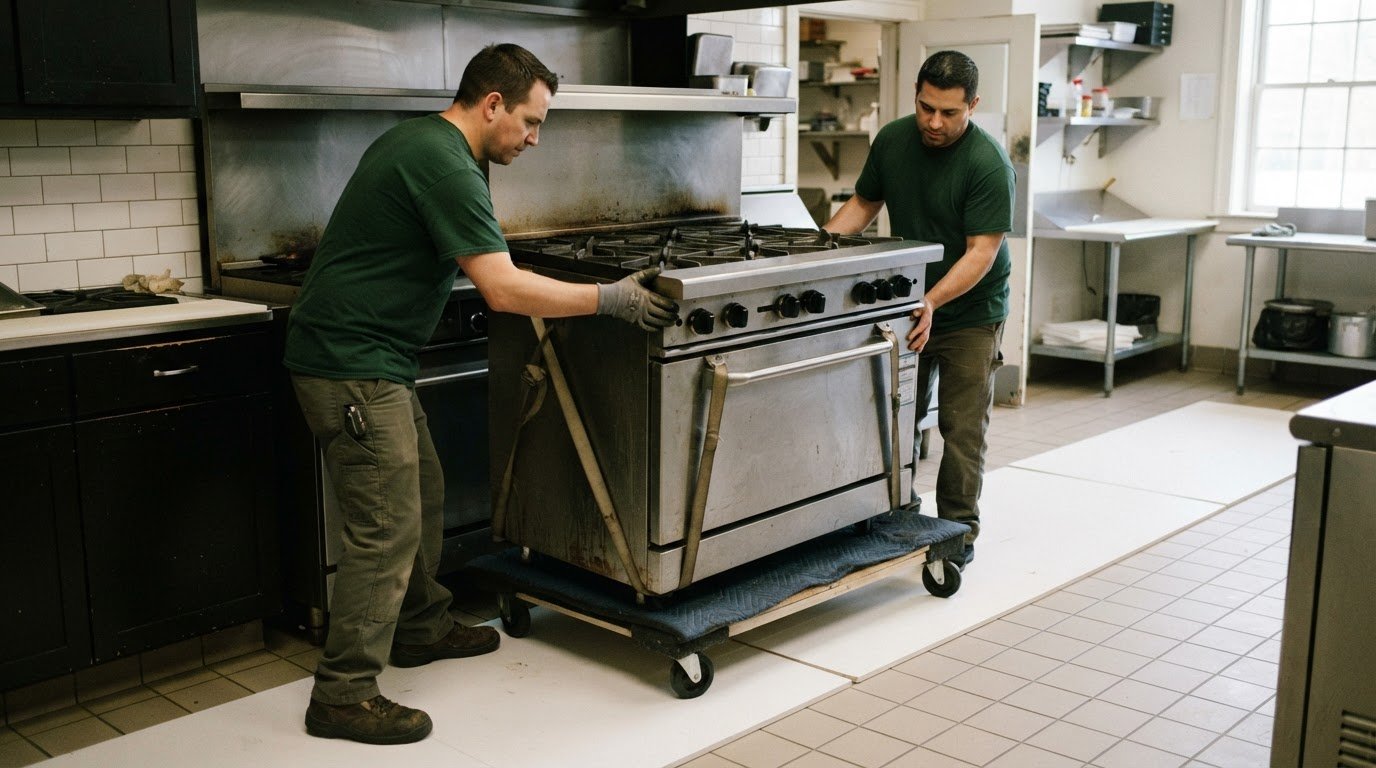
A heavy commercial stove shouldn’t be dragged across kitchen tile. To move one without scratching the tile in Fairfax, cover the entire route with smooth, stable floor protection, then keep the stove upright on a strapped dolly or lift and carry it where needed. Take extra care as the stove first comes out of its space, when an unprotected edge can easily scrape the floor.
There’s more to protect than the tile. A tight turn can put cabinets, walls, and doorways at risk, especially when a bulky appliance is difficult to control. The right equipment and a clear path help movers manage the weight without dragging the stove or forcing it through a narrow opening.
This guide explains how movers protect floors and nearby surfaces, handle a commercial stove, and plan a move in Fairfax. The move itself is only part of the job: gas or electrical connections may require qualified handling, and the stove must be safely secured in its new position before use.
Key Takeaways
- Plan a smooth, even protected route before moving the stove, with extra care as it comes out of its space.
- Learn why dragging, concentrated weight, and an unstable dolly can put tile at risk, and what safer handling looks like.
- Map out tight turns and vulnerable walls, cabinets, and doorways to reduce bumps and scrapes along the way.
- Consider the equipment, access route, and scope of the move when deciding what kind of moving help fits.
- Find out why a commercial stove’s weight and dimensions vary, and how those details shape the moving plan.
1. How Do Professional Movers Protect Kitchen Floors?
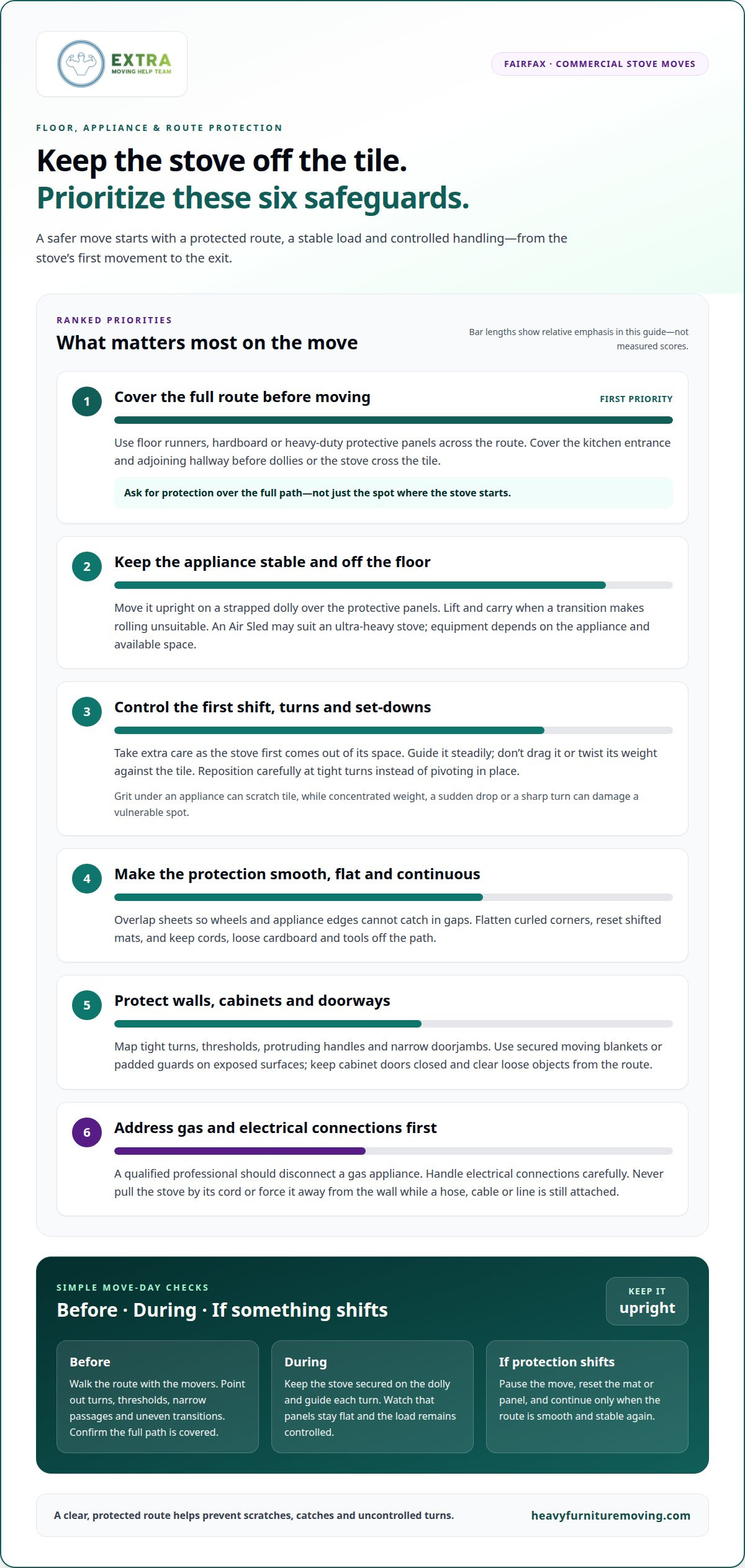
Before the move, tell the movers clearly that the kitchen tile needs protection. Describe the route from the stove’s current position to the exit, including thresholds, turns, and narrow passages. Point out chipped tiles or uneven transitions so the team can plan around them. A specific request, such as “cover the full path before moving the stove,” makes the protection plan clear.
Ask the movers what they’ll put on the floor and how they’ll keep it in place. Floor runners, hardboard sheets, and heavy-duty protective panels can create a path across the tile. Mats or cardboard can cover spots where the stove will be lifted, turned, or set down. The material should suit the route and lie flat underfoot.
Dragging a stove can grind grit or debris between its base and the tile, leaving scratches. Spinning a heavy item in place concentrates its weight and movement in one small area. One contractor spun an ultra-heavy commercial stove on a wood floor, leaving deep depressions and marks across multiple boards. The example shows why turning should be controlled, not done by twisting the appliance against the floor.
Floor protection works only if it stays smooth and even. Movers should overlap sheets to avoid gaps where a dolly wheel or appliance edge could catch. Before moving, they should flatten curled corners and reset any shifted mats. Keep loose cardboard, cords, and tools off the path. A wrinkle under a wheel can interrupt a steady move.
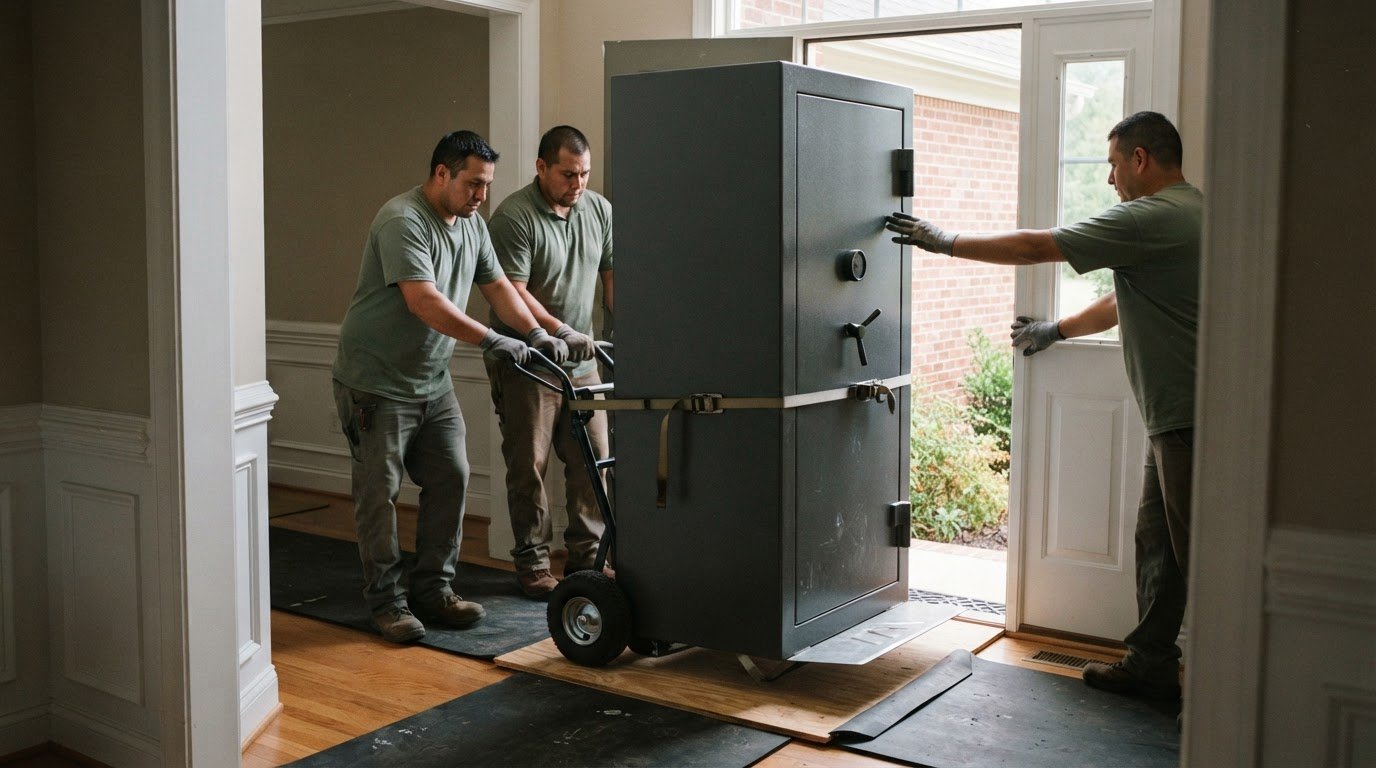
For a heavy stove, movers can use a dolly over floor protection instead of dragging the appliance across the tile. They can lift and carry it when the route or a surface transition makes rolling unsuitable. Straps help stabilize the stove on the dolly. Keep it upright, and have the handlers control each turn instead of pivoting its weight on the floor.
Make floor protection part of the move plan, not a last-minute reminder. Identify every room and surface along the route, including the kitchen entrance and adjoining hallway. Ask the moving team to lay the protection before bringing in dollies or positioning the stove. This prevents equipment from crossing uncovered tile first.
Before the move, walk the planned route with the movers. Confirm that runners or panels cover the full path and that transitions lie flat. During the move, pause if protection shifts or a wheel catches, then reset it before continuing. These checks help protect the tile while keeping the stove under control from the kitchen to the exit.
2. How do movers keep appliances from scratching tile floors?
When planning how to move a heavy commercial stove without scratching kitchen tile in Fairfax, movers can use a strapped appliance dolly over protective material or an Air Sled for an ultra-heavy appliance. Keep the stove upright and guide it steadily rather than dragging it. The right equipment depends on the stove, route, and room to maneuver.
Moving a commercial stove yourself can strain your back or hands if its weight shifts. Improperly disconnecting gas can create serious hazards, so a qualified professional should disconnect gas appliances. Electrical connections also need careful handling. Never pull a stove by its cord or move it while it’s connected.
Tile can scratch when grit gets trapped beneath an appliance or hard wheel. Heavy weight can crack tile if it presses on a vulnerable spot, especially during a sudden drop or sharp turn. Take particular care with the first movement out of the stove’s space: an uncontrolled shift can scrape the floor or catch an edge.
A dolly keeps the stove’s base off the tile, but the load must remain stable. Movers secure it with straps and roll it over protective panels, not directly across the floor. They should avoid twisting the dolly in place. On a tight turn, controlled repositioning helps keep the wheels and stove corners from grinding against the tile.
An Air Sled can help move an ultra-heavy commercial stove without ordinary wheels rolling directly over the route. Movers still need to control its direction and keep the path clear. Choose equipment based on the appliance’s shape and available space. A narrow kitchen entrance may require a different approach from an open service corridor.
Other appliances need specific preparation. Front-load washers often need shipping bolts to protect the drum. Drain washing-machine hoses before moving and secure cords after unplugging. Drain a dishwasher and let it dry. Remove or secure loose refrigerator shelves and drawers so they don’t shift.
For a safe plan to move a heavy commercial stove without scratching kitchen tile in Fairfax, address gas disconnection before moving begins. A qualified professional should disconnect a gas range because improper disconnection can create serious hazards. Don’t force the stove away from the wall if a connection still holds it. Stop and address attached hoses, cables, or lines first.
For a difficult appliance move, heavy lifting moving help can take the strain of guiding bulky items through tight spaces. Match the equipment to the appliance and route, then keep the load steady from start to finish.
3. Protecting walls, cabinets, and doorways
A stove can clear the tile and still scrape a cabinet edge or doorway. Before moving, map the full route from the kitchen to the exit. Note tight turns, protruding handles, and narrow doorjambs. For example, a refrigerator beside the stove may leave little room to angle either appliance without hitting nearby cabinetry.
Cover exposed corners and surfaces along the route before moving the stove forward. Moving blankets or padded guards can shield cabinet faces, doorframes, and wall corners from bumps. Secure the padding so it stays in place as equipment passes. Keep cabinet doors closed and, when possible, remove loose handles or objects from the path. A swinging door can become an unexpected obstacle.
Ramboard can create a continuous protected path through a kitchen and adjoining hallway. Lay each section flat and overlap the edges so wheels or appliance corners don’t catch in a gap. Don’t tape Ramboard directly to the floor. Secure it to baseboards or cabinetry instead. Clear scraps from the surface and check for lifted edges before moving begins.
At a doorway, protect the jamb and plan the turn before the appliance reaches it. Measure the opening and compare it with the stove’s widest point, including handles or other protrusions. Don’t force the appliance through at an angle that presses its edge against painted trim. If the turn is tight, pause and reposition the crew and equipment before proceeding.
Furniture sliders can help move suitable furniture across a protected floor with less direct friction. They aren’t a substitute for a dolly or controlled lifting when moving a heavy commercial stove. Use sliders only when their size and load capacity suit the item. Felt protectors work under furniture legs once the furniture is in place, but they aren’t designed to carry a stove through a doorway.
When moving appliances such as refrigerators, protect nearby cabinets and walls before pulling the unit forward. A refrigerator can shift as it clears its space, bringing its corners close to counters or trim. Keep hands clear of pinch points and guide the appliance rather than letting it swing into a wall. Remove items from adjacent counters so they aren’t knocked down during the turn.
Finish with a route check. Confirm the Ramboard lies flat, wall padding is secure, and doorway guards haven’t shifted. Clear cords, tools, and loose furniture from the passage. During the move, stop if a guard slips or a corner comes close to a cabinet. Reset the protection before continuing with the appliance under control.
4. Hiring movers for commercial kitchen equipment
For a do-it-yourself move, arrange help from at least one other person. Never lift a heavy stove alone. The crew size for a commercial move depends on the stove, access route, and equipment needed to control it. Tight turns, steps, and narrow doorways all affect how movers plan the lift and guide the appliance.
For a commercial appliance move in Fairfax, Virginia, look for a plan that addresses the stove, route, floor protection, and nearby kitchen surfaces. Share the stove’s location and destination, along with any tight turns or thresholds. Photos or measurements can help movers anticipate access challenges and choose suitable equipment before the move begins.
Gas disconnection is a separate safety concern from lifting and transport. A qualified professional should disconnect gas appliances because improper disconnection can create serious hazards. Make sure the move plan accounts for that work rather than treating a connected range as ready to move. Electrical connections also need careful handling, and cords should be secured after appliances are unplugged.
Ask what damage protection applies during transit and what it covers. Moving companies may offer basic liability coverage, while some offer full value protection that may cover repair, replacement, or reimbursement for a damaged appliance. Options differ, so understand the coverage terms before the move. Also clarify where the movers’ work ends and appliance disconnection or reconnection begins.
The stove’s weight and dimensions, route length, and additional services all shape the moving plan. The cost depends on the job and is provided after a quote request. Factors include the number of appliances, distance, and added services such as packing or storage. Moving one stove along a clear route is different from moving several appliances through tight kitchen access.
Before moving day, agree on the route and order of work. Movers should know which surfaces need protection, where the stove will go, and whether other appliances must be moved first. Clear loose items from the path and identify obstacles such as a refrigerator, countertop overhang, or narrow exit. A clear handoff between the moving crew and qualified connection professionals helps prevent a rushed finish.
A good hiring decision considers more than lifting strength. Choose a plan that accounts for equipment, interior access, tile protection, and coverage. In Fairfax, these details help distinguish a controlled commercial stove move from a rushed appliance transfer.
5. How much does a commercial stove weigh and what are its dimensions?
Commercial stoves don’t have one standard weight or set of dimensions. Size and construction vary by model, and a custom-made stove may be exceptionally heavy. In one reported example, the stove was so heavy that the brick floor beneath it needed reinforcement with basement piers. That’s why model-specific measurements matter more than a broad estimate.
Start by identifying the stove’s make and model. Check its nameplate or product documentation for its dimensions and weight. If the details aren’t available, measure the appliance before planning the move. Record its height, width, and depth, then note handles, knobs, doors, or other parts that extend beyond the main body.
These measurements help determine whether the stove can pass through the kitchen doorway, hallway, and exit. Measure every narrow point along the route, not just the destination opening. A stove may fit through a doorway straight on but need extra room to turn in the adjoining hall. Include the dolly or other moving equipment in the clearance plan.
Weight matters as much as dimensions. A compact stove can still be difficult to control if its weight is unevenly distributed or shifts during a turn. The moving plan should account for its balance, grip points, route, and any steps or thresholds. Don’t rely on appearance alone: stoves with similar outer dimensions may have different construction and handling needs.
Give movers the model information and measurements before they plan the move. If you can’t find a reliable weight, say so rather than guessing. Clear photos of the nameplate, stove sides, doorway, and tight turns can show the appliance’s shape and access conditions. The moving team can use these details to select suitable equipment and plan how to control the load.
Dimensions also affect floor protection. A wider stove may need a broader protected path, while a deep appliance can be harder to angle around cabinets. Include projecting handles and door edges in the measurements, as they can strike trim even when the main body clears. Check the route with the stove’s planned orientation in mind.
Before moving day, make a simple measurement record: model, listed or measured dimensions, known weight, and the narrowest route points. Share it with the crew, and update the plan if the stove’s route changes. For help planning a difficult heavy-item move, request heavy lifting moving help suited to the appliance and access route.
Heavy Furniture Moving
Heavy Furniture Moving handles demanding moves that call for careful handling and access planning. If a commercial stove’s weight, tight kitchen route, or tile protection makes the move difficult, professional moving help can reduce the strain and keep the process organized. Share the stove’s measurements, route details, and nearby surfaces that need protection so the plan fits the space.
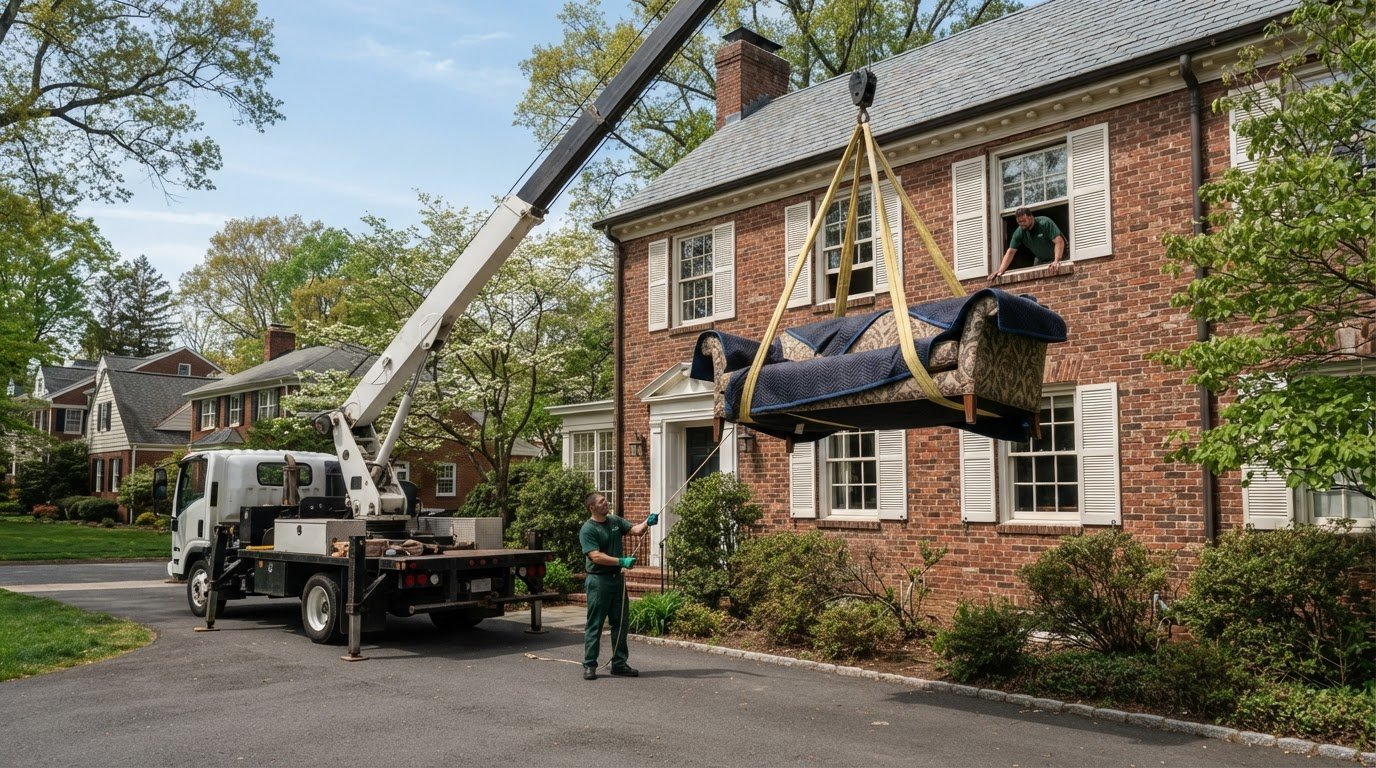
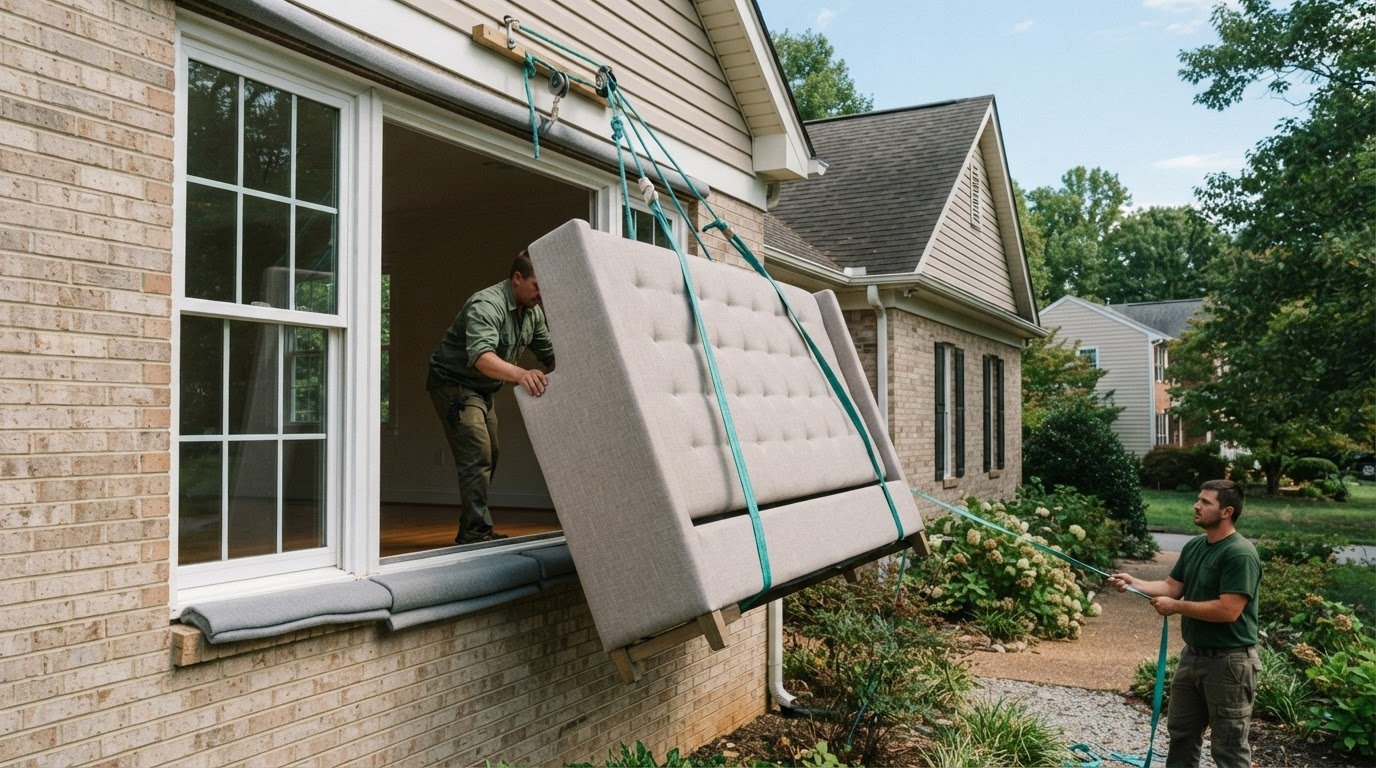
The same practical support is available for other bulky items, including exercise equipment, sofas, and in-home furniture. Choose help when an item is too heavy or awkward to move safely on your own. For a careful plan for your heavy-item move, contact Heavy Furniture Moving.
Plan Your Stove Move With Confidence
Planning how to move a heavy commercial stove without scratching kitchen tile in Fairfax starts with turning the kitchen layout into a practical move plan. Note the stove’s model and measurements, the narrowest doorway, and any difficult turns. Share those details when arranging help so the crew can plan for your specific space.
Heavy Furniture Moving helps with challenging heavy-item moves. Services include Movers Near Me, Exercise Equipment Moving, and Sofa Hoisting. If the stove’s route or weight feels like too much to handle alone, professional moving help can take the strain and keep the move organized.
Make the next step simple: gather the stove and access details, then contact Heavy Furniture Moving to discuss help with your move. You can move forward with a clear plan and less stress.
Frequently Asked Questions
How Do Professional Movers Protect Kitchen Floors?
Professional movers protect kitchen floors by accounting for the floor’s condition as well as the stove’s route. Existing chips, loose grout, or uneven transitions can affect where equipment should roll or where handlers should pause. After moving the stove, inspect the exposed tile and grout before putting mats, appliances, or furniture back. This makes any new marks easier to spot and address.
How do movers keep appliances from scratching tile floors?
Movers reduce scratching by keeping hard appliance parts, debris, and unsuitable wheels from contacting tile directly. Before shifting an appliance, they can check underneath its base for grit or loose parts that might drag across the surface. They also need to stabilize the load: an appliance that rocks can press a corner into a tile. Stop and reset the load if it starts to tilt or shift.
Why Hire an Appliance Moving Company?
Experienced movers can help guide a bulky appliance through a tight kitchen without leaving one person to manage its full weight. A crew can coordinate movement, watch clearances, and manage the load while another person guides the route. This can reduce the strain and uncertainty of a solo attempt. Professional help is especially useful when the stove is difficult to grip or the route includes a narrow turn.
How to safely disconnect and prepare a commercial stove for moving?
Have a qualified professional disconnect a gas range because improper disconnection can create serious safety hazards. Unplug an electric stove before moving it and secure the cord so it can’t snag underfoot or catch on equipment. Let the appliance cool, remove loose items from the cooktop and oven, and secure parts that might swing open. Don’t pull the stove away while a gas line or electrical connection remains attached.
How to protect kitchen tile when moving a commercial stove?
Start with a clean route. Grit under a wheel or appliance edge can scratch tile, so clear debris before positioning equipment. Protect thresholds and turns as well as the straight path through the kitchen. Keep edges flat, and don’t let a dolly wheel roll across exposed tile. After the move, check the floor where the stove stood, as that area may reveal hidden debris or damage.
Frequently Asked Questions
Professional movers protect kitchen floors by accounting for the floor’s condition as well as the stove’s route. Existing chips, loose grout, or uneven transitions can affect where equipment should roll or where handlers should pause. After moving the stove, inspect the exposed tile and grout before putting mats, appliances, or furniture back. This makes any new marks easier to spot and address.
Movers reduce scratching by keeping hard appliance parts, debris, and unsuitable wheels from contacting tile directly. Before shifting an appliance, they can check underneath its base for grit or loose parts that might drag across the surface. They also need to stabilize the load: an appliance that rocks can press a corner into a tile. Stop and reset the load if it starts to tilt or shift.
Experienced movers can help guide a bulky appliance through a tight kitchen without leaving one person to manage its full weight. A crew can coordinate movement, watch clearances, and manage the load while another person guides the route. This can reduce the strain and uncertainty of a solo attempt. Professional help is especially useful when the stove is difficult to grip or the route includes a narrow turn.
Have a qualified professional disconnect a gas range because improper disconnection can create serious safety hazards. Unplug an electric stove before moving it and secure the cord so it can’t snag underfoot or catch on equipment. Let the appliance cool, remove loose items from the cooktop and oven, and secure parts that might swing open. Don’t pull the stove away while a gas line or electrical connection remains attached.
Start with a clean route. Grit under a wheel or appliance edge can scratch tile, so clear debris before positioning equipment. Protect thresholds and turns as well as the straight path through the kitchen. Keep edges flat, and don’t let a dolly wheel roll across exposed tile. After the move, check the floor where the stove stood, as that area may reveal hidden debris or damage.