How to Move a China Cabinet in Clifton, VA: A Safe Step-by-Step Guide
What if the safest way to move your china cabinet is to leave it right where it is until you’ve checked every pane, shelf, and turn along the route? If you’re figuring out how to move a china cabinet in Clifton, rushing to lift it can put the glass, your home, and your back at risk. Careful preparation comes first.
Fragile glass and tight doorways deserve attention. A cabinet that looks manageable in the room may be too heavy or awkward for a narrow hall or stairway. Taking it apart isn’t always safe or necessary. The right approach depends on its construction, removable parts, condition, and path out.
This guide explains how to empty and protect the cabinet, measure the route, and decide whether disassembly makes sense. You’ll also learn when a DIY move should stop. If the cabinet feels too heavy, fragile, or difficult to maneuver, professional heavy-furniture help in Clifton may be a safer option. When asking about help, describe the cabinet, stairs, access route, and glass components.
Key Takeaways
- Check the cabinet’s condition, construction, and route before deciding whether it can be moved intact.
- Learn how to move a china cabinet in Clifton by preparing its contents, removable parts, doors, and surfaces before handling it.
- Move slowly and coordinate with your helpers. Never lift or guide the cabinet by its glass, shelves, doors, or decorative trim.
- Consider the cabinet’s size, fragility, and route alongside the help and equipment available before choosing a DIY move or professional assistance.
- After the move, inspect the cabinet and confirm it sits securely before putting items back inside.
Before moving a china cabinet in Clifton, assess its weight, glass, and route
A china cabinet combines heavy construction, fragile glass, and parts that may shift if they’re loose. Add a tight doorway, hallway turn, or stair landing, and a simple lift can quickly become risky. Before deciding how to move a china cabinet in Clifton, assess the cabinet and the entire route. Its materials, design, and condition help determine whether it can move intact or whether you should stop and get experienced help.
Cabinets vary, from freestanding pieces to cabinetry attached to a home. This overview of understanding cabinet construction can help you recognize why a cabinet’s build affects how it should be handled. Don’t assume a large piece can be safely tilted or taken apart. Check the maker’s guidance, and don’t force components that don’t clearly release.
What to inspect on the cabinet before moving
Check the frame, legs, joints, glass panels, and any existing chips or cracks. Note wobbly sections, loose hardware, and doors that don’t close securely. Identify shelves, mirrors, doors, and decorative trim that appear designed to come off, but don’t pull or pry them. If disassembly seems necessary, photograph the connections first and consult the manufacturer’s instructions. If the glass is damaged or the frame feels unstable, don’t treat the cabinet as ready to move.
Before moving, inspect the cabinet’s joints, legs, glass, removable parts, overall dimensions, and every tight point along the route.
How to check the route through a Clifton home
Measure the cabinet’s height, width, and depth, including trim or handles that stick out. Then measure each doorway, hallway, landing, turn, and stair section on the planned path. Check overhead clearance, floor transitions, and exterior access if the route leaves the home. At the destination, confirm there’s room to place the cabinet without blocking doors, walkways, or other furniture.
Compare the measurements before moving day. A cabinet that fits through a doorway straight on may not clear a narrow turn. Account for the space needed to maneuver without striking walls or putting pressure on the glass. Clear obstacles from the route, but don’t rely on tilting or twisting as a last-minute fix.
If the measurements don’t show a clear, safe path, the cabinet is damaged or unstable, or you’re unsure you can handle its weight securely, pause. Even a one-piece move needs careful planning. When asking a professional moving team about help, describe the cabinet, glass components, stairs, and access route.
How to prepare a china cabinet for moving without stressing the glass
Once you’ve confirmed the cabinet is stable and the route is workable, prepare it in order: empty it, remove only parts designed to come out, secure the doors, protect exposed surfaces, and clear the path. As you plan how to move a china cabinet in Clifton, don’t save time by leaving items inside or pulling off pieces that seem stuck. Either choice can cause damage or make the cabinet harder to control.
An empty cabinet is safer to maneuver because nothing inside can shift, fall, or add unpredictable movement while the frame is being carried.
Empty and protect the cabinet’s contents and glass
Pack china, collectibles, and other contents separately. Remove drawers and loose objects as well. If shelves lift out easily as designed, remove them, wrap them individually, and label them so they’re easy to match to the cabinet later. Don’t force a shelf that catches or appears fixed.
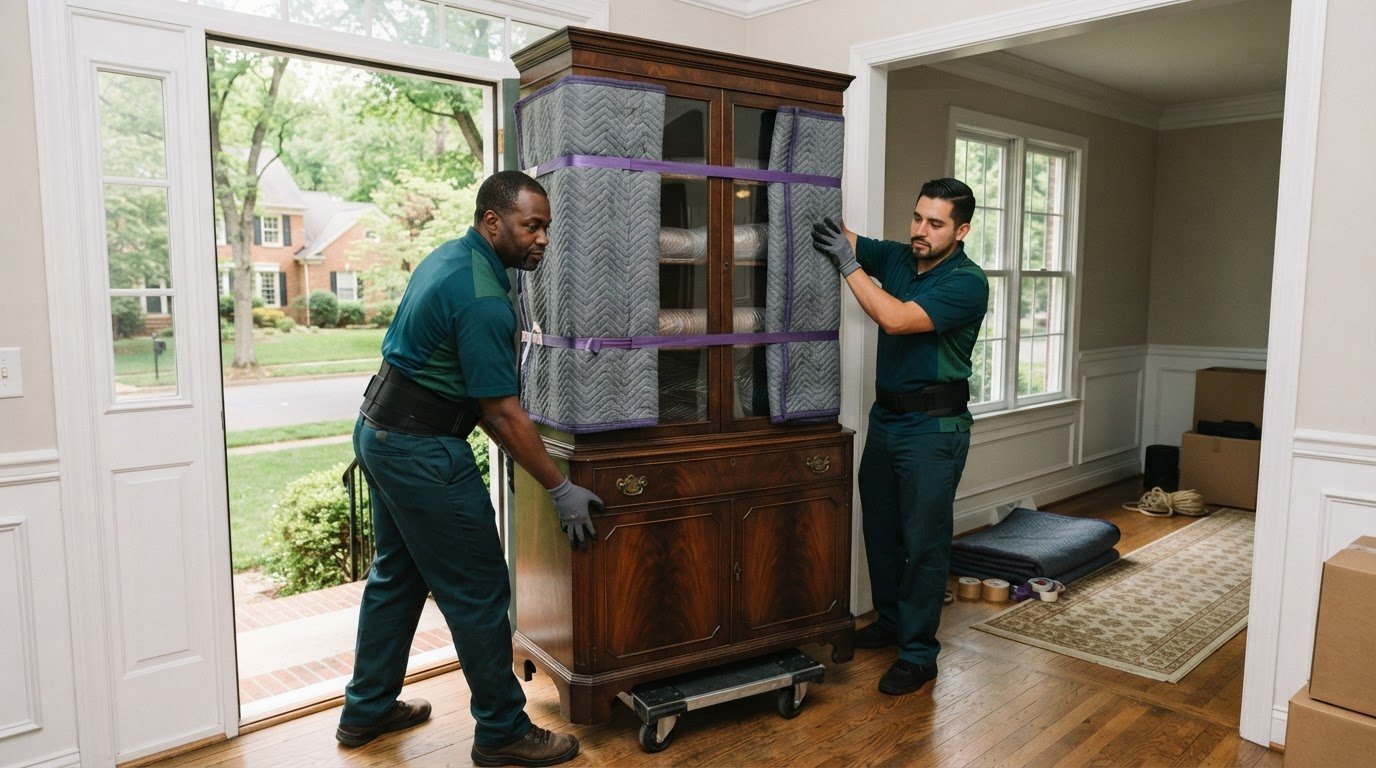
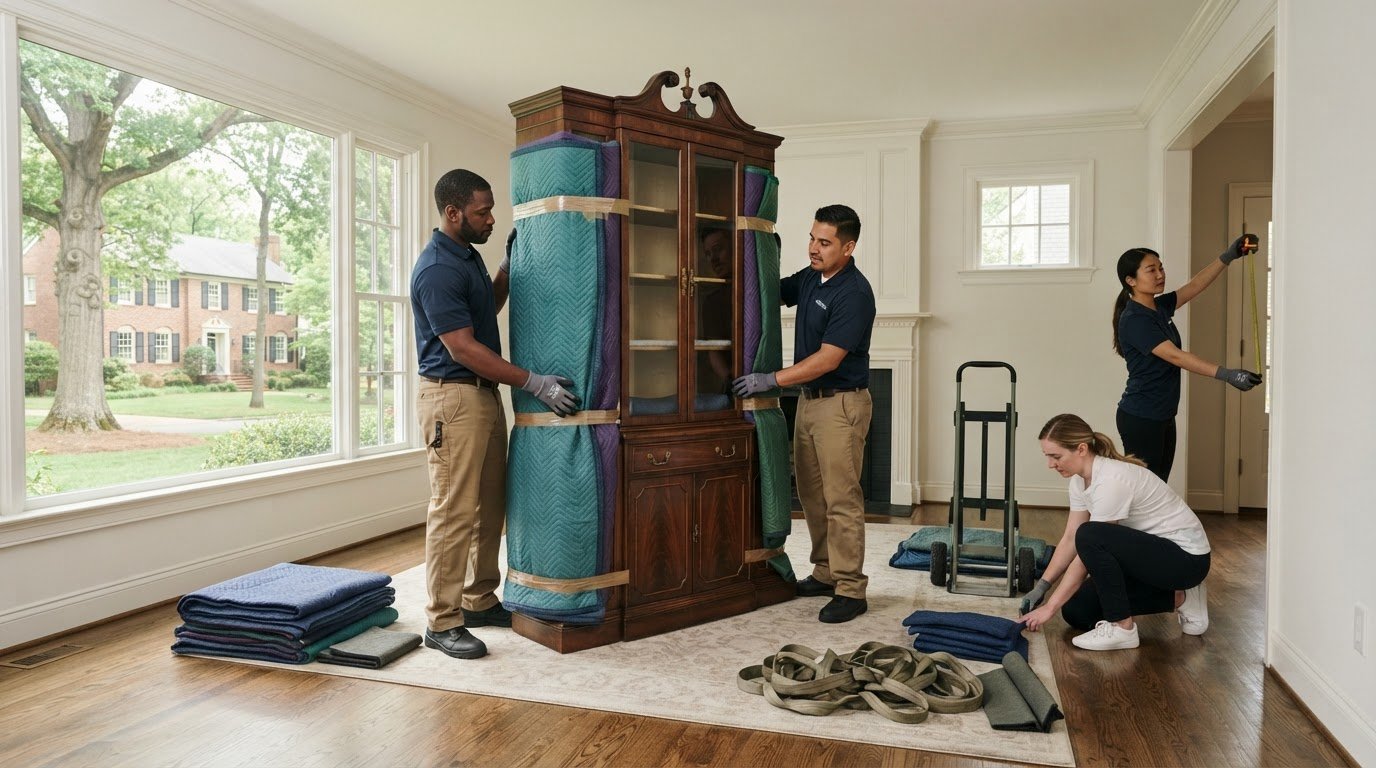
Use suitable padding to cover the glass and protect corners and finished surfaces. Keep the padding secure, but don’t overtighten straps or wrap in a way that presses hard on glass edges. Pressure at an edge can create a weak point. Before moving, check that no protective material is loose enough to slip during handling.
Secure doors and decide whether disassembly is appropriate
Keep doors from swinging with soft, non-damaging ties or padding. Avoid putting tape directly on wood, veneer, or other finished surfaces, since it may leave residue or affect the finish. Don’t remove structural pieces or force hinges, fittings, mirrors, or trim. If the cabinet is built in, unstable, valuable, or difficult to dismantle, stop and get professional advice before attempting disassembly.
Protect the route, too. Remove small obstacles and use floor protection where needed, making sure it won’t slide underfoot. Keep the cabinet upright and under control rather than trying to compensate for awkward weight with a sudden lift. Review Proper lifting technique for general guidance, but remember that correct lifting form doesn’t make an unstable or overly heavy cabinet safe to move.
If the cabinet’s weight or fragile parts make handling feel uncertain, consider professional furniture moving help. Describe the cabinet, glass components, stairs, and access route, and ask whether the team can take on that specific move.
How to move a china cabinet safely through a room, doorway, or stairs
Even after preparation, the cabinet needs steady control from the first lift to the final placement. Never lift or steer it by its doors, shelves, glass, or decorative trim. Use only sound parts of the main frame or base, and keep the cabinet upright unless its design and condition clearly allow another position. If you’re unsure how to move a china cabinet in Clifton without losing control, stop before lifting and reassess.
Moving the cabinet across a level floor
Clear the route completely. Remove rugs, cords, and small obstacles, and protect floors with material that won’t bunch or slide underfoot. Before lifting, agree on simple commands for starting, stopping, and changing direction. Move slowly, with one person watching the path and calling out obstacles. Keep hands clear of pinch points, and avoid sudden turns.
A furniture dolly may help only if the cabinet is stable, appropriately supported, and secured so it can’t shift. Don’t use a dolly to compensate for a weak frame, loose glass, or awkward route. If the cabinet needs to be tilted to load it, pause and confirm that doing so is safe for its construction and condition. Never force a position just to make the dolly fit.
Why stairs and tight turns change the risk
Stairs, landings, and narrow turns leave less room to adjust. The cabinet’s weight can shift, helpers may lose a secure grip, and glass or joints can be stressed by an abrupt movement. A spotter can watch clearance and communicate, but can’t make an unsafe carry safe. Recheck the path before approaching each turn or stair section.
Safety rule: If the cabinet won’t clear a doorway or turn without force, stop and choose a safer plan. Don’t push, twist, or lift higher to squeeze it through. If you can’t keep the cabinet controlled, or stairs leave no secure way to maneuver, set the move aside and seek experienced help. A professional heavy-furniture moving team serving Clifton may be an option. Explain the cabinet’s condition, glass components, stairs, and tight access before asking whether they can take on the move.
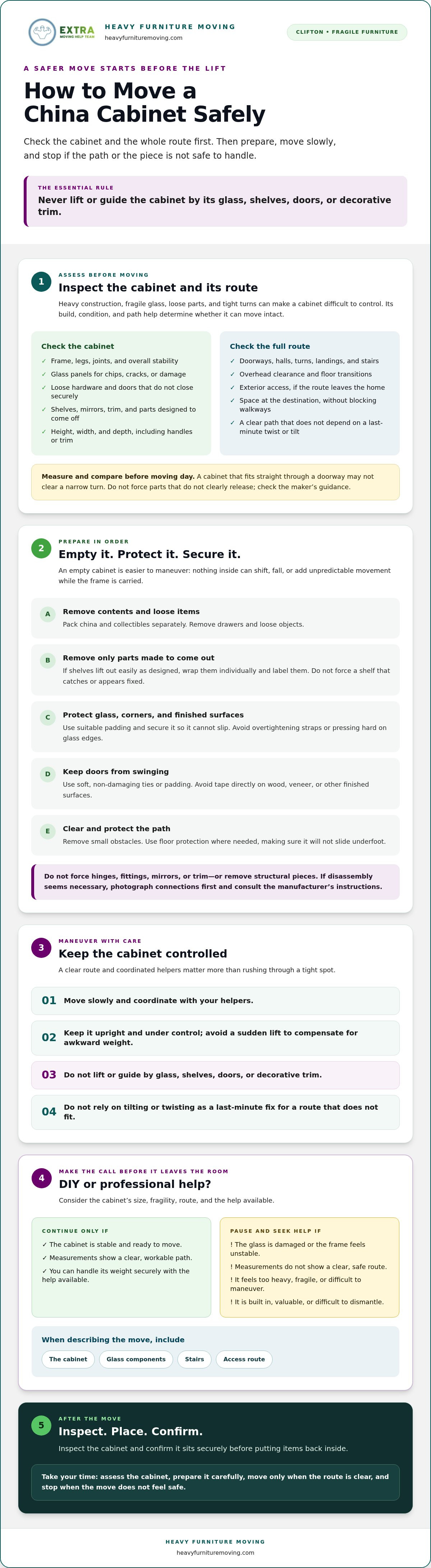
DIY or professional movers in Clifton: decide before the cabinet leaves its room
Make the choice before anyone starts lifting. A stable cabinet on a clear, level route is a different job from a heavy or fragile piece that must pass through tight turns or travel on stairs. Consider the cabinet’s condition and glass, whether you know its weight, how complex the route is, and whether you have capable helpers and suitable equipment. Even one item can require careful planning and enough safe handling support.
When a DIY move may be reasonable
A DIY move may be reasonable if the cabinet is stable, its weight feels manageable, and the route is clear, with no difficult stairs or tight turns. Plan the lift and movement before you begin. Protect the cabinet, floors, and walls, and make sure everyone understands how to move and stop together. Confidence helps, but it doesn’t replace a safe plan or the ability to control the cabinet throughout the move.
When to ask for professional heavy-furniture help
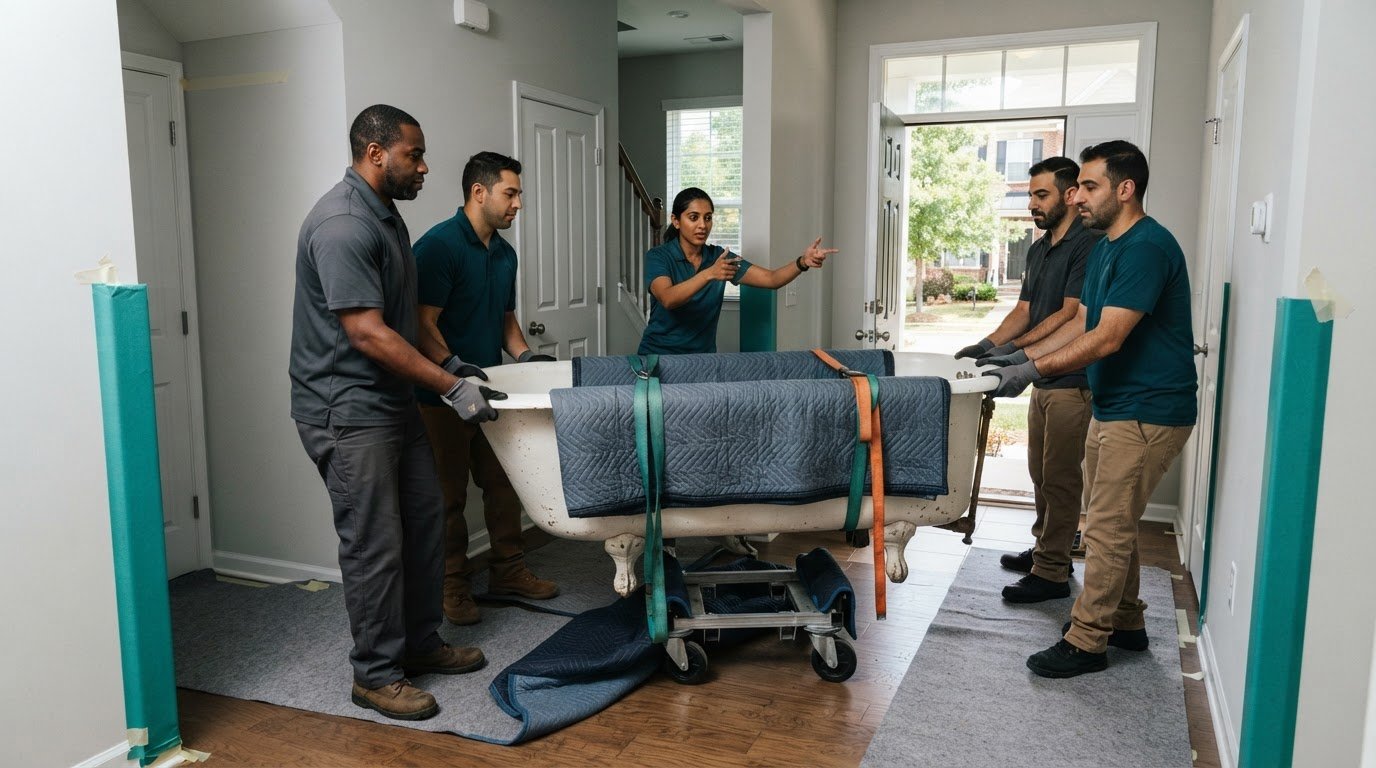
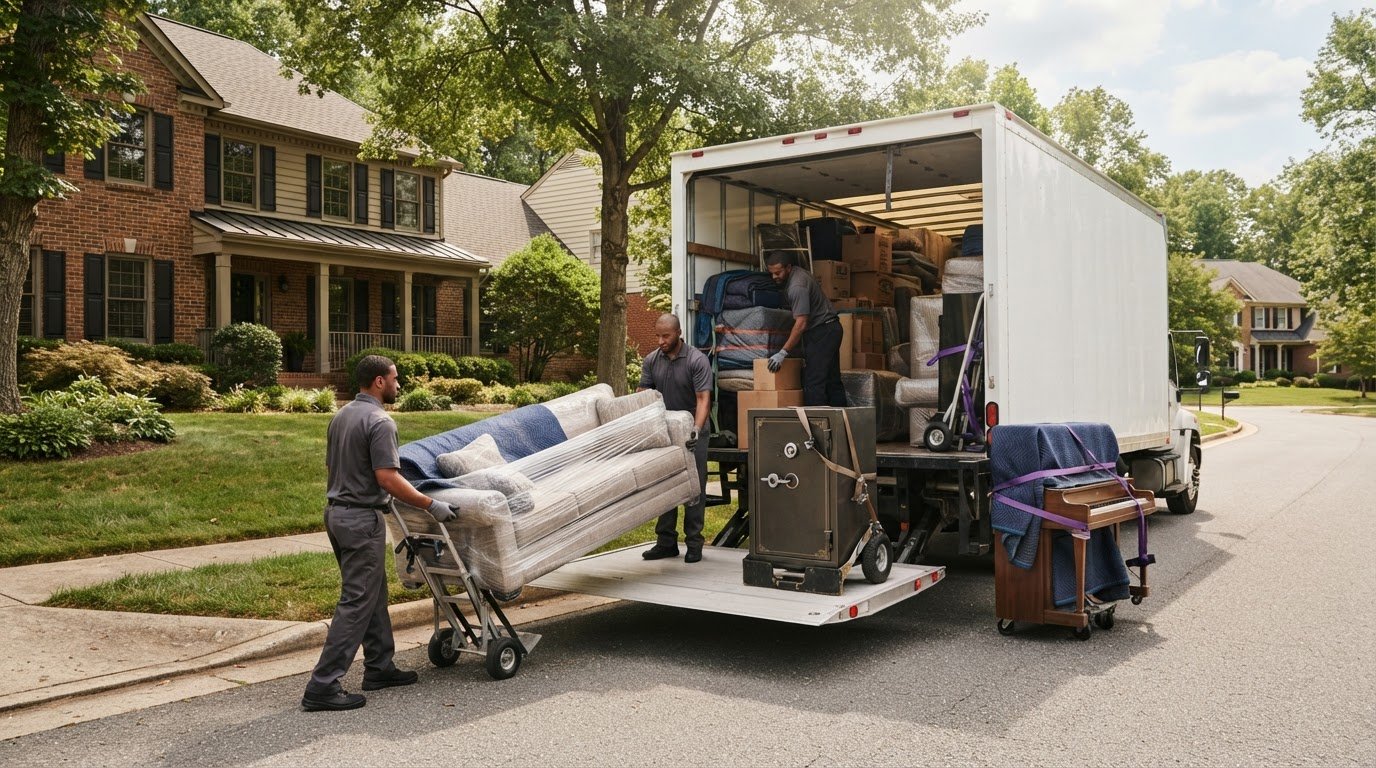
Pause if the cabinet has cracked glass, feels unstable, is valuable or unusually heavy, or must navigate stairs and narrow turns. These conditions can make the lift and route harder to manage safely. Heavy Furniture Moving serves Clifton and specializes in heavy, bulky household items. The company serves Fairfax, Woodbridge, Manassas, Manassas Park, Aldie, Ashburn, Mclean, Vienna, Reston, Centreville, Chantilly, Clifton, Dumfries, South Riding, Fairfax Station, Haymarket, and Gainesville. Ask whether the team can take on your specific china-cabinet move and glass-handling needs.
To help assess the request, have the cabinet’s height, width, and depth ready, along with the Clifton location, stair details, doorway and hallway measurements, and any tight turns. Photos of the cabinet and access route can provide useful context. Ask how to share them when you inquire. Be clear about damaged glass, removable parts, and anything else that affects the cabinet’s stability. Complete information makes it easier to discuss whether the move is a fit.
If the cabinet feels beyond your safe handling capacity, contact Heavy Furniture Moving about heavy-item moving help and confirm whether the team can assist with your cabinet and access conditions.
After moving your china cabinet in Clifton: inspect, place, and get help
Before putting anything back, settle the cabinet in its intended spot and check that it rests securely on a stable surface. Make sure it’s level, has enough clearance for doors and drawers to open, and isn’t blocking a walkway, heater, or other nearby feature. Don’t use stored items or a wedged object to compensate for a cabinet that rocks. Address uneven or unstable placement first.
Check the cabinet before putting dishes back
Inspect the glass, frame, joints, doors, shelves, and finish in good light. Look for fresh cracks, loose fittings, shifted doors, scratches, or signs that a joint has separated. If you find damage, take clear photos and note what you see before attempting repairs.
Reinstall shelves only in their intended positions, and check that each one sits securely before adding weight. Don’t reload the cabinet if the glass is cracked, the frame feels loose, a shelf won’t seat properly, or a door no longer works as expected. Structural concerns call for a qualified repair professional. Once the cabinet is stable and inspected, return dishes and collectibles carefully rather than loading everything at once.
Arrange local help if the move is still ahead
If you haven’t moved the cabinet yet and still have doubts about its condition, weight, or route, pause before lifting. A clear description helps a moving team assess whether it can take on the request. Share the cabinet’s dimensions and condition, note any fragile or damaged glass, and explain the access route, including doorways, tight turns, and stairs. Photos of the cabinet and route can add useful context.
Planning how to move a china cabinet in Clifton also means confirming that the specific piece and its access conditions are a fit for the help you’re considering. Heavy Furniture Moving serves Clifton and specializes in heavy, bulky household items, but ask directly whether the team can assist with your cabinet and any glass components. If you need help with a heavy household move, ask Heavy Furniture Moving about help with a heavy household move.
Make your next move a safer one
The safest approach is to prepare before lifting: empty and protect the cabinet, confirm it’s stable, and check that every doorway, turn, and stair section offers a workable path. Move slowly, keep the cabinet under control, and stop if the route or weight feels unsafe. Afterward, inspect the glass, frame, doors, and shelves before putting dishes back.
That’s the practical answer to how to move a china cabinet in Clifton: plan carefully, protect fragile parts, and know when the job needs more support. Heavy Furniture Moving serves Clifton and specializes in moving heavy and bulky household items. Ask whether your cabinet and its access conditions are a fit before making plans.
Ask Heavy Furniture Moving about your Clifton furniture move. Share the cabinet’s dimensions, condition, glass components, and route details so the team can understand what you need. With a clear plan and the right level of help, you can move forward with greater confidence.
Frequently Asked Questions
Can I move a china cabinet without removing the shelves?
Yes, if the shelves are fixed securely and the cabinet remains stable, but remove any shelf designed to lift out easily. Loose shelves can shift or fall during handling, putting the cabinet and glass at risk. Wrap and label removed shelves for reinstallation. Don’t force a shelf that catches or appears fixed. If the cabinet has an unstable frame or you’re unsure how its shelves are secured, pause and get advice before moving it.
How do you protect the glass in a china cabinet when moving?
Use suitable padding to cover the glass and secure it without tightening material against the glass edges. Pressure on an edge can increase the risk of damage. Keep doors from swinging with soft, non-damaging ties or padding, and avoid putting tape directly on the cabinet’s finish. Check that protective materials won’t slip during movement. If a pane is already cracked or loose, don’t move the cabinet until you’ve assessed the risk.
Can you move a china cabinet with dishes still inside?
No. Remove dishes, collectibles, drawers, and other loose objects before handling the cabinet. Contents can shift, collide, or fall as the cabinet moves, putting both the items and the glass at risk. Pack dishes and collectibles separately. An empty cabinet is also easier to control because its contents can’t shift during a lift or turn. Check shelves and compartments carefully so nothing is left loose inside.
Should I disassemble a china cabinet before moving it?
Not necessarily. Disassembly depends on the cabinet’s design, condition, and route. Remove only parts that are clearly intended to come off, such as lift-out shelves, and consult the manufacturer’s guidance before taking anything apart. Don’t force fittings or remove structural pieces, trim, or glass. If the cabinet is built in, unstable, valuable, or difficult to dismantle, seek experienced advice before attempting disassembly.
How many people does it take to move a china cabinet?
There isn’t one safe number for every cabinet. The help needed depends on its size, weight, stability, glass, and route, including stairs or tight turns. Don’t try to compensate for an uncertain lift by adding people without a plan. Everyone involved needs a clear role, a secure grip, and agreed commands. If the cabinet can’t be controlled safely, stop and consider professional heavy-furniture help.
When should I hire movers to move a china cabinet in Clifton?
Ask about professional help if the cabinet is heavy, unstable, valuable, has damaged glass, or must pass through stairs or tight turns. If you’re unsure how to move a china cabinet in Clifton safely, describe its condition, dimensions, glass components, and access route before making plans. Heavy Furniture Moving serves Clifton and specializes in heavy, bulky household items. Confirm directly whether the team can take on your specific cabinet move.
Frequently Asked Questions
Yes, if the shelves are fixed securely and the cabinet remains stable, but remove any shelf designed to lift out easily. Loose shelves can shift or fall during handling, putting the cabinet and glass at risk. Wrap and label removed shelves for reinstallation. Don’t force a shelf that catches or appears fixed. If the cabinet has an unstable frame or you’re unsure how its shelves are secured, pause and get advice before moving it.
Use suitable padding to cover the glass and secure it without tightening material against the glass edges. Pressure on an edge can increase the risk of damage. Keep doors from swinging with soft, non-damaging ties or padding, and avoid putting tape directly on the cabinet’s finish. Check that protective materials won’t slip during movement. If a pane is already cracked or loose, don’t move the cabinet until you’ve assessed the risk.
No. Remove dishes, collectibles, drawers, and other loose objects before handling the cabinet. Contents can shift, collide, or fall as the cabinet moves, putting both the items and the glass at risk. Pack dishes and collectibles separately. An empty cabinet is also easier to control because its contents can’t shift during a lift or turn. Check shelves and compartments carefully so nothing is left loose inside.
Not necessarily. Disassembly depends on the cabinet’s design, condition, and route. Remove only parts that are clearly intended to come off, such as lift-out shelves, and consult the manufacturer’s guidance before taking anything apart. Don’t force fittings or remove structural pieces, trim, or glass. If the cabinet is built in, unstable, valuable, or difficult to dismantle, seek experienced advice before attempting disassembly.
There isn’t one safe number for every cabinet. The help needed depends on its size, weight, stability, glass, and route, including stairs or tight turns. Don’t try to compensate for an uncertain lift by adding people without a plan. Everyone involved needs a clear role, a secure grip, and agreed commands. If the cabinet can’t be controlled safely, stop and consider professional heavy-furniture help.
Ask about professional help if the cabinet is heavy, unstable, valuable, has damaged glass, or must pass through stairs or tight turns. If you’re unsure how to move a china cabinet in Clifton safely, describe its condition, dimensions, glass components, and access route before making plans. Heavy Furniture Moving serves Clifton and specializes in heavy, bulky household items. Confirm directly whether the team can take on your specific cabinet move.