Furniture Removal in Centreville for Cost and Pickup Timing
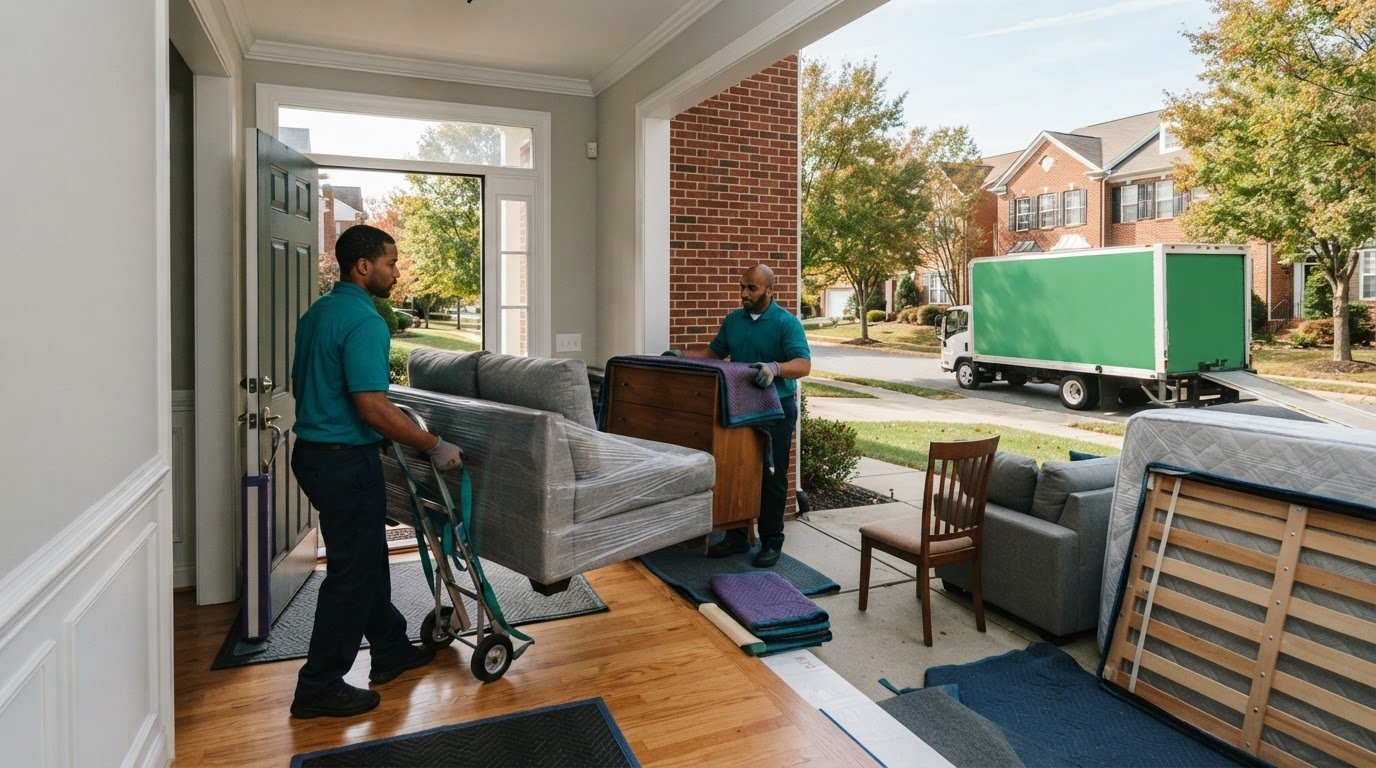
A new sofa shouldn’t have to compete with the old one for space. For furniture removal before new furniture arrives in Centreville, common items to arrange for pickup include sofas, chairs, tables, bed frames, and dressers. The pieces and the space they need to be carried through shape the removal plan.
It makes sense to clear the room before delivery day, especially when bulky furniture is hard to move alone. This guide explains which pieces can be collected, how pickup timing works, what can affect removal cost, and how to get your home ready.
You’ll also learn how the number and size of items, access to the home, and disposal needs can affect planning and cost. Pricing depends on the job and is provided after a quote request. Use these details to plan a smoother handoff between the furniture you’re removing and the pieces arriving next.
Key Takeaways
- Identify the furniture you need removed and note each piece’s size, so you can plan the pickup around the incoming delivery.
- Pickup timing depends on the job’s scope; the number and size of items affect how long a multi-item home cleanout takes.
- Removal costs can reflect the items, access to them, and disposal needs, so understand the factors that shape a quote.
- Clear a path from each item to the exit and prepare the furniture before collection to help the removal go smoothly.
- For bulky pieces or exercise equipment that are difficult to move, explore in-home furniture moving help and sofa hoisting.
What types of furniture can be picked up?
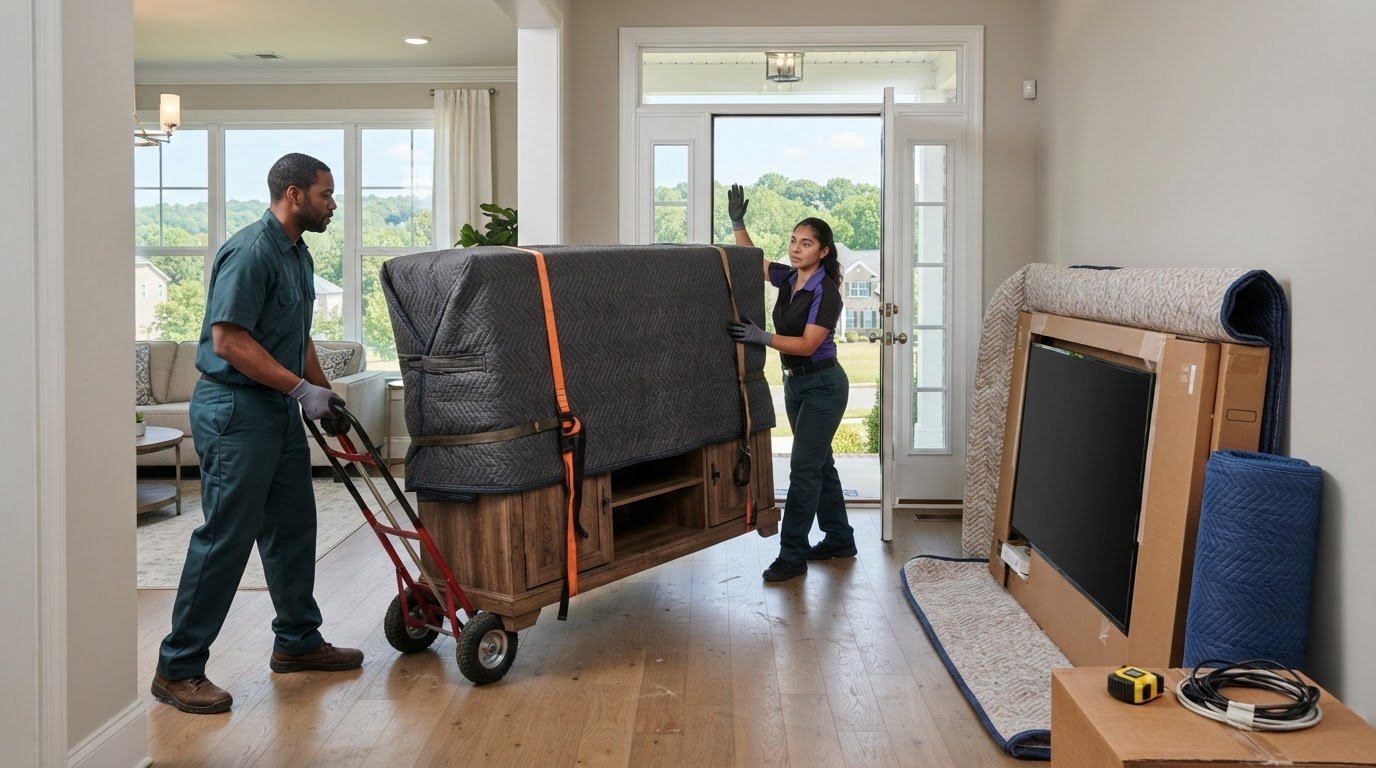
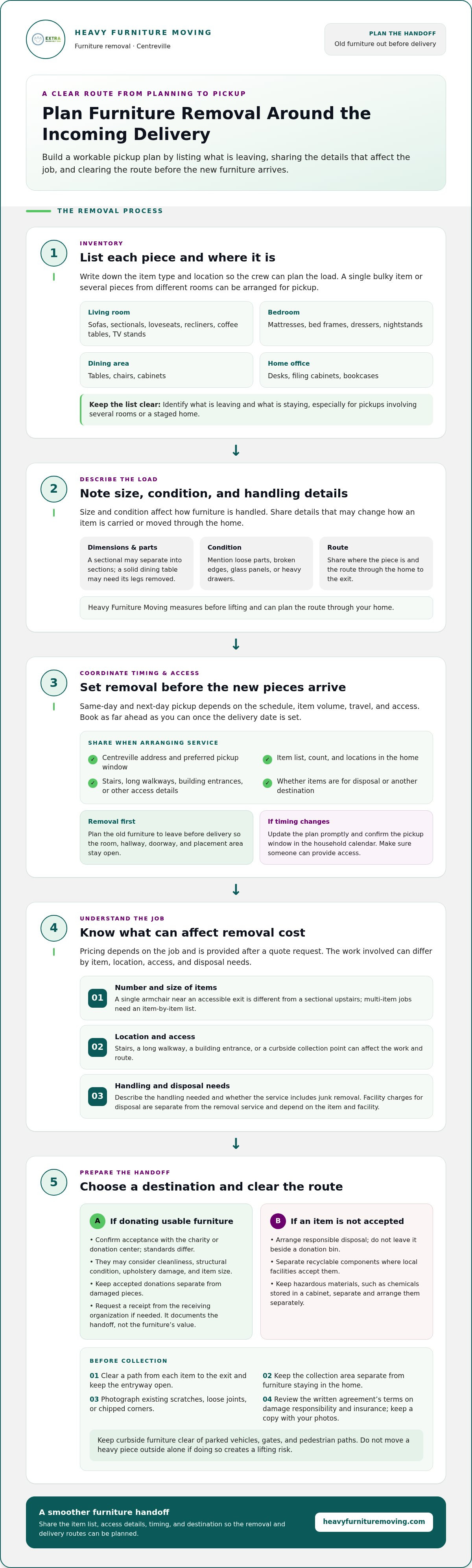
For furniture removal before new furniture arrives in Centreville, Heavy Furniture Moving can move sofas, sectionals, armchairs, dining tables, bed frames, dressers, desks, and bookcases. Arrange help for a single bulky item or several pieces from a room. List each item by type so the crew can plan for the load.
Size and condition affect how furniture is handled. A sectional may separate into sections, while a solid dining table may need its legs removed. Note loose parts, broken edges, glass panels, and heavy drawers when describing the job. Heavy Furniture Moving measures before lifting and can plan the route through your home.
- Living room: sofas, loveseats, recliners, coffee tables, and TV stands.
- Bedroom: mattresses, bed frames, dressers, and nightstands.
- Dining area: tables, chairs, and cabinets.
- Home office: desks, filing cabinets, and bookcases.
These examples help you describe what needs hauling, but they don’t guarantee every item will be accepted. Check each collection service’s item rules, especially for damaged, stained, or incomplete furniture. Separate household furniture from hazardous materials, such as chemicals stored in a cabinet, and arrange those materials separately.
Donation may suit furniture that is still usable, but acceptance standards differ among charities and donation centers. They may consider cleanliness, structural condition, upholstery damage, and whether they can handle the item’s size. A clean sofa with working legs may qualify, while a torn recliner or dresser with missing drawers may not. Confirm acceptance with the receiving organization before arranging a donation.
If a donation center declines an item, arrange responsible disposal rather than leaving it beside a donation bin. Separate recyclable components where local facilities accept them, and direct the remainder to an appropriate disposal facility. Keep accepted donations apart from damaged pieces so they are not mixed into a disposal load.
If you need a donation receipt, request one from the receiving organization when it accepts the furniture. Keep the receipt with a simple item list, such as “wood desk” or “two dining chairs.” A receipt documents the handoff, but does not establish the value of donated furniture.
Before removal, photograph existing scratches, loose joints, or chipped corners. Review the written service agreement for its terms on damage responsibility and insurance. Keep a copy with your photos to document the item’s condition and the agreed process.
To coordinate delivery and removal in Centreville, arrange to move the old furniture before the new pieces arrive and keep the entryway clear. Share the delivery window with everyone involved, then plan the room layout so the incoming sofa or bed has an open route.
Same-day and next-day pickup availability
Same-day and next-day furniture pickup depends on the schedule, item volume, travel, and access. A single chair at an easy curbside spot takes different planning than several large pieces inside a staged home. For Centreville pickups, share the address, item list, preferred window, and access details when arranging service. Those details help shape a workable pickup plan.
Set the removal date as soon as you know the furniture delivery date. Arrange for the old piece to be moved before delivery, leaving time to clear the room and entry path. If delivery timing changes, update the plan promptly. A new sofa arriving before the old one leaves can block a hallway, doorway, or placement area.
Book as far ahead as you can once the delivery date is set. That gives you room to coordinate pickup, building access, and delivery without squeezing both jobs into the same window. If the delivery date is close, provide the exact item list and preferred timing upfront. The schedule depends on the requested window and the work involved.
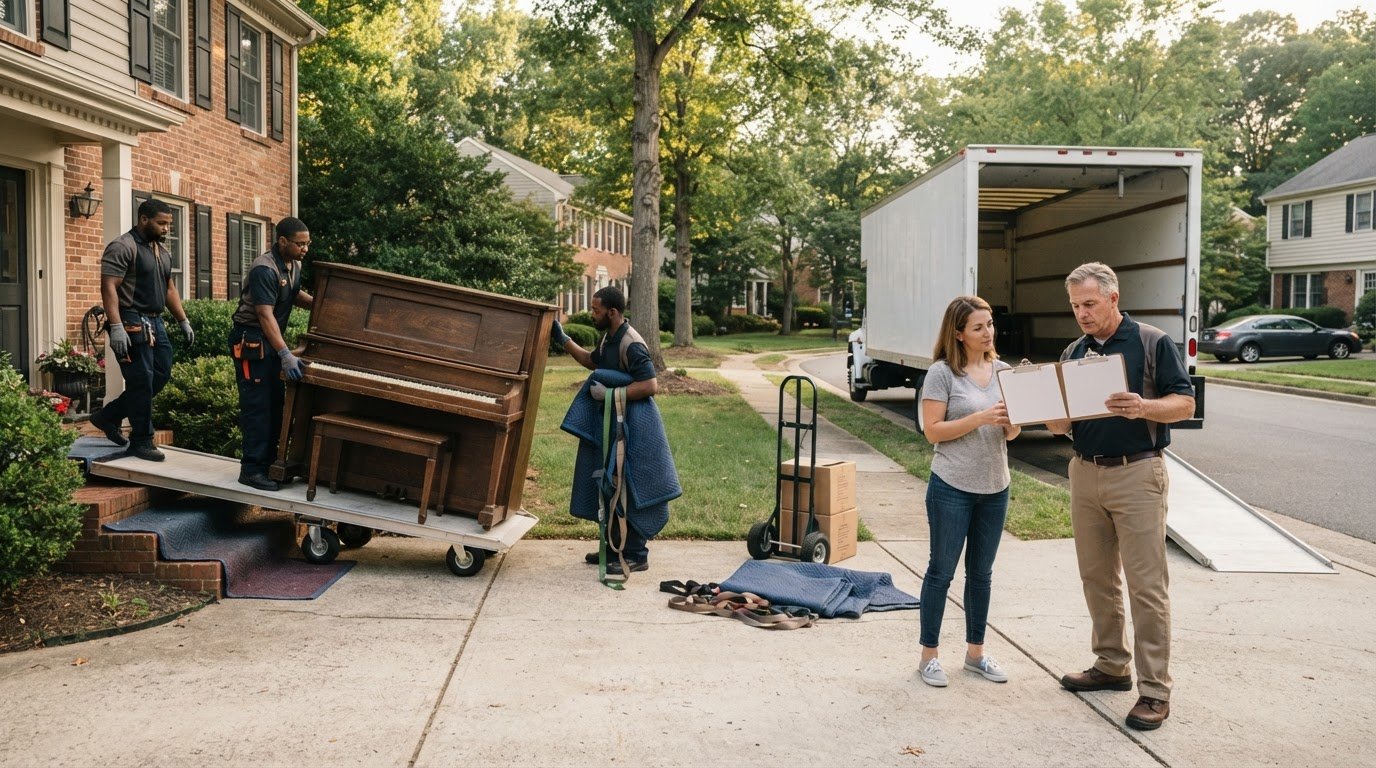
Curbside placement can simplify access when furniture is already at an agreed collection point. Keep it clear of parked vehicles, gates, and pedestrian paths. Tell the crew where the furniture is and whether stairs, a long walkway, or a building entrance affect the route. Don’t move a heavy piece outside alone if doing so creates a lifting risk.
Curbside placement does not remove the need to describe the furniture and collection point accurately. Item count, size, access, handling, and whether the service includes junk removal all shape the work. Send the details when arranging service so the crew can plan the job.
For a single-item move, give a clear description, such as “one sofa from the living room,” plus its location and access route. A staged-home pickup may involve pieces in several rooms, so list each location and identify what is leaving. This avoids confusion between furniture for removal and pieces staying for delivery or staging.
Furniture pickup and disposal also need a clear plan. State whether items are intended for disposal or another destination, and keep the collection area separate from furniture staying in the home. For a delivery on the same day, plan the sequence so removal happens first and the delivery route stays open. Confirm the pickup window in your household calendar and make sure someone can provide access.
Furniture removal cost factors
The work involved depends on the furniture, its location, and the service needed. Moving a single armchair beside an accessible exit differs from shifting a sectional upstairs. For a multi-item job in Centreville, list every piece and where it sits so Heavy Furniture Moving can plan the labor and transport.
If you are arranging disposal, facility charges are separate from the removal service. The amount depends on the item and facility, so consider it separately from the moving or junk removal work.
Access can change the work involved. A dresser in a ground-floor room has a different route from one in an upstairs bedroom with a narrow staircase. Mention elevators, long walks to the vehicle, tight turns, and parking restrictions. If a table needs its legs removed or a sofa needs careful maneuvering, describe that too.
Destination matters as well. Donation centers and recycling facilities may accept usable pieces, while damaged furniture may need responsible disposal. Acceptance rules differ by item condition and material. Identify which pieces are donations and which need disposal, and confirm donation acceptance with the receiving organization. This helps prevent an unwanted item from going to the wrong destination.
Furniture moving usually covers selected pieces, such as a bed frame or sofa. Junk removal can cover mixed household discards, including furniture alongside other unwanted items. Heavy Furniture Moving offers both services; the right choice depends on the items, access, handling, and whether you need transport or removal.
To compare quotes, provide the same details for each estimate: item descriptions, room locations, stairs or elevator access, and intended destination. Add photos that show bulky shapes or difficult routes. Ask whether the estimate includes moving items from inside the home, disassembly, and any disposal or recycling facility charges.
Price depends on the specific job and is provided after a quote request. The main factors include item count and size, access, handling needs, and disposal requirements. A convenient pickup point may reduce carrying work, but it doesn’t remove facility charges when disposal is needed.
Before booking, sort items into three groups: keep, donate, and dispose. Mark each piece clearly, such as “donate” on a usable bookcase and “dispose” on a damaged chair. This helps the crew handle the right furniture and keeps intended donations separate from disposal items.
In-home furniture removal
In-home furniture moving means the crew collects an item from its current room rather than leaving it at the curb. The route may involve doorways, stairs, elevators, and shared building areas. Removing a mattress from an upstairs bedroom, for example, requires a different route from carrying a small side table out of a ground-floor room. Describe each item’s location when arranging the job.
Give the crew a clear room-by-room list. Include each furniture type, approximate size, and any obstacle along the route. A large dresser near a tight hallway turn needs different planning from a dining chair beside the front door. Mention whether the item is assembled, has removable parts, or contains glass. Heavy Furniture Moving measures before lifting and plans the work around these details.
- Clear the route: move shoes, rugs, boxes, and small tables away from the path.
- Open access: unlock the entry door and arrange elevator access if needed.
- Separate items: mark furniture for removal so it isn’t confused with pieces staying.
- Point out concerns: identify loose legs, sharp edges, or existing damage before lifting.
- Keep pets clear: place them away from the room and route during the pickup.
Plan for lifting rather than trying to drag a sofa or mattress through a doorway. Dragging can catch fabric, scrape floors, or damage a frame. If you’re preparing the room, remove cushions and bedding, then set loose parts together. Leave heavy drawers in place unless the pickup instructions call for removing them. Don’t lift a bulky item alone if you can’t control its movement.
Donation and disposal are separate decisions. Charities set their own rules for accepting mattresses, upholstered chairs, and other household pieces. A stained or damaged mattress may not meet one charity’s standards, while another organization may set different conditions. Contact the receiving organization about the specific item before setting it aside for donation.
For a smooth pickup, group accepted donations away from furniture intended for disposal. Label a clean bookcase “donation” and a broken chair “disposal,” then show the labels to the crew. This helps prevent mix-ups during removal. Keep any receipt from the receiving charity with your household records.
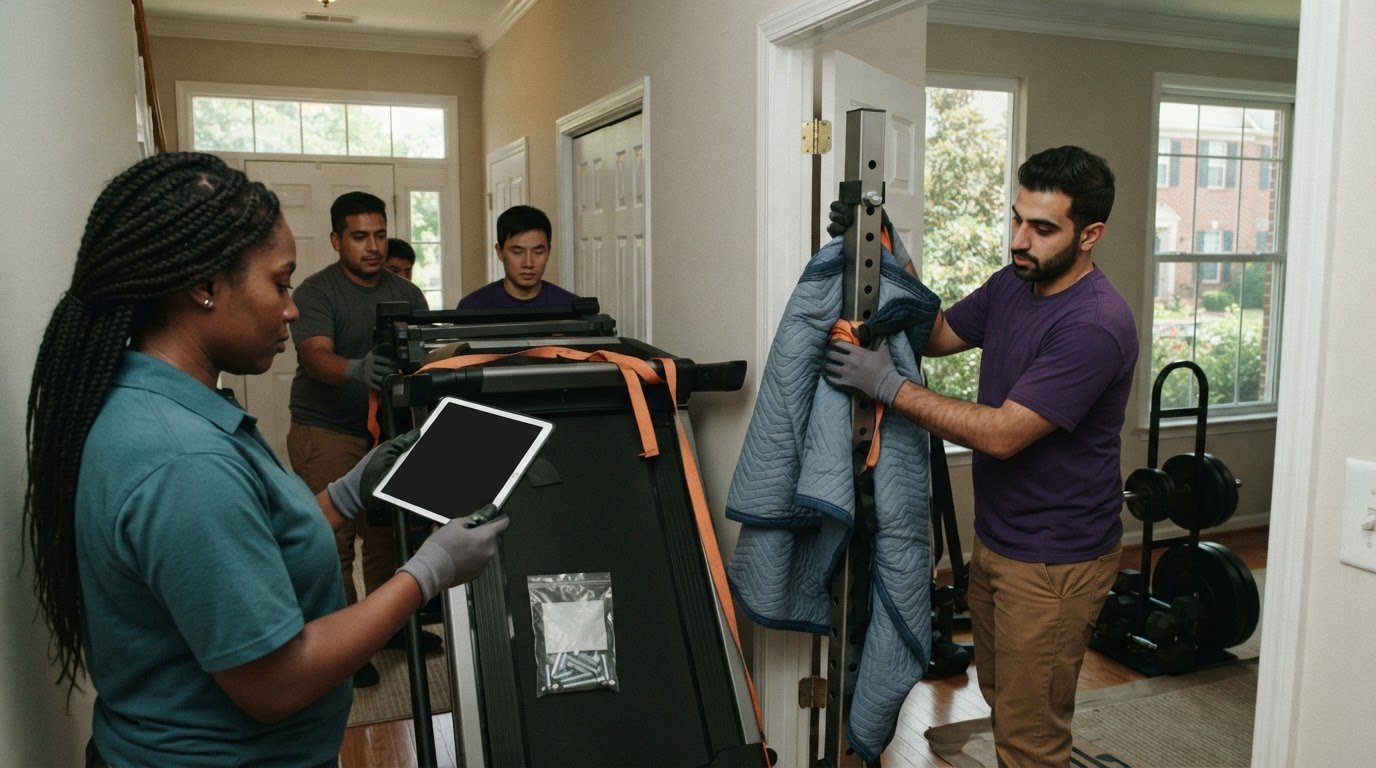
In-home moving can also help with a heavy desk, exercise equipment, or furniture that is difficult to take to the curb. Share the room, floor, stairs, and doorway details when describing the job. Before delivery, clear the intended placement area. Planning the route from the old item’s room to the exit helps prevent removal and delivery from competing for space.
Preparing furniture for collection
Start with a clear inventory. List every item for removal, its room, and its condition, and mark it “keep,” “donate,” or “dispose.” For example, label a bedroom dresser for removal while marking the bedside table to stay. This prevents mix-ups when furniture is moved before delivery.
Prepare each item without taking on risky lifting. Remove loose cushions, bedding, and objects from drawers. Keep screws or detachable legs together in a labeled bag, then secure it to the furniture. Don’t dismantle a piece unless you can do so safely and the pickup plan calls for it.
- Protect surfaces: clear rugs and small objects from the route.
- Secure loose parts: gather removable legs, shelves, and hardware.
- Mark each piece: use clear labels for items leaving or staying.
- Share access details: note stairs, tight turns, and entry doors.
- Separate other items: list appliances apart from furniture.
Protect floors and walls by clearing the path from the furniture to the exit. Move lamps, framed pictures, and decorative items away from narrow hallways. If a sofa must pass through a tight turn, measure the route and mention it before the move. Keep children and pets away from the work area during lifting.
Sort furniture by destination before pickup. Keep pieces you plan to donate separate from items headed for disposal. Charities may have different acceptance rules, so confirm that a specific mattress, chair, or table qualifies before labeling it for donation. Keep accepted pieces clean and accessible for the receiving organization.
For furniture disposal, ask where unwanted items will go and whether recycling is part of the plan. Items that cannot be reused or recycled may go to a landfill, but disposal routes depend on the item and service. Keep paint, cleaners, and other household chemicals out of furniture drawers and list them separately.
Describe the job clearly when requesting an estimate. Include the item count, furniture types, room locations, stairs, and any disassembly needs. The upfront price depends on the case and is given after a quote request. Clear details help explain the work and any charge tied to the items or access.
If lifting a heavy dresser or sofa is the main obstacle, arrange in-home furniture moving help to prepare the room for delivery. Share the route and item details, then keep the incoming furniture’s placement area open.
Heavy Furniture Moving: Movers Near Me
Heavy Furniture Moving helps Centreville residents move bulky pieces when delivery plans leave little room for error. Its in-home furniture moving service helps with items that are difficult to shift through a doorway or down stairs. Exercise Equipment Moving can help clear a room before new furniture arrives, while Sofa Hoisting helps move sofas that cannot pass through a home’s usual access route.
Share the item, its location, and any tight turns or stairs when arranging the move. This gives the team practical details to plan the work. For furniture removal before delivery, arrange to move the old piece before the incoming furniture needs the same space.
Contact Heavy Furniture Moving to discuss the furniture you need moved.
Make room for what comes next
A new piece of furniture can change how a room works. Before delivery, decide where it belongs and how you want to use the space. That gives you a clear goal for the transition, not just an empty spot where an old item used to sit. A plan for furniture removal before new furniture arrives in Centreville can help you make the change with purpose.
If a bulky item is difficult to move, Heavy Furniture Moving offers in-home furniture moving, Exercise Equipment Moving, and Sofa Hoisting. These services help when a heavy piece needs to be shifted or a sofa cannot pass through its usual route. Choose the service that fits the task, and keep the intended placement area ready for delivery. Wrap, blankets, and straps are included on every job.
Ready to plan the move? Contact Heavy Furniture Moving to discuss the furniture you need handled. Take the next step toward a clear space and a smoother start with your new furniture.
Frequently Asked Questions
What furniture removal and disposal services are available in Centreville, Virginia?
Yes. For furniture removal before new furniture arrives in Centreville, Heavy Furniture Moving offers junk removal for bulky pieces such as sofas, beds, and dressers. Ask about the specific items when arranging the job. The crew measures before lifting, and wrap, blankets, and straps are included. Service coverage includes Fairfax, Woodbridge, Manassas, Manassas Park, Aldie, Ashburn, Mclean, Vienna, Reston, Centreville, Chantilly, Clifton, Dumfries, South Riding, Fairfax Station, Haymarket, and Gainesville.
How much does furniture removal cost in Centreville, VA?
Furniture removal pricing in Centreville depends on whether you need hourly labor or a flat rate for a single heavy item. Heavy Furniture Moving has a 2-hour minimum for hourly labor, while most single heavy items receive an upfront flat-rate quote. Share a photo of the furniture and access route, including any stairs or landings, so the team can assess the job and quote before arrival. Wrap, blankets, and straps are included.
Frequently Asked Questions
Yes. For furniture removal before new furniture arrives in Centreville, Heavy Furniture Moving offers junk removal for bulky pieces such as sofas, beds, and dressers. Ask about the specific items when arranging the job. The crew measures before lifting, and wrap, blankets, and straps are included. Service coverage includes Fairfax, Woodbridge, Manassas, Manassas Park, Aldie, Ashburn, Mclean, Vienna, Reston, Centreville, Chantilly, Clifton, Dumfries, South Riding, Fairfax Station, Haymarket, and Gainesville.
Furniture removal pricing in Centreville depends on whether you need hourly labor or a flat rate for a single heavy item. Heavy Furniture Moving has a 2-hour minimum for hourly labor, while most single heavy items receive an upfront flat-rate quote. Share a photo of the furniture and access route, including any stairs or landings, so the team can assess the job and quote before arrival. Wrap, blankets, and straps are included.