2 Spots for a Heavy Antique Church Pew in a Historic Home
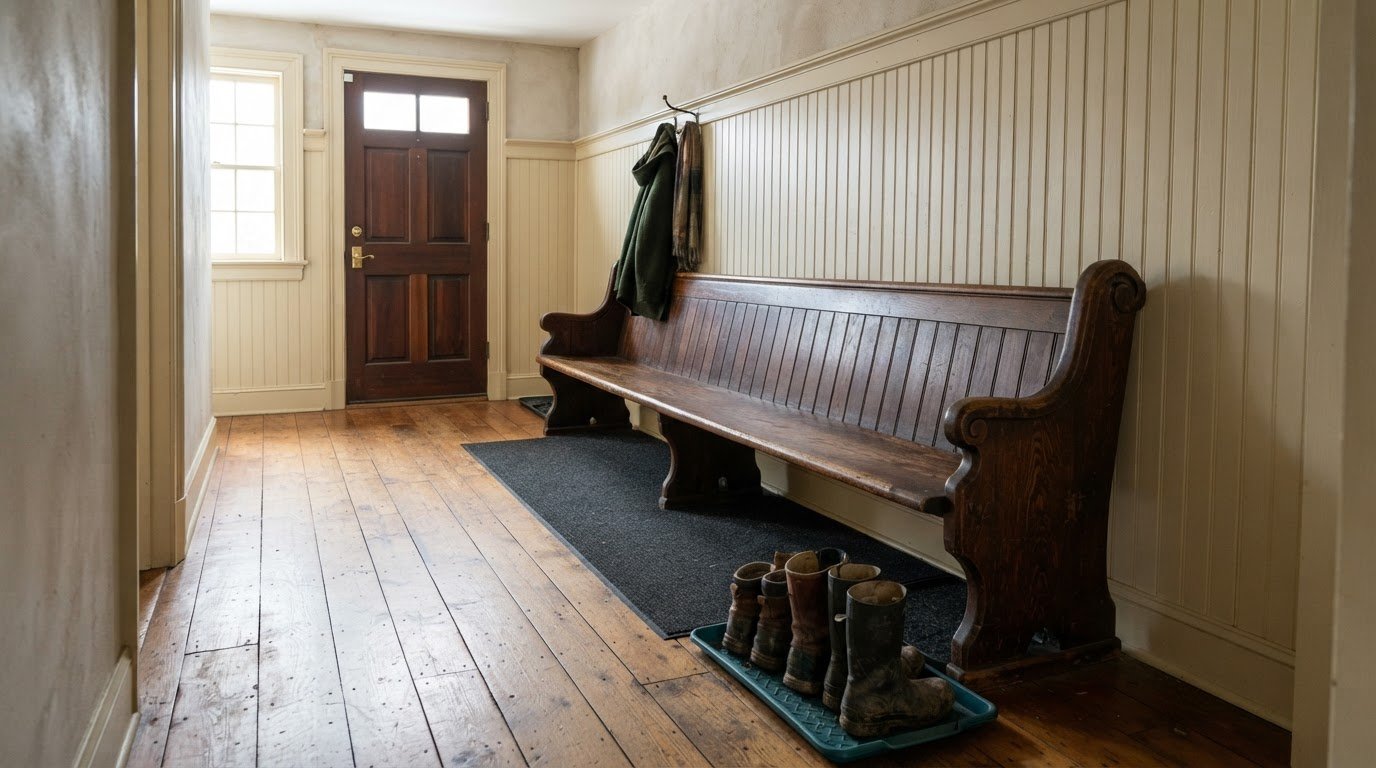
A heavy antique church pew can suit a loft or mudroom in a historic Fairfax home. When moving a heavy antique church pew into a historic home in Fairfax, first compare the pew’s dimensions with the room, then check that the full route inside has enough clearance.
A pew can bring character to an older home, but its size makes placement important. A loft gives it room to stand out; a mudroom can provide useful seating. Either space needs enough clearance to keep the pew from crowding walkways or overwhelming the room.
Use this guide to assess whether a loft can balance the pew’s scale and whether a mudroom can accommodate it without blocking the entry. You’ll also find practical advice for planning the move through a historic home, where protecting the building matters as much as choosing the right spot.
Key Takeaways
- Compare the pew’s dimensions with your loft or mudroom so it fits the room without crowding the route through the home.
- Protect exposed wood and vulnerable fittings with padding, and plan how the pew will be supported while it moves.
- Photograph the pew and label its parts before disassembly to make reassembly more straightforward.
- Plan the approach, doorway clearance, and parking logistics before moving day to reduce avoidable delays and tight maneuvers.
- Use suitable floor and wall protection, especially where the pew must pass close to historic trim or finished wood.
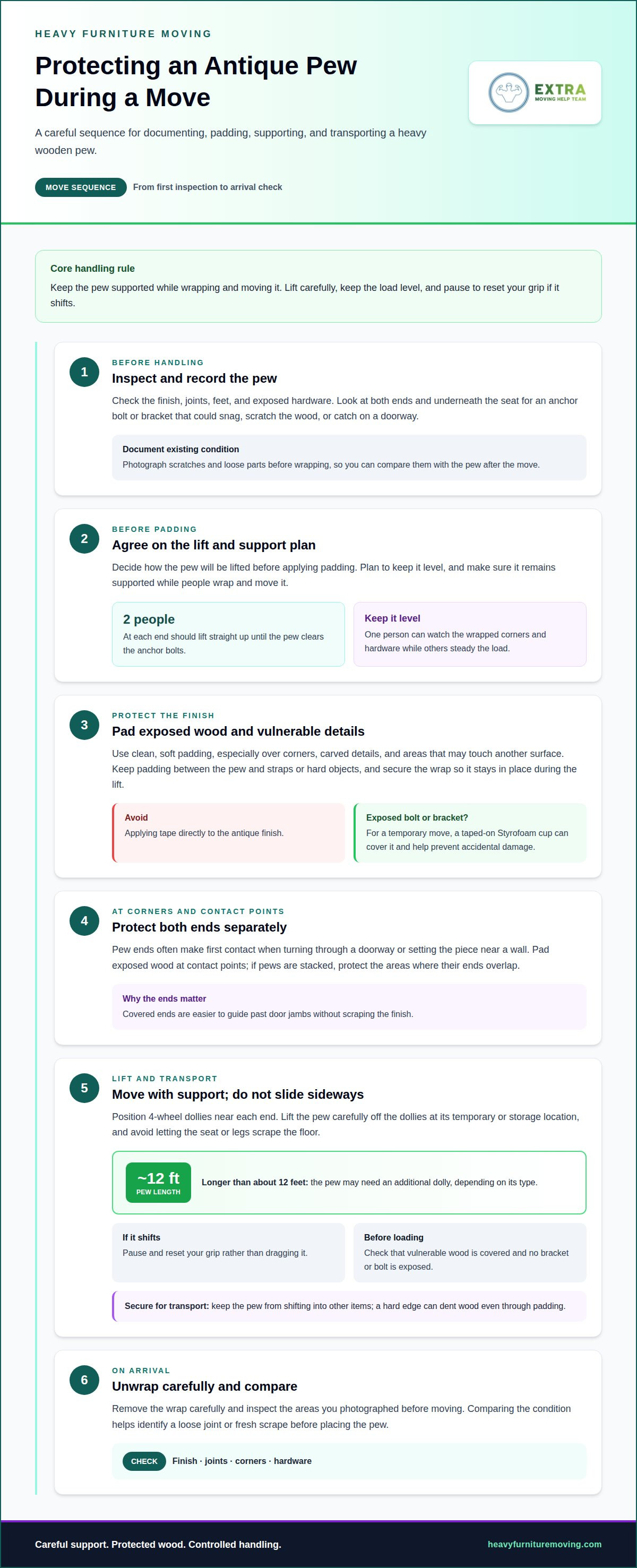
3. How should an antique wooden pew be wrapped and protected during transport?
Inspect the pew’s finish, joints, feet, and exposed hardware. Photograph existing scratches and loose parts before wrapping so you can distinguish old wear from new damage. Check both ends and underneath the seat. An anchor bolt or metal bracket can snag a blanket, scratch the wood, or catch on a doorway.
Cover exposed wood with clean, soft padding, especially at corners, carved details, and areas that may touch another surface. Keep padding between the pew and any straps or hard objects. Secure the wrap so it stays put during the lift, but don’t apply tape directly to antique finish. For a temporary move, a taped-on Styrofoam cup can cover an exposed anchor bolt or bracket and help prevent accidental damage.
Protect each end separately. Ends often make first contact when the pew turns through a doorway or is set near a wall. If you need to stack pews, their ends may overlap; pad exposed wood at the contact points so bare edges don’t rub together. Covered ends are easier to guide past door jambs without scraping the finish.
Keep the pew supported while wrapping and moving it. Position 4-wheel dollies near each end, and avoid letting the seat or legs scrape the floor. Pews longer than about 12 feet may need an additional dolly, depending on the pew type. Lift the pew carefully off the dollies once it reaches its temporary or storage location. Don’t slide it sideways; that movement may crack a support or loosen an end.
Agree on the lift before applying the padding. Two people at each end should lift the pew straight up until it clears the anchor bolts. One person can watch the wrapped corners and hardware while the others keep the load level. If the pew shifts, pause and reset your grip rather than dragging it. A controlled lift helps protect the finish and joints.
Before loading, check that the wrap still covers vulnerable wood and that no bracket or bolt is exposed. Secure the pew so it cannot shift into other items during transport; a hard edge can dent the wood even through padding. On arrival, remove the wrap carefully and inspect the areas you photographed. Comparing them helps identify a loose joint or fresh scrape before placing the pew.
Disassembling and Reassembling Church Pews Safely
A church pew may be disassembled for moving if its construction allows, but don’t assume every joint should come apart. Inspect the seat, back, legs, brackets, and visible fasteners. Look for loose joints, repairs, or brittle wood that could be stressed when turning a screw. If a part resists, stop rather than forcing it and risking damage.
Before removing parts, draw a seating plan or get one from the pew installer. Photograph the pew clearly from the front, back, underneath, and both ends. Record bracket positions and the order of connected pieces. These references help restore the original layout, particularly when several pews look alike or parts are set aside during the move.
Label each pew’s original location on the underside of its seat. Use a removable label that won’t mark the visible finish, and give matching components the same identifier. Keep each pew’s fasteners together in a labeled container. This helps prevent brackets and screws from getting mixed between sections.
Remove only the parts needed to make the route safer and easier to manage. Keep the pew supported while you work, and set removed pieces on a padded surface. Don’t pry against finished wood or use a bracket as a handle. If a fastener sticks or the wood shifts, pause and reassess the joint before continuing.
During reassembly, use your photos and seating plan to restore the original order and orientation. L-brackets can be reused if they’re in good condition, and original anchor holes can usually be reused. Before tightening, check that each bracket sits flush and each connection lines up. A crooked fit can strain old wood or leave the pew unstable.
Some moves require new anchor holes and hardware, particularly if hidden anchor bolts were cut during carpet installation or floor refinishing. Have a professional installer handle re-anchoring. If the pew sits on carpet, punching new anchor holes through the carpet before drilling into the floor helps prevent the carpet yarn from unraveling. Don’t improvise with old holes that no longer line up.
Once assembled, inspect the seat, legs, brackets, and anchor points before anyone uses the pew. Confirm that the parts match the photos and that the pew doesn’t shift under light pressure. For a complex route or a pew with delicate joints, plan the heavy lift carefully before beginning disassembly. A clear record and an orderly reassembly protect the piece’s structure and help it settle properly in its new place.
5. What permits or parking rules apply to moving a large item in Fairfax, Virginia?
For a pew move in Fairfax, start by identifying where the moving vehicle will stop and whether the plan uses public space. Loading from a private driveway differs from reserving curb space or placing equipment on a sidewalk. Note the exact street address and which local jurisdiction manages it. Fairfax-area addresses may fall under different local authorities.
Sketch the truck’s planned position on a map. Mark the driveway, curb, sidewalk, front entrance, and route from the vehicle to the home. If the pew won’t fit through the entry, moving it may require extra space outside. Note whether that space would use a public street, sidewalk, or neighboring property. This helps clarify which parking or right-of-way rules may apply.
If the plan requires curb space, ask the relevant local parking or permitting office what authorization applies to that location and loading setup. Describe the vehicle, the space needed, and the purpose of the stop. Don’t assume hazard lights or a brief loading period reserve a public curb. Get the applicable instructions before setting the move date.
Plan around the actual loading conditions. Stopping in a private driveway may avoid a curb-space request, while a narrow street or blocked sidewalk can change the setup. Don’t leave the pew, dolly, or padding where it obstructs pedestrian access. Choose a loading position that keeps the entry path clear and allows safe handling.
Parking restrictions can affect both timing and access. Read the signs at the intended stopping point, and note street cleaning, temporary restrictions, loading zones, or permit-only spaces. A sign applies to its specific curb segment, so a legal space farther down the block may not provide access to the home. Include an alternate stopping point in your plan.
Access to a historic home adds another consideration. A truck may need to stop farther from the entrance if the driveway is narrow, the approach is steep, or curbside space is restricted. Measure the route from the stopping point to the door, including gates and turns. This shows whether the parking choice means a longer carry or a tighter indoor maneuver.
Keep written parking instructions with the move plan and share them with everyone involved. Record the approved location, permitted setup, and any time limits provided by the local authority. If you change from driveway loading to curbside staging, reassess the requirements for that location before moving the pew. A clear plan helps prevent the truck, crew, and antique from arriving at an unusable loading spot.
Moving Challenges in Historic Fairfax Homes
Moving a heavy antique church pew into a historic home in Fairfax starts with measuring the entire route, not just the front door. Check the doorway, hallway, stair landing, and every turn. Compare those measurements with the pew’s longest and widest points. Account for door handles, radiators, and built-in trim that reduce usable clearance.
Doorways can be narrower than they appear, particularly in older homes with deep molding. Open the door fully and measure between the closest fixed surfaces, not just across the door slab. Check whether the hinges allow it to swing farther or whether removing the door would provide needed clearance. A tight turn may be a bigger obstacle than the doorway itself.
Stairs add another constraint. Measure the stair width, ceiling height above each step, and landing space for turning the pew. A low ceiling may prevent an upright carry, while a short landing can limit the turn. Trace the route carefully, noting railings, newel posts, and walls that could catch the ends.
Historic floors need careful planning, too. Look for loose boards, uneven thresholds, soft spots, and transitions between wood and tile. A dolly concentrates pressure on small contact points, so map the route and avoid damaged or uneven sections. Don’t drag the pew across a threshold; lift it enough to clear the edge.
Trim and plaster are vulnerable around tight corners. Door casings, chair rails, and projecting window ledges may fall directly in the pew’s turning path. Mark those pinch points before moving, then choose a carrying angle that keeps the pew clear of the wall. A spotter can monitor clearance while the lifters focus on control.
Consider the room layout beyond the entrance. A loft may have a narrow stair or hatch; a mudroom may have hooks, benches, and coats crowding the approach. Clear movable items first and decide where the pew will go. This avoids carrying a heavy piece through a tight room only to find it can’t turn into its intended position.
Plan the route from the vehicle to the pew’s final position. Include the front walk, porch steps, entry, interior turns, and changes in floor level. For example, a side door may bypass a narrow front hall, but only if the outdoor path and doorway offer better clearance. Compare both routes before moving.
Before moving a heavy antique church pew into a historic Fairfax home, make a cardboard outline of its footprint and test it around tight turns. This helps reveal pinch points without moving the antique. If a doorway, stair, or landing prevents safe passage, reconsider the route or placement before lifting.
5. How can you protect historic wood floors, trim, and walls when moving a heavy pew
Clear the planned route, including rugs, loose mats, and small furniture. Sweep away grit, since a pebble trapped beneath a moving pad can scratch finished boards. Check the route again after laying protective materials. A clean path also helps keep dirt from getting trapped under floor coverings as the pew passes.
Cover floorboards with sturdy protective panels or moving blankets designed for floors. Lay them flat and join the edges so a dolly wheel or pew leg cannot catch a raised seam. Avoid thin, loose fabric that bunches underfoot. At a wood-to-tile threshold, secure the transition so the covering stays level as the load crosses.
Protect the floor from concentrated pressure beneath the pew’s legs and dolly wheels. Place broad, stable pads under contact points and keep them centered as the pew moves. Don’t drag the furniture or a loaded dolly across the boards. If a pad shifts, stop and reset it before continuing rather than pulling it under the weight.
Protect door trim and wall corners separately. Fit padded corner guards over exposed casing, then cover nearby wall sections where the pew must turn. Keep padding in place without sticking adhesive to painted or aged wood. In a narrow passage, have a spotter watch the end of the pew and call out before it reaches a casing or plaster corner.
Agree on a clear hand signal before each turn or threshold. The person guiding the front can pause the lift if a blanket folds, a wheel catches, or a corner nears the wall. Don’t lean the pew against trim for support. Its weight can press padding into delicate paint or mark older plaster.
Inspect the protection throughout the move, not just before it begins. Check floor coverings at doorways and landings, where seams can shift under foot traffic. Make sure blankets are dry and free of debris before placing them on finished wood. Dampness or grit can transfer moisture or scratches to the boards below.
After placement, lift the pew clear of its supports before removing floor coverings. Gather panels and blankets without dragging them across the finish, then inspect the route for scuffs or displaced trim guards. If the piece is too heavy to maneuver while protecting these surfaces, arrange heavy lifting help for the move.
One church pew was missing its third center leg, which had been replaced with scrap wood. When converting pews into swings, consider structural integrity, size, and overall condition. Old church pew wood can also be reused to make tables or storage chests. Warn people that unanchored pews used for temporary seating can tip backward if someone sits or stands carelessly.
Heavy Furniture Moving: Movers Near Me
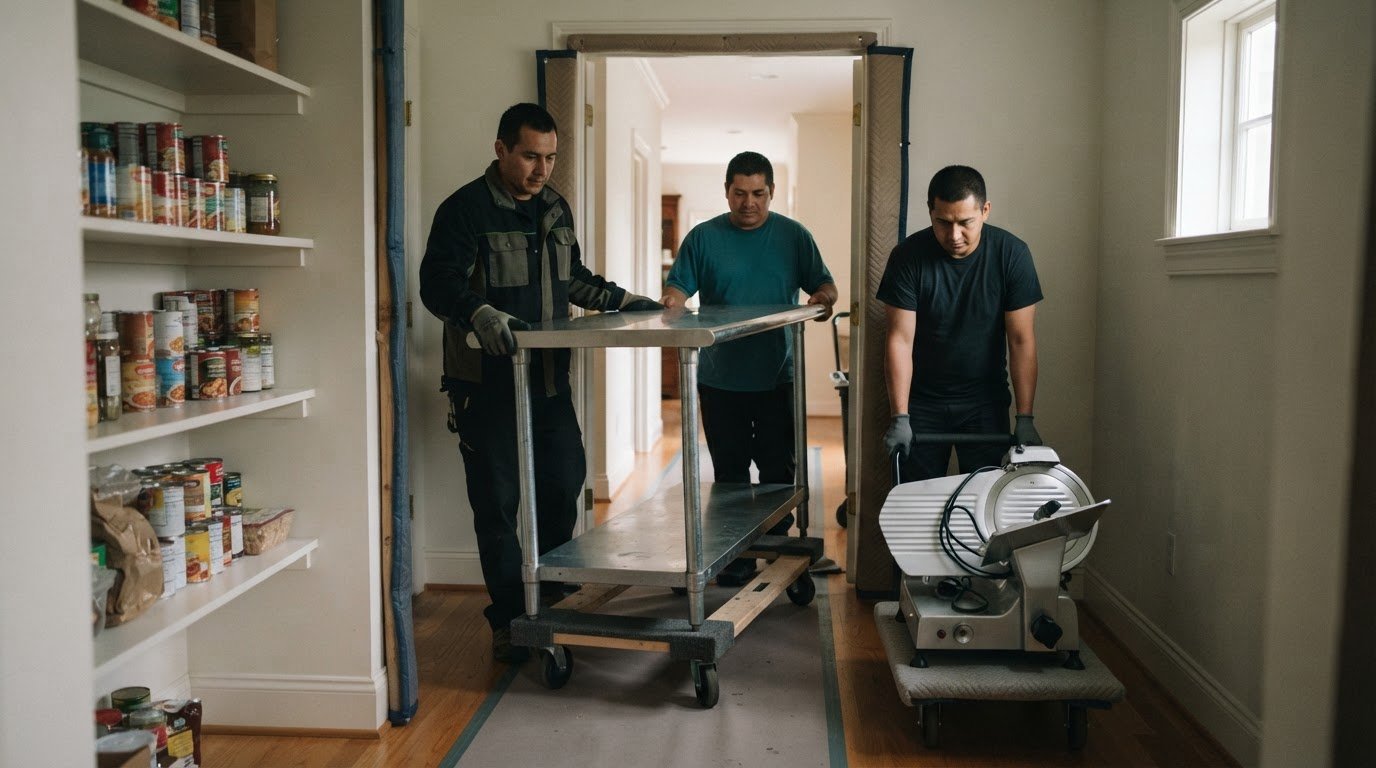
Heavy Furniture Moving helps with heavy lifting when an antique pew needs careful handling through a tight entry or historic home. Its moving help is useful for bulky items that are difficult to maneuver alone, especially on routes with narrow turns or stairs.
Share the pew’s dimensions, starting point, intended room, and any tight spots along the route. These details help shape a practical moving plan. If you’re handling the rest of the move yourself, labor-only moving help can provide lifting support without turning the pew into part of a full-house move.
For help moving your pew, contact Heavy Furniture Moving or visit heavyfurnituremoving.com.
Choose the Spot, Then Plan the Move
Decide how the pew will serve the home before moving day. A loft can make it a focal point, while a mudroom can give it a practical role near the entry. Picture it in both spaces, then choose the placement that leaves the room comfortable to use. A clear destination makes planning the move easier.
Moving a heavy antique church pew into a historic home in Fairfax also means deciding which parts of the move you’ll handle yourself. If lifting or navigating the route is the hardest part, Heavy Furniture Moving offers Movers Near Me for heavy items. The right support can help you focus on protecting the pew and settling it into its new place.
Make your placement choice, prepare the route, and take the next step at your pace. Contact Heavy Furniture Moving for help with your pew move. Give this piece a place where its history can become part of your home.
Frequently Asked Questions
How much does it cost to move a heavy antique church pew in Fairfax, Virginia?
The cost depends on the details, so there isn’t one price for every pew move. The pew’s size, travel distance, stairs, doorway access, and amount of lifting all affect the work. A short move from a ground-floor room, for instance, differs from carrying a long pew up stairs. Share those details when requesting a quote to get pricing for your move.
What Fairfax-area movers specialize in antique furniture and oversized items?
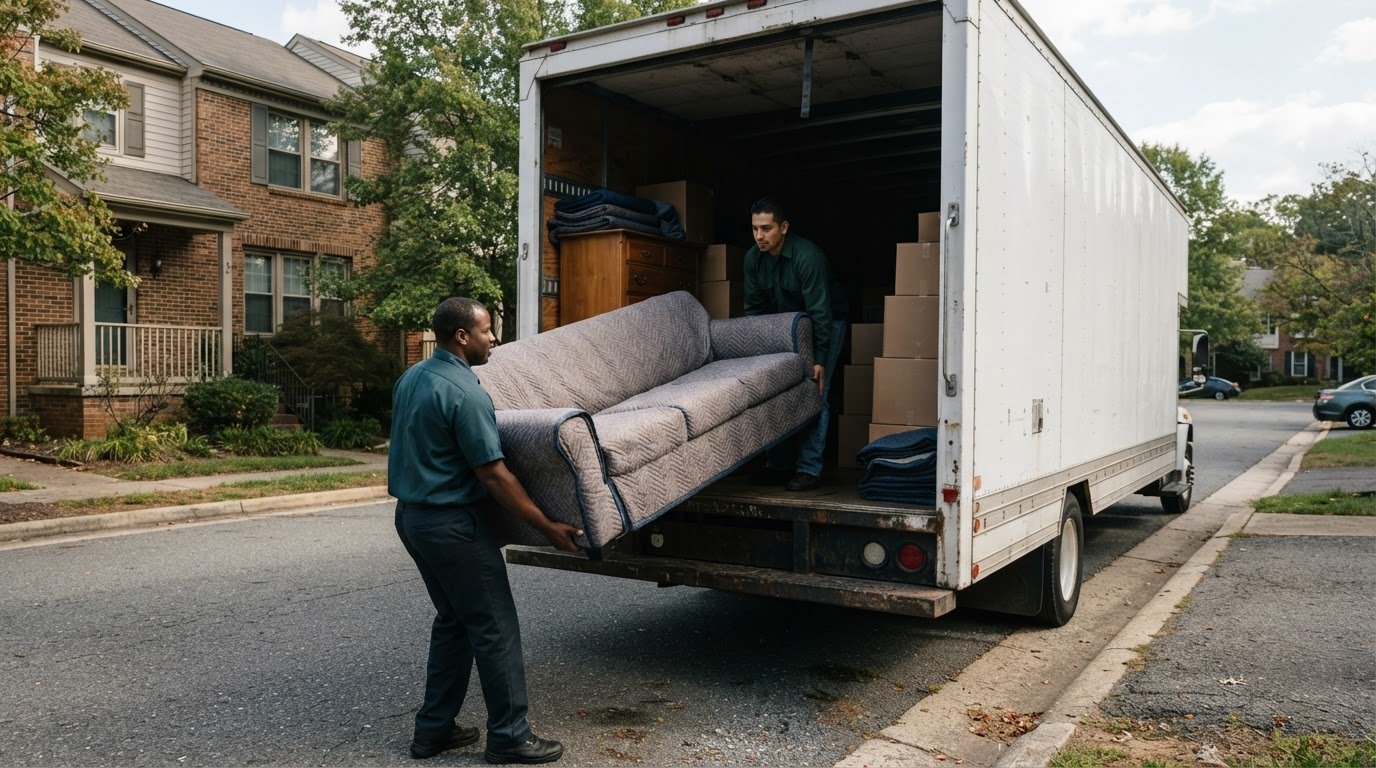
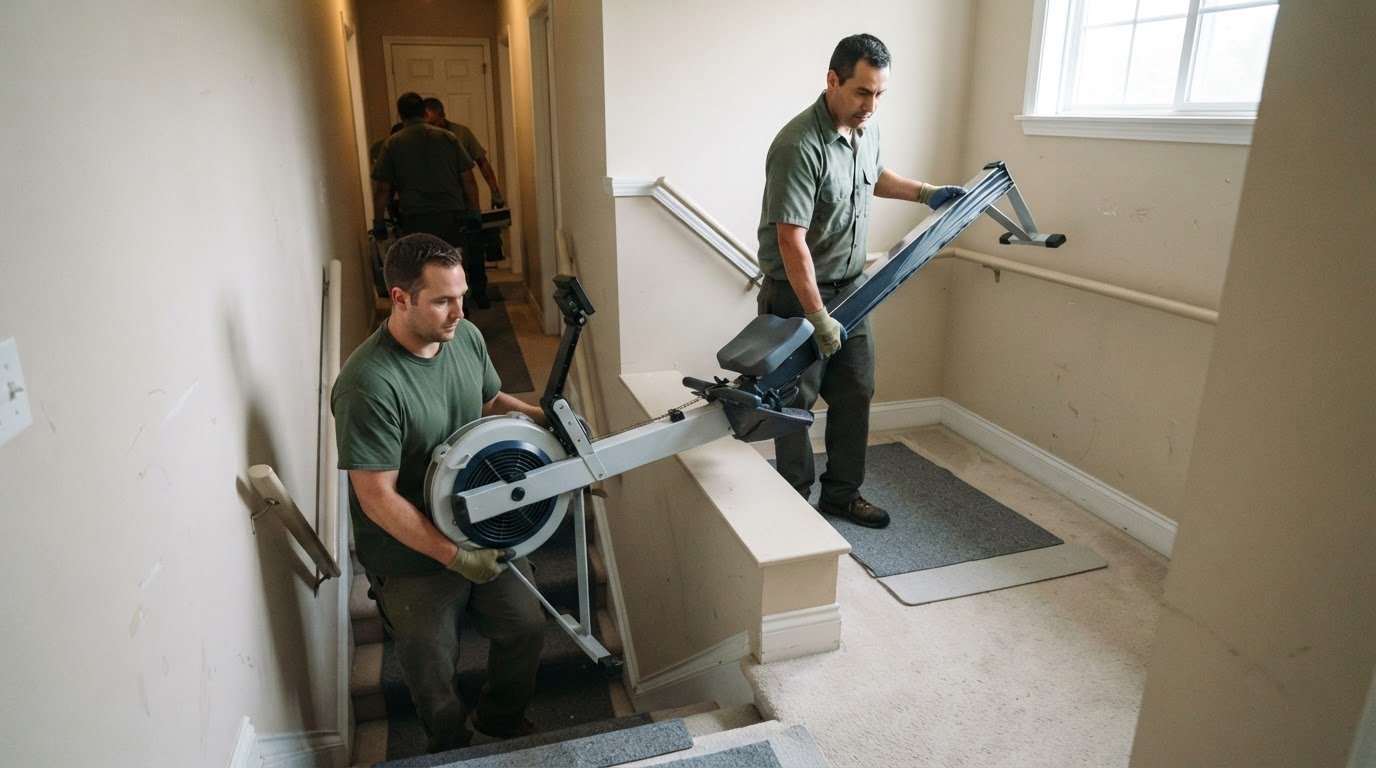
Heavy Furniture Moving handles heavy and bulky household items in Fairfax and provides help with challenging lifts. Services include Movers Near Me, Exercise Equipment Moving, and Sofa Hoisting. For a church pew, describe its dimensions, route, stairs, and intended placement. These details explain the access and lifting challenges without assuming every antique pew has the same construction or handling needs.
Is it safer or cheaper to hire professional movers or move a church pew yourself?
Professional help can be the practical choice when a pew is hard to grip, awkward to turn, or must pass through stairs and narrow openings. A do-it-yourself move may avoid hiring labor, but you’ll need suitable equipment, enough capable helpers, and a clear route. Include transport and protective materials in your plan. For a straightforward ground-floor move, doing it yourself may be manageable; complex access calls for experienced lifting help.
Frequently Asked Questions
The cost depends on the details, so there isn’t one price for every pew move. The pew’s size, travel distance, stairs, doorway access, and amount of lifting all affect the work. A short move from a ground-floor room, for instance, differs from carrying a long pew up stairs. Share those details when requesting a quote to get pricing for your move.
Heavy Furniture Moving handles heavy and bulky household items in Fairfax and provides help with challenging lifts. Services include Movers Near Me, Exercise Equipment Moving, and Sofa Hoisting. For a church pew, describe its dimensions, route, stairs, and intended placement. These details explain the access and lifting challenges without assuming every antique pew has the same construction or handling needs.
Professional help can be the practical choice when a pew is hard to grip, awkward to turn, or must pass through stairs and narrow openings. A do-it-yourself move may avoid hiring labor, but you’ll need suitable equipment, enough capable helpers, and a clear route. Include transport and protective materials in your plan. For a straightforward ground-floor move, doing it yourself may be manageable; complex access calls for experienced lifting help.