Top Fairfax VA Moving Company: Stress-Free Moves
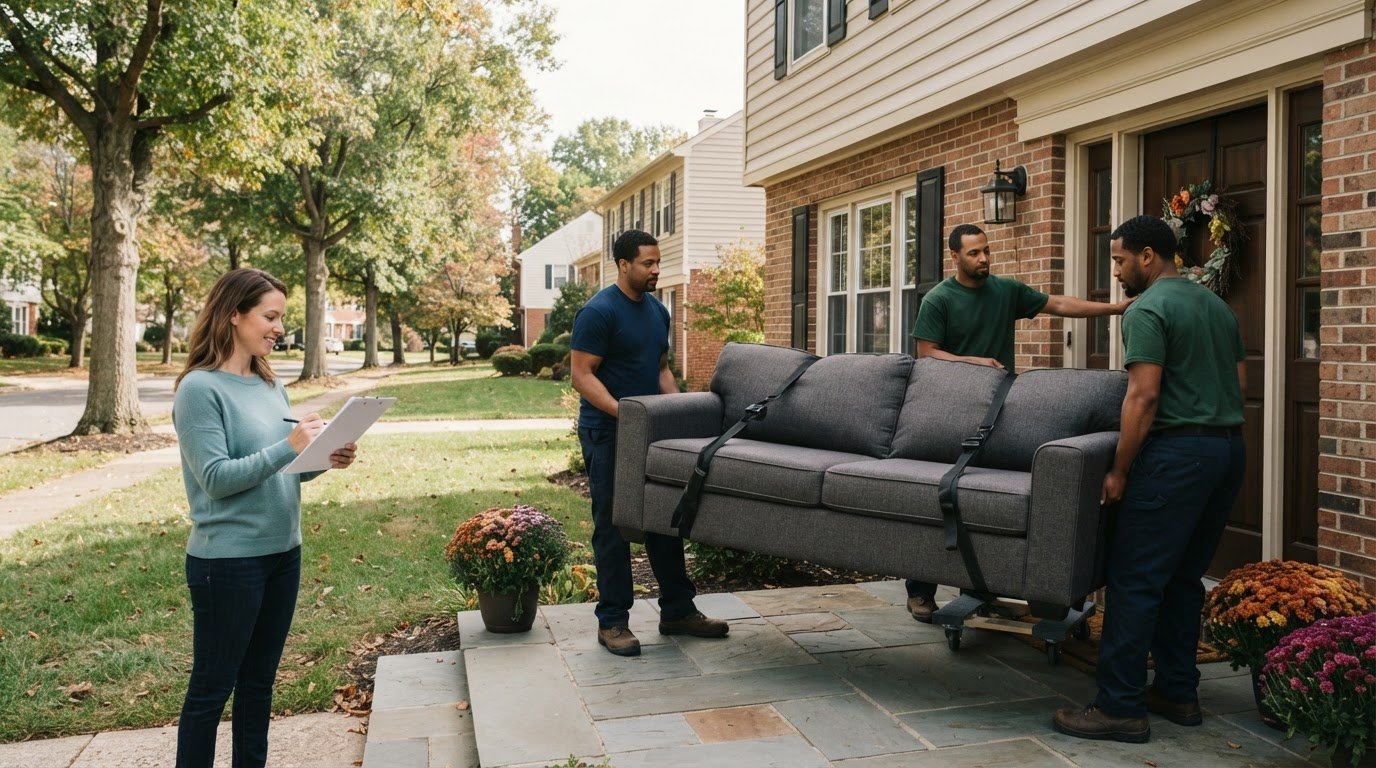
The cost of a move in Fairfax depends on distance, how much you’re moving, the type of furniture, and access at both homes. Stairs, elevators, and a long carry from the truck to the entrance can add to the total. A fairfax VA moving company should explain how those details shape the estimate, so you can compare services on more than the bottom-line figure.
It’s natural to want a clear price before committing, especially when deciding between moving a few bulky pieces and relocating a whole home. This guide explains what affects moving costs, what to look for in an estimate, and how to match the service to the work you need.
You’ll also learn how to prepare for a furniture-only move or a full household move, and what information to share when requesting an estimate. Clear details up front help you plan your Fairfax move with less guesswork.
Key Takeaways
- Look for consistent patterns in customer reviews, especially comments about communication, care, and follow-through.
- Compare move estimates by the work included, distance, item volume, and access at each home, not just the total.
- For a furniture-only move, note each item’s size, weight, and any tight turns or stairways that could affect handling.
- Share clear details about your move so estimates reflect the actual items, access conditions, and help you need.
- Match the service to the job, from help with heavy furniture or exercise equipment to support with a full move.
Customer reviews of Fairfax movers
Use customer reviews to assess the moving experience, not just the overall rating. Look for specifics about communication, careful handling, timing, and how crews responded when plans changed. A review describing a sofa carried through a narrow entry tells you more about that job than a general comment that the movers were great.
Fairfax has around 24,000 people and sits 17 miles west of Washington, D.C. That local setting can mean different needs across relocations, from apartment access to moving belongings between nearby homes. Read reviews for a job similar to yours, such as furniture-only help, a full household move, or an interstate relocation. Match the reviewer’s situation to your own before treating their experience as a useful comparison.
Look for concrete details across several reviews. Notice whether customers describe consistent strengths or recurring problems. Use this quick checklist:
- Communication: Look for examples of clear arrival updates, answers about the move plan, and prompt notice when details change.
- Care: Find descriptions of wrapped furniture, protected floors, or belongings placed in the correct rooms.
- Problem-solving: Check for examples involving stairs, tight corners, or bulky items that needed careful handling.
- Follow-through: See whether the crew completed the agreed work and handled questions respectfully.
- Specificity: Give more weight to firsthand details than to short praise without a clear example.
Named employee scores can add context, but they aren’t a substitute for details about the move. Fairfax employee Luis A. received a customer service score of 5. Seyber, the Fairfax location’s Employee of the Month, had a 5.0 customer service score and a 100% referral rate. Treat those figures as individual indicators, then read customer accounts to understand the work described and whether it resembles your needs.
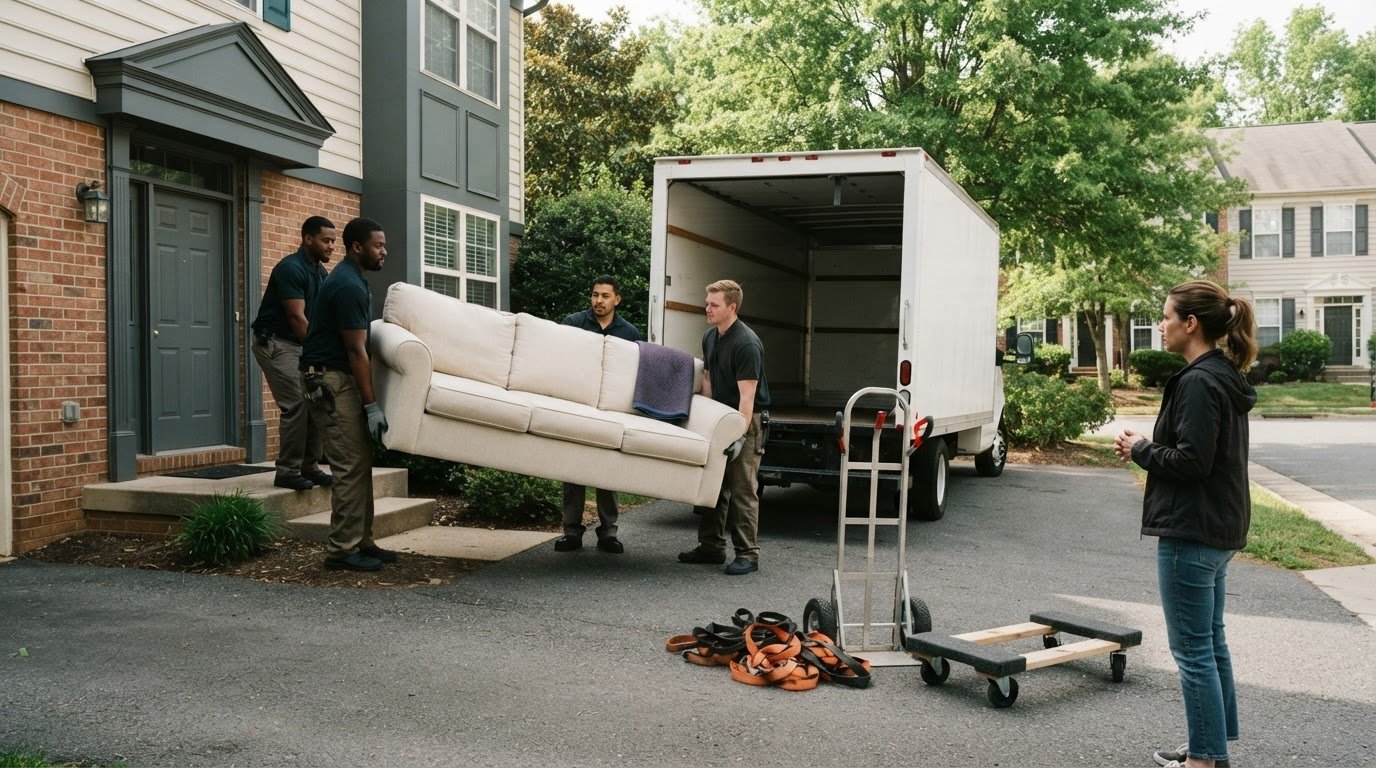
For moving trucks and parking in Fairfax, consider the exact address and loading location. Check posted restrictions and determine whether the truck will use a public street, private property, or a managed parking area. Arrange a suitable loading space before moving day, and don’t assume you can reserve a curb spot without permission.
Reviews can also help you prepare better questions. If several accounts mention building access, tell movers about stairs, elevators, loading areas, and long carries when discussing your move. For a northern Virginia relocation, describe any large or awkward belongings clearly. Strong review research supports a better comparison and a smoother move, but the most useful measure of success is how well the service matches your actual job.
Factors affecting moving costs
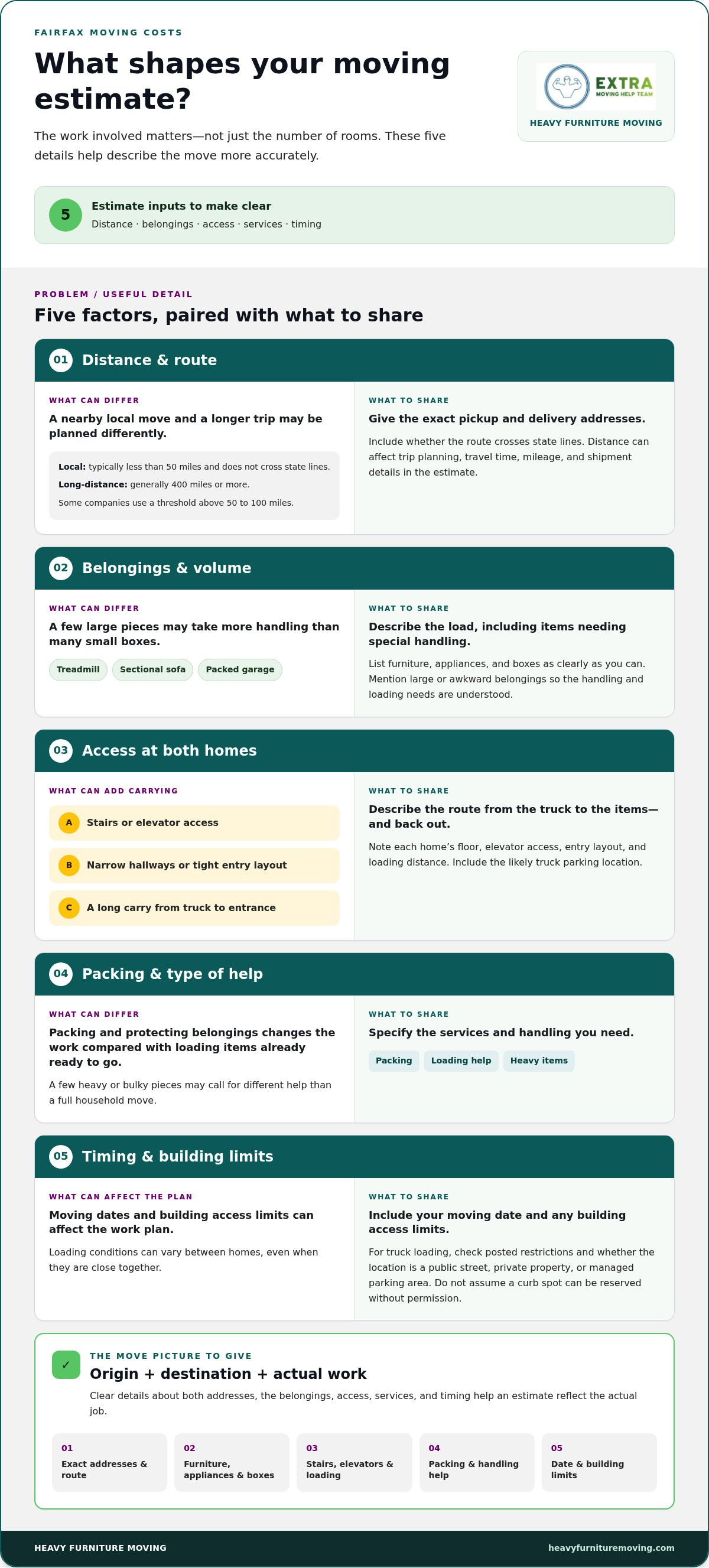
The total for a Fairfax move depends on the work involved, not just the number of rooms. Distance, belongings, packing needs, access, and the type of help all shape the plan. Moving from a ground-floor apartment to a nearby home differs from carrying bulky furniture down stairs and transporting it farther.
Start with distance. A local move is typically less than 50 miles and doesn’t cross state lines. Long-distance moves are generally considered 400 miles or more, although some companies use a threshold above 50 to 100 miles. That difference matters because distance moving can change how the trip is planned and how travel time, mileage, and shipment details factor into the estimate.
Describe the load accurately. A few large pieces can take more handling than many small boxes. A treadmill, sectional sofa, or packed garage each involves different lifting and loading needs. List the furniture, appliances, boxes, and items needing special handling. Explain what needs packing, too, since boxing and protecting belongings changes the work compared with loading items that are already ready to go.
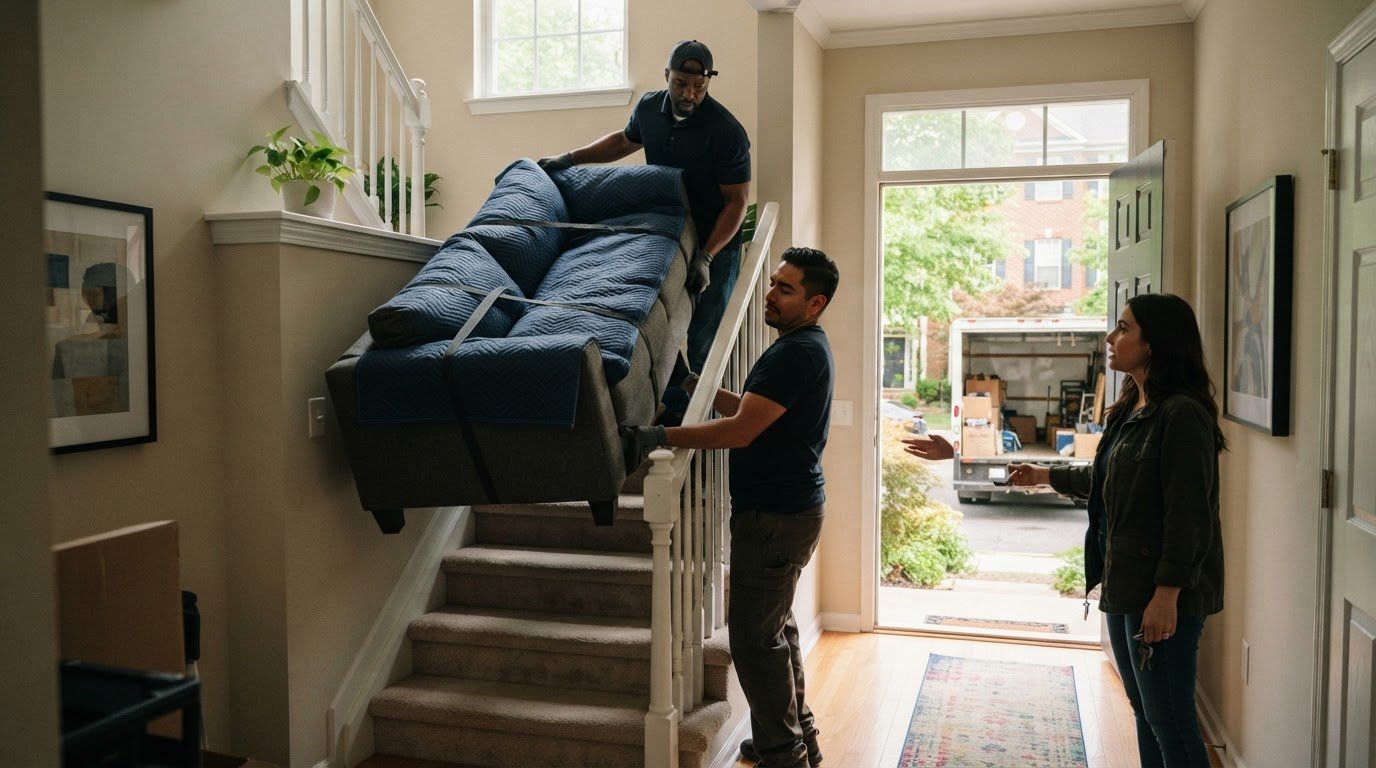
Access can affect the labor involved. Elevators, stairs, and a long distance between the truck and the entrance can add carrying to a Fairfax move. An upper-floor apartment with a distant loading area takes more effort than a home with a clear route to the truck. Share the floor, elevator access, entry layout, and loading distance when describing the job.
- Distance: Give the exact origin and destination, including whether the route crosses state lines.
- Volume: Identify large furniture and the number of boxes as clearly as you can.
- Access: Note stairs, elevators, narrow hallways, and the truck’s likely parking location.
- Services: Explain whether you need packing, loading help, or support with heavy items.
- Timing: Share the moving date and any building access limits that affect the work plan.
Fairfax County homes and buildings can have very different layouts and loading conditions, even when they’re close together. Give your movers a clear picture of both addresses so the plan reflects the actual job. Accurate details help the crew prepare for a smoother moving day.
If heavy furniture is the main challenge, moving help for bulky items can fit that part of the job without treating a few difficult pieces like a full household relocation.
Furniture and single-item moving
Even one piece of furniture can require careful planning. A sofa, mattress, dresser, or exercise machine may be awkward to lift, protect, or fit through a doorway. Measure the item and its route through both homes before arranging help. This can reveal tight turns, narrow hallways, or elevator limits before moving day.
Distance matters, but so do the item’s shape and access. Moving a couch from a ground-floor room to a nearby home differs from carrying it down apartment stairs for a longer trip. Share the pickup and delivery addresses, floor locations, and any stairs or elevators. Describe the item, including detachable parts and delicate surfaces.
Pricing depends on the case and is given after a quote request. The item’s size, weight, distance, access, and handling needs shape the estimate. For example, moving a compact table through open doorways involves different work than maneuvering a large sectional around a tight landing. Give accurate details so the proposed work matches the actual job.
Use this preparation sequence to keep the move organized:
- Measure the route: Check doorways, hallways, stair turns, and elevator openings at both addresses.
- Clear the path: Move rugs, small tables, and loose items away from the route before the crew arrives.
- Prepare the item: Remove detachable shelves or legs when practical, and keep small hardware together.
- Protect what’s nearby: Clear wall art and fragile objects from the path, and identify surfaces needing extra care.
- Confirm placement: Decide where the furniture belongs at the destination, so it doesn’t need to be moved twice.
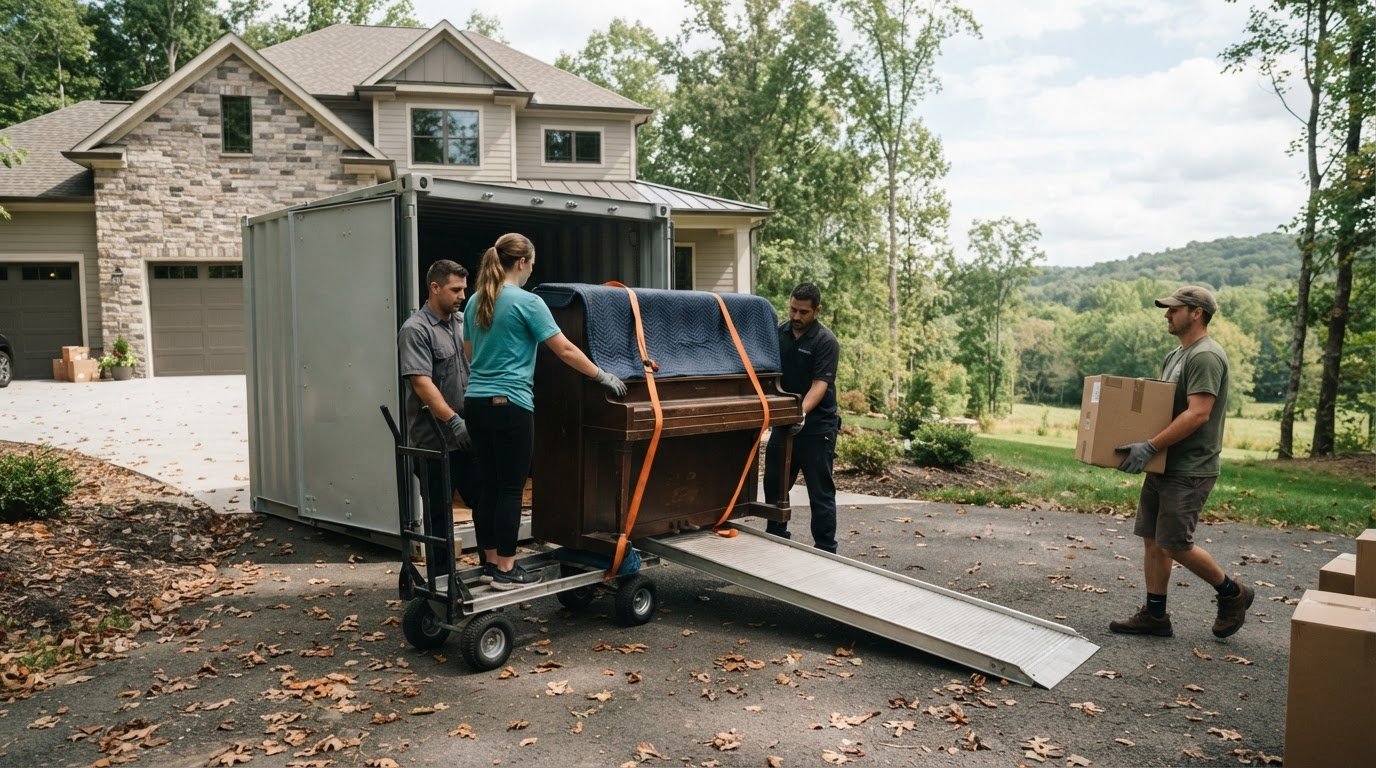
Heavy or awkward pieces need a different approach from ordinary boxes. Exercise equipment, for example, can have uneven weight and components that shift during handling. Explain the model or general design, whether it can be disassembled, and where it’s located. Keep loose accessories together so they don’t get separated during loading.
Uncertainty about the work involved can add stress. Make a short item list, note the distance between locations, and flag obstacles such as a narrow entry or steep staircase. If you need help moving furniture inside the home, describe the items and rooms. Clear details help shape a practical plan, whether you’re moving one piece or several.
Choose help based on the task, not just the number of items. One heavy dresser may need focused lifting help, while furniture from several rooms may call for a broader plan. Clear the route, decide where each item is going, and have the details ready. These steps help keep the move organized and reduce avoidable stress.
Moving estimates and cost factors
A useful estimate connects the work you need with the conditions at both addresses. For a Fairfax move, describe the belongings, requested services, access, and any packing or storage arrangements.
Moving Estimates
An estimate should reflect the route, belongings, access, and requested work. Moving a few packed boxes differs from carrying a treadmill through a narrow stairwell. Share the pickup and delivery addresses, item list, floor locations, and packing needs. Then review which tasks the estimate covers so you can compare plans on the same basis.
Cost Considerations
Pricing depends on the case and is given after a quote request. Distance, item volume, packing, access, and handling needs all affect the work. Elevators, stairs, and long distances between a truck and the entrance can add to a Fairfax move’s total cost. A clear route from the home to the truck takes less carrying than a long walk through a building or across a property.
Use a simple preparation list before discussing the estimate:
- Inventory: List furniture, boxes, appliances, and bulky items such as exercise equipment.
- Access: Describe stairs, elevator access, narrow hallways, and the likely loading location.
- Service scope: Specify whether you need packing, loading, unloading, or help with selected items.
- Timing: Give the moving date and note building access windows or other schedule limits.
- Storage plans: Explain whether belongings will go directly to the new home or need a separate stop.
Details affect the estimate because they change the labor and handling plan. An emptied bookcase near a clear exit is different from one that needs emptying, carrying downstairs, and maneuvering around a tight landing. A packed kitchen also requires a different plan from one where dishes and pantry items still need boxing.
Be specific about furniture that needs careful handling. Name the item, point out detachable parts, and describe its location. For a heavy treadmill, mention its floor and route to the exit. This helps the estimate reflect the actual lifting and movement instead of treating every item like an ordinary box.
Compare estimates by matching the scope, not just scanning the totals. A plan that includes packing differs from one covering transport only. Write down each included task and the access details discussed. This record makes differences easier to spot and helps prevent missed steps on moving day.
Before accepting an estimate, compare it with your inventory and route details. Point out an omitted sofa, a stairwell, or a planned stop before the move begins. Clear information helps the crew prepare and gives you a better basis for comparing the work.
Comparing and hiring moving professionals
Compare what each mover will do, not just the estimate total. In Virginia, start with the same inventory, route, access details, and requested services for every estimate.
Moving services can cover different combinations of packing, storage, and specialty-item transport. Compare the listed services with your needs, such as boxing kitchen items, storing belongings between homes, or moving exercise equipment. These services aren’t interchangeable, so note what each estimate includes before deciding.
Look closely at vague estimates, major changes after discussing the inventory, or charges that weren’t explained before booking. Get the work scope and expected charges in writing, then compare them with your item list and access details. A stair carry or a long walk from the truck should be reflected in the plan.
Use these steps to make a sound comparison:
- Share one inventory: Give each mover the same list of furniture, boxes, and specialty items.
- Describe both addresses: Include stairs, elevators, narrow entries, and truck access at pickup and delivery.
- Match the service scope: Separate packing, transport, loading, unloading, and storage needs.
- Review the written estimate: Compare included work, possible extra charges, and how changes are handled.
- Keep the agreement: Save the estimate and messages so the planned work is clear on moving day.
Clear communication matters. Notice whether the mover answers specific questions about a heavy dresser or tight hallway. A useful answer explains how the crew plans to protect and move the item. General promises without a clear work plan make comparison harder.
Before booking, make sure the estimate reflects your actual move. If you add boxes, change the destination, or need packing after receiving it, update the inventory and scope. A changed load can affect the labor and transport plan. Keep a copy of the updated details so everyone has the same expectations.
Treat pressure to pay quickly, a vague written estimate, or unexplained charges as warning signs. Review each listed charge and the work it covers before agreeing. A clear scope helps you compare estimates without relying on a low headline figure alone.
Need help with bulky furniture or equipment? Arrange help with heavy lifting for the items that make your move harder to manage.
Heavy Furniture Moving: Movers Near Me
Heavy Furniture Moving helps Fairfax residents move bulky furniture and other difficult-to-lift items. Turn to the team when a sofa won’t fit through a doorway, exercise equipment needs careful handling, or furniture needs moving within the home.
Choose help that matches the task. Sofa Hoisting can help when a sofa won’t pass through a tight entry, while Exercise Equipment Moving is for bulky fitness machines. For furniture placement or moving items between rooms, in-home furniture movers can handle the lifting and carrying. Share the item, its location, and the route so the work is clear from the start.
For help with a heavy or awkward item, contact Heavy Furniture Moving.
Make your next move easier to manage
Decide which parts of the move need hands-on help. A clear list of priorities can help you choose a Fairfax, VA moving company for the work that matters, whether you need help with household belongings or one difficult lift.
Heavy Furniture Moving offers Movers Near Me, Exercise Equipment Moving, and Sofa Hoisting. These services can help with bulky fitness equipment or a sofa that can’t pass through a tight doorway. Share what needs moving and any access challenges so the conversation starts with the actual task.
Keep your plan simple: identify the items, note where they’re going, and decide which lifting jobs you’d rather leave to a crew. Then take the next step at a pace that feels right for you.
Contact Heavy Furniture Moving today to discuss help with your move. A solid plan can make the work ahead feel more manageable.
Frequently Asked Questions
What affects the cost of my Fairfax move?
Distance, the amount you’re moving, access, and requested services shape the cost. For example, a home with stairs and a long carry to the truck requires a different work plan than a clear, ground-level route. Packing, bulky items, and extra stops also affect the estimate. Give a Fairfax, VA moving company accurate details about both homes and your belongings to help match the estimate to the actual job.
How do I protect my furniture when moving?
Clear the route, secure loose parts, and protect exposed surfaces before moving furniture. Wrap delicate finishes and keep screws or hardware in a labeled bag with the item. Heavy Furniture Moving includes wrap, blankets, and straps on every job, along with floor and corner protection. Remove nearby wall art and small objects so a dresser or sofa won’t catch them as it moves.
How do you move large pieces of furniture?
Measure the item and its route, including doorways, stair turns, and elevator openings. Heavy Furniture Moving measures before lifting and uses wrap, blankets, and straps to protect and secure items. A sofa that won’t pass through a standard entry may need Sofa Hoisting; Exercise Equipment Moving handles bulky fitness machines. Share the item and access details so the plan fits the actual lift.
How far in advance should I hire movers?
Arrange movers once your date and building access are clear. This gives you time to coordinate elevator reservations, loading instructions, and restrictions at your destination. If your date is flexible, decide which days work before requesting an estimate. For a single heavy item, have its location and route details ready so the job can be planned around your schedule.
How much does it cost to hire a moving company in Fairfax, VA?
The price depends on the move and is provided after a quote request. Distance, the volume of belongings, access, packing, and the work requested all affect the estimate. For a furniture-only job, describe the item and its route; for a household move, share an inventory and both addresses. Comparing estimates with matching work scopes helps you understand what each one covers.
Do you offer hourly local moving rates in Fairfax?
Heavy Furniture Moving offers hourly labor with a two-hour minimum. This suits customers with their own truck or container who need help loading, unloading, packing, unpacking, or moving heavy items. The work can also focus on one room or selected furniture rather than a full household move. Describe the tasks and access conditions to get an estimate for the labor your Fairfax move needs.
What are the best-rated moving companies in Fairfax, VA?
Heavy Furniture Moving reports more than 500 verified five-star reviews and a 4.9 Google rating. Ratings are one useful signal, but look for reviews that describe work like yours, such as moving a sectional or exercise equipment. Specific comments about communication, care, and problem-solving can help you judge whether a mover’s experience fits your needs better than a star score alone.
Which Fairfax moving companies are licensed and insured in Virginia?
Customer ratings don’t establish licensing or insurance. To assess this, review current documents tied to the exact business name and type of move you’re booking. Make sure the records match the company you’re considering, rather than relying on a similar name or review profile. This gives you a clearer basis for comparing credentials, the estimate, and included services.
Frequently Asked Questions
Distance, the amount you’re moving, access, and requested services shape the cost. For example, a home with stairs and a long carry to the truck requires a different work plan than a clear, ground-level route. Packing, bulky items, and extra stops also affect the estimate. Give a Fairfax, VA moving company accurate details about both homes and your belongings to help match the estimate to the actual job.
Clear the route, secure loose parts, and protect exposed surfaces before moving furniture. Wrap delicate finishes and keep screws or hardware in a labeled bag with the item. Heavy Furniture Moving includes wrap, blankets, and straps on every job, along with floor and corner protection. Remove nearby wall art and small objects so a dresser or sofa won’t catch them as it moves.
Measure the item and its route, including doorways, stair turns, and elevator openings. Heavy Furniture Moving measures before lifting and uses wrap, blankets, and straps to protect and secure items. A sofa that won’t pass through a standard entry may need Sofa Hoisting; Exercise Equipment Moving handles bulky fitness machines. Share the item and access details so the plan fits the actual lift.
Arrange movers once your date and building access are clear. This gives you time to coordinate elevator reservations, loading instructions, and restrictions at your destination. If your date is flexible, decide which days work before requesting an estimate. For a single heavy item, have its location and route details ready so the job can be planned around your schedule.
The price depends on the move and is provided after a quote request. Distance, the volume of belongings, access, packing, and the work requested all affect the estimate. For a furniture-only job, describe the item and its route; for a household move, share an inventory and both addresses. Comparing estimates with matching work scopes helps you understand what each one covers.
Heavy Furniture Moving offers hourly labor with a two-hour minimum. This suits customers with their own truck or container who need help loading, unloading, packing, unpacking, or moving heavy items. The work can also focus on one room or selected furniture rather than a full household move. Describe the tasks and access conditions to get an estimate for the labor your Fairfax move needs.
Heavy Furniture Moving reports more than 500 verified five-star reviews and a 4.9 Google rating. Ratings are one useful signal, but look for reviews that describe work like yours, such as moving a sectional or exercise equipment. Specific comments about communication, care, and problem-solving can help you judge whether a mover’s experience fits your needs better than a star score alone.
Customer ratings don’t establish licensing or insurance. To assess this, review current documents tied to the exact business name and type of move you’re booking. Make sure the records match the company you’re considering, rather than relying on a similar name or review profile. This gives you a clearer basis for comparing credentials, the estimate, and included services.