Packing Kitchen Appliances Safely: The Haymarket Homeowner’s Guide
Did you know the average kitchen contains over 1,200 individual items, making it the most stressful room in your house to pack? When you're staring down a heavy refrigerator or a high-end range, the stakes get even higher. You aren't just worried about boxes; you're worried about your back, your beautiful hardwood floors, and those delicate internal components that seem impossible to secure. Learning the professional secrets for packing kitchen appliances safely Haymarket residents trust is the difference between a smooth transition and a costly repair bill.
As a veteran-family owned team, we understand that the physical demand of moving bulky appliances feels overwhelming. You want to protect your investment and your home without ending up in the chiropractor's office. This guide provides the professional techniques you need to secure every heavy item with confidence. You'll get a clear checklist of essential supplies, step-by-step instructions for the heaviest units, and the insight to decide when to DIY or call in the local muscle. Let's get your kitchen ready for the move.
Key Takeaways
- Measure your Haymarket home's narrow doorways and gather professional-grade supplies like appliance dollies before you start.
- Learn the secrets for packing kitchen appliances safely Haymarket residents use to secure doors with non-residue tape and heavy-duty moving blankets.
- Prevent water damage to your floors by draining dishwashers completely and using original boxes for fragile items like espresso machines.
- Shield your hardwood and tile from scratches by laying down Masonite runners and using protectors on narrow door jams.
- Know when to call for professional muscle, especially for high-value items or any appliance weighing over 200 pounds.
Essential Supplies and Prep for Haymarket Kitchen Moves
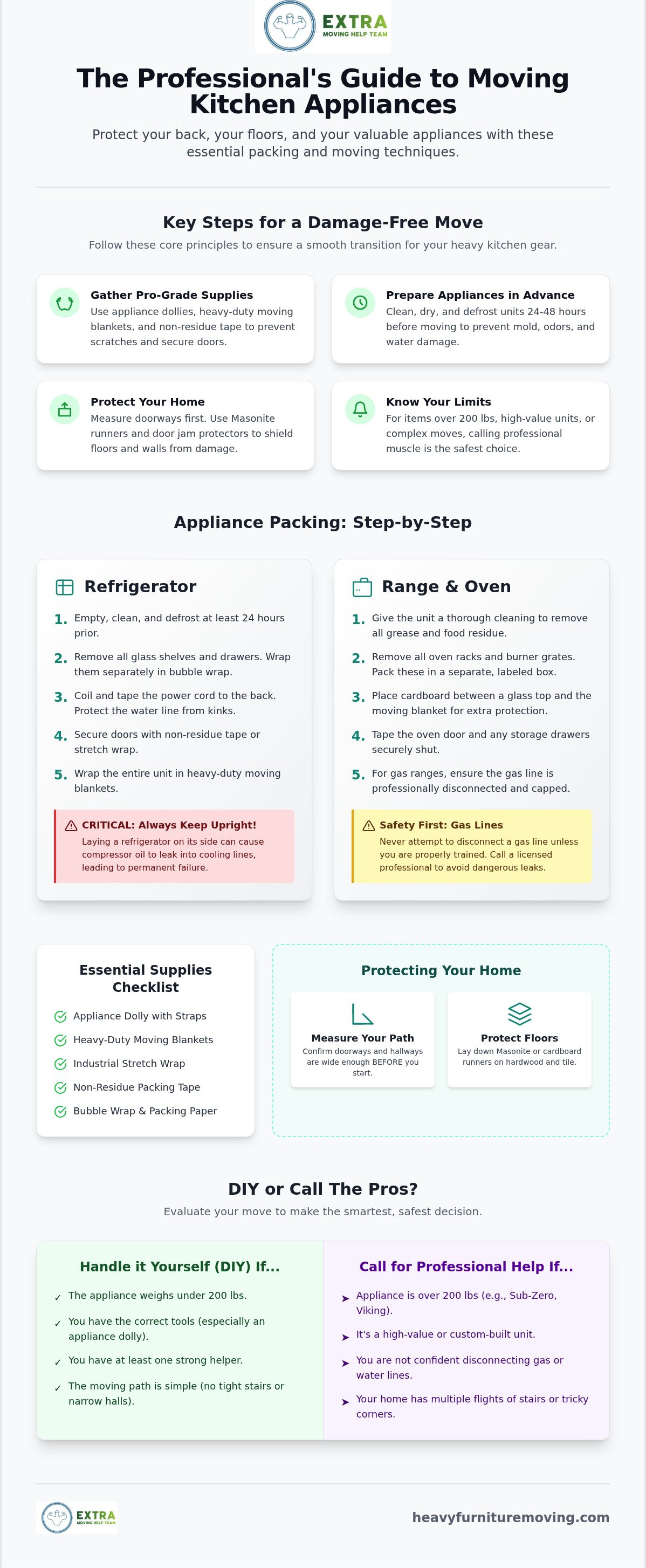
Moving major kitchen appliances like refrigerators and ranges requires more than just standard cardboard boxes. You need a tactical plan and the right gear to avoid injury or property damage. Before you lift a single item, inventory every piece of equipment in your kitchen. Measure your Haymarket home's exit points, including front doors and those narrow hallway corners. If you're moving out of a local townhome, every half-inch of clearance matters for a damage-free exit. Don't guess on the dimensions; use a tape measure to confirm your path is clear.
Preparation starts days before the move. Clean and dry all units 24 to 48 hours before the truck arrives. This prevents mold growth and nasty odors while the items are in transit. You must also secure all loose components. Remove glass shelves, crisper drawers, and burner grates; wrap these separately in bubble wrap or packing paper. Don't leave them inside the units. They'll rattle, shift, and break during the drive through Prince William County. Taking the time to strip the interior now saves you from replacing expensive glass later.
Professional-Grade Packing Materials
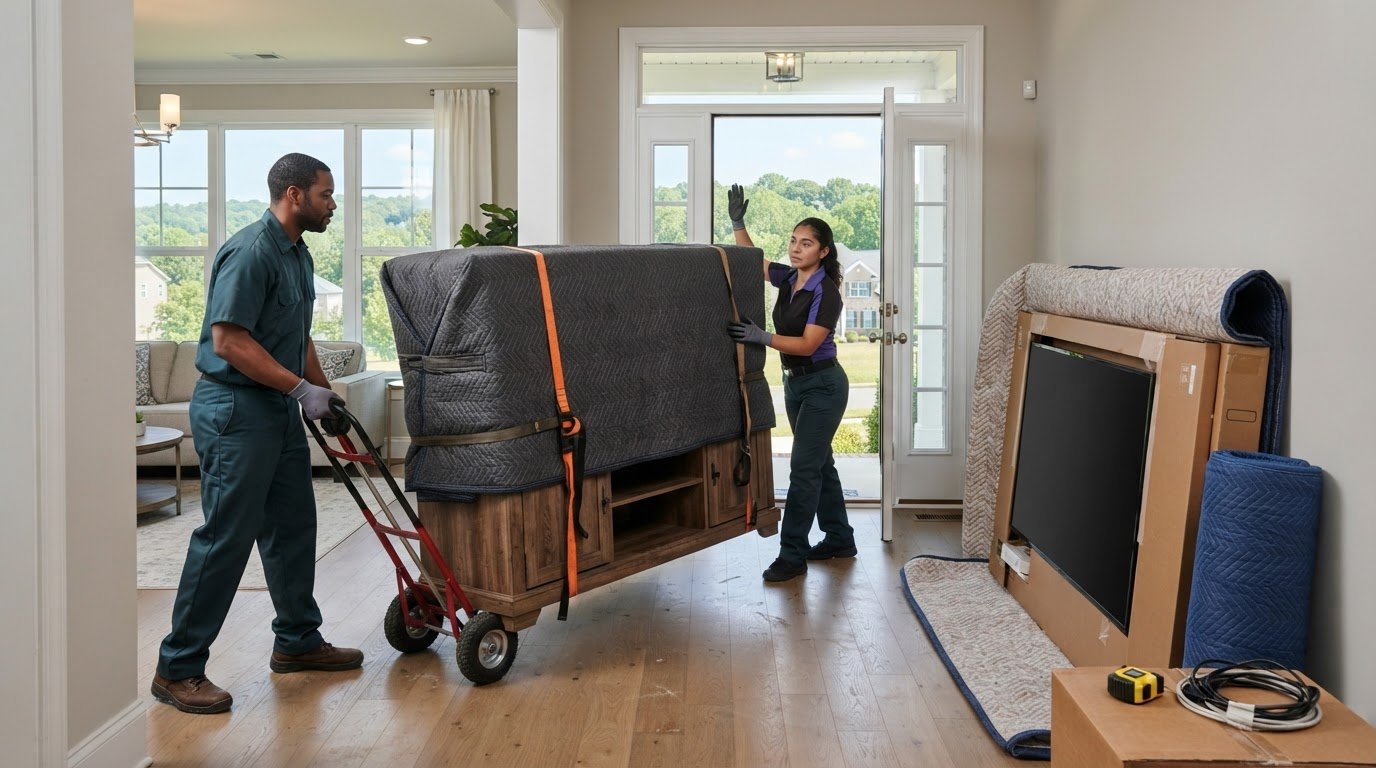
Don't settle for cheap office tape. You need heavy-duty packing tape and industrial stretch wrap to keep doors and lids from flying open during the haul. When it comes to protecting your appliance's finish, thickness is your best friend. Standard furniture pads are often too thin for heavy metal; use professional-grade moving blankets to prevent deep gouges on stainless steel surfaces. You can find these at local hardware stores near Haymarket if you're handling the move yourself. Renting a specialized appliance dolly with built-in security straps is the smartest move you'll make. This tool is the foundation of packing kitchen appliances safely Haymarket residents need to protect their investment. It keeps the weight centered and prevents the unit from tipping on stairs or uneven surfaces.
Pre-Move Appliance Maintenance
Defrosting your refrigerator is a critical step you can't skip. Do it at least 24 hours early to avoid water leaks on your Haymarket hardwood or tile floors. If you have a gas range, follow strict safety protocols for disconnecting the lines. If you aren't comfortable with a pipe wrench, call a local professional to cap the line securely. Finally, coil every electrical cord and tape it directly to the back of the appliance using non-residue tape. Loose cords are a major tripping hazard that can lead to dropped items and serious injury. Taking ten minutes to secure these cords ensures a much faster and safer moving day for everyone involved.
Packing Major Appliances: Refrigerators and Ranges
Moving a massive Sub-Zero refrigerator or a professional Viking range through a Haymarket kitchen isn't a task for the faint of heart. These high-end units often weigh over 800 pounds and require specialized handling to maintain their mechanical integrity. One wrong move can lead to a ruined compressor or a gouged hardwood floor. When packing kitchen appliances safely Haymarket homeowners need to focus on both the mechanical and cosmetic protection of their gear. Start by taping all doors and drawers shut. Use specialized non-residue tape to avoid leaving permanent sticky marks on expensive stainless steel finishes.
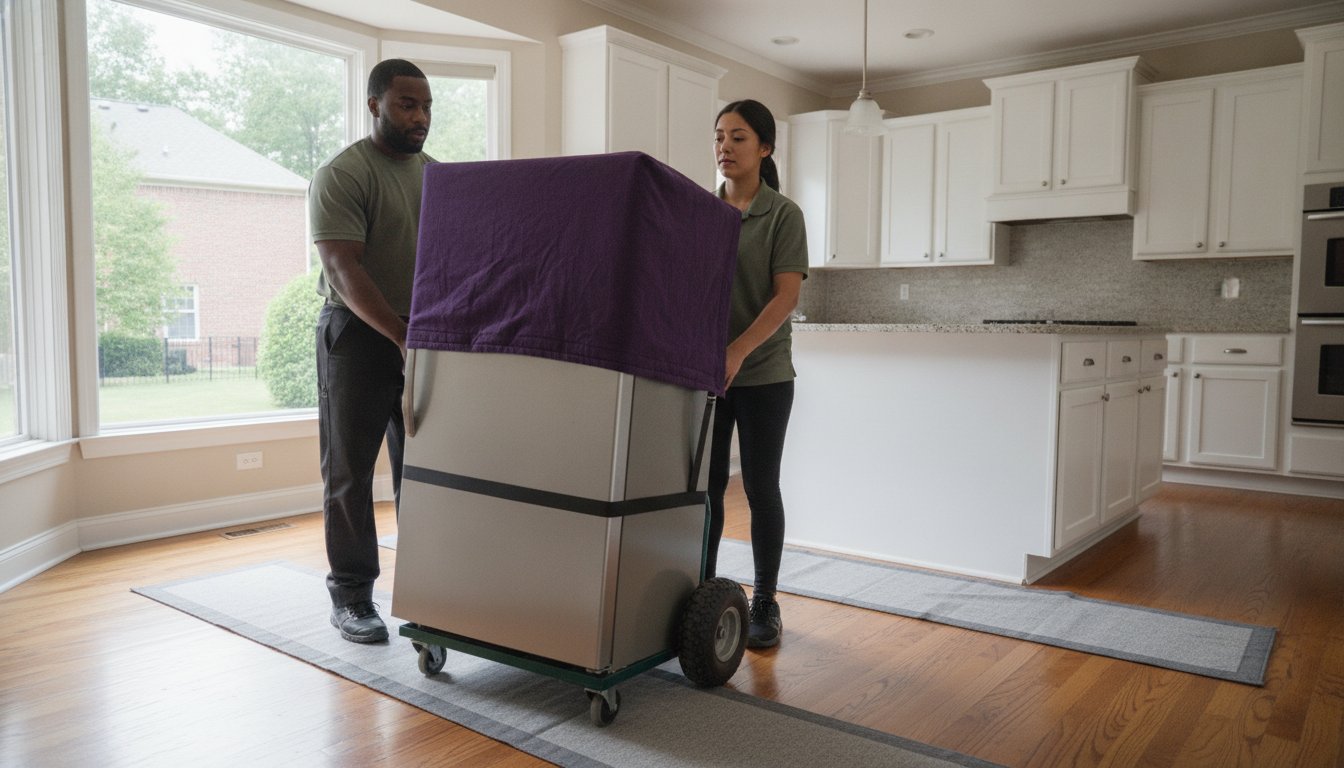
Once the doors are locked, wrap the entire unit in thick moving blankets. Secure these blankets with industrial-strength stretch wrap so they don't slide during transport. This creates a protective cocoon against nicks and scratches. For the heavy lifting, always use an appliance dolly. Center the weight before you tilt the unit back to ensure stability. If you feel overwhelmed by the sheer weight of these luxury items, hiring experts in furniture moving can save your back and your appliances from unnecessary risk.
Securing the Refrigerator
Before moving the unit, remove all internal glass shelving and crisper drawers. If they aren't removable, tape them down securely so they don't shift. Pay close attention to the rear of the unit. You must protect the water line and ice maker connections from impact, as even a small bend can lead to leaks in your new home. Follow the manufacturer's guidelines for disconnecting and preparing appliances to ensure everything is handled correctly. Keeping a refrigerator upright is non-negotiable because laying it on its side allows compressor oil to flow into the cooling lines, which can cause a permanent system failure. If it must be tilted, keep the angle minimal and let it sit upright for at least 24 hours before plugging it back in.
Safeguarding Your Stove and Oven
Ranges present their own set of challenges, especially modern glass-top models. Lock the oven doors and any warming drawers with tape to prevent them from swinging open during a turn. Pull off all burner knobs and pack them in a clearly labeled box; this prevents them from being sheared off in tight hallways. For modern glass-top ranges, place a custom-cut piece of heavy cardboard over the surface before adding a layer of thick padding. This extra barrier is the best way to ensure packing kitchen appliances safely Haymarket residents can rely on to prevent shatter-prone surfaces from cracking under pressure.
Dishwashers and Small Appliances: The Fragile Details
While the refrigerator is the heaviest item in your kitchen, dishwashers and small appliances are often the most technically demanding to pack. These items are prone to hidden water leaks and internal mechanical shifts that can ruin a move. With the average kitchen containing approximately 1,200 items, it's easy to rush through the smaller electronics. However, taking a disciplined approach to packing kitchen appliances safely Haymarket families rely on ensures your high-end espresso machine or dishwasher arrives in perfect working order. Start by draining every drop of water from your dishwasher. Residual moisture is a silent floor killer; it can seep out of hoses during transit and warp your Haymarket hardwood or tile in minutes.
Organization is your best defense against chaos. Group similar items together, such as your blender, toaster, and coffee maker, to keep your box weights manageable. Use high-quality, crumpled packing paper to fill every void in your boxes. If an item can shift, it can break. Once a box is sealed, label it clearly with "Kitchen" and a specific list of its contents. This level of detail makes your Haymarket unpacking process significantly faster and prevents you from digging through ten boxes just to find the morning coffee filters.
Dishwasher Preparation
Disconnecting a dishwasher requires a methodical touch. First, shut off the water supply and power. Disconnect the supply line and the drain hose, then tilt the unit slightly to drain any trapped water into a shallow pan. You must drain these hoses completely before taping them to the back of the unit. Inside the machine, tape the racks down so they don't slide and damage the interior lining. If the racks feel loose, pack them separately in a flat box. Finally, wrap the exterior in a single layer of furniture padding to prevent the metal skin from denting against other items in the truck.
Small Appliance Packing Strategy
Your small appliances deserve more than a loose toss into a large box. If you still have the original boxes for your Stand Mixer or espresso machine, use them. They were engineered specifically to protect those exact shapes. For items with glass carafes or ceramic components, wrap each piece individually in bubble wrap before nesting them in the box. To protect a high-end espresso machine, use the box-in-a-box method by placing the machine's original box inside a larger, heavy-duty moving box with at least two inches of padding on all sides. This double-walled protection is a cornerstone of packing kitchen appliances safely Haymarket residents use to safeguard their most expensive countertop investments.
Navigating Haymarket Homes: Floors, Stairs, and Doors
Moving a 400-pound refrigerator through a narrow Haymarket townhome hallway is the ultimate test of your preparation. You've followed the steps for packing kitchen appliances safely Haymarket residents depend on, but now the physical environment becomes your biggest obstacle. One slip can gouge a floor or dent a drywall corner. Use door jam protectors on every narrow entrance to prevent nicks in your hallway. These simple foam or plastic guards save you from expensive paint and plaster repairs later. Start by clearing the path. Remove all throw rugs, shoes, and furniture that might narrow your exit route. Rugs are a primary cause of slips and falls when moving heavy loads; get them out of the way before you tilt that dolly.
Protecting High-Traffic Surfaces
Don't rely on thin cardboard to protect your floors. A heavy appliance puts immense pressure on small wheels, and standard cardboard will compress and fail, leaving a permanent track in your hardwood or tile. Use Masonite or heavy-duty plastic floor runners instead. These materials distribute the weight and provide a rigid surface for the dolly to roll across. You should also "curtain" your doorways and banisters with moving blankets. Drape the blankets over door frames and secure them with tape to create a soft buffer for those inevitable bumps. For those who want the peace of mind that comes with professional equipment, hiring Reliable Movers Near Me ensures your high-traffic areas remain pristine throughout the process.
Stairway Safety for Heavy Items
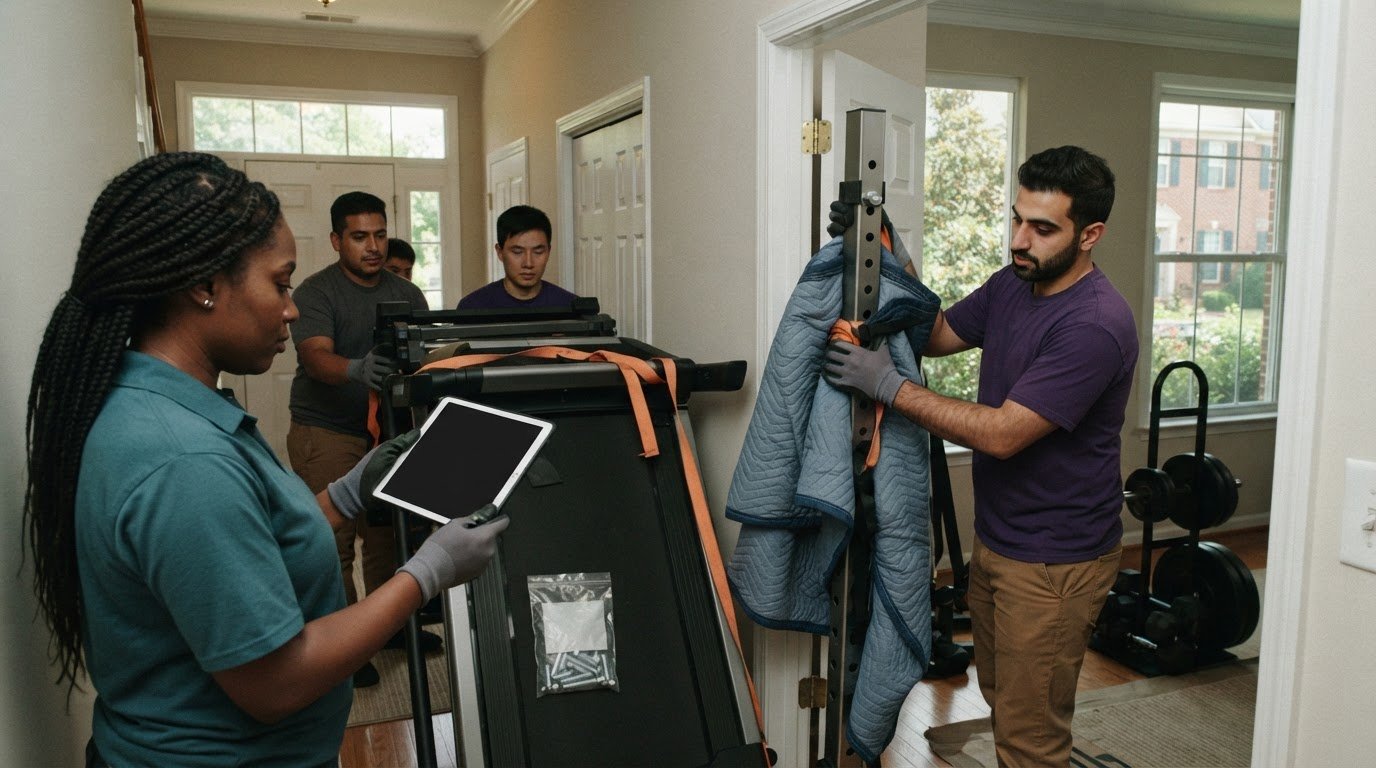
Stairs require a strict two-man lift rule and constant communication. One person should be on the handle of the appliance dolly while the second person guides the wheels from below. Move one step at a time. The person below should never be directly underneath the appliance; stay off to the side to maintain a clear line of sight and an escape route if the load shifts. If you're dealing with an oversized kitchen island or a massive range that won't clear a tight staircase, you might need to apply sofa hoisting principles to move the item through a balcony or large window. Establish clear verbal cues like "ready" and "set" before every movement. This coordination prevents the lurching that often leads to dropped items or back injuries. Mastering these navigation techniques is the final step in packing kitchen appliances safely Haymarket homeowners need for a successful move.
If the stairs in your Haymarket home look too narrow for a DIY attempt, reach out for professional furniture moving support to handle the heavy lifting safely.
Professional Help vs. DIY: Choosing Your Haymarket Strategy
Deciding whether to handle your kitchen move yourself or hire experts often comes down to a single number: 200 pounds. Most consumer-grade straps and standard dollies aren't rated for the massive weight of a modern range or professional-grade refrigerator. If you're moving high-end brands like Sub-Zero or Viking, the financial risk of a DIY mistake far outweighs the cost of professional labor. One slip on a narrow Haymarket staircase can lead to thousands of dollars in property damage or a permanent back injury. Assess the weight of your inventory honestly before you commit to a solo effort. Protecting your health and your home's resale value is always the smarter investment.
Narrow Haymarket townhome layouts present unique challenges that standard DIY techniques can't always solve. When you're packing kitchen appliances safely Haymarket homeowners must account for tight turns and steep stairs that leave zero room for error. A professional team brings specialized equipment, like heavy-duty sliders and motorized dollies, that you won't find at a local hardware store. This gear is essential for maintaining the balance of top-heavy units and preventing the lurching that causes floor gouges. Choosing professional muscle for the "heavy lifting" phase allows you to focus on the logistics of your move while we handle the physical risk.
The Value of Specialized Labor
General moving companies often lack the specific tools and technical experience required for packing kitchen appliances safely Haymarket luxury homes demand. You don't necessarily need a full-service crew for your entire house. Many savvy homeowners choose a hybrid strategy; they pack the small boxes themselves but hire specialized labor for the three heaviest items. This approach protects your budget while ensuring the most dangerous equipment is handled with industrial-grade precision. Look for a team that is veteran-family owned and community-trusted. These experts bring a level of discipline and local pride to the job that distant corporations can't match. They treat your appliances like the major investments they are, ensuring every connection and finish remains intact.
Next Steps for Your Haymarket Move
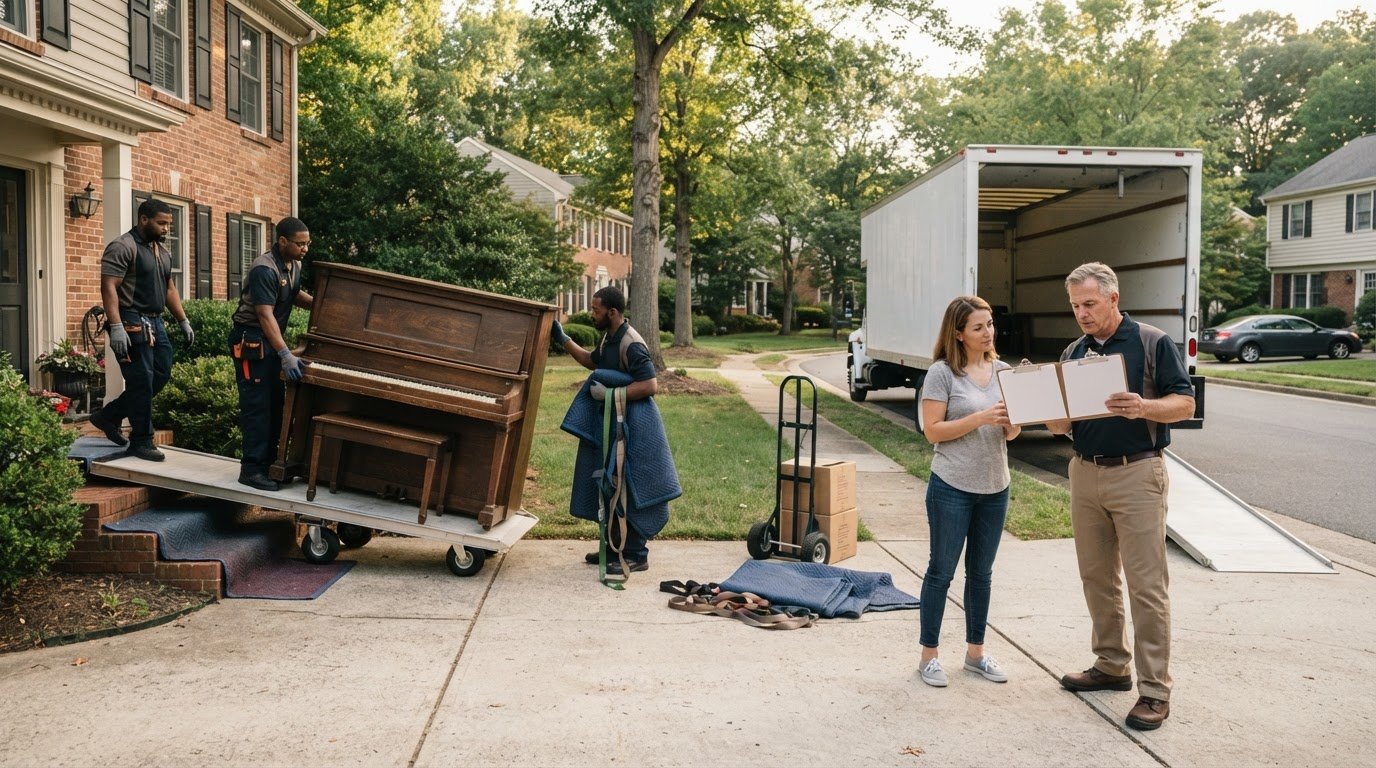
Planning ahead is the best way to lower your moving-day anxiety. Northern VA moving schedules fill up quickly, especially during the peak summer and spring seasons. Start by gathering accurate measurements of your appliances and your home's exit paths. To get a precise estimate, provide your movers with the specific make and model of your heaviest units. This allows them to bring the correct padding and floor protection tailored to your specific gear. Don't wait until the last minute to secure your move date. Taking action now ensures you have the expert support you need for a damage-free transition.
Ready to move your heavy kitchen gear without the stress? Get a quote from Heavy Furniture Moving for your Haymarket appliance move today. We have the strength and the local expertise to handle your toughest items safely.
Secure Your Haymarket Kitchen for a Damage-Free Move
You now have the roadmap to protect your home and your high-end gear. Success starts with professional supplies like appliance dollies and high-density floor runners. Remember to defrost units early and drain every hose to prevent water damage on your hardwood. These steps are the foundation for packing kitchen appliances safely Haymarket homeowners need for a stress-free transition. Moving heavy kitchen equipment is physically demanding work that carries real risks to your property and your health.
If the thought of navigating narrow townhome stairs with an 800-pound fridge feels overwhelming, don't risk it alone. We've been serving Haymarket and Northern VA since 2021 with specialized heavy item expertise. As a veteran-family owned and operated team, we take pride in the manual labor that keeps your move on track. Book Professional Heavy Item Movers in Haymarket today. Let us handle the heavy lifting while you focus on settling into your new home. You've got this, and we're here to help when the load gets too heavy.
Frequently Asked Questions
Do I need to defrost my refrigerator before moving in Haymarket?
Yes, defrosting is mandatory. Start at least 24 hours before your move to ensure all ice is gone and the unit is dry. This prevents water from leaking onto your Haymarket hardwood during transit. Residual moisture also causes mold growth inside the appliance if doors stay closed. Wipe every surface clean and leave the doors propped open until the morning of your move to keep your kitchen equipment fresh and safe.
How do I protect my hardwood floors from a heavy stove?
Use Masonite or professional-grade floor runners. Cardboard is too soft and will compress under the weight of a heavy stove, leading to permanent tracks on your floors. Appliance dollies with non-marking rubber wheels are also essential. Lay your protection along the entire path to the exit. This is a critical part of packing kitchen appliances safely Haymarket residents use to keep their home's resale value high and surfaces pristine.
Can I move a refrigerator on its side if it is a short distance?
Don't lay a refrigerator on its side. Doing so allows compressor oil to flow into the cooling lines, which can cause a permanent system failure. Always transport the unit in an upright position. If you must tilt it to get through a narrow Haymarket doorway, keep the angle minimal. After the move, let the refrigerator sit upright for at least 24 hours before plugging it in to allow the fluids to settle.
Should I hire a plumber to disconnect my kitchen appliances?
Hire a professional if you feel uncomfortable handling gas lines or complex water connections. Gas ranges require a secure cap to prevent leaks in your home. Similarly, water lines for ice makers can be finicky and prone to flooding if not sealed correctly. While many homeowners handle basic electrical plugs, the technical risk of a gas leak or water damage makes professional help a smart choice for Haymarket residents who want peace of mind.
What is the best way to secure an oven door during a move?
Secure the oven door with high-quality, non-residue packing tape. Avoid standard duct tape as it leaves a sticky film that can ruin stainless steel finishes. Once the door is taped shut, wrap the entire range in a thick moving blanket. Use industrial stretch wrap to hold the blanket in place. This double layer of protection prevents the door from swinging open and shields the glass front from impact during the move through your home.
How much does it cost to hire labor-only movers for appliances in Haymarket?
Costs for labor-only services depend on the weight of your items and the complexity of your home's layout. Factors like narrow stairs or heavy luxury brands like Sub-Zero will influence the final estimate. While general industry averages exist, your best bet is to get a custom quote based on your specific inventory. This ensures you have the right number of experts and the specialized equipment needed for a damage-free move in Haymarket.
What supplies do I need to pack a microwave safely?
You need a heavy-duty box, bubble wrap, and plenty of packing paper. Remove the glass turntable and wrap it separately in bubble wrap so it doesn't shatter. Tape the microwave door shut and wrap the entire unit in padding. Place it in the box and fill every empty space with crumpled paper to prevent shifting. This is a vital step for packing kitchen appliances safely Haymarket families take to protect their small electronics from damage.
Is it safe to move a dishwasher without professional help?
Moving a dishwasher without help is difficult because of the drainage requirements. Even a small amount of trapped water can leak out and warp your flooring during the move. You must disconnect the water supply and drain hoses completely before you even attempt to lift the unit. Because dishwashers are awkward and prone to tipping, hiring professional muscle ensures the unit stays balanced and your Haymarket home remains free of water damage throughout the process.
Frequently Asked Questions
Yes, defrosting is mandatory. Start at least 24 hours before your move to ensure all ice is gone and the unit is dry. This prevents water from leaking onto your Haymarket hardwood during transit. Residual moisture also causes mold growth inside the appliance if doors stay closed. Wipe every surface clean and leave the doors propped open until the morning of your move to keep your kitchen equipment fresh and safe.
Use Masonite or professional-grade floor runners. Cardboard is too soft and will compress under the weight of a heavy stove, leading to permanent tracks on your floors. Appliance dollies with non-marking rubber wheels are also essential. Lay your protection along the entire path to the exit. This is a critical part of packing kitchen appliances safely Haymarket residents use to keep their home's resale value high and surfaces pristine.
Don't lay a refrigerator on its side. Doing so allows compressor oil to flow into the cooling lines, which can cause a permanent system failure. Always transport the unit in an upright position. If you must tilt it to get through a narrow Haymarket doorway, keep the angle minimal. After the move, let the refrigerator sit upright for at least 24 hours before plugging it in to allow the fluids to settle.
Hire a professional if you feel uncomfortable handling gas lines or complex water connections. Gas ranges require a secure cap to prevent leaks in your home. Similarly, water lines for ice makers can be finicky and prone to flooding if not sealed correctly. While many homeowners handle basic electrical plugs, the technical risk of a gas leak or water damage makes professional help a smart choice for Haymarket residents who want peace of mind.
Secure the oven door with high-quality, non-residue packing tape. Avoid standard duct tape as it leaves a sticky film that can ruin stainless steel finishes. Once the door is taped shut, wrap the entire range in a thick moving blanket. Use industrial stretch wrap to hold the blanket in place. This double layer of protection prevents the door from swinging open and shields the glass front from impact during the move through your home.
Costs for labor-only services depend on the weight of your items and the complexity of your home's layout. Factors like narrow stairs or heavy luxury brands like Sub-Zero will influence the final estimate. While general industry averages exist, your best bet is to get a custom quote based on your specific inventory. This ensures you have the right number of experts and the specialized equipment needed for a damage-free move in Haymarket.
You need a heavy-duty box, bubble wrap, and plenty of packing paper. Remove the glass turntable and wrap it separately in bubble wrap so it doesn't shatter. Tape the microwave door shut and wrap the entire unit in padding. Place it in the box and fill every empty space with crumpled paper to prevent shifting. This is a vital step for packing kitchen appliances safely Haymarket families take to protect their small electronics from damage.
Moving a dishwasher without help is difficult because of the drainage requirements. Even a small amount of trapped water can leak out and warp your flooring during the move. You must disconnect the water supply and drain hoses completely before you even attempt to lift the unit. Because dishwashers are awkward and prone to tipping, hiring professional muscle ensures the unit stays balanced and your Haymarket home remains free of water damage throughout the process.