In-Home Furniture Rearranging in South Riding
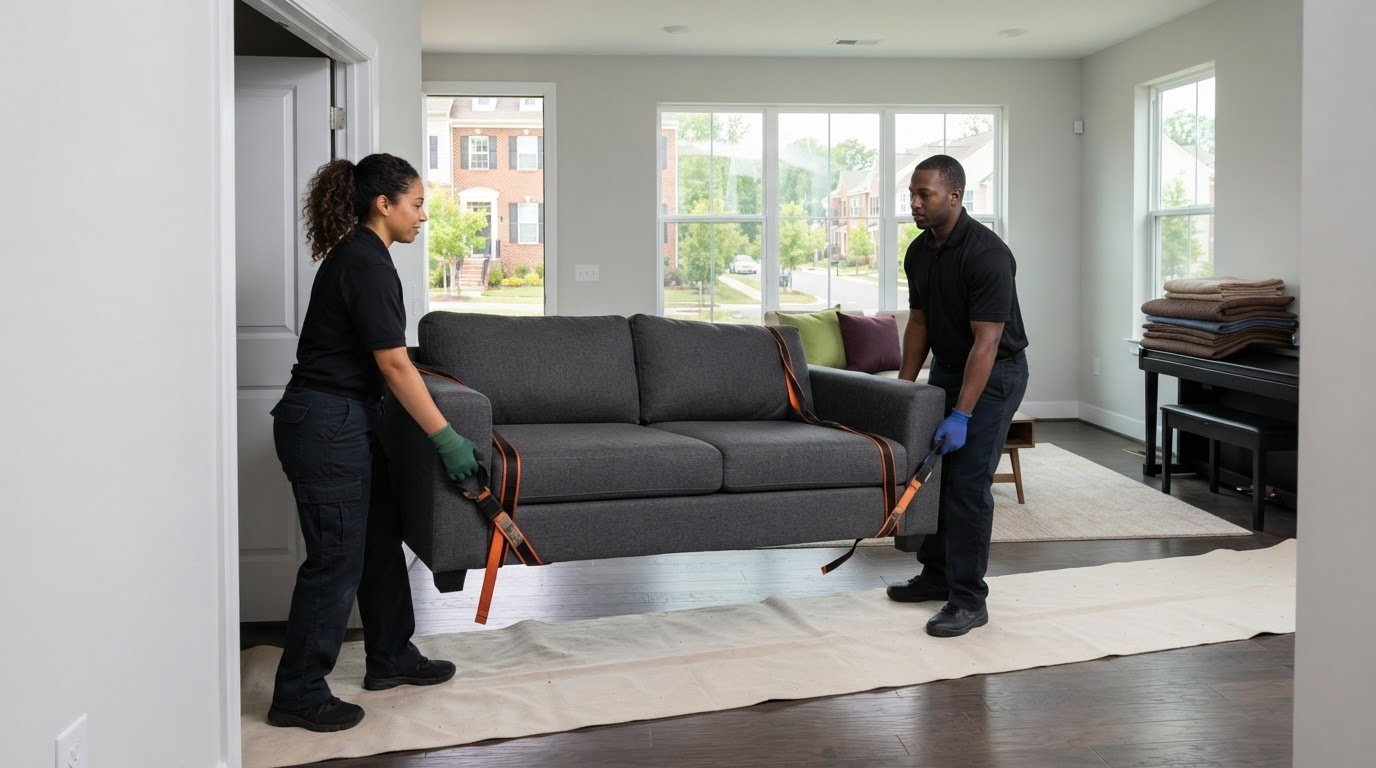
What if the last step of settling in is getting the sofa through a tight turn and into the room where it belongs? After a move, heavy pieces can be difficult to shift safely, and a layout that looked right on paper may block everyday traffic. For in home furniture rearranging South Riding residents can start by considering how each room needs to work.
Stairs, narrow doorways, or bulky furniture can make a simple room change feel risky. Plan where key pieces should go, clear the route, and protect floors and walls before anything moves. When a lift is too heavy or awkward to manage safely, Heavy Furniture Moving can help reposition furniture from room to room.
This guide explains how to plan furniture placement around everyday routines and traffic flow, prepare your home for rearranging, and spot access challenges before moving begins. You’ll also learn what information to gather so heavy furniture can be moved with care and your new layout feels right.
Key Takeaways
- Shape each room around its purpose, daily routines, and the furniture you use most.
- Map each item’s destination and route before moving it to spot tight access points early.
- For in home furniture rearranging South Riding, consider the furniture’s size, weight, and route before deciding whether to move it yourself.
- Clear pathways and remove loose items to help protect your home and keep rearranging organized.
- A clear list of heavy pieces and their intended rooms helps focus moving help on the placement work you need.
Planning Post-Move Furniture Placement in South Riding: Start With How You Use Each Room
Living among boxes while the sofa blocks a walkway or the bed waits for its final spot can make a new home feel unsettled. You don’t have to solve every room at once. Start with how your household uses each space, then choose placements that support those routines. A living room used for family time may need open floor space and easy access to seating. A bedroom needs a clear path to the closet, while a workspace needs room for a desk and chair without crowding the doorway.
Post-move furniture placement means planning and positioning furniture so each room works for everyday use. It’s more than finding an empty corner for each piece. Consider how people enter and cross the room, where they sit, and which doors, drawers, or storage areas need to remain accessible. These practical choices reflect broader principles of interior design, including arranging a space around the needs of the people using it.
Turn “we need to rearrange” into a short room-by-room inventory. List each room, the large pieces intended for it, and what the room needs to do. For example, a living area might need a sofa, a side table, and a clear route to the hall. This record helps you decide what belongs where before shifting furniture. It also gives Heavy Furniture Moving a clearer picture of the work when heavy pieces need to move between rooms.
Set priorities before moving the first piece
Decide which rooms need to function first. You may want the bedroom ready before arranging a guest room, or the main living area set up before finding a spot for occasional-use pieces. Separate must-place furniture from items that can wait. As you prioritize, account for everyday needs: clear walkways, usable seating, access to storage, and doors that open freely. A workable first layout is better than rushing to place everything permanently.
Write down any preferences that matter, such as keeping a path clear for children or making frequently used storage easy to reach. These priorities can guide later adjustments without requiring you to plan every decorative detail now.
Measure furniture and South Riding room access
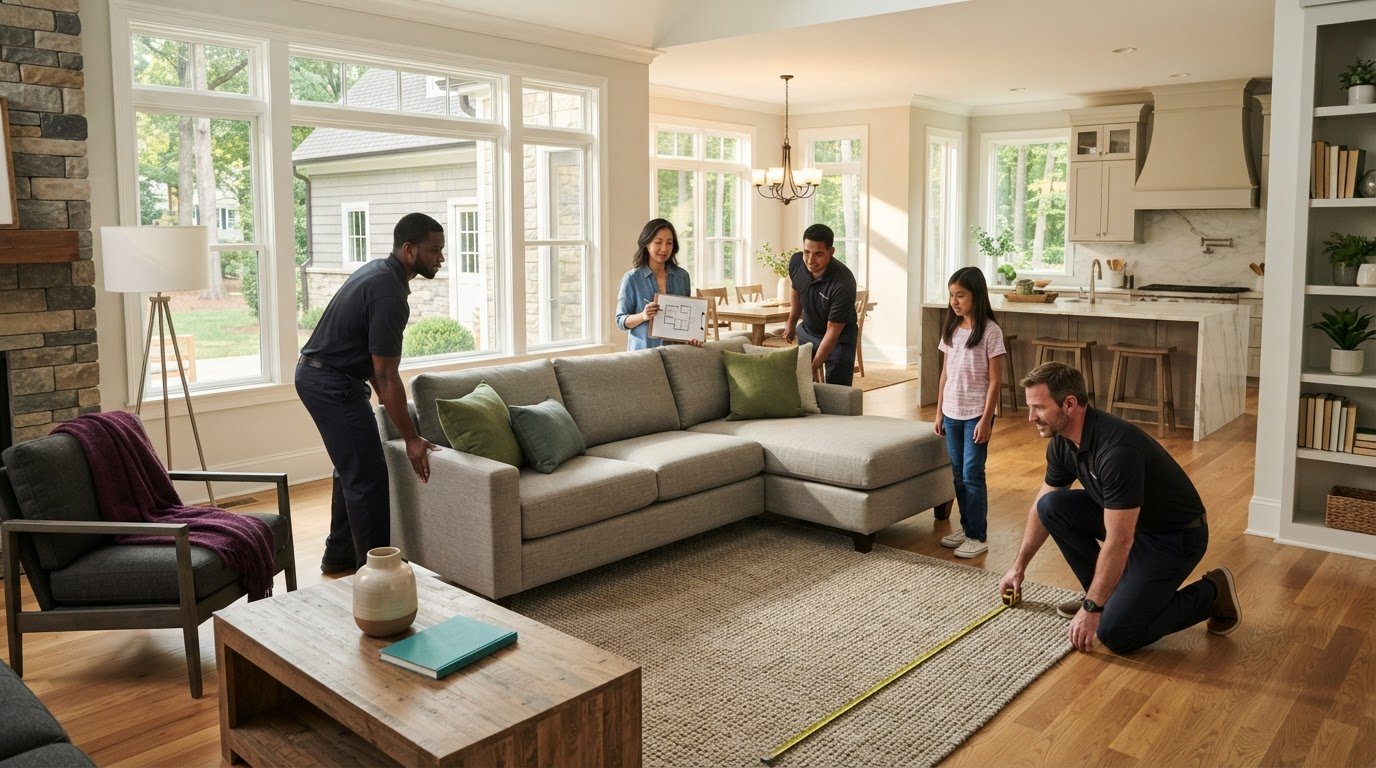
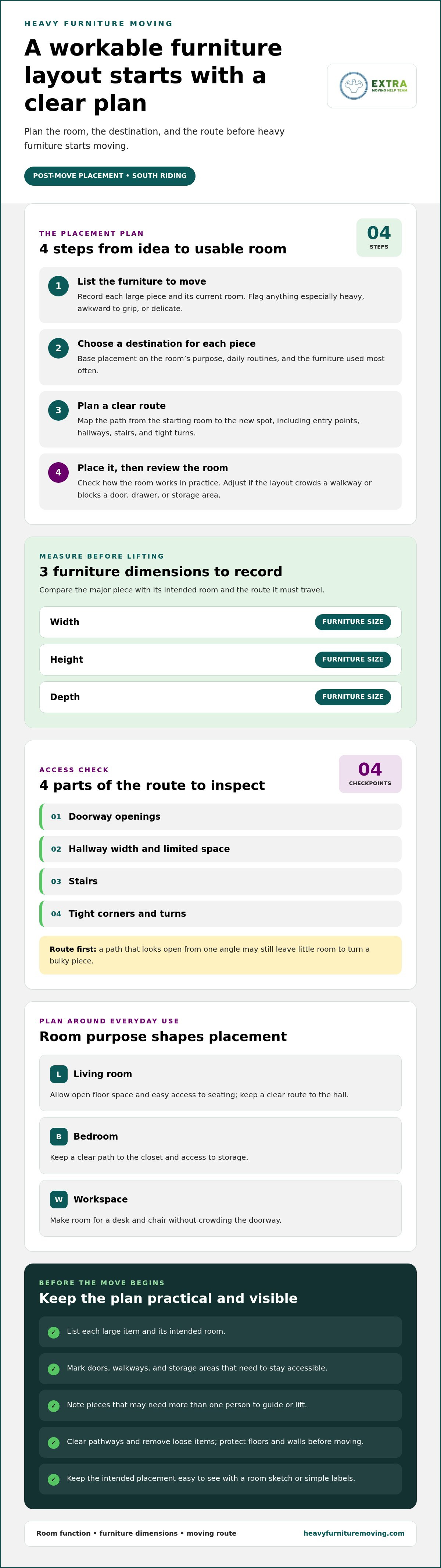
Record the width, height, and depth of major pieces, then compare those measurements with the intended room and its entry points. Plan the whole route, not just the final spot: check doorway openings, hallway width, stairs, and tight turns between rooms. South Riding homes have different layouts, so note the access constraints in your home before lifting begins.
- List large furniture pieces and their intended rooms.
- Note narrow doorways, stairs, tight corners, or limited hallway space.
- Mark doors, walkways, and storage areas that need to stay accessible.
Share these details with the moving team along with your room priorities. A route that looks open from one angle may leave little room to turn a bulky piece. Planning the path first helps you make realistic placement decisions and avoid a move that stalls at a doorway.
How a Furniture Placement Consultation Turns a Floor Plan Into a Workable Layout
A floor plan can show where you want a sofa or dresser to go, but it can’t always show whether the piece will clear the doorway or fit once it’s in the room. A useful placement plan brings those details together before heavy furniture starts moving. It connects your preferred layout with the actual pieces, room dimensions, and route through the home. That makes the plan practical, not just attractive on paper.
A useful furniture plan accounts for room function, dimensions, and the moving path. Keep the process simple and in order:
- List the furniture that needs to move.
- Choose a destination for each piece.
- Plan a clear route from its current location to its new spot.
- Place the furniture, then review how the room works in practice.
Layout decisions and physical moving are related, but they’re different tasks. You can decide where a bookcase belongs without being able to carry it safely down a staircase. For in home furniture rearranging South Riding households can plan the desired result first, then identify which pieces need coordinated lifting. This keeps design choices in your hands while making the heavy work easier to organize.
Create a room-by-room placement plan
Sketch each room and mark doors, windows, walkways, and the intended destinations for large pieces. Choose a focal point, such as a television, fireplace, or window, then arrange everyday-use zones around how your household spends time there. There’s no single right style. Leave room to adjust if measurements or access limits mean a piece needs a different position.
Make the drawing easy to use. Label furniture clearly and mark which side faces the room or focal point. For instance, show whether a desk should face a window or a wall, and note which side of a bed needs an open path. These details help prevent a piece from arriving in the right room but facing the wrong way.
Plan the physical move from room to room
Group pieces by destination so the move follows a sensible sequence instead of sending furniture back and forth through the home. Flag items that are especially heavy, awkward to grip, or delicate. Before moving a bulky piece, review the route and intended position together. A clear plan tells the moving team where each item is going and what access challenges lie between its starting point and destination.
- Mark each item’s starting room and destination.
- Identify pieces that need more than one person to guide or lift.
- Keep the intended placement visible, such as with a room sketch or simple labels.
Once pieces are in place, walk through the room as you normally would. Check that doors open, walkways are usable, and the arrangement supports daily routines. If a heavy item needs to shift again, in-home furniture moving help can make the physical adjustment easier to manage.
DIY Rearranging or Professional Help in South Riding? Compare the Task, Not Just the Item
A move across the room can look simple, but distance alone doesn’t tell you how demanding it will be. A lightweight chair may be easy to shift, while a bulky sofa can be difficult to steer through a narrow doorway. Decide based on the piece’s weight and dimensions, the route it must take, and how many items need moving. A short indoor move isn’t automatically easy or low-risk.
Use this quick comparison to assess the task before you start:
Moving it yourself may work: It’s one lightweight item, the route is clear, and you have enough room to guide it without straining or blocking an exit.
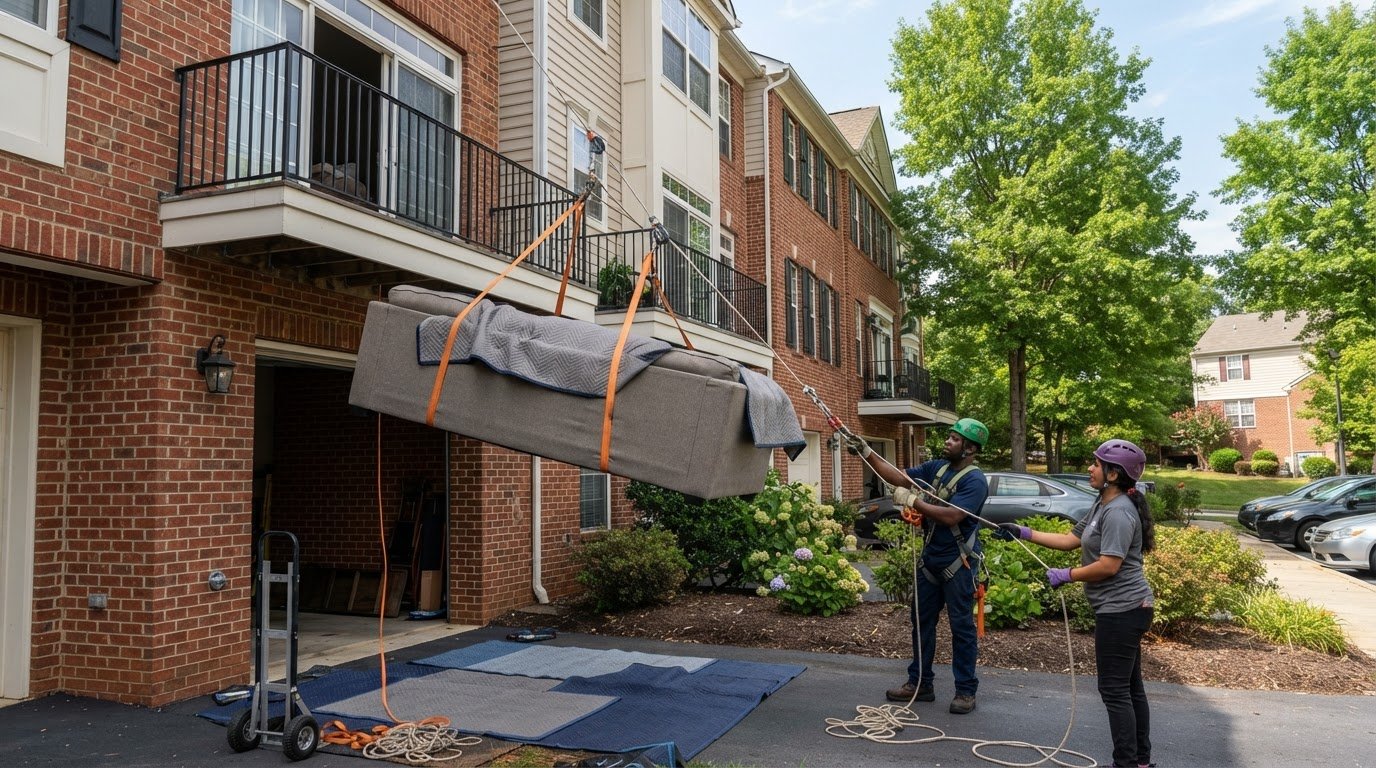
Lifting help makes sense: The furniture is heavy or awkward, there are several pieces, the route includes stairs or tight turns, or the move is difficult to control alone.
Pause and reassess: The item feels unstable, your grip is awkward, or you can’t see a safe, clear path to the destination.
Even if you plan the layout yourself, you don’t have to handle every lift yourself. For in home furniture rearranging South Riding residents can decide where an item belongs separately from arranging the demanding physical work of getting it there.
When a simple furniture shift may be manageable
A small, lightweight piece may be reasonable to move alone if you can keep it steady and move without straining. Clear the route first, check that the destination has enough space, and make sure the furniture won’t block a doorway or exit. Stop if it feels awkward, unstable, or difficult to control. Don’t force the move just because the piece looks small.
Keep the distinction clear: planning a new spot is low effort, but moving the piece is manageable only if you stay in control from start to finish. If that changes, stop and choose a safer approach.
When heavy-item moving help makes sense
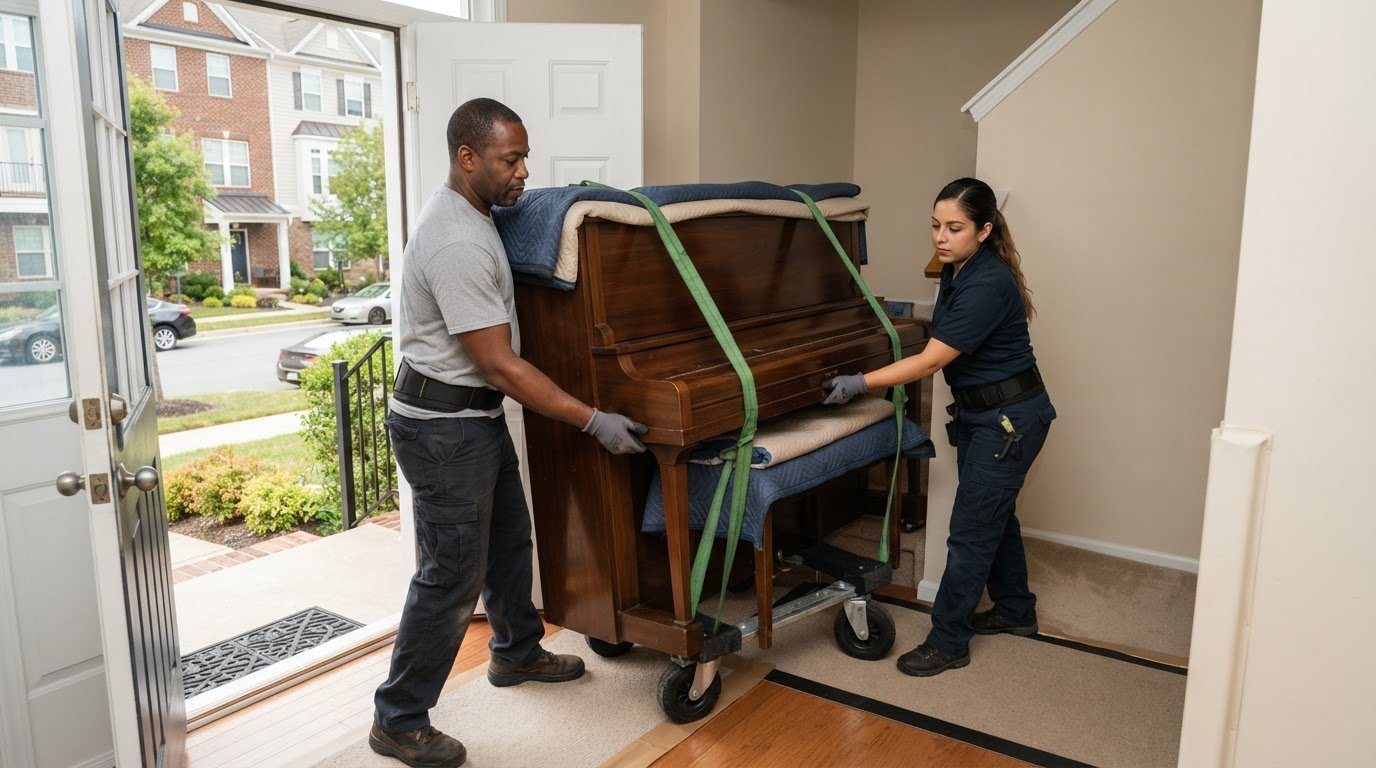
Bulky sofas, dressers, pianos, safes, and exercise equipment can demand more than strength alone. Their size may limit handholds and visibility, while stairs, tight turns, or delicate floors add challenges. Moving several pieces also means more handling and a greater chance of crowding the route. Heavy Furniture Moving provides residential help with physically demanding room-to-room moves.
Before lifting, consider these factors together:
- Weight and dimensions: Can the item be controlled securely, and will it clear the route?
- Access: Are stairs, narrow turns, or delicate surfaces part of the path?
- Number of pieces: Will moving one item leave space to maneuver the next?
- Control: Can everyone involved guide the piece without twisting, rushing, or losing a clear view?
If any answer raises concern, don’t assume the move is safe just because it’s brief. Heavy Furniture Moving helps South Riding households move heavy and bulky household items, including room-to-room repositioning when the task calls for coordinated lifting.
Prepare Your South Riding Home for Furniture Rearranging
A clear room and open route make it easier to focus on the furniture, not the clutter around it. Before rearranging begins, prepare the spaces the items will pass through and the rooms where they’ll go. This simple reset helps everyone see the route, reduces trip hazards, and gives the moving team room to guide bulky pieces.
Clear the rooms and protect the moving route
Walk the full path from each item’s starting point to its destination. Pick up loose objects, move cords out of the way, and roll up rugs that could shift underfoot. Open doors where possible, and keep hallways and stairs clear. Don’t use a narrow passage to store boxes while furniture is being moved through it.
Point out spots that need extra care, such as a delicate floor, a tight corner, or a wall near a doorway. Share these details before the move starts so the team can account for them while guiding each piece. South Riding homes have varied layouts and access routes, so describe the conditions in your home rather than assuming a standard path.
- Clear small objects, cords, rugs, and other trip hazards from the route.
- Keep doorways, halls, and stairways open and free of stored items.
- Identify floors, walls, corners, or other areas that need careful handling.
- Make space around the furniture’s intended destination.
Clear the destination, too. A sofa may fit through the doorway but still be difficult to position if boxes or other furniture crowd the room. Move small belongings out of the way and leave enough working space to guide the item into place.
Share the details that make the plan practical
Before arranging local moving help, prepare a straightforward item list. Note where each piece is now and where you want it to go. Add a short description of unusual weight, delicate features, stairs, narrow passages, or turns along the route. A simple room plan helps everyone understand the request without relying on memory while furniture is in motion.
- List every piece to be moved and its current room.
- Write down each item’s intended destination.
- Flag unusually heavy, bulky, or fragile furniture.
- Describe access challenges along the route, including stairs and tight turns.
- Keep your room plan handy so the requested placements are easy to review.
Clear information helps turn a planned rearrangement into a more organized hands-on task. It also distinguishes pieces that need coordinated lifting from smaller items you may handle separately. Heavy Furniture Moving serves South Riding and nearby communities including Fairfax, Woodbridge, Manassas, Manassas Park, Aldie, Ashburn, McLean, Vienna, Reston, Centreville, Chantilly, Clifton, Dumfries, Fairfax Station, Haymarket, and Gainesville. See how in-home furniture moving help can support your plan.
Heavy Furniture Moving Help in South Riding
Once you’ve chosen where each piece belongs, the hardest part may be getting it there. Heavy Furniture Moving helps South Riding households reposition bulky furniture and other heavy items inside the home. This support can be useful after a move, when a room’s purpose changes, or when a heavy piece needs to go from one floor or room to another.
Share the item list and destination plan before the work begins. Include each piece’s current location, intended room, and any access details that affect its route. For example, note whether a sofa must pass through a narrow hall or a dresser needs to go upstairs. Clear directions help the team understand the work and plan around your home’s actual layout.
What to expect from in-home furniture moving help
In-home moving help focuses on the physical repositioning you’ve planned. The requested items, destination rooms, and route provide a practical starting point. Bulky pieces often need coordinated handling to guide them through interior spaces and place them where you want them. Your room plan can also show which items are part of the move and which should stay in place.
Be specific about unusual handling needs. Heavy furniture, pianos, safes, and exercise equipment can be difficult to maneuver because of their size, weight, or shape. Mention these pieces clearly, along with stairs, tight turns, or limited access along the route. A complete description helps clarify the physical work involved before moving begins.
- Identify each item and its current room.
- Give the intended destination for every piece.
- Describe stairs, narrow passages, or awkward turns between rooms.
- Point out delicate or unusually heavy items that need careful coordination.
A clear plan also keeps the work focused. If a room has several large pieces, note the order or final arrangement you have in mind. You can then review the placements as the furniture is set and make practical adjustments without losing track of the overall goal.
Make the next step straightforward
Before arranging help, gather your furniture list, room changes, and access notes in one place. A brief written outline is enough to explain what needs moving and where each item should go. This is especially helpful when the request includes multiple rooms or a mix of furniture and heavy household items.
Heavy Furniture Moving is a veteran-family owned and operated business serving South Riding and nearby Northern Virginia communities. If heavy lifting is standing between you and a more usable layout, get help with in-home furniture rearranging in South Riding.
Make Your New Layout Work for Everyday Life
Your first furniture plan doesn’t have to be the final one. Live with the arrangement for a little while and notice what feels easy, what gets in the way, and which spots aren’t serving your routine. A small adjustment can make a room feel more natural, but don’t risk straining yourself to shift a heavy piece. Keep a short list of changes you’d like to make and group them into one clear plan.
For in home furniture rearranging South Riding residents can turn that plan into a practical next step by identifying which items need careful lifting and where they should go. A clear request focuses the work on making your rooms more comfortable and usable, without taking on demanding moves alone.
Ready to get the heavy pieces into position? Get local help moving heavy furniture into place in South Riding. Take the next step toward a home that feels settled and works better for you.
Frequently Asked Questions
Can movers rearrange furniture inside my home in South Riding?
Yes. Heavy Furniture Moving provides residential moving help to reposition heavy and bulky furniture inside South Riding homes. The team also serves Fairfax, Woodbridge, Manassas, Manassas Park, Aldie, Ashburn, McLean, Vienna, Reston, Centreville, Chantilly, Clifton, Dumfries, Fairfax Station, Haymarket, and Gainesville. For in home furniture rearranging South Riding, list the pieces to move and their intended rooms so the request is clear.
How do I plan furniture placement after moving into a new home?
Start by deciding what you need each room to do, then test possible arrangements before committing. For example, use painter’s tape to mark a sofa’s footprint on the floor and see whether the remaining space works for your normal routines. Try the same approach for a desk or dining table. This makes it easier to compare options without repeatedly shifting large pieces.
Is it safe to rearrange heavy furniture by myself?
It may not be safe to move a heavy or awkward piece alone, especially if you can’t maintain a steady grip or see the route clearly. Don’t try to catch furniture that starts to tip, and avoid twisting while carrying a load. If an item feels unstable or you’re unsure you can control it throughout the move, stop and get help rather than forcing it.
What should I measure before moving furniture into another room?
Measure the furniture’s height, width, and depth, including parts that stick out, such as handles or legs. Check the narrowest doorway and passage on the route, not just the room entrance. Also consider the space needed to turn the item and position it at its destination. If measurements are close, don’t assume angling the piece will solve the problem. Plan the route carefully before moving.
Can furniture movers help move a piano, safe, or exercise equipment indoors?
Yes. Heavy Furniture Moving handles specialized residential moves involving pianos, safes, and exercise equipment. These items can be difficult to maneuver because of their weight, shape, or limited handholds. Share the item type and destination, including whether the route involves stairs or tight turns. That information helps the team understand the handling involved and plan the indoor move.
How much does in-home furniture rearranging cost in South Riding?
The cost depends on the work involved, including the number and type of items, how far they need to move inside the home, and access challenges along the route. Moving one bulky piece is different from repositioning several items across multiple rooms. To describe the job clearly, list the items and destinations and note any stairs or narrow passages.
What should I do before movers rearrange furniture in my home?
Empty drawers and shelves in the pieces being moved, and remove breakable objects from nearby surfaces. Secure loose cords on electronics and keep children or pets away from the active route while furniture is in motion. If an item has a removable part, such as a shelf or cushion, set it aside so it won’t shift during handling. Keep the room plan available for reference.
Frequently Asked Questions
Yes. Heavy Furniture Moving provides residential moving help to reposition heavy and bulky furniture inside South Riding homes. The team also serves Fairfax, Woodbridge, Manassas, Manassas Park, Aldie, Ashburn, McLean, Vienna, Reston, Centreville, Chantilly, Clifton, Dumfries, Fairfax Station, Haymarket, and Gainesville. For in home furniture rearranging South Riding, list the pieces to move and their intended rooms so the request is clear.
Start by deciding what you need each room to do, then test possible arrangements before committing. For example, use painter’s tape to mark a sofa’s footprint on the floor and see whether the remaining space works for your normal routines. Try the same approach for a desk or dining table. This makes it easier to compare options without repeatedly shifting large pieces.
It may not be safe to move a heavy or awkward piece alone, especially if you can’t maintain a steady grip or see the route clearly. Don’t try to catch furniture that starts to tip, and avoid twisting while carrying a load. If an item feels unstable or you’re unsure you can control it throughout the move, stop and get help rather than forcing it.
Measure the furniture’s height, width, and depth, including parts that stick out, such as handles or legs. Check the narrowest doorway and passage on the route, not just the room entrance. Also consider the space needed to turn the item and position it at its destination. If measurements are close, don’t assume angling the piece will solve the problem. Plan the route carefully before moving.
Yes. Heavy Furniture Moving handles specialized residential moves involving pianos, safes, and exercise equipment. These items can be difficult to maneuver because of their weight, shape, or limited handholds. Share the item type and destination, including whether the route involves stairs or tight turns. That information helps the team understand the handling involved and plan the indoor move.
The cost depends on the work involved, including the number and type of items, how far they need to move inside the home, and access challenges along the route. Moving one bulky piece is different from repositioning several items across multiple rooms. To describe the job clearly, list the items and destinations and note any stairs or narrow passages.
Empty drawers and shelves in the pieces being moved, and remove breakable objects from nearby surfaces. Secure loose cords on electronics and keep children or pets away from the active route while furniture is in motion. If an item has a removable part, such as a shelf or cushion, set it aside so it won’t shift during handling. Keep the room plan available for reference.