How to Move a Heavy Cast Iron Stove in Clifton Safely
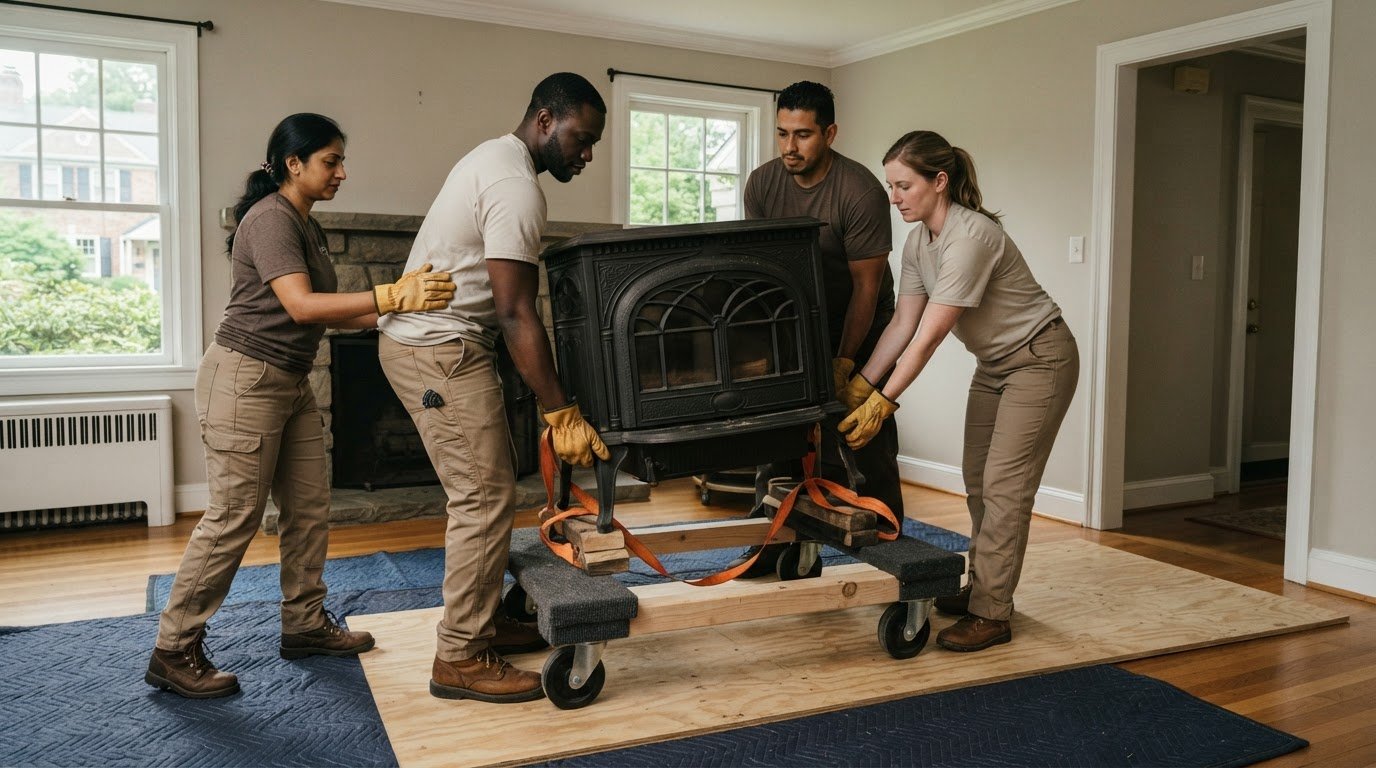
Don’t try to muscle a cast iron stove onto a dolly with a small crew. Moving a heavy cast iron stove in Clifton starts with at least four people for the lift and a furniture dolly with four swivel wheels and a wide, flat base.
It’s a demanding job. Protecting your floors, hands, and the stove matters as much as getting it moving. A clear plan helps everyone control the load and avoid sudden shifts on the way out.
This guide explains how to prepare the stove, secure it to a dolly, and protect floors along the route. It also covers DIY risks and transport planning, so you can choose an approach that suits your home and the crew available.
Key Takeaways
- Clear the stove and route before lifting, and secure the load so it can’t shift while rolling.
- Protect floors with a continuous plywood path or furniture sliders, and choose the method that suits the surface and route.
- Wood stoves can weigh 300 to 800 pounds; treat a stove over 500 pounds as a strong reason to hire professional movers.
- For a move to another house, plan loading and unloading together, and consider a truck with a hydraulic lift gate.
- Use the stove’s model information and removable components to estimate its moving weight before assembling a crew and equipment.
Loading a stove onto a furniture dolly
Prepare the stove by removing loose contents and detachable parts. Then check its weight, choose suitable equipment, and plan the lift before anyone raises it.
-
Estimate the Stove’s Weight
Find the model and manufacturer information, then use it to estimate the stove’s weight. Wood stoves can weigh from 300 to 800 pounds, with an average around 500 pounds. Don’t assume a similar-looking stove weighs the same.
-
Prepare the Stove for Moving
Remove loose contents and detachable components that can be moved separately. This reduces the load and keeps loose parts from shifting. Set each piece aside in a clear spot, away from the dolly’s path. Check that doors and other movable sections won’t swing open as the stove tilts.
- Clear and inspect the route before lifting. Move obstacles and check that the dolly can pass through doorways and around turns. Plan where everyone will stand and how the stove will be turned. A clear path helps the crew move together instead of stopping mid-lift to shift furniture or change direction.
-
Load the Stove onto a Furniture Dolly
Choose a furniture dolly with four swivel wheels and a wide, flat wood or metal base. Use four people altogether as the minimum for lifting a wood stove onto the dolly.
- Position the dolly close to the stove and agree on a lift cue before anyone starts. Lift in a controlled motion, keeping hands clear of the stove’s feet and the dolly’s edges. If using boards to raise the stove, tilt it from side to side and slide 2x4 planks underneath until its legs clear the floor. Don’t rush the shift.
- Once the stove is on the dolly, center its weight over the base. Secure it with strong rope or sturdy straps, tightened so it can’t slide or tip. Check every attachment point before rolling. If the stove leans, shifts, or strains the dolly, stop and reset the load rather than correcting it while moving.
Moving equipment and floor protection
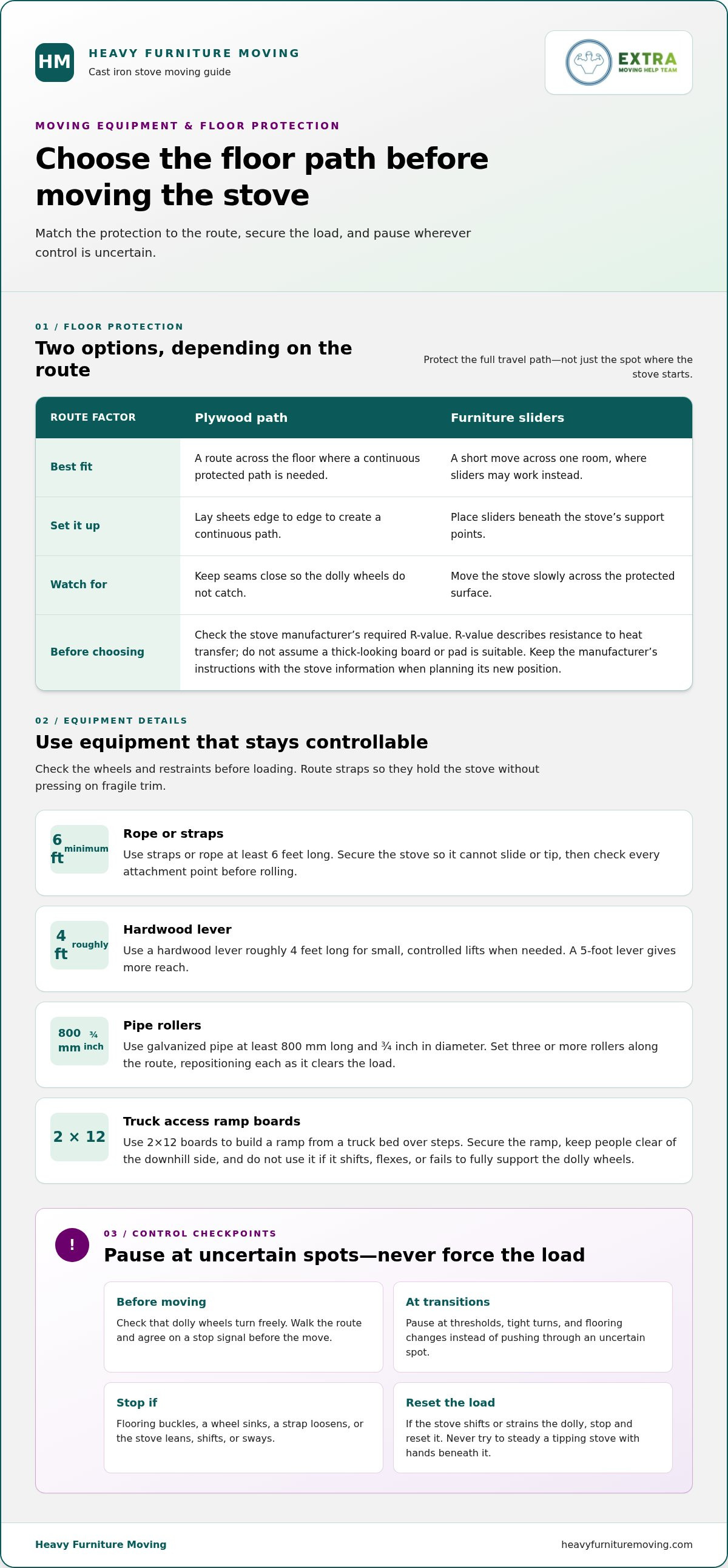
- Choose the route before moving a heavy cast iron stove in Clifton. Lay plywood sheets edge to edge to create a continuous path over the floor, keeping seams close so the wheels don’t catch. For a short move across one room, furniture sliders may work instead. Place them beneath the stove’s support points and move it slowly.
- Check the stove manufacturer’s required R-value before choosing floor protection. R-value describes how well a material resists heat transfer, so the right protection depends on the stove’s installation requirements. Don’t assume a thick-looking board or pad will work. Keep the manufacturer’s instructions with the stove information when planning its new position.
- Prepare the dolly and restraints for the load. Use straps or rope at least 6 feet long, routing them to secure the stove without pressing on fragile trim. Check that the dolly wheels turn freely before loading. A sticking swivel wheel can pull the stove off course at a turn, especially when moving a heavy cast iron stove in Clifton through a narrow room.
- Use a crew that can control a medium or large wood-burning stove throughout the move. One person can guide the dolly and watch the route while others control the load. Agree on a stop signal before moving. Pause at thresholds, tight turns, and flooring changes instead of pushing through an uncertain spot.
- Use a hardwood lever roughly 4 feet long for small, controlled lifts when needed. A 5-foot lever gives more reach. For pipe rollers, use galvanized pipe at least 800 mm long and ¾ inch in diameter. Set three or more rollers along the route. Move the stove carefully, repositioning each roller as it clears the load.
- Protect stairs and truck access separately. Use 2x12 boards to build a ramp from a truck bed over steps, and secure the ramp before moving. Keep people clear of the downhill side. Don’t use a ramp that shifts, flexes, or leaves the dolly wheels without full support.
- Stop if flooring buckles, a wheel sinks, or the load sways. A floor jack has been used to lift and roll a stove; another reported method used a heavy-duty hand truck, ratchet straps, and padding for a stove weighing about 600 pounds. These examples don’t make improvised equipment right for every route. If controlling the load is difficult, get help with a heavy lift instead of forcing it across an unprotected surface.
Risks of DIY moves versus hiring professionals
- Compare the stove’s weight with the 500-pound threshold. Wood stoves can weigh as much as 800 pounds, and the average is around 500 pounds. The guidance for this move recommends hiring professional movers when a stove weighs over 500 pounds. Treat that threshold seriously, especially if the route includes steps, narrow turns, or a long carry.
- Assess the route, not just the lifting distance. A stove that clears an open room may become difficult at a doorway, threshold, or stair landing. Each turn changes the load’s balance. Walk the whole path before deciding on a DIY move, including the route from the house to the vehicle. Tight spaces leave little room to reposition a heavy load safely.
- Count the people and assign clear roles. A medium or large wood-burning stove requires at least three people to move safely. Professional stove moves typically require at least two movers, though the crew size depends on the task. Before lifting, choose one person to call each movement and make sure everyone knows when to stop. Conflicting commands can make the stove shift unexpectedly.
- Be honest about equipment and control. A dolly, straps, and floor protection help only when the crew can keep the load stable. Stop if a wheel catches, a strap loosens, or the stove starts leaning. Never try to steady a tipping stove by placing your hands beneath it. A brief loss of control can damage flooring, walls, the stove, or the people handling it.
- Factor in fatigue and repeated handling. A DIY move may involve lifting, guiding, opening doors, and adjusting equipment while controlling a dense iron load. Fatigue can make grip and coordination less reliable. If the crew needs repeated breaks or can’t maintain a steady pace, pause and reassess instead of pushing through. Obstacles and uneven surfaces add to the challenge.
- Choose professional help when the job exceeds your crew’s ability. Hire trained movers for a stove over 500 pounds, an awkward route, or a move involving stairs and vehicle loading. Professional movers bring experience coordinating heavy loads and usually handle a stove move with at least two movers. For a lighter stove on a clear, level route, a capable crew may manage the job, provided everyone can control each stage.
- Make the decision before lifting. Write down the stove’s estimated weight, route challenges, available crew, and equipment. If any factor raises doubts about control, don’t begin a DIY lift. It’s safer to decide during planning than to solve a problem after the stove is off the floor.
Moving a stove to another house
Permit requirements may depend on installation work planned at the new house. Transporting and installing the stove are separate tasks. Moving it through stairs, narrow doorways, or tight hallways is safe only if the route and crew allow the load to remain under control.
- Plan both ends of the trip. Walk the route from the stove’s current position to the vehicle, then inspect the destination path. Measure narrow doorways and hallway turns against the stove’s actual dimensions. Include landings and thresholds: the stove might fit through a doorway but lack room to turn beyond it.
- Remove loose and detachable parts. Take out components that can be carried separately to reduce the stove’s weight. Keep them together and protect them during transport. Check that doors and other movable parts won’t swing open while the stove is being lifted or carried.
- Choose a vehicle-loading method. If possible, use a moving truck with a hydraulic lift gate. It raises the dolly and stove without requiring a ramp from the ground to the truck bed. If using a ramp over steps, make sure the boards are stable and suitable for the load before moving begins.
- Secure the stove for the drive. Strap it firmly to the side of the moving vehicle, keeping the stove on its dolly for unloading. Check that the straps hold it steady and that the dolly cannot roll. Recheck the load after positioning it, before the vehicle leaves.
- Adjust the plan for stairs and tight halls. These routes require controlled lifting, clear communication, and enough room to guide the stove through each turn. Stop at a landing if the crew needs to reset its grip or position. Don’t force the stove past a doorway or continue when the load blocks the crew’s view or movement.
- Set a clear limit for DIY handling. Professional movers are recommended for wood stoves weighing over 500 pounds. Most professional stove moves require at least two movers. A heavy stove combined with stairs, awkward turns, or vehicle loading makes control harder at every transition, so plan the crew and equipment around the whole route.
- Separate transport from destination setup. Once the stove reaches the new house, keep it secured until it is ready to move into its final position. Installation may involve different requirements from carrying the stove inside. Keep its model information available when planning the setup.
Permit requirements may depend on installation work planned at the new house, which is separate from transporting the stove. Use a controlled crew and suitable equipment, and secure the stove and its movable parts throughout loading and transport.
How much does a cast iron stove typically weigh, and how can I estimate its weight?
- Use the range as a planning starting point. Wood stove weight varies by model and manufacturer, so check the specific stove’s listed weight before planning a move. Around 500 pounds is the average, but that midpoint isn’t a safe estimate for every cast iron stove. A heavy model may weigh considerably more, so plan around its own specifications instead of assuming it matches a familiar appliance.
- Identify the exact model before choosing equipment. Look for the manufacturer and model name, then find the weight listed for that specific stove. That example shows why the model’s full weight may differ from its prepared moving weight.
- Account for removable components separately. List the parts you plan to remove, such as a door, grates, or firebrick, and don’t count their weight as gone until they’re actually removed. One Vermont Castings Consolidated DutchWest Federal Design stove weighed 600 pounds. That example is a reminder that a stove can exceed the 500-pound average even before you consider the route or lifting equipment.
- Use the weight to choose a safe moving plan. Compare the stove’s estimated weight with the capacity of the dolly and every other piece of equipment. A stove weighing 800 pounds is far beyond one weighing 300 pounds, even if their outer dimensions look similar. Also consider how the weight will sit on the base: an uneven load can be harder to control than a centered one.
- Reassess after preparation, then decide who should move it. Record the stove’s model, listed weight, and parts removed. If it weighs over 500 pounds, professional movers are recommended for the move. Don’t treat removing parts as a reason to guess at the remaining weight. If the load is heavy or awkward to control, get help moving a heavy stove rather than attempting an uncertain lift.
A Homewood Heritage stove weighs about 400 kg while strapped to its pallet, while a Homewood Matriarch stove weighs around 700 kg while strapped to its pallet. These figures describe the stoves with their pallets, so keep that condition in mind when comparing them with a model specification or planning equipment. Confirm whether the pallet remains part of the load before estimating what must be moved.
Heavy Furniture Moving: Movers Near Me
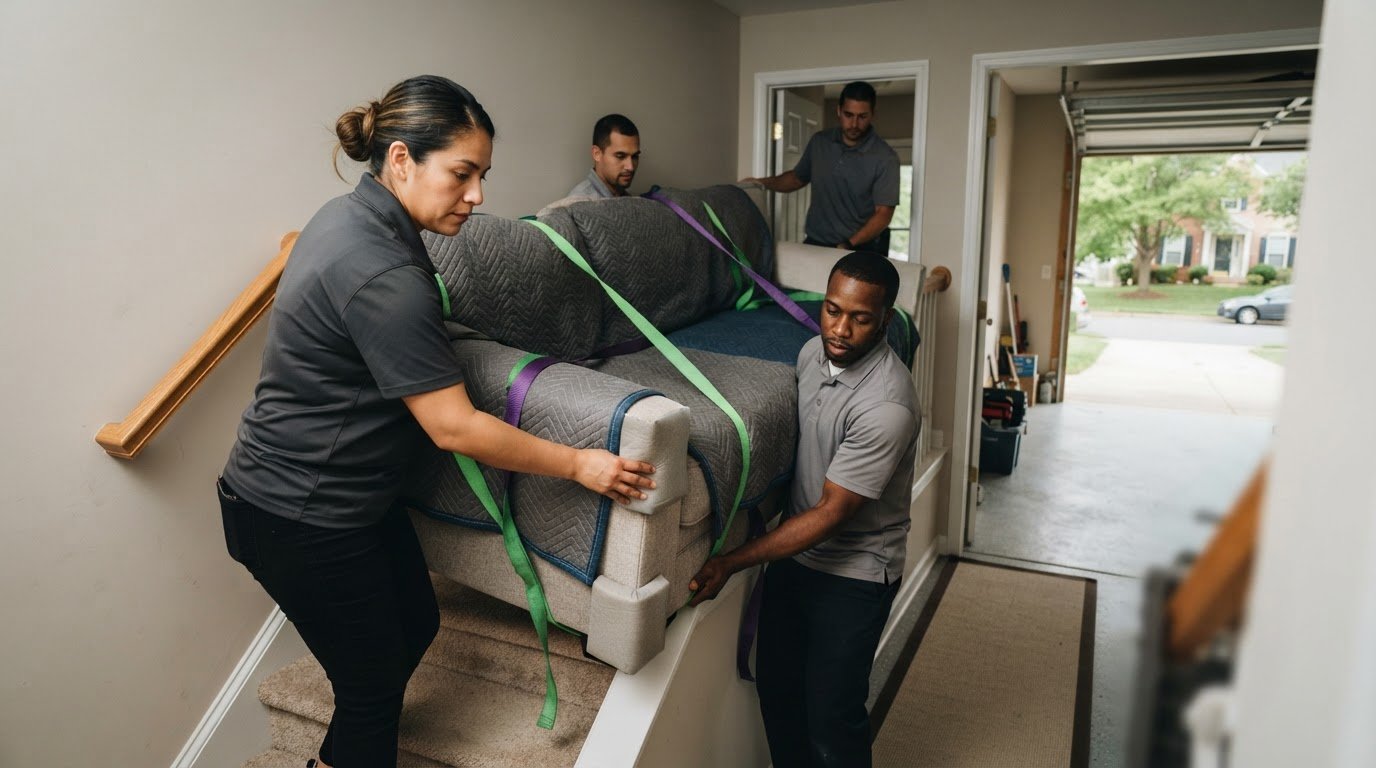
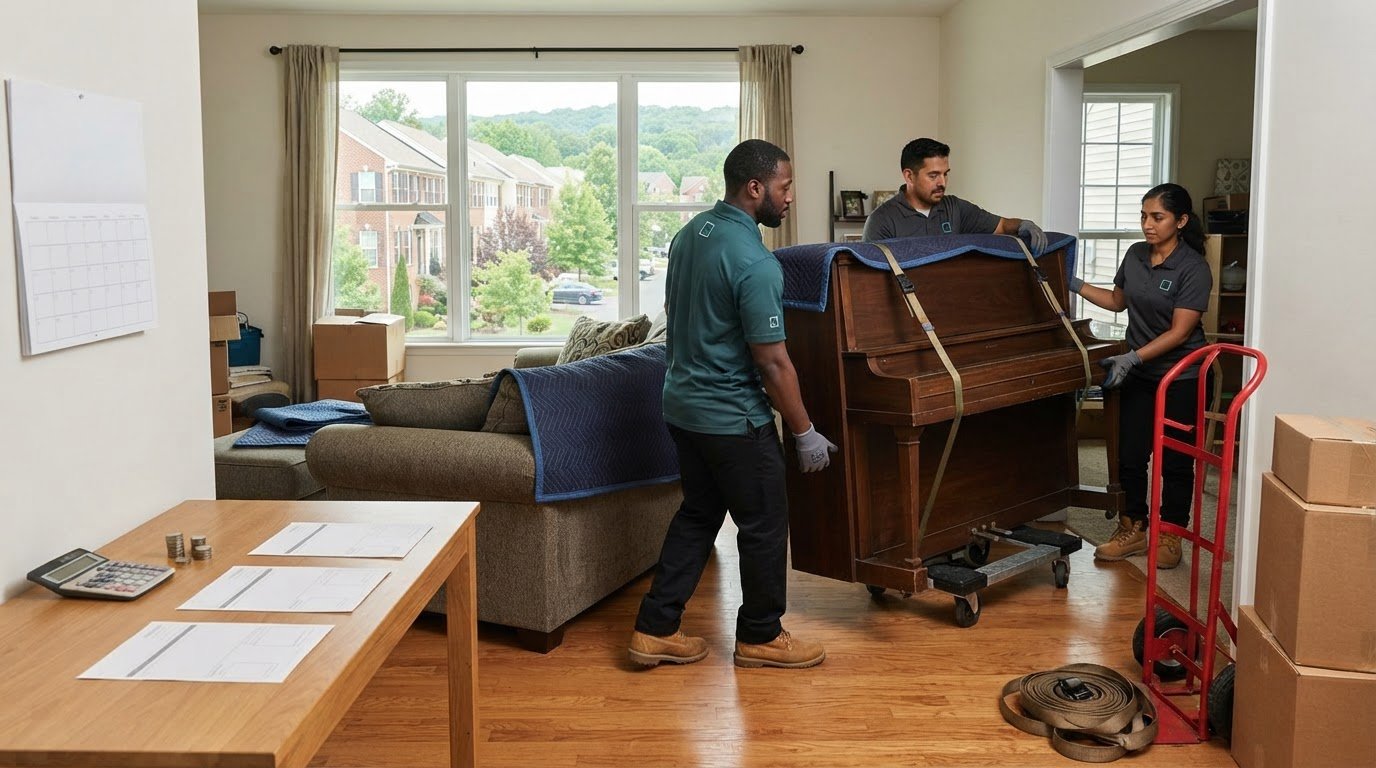
Heavy Furniture Moving offers Movers Near Me for people who need help handling heavy, bulky household items. If your stove is difficult to maneuver through a doorway, down stairs, or into a moving vehicle, a heavy lifting moving service can take some of that physical work off your hands. Share the stove’s estimated weight, the route, and any tight turns when describing the job. That gives the team useful details about the move and the help you need. For a straightforward move you can manage yourself, use the steps above to plan carefully and protect your home. If you’d like help with the heavy lifting, contact Heavy Furniture Moving or visit heavyfurnituremoving.com.
Make the next move with a clear plan
Before arranging help to move a heavy cast iron stove in Clifton, write down the details that shape the job: where the stove sits, the route, and any tight turns or stairs. Include the model information and your best weight estimate. These details give the moving team a useful starting point and help identify where extra care is needed.
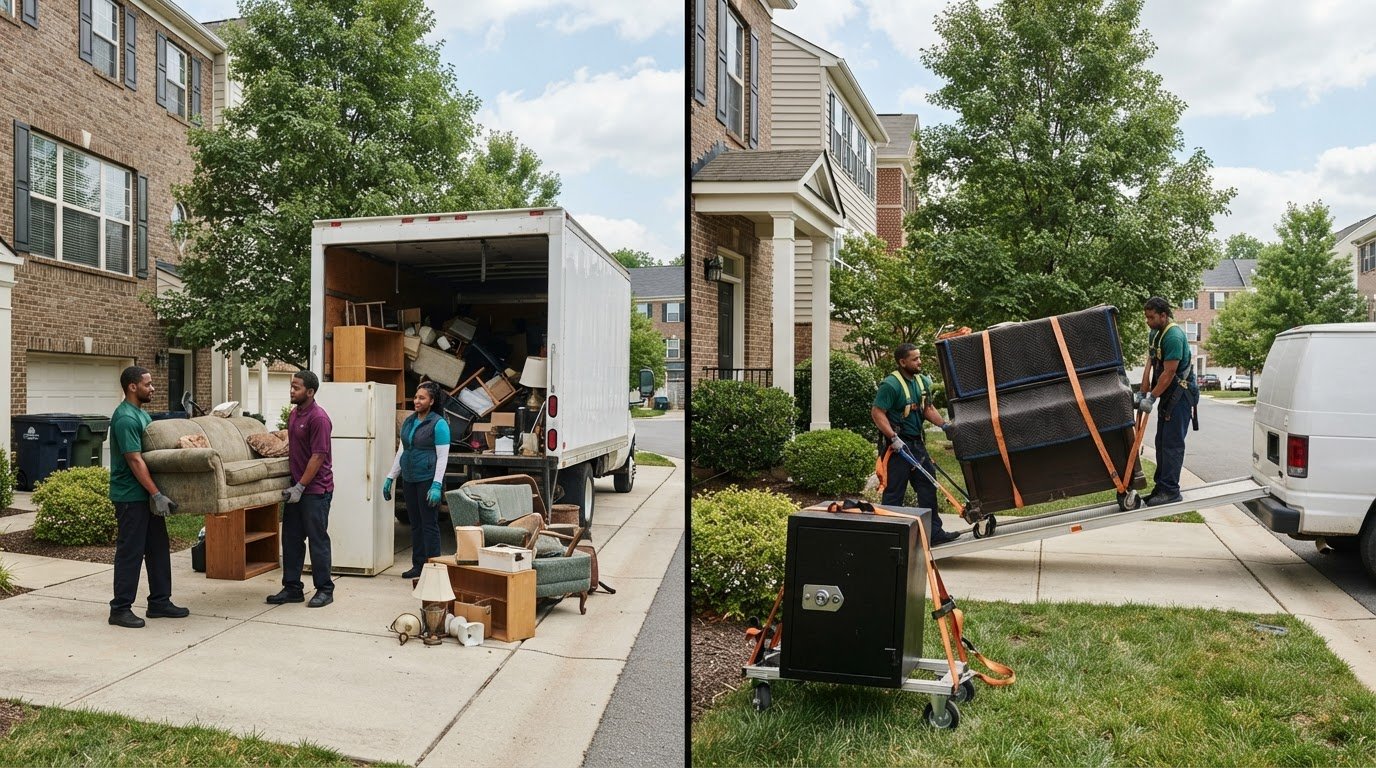
Heavy Furniture Moving offers Movers Near Me, Exercise Equipment Moving, and Sofa Hoisting. For a stove move that feels too demanding to handle alone, describe the item and the route when you get in touch. A clear conversation about the task is a practical first step toward planning the move.
Contact Heavy Furniture Moving to discuss your move. With a solid plan and the right help, you can approach the next stage with confidence.
Frequently Asked Questions
Where can I hire movers for a heavy cast iron stove in Clifton?
For a heavy household move in Clifton, contact Heavy Furniture Moving about its local moving service. Describe the stove, its location, and the route, including stairs or tight turns. Wrap, blankets, and straps are included on every job. Share clear details about the stove and access points when you get in touch.
Which Clifton-area movers specialize in heavy or antique stove moving?
Heavy Furniture Moving handles heavy-item moves in Clifton and nearby communities, including Fairfax, Woodbridge, Manassas, Manassas Park, Aldie, Ashburn, McLean, Vienna, Reston, Centreville, Chantilly, Dumfries, South Riding, Fairfax Station, Haymarket, and Gainesville. Its specialized handling includes pianos, safes, and exercise equipment, as well as sofa hoisting. Mention antique features or fragile parts when discussing your stove move.
What equipment and number of movers are needed to move a cast iron stove safely?
Use a suitable furniture dolly, strong restraints, and four people altogether for the lift onto the dolly. A heavy-duty dolly should have a wide, flat base and four swivel wheels. Use two sturdy straps or rope lengths, each at least 6 feet long. Before moving, check that the stove sits centered and secured. A clear route and agreed stop signal help the crew respond together if the load shifts.
What are the risks of moving a cast iron stove, including damage to floors and injury?
A shifting stove can crush fingers or feet, strain backs, or damage door frames and flooring. Dolly wheels may mark the floor or catch at a threshold, and an unstable load can tip during a turn. Keep hands clear of pinch points, protect the route, and stop if the stove leans or a wheel catches. Don’t try to catch a falling stove. Clear the area and reset the load safely.
What does it cost to move a cast iron stove in Clifton, Virginia?
The cost to move a heavy cast iron stove in Clifton, Virginia typically depends on factors such as the weight and dimensions of the appliance, the number of stairs involved, and any tight corners along the route. Contact Heavy Furniture Moving directly to provide details about your specific stove and layout for an accurate, personalized estimate.
Frequently Asked Questions
For a heavy household move in Clifton, contact Heavy Furniture Moving about its local moving service. Describe the stove, its location, and the route, including stairs or tight turns. Wrap, blankets, and straps are included on every job. Share clear details about the stove and access points when you get in touch.
Heavy Furniture Moving handles heavy-item moves in Clifton and nearby communities, including Fairfax, Woodbridge, Manassas, Manassas Park, Aldie, Ashburn, McLean, Vienna, Reston, Centreville, Chantilly, Dumfries, South Riding, Fairfax Station, Haymarket, and Gainesville. Its specialized handling includes pianos, safes, and exercise equipment, as well as sofa hoisting. Mention antique features or fragile parts when discussing your stove move.
Use a suitable furniture dolly, strong restraints, and four people altogether for the lift onto the dolly. A heavy-duty dolly should have a wide, flat base and four swivel wheels. Use two sturdy straps or rope lengths, each at least 6 feet long. Before moving, check that the stove sits centered and secured. A clear route and agreed stop signal help the crew respond together if the load shifts.
A shifting stove can crush fingers or feet, strain backs, or damage door frames and flooring. Dolly wheels may mark the floor or catch at a threshold, and an unstable load can tip during a turn. Keep hands clear of pinch points, protect the route, and stop if the stove leans or a wheel catches. Don’t try to catch a falling stove. Clear the area and reset the load safely.