Moving Heavy Furniture in Centreville With Hourly Labor
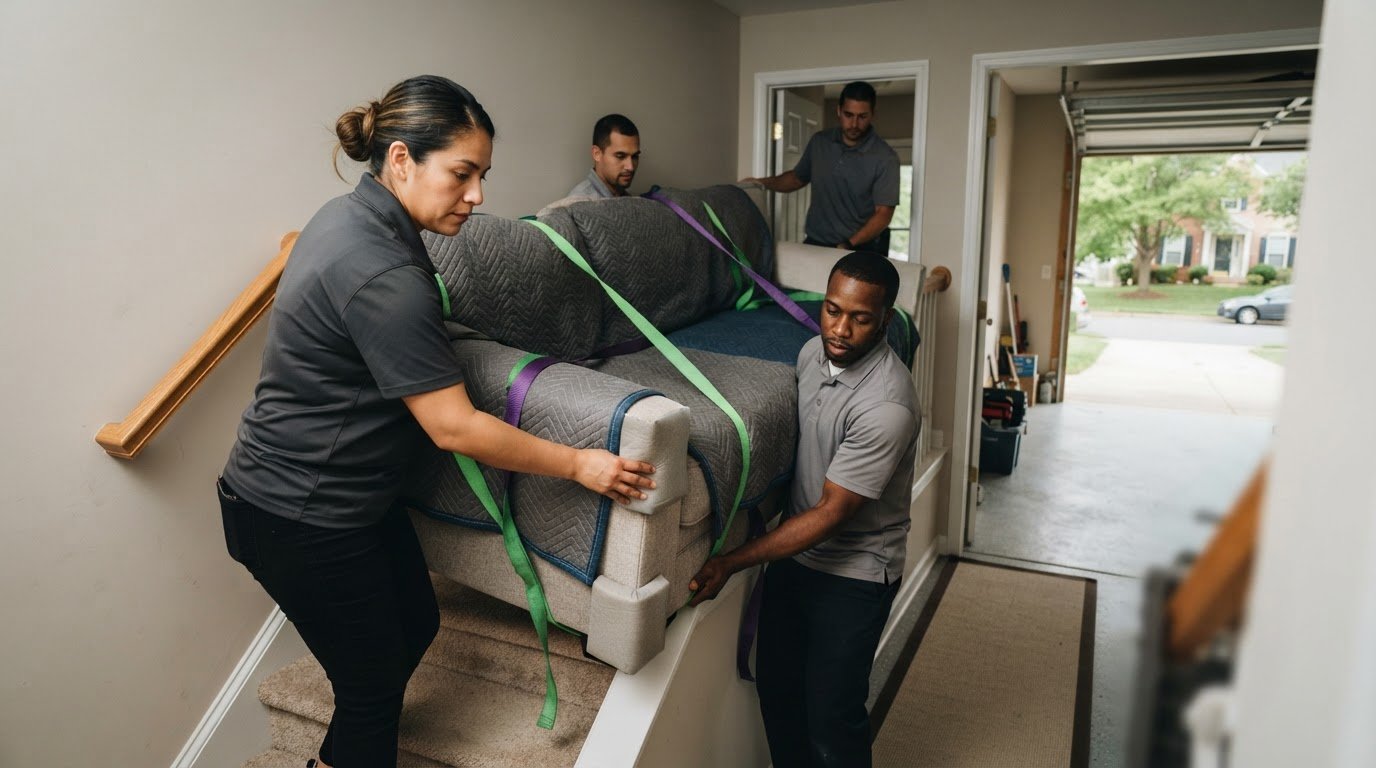
For moving heavy furniture from a basement to a garage in Centreville, Heavy Furniture Moving provides in-home moving help focused on the lifting, without requiring a moving truck. The short distance does not always mean an easy carry: stairs, tight turns, and doorways can shape the work.
Before requesting a quote, share what needs moving, where it is, and the route to the garage. The furniture, stair access, turns, and space for setting items down all affect the plan. Photos of the item and stairs help the team understand the job.
This guide covers how to prepare for a basement-to-garage move, what affects the quote, and how to make the route easier to navigate. You’ll also find practical guidance for heavy furniture, exercise equipment, and awkward turns.
Key Takeaways
- Share stair access, parking conditions, and the furniture’s size and weight when arranging an estimate; these details help define the job.
- Hourly labor is suited to moving items within a property, with the work shaped by the number of items and the route between spaces.
- Clear the path and identify tight turns, low ceilings, and narrow doorways before the lifting begins.
- Bulky sofas and exercise equipment call for a plan that accounts for their shape, balance, and route through the home.
- Plan arrival around the scheduled labor window, and have the destination ready so the crew can focus on moving the items.
Estimate details for stairs, parking, and heavy items
Before requesting a quote, prepare an item list and note the route and parking details. For a basement-to-garage move, each can affect how the work is planned.
Stair and Parking Estimate Factors
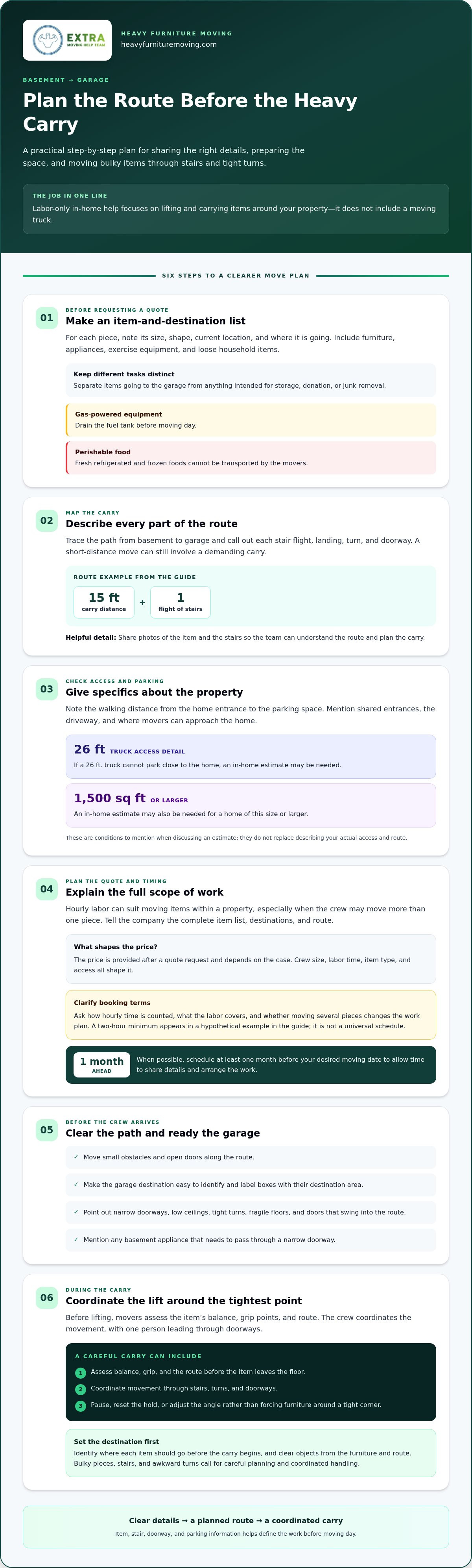
Describe every stair flight, landing, turn, and doorway between the basement and garage. A short furniture move can still involve carrying an item 15 feet and down one flight of stairs. Note the walking distance from the home entrance to the parking space, too. An in-home estimate may be needed if a 26 ft. truck cannot park close to the home. The U.S. Census Bureau says Centreville covers approximately 11.94 square miles of land, so include your specific access details rather than relying on a broad location description.
Heavy Item and Crew Requirements
List each item and describe its size, shape, and current location. A sofa or cabinet may need careful handling on stairs, especially around tight turns or low ceilings. Tell Heavy Furniture Moving about narrow stairwells, landings, and tight doorways. Photos of the item and route help the team plan the carry.
Household layout can also shape the estimate. According to the U.S. Census Bureau, Centreville’s 2020 population density was 6,158.8 residents per square mile; another listed 2020 figure is 2,024.7 residents per square mile. For your estimate, the practical concern is your property’s access: describe shared entrances, the driveway, and where movers can approach the home. If the home is 1,500 square feet or larger, an in-home estimate may be needed.
Make an inventory before the move. Separate furniture going to the garage from items headed for storage, donation, or junk removal, and identify appliances, exercise equipment, and loose household items. This keeps a disposal task from being mistaken for an in-home carry. For gasoline-powered machines, drain the fuel tank before moving day. Movers cannot transport perishable items, including fresh refrigerated and frozen foods.
Use this quick checklist to prepare:
- Write down each item and its destination.
- Describe stairs, landings, doorways, and tight turns.
- Point out the parking space and walking route.
- Separate junk removal from items moving into the garage.
- Label boxes with their destination room or area.
Clear the route before the crew arrives. Move small obstacles, open doors, and make the garage destination easy to identify. Mention narrow doorways and any basement appliance that needs to pass through one. Sharing these details helps the crew plan around the stairs, turns, and heavy items.
Using trained movers and proper lifting techniques
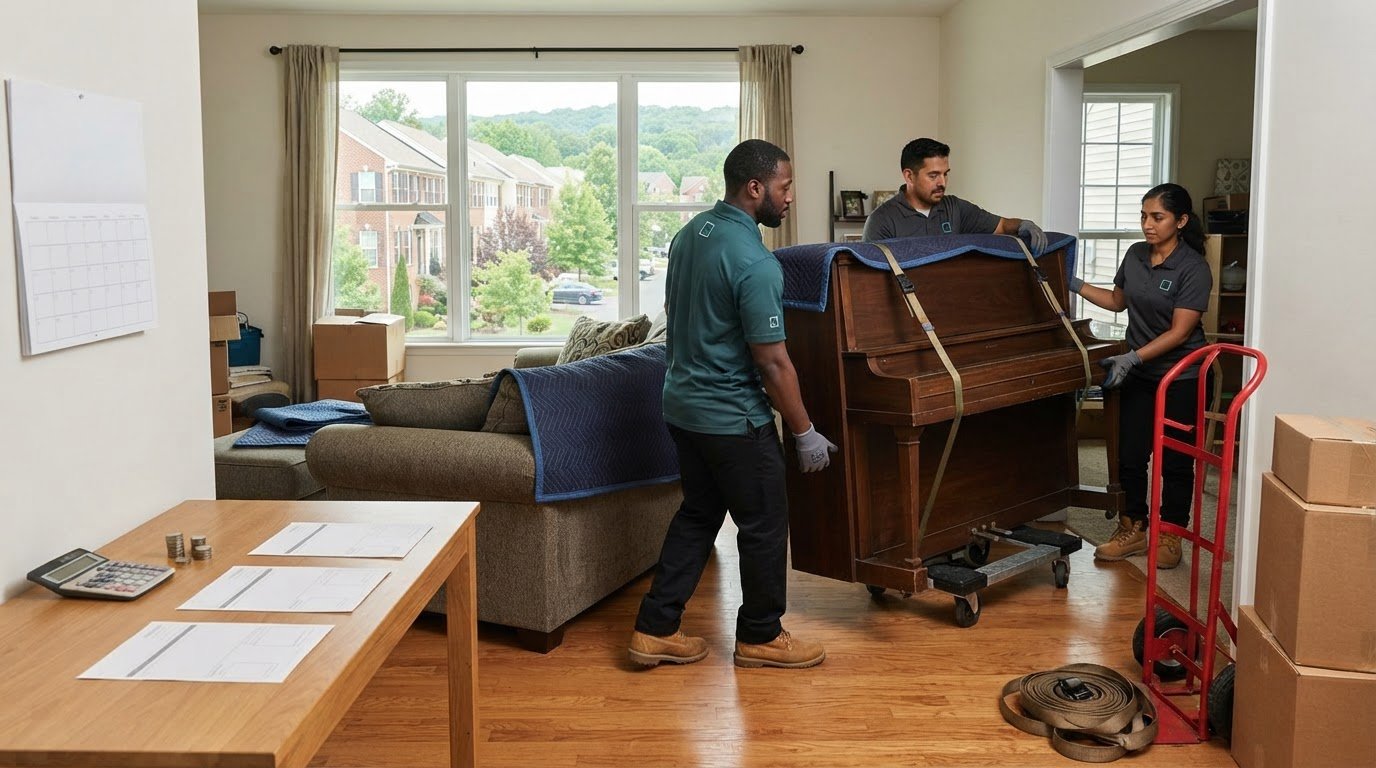
For a heavy furniture move within your home, trained movers can manage the lift and carry through narrow passages. DIY may work for light pieces on a clear route; bulky furniture, stairs, and awkward turns call for careful planning and coordinated handling.
Good lifting starts before an item leaves the floor. Movers assess its balance, grip points, and route, then coordinate the lift so one person leads movement through doorways. They can pause, reset their hold, or adjust the angle instead of forcing furniture around a tight corner. Keep the path clear and tell the crew about fragile floors, low ceilings, and doors that swing into the route.
In-home moving help is useful when a sofa needs to move between rooms or a heavy cabinet needs to be shifted. Identify the final placement before the carry begins. Clear objects from the furniture and route, and point out anything that must stay in place. A specific destination helps the crew plan each turn and set the item down where you want it.
Booking terms and labor costs depend on the job. A two-hour minimum booking period appears in a hypothetical furniture-moving example, but it is not a universal schedule. The price depends on the case and is given after a quote request; crew size, labor time, item type, and access shape it. Ask how the hourly period is counted, what tasks it covers, and whether moving multiple pieces changes the work plan.
For Centreville quotes, request them through the moving company’s official website or phone number. Ask whether the movers are licensed and insured, and review customer feedback before booking. Schedule at least one month before your desired moving date when possible, so you have time to share item details and arrange the work.
Use these questions to make the booking conversation practical:
- Can the crew move this specific item through my narrowest doorway?
- How many movers will handle the item and its route?
- Does the booking include moving furniture between rooms or floors?
- How is labor time counted, and what affects the estimate?
- Are the movers licensed and insured?
For a basement-to-garage move, share the item type, stair route, and destination before scheduling. If you need help rearranging furniture without a household relocation, explore in-home furniture moving help and plan the lift around the space you have.
Hourly labor-only furniture moving in Centreville
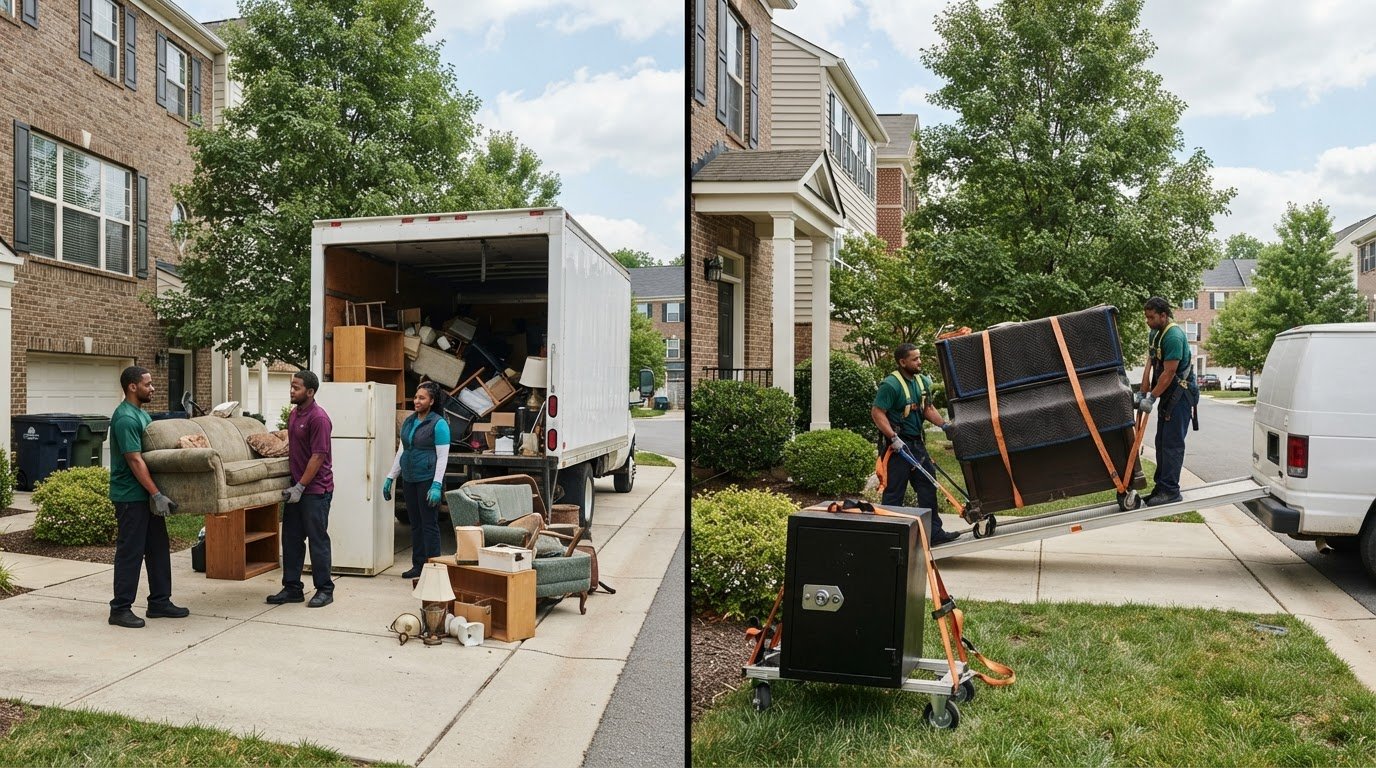
Hourly labor-only help focuses on moving items, not supplying a moving truck. It can suit a basement-to-garage job where the furniture stays on the property.
Hourly or Project-Based Help
Hourly labor suits jobs where the work may shift as the crew sees the route, such as moving a sofa and then a cabinet. For a defined list of items and destinations, describe the full scope when requesting a quote. A clear list shows whether the job is one carry or several moves inside the home.
Hourly Moving Assistance
In-home moving help can move items around a property without a moving truck. The crew can assist with carrying a dresser downstairs, taking a chair to the garage, or shifting exercise equipment between rooms. Tell them which pieces move first and where each belongs. A clear sequence helps keep the work organized when the destination has limited floor space.
Hourly Labor Pricing
Hourly labor pricing depends on the case and is given after a quote request; crew size, labor time, item type, and access affect the estimate. A hypothetical furniture-moving example uses a two-hour minimum booking period, but that example is not a universal rate or quote. Ask how the time is counted and which tasks are included. The basement route, number of items, and required carrying distance all help define the work.
For planning, estimate labor around the full task, not just the moment a heavy item moves. The crew may need time to position furniture, navigate narrow passages, and place each piece safely. A hypothetical task that involves 20 minutes of actual lifting can still require a longer booking period when setup and access are included. Keep the path clear and have the destination ready before the scheduled work begins.
Before requesting a quote, note these details:
- List each item and its starting and destination locations.
- Describe stairs, tight turns, and narrow doorways.
- Separate furniture moving from packing, disposal, or truck loading.
- Identify any item that needs careful positioning, such as exercise equipment.
- Explain whether movers will carry items only or also help load a moving truck.
Share the same task details when comparing hourly and project-based arrangements. Ask what could extend the work, how additional labor time is handled, and whether the estimate covers every listed location. For a basement-to-garage move, this makes the expected scope easier to understand before booking and helps the crew focus on the work you need done.
Moving heavy furniture between rooms or floors
Start with the destination and route. A basement-to-garage carry differs from moving a dresser into a bedroom because turns, thresholds, and final placement change the plan. Walk the path, open doors, and clear rugs, boxes, and small furniture. This gives the crew room to carry without stopping to move obstacles.
For a floor-to-floor move, identify the stair shape and each landing. A queen-size mattress going downstairs may be appropriate for two movers, especially when the route includes a turn or narrow doorway. Share those details before the work starts. The crew can plan how to angle the mattress and coordinate each step rather than trying to pivot halfway down the stairs.
Room-to-room moves need a clear destination, too. Decide where the sofa, cabinet, or exercise equipment belongs before the crew picks it up. Move small objects out of the way and leave enough room to set the item down. If it must pass through a bedroom, check that beds, lamps, and boxes do not block the route or restrict turning space.
Prepare each item for handling. Empty drawers or shelves that could shift, remove loose objects, and keep hardware together if a piece needs disassembly. Point out delicate finishes, glass panels, or parts that must remain upright. For a basement cabinet going into a garage, clear its landing spot and leave access to doors, shelves, and stored items.
Use this sequence to organize the move:
- Choose a destination for every piece of furniture.
- Clear the full path, including landings and door swings.
- Point out tight turns, low clearances, and floor transitions.
- Keep loose items and packing materials away from the route.
- Direct movers to the final placement before carrying begins.
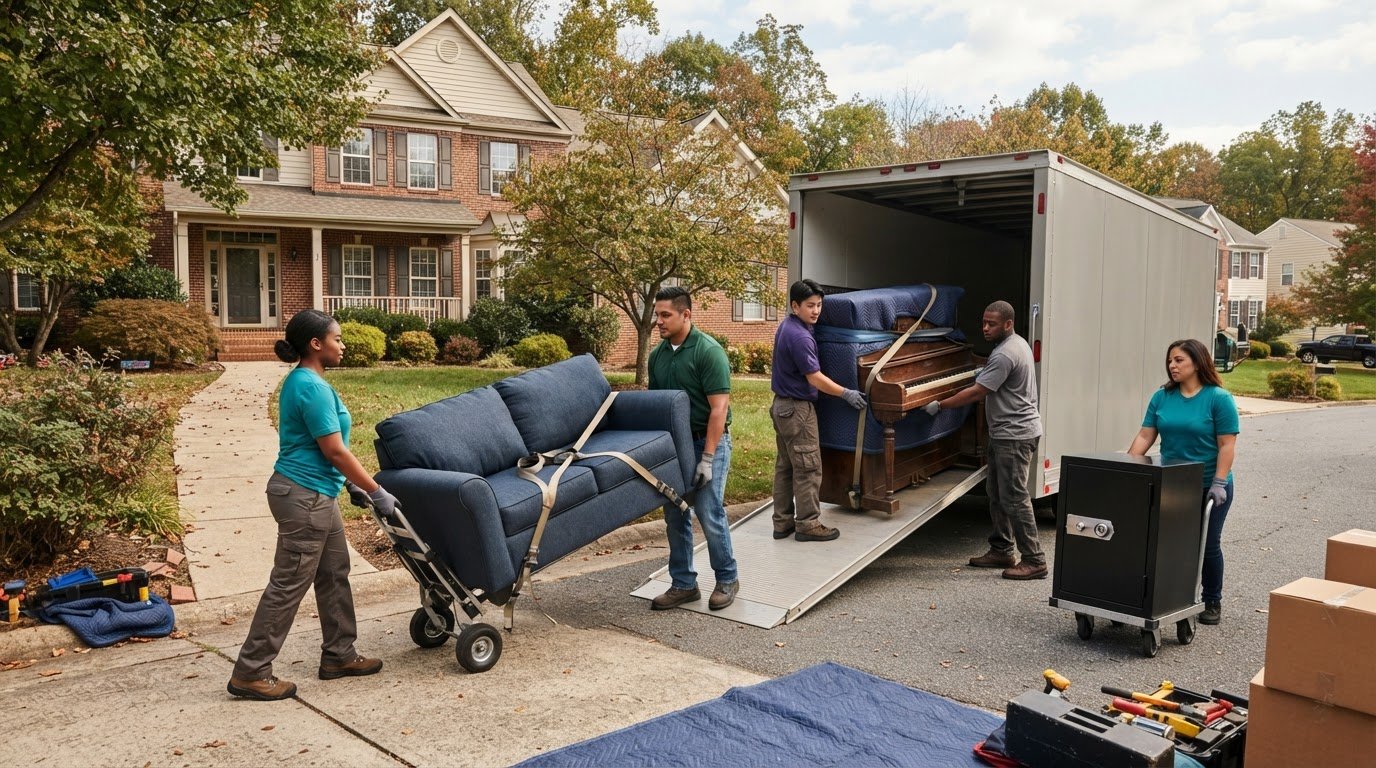
Transportation within the home doesn't require a moving truck, but it still benefits from a planned order. Move the largest pieces first when they would block smaller items, then place each piece before bringing in boxes or accessories. If several rooms are involved, name each destination clearly. A simple room-by-room plan helps prevent repeat carries and keeps the hallway open while movers work.
For an in-home move, stay available to answer placement questions while keeping clear of the carrying path. Point out the intended wall or corner, then let the crew handle the lift and turns. If the plan changes, pause before the next carry and explain the new destination. Clear directions make a basement, bedroom, or garage move easier to coordinate.
Handling bulky furniture and equipment
Bulky pieces can be difficult to move even when the distance is short. A sofa may need to be turned to pass through a doorway, while exercise equipment can have an uneven shape or moving parts. Describe the item and route when requesting a quote so the crew can plan around the tightest point.
Measure the doorways, halls, and turns along the route, then compare them with the item's widest point, including handles and attached parts. Check the basement landing and garage entrance, too. If a sofa needs to turn at a landing, clear nearby furniture and wall décor so the crew has room to maneuver without scraping surfaces.
Prepare each item for handling. Remove loose cushions from a sectional, empty cabinet shelves, and secure doors that could swing open. Gather detachable exercise-equipment accessories and keep them with the machine. Do not disassemble an item unless you know how it comes apart and can keep the parts organized. Point out delicate finishes, glass panels, or parts that must remain upright.
Make a simple route plan before lifting begins:
- Clear rugs, boxes, and small furniture from the path.
- Open doors and keep the destination area free of stored items.
- Identify the narrowest doorway, sharpest turn, and lowest clearance.
- Show movers where each item should sit after the carry.
- Keep children, pets, and bystanders away from the moving path.
The route can matter more than the distance. A short carry through a narrow hallway may take more planning than a longer, open path. For a basement-to-garage move, mention a raised garage threshold, parked vehicle, or stored boxes near the landing spot. These details affect how the crew carries and positions each item.
Let the crew coordinate each turn. Avoid pulling an item from the opposite side or changing direction mid-carry. If the crew pauses, keep the route clear and follow their instructions. A sofa, safe, or treadmill needs controlled movement, clear communication, and room to set it down before the next adjustment.
Heavy lifting help is useful for bulky sofas and exercise equipment that are awkward to manage alone. Share the item details and route so the work can be planned around the actual space. Arrange help moving bulky furniture for a basement, apartment, or garage move.
For a floor-to-floor move, trained movers can handle carrying furniture to a basement. Include that part of the job when describing the move, so the crew understands that the destination is on another level. Explain which bulky pieces need to go downstairs and where they should be placed once carried. Keep the route to the basement clear, and point out the stairway and landing before the carry begins. A clear plan helps the crew coordinate the trip from the starting room to the basement destination.
Heavy Furniture Moving: Movers Near Me
Heavy Furniture Moving helps Centreville residents with demanding furniture moves inside the home. Turn to the team when basement stairs, tight turns, or bulky equipment make a solo lift difficult. In-home furniture moving can help carry items between floors or into a garage. Exercise Equipment Moving supports the handling of bulky machines, while Sofa Hoisting offers another route for a sofa that cannot pass through a standard entryway.
Before arranging the work, note each item, where it starts, and its destination. Include details about stairs, doorways, and the route through the home. Photos of the item and stairs help Heavy Furniture Moving plan the job.
Contact Heavy Furniture Moving to discuss your furniture move.
Make Your Next Move Easier to Plan
Prepare the space and choose a clear destination for each item. This keeps your attention on making the garage or room usable, rather than simply finding somewhere to set furniture down. For moving heavy furniture from a basement to a garage in Centreville, decide on the final placement first and keep access to stored belongings in mind.
Heavy Furniture Moving offers Movers Near Me, Exercise Equipment Moving, and Sofa Hoisting for demanding furniture and equipment moves. These services can help when a large machine needs careful handling or a sofa needs another route. Share a photo of the item and stairs, along with the intended destination, to get started.
Contact Heavy Furniture Moving to discuss your move and take the next step with a clear plan. Your space is ready for its next use.
Frequently Asked Questions
How soon can labor help arrive?
Same-day and next-day heavy-item jobs are often available, depending on open scheduling. For same-day, call before 2 PM for same-afternoon service. Have the Centreville address and a clear description of the item ready. Photos of the furniture and its route can help explain the job quickly. Include any timing limits, such as needing the basement clear before another household task begins.
Do movers disassemble and reassemble furniture?
Yes. Disassembly and reassembly are included for items such as sofa legs, treadmill consoles, massage-chair arms, and bed frames. Mention any parts that need removal when describing the job, especially if they affect the item’s dimensions or route. Keep loose hardware together. Most furniture does not need to be emptied, but dressers and safes must be emptied before moving.
How Much Does it Cost?
The quote depends on the job. Labor-only work is billed hourly with a two-hour minimum, while most single heavy items have a flat-rate quote provided up front. Item type, stair access, and the planned work shape the estimate. Wrap, blankets, and straps are included on every job, with no separate line item.
Can movers handle basement stairs, tight turns, and bulky furniture?
Yes. Heavy Furniture Moving measures before lifting and plans around the route. Share photos of the item and stairs, including the tightest turn and any low clearance. Stairs and landings are priced before the crew arrives. If measurement shows the item genuinely will not fit, you are not charged for a wasted trip. Sofa Hoisting can provide another route when needed.
How to protect floors, walls, and furniture during an in-home move
Clear the route and remove loose objects from the furniture before the move. Tell the crew about fragile floors, low ceilings, and doors that swing into the path so they can plan the lift and turns carefully.
Frequently Asked Questions
Same-day and next-day heavy-item jobs are often available, depending on open scheduling. For same-day, call before 2 PM for same-afternoon service. Have the Centreville address and a clear description of the item ready. Photos of the furniture and its route can help explain the job quickly. Include any timing limits, such as needing the basement clear before another household task begins.
Yes. Disassembly and reassembly are included for items such as sofa legs, treadmill consoles, massage-chair arms, and bed frames. Mention any parts that need removal when describing the job, especially if they affect the item’s dimensions or route. Keep loose hardware together. Most furniture does not need to be emptied, but dressers and safes must be emptied before moving.
The quote depends on the job. Labor-only work is billed hourly with a two-hour minimum, while most single heavy items have a flat-rate quote provided up front. Item type, stair access, and the planned work shape the estimate. Wrap, blankets, and straps are included on every job, with no separate line item.
Yes. Heavy Furniture Moving measures before lifting and plans around the route. Share photos of the item and stairs, including the tightest turn and any low clearance. Stairs and landings are priced before the crew arrives. If measurement shows the item genuinely will not fit, you are not charged for a wasted trip. Sofa Hoisting can provide another route when needed.