How to Move a Commercial Treadmill in Vienna, VA Safely
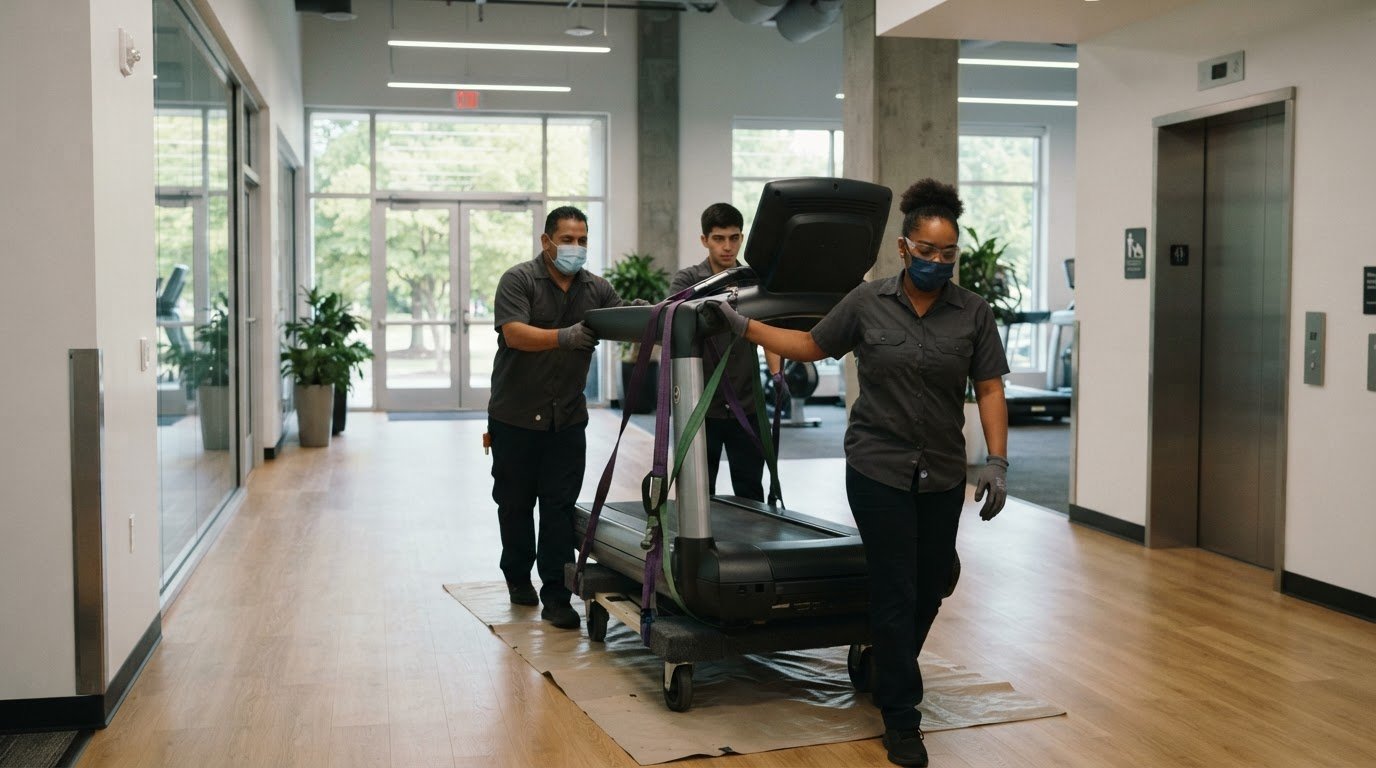
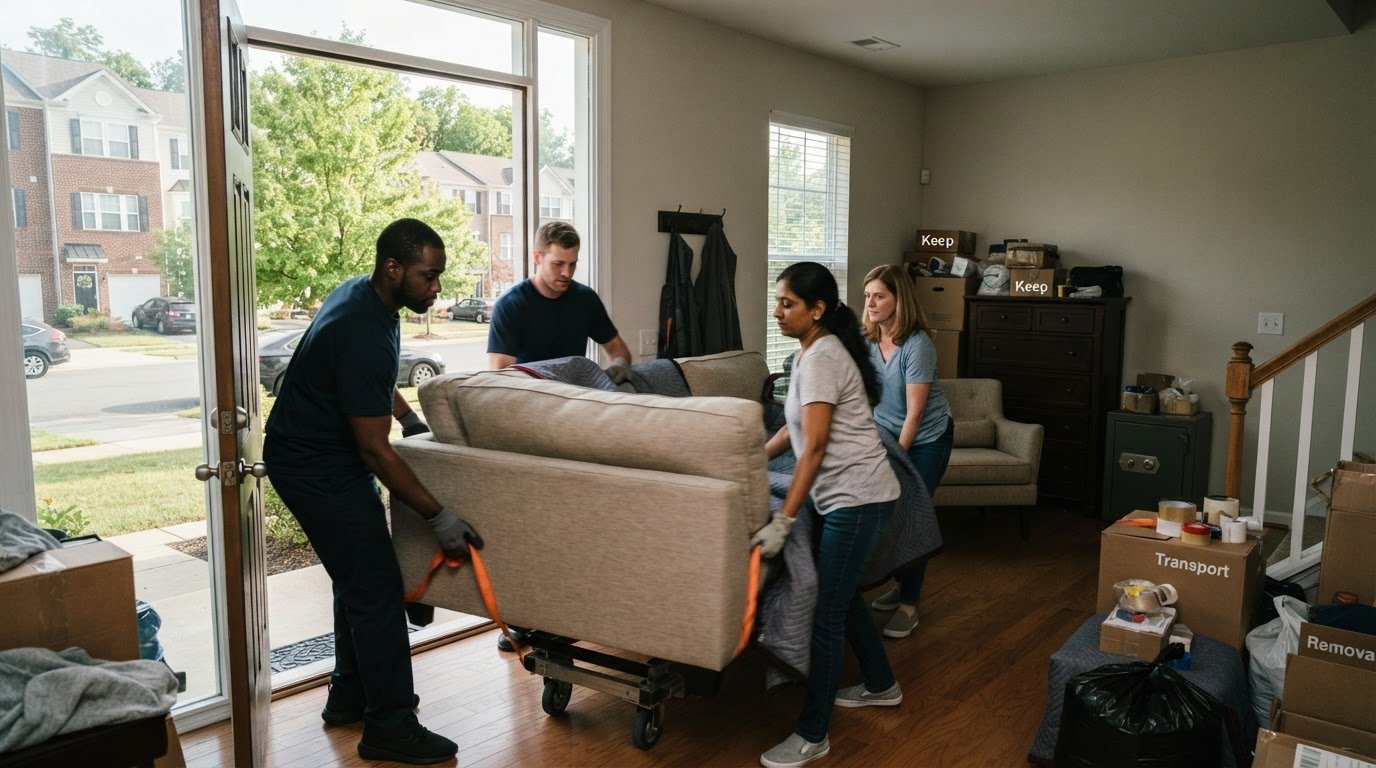
A commercial treadmill move can go wrong before the machine even leaves the room. If you're figuring out how to move a commercial treadmill Vienna businesses depend on, plan for more than the machine’s weight. Tight corridors, stairs, elevators, and a busy schedule can all complicate the move.
It makes sense to be cautious. A commercial treadmill is heavier and more complex than typical home exercise equipment, and guessing what to disconnect or fold can put the machine or people at risk. Treat the move as a system: prepare the treadmill according to the manufacturer’s instructions, map a clear route, and protect the equipment and surfaces along the way.
This guide walks you through those steps, from checking model-specific guidance and building access to weighing a DIY move against professional exercise-equipment moving help. You’ll also learn how to plan around your business schedule and reduce disruption at your Vienna location. Careful preparation and capable help with the heavy lifting can make the move easier to manage.
Key Takeaways
- Learn how to move a commercial treadmill Vienna businesses use by planning the machine, route, site access, and schedule together.
- Record the treadmill’s make, model, dimensions, and condition before moving day, then follow the manufacturer’s guidance for preparation.
- Compare internal handling with professional heavy-item moving help based on machine complexity, route limits, available handlers, and business downtime.
- Use a moving-day checklist to coordinate site access, clear the route, protect surfaces, and prepare the destination.
- See what details to share when arranging exercise-equipment moving help in Vienna and Northern Virginia.
How to Move a Commercial Treadmill in Vienna: What Makes It Different?
Moving a large commercial treadmill can feel like a tough job before you’ve even reached the doorway. Weight and size are only part of the challenge. A safe move depends on coordinating the machine, the route, both sites, and the schedule rather than improvising the lift.
Commercial treadmill move: A planned transfer that accounts for the treadmill’s model and condition, the path out and in, building access, and timing to limit disruption.
Treadmills combine a frame and moving belt with electronic controls. Parts and functions vary by design, as described in this overview of the Treadmill. A move that ignores those differences can strain handlers, damage the machine, or mark floors and walls. Before disconnecting, folding, or removing any part, follow the manufacturer’s instructions for that exact model.
What makes a commercial treadmill harder to move than a home model?
Commercial machines are often built for frequent use, which can mean a larger footprint and heavier construction than a typical home model. But “commercial” doesn’t describe one standard design. The console, handrails, belt, and frame may need different handling from one treadmill to another. Some models have specific disassembly steps, while others do not.
Don’t assume a component is safe to remove or fold because it looks familiar. Check the make and model, locate its instructions, and note the treadmill’s condition before planning the lift. If access is tight or the machine’s construction is unclear, professional exercise-equipment moving help can take the heavy-item challenge off your hands.
Which Vienna site details should you assess first?
Start by mapping both ends of the move. Identify the pickup and destination addresses, floor levels, entrances, corridors, and any elevators along the route. Measure narrow doorways and turns, and check thresholds and landings for potential bottlenecks. Vienna properties vary, so don’t assume access or building procedures will be the same from one site to another.
Talk with the relevant site contact about loading access, operating hours, and building procedures. Ask how movers should reach the equipment and where loading can take place. These details help you plan a route and schedule that work for the specific property and reduce surprises on moving day.
That’s the practical answer to how to move a commercial treadmill Vienna sites can support: understand the machine first, then plan around the actual access conditions. A clear assessment gives you a safer starting point for preparing the treadmill and choosing a moving approach.
How to Prepare a Commercial Treadmill Before Moving It
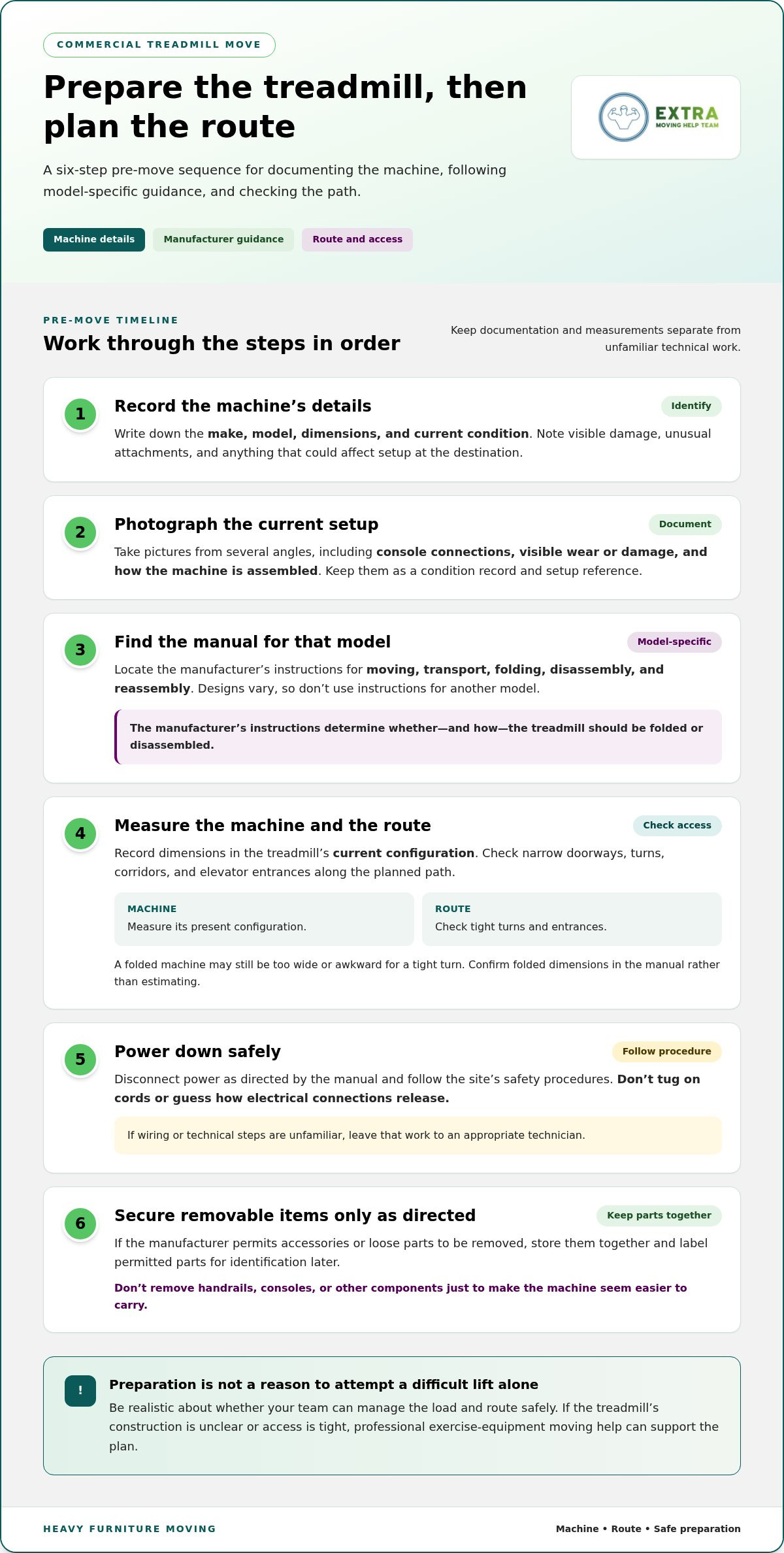
Preparation makes moving day easier and helps protect the treadmill and the people handling it. Use this checklist before the move. Keep basic documentation and site measurements separate from technical work, such as disconnecting unfamiliar wiring or taking apart complex assemblies.
- Step 1: Record the machine’s details. Write down the make, model, dimensions, and current condition. Note visible damage, unusual attachments, and details that could affect setup at the destination. Clear records help everyone plan around the actual machine rather than assumptions.
- Step 2: Photograph its current setup. Take pictures of the treadmill from several angles, including the console connections, visible wear or damage, and how the machine is assembled. These images document its condition and provide a reference when it’s time to set it up again.
- Step 3: Find the model-specific manual. Look for the manufacturer’s instructions for moving, transport, folding, disassembly, and reassembly. The manufacturer’s instructions should determine whether and how a treadmill is folded or disassembled. Designs vary, so don’t use steps for another model as a guide.
- Step 4: Measure the machine and route. Record the treadmill’s dimensions in its current configuration, then check narrow doorways, turns, corridors, and elevator entrances along the planned path. A folded machine may still be too wide or awkward for a tight turn. Confirm the model’s folded dimensions in its manual rather than estimating.
- Step 5: Follow safe power-down procedures. Before handling the treadmill, disconnect power as directed by the manual and follow the site’s safety procedures. Don’t tug on cords or guess how electrical connections release. If wiring or technical steps are unfamiliar, leave that work to an appropriate technician.
- Step 6: Secure removable items only as directed. Store accessories and loose parts together if the manufacturer permits their removal. Label permitted parts so they’re easier to identify later. Don’t remove handrails, consoles, or other components just to make the machine seem easier to carry.
Preparation isn’t a reason to attempt a difficult lift alone. If you’re considering handling the move internally, review Stanford’s safe lifting and handling guidelines and be realistic about whether your team can manage the load and route safely. For hands-on support with a heavy fitness machine, exercise equipment moving help can be part of a careful plan for your Vienna site.
DIY Crew or Professional Movers: Which Treadmill Move Fits?
A powered treadmill isn’t automatically safe to move with ordinary lifting. Its size, moving parts, and electronics call for a plan, not just extra hands. Use the comparison below to weigh the machine and route against your staff’s experience, protection needs, and the impact on daily business.
| Consideration | Internal handling may fit | Professional heavy-item moving may fit |
|---|---|---|
| Machine complexity | The manufacturer’s guidance is clear, and preparation is straightforward. | The machine has complex assembly, unfamiliar parts, or handling needs your team can’t confidently manage. |
| Route constraints | The route is clear, level, and free of tight turns or difficult transitions. | Stairs, narrow turns, long carries, or challenging entrances complicate the path. |
| Available handlers | Staff have suitable moving knowledge and can coordinate the handling plan. | Your team lacks the experience or capacity to manage the heavy item safely. |
| Protection needs | The route and surfaces are manageable with the protection you’ve planned. | Valuable flooring, walls, or the treadmill itself need careful consideration throughout the move. |
| Business downtime | You can schedule the work without placing undue demands on staff or disrupting operations. | Keeping employees focused on their regular work is a priority, or the move requires added coordination. |
When might an internal move be manageable?
Consider handling the move internally only if the route is straightforward and the treadmill can be prepared according to its manufacturer’s instructions. Staff need a shared plan and appropriate moving knowledge, not just physical strength. Decide who will coordinate the move and keep the route clear. If the machine’s condition, the path, or a safe handling method is uncertain, stop and reassess rather than improvising.
When does professional heavy-item moving make more sense?
Stairs, tight turns, long carries, complex assembly, and valuable flooring all raise the planning demands. Professional exercise-equipment moving can ease the burden on business staff by bringing experienced heavy-item handling into the plan. You’ll still need to share accurate machine and access details, but professional help can provide capable support for the move.
For how to move a commercial treadmill Vienna businesses can manage responsibly, match the approach to the equipment and site conditions. Explore professional help for heavy exercise equipment when the route or handling demands more than your team should take on.
A Vienna Commercial Treadmill Moving-Day Checklist
Keep the move organized by checking the site, route, and schedule before the treadmill is carried. Access, loading arrangements, and building procedures depend on each Vienna property. Review those details with the relevant site contact rather than assuming they’re the same everywhere.
A clear route, confirmed access, and model-specific preparation are the core moving-day checks. Use this sequence to catch problems early and keep staff, customers, and equipment clear of the work area.
- Confirm the site contact and plan. Assign one person at each relevant site to coordinate access and communicate changes. Make sure they know the planned work window, the treadmill’s pickup point, and its intended destination position.
- Check building access. Review entrances, floor levels, corridors, stairs, and elevators along the route. Ask the site contact about property-specific procedures, elevator arrangements, and access restrictions that affect the move.
- Confirm loading arrangements. Verify where movers can reach the building and load the treadmill. Clarify site-specific instructions for reaching that area, and share them with everyone involved before moving day.
- Clear the full route. Remove movable obstacles from rooms and passageways. Pay close attention to tight turns, thresholds, stairs, and door clearances. A route that looks open from the entrance can still have a pinch point farther along.
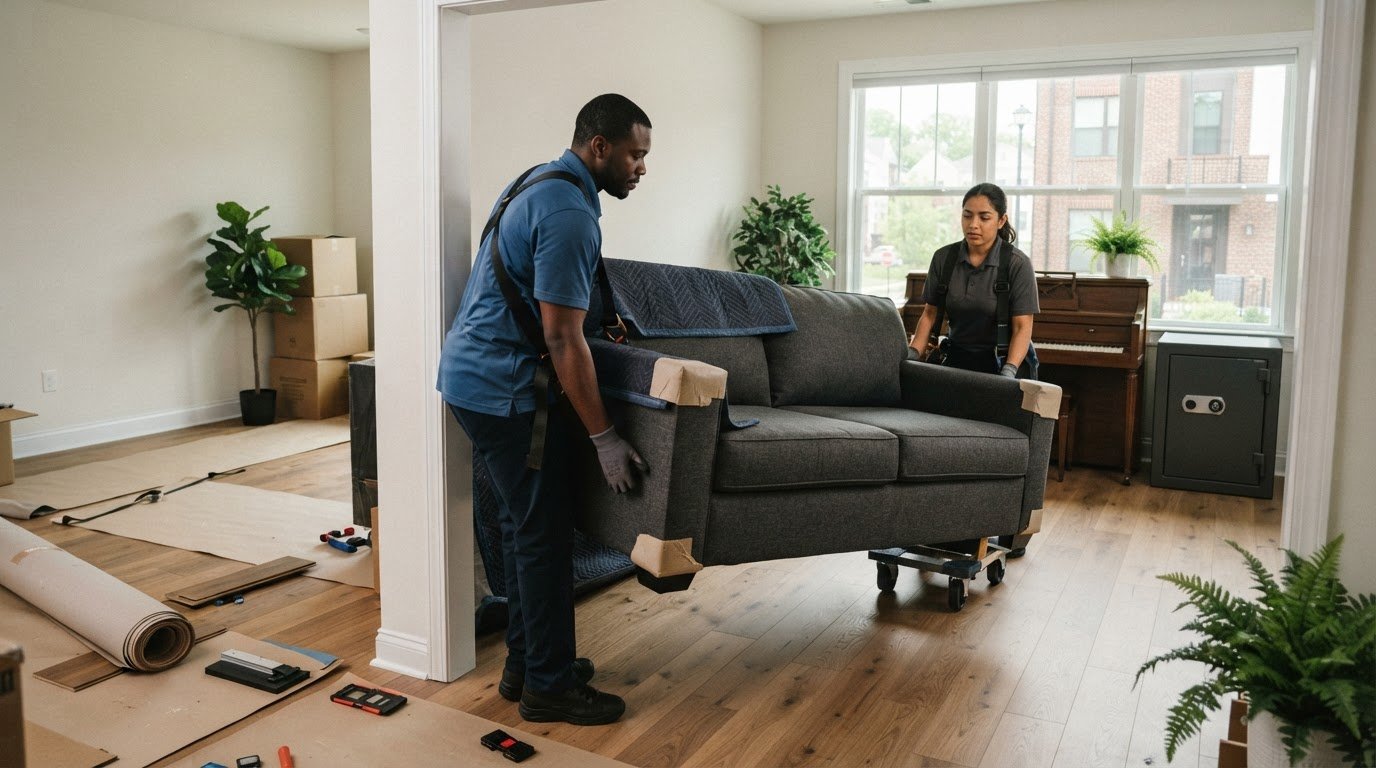
- Plan surface protection. Identify floors and walls that may need protection based on the actual path and property requirements. Arrange suitable coverings before the move begins, and make sure they won’t create new trip or access problems.
- Prepare the destination. Clear the intended placement area and confirm the treadmill’s position and surrounding clearance before it enters the room. This avoids last-minute repositioning in a tight space.
- Coordinate around operations. Choose a work window that limits disruption to customers, staff, and scheduled facility use. Tell affected employees when the route will be in use, and keep the moving path clear during that period.
- Review the machine plan. Keep the model-specific preparation guidance available and make sure the move follows it. If the machine, route, or access conditions differ from what was planned, pause and reassess before proceeding.
For businesses weighing how to move a commercial treadmill Vienna sites can accommodate, this checklist turns a broad plan into clear responsibilities. If you’d rather have experienced help with the heavy item, arrange exercise equipment moving help for your Vienna move.
Arrange Commercial Treadmill Moving Help in Vienna, VA
Once you’ve assessed the treadmill and mapped the route, gather the details that will make the handoff clear. Heavy Furniture Moving handles exercise equipment and other heavy items for customers in Vienna and Northern Virginia. Share what you know about the machine and both sites to plan around the actual access conditions.
What information helps plan a treadmill move?
Use this checklist to organize the key details before discussing the move:
- Machine details: Provide the make, model, dimensions, and current condition. Mention visible damage or unusual attachments.
- Preparation guidance: Note whether you have the manufacturer’s manual and any instructions for transport, folding, or disassembly. Model-specific directions help avoid assumptions about how the treadmill should be handled.
- Photos: Include clear images of the assembled treadmill, console connections, and any areas that may affect handling. Photos can help explain details that are difficult to describe.
- Route conditions: Describe the floor levels, stairs, elevator access, hallway turns, entrances, and narrow points between the machine and the exit.
- Loading and destination: Share loading access details, the site contact’s information, and where the treadmill should be placed at the destination.
- Schedule needs: Include your preferred move window and any business or facility scheduling constraints that could affect access.
Be specific about uncertainties, too. If you don’t know whether a component can be removed or an elevator can accommodate the route, note that for the planning conversation. Keep the property contact involved for site procedures and access details. That gives everyone a clearer picture before moving day.
What happens after you organize the move details?
The next step is a conversation about the treadmill, its route, and the project requirements. Exercise-equipment moving is the right service for transporting a heavy fitness machine from one location to another. It’s a practical option when you want capable help with the lifting and a plan shaped around the equipment and access conditions.
For a smoother handoff, bring together the machine details, photos, and site notes before discussing the move. If you’re planning how to move a commercial treadmill Vienna businesses rely on, get help moving a heavy treadmill and start a conversation about your move.
Make Your Vienna Treadmill Move Easier to Manage
A safe move starts with knowing your treadmill’s model-specific requirements and planning the route through both properties. Check entrances, corridors, stairs, elevators, loading access, and destination placement before moving day. Then choose an approach that fits the equipment and the people available to handle it. Those steps turn how to move a commercial treadmill Vienna businesses rely on into a clear plan rather than a last-minute lift.
Heavy Furniture Moving provides specialized exercise-equipment and heavy-item moving services in Vienna and Northern Virginia. The veteran-family owned and operated business offers hands-on support for demanding moves. Share the treadmill’s details and access conditions to get the conversation started.
Get help moving a heavy treadmill and take the next step toward a well-planned move. With careful preparation and capable help, you can move forward with a clear plan.
Frequently Asked Questions
Can I move a commercial treadmill without taking it apart?
Possibly, but it depends on the treadmill model and the route. Check the manufacturer’s instructions before folding or removing any parts, and compare the machine’s dimensions with doorways, turns, and elevator entrances. Don’t assume a folded treadmill will fit or that removing components is safe. If the path is tight or the correct handling method isn’t clear, pause and arrange capable heavy-item moving help.
How do you prepare a commercial treadmill for moving?
Start by recording the make, model, dimensions, and condition, then photograph the assembled machine and visible connections. Find the model-specific manual and follow its transport instructions. Disconnect power as directed, and secure or remove accessories only if the manufacturer permits it. Measure the route, including narrow turns and thresholds. If you’re planning how to move a commercial treadmill Vienna businesses rely on, prepare around the specific machine and site rather than relying on a generic checklist alone.
How many people does it take to move a commercial treadmill?
There isn’t one safe number for every treadmill move. The machine’s construction, condition, route, and model-specific handling steps all affect the help required. Don’t treat ordinary lifting strength as a substitute for moving knowledge and coordination. If your staff can’t manage the planned route confidently, or the equipment is awkward to handle, consider professional exercise-equipment moving support instead of guessing at a crew size.
Can a commercial treadmill be moved up or down stairs?
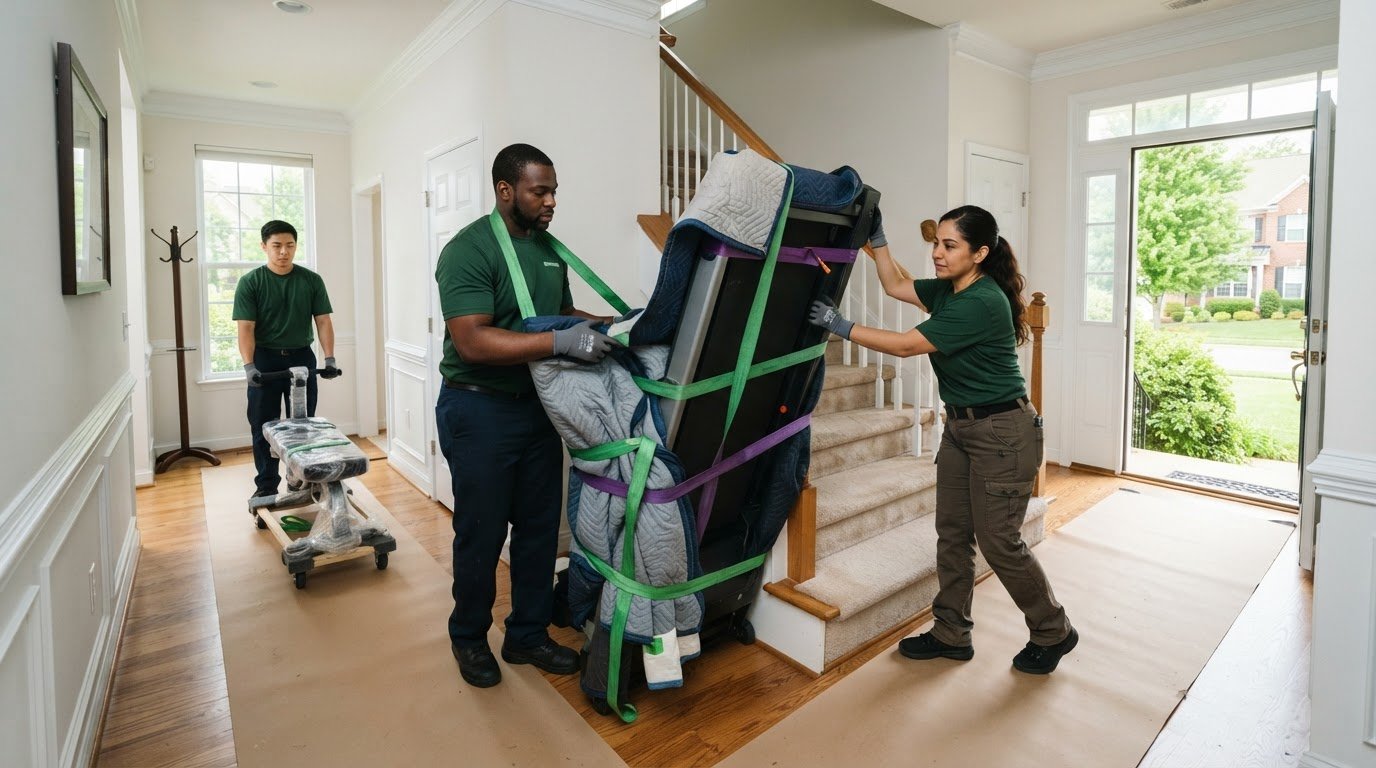
It may be possible, but stairs add a demanding route constraint and shouldn’t be treated as a routine lift. Assess the machine’s dimensions, landings, turns, handrails, and available clearance before deciding how to proceed. Follow the manufacturer’s transport guidance, and don’t attempt the move if the team can’t control the machine safely. Professional heavy-item movers can help plan for stairs and other difficult access conditions.
Should I unplug a commercial treadmill before moving it?
Yes. Power down and disconnect the treadmill before handling it, following the manufacturer’s instructions and the site’s safety procedures. Don’t pull on a cord or attempt unfamiliar electrical work. If the manual describes a specific disconnection process, use that guidance. Leave complex or unfamiliar wiring to an appropriate technician, and keep the cord secured so it doesn’t snag during the move.
How do I protect floors and walls when moving a treadmill?
Clear movable obstacles from the route, then identify surfaces that could be marked or damaged, including floors, doorways, corners, and corridor walls. Plan suitable protection for the actual path and follow the property’s requirements. Make sure coverings won’t shift or create a trip hazard. Check the destination area too, so the treadmill can be placed without unnecessary repositioning or contact with walls and flooring.
What information should I share when arranging treadmill moving help in Vienna?
Share the treadmill’s make, model, dimensions, condition, manual availability, and any transport instructions. Describe stairs, elevators, hallway turns, loading access, destination placement, site contacts, and your preferred move window. Heavy Furniture Moving handles exercise equipment and heavy items in Vienna and nearby Northern Virginia communities, including Fairfax, Woodbridge, Manassas, Manassas Park, Aldie, Ashburn, McLean, Reston, Centreville, Chantilly, Clifton, Dumfries, South Riding, Fairfax Station, Haymarket, and Gainesville.
Frequently Asked Questions
Commercial machines are often built for frequent use, which can mean a larger footprint and heavier construction than a typical home model. But “commercial” doesn’t describe one standard design. The console, handrails, belt, and frame may need different handling from one treadmill to another. Some models have specific disassembly steps, while others do not. Don’t assume a component is safe to remove or fold because it looks familiar. Check the make and model, locate its instructions, and note the treadmill’s condition before planning the lift. If access is tight or the machine’s construction is unclear, professional exercise-equipment moving help can take the heavy-item challenge off your hands.
Start by mapping both ends of the move. Identify the pickup and destination addresses, floor levels, entrances, corridors, and any elevators along the route. Measure narrow doorways and turns, and check thresholds and landings for potential bottlenecks. Vienna properties vary, so don’t assume access or building procedures will be the same from one site to another. Talk with the relevant site contact about loading access, operating hours, and building procedures. Ask how movers should reach the equipment and where loading can take place. These details help you plan a route and schedule that work for the specific property and reduce surprises on moving day. That’s the practical answer to how to move a commercial treadmill Vienna sites can support: understand the machine first, then plan around the actual access conditions. A clear assessment gives you a safer starting point for preparing the treadmill and choosing a moving approach. Preparation makes moving day easier and helps protect the treadmill and the people handling it. Use this checklist before the move. Keep basic documentation and site measurements separate from technical work, such as disconnecting unfamiliar wiring or taking apart complex assemblies. Preparation isn’t a reason to attempt a difficult lift alone. If you’re considering handling the move internally, review Stanford’s safe lifting and handling guidelines and be realistic about whether your team can manage the load and route safely. For hands-on support with a heavy fitness machine, exercise equipment moving help can be part of a careful plan for your Vienna site. A powered treadmill isn’t automatically safe to move with ordinary lifting. Its size, moving parts, and electronics call for a plan, not just extra hands. Use the comparison below to weigh the machine and route against your staff’s experience, protection needs, and the impact on daily business.
Consider handling the move internally only if the route is straightforward and the treadmill can be prepared according to its manufacturer’s instructions. Staff need a shared plan and appropriate moving knowledge, not just physical strength. Decide who will coordinate the move and keep the route clear. If the machine’s condition, the path, or a safe handling method is uncertain, stop and reassess rather than improvising.
Stairs, tight turns, long carries, complex assembly, and valuable flooring all raise the planning demands. Professional exercise-equipment moving can ease the burden on business staff by bringing experienced heavy-item handling into the plan. You’ll still need to share accurate machine and access details, but professional help can provide capable support for the move. For how to move a commercial treadmill Vienna businesses can manage responsibly, match the approach to the equipment and site conditions. Explore professional help for heavy exercise equipment when the route or handling demands more than your team should take on. Keep the move organized by checking the site, route, and schedule before the treadmill is carried. Access, loading arrangements, and building procedures depend on each Vienna property. Review those details with the relevant site contact rather than assuming they’re the same everywhere. A clear route, confirmed access, and model-specific preparation are the core moving-day checks. Use this sequence to catch problems early and keep staff, customers, and equipment clear of the work area. For businesses weighing how to move a commercial treadmill Vienna sites can accommodate, this checklist turns a broad plan into clear responsibilities. If you’d rather have experienced help with the heavy item, arrange exercise equipment moving help for your Vienna move. Once you’ve assessed the treadmill and mapped the route, gather the details that will make the handoff clear. Heavy Furniture Moving handles exercise equipment and other heavy items for customers in Vienna and Northern Virginia. Share what you know about the machine and both sites to plan around the actual access conditions.
Use this checklist to organize the key details before discussing the move: Be specific about uncertainties, too. If you don’t know whether a component can be removed or an elevator can accommodate the route, note that for the planning conversation. Keep the property contact involved for site procedures and access details. That gives everyone a clearer picture before moving day.
The next step is a conversation about the treadmill, its route, and the project requirements. Exercise-equipment moving is the right service for transporting a heavy fitness machine from one location to another. It’s a practical option when you want capable help with the lifting and a plan shaped around the equipment and access conditions. For a smoother handoff, bring together the machine details, photos, and site notes before discussing the move. If you’re planning how to move a commercial treadmill Vienna businesses rely on, get help moving a heavy treadmill and start a conversation about your move. A safe move starts with knowing your treadmill’s model-specific requirements and planning the route through both properties. Check entrances, corridors, stairs, elevators, loading access, and destination placement before moving day. Then choose an approach that fits the equipment and the people available to handle it. Those steps turn how to move a commercial treadmill Vienna businesses rely on into a clear plan rather than a last-minute lift. Heavy Furniture Moving provides specialized exercise-equipment and heavy-item moving services in Vienna and Northern Virginia. The veteran-family owned and operated business offers hands-on support for demanding moves. Share the treadmill’s details and access conditions to get the conversation started. Get help moving a heavy treadmill and take the next step toward a well-planned move. With careful preparation and capable help, you can move forward with a clear plan.
Possibly, but it depends on the treadmill model and the route. Check the manufacturer’s instructions before folding or removing any parts, and compare the machine’s dimensions with doorways, turns, and elevator entrances. Don’t assume a folded treadmill will fit or that removing components is safe. If the path is tight or the correct handling method isn’t clear, pause and arrange capable heavy-item moving help.
Start by recording the make, model, dimensions, and condition, then photograph the assembled machine and visible connections. Find the model-specific manual and follow its transport instructions. Disconnect power as directed, and secure or remove accessories only if the manufacturer permits it. Measure the route, including narrow turns and thresholds. If you’re planning how to move a commercial treadmill Vienna businesses rely on, prepare around the specific machine and site rather than relying on a generic checklist alone.
There isn’t one safe number for every treadmill move. The machine’s construction, condition, route, and model-specific handling steps all affect the help required. Don’t treat ordinary lifting strength as a substitute for moving knowledge and coordination. If your staff can’t manage the planned route confidently, or the equipment is awkward to handle, consider professional exercise-equipment moving support instead of guessing at a crew size.
It may be possible, but stairs add a demanding route constraint and shouldn’t be treated as a routine lift. Assess the machine’s dimensions, landings, turns, handrails, and available clearance before deciding how to proceed. Follow the manufacturer’s transport guidance, and don’t attempt the move if the team can’t control the machine safely. Professional heavy-item movers can help plan for stairs and other difficult access conditions.
Yes. Power down and disconnect the treadmill before handling it, following the manufacturer’s instructions and the site’s safety procedures. Don’t pull on a cord or attempt unfamiliar electrical work. If the manual describes a specific disconnection process, use that guidance. Leave complex or unfamiliar wiring to an appropriate technician, and keep the cord secured so it doesn’t snag during the move.
Clear movable obstacles from the route, then identify surfaces that could be marked or damaged, including floors, doorways, corners, and corridor walls. Plan suitable protection for the actual path and follow the property’s requirements. Make sure coverings won’t shift or create a trip hazard. Check the destination area too, so the treadmill can be placed without unnecessary repositioning or contact with walls and flooring.
Share the treadmill’s make, model, dimensions, condition, manual availability, and any transport instructions. Describe stairs, elevators, hallway turns, loading access, destination placement, site contacts, and your preferred move window. Heavy Furniture Moving handles exercise equipment and heavy items in Vienna and nearby Northern Virginia communities, including Fairfax, Woodbridge, Manassas, Manassas Park, Aldie, Ashburn, McLean, Reston, Centreville, Chantilly, Clifton, Dumfries, South Riding, Fairfax Station, Haymarket, and Gainesville.