Move Rowing Machine and Squat Stand to Woodbridge Basement
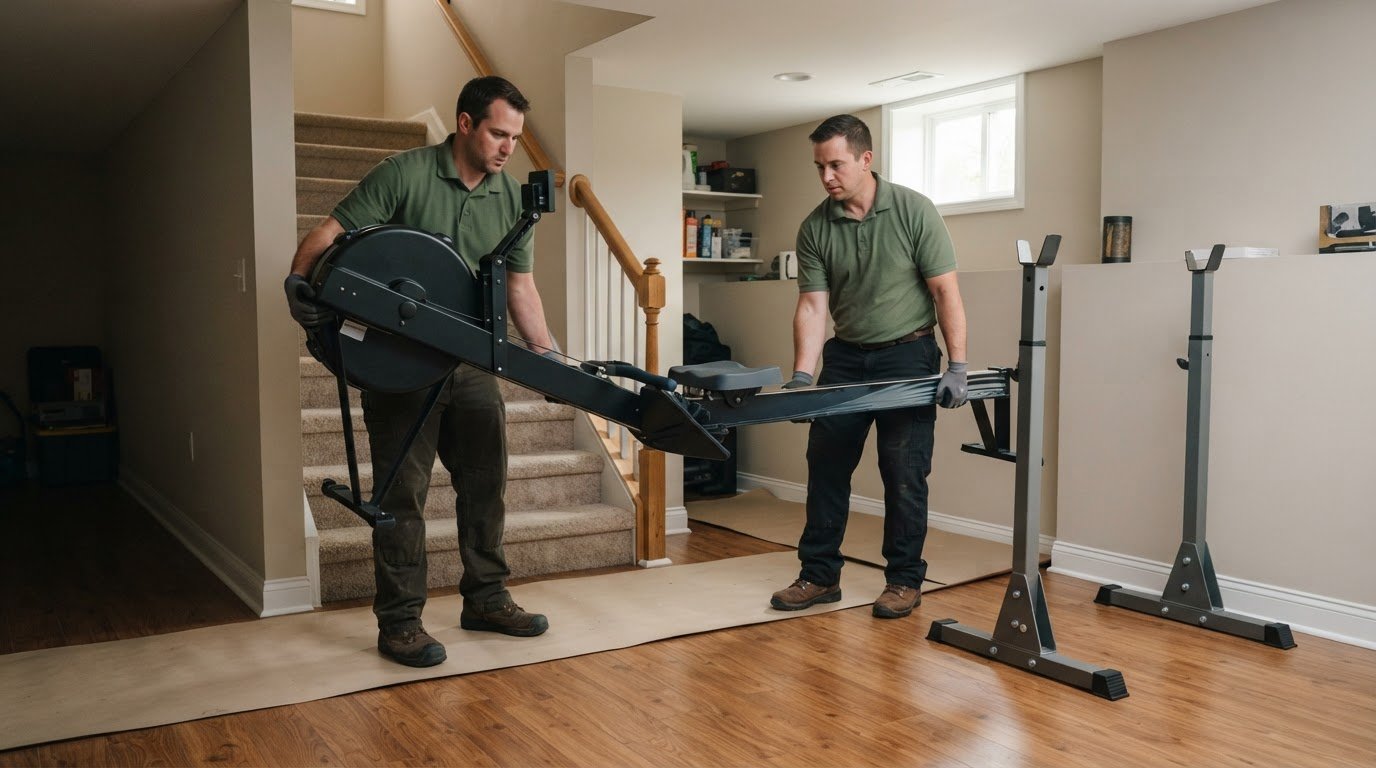
Moving a heavy rowing machine and squat stand to a basement in Woodbridge takes more than muscle; the stairs, tight turns, and equipment setup all affect the move. A rowing machine is best handled by two people, especially on stairs, and power racks or other items over 100 pounds call for a dolly and labor-only help. Plan the route before moving either piece.
It’s reasonable to worry about damaged floors, a jammed doorway, or equipment shifting mid-carry. The right plan starts with the machine’s manual and its dimensions, then accounts for disassembly, floor protection, and the basement path. This guide explains when to take equipment apart, how professionals protect floors and handle the move, and what affects the timeline and price. The price depends on the move and is provided after a quote request; equipment setup, stair access, and handling needs shape the estimate. With those details clear, you can arrange a more controlled move and know what to expect before the equipment reaches the basement.
Key Takeaways
- Have movers assess whether the rowing machine should be disassembled, using its manual and weight to guide the decision.
- Secure the seat, remove loose accessories, and carry the machine by stable structural points to limit shifting and damage.
- Plan the route before moving day. According to the U.S. Access Board, clear doorway width is measured from the stop to the face of a door opened 90°.
- Account for stairs, tight turns, equipment setup, and reassembly when planning the move’s timeline and estimating its cost.
- For heavy equipment over 100 pounds, plan on a dolly and labor-only moving help; use two people for a rowing machine, especially on stairs.
How professional movers decide whether to disassemble the machine
Before the move, identify the equipment and stairway in your move details. Review any applicable written coverage terms for the move and ask questions about them before work begins.
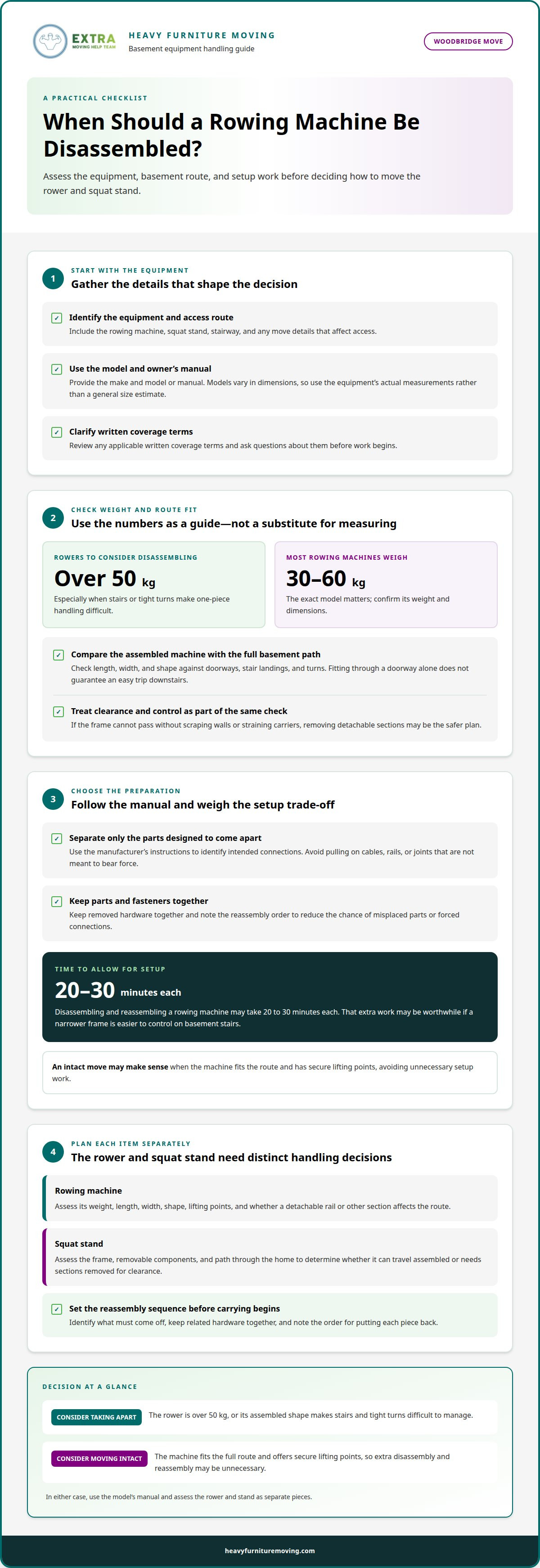
- Use the rowing machine’s weight as an early guide. Consider disassembly for machines over 50 kilograms, especially when stairs or tight turns make one-piece handling difficult. Most rowing machines weigh between 30 and 60 kilograms, so the exact model matters. For moving a heavy rowing machine and squat stand to a basement in Woodbridge, movers assess each item separately rather than assuming both need the same preparation.
- Compare the assembled machine with the basement route. A machine that fits through the doorway may still be awkward on a stair landing or around a turn. Movers assess its length, width, and shape against the available path. If the frame cannot pass without scraping walls or straining the carriers, removing detachable sections may be the safer plan.
- Follow the manufacturer’s disassembly instructions. The owner’s manual identifies which connections are designed to come apart and which should stay intact. Movers use that guidance to avoid pulling on cables, rails, or joints that aren’t meant to bear force. They keep removed fasteners and parts together, making reassembly more orderly and reducing the risk of misplaced hardware.
- Weigh the time and handling trade-off. Disassembling and reassembling a rowing machine may take 20 to 30 minutes each. That extra work can make sense if a narrower frame is easier to control on basement stairs. If the machine fits the route and has secure lifting points, moving it intact may avoid unnecessary setup work.
- Assess the squat stand as a separate piece. Its shape, removable components, and path through the home can change the handling plan. Movers determine whether the frame can travel assembled or needs sections removed for clearance. For moving a heavy rowing machine and squat stand to a Woodbridge basement, the stand’s frame and the rower’s rail call for distinct handling decisions.
- Set a clear reassembly plan before carrying begins. Movers identify which parts must come off, keep related hardware together, and note the order for putting them back. A rowing machine with a detachable rail may need a different sequence from a stand with removable supports. A defined plan helps prevent missing parts and avoids forcing connections during setup.
Professional moving for rowing machines, racks, and free weights
A controlled move starts with accurate equipment details and the building’s access procedures. Movers use both to plan how to handle each piece.
-
How movers check equipment weights and dimensions
Provide the rowing machine and squat stand make and model, or their owner’s manuals. Most rowing machines weigh between 30 and 60 kilograms, but their dimensions vary by model. Stand size and weight also depend on its design. Movers use model-specific measurements to plan how each item will pass through doors, hallways, and stair turns. Avoid relying on a category-wide size estimate; it may not reflect your equipment’s actual frame or attachments.
-
How movers check building rules before moving
Share the apartment or condo building’s move procedures and access details. Woodbridge properties can differ in elevator use, loading areas, entry access, and scheduling. The crew can plan around the building’s stated procedures rather than assume every property requires the same approval or permit. Include management’s instructions in the move details to help avoid delays caused by blocked routes or unavailable access.
-
How professionals plan the move for racks and free weights
Identify each piece that needs moving, including the rowing machine, squat stand, and loose weights. Movers plan how to handle the frame separately from accessories and weights, reducing shifting during transport through the home. They also select stable structural points for carrying, rather than gripping moving parts. Share which equipment must reach the basement so the crew can sequence the move around the route and available space.
Use these details to build a practical handling sequence:
- Secure the seat. If the rower lacks a built-in lock, movers can secure its seat to the rail with Velcro straps or bungee cords.
- Separate loose accessories. Remove accessories from the rowing machine and transport them separately to prevent them from shifting or catching during handling.
- Grip the frame. Carry the rower by stable structural points, not its rail, seat, or attachments. This keeps force away from moving parts.
- Control body position. Movers bend at the knees and hips while keeping their backs straight when lifting the rowing machine.
- Keep free weights contained. Handle loose weights as a separate part of the load so they don’t shift against the rowing machine or rack.
For help coordinating the equipment handling, Exercise Equipment Moving can support a basement move with a clear plan for the rower, rack, and weights.
How professionals protect floors and plan a moving path
Basement stairs can cause a loss of control, equipment impact, or lifting strain; movers reduce these risks with a clear route and coordinated handling. Before moving, have the team measure stairways, doorways, and turns against the equipment’s dimensions.
-
How movers measure stairs, doorways, and turns
Have movers measure the full route, not just the basement doorway. According to the U.S. Access Board, clear doorway width runs from the stop to the face of a door opened 90°, or to the leading edge of a sliding or folding door. They also assess stair width, landings, ceiling clearance, and turn space, where long equipment may need to tilt or change direction.
-
How professional movers protect floors along the moving path
Ask the team to plan floor protection from the equipment’s starting point to its basement destination. Furniture sliders beneath the rowing machine’s feet or contact points can reduce friction and help prevent scratches. Movers can also clear rugs, furniture, and decorative items from the route before handling begins. A clear path helps prevent a slider or equipment foot from catching mid-move.
- Set the carrying plan around the stairway. A rowing machine can be awkward to control on steps, especially when its length makes turning difficult. The crew should coordinate who supports each end and how to pause or reposition at a landing. Avoid rushing through a narrow turn; stopping briefly lets movers reset their grip and balance.
- Match floor protection to each surface. Hardwood, tile, and carpet present different challenges when heavy equipment crosses them. Protective materials should lie flat and stay secure, since bunched coverings can shift or create a tripping hazard. Keep sliders beneath equipment contact points, never under a person’s feet or on stair treads.
- Clear obstacles before the carry starts. Remove loose items, open doors along the route, and keep people and pets out of the way. Check that the basement landing has room to set down the equipment safely. A clear landing lets movers stabilize the rowing machine or squat stand before positioning it.
- Reassess if the route changes. A door that will not stay open or an unexpected obstacle can affect clearance and control. Stop, clear the path, and choose a safer position before continuing. For instance, moving a small piece of furniture away from a stair turn can create room to guide equipment without scraping a wall.
Home gym moving costs and timelines
Plan the move around the equipment, stairs, and any setup work. A rowing machine and squat stand need an estimate based on the actual items and access, not their names alone.
- List every item and task. Include the rowing machine, squat stand, loose weights, disassembly, and reassembly. A move with two large pieces differs from moving a complete home gym. The equipment count helps define the handling work. Basement access also matters, since stair carries and tight turns affect the crew’s plan and working time.
- Allow for setup time. Disassembling home gym equipment often takes two to four hours. That time is separate from carrying equipment through the home and placing it downstairs. Reassembly adds another task, especially when the move includes several connected pieces. Share the equipment models and intended setup so the work plan accounts for taking items apart and putting them back together.
- Build a realistic moving-day schedule. Moving a home gym can take substantial time, depending on the equipment and access. A rowing machine and squat stand may require less work than a full gym, but basement stairs, route constraints, and reassembly shape the schedule. Give the move plan enough room for careful handling rather than treating travel time as the entire job.
- Understand what shapes the estimate. The price depends on the case and is provided after a quote request. Key factors include the number and type of items, disassembly and reassembly needs, stair access, distance inside the home, and the path to the basement. A squat stand that needs partial disassembly may require a different plan from one that can be moved intact.
- Separate moving labor from setup tasks. A quote should reflect whether movers carry equipment only or also disassemble and reassemble it. For example, a move that includes a rower, stand, and free weights involves different handling steps than moving the rower alone. Clear task details help keep the planned work aligned with the actual equipment and destination.
- Keep room for unexpected needs. The guide recommends adding 10% to a home gym moving budget for unexpected needs. A blocked stair route or extra setup work can change the plan. Treat the reserve as planning room, not a fixed fee. Share access details early so the estimate can account for the route and expected tasks.
For a Woodbridge basement move, provide the equipment list, stair access details, and any setup needs when requesting a quote. These specifics help the crew plan the work and provide an upfront estimate.
Using dollies and labor-only moving help
Use two people to move a rowing machine, especially on stairs. For a squat stand, the crew size depends on its weight, shape, and stair route.
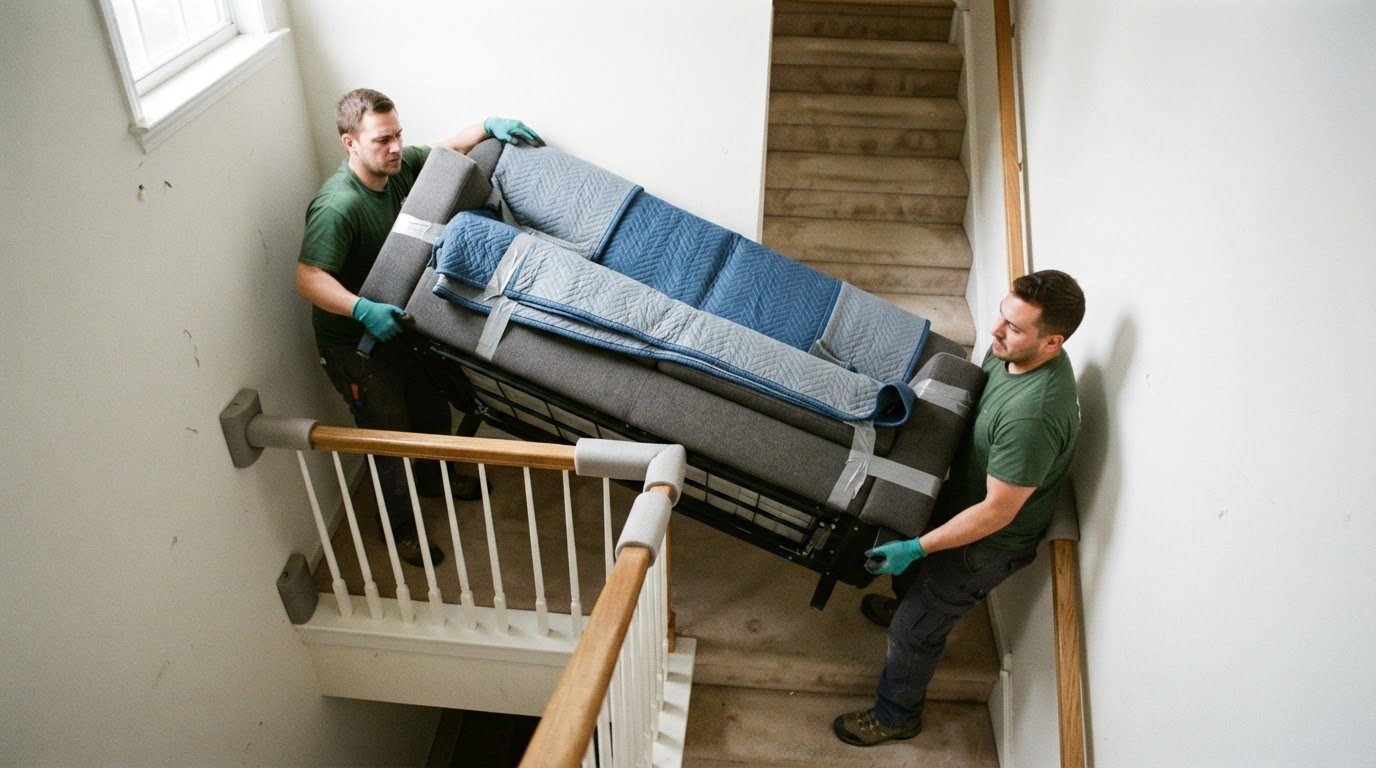
- Choose professional help for a stair carry. A stair-climbing dolly is equipment, not a replacement for trained handling and a coordinated plan. Professional help is the stronger choice when a rowing machine or squat stand must pass down basement stairs, around turns, or through narrow access points. Those conditions require controlled positioning throughout the carry.
- Match the dolly plan to the load. A dolly and labor-only help are recommended for power racks and other items weighing more than 100 pounds. Movers can assess whether the equipment’s frame and the route suit dolly handling. A squat stand’s weight and shape matter, as do landings and turning space. Don’t assume one dolly setup works for every piece.
- Use labor-only help when transport is already arranged. This option focuses on the physical handling, rather than bundling the work with transportation. It can suit a basement move where the main challenge is carrying heavy equipment through the home. Share the item list, stair access, and equipment details so the crew can plan the labor around the actual job.
- Keep the rowing machine’s movement controlled. Two people should coordinate the lift, particularly on basement stairs. They can agree on who leads and how to pause before starting the carry. A dolly may help with suitable equipment, but it doesn’t remove the need to control the machine’s position at each stair or landing.
- Plan a separate approach for the squat stand. Its weight, balance, and frame design can differ from the rower, so the handling plan should account for each item individually. For a stand over 100 pounds, dolly and labor-only help are recommended. The crew can base its method on the stand’s shape and the available route, rather than treating both pieces as one load.
- Choose based on the hardest part of the move. If the challenge is a stair carry, tight turn, or heavy rack, prioritize professional handling over renting equipment alone. A dolly helps only when it fits the item and path. For a simpler route, labor-only help can provide the lifting support while existing transport arrangements remain separate.
For a basement move involving a rower or heavy stand, get professional help with the equipment carry.
Heavy Furniture Moving
Heavy Furniture Moving helps plan and handle bulky household items, including exercise equipment, when basement stairs or tight turns make the carry challenging. Its Exercise Equipment Moving and local moving help fit readers who need support moving a rowing machine and squat stand while protecting the route and coordinating careful placement.
Turn to Heavy Furniture Moving when you need help managing heavy lifting rather than handling the basement move alone. Share the equipment and access details so the crew can plan around the items and route.
Contact Heavy Furniture Moving to discuss your equipment move.
Set up your basement for the next workout
Before moving day, decide where the rowing machine and squat stand will go, and clear a route to those spots. A destination plan helps the crew place the equipment without needing to move it again. For moving a heavy rowing machine and squat stand to a basement in Woodbridge, plan access and placement in advance.
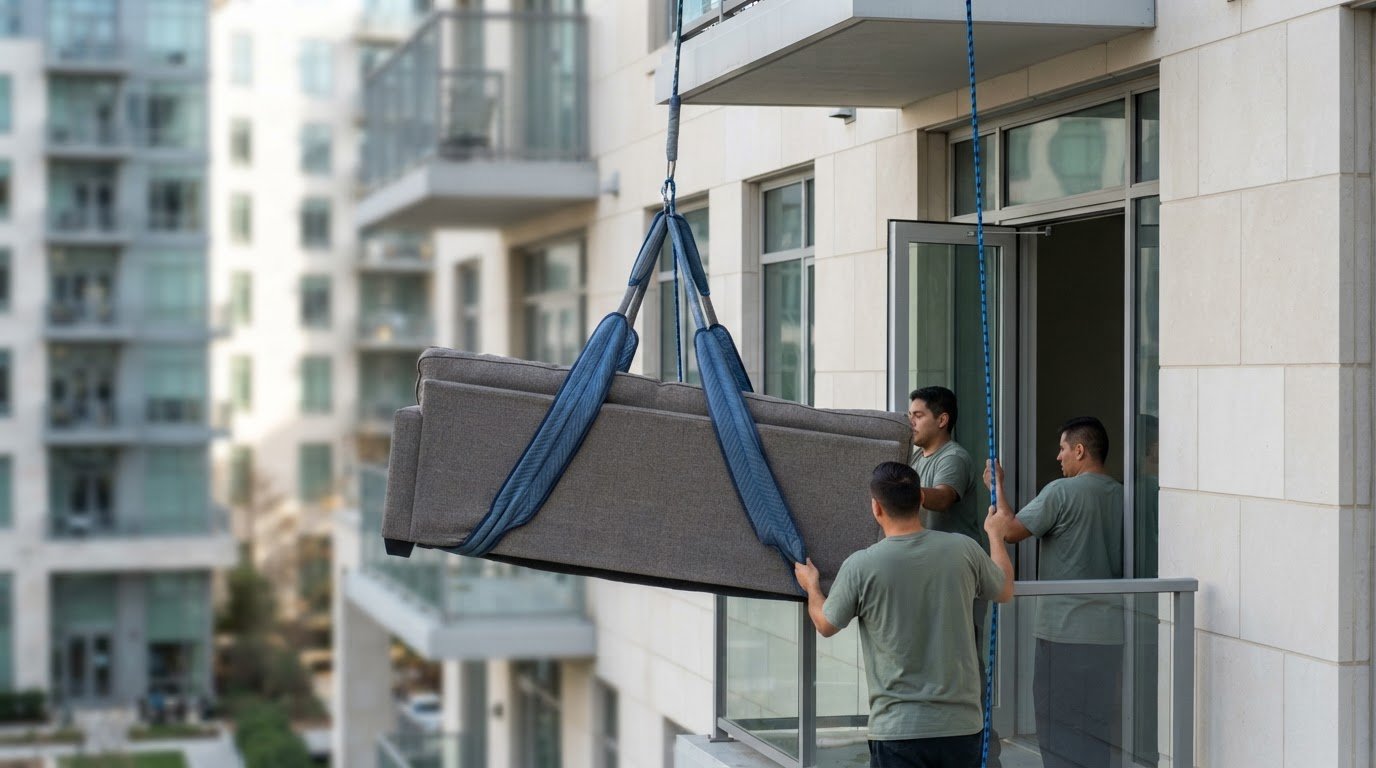
Heavy Furniture Moving helps with exercise equipment and other demanding household moves. Its Movers Near Me service supports local moving needs, while Sofa Hoisting is available for bulky items that cannot pass through standard entryways or elevators. Share the equipment and basement access details when arranging your move so the crew can plan around your home.
Contact Heavy Furniture Moving to discuss your move and take the next step toward setting up your basement.
Frequently Asked Questions
Is it hard to move a home gym?
Yes, moving a home gym can be difficult, especially when heavy equipment must go downstairs. A 300-pound treadmill shows how a single piece can challenge a tight route. Bulky frames also make turns awkward, while separate weights can shift if handled carelessly. The challenge grows when equipment needs partial disassembly or the basement has narrow stairs. A professional crew can plan the handling around each item and its route.
What should professional movers consider before moving a rowing machine?
Movers should consider the model, weight, assembled dimensions, removable parts, and route to the destination. Rowing machines commonly weigh between 30 and 60 kilograms, but weight and shape differ by model. The owner’s manual helps identify suitable disassembly points. Movers also consider whether the machine can be controlled through doorways and turns without loading force onto the rail or other moving parts.
What tools and materials do professional movers use to secure equipment during transit?
Professional movers may use moving blankets, shrink film, and ratchet straps to protect and secure equipment during transport. A rowing-machine seat can be restrained against its rail with Velcro straps or bungee cords when no built-in lock is available. Loose accessories should travel separately. The right combination depends on the equipment’s shape and which parts need protection from shifting or contact during the move.
How much does it cost to move a heavy rowing machine and squat stand in Woodbridge, VA?
The cost depends on the equipment, labor, stair access, and whether disassembly or reassembly is needed. Heavy Furniture Moving provides an upfront quote before work begins, using hourly labor with a two-hour minimum or flat-rate pricing for most single heavy items. For a rowing machine and squat stand moved together, describe both pieces and the basement route when requesting a quote.
What moving companies in Woodbridge, VA handle heavy gym equipment and basement moves?
Heavy Furniture Moving handles residential moves and exercise equipment in Woodbridge, including moves involving heavy items and basement access. Its Exercise Equipment Moving service fits gym equipment such as a rowing machine, while Movers Near Me covers local moving needs. Share the equipment type and destination so the move can be planned for the home’s access and handling requirements.
How do professional movers disassemble and prepare a rowing machine and squat stand for moving?
Movers use the equipment manuals to identify parts designed to detach, then keep removed hardware and components together for reassembly. They may secure a rowing-machine seat to its rail and separate loose accessories. For a squat stand, the preparation depends on its construction and the route. The goal is to handle each piece without forcing connections or putting pressure on parts not meant for carrying.
What tools and equipment do professional movers use to move heavy gym equipment down basement stairs safely?
Depending on the equipment and stair route, movers may use a dolly, moving blankets, and straps. A dolly and labor-only help are recommended for power racks and other items weighing more than 100 pounds. Movers also coordinate the carry and use stable structural points for gripping. A tool alone doesn’t determine the plan; the equipment’s shape, stairs, landings, and turns all matter.
Can professional movers move a rowing machine and squat stand assembled, or should they disassemble them?
Either approach can work, depending on the equipment and available route. Consider disassembly for rowing machines over 50 kilograms, or when the assembled shape makes a doorway, stair turn, or landing difficult to navigate. Movers can use the owner’s manual to guide preparation. A squat stand is assessed separately, since its frame and removable sections may require a different handling plan from the rower.
Frequently Asked Questions
Yes, moving a home gym can be difficult, especially when heavy equipment must go downstairs. A 300-pound treadmill shows how a single piece can challenge a tight route. Bulky frames also make turns awkward, while separate weights can shift if handled carelessly. The challenge grows when equipment needs partial disassembly or the basement has narrow stairs. A professional crew can plan the handling around each item and its route.
Movers should consider the model, weight, assembled dimensions, removable parts, and route to the destination. Rowing machines commonly weigh between 30 and 60 kilograms, but weight and shape differ by model. The owner’s manual helps identify suitable disassembly points. Movers also consider whether the machine can be controlled through doorways and turns without loading force onto the rail or other moving parts.
Professional movers may use moving blankets, shrink film, and ratchet straps to protect and secure equipment during transport. A rowing-machine seat can be restrained against its rail with Velcro straps or bungee cords when no built-in lock is available. Loose accessories should travel separately. The right combination depends on the equipment’s shape and which parts need protection from shifting or contact during the move.
The cost depends on the equipment, labor, stair access, and whether disassembly or reassembly is needed. Heavy Furniture Moving provides an upfront quote before work begins, using hourly labor with a two-hour minimum or flat-rate pricing for most single heavy items. For a rowing machine and squat stand moved together, describe both pieces and the basement route when requesting a quote.
Heavy Furniture Moving handles residential moves and exercise equipment in Woodbridge, including moves involving heavy items and basement access. Its Exercise Equipment Moving service fits gym equipment such as a rowing machine, while Movers Near Me covers local moving needs. Share the equipment type and destination so the move can be planned for the home’s access and handling requirements.
Movers use the equipment manuals to identify parts designed to detach, then keep removed hardware and components together for reassembly. They may secure a rowing-machine seat to its rail and separate loose accessories. For a squat stand, the preparation depends on its construction and the route. The goal is to handle each piece without forcing connections or putting pressure on parts not meant for carrying.
Depending on the equipment and stair route, movers may use a dolly, moving blankets, and straps. A dolly and labor-only help are recommended for power racks and other items weighing more than 100 pounds. Movers also coordinate the carry and use stable structural points for gripping. A tool alone doesn’t determine the plan; the equipment’s shape, stairs, landings, and turns all matter.
Either approach can work, depending on the equipment and available route. Consider disassembly for rowing machines over 50 kilograms, or when the assembled shape makes a doorway, stair turn, or landing difficult to navigate. Movers can use the owner’s manual to guide preparation. A squat stand is assessed separately, since its frame and removable sections may require a different handling plan from the rower.