How to Hoist a Couch Through a Second Story Window in Vienna
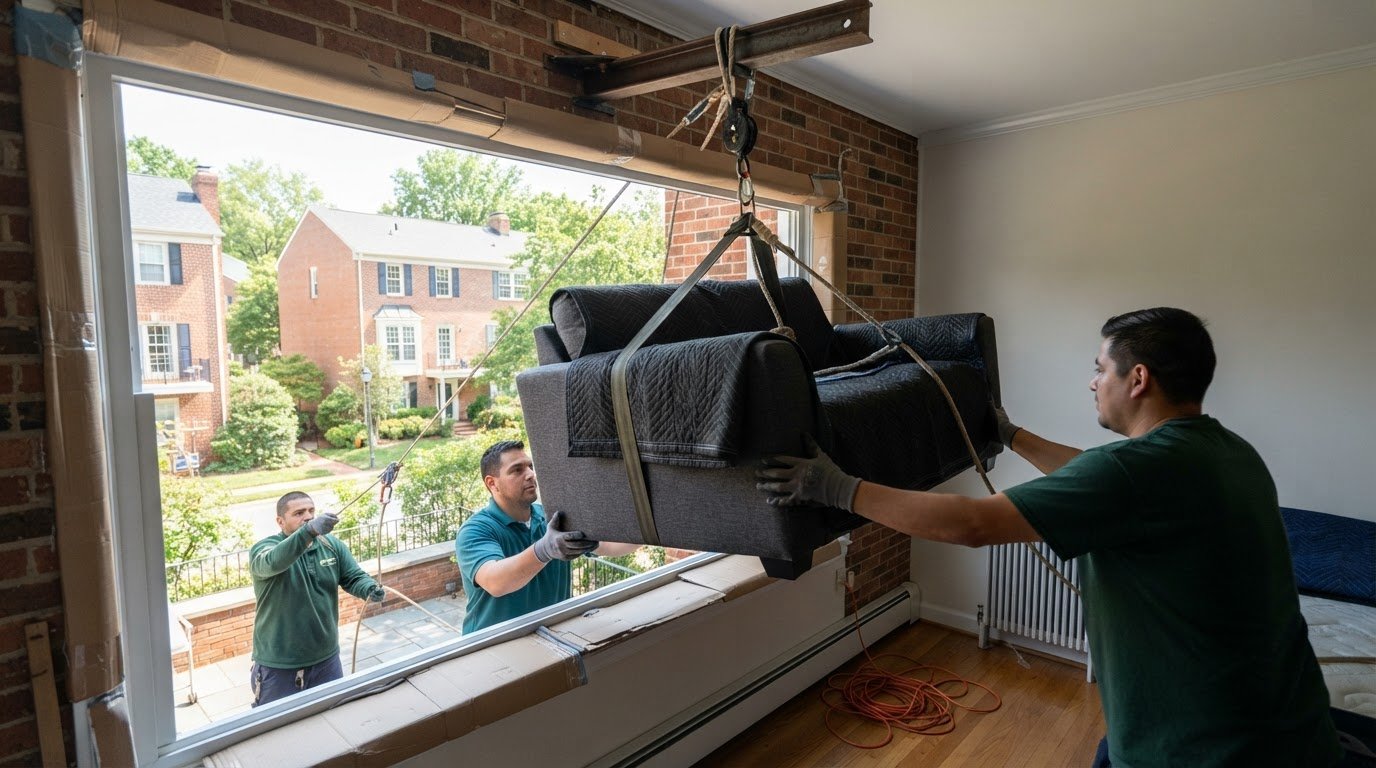
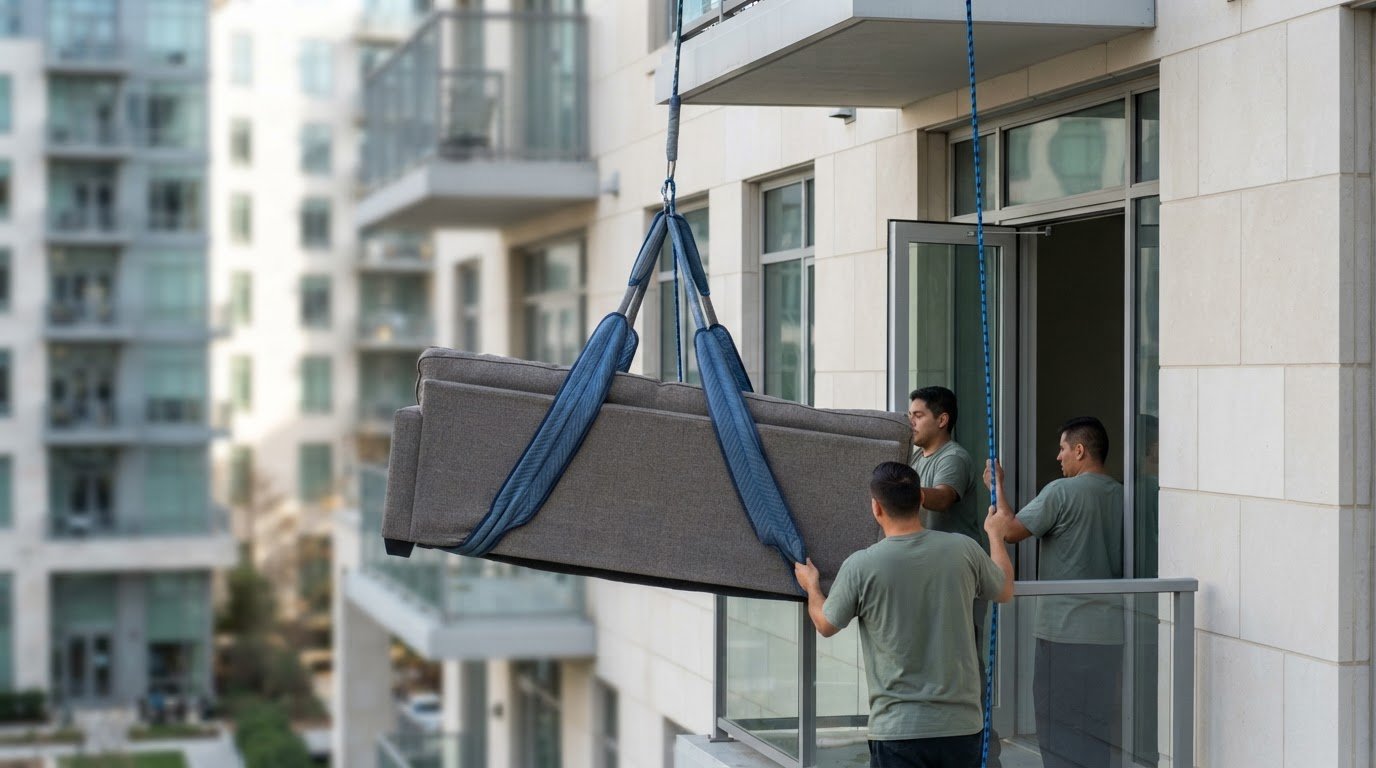
Moving a couch through a second-story window is often a hoisting job, not a stairwell problem. For couch hoisting through a second-story window with pulleys in Vienna, Virginia, the equipment must suit the couch and the opening, and trained movers should manage the lift. A rated rope-and-pulley setup may work for suitable furniture when the site conditions allow.
A tight window, balcony, or building access can complicate the plan. Measure the couch and the usable opening, allowing at least an inch of clearance after padding. Coordinate access with building management and identify a clear outdoor lifting area. The opening, lifting angle, and surrounding space all affect the approach.
This guide covers building coordination, lifting equipment, and how to plan a controlled hoist. It also explains what a professional crew considers when assessing the couch, route, and conditions around the building, so you can prepare with a practical plan.
Key Takeaways
- Coordinate access and building requirements early so the hoist plan fits the property and the scheduled work.
- Match lifting equipment to the floor, furniture weight, and lifting conditions; a second-story couch needs a suitable, controlled setup.
- Measure the couch and window or balcony opening, and account for padding when assessing clearance.
- Plan the lift around the load’s balance, lifting angle, wind, and the space below the work area.
- For a couch that can’t fit through the stairs or doorway, professional sofa hoisting can move it through a suitable window or balcony.
How professionals coordinate building management approvals and permits
- Map the property’s approval process before choosing a hoist date. Identify the building manager, owner, or association responsible for exterior work. Describe the couch, second-story window or balcony, proposed lifting method, and access area. A rope-and-pulley setup may require different placement planning than a mechanical lift. This gives management the details needed to review the work and lets the crew account for building access requirements.
- Send management a clear written request with the job details. Include the planned date, work window, entry route, equipment footprint, and where the crew expects to position the load. Add photos of the window, balcony, and ground area when they clarify tight access. Ask management to identify building-specific conditions, such as protected landscaping, restricted loading areas, or resident access conflicts. The professional records the response and shares relevant instructions with the crew before arrival.
- Keep building approval separate from government permits. Management can authorize use of private building areas, but that does not determine whether public-space or equipment permits apply. Assess the lifting method, setup location, and any effect on a street or sidewalk, then seek guidance from the appropriate local office. Don’t assume rules from another city apply in Vienna, Virginia. A rope-and-pulley arrangement has different site needs from a crane or lift.
- Plan around Vienna, Virginia, and the equipment selected. Consider whether the setup uses a rope-and-pulley system, mechanical lift, or crane, and whether equipment will occupy public space. These details affect which local requirements may apply. A rule for one type of machinery does not necessarily apply to every couch hoist. Account for the site and lifting method before finalizing the plan.
- Confirm the approved plan with everyone involved before the crew arrives. Share management’s written conditions with the movers and note any changes to timing, equipment placement, or building access. A reserved loading area or protected entrance, for example, may affect where the crew stages the couch. If the setup changes, management may need to review it again. Clear coordination keeps building staff, residents, and movers on the same plan.
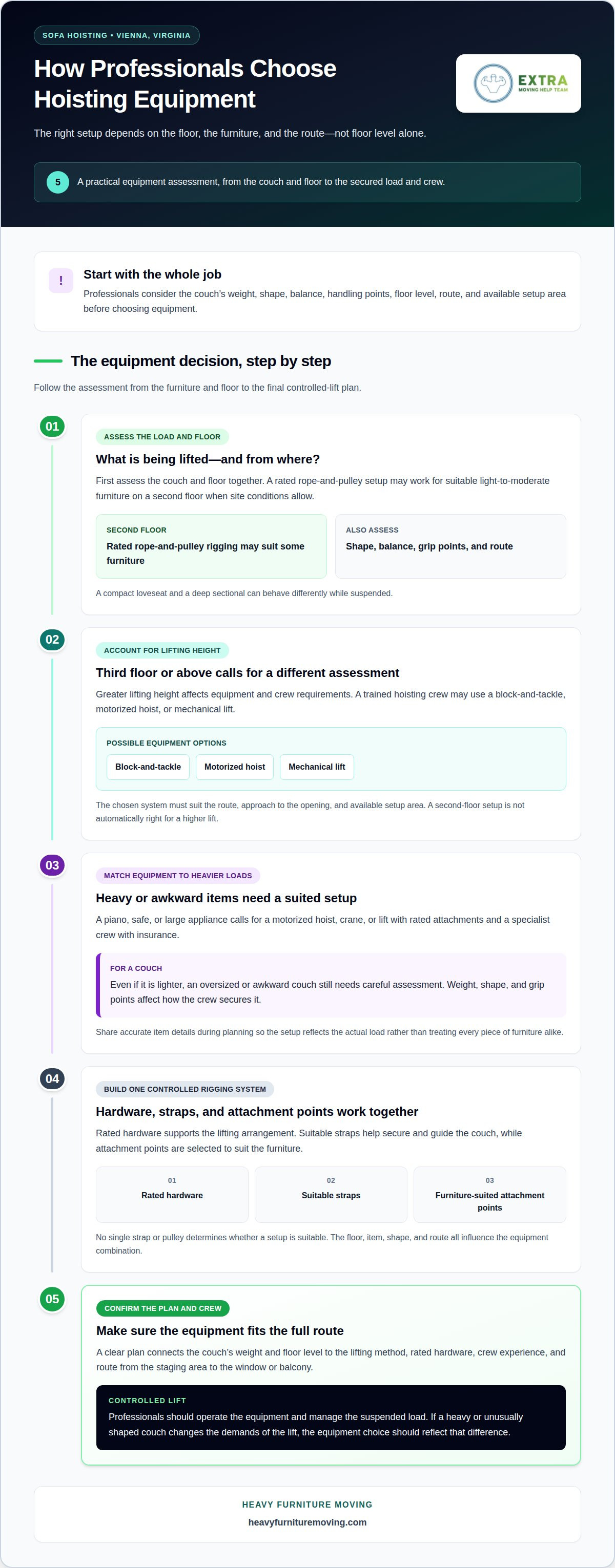
How professionals choose lifting equipment by floor and item weight
- Assess the couch and floor together before selecting a lifting method. For suitable light-to-moderate furniture on a second floor, rated rope-and-pulley rigging may work. The crew also considers the couch’s shape, balance, and secure handling points. A compact loveseat and a deep sectional can behave differently while suspended. Floor level matters, but so do the load and route. Professionals use these details to choose an appropriate setup.
- Higher floors call for a different equipment assessment. For furniture on the third floor or above, a trained hoisting crew may use a block-and-tackle, motorized hoist, or mechanical lift. The greater lifting height affects equipment and crew requirements. The selected system must suit the route and available setup area. The crew considers how the furniture will approach the opening and stay controlled during the ascent. Don’t assume a setup suitable for a second-floor lift is right for a higher one.
- Match heavy loads with equipment and experience suited to their weight. A piano, safe, or large appliance calls for a motorized hoist, crane, or lift with rated attachments and a specialist crew with insurance. A couch may be lighter, but an oversized or awkward model still needs careful assessment. Its weight, shape, and grip points affect how the crew secures it. Share accurate item details during planning so professionals can choose an appropriate setup and avoid treating every piece of furniture alike.
- Treat pulleys, straps, and rigging as parts of one controlled setup. Rated hardware supports the lifting arrangement, while suitable straps help secure and guide the couch. The crew selects attachment points to suit the furniture and checks the load’s position before lifting. No single strap or pulley determines whether the setup is suitable. The floor, item, shape, and route all influence the equipment combination. Professionals should operate the equipment and manage the suspended load.
- Have the crew explain why its proposed equipment fits the job. A clear plan connects the couch’s weight and floor level to the lifting method, rated hardware, and crew experience. It should also account for the route from the staging area to the window or balcony. If a heavy or unusually shaped couch changes the demands of the lift, equipment selection should reflect that difference. For a difficult stair or window route, professional sofa hoisting can put the equipment choice and lift in trained hands.
Hoisting oversized furniture through windows or balconies
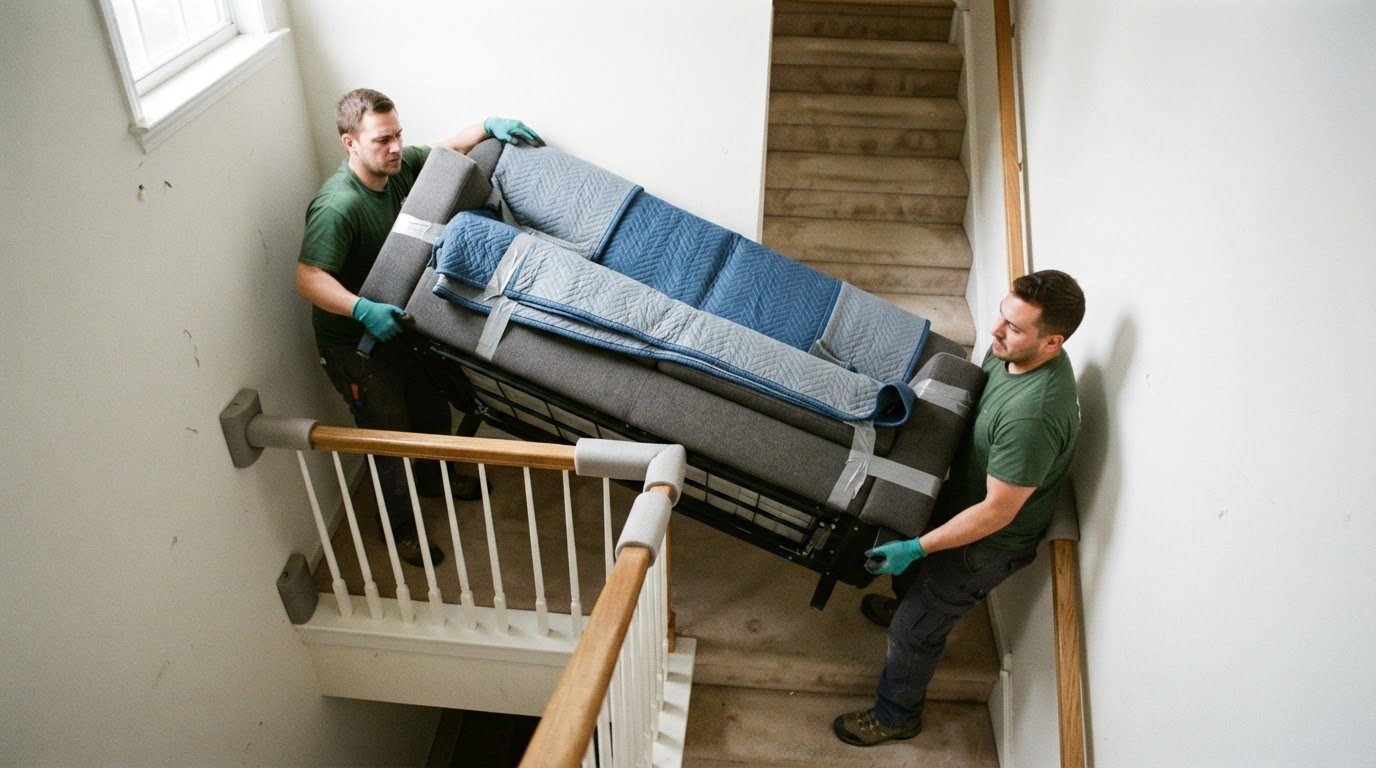
Have the crew compare the couch, opening, and access route before choosing an exterior lift. If a narrow stairway blocks the move, professionals can assess disassembly or window hoisting as alternatives.
-
How Professionals Measure Furniture and Window Openings
Share the couch’s dimensions and photos before the assessment. Measure its height, width, and depth, including protruding features, then compare them with the clear opening and approach angle. Allow at least an inch of clearance after protective padding. Include window frames, balcony rails, and nearby features that could restrict the turn.
-
Professional Assessment of Window Hoisting and Alternatives
Ask the crew to assess the entire route, not just the window. The couch may fit through the opening but still lack room to rotate outside or enter the room. Compare hoisting with the stairway route and possible disassembly. Removing detachable legs, for example, may change the couch’s dimensions. The crew can weigh the options against the furniture’s construction and safe handling needs.
-
How Professionals Prepare Furniture, Windows, Rooms, and Ground Areas
Give the crew access to the couch, room, window, and ground area before lifting begins. Clear the interior path and protect nearby floors and furniture. Prepare the opening by safely moving removable obstructions, then identify a clear landing area inside. Keep people and obstacles out of the outdoor lifting zone. A balcony lift also needs a clear path through its access point.
-
How Professionals Protect Furniture During External Lifting
Tell the crew about delicate upholstery, loose cushions, and removable parts before preparation. Secure loose components and pad vulnerable edges and contact points. Position the protective material so it stays in place as the couch passes the frame. Straps and rigging should hold the couch without crushing upholstery or straining weak sections. Check the load’s position before continuing the lift.
- Agree on a clear sequence from the ground to the room. Coordinate the outdoor lifting area, opening, and indoor receiving space before raising the couch. One person should direct movement while the team keeps the route clear and watches for contact with the frame or balcony. If the couch catches or shifts, pause and reassess rather than forcing it through. A controlled handoff helps protect the furniture and building.
Historic Amsterdam canal houses have exterior hooks and pulleys for hoisting furniture and valuables to upper stories. Moving furniture out with gravity’s help is different from lifting a couch into a building. An inward lift calls for careful route planning and coordinated handling.
How professionals plan for weight, wind, and lifting angles
Window hoisting risks include a shifting load, contact with the building, and falling objects. Before lifting, professionals assess the couch, weather, route, and equipment to manage these risks.
- Confirm the couch’s weight and how its shape affects balance. A wide sectional can catch more wind than a compact couch, while uneven weight can cause it to tilt. Professionals use the item’s weight and attachment points to plan its orientation and support. They also consider how it will clear the window frame. Size alone doesn’t reveal a couch’s lifting needs.
- Assess wind around the building before starting. A gust can push a broad couch away from the wall or toward a window frame. Consider exposed balconies, open areas, and the suspended item’s surface. If conditions make the couch hard to control, pause rather than continue with an unstable load. Keep the ground area clear while the crew assesses conditions.
- Plan the lifting angle from the ground to the opening. The crew considers whether the couch can rise level, when it must tilt, and where its corners may approach the wall. A sharp turn at a second-story window can create contact or shift the load. Professionals coordinate the movement so the couch approaches the opening in a controlled position. They avoid forcing it through a narrow angle that leaves no room for adjustment.
- Use rated lifting equipment and avoid improvised platforms. Homemade boxes, baskets, or platforms can fail or move unpredictably under a suspended load. OSHA’s 2021 safety bulletin reports 57 incidents, 46 serious injuries, and 33 deaths involving job-made boxes, baskets, and platforms between 2002 and 2020. Those figures concern job-made lifting platforms, not couch hoisting specifically. A professional crew uses equipment suited to the lift instead of relying on a makeshift platform.
- Keep one clear point of direction throughout the lift. Before raising the couch, decide who will direct movement and how the team will respond if it swings, catches, or shifts. Pausing lets the crew regain control and reassess the angle or position. Keep the indoor receiving area clear so workers can guide the couch through the opening without conflicting instructions or obstacles.
Hoisting services in Vienna, Virginia
- When arranging a professional hoist in Vienna, Virginia, describe the property and couch. Share the floor, intended window or balcony, and route from the entrance. Explain whether stairs or a small elevator restrict access. A wide couch may need a different approach from a compact sofa. These details help the crew assess the lift and plan for the actual building.
- Ask the crew to compare the exterior lift with the indoor route. Lift ladders, also called ladder lifts, can help move items in older buildings with narrow stairs and small elevators. They offer another option to assess when a couch cannot pass through the interior route. The right choice depends on the item, access, and setup space. A lift ladder is not right for every property, so assess the couch and site together.
- Have the professionals assess equipment placement and how the couch will reach the opening. A window facing a restricted access area can pose different challenges from a balcony with a clear approach. Consider the lifting path, indoor receiving space, and obstacles around the building. A tight approach, for instance, may affect the couch’s orientation before it reaches the opening. Plan for the complete route, not just the vertical distance.
- Use the assessment to clarify the service plan for this move. Identify the furniture, access point, and equipment approach suited to the property. Share details about detachable parts or an unusually shaped couch, since they can affect handling. The professional can then plan how to secure, raise, and bring the couch inside. Clear details about the item and route help the team prepare for the job.
- Choose a professional hoisting service when stairs, an elevator, or a doorway cannot accommodate the couch. In Vienna, the useful takeaway is to base the decision on both the furniture and the property, not floor level alone. A clear assessment can show whether a lift ladder or another hoisting method suits the access conditions. If your couch needs an exterior lift, arrange professional sofa hoisting for the move.
Heavy Furniture Moving: Sofa Hoisting
Heavy Furniture Moving offers sofa hoisting for couches that can’t pass through a stairway or interior doorway. The crew’s service is a practical next step when a window or balcony provides a workable route, but the lift needs professional planning. Share the couch’s dimensions, the floor, and details about the access point so the job can be assessed around the actual furniture and property. This helps the team prepare for the move and determine how the couch will be handled through the opening. For a second-story couch move in Vienna, Virginia, get in touch with Contact Heavy Furniture Moving to discuss sofa hoisting.
Plan Your Couch’s Next Move
A difficult stairway doesn’t have to determine where your couch can go. If an exterior lift seems like the better route, use what you’ve learned about the furniture and property to start a focused conversation. For couch hoisting through a second-story window with pulleys in Vienna, the next step is to match the plan to your building access and couch.
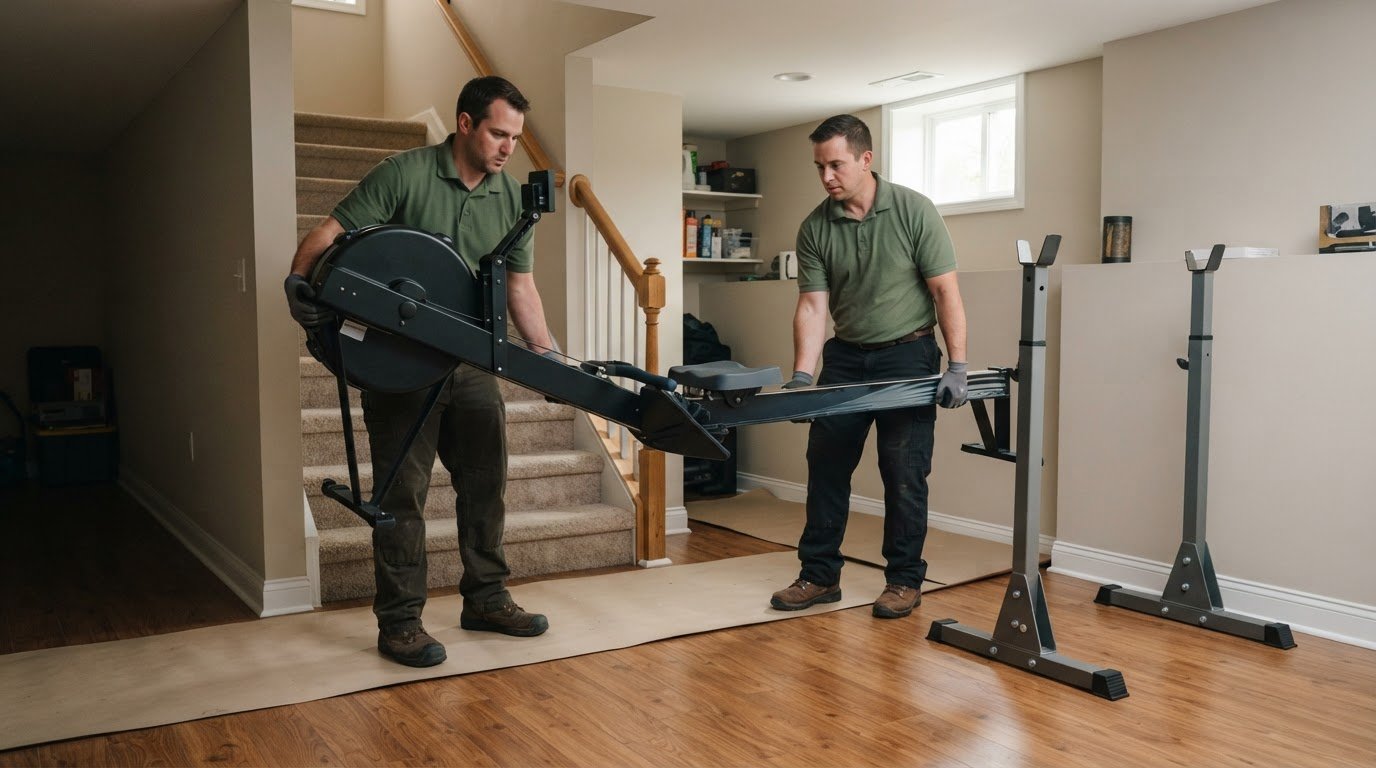
Share the floor, window or balcony access, and any tight turns or obstacles. These details give the conversation a practical starting point. If your couch needs another moving solution, Heavy Furniture Moving also offers Movers Near Me and Exercise Equipment Moving.
Ready to discuss the move? Contact Heavy Furniture Moving about sofa hoisting, and take the next step with a clear plan.
Frequently Asked Questions
Which movers handle couch hoisting through a second-story window in Vienna, VA?
Heavy Furniture Moving offers Sofa Hoisting for couches that cannot pass through standard entryways or elevators. For couch hoisting through a second-story window with pulleys in Vienna, VA, share the couch’s dimensions, building access, and photos of the route. These details help the team understand the move and discuss a suitable approach. Sofa hoisting can help when the interior route won’t accommodate the couch and an exterior opening provides another way inside.
How do professional movers measure a couch and window for furniture hoisting?
Professionals compare the couch’s dimensions with the usable opening and the space needed to position it. Share measurements in its current form, including attached parts that affect its size. If the sofa may be disassembled, the crew can consider both assembled and separated dimensions. Photos of the opening and room add context, especially where trim, balcony rails, or nearby walls limit maneuvering.
What pulley equipment and safety steps do professional couch hoisting crews use?
Crews select rigging based on the floor, load, and setup, using rated hardware for suitable rope-and-pulley lifts. They secure and control the couch, coordinate its movement, and keep the receiving area clear. Keep people out of the area directly below a suspended item. Homemade boxes, baskets, or platforms are not substitutes for lifting equipment suited to the job.
Are permits or regulations required for exterior furniture hoisting in Vienna, VA?
Building approval and government permits are separate considerations. In Vienna, Virginia, the crew assesses the planned equipment and setup location to determine whether public-space use or machinery affects local permit requirements. Building management may also set conditions for exterior access or shared areas. Share the lifting method and proposed equipment location during planning, so the relevant property and local requirements can be considered for that specific setup.
How can I assess Vienna, VA crane and furniture hoisting company reviews?
Heavy Furniture Moving has 500+ verified 5-star Google reviews and an overall 4.9/5 rating. For a couch hoist, consider whether feedback discusses bulky furniture, careful handling, and clear communication. Those details can help you understand the kind of moving work customers describe. The overall rating and review count describe customer feedback broadly, while your couch’s access route and requirements are specific to your move.
How do professional movers prepare a couch for a window hoist?
Professionals assess the sofa’s construction and whether disassembly is needed for the route. Disassembly and reassembly are included for sofas. Before the crew arrives, send a photo of the couch and any tight access points, such as stairs or a narrow hallway. Mention detachable sections or unusual features so the team can plan how to handle and reassemble the furniture.
Frequently Asked Questions
Heavy Furniture Moving offers Sofa Hoisting for couches that cannot pass through standard entryways or elevators. For couch hoisting through a second-story window with pulleys in Vienna, VA, share the couch’s dimensions, building access, and photos of the route. These details help the team understand the move and discuss a suitable approach. Sofa hoisting can help when the interior route won’t accommodate the couch and an exterior opening provides another way inside.
Professionals compare the couch’s dimensions with the usable opening and the space needed to position it. Share measurements in its current form, including attached parts that affect its size. If the sofa may be disassembled, the crew can consider both assembled and separated dimensions. Photos of the opening and room add context, especially where trim, balcony rails, or nearby walls limit maneuvering.
Crews select rigging based on the floor, load, and setup, using rated hardware for suitable rope-and-pulley lifts. They secure and control the couch, coordinate its movement, and keep the receiving area clear. Keep people out of the area directly below a suspended item. Homemade boxes, baskets, or platforms are not substitutes for lifting equipment suited to the job.
Building approval and government permits are separate considerations. In Vienna, Virginia, the crew assesses the planned equipment and setup location to determine whether public-space use or machinery affects local permit requirements. Building management may also set conditions for exterior access or shared areas. Share the lifting method and proposed equipment location during planning, so the relevant property and local requirements can be considered for that specific setup.
Heavy Furniture Moving has 500+ verified 5-star Google reviews and an overall 4.9/5 rating. For a couch hoist, consider whether feedback discusses bulky furniture, careful handling, and clear communication. Those details can help you understand the kind of moving work customers describe. The overall rating and review count describe customer feedback broadly, while your couch’s access route and requirements are specific to your move.
Professionals assess the sofa’s construction and whether disassembly is needed for the route. Disassembly and reassembly are included for sofas. Before the crew arrives, send a photo of the couch and any tight access points, such as stairs or a narrow hallway. Mention detachable sections or unusual features so the team can plan how to handle and reassemble the furniture.