Hourly Moving Helpers or a Rental Van in Vienna: Compare Costs
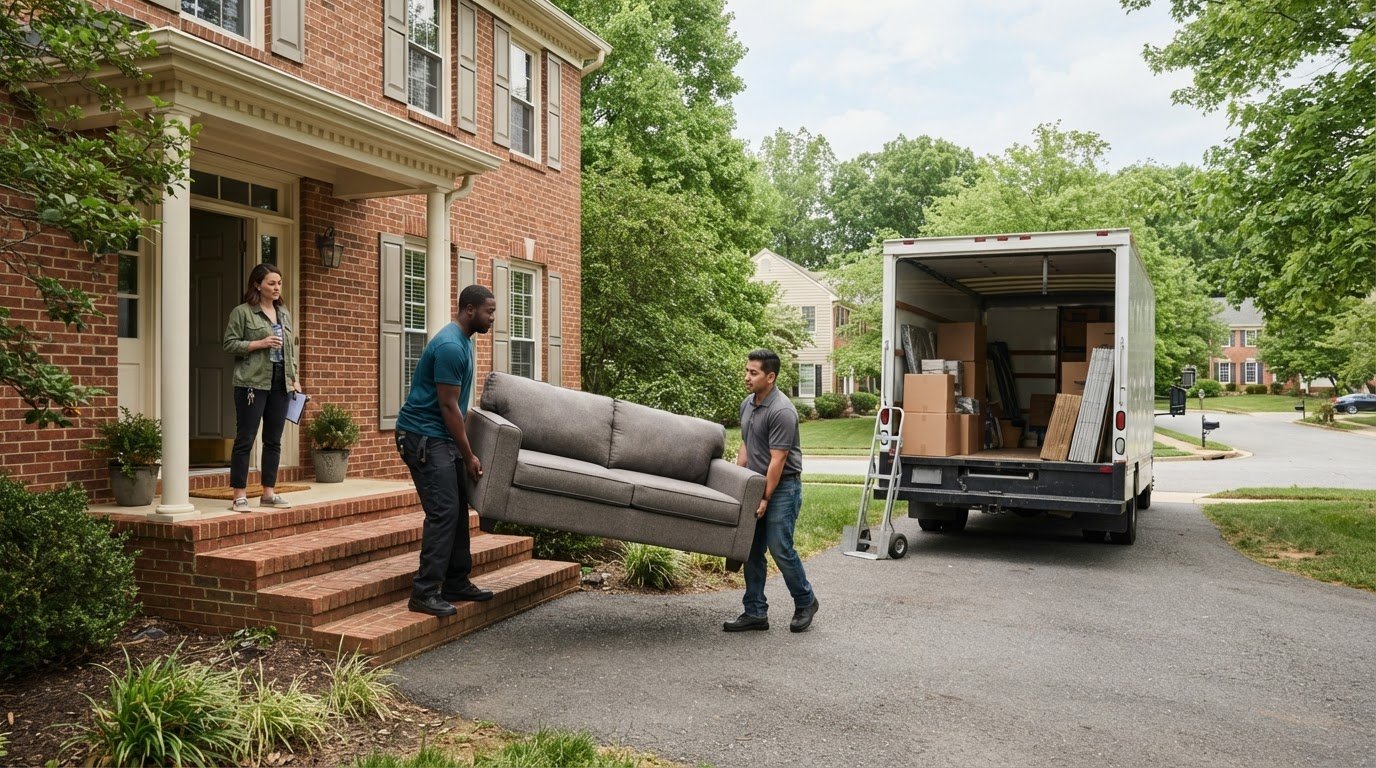
The cheaper move may be the one that asks more of you. Hourly moving helpers can take some of the lifting off your hands, while renting a van means you handle the vehicle and more of the move yourself. Rental rates vary by size, location, and duration, so compare the full costs, not just the base rate.
A rental van can seem like a straightforward way to save, and doing the work yourself gives you more control. But you may also need to manage fuel, mileage, insurance, and equipment costs, then handle the physical work of loading and unloading.
This guide compares helper labor with van rental, including costs, extra charges, and the effort each option demands. Use it to decide whether you’d rather drive and lift yourself or bring in help for the heavy work.
Key Takeaways
- Compare the full rental cost, not just the van rate: truck size, rental duration, fuel, mileage, insurance, and equipment can all affect the total.
- Choose a rental van if you can manage the driving, loading, unloading, and required equipment yourself.
- Hourly helpers can take on the heavy lifting, but your move time depends on the amount of furniture, access, and how ready everything is to load.
- Plan loading and unloading separately, and make a clear inventory so you can estimate the work involved before choosing your setup.
- Use the decision guide to match your budget, physical capacity, and comfort with driving a large vehicle to the option that fits your move.
Choosing a rental truck for a small local move
A rental truck can suit a small Vienna move if you can drive, load, and unload it yourself. Start by listing large items, box counts, and pickup locations. A studio move with a bed, sofa, and packed boxes needs a different vehicle plan than a move with bulky exercise equipment. Choose for the load and route, not just the lowest advertised rate.
Before selecting a truck, map the move from origin to destination. Note tight streets, parking access, stairs, and the distance from the truck to each doorway. A larger vehicle may carry more at once but can be harder to maneuver. Driving a large rental truck can feel challenging, especially if you’re unfamiliar with its size.
Rental truck companies commonly require a valid driver’s license and a credit card hold. Keep those requirements in mind as you plan your reservation. Compare truck size, rental location, and duration, since rates vary by all three. Fuel, insurance, mileage, and equipment can also affect the total. When comparing hourly moving helpers with a Home Depot moving van in Vienna, consider the full setup.
| Option | Driving | Loading work | Best fit |
|---|---|---|---|
| Rental van or truck | You drive and park it | You organize and move the load | You want control and can handle the physical work |
| Hourly moving helpers | You arrange the vehicle separately | Helpers handle moving labor | You want support with lifting and loading |
Use this quick selection process before reserving:
- List the load. Record furniture, appliances, and boxes. Flag oversized pieces that could change your truck choice.
- Check the route. Identify narrow approaches, parking limits, and building access at both Vienna addresses.
- Choose a vehicle size. Match capacity to the inventory while considering how comfortable you are driving a larger truck.
- Review the rental terms. Compare location and duration, then account for mileage, fuel, insurance, and equipment.
- Plan the labor. Decide who will carry furniture, protect it, and load the vehicle before moving day.
A move with a few boxes and manageable furniture may suit a rental if you have help and suitable parking. A bulky sofa, heavy equipment, or difficult access can make lifting and maneuvering the bigger challenge. When comparing hourly moving helpers with a Home Depot moving van in Vienna, factor in who will handle those tasks.
Choose a rental if driving and hands-on work fit your plan. Choose hourly help when you want assistance with lifting and loading.
If you would rather leave the lifting and loading to a crew, labor help may fit your plan. Treat any cost figure as a starting point for that market, not as a Vienna quote, and compare the service scope with a truck rental. The right choice depends on your inventory, access, driving comfort, and who can help on moving day. Confirm the rental costs and labor arrangements before settling on a plan, so the vehicle and the work fit together.
DIY moving labor and physical effort
For a move in Vienna, Virginia, plan loading around legal parking and building access. Follow posted curb signs and property instructions, and keep driveways and travel lanes clear.
With a DIY move, you handle the lifting, carrying, and decisions on moving day. The effort depends on your furniture, stairs, carrying distance, and how prepared each room is.
Loading and Unloading Time
There’s no fixed number of hours for every move. Estimate the work by listing furniture, boxes, stairs, and the distance from each room to the truck. Hourly moving helpers charge by the hour for most labor services, so a clear inventory helps you plan the session. A sofa on an upper floor requires different handling than boxes beside the entrance.
Separate loading and unloading tasks before setting a time budget. Include carrying items to the truck, arranging the load, and moving pieces inside the destination. Seal boxes and clear pathways before helpers arrive. These steps reduce pauses, while long carries, bulky furniture, and difficult access add work.
Helper Labor and Truck Availability
Moving helpers generally provide labor, not a truck. With labor-only service, you supply the vehicle and any furniture pads or other moving equipment you need. Moving Help charges by the hour for most labor services. That differs from renting a truck with a driver: you arrange transportation, while helpers focus on lifting and loading.
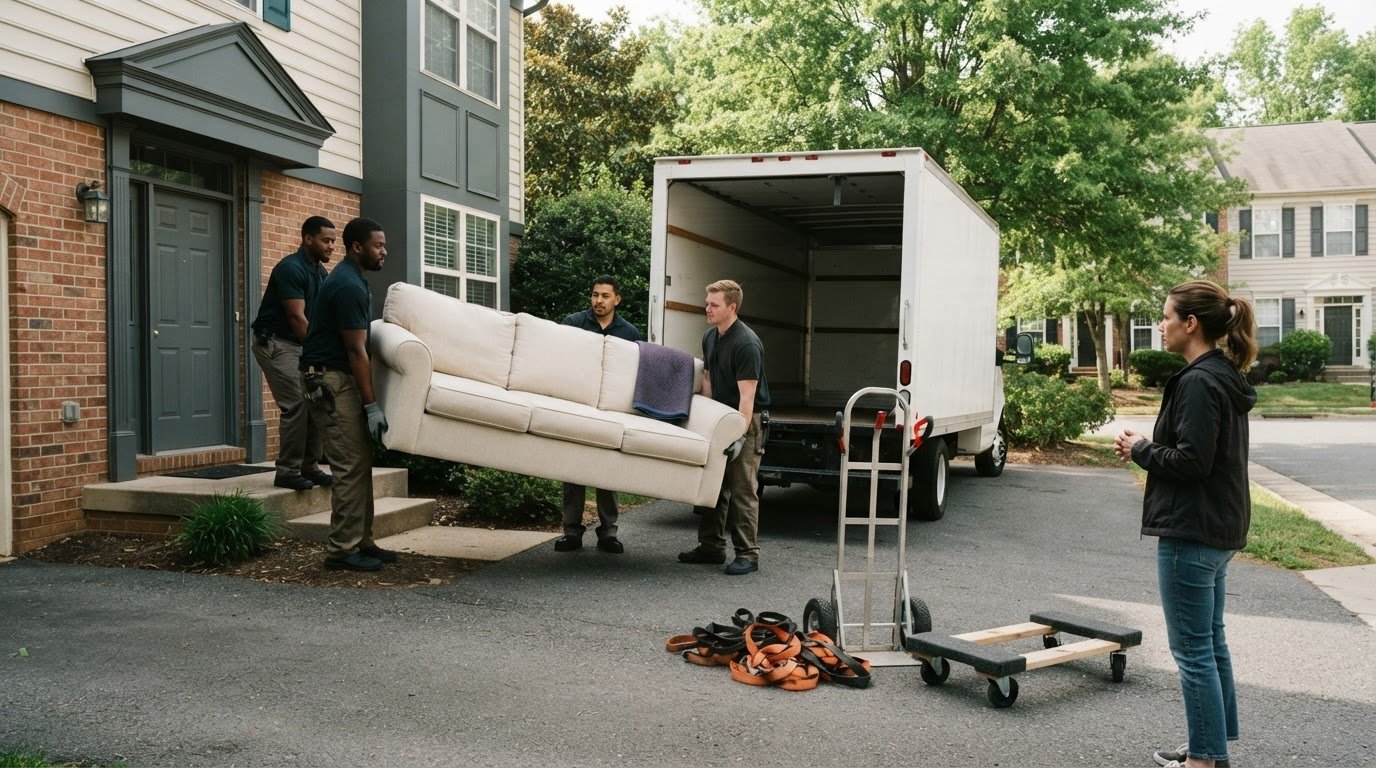
Before moving day, match each task to a person and item. One person can guide box placement while others carry furniture. Keep pads, straps, and a hand truck near the loading area if they’re part of your setup. A rental vehicle provides transport, but you still need to handle the carrying work.
Use this task list to see where the physical work falls:
- Pack and stage. Close boxes and group them by room before carrying begins.
- Clear the path. Move loose items away from hallways, doors, and stairs.
- Handle large pieces. Decide who carries the sofa, bed frame, and exercise equipment.
- Load the vehicle. Place heavier pieces securely before stacking lighter boxes.
- Repeat at delivery. Carry items from the vehicle to their rooms, then arrange furniture.
DIY work puts every carry on you and any friends helping. Consider the full route, not just an item’s weight: a dresser may need to pass through a narrow doorway, down stairs, and across a courtyard. Each change in direction adds coordination and handling time.
Hourly helpers handle the lifting, but you still manage the truck, equipment, and move plan. Choose this setup if carrying large pieces is your main concern. Choose a fully DIY approach if you’re prepared to organize the load and do the lifting yourself.
Fuel, insurance, mileage fees, and equipment rental
A rental truck’s starting rate is only one part of its cost. Fuel, insurance, mileage fees, and equipment rental can add separate expenses. For a Vienna move, estimate each against your route and load before comparing options.
Fuel depends on the route and vehicle
Estimate fuel based on truck size and driving distance. A short trip between nearby Vienna addresses uses a different amount than several trips across town. Extra stops for keys or supplies, or a second load, also change the route. Write down each leg, including rental pickup and return, before estimating the fuel budget.
Rental duration and location affect the rate, while driving affects fuel use. Treat them as separate parts of your estimate. If your belongings require multiple trips, include every planned trip rather than calculating only the drive between homes. A compact inventory and mapped route make the estimate more useful.
Insurance and mileage alter the total
Insurance and mileage fees may appear alongside the truck charge. Their impact depends on the rental terms and how far you drive. Compare the listed options and mileage structure for the specific vehicle and rental period. A short local route and a longer route call for different plans.
Build a simple comparison before booking. Record the truck rate, rental duration, mileage terms, insurance selection, fuel estimate, and equipment needs. Keep each item on its own line. This makes it easier to see which costs change the total, rather than judging by one advertised amount.
Equipment can be essential to the load
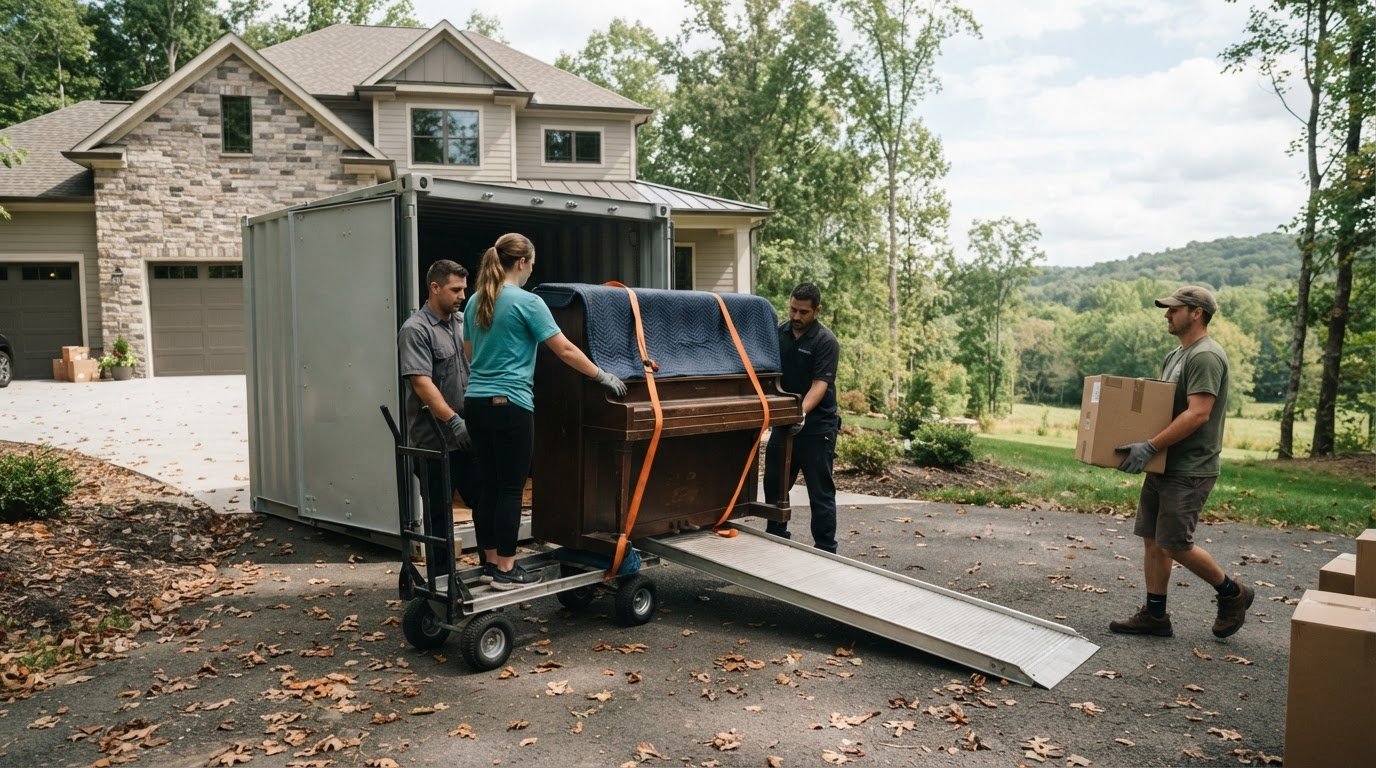
Furniture pads and moving equipment help prepare items for transport, but they may involve rental costs. Consider the actual load: a sofa, bed frame, and exercise equipment need different handling than sealed boxes. Decide what equipment the move requires, then include those rentals in your truck estimate.
Some labor-only moving arrangements may require customers to provide a truck, furniture pads, and other moving equipment. A helper booking therefore does not automatically remove these costs. Hourly moving labor and a rental vehicle solve different parts of the move: one covers labor, while the other provides transport.
Compare complete plans, not isolated charges
Use one checklist for both options. For a rental, include the vehicle rate, duration, fuel, mileage, insurance, and equipment. For hourly labor, account for the vehicle and supplies you must provide, plus the time spent loading and unloading. Moving Help charges by the hour for most moving labor services, so planned work time matters.
- Map the route: include pickup, delivery, and any additional trips.
- List supplies: identify pads and equipment needed for bulky items.
- Compare totals: separate transport costs from labor costs.
Choose a rental if you can manage transport and supplies. Choose labor support if carrying is the difficult part, while including vehicle costs in your comparison.
Moving truck rental costs and additional charges
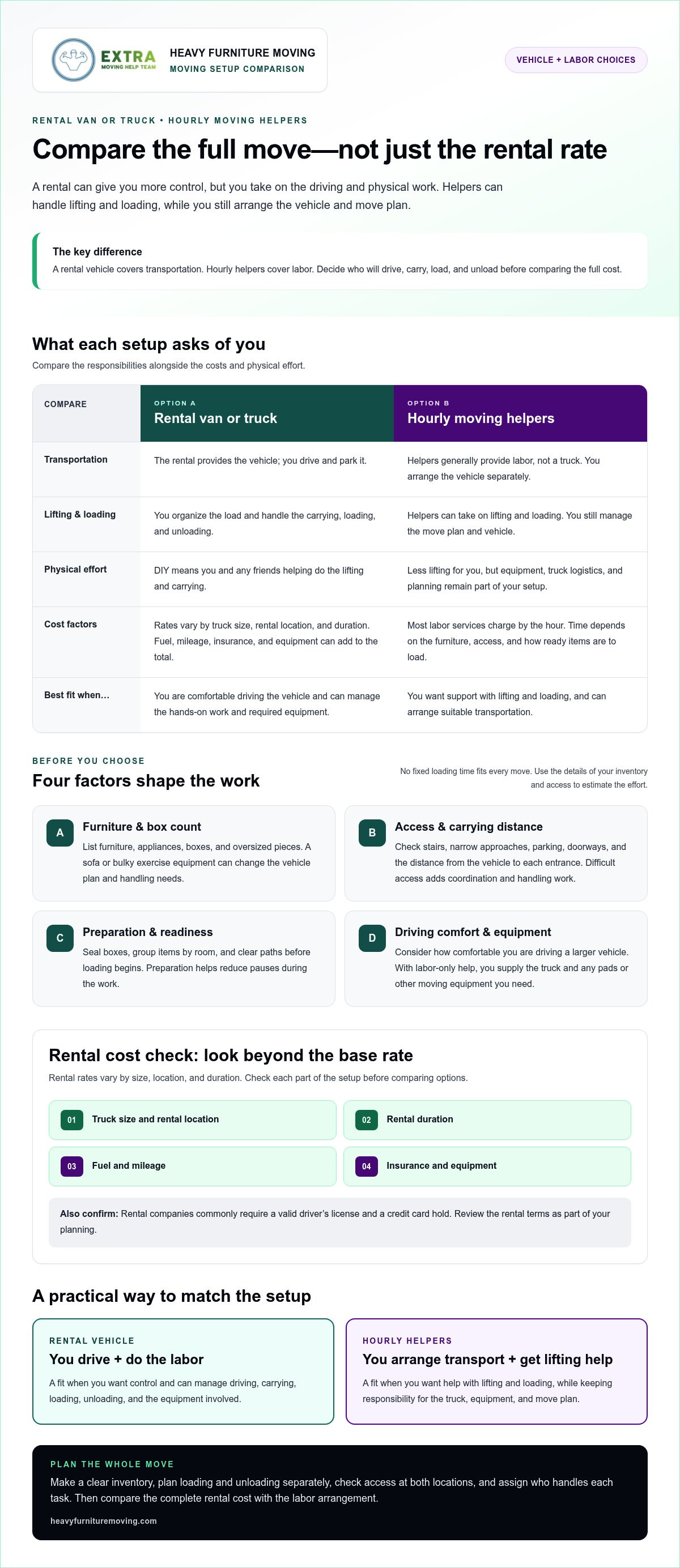
Compare rental quotes using the same truck size and rental duration. Rates vary by truck size, rental location, and duration. A small vehicle may cost less initially, but it must fit your load. A larger option can reduce trips while changing the rental rate. For a Vienna move, compare each option with your inventory and route.
Build an itemized estimate
Write down every cost category before choosing a rental. Keep the base rate separate from fuel, insurance, mileage fees, and equipment rental. These costs can all apply to truck rentals. Extra trips change mileage and fuel needs, while a longer rental period can change the rate.
Use a simple worksheet for each vehicle option:
- Truck size: Match capacity to furniture, appliances, and boxes.
- Rental location: Compare the pickup location for the vehicle you need.
- Rental duration: Estimate time for pickup, loading, driving, and return.
- Travel: Include the route and any planned extra trips.
- Extras: List fuel, insurance, mileage fees, and equipment rental.
Understand what changes the total
Truck size affects the rental rate, while the load determines the size you need. For example, a move with boxes and a compact sofa may fit a different vehicle than one with bulky furniture. Don’t choose by rate alone. An undersized truck can require extra trips, adding mileage and fuel to your plan.
Rental location matters too. Compare locations offering the truck size you need, then account for pickup and return in your route. Rental duration affects the rate, so plan around the actual work sequence. Loading delays, a long drive, or a second trip can change how much rental time your move requires.
Compare like with like
For a fair comparison, use the same inventory and route for every rental option. Record the same rental duration, then add each listed expense. Don’t combine one truck’s base rate with another truck’s extras. That can hide the cost of the complete plan.
Give equipment rental its own line. Pads and other moving equipment can add to the truck expense. Identify what the load needs before comparing totals. A sofa or exercise equipment may need different handling than packed boxes, so make the equipment list reflect the actual items.
Finally, compare the complete rental estimate with your labor plan. A rental covers transportation, while moving labor covers physical work. If you rent a truck, include the vehicle and its additional charges, then account separately for who loads and unloads. Choose a plan that fits the load, route, rental duration, and work you’re ready to handle.
How many hours should I budget for loading and unloading with hourly moving helpers?
Build your time estimate around the actual work, not a generic apartment size. Count furniture, boxes, stairs, and the distance from each room to the truck. Loading and unloading are separate tasks, so include both in your plan.
Count the work at both addresses
Start with an inventory. List each large item, such as a sofa, bed frame, dresser, or exercise machine. Add the number of packed boxes and note which items need careful handling. A short list helps explain the job and identify bulky pieces that may shape the loading order.
Next, map the path from each room to the vehicle. A ground-floor doorway differs from an upstairs apartment with a long hallway. Note stairs, elevators, narrow turns, and the distance to the loading area at both Vienna addresses. These details affect how often items must be carried and repositioned.
Separate the work into stages: carrying items out, loading and arranging them, carrying items in, and placing furniture at the destination. Include time for dismantling furniture if needed, but complete that task before helpers arrive when possible. Keep boxes sealed and grouped by room to avoid sorting during paid work time.
Use a practical time-planning checklist
Hourly moving labor is billed by time, so preparation matters. Use this checklist to build a realistic work plan without guessing a fixed duration:
- Prepare the inventory: identify furniture, boxes, and unusually heavy items.
- Record access: note stairs, elevator use, hallway turns, and vehicle distance.
- Separate destinations: mark items going to each room or storage container.
- Clear pathways: move loose belongings away from doors and halls.
- Set the loading order: group large furniture and packed boxes for easy access.
For example, a bed frame already taken apart and boxes staged near the exit require fewer handling steps than furniture still assembled in crowded rooms. A heavy exercise machine may need a clear route and coordinated lifting. Mention these details when arranging moving labor so the plan reflects the actual load.
At the destination, identify where each large piece belongs before unloading begins. Room labels and a simple floor plan reduce backtracking. If a sofa needs to go upstairs, clear the route and measure tight turns beforehand. Unloading involves more than carrying items inside: placing furniture in its final room also takes time.
Keep the vehicle and required moving equipment ready before labor begins. If you need help with bulky furniture or heavy lifting, arrange moving help for loading and unloading around your inventory and access details.
For comparison, two moving helpers for two hours cost an average of 129.58 in the United States and 134.77 Canadian dollars in Canada in 2026. Full-service movers handle packing, transportation, and unloading.
Heavy Furniture Moving: Movers Near Me
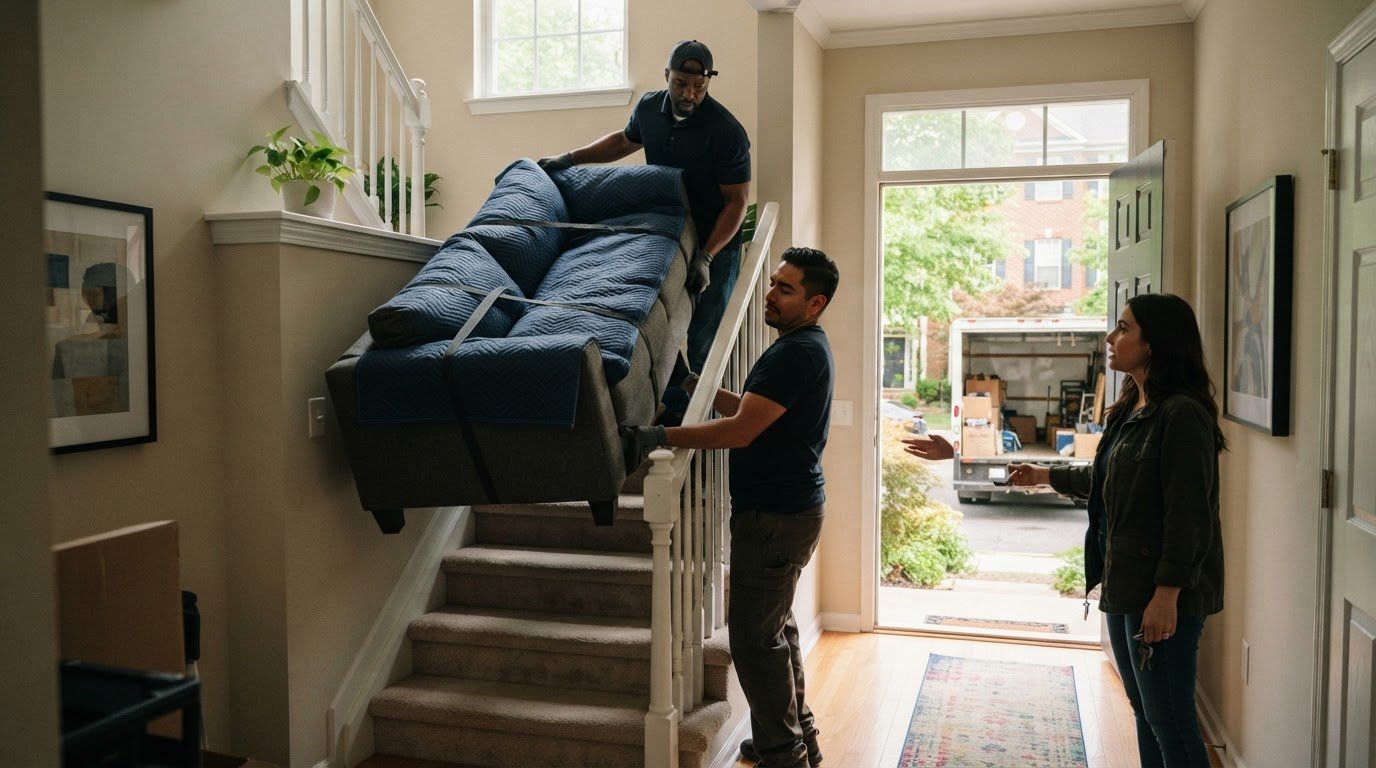
Heavy Furniture Moving is a practical next step when a rental van leaves you facing difficult lifting or bulky furniture. If you can drive and arrange transport but need help with the physical work, consider its Movers Near Me service. For specific challenges, Exercise Equipment Moving can help with heavy fitness gear, while Sofa Hoisting addresses a sofa that won’t fit through the usual route. In-home furniture movers can also help move pieces within your home. Share what needs moving and where the challenge lies, such as stairs, tight turns, or limited access, to help define the work. Contact Heavy Furniture Moving to discuss your move, or visit Heavy Furniture Moving online.
Make the Move Fit Your Strengths
Choose the setup that makes moving day manageable, not simply the plan that looks easiest on paper. Deciding between hourly moving helpers and renting a Home Depot moving van in Vienna comes down to which tasks you want to handle yourself. You may be comfortable driving and organizing the load, but not carrying a heavy sofa down stairs. Or you may prefer to do the lifting while keeping control of transportation.
Make your next step practical: identify the heaviest item and the toughest part of its route. Heavy Furniture Moving provides moving help, exercise equipment moving, and sofa hoisting for specific heavy-item challenges. Match the help to the job, then contact Heavy Furniture Moving to plan your move.
Contact Heavy Furniture Moving today to discuss the moving help that fits your needs. You’ve done the planning; now choose the support that makes move day feel more manageable.
Frequently Asked Questions
What are the pros and cons of renting a cheap moving truck?
A low-cost rental can give you direct control over pickup, loading, and travel timing. It may suit a Vienna move with a manageable load and a driver comfortable handling the vehicle. The tradeoff is responsibility: you coordinate the move, drive, and handle the belongings. Before choosing, check the truck’s interior dimensions against your largest items and confirm where you can stage it at both addresses.
What should I know about moving truck rentals?
Review the reservation details before moving day, including pickup and return arrangements, rental period, and listed charges. Match the vehicle’s interior space to your furniture, and consider whether it can reach the loading area at each Vienna address. Decide who will drive and who will manage loading. A clear task plan helps avoid confusion when the truck arrives and keeps responsibilities clear throughout the move.
Frequently Asked Questions
A low-cost rental can give you direct control over pickup, loading, and travel timing. It may suit a Vienna move with a manageable load and a driver comfortable handling the vehicle. The tradeoff is responsibility: you coordinate the move, drive, and handle the belongings. Before choosing, check the truck’s interior dimensions against your largest items and confirm where you can stage it at both addresses.
Review the reservation details before moving day, including pickup and return arrangements, rental period, and listed charges. Match the vehicle’s interior space to your furniture, and consider whether it can reach the loading area at each Vienna address. Decide who will drive and who will manage loading. A clear task plan helps avoid confusion when the truck arrives and keeps responsibilities clear throughout the move.