All My Sons Moving vs local heavy furniture moving specialists Northern Virginia
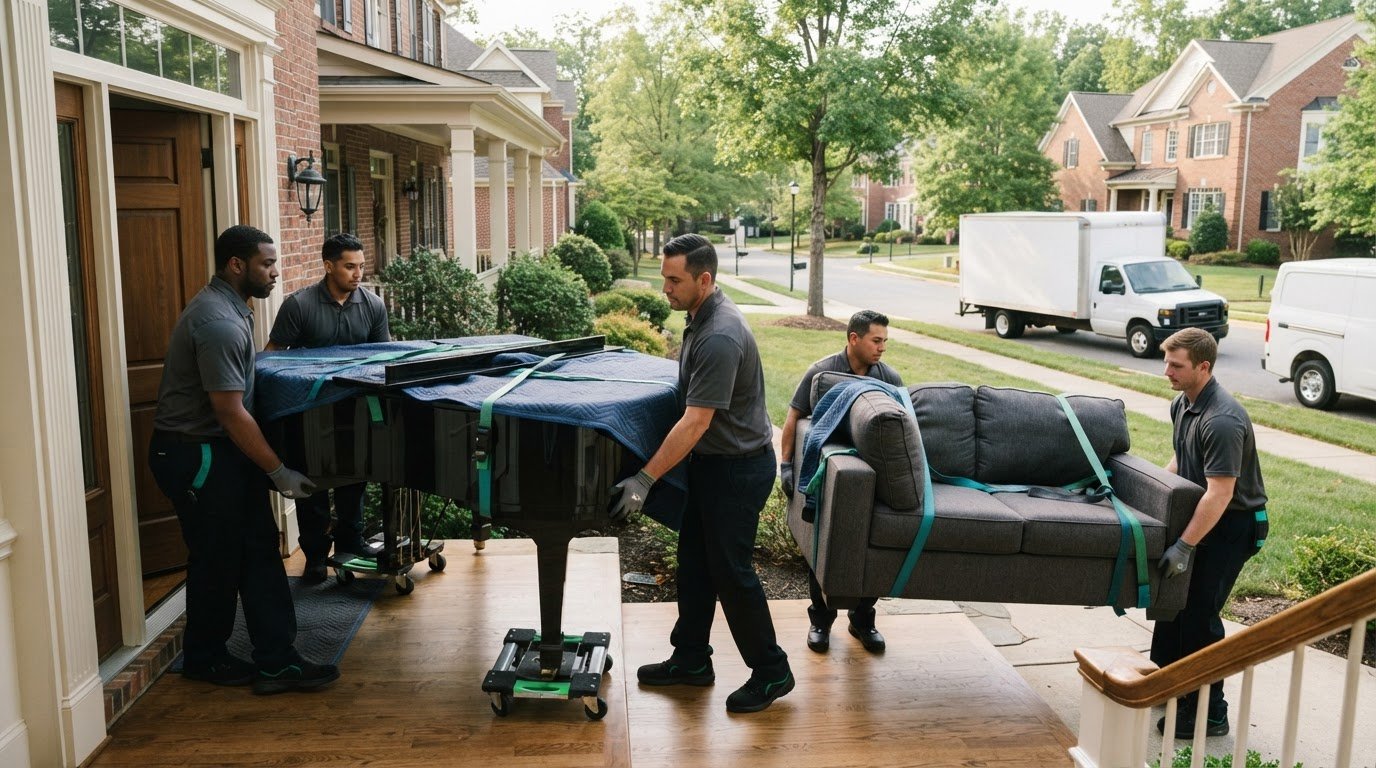
Choosing between All My Sons Moving and local heavy furniture moving specialists in Northern Virginia depends on what needs to move. Compare the written quote, coverage terms, service area, customer feedback, and experience with bulky items, not just the hourly rate. For heavy furniture, careful handling and placement matter as much as transportation.
It’s sensible to compare price and reputation first, especially when a large item is difficult to maneuver through a home. This guide explains what to look for in hourly pricing and quote requirements, how coverage works, and how to assess customer feedback without treating one review as the whole story. It also shows how heavy-item services differ from a general household move, so you can match the crew to the job and plan the next step with less guesswork.
Key Takeaways
- Compare written estimates by what the hourly rate includes, how the work is defined, and what could change the final bill.
- Know the difference between released-value coverage and full value protection before deciding how to protect belongings.
- Use branch-specific customer feedback to spot patterns in communication, care, and follow-through, rather than relying on a single review.
- For interstate moves from Washington, D.C., understand the federal limit on payment at delivery for a non-binding estimate.
- Match the moving plan to the heaviest items and the home’s access points, especially when furniture needs careful maneuvering or placement.
Basic liability protection and coverage upgrades
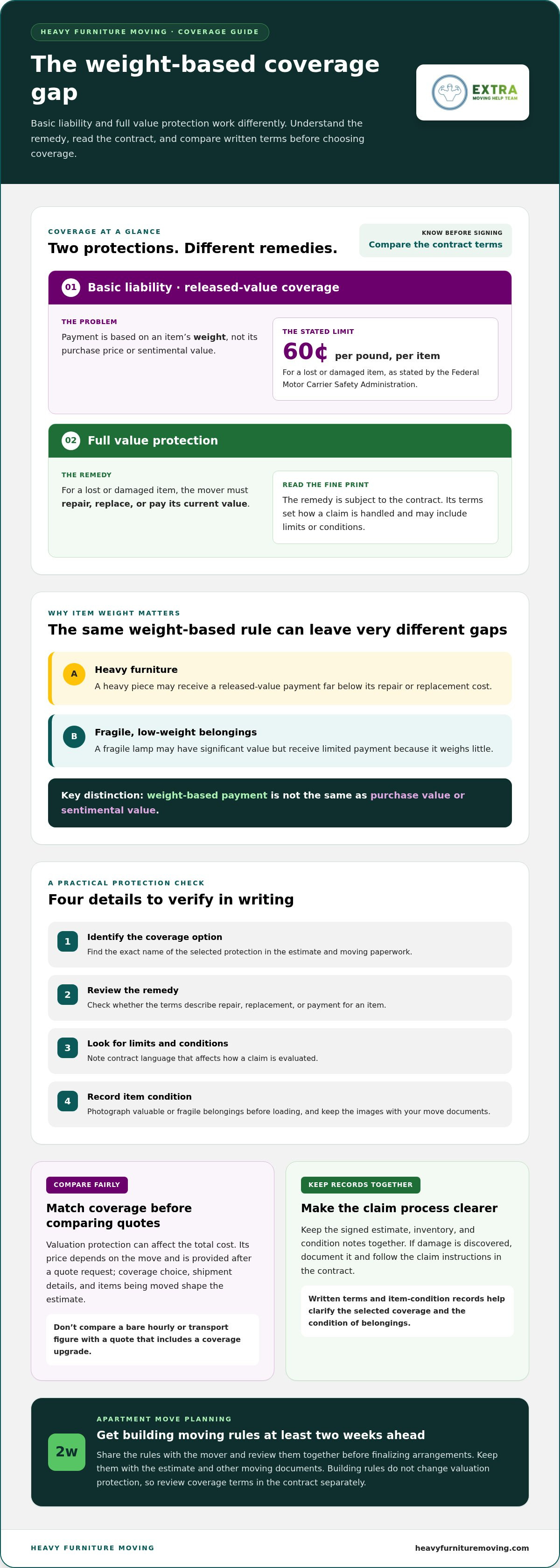
Before comparing movers, separate basic liability protection from full value protection. They describe different levels of financial responsibility for belongings that are lost or damaged during a move. The Federal Motor Carrier Safety Administration states that released-value coverage pays 60 cents per pound per item for a damaged or lost item. That amount is based on an item's weight, not its purchase price or sentimental value.
Consider a heavy piece of furniture: its weight may make the released-value payment far lower than the cost to repair or replace it. A fragile lamp presents the opposite problem. Its low weight can mean limited payment, even if the item has significant value. These examples show why a mover’s basic liability protection may not match the financial risk you want to accept.
Full value protection offers a different remedy. According to the Federal Motor Carrier Safety Administration, it requires a mover to repair, replace, or pay the current value of a lost or damaged item, subject to the contract. The contract sets the terms for handling a claim. Read those terms before signing, and compare coverage options in writing rather than relying on a brief verbal explanation.
- Identify the coverage option. Find the exact name of the selected protection in the estimate and moving paperwork.
- Review the remedy. Check whether the terms describe repair, replacement, or payment for an item.
- Look for limits and conditions. Note any contract language that affects how a claim is evaluated.
- Record item condition. Photograph valuable or fragile belongings before loading, and keep the images with your move documents.
Valuation protection can affect the total cost, so compare its price with the protection it provides. The price depends on the move and is given after a quote request; the selected coverage, shipment details, and items being moved shape the estimate. Don’t compare a bare hourly or transport figure with a quote that includes an upgrade. Match the coverage level first, then compare the written terms.
Keep the signed estimate, inventory, and condition notes together. If you discover damage, document it and follow the claim instructions in the contract. For a move involving valuable furniture or fragile pieces, this preparation clarifies your coverage choice and gives you a practical record of each item’s condition.
For an apartment move, include the building’s requirements in your planning alongside the coverage paperwork. Request the building’s moving rules at least two weeks ahead and share them with the mover. Review the rules together before finalizing arrangements, so the mover can account for them when discussing the job. Keep the rules with your estimate and other moving documents for easy reference.
If the rules raise questions about how the move will be handled, discuss them with the mover before moving day rather than assuming they are covered by the estimate. Clear communication keeps building instructions aligned with the agreed arrangements. Building rules do not change valuation protection, so review the coverage terms in the contract and keep the relevant documents together.
Customer feedback and branch trust metrics
Reviews can show how a moving crew communicates, handles belongings, and responds when plans change. In Northern Virginia, focus on feedback about the branch or team serving your move. A company-wide reputation may not reflect the experience customers report with a particular local office.
Use customer feedback as a pattern-finding tool, not a single-score verdict. U.S. News evaluated 21 companies in the moving category and surveyed 731 consumers. Those figures offer context for broad industry comparisons, but your decision still depends on the actual service details and feedback relevant to your move.
Read recent reviews alongside older ones. Look for repeated, specific examples, such as a crew arriving within the agreed window, protecting a doorway, or communicating about a delay. Also note recurring concerns, including unclear estimates, unanswered calls, or damage reported after delivery. One complaint does not establish a pattern, but several similar accounts deserve a closer look.
- Match the location. Check whether a review refers to the Northern Virginia branch or service area relevant to your move.
- Look for detail. A description of how a crew moved a large cabinet is more useful than a general rating alone.
- Compare responses. Notice whether the company addresses service concerns clearly and explains the steps taken.
- Separate service types. Feedback about a full household move may not describe a small job involving one heavy item.
Customer service matters before moving day, too. Notice how staff explain the estimate, record special instructions, and answer questions about access or fragile belongings. A clear plan identifies what the crew will handle, what remains your responsibility, and how changes will be communicated. Keep important details in writing so the moving team can follow the same instructions.
A customized moving plan is especially useful when a home has narrow stairs, tight turns, elevator rules, or a bulky piece that needs careful placement. For example, say that a sectional must go upstairs and identify its destination room. This helps shape the work plan around the actual item and route, rather than a generic list of boxes.
In the comparison between All My Sons Moving and local heavy furniture moving specialists in Northern Virginia, weigh branch-specific feedback against the exact task. Use the same checklist for each company, then compare communication, relevant experience, and how clearly the plan addresses your belongings. A moving plan for heavy furniture can help you focus on the details that matter for a demanding item or access route.
Quote process and estimate requirements
Give each company the same details when requesting a quote. List the origin and destination, move date, rooms involved, and services needed. Include large furniture, exercise equipment, fragile belongings, and items that need packing. Note stairs, elevators, narrow hallways, and long walks from the entrance. These details help the estimator understand the work instead of pricing an incomplete picture.
For an interstate move from Washington, D.C., the Electronic Code of Federal Regulations caps payment at delivery on a non-binding estimate at 110% of the estimate. Keep the estimate and related paperwork together, and understand whether the quote is binding or non-binding before agreeing. That distinction affects how the estimate relates to the final amount. Don’t treat a preliminary figure as a complete description of the move.
Use this checklist to prepare useful quote requests:
- Inventory the load. Name bulky pieces, such as a sectional, safe, or treadmill, and describe any packing needs.
- Explain access. Note stairs, elevators, parking limits, and narrow turns at both addresses.
- Define the requested work. Separate packing, loading, transportation, unloading, and furniture placement.
- Share schedule details. State the preferred moving date and any building move-in rules that affect timing.
A virtual quote can document a home without an in-person walkthrough. During a video call, show each room, open closets, and film oversized items from several angles. Include the route from the room to the exit. A treadmill in a basement, for example, may involve different access conditions than a dining table near the front door. Clear views help the estimator prepare a more tailored inventory.
For long-distance quotes, provide both addresses and a complete shipment inventory. The route, shipment size, packing requests, and pickup or delivery arrangements can shape the estimate. If details change, such as adding furniture or changing the destination, share the update before the move. A quote based on an earlier inventory may not reflect the revised job.
Compare quotes line by line, not just by the final total. Check whether each estimate describes the same items, packing tasks, access conditions, and delivery expectations. Ask how added work affects the estimate, and make sure the answer appears in the written paperwork. For example, compare two quotes only after both include the same basement treadmill and packing request.
Pricing depends on the move details and is provided after a quote request. The inventory, distance, access, packing, and selected services shape the estimate. Save the written quote and update it when the plan changes. This gives you a clear basis for comparing moving services and scheduling the work.
Distance is one part of the estimate to review. A long-distance interstate sample route from Mesa, Arizona, to Austin, Texas, was approximately 960 miles. When comparing estimates, check that each one reflects the same route, shipment inventory, requested services, and pickup or delivery arrangements. If any of those details are unclear, ask for the information in writing before choosing between estimates. That makes the comparison more useful than relying on the final total alone.
Hourly moving price and included services
With an hourly quote, the bill depends on time worked, so compare the rate and the work it covers. A lower hourly figure may not be the better fit if one estimate excludes tasks included in another. Ask each moving company to describe the crew’s responsibilities, how work time is recorded, and which services are separate.
The price depends on the move and is given after a quote request; crew size, access, item weight, packing, and requested services shape the estimate. Moving a heavy dresser from an accessible room differs from carrying it down a narrow stairway. Share those details before comparing estimates, since the route through the home can affect the work involved.
Use the same service checklist for each quote. Separate the physical move from tasks such as packing or unpacking. Confirm whether furniture disassembly, reassembly, wrapping, loading, unloading, and placement are included. If one estimate covers only carrying and transport while another includes packing, compare the same scope before judging the totals.
- Define the load. List large pieces, boxes, and exercise equipment that need careful handling.
- Describe access. Note stairs, elevators, tight corners, and the distance from the entrance to the truck.
- Specify the finish. Say whether items should be placed in named rooms or left near the entrance.
- Clarify extra work. Ask how added packing, disassembly, or a changed inventory affects the written estimate.
Preparation is useful when billing is hourly. Clear walkways, group packed boxes, and mark each box with its destination room. Keep the path to heavy items open, and point out fragile belongings before lifting begins. These steps help the crew focus on the agreed work instead of dealing with unclear instructions or blocked access.
For safe handling, describe the task instead of relying on a broad label like “full move.” A piano-sized cabinet, for example, may need a different route and handling plan than several light chairs. State the item’s location and destination, and identify any turns or stairs along the way. Clear details help the estimator describe the work accurately.
Before signing, read the estimate for the hourly basis, included tasks, and conditions that could change the total. Match those details across quotes, then keep a copy handy on moving day. This helps you see whether you’re paying for the work you need, rather than comparing hourly figures without considering their service scope.
Heavy furniture moving and furniture placement
Yes. Building rules, parking limits, elevator reservations, and tight access can affect how heavy furniture is moved in Northern Virginia. Share each restriction and the item’s route before scheduling, so the transport plan accounts for both the building and the home.
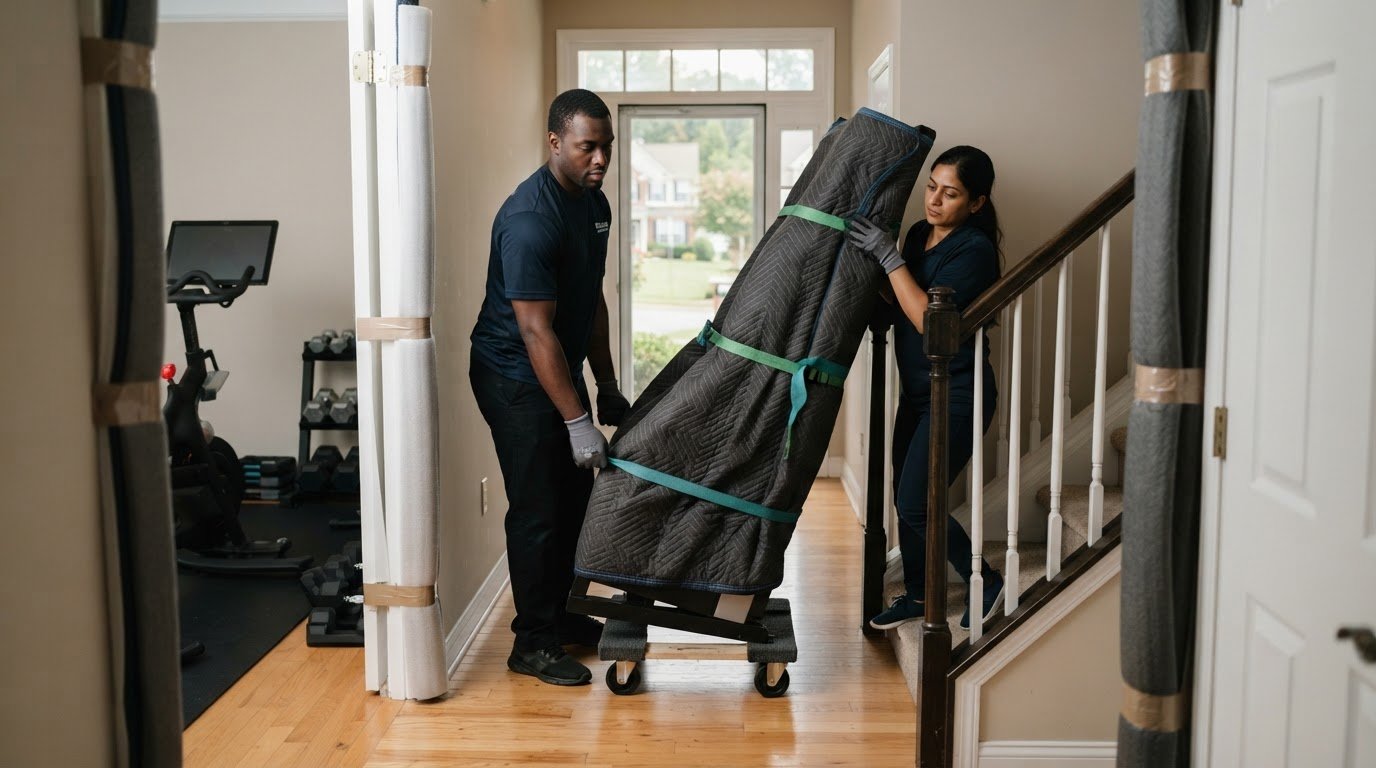
A bulky piece needs more planning than simply carrying it to a truck. Measure the item and compare its dimensions with doorways, stair turns, hallways, and elevator openings. A sofa may fit through the front door but fail to clear a narrow turn at the top of the stairs. Note removable legs or sections, and confirm whether disassembly is included.
Access details matter at both addresses. Identify where a vehicle can park, how far the crew must carry each item, and whether a loading area has time limits. In a condominium, find the moving rules and elevator procedures. In a townhouse, describe the stairs and landings. These details help establish the route from room to vehicle and from vehicle to destination.
Prepare the path before moving day. Clear rugs, boxes, and loose cords from the route. Keep doors open and protect nearby items from contact. Point out delicate finishes, glass panels, or loose hardware before lifting begins. A heavy dresser, for example, may need careful turns to avoid scraping walls or striking door frames.
- Mark the destination. Tell the crew which room receives each piece and where it should sit.
- Show the route. Walk through each doorway, landing, elevator, and hallway the item must pass.
- Flag building limits. Share parking, elevator, loading-area, and move-in instructions in advance.
- Plan placement. Clear the intended spot and identify nearby walls, outlets, or furniture to avoid.
Give placement its own instruction. “Move it upstairs” leaves room for confusion. Instead, identify the destination room and position, such as placing a bookcase against the living-room wall, away from the doorway. Decide where large pieces belong before transport begins. This reduces extra handling and makes it easier to arrange smaller belongings afterward.
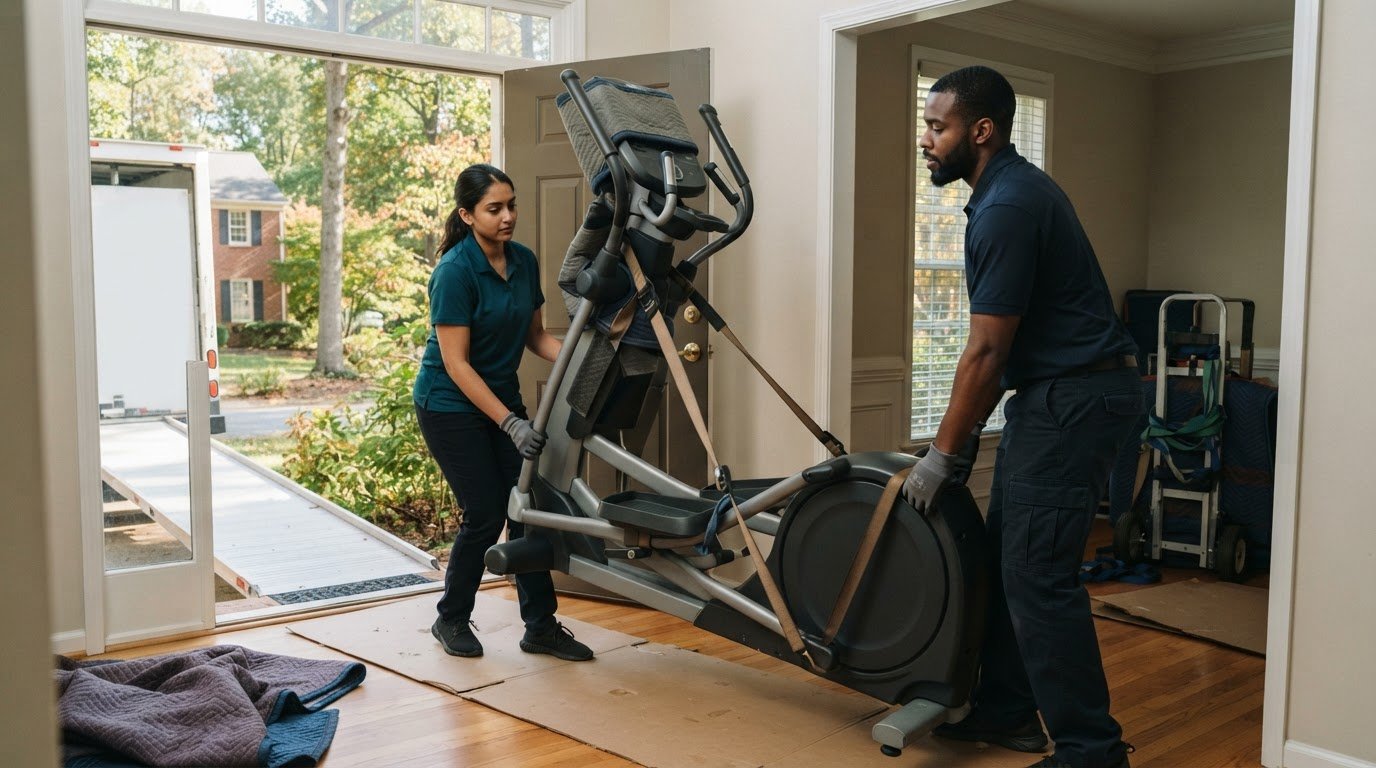
For exercise equipment, describe the model, location, and destination, including any stairs or tight corners along the route. The same preparation helps with sectionals, cabinets, and other bulky pieces. If an item cannot follow the planned path, adjust the route or placement before lifting begins.
Give your heavy-item move a clear plan from pickup route to final placement. Plan your heavy furniture move around the item, access points, and room layout.
Heavy Furniture Moving: Movers Near Me
Heavy Furniture Moving can help when a bulky item needs focused moving support. Choose Movers Near Me for local moving, Exercise Equipment Moving for gym equipment, or Sofa Hoisting when a sofa cannot pass through a standard entrance. For furniture that needs to move within the home, in home furniture movers near me can help with room-to-room placement.
Before the move, note the item’s location and destination, along with stairs and tight turns. Share building access details and specify where you want the furniture placed. This gives the team a clear picture of the job and helps you plan around the item.
For help with heavy furniture, contact Heavy Furniture Moving.
Make the next move fit the furniture
The best choice fits the work ahead, not simply the name on the truck. When weighing All My Sons Moving against local heavy furniture moving specialists in Northern Virginia, focus on the exact item, its route through the home, and where it needs to go. A clear plan for one demanding piece can make the rest of moving day easier to organize.
Heavy Furniture Moving offers Movers Near Me for local moving needs, Exercise Equipment Moving for gym equipment, and Sofa Hoisting when a sofa needs a different route into or out of a home. Choose the help that matches your furniture and access needs, then share the item’s location and intended destination.
Ready to plan the move around a heavy item? Contact Heavy Furniture Moving today. A solid plan starts with the details you already know, and you can take that next step with confidence.
Frequently Asked Questions
Which Northern Virginia movers specialize in heavy or oversized furniture?
Heavy Furniture Moving specializes in bulky residential items, with services including in-home furniture moving, exercise equipment moving, and sofa hoisting. It can be a fit for a sectional that won’t clear a doorway or gym equipment that needs moving within a home. Service is relevant to local communities including Fairfax, Woodbridge, Manassas, Vienna, and Reston. Share the item and its route through the home when planning the move.
Frequently Asked Questions
Heavy Furniture Moving specializes in bulky residential items, with services including in-home furniture moving, exercise equipment moving, and sofa hoisting. It can be a fit for a sectional that won’t clear a doorway or gym equipment that needs moving within a home. Service is relevant to local communities including Fairfax, Woodbridge, Manassas, Vienna, and Reston. Share the item and its route through the home when planning the move.