White Glove Ocean Freight Container Loading in Gainesville
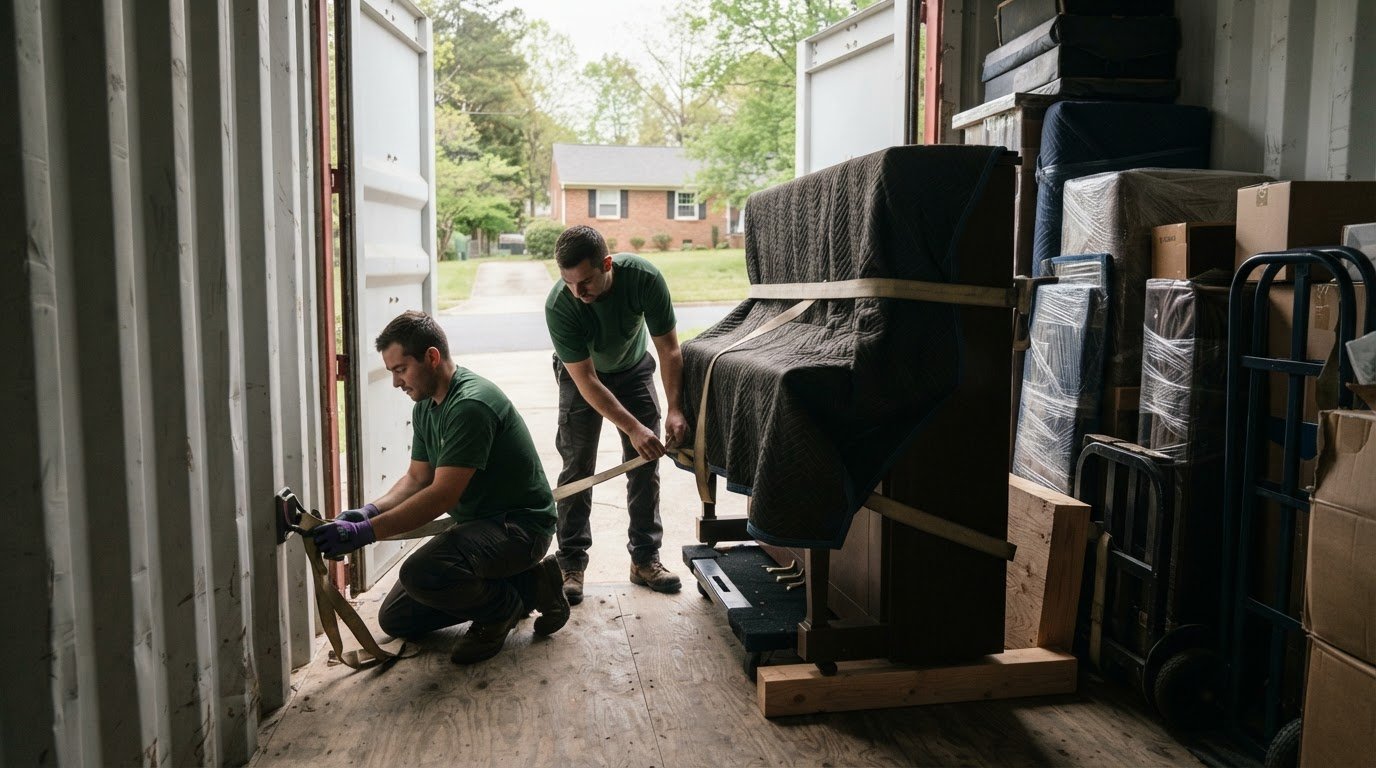
A white glove ocean freight container loading service in Gainesville can help prepare a shipment for overseas transport, with extra care for handling and placement beyond standard freight delivery. A 20-foot container holds approximately 1,172 cubic feet, while a 40-foot container holds approximately 2,120 cubic feet, so the right option depends on your shipment’s size and loading needs.
Ocean shipping involves several decisions: choosing a container, protecting bulky or fragile items, and preparing customs paperwork. This guide explains how container-load options differ, what white glove service may include, and how it compares with standard freight. You’ll also learn which shipment and access details shape the plan, and where local moving help can fit in.
Key Takeaways
- Choose a container and transport mode around your shipment’s size, route, and handling needs.
- Start international-move planning 4 to 6 weeks ahead, and prepare customs paperwork as part of the process.
- White glove service can add protective handling, packing, placement, and other hands-on support beyond basic freight delivery.
- Compare standard freight with room-of-choice or threshold delivery based on where the shipment must go and what help it needs.
- Map the shipment’s dimensions, weight, destination access, and dock availability to spot loading challenges early.
International ocean freight and container-load options
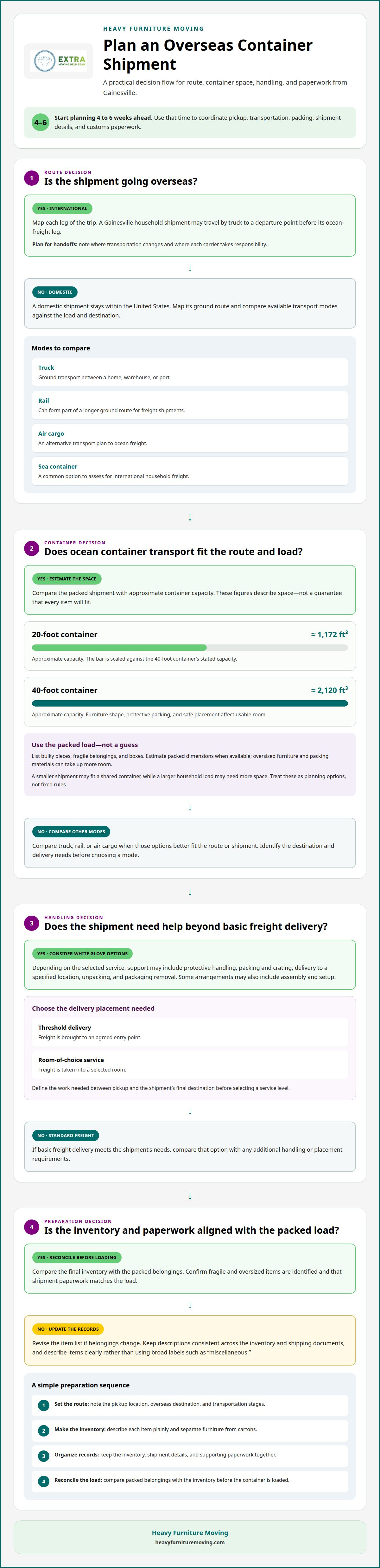
Start with the shipment’s route, size, and handling needs. Freight can move by truck, rail, air, or sea container. For a household shipment leaving Gainesville, a truck may carry items to a departure point before the overseas leg. Air cargo follows a different transport plan from ocean freight. Identify the destination and delivery needs first, then compare modes.
Container capacity helps you judge whether ocean freight fits your load. A 20-foot shipping container holds approximately 1,172 cubic feet. A 40-foot container holds approximately 2,120 cubic feet. These figures describe approximate space, not a guarantee that every item will fit. Furniture shape, protective packing, and safe placement affect how much usable room remains.
Compare the shipment with container options before planning the load. A smaller shipment may fit a shared container, while a larger household load may need more space. Treat these as planning options, not fixed rules. List bulky pieces, fragile belongings, and boxes, then estimate each item’s packed dimensions. Oversized furniture may take up more room once packing materials are added.
- Truck: Useful for ground transport between a home, warehouse, or port.
- Rail: Can form part of a longer ground route for freight shipments.
- Air cargo: An alternative for shipments planned for air transport.
- Sea container: A common option to assess for international household freight.
Domestic and international freight serve different routes. A domestic shipment stays within the United States; an international shipment crosses a border and continues overseas. A household move may involve both: ground transport within the United States, followed by ocean freight. Map each leg, noting where carriers take responsibility and where the shipment changes hands.
For specialized loads, item type matters as much as volume. Exercise equipment, fragile pieces, and oversized furniture may need careful handling during packing and container loading. Record dimensions, weight, and handling concerns before comparing options. For international freight from Gainesville, Virginia, a clear item list helps shape the route and container plan. Choose ocean freight when the destination and shipment suit container transport; consider other modes when they better fit the route or load.
Overseas household shipments can take several weeks to arrive, so plan around the transit window. A third-party logistics partner can help choose a white glove service and coordinate shipment logistics.
Planning timelines and customs preparation
Begin planning an international move 4 to 6 weeks ahead. That window gives you time to coordinate pickup, transportation, packing, and shipment details. For a Gainesville household, start by writing down the destination, preferred pickup date, and major furniture pieces. Then work backward from the planned departure, leaving room to organize the load and paperwork.
Customs paperwork depends on the destination country and shipment. Keep information consistent across your inventory and shipping documents. Describe belongings clearly instead of using broad labels such as “miscellaneous.” For example, list a dining table and chairs separately from cartons of kitchen items. Clear descriptions connect the paperwork to the shipment and help identify each item.
Build an inventory before packing begins. Record furniture, boxes, and specialized items, and note which are fragile or oversized. Add packed dimensions and weight when available, since packing materials can change both. Keep photographs with the inventory to distinguish similar pieces. If the load changes, update the list and related paperwork together.
- Set the route: Write down the pickup location, overseas destination, and planned transportation stages.
- Make the inventory: Describe each item plainly and separate furniture from cartons.
- Organize records: Keep the inventory, shipment details, and supporting paperwork together.
- Reconcile the load: Compare packed belongings with the inventory before the container is loaded.
Use one item list as your working reference. If a sofa is removed or an exercise machine is added, revise the list before the shipment moves. Match descriptions to the packed goods, and keep updated records accessible during pickup. This helps prevent confusion between the items collected and those listed in the paperwork.
Think through the physical work alongside the documents. Decide which materials will protect furniture, where packed items will wait, and how the loading team will reach them. Clear walkways and grouped boxes can make pickup more orderly. For bulky household pieces, hands-on furniture moving help can support the local preparation before overseas transportation begins.
Before the container is loaded, compare the final inventory with the shipment plan. Check that fragile pieces are identified, oversized items are accounted for, and the paperwork matches the packed load. Keep the destination and pickup details close at hand. A clear sequence, started 4 to 6 weeks before the move, gives you time to bring logistics, packing, and customs preparation into alignment.
White glove freight service features
A white glove ocean freight container loading service in Gainesville can involve more than moving freight from a truck to a doorway. Depending on the selected service, support may include protective handling, packing and crating, delivery to a specified location, unpacking, and packaging removal. Some arrangements also include assembly and setup. Define the work needed between pickup and the shipment’s final destination before choosing a service level.
Placement options vary. Threshold delivery brings freight to an agreed entry point, while room-of-choice service takes it into a selected room or area. A one-person room-of-choice option places the shipment inside without unpacking or removing packaging. A two-person option can place freight in a specific room or on a floor, but doesn’t include unpacking or debris removal.
- Threshold delivery: Can use one delivery professional or two, depending on the service arrangement.
- Room-of-choice: Places an item in a designated room or area, with unpacking and packaging removal determined by the option.
- Unpacking and cleanup: May include unpacking and packaging removal, including debris removal.
- Assembly and setup: May be included when the selected service covers those tasks.
Don’t assume “white glove” includes every task. Delivery may include placement and packaging removal, while other tasks depend on the selected service. A table delivered to a dining room, for example, may still need separate assembly. Electronics or specialized equipment also need a clear handling plan, especially when stairs or tight access affect the route.
Before arranging delivery, specify the endpoint: threshold, room, floor, or a particular spot. Then list each task, such as unpacking, debris removal, or setup. A white glove ocean freight container loading service in Gainesville can be planned around those needs, but the service description should state which work is included. If freight must reach a particular room, curbside delivery alone won’t meet that need.
White glove delivery can suit residential and commercial shipments that need careful handling or interior placement. A business receiving equipment without a loading dock may need placement inside its receiving area. A household shipping fragile furniture may prioritize protective handling and packaging removal. A white glove ocean freight container loading service in Gainesville can help coordinate careful handling for an overseas load, with delivery tasks shaped by the selected service.
Match the people and tasks to the shipment. Two-person room placement can take an item to a specific room or floor, while a one-person option covers interior placement without unpacking. Focus on the final delivery point and requested work. Clear task definitions help prevent a mismatch between your expectations and the freight service.
White glove versus standard freight
Standard freight usually ends at a curb or loading dock. White glove delivery goes further, with scheduled appointments, careful handling, and placement inside the recipient’s location. For residential delivery in Gainesville, that difference matters when freight needs to reach an interior room rather than the driveway. Choose based on the final delivery point, not just the distance traveled.
Consider what happens after the carrier arrives. A pallet left at a loading dock may work for a business with staff and equipment ready to move it. A home without a dock or forklift may need delivery beyond the curb. White glove handling can bridge that gap by bringing freight inside and placing it where needed.
- Standard freight: Often delivers to a curbside location or loading dock.
- White glove freight: Can include an appointment, careful handling, and interior placement.
- Packaging: White glove delivery may include removal, depending on the selected service.
- Assembly: Placement doesn’t automatically include assembly or installation.
Let the shipment guide your choice. A sturdy pallet going to a staffed receiving dock may not need interior delivery. A fragile item, heavy furniture piece, or shipment headed to a home without unloading equipment may benefit from additional handling. White glove shipping can reduce the risk of freight damage and may lead to fewer claims, but it costs more than traditional LTL or FTL shipping.
That added service isn’t necessary for every pallet. It makes sense when the item, delivery site, or recipient’s needs call for hands-on support. For example, a business receiving equipment without a dock may need a plan to move it inside. A residential recipient expecting a bulky item may need placement beyond the threshold. Match the service level to the actual challenge.
Compare delivery descriptions line by line. Identify the endpoint, whether an appointment is scheduled, and whether the service includes placement inside. Clarify whether packaging removal or setup is included. These details distinguish a basic drop-off from a more complete delivery and help prevent expecting work the service doesn’t cover.
Standard freight may suit a straightforward dock delivery. Choose white glove freight when interior placement, added care, or limited receiving access makes the extra service worthwhile. In Gainesville, ask who will move the shipment from the delivery point to its intended location, and what help that requires.
What risks, fees, and access restrictions should I check before booking container loading?
Start with the quote details. Freight estimates can depend on the shipment’s origin, destination, packed dimensions, and weight. Include dock availability and access restrictions at the loading location. For a Gainesville pickup, note narrow driveways, limited turning space, stairs, and the distance between the container and the door. These details describe the work involved, not just the goods being moved.
Access can affect loading. A container needs clear space for the truck and a practical route from the home or staging area. Record obstacles such as low branches, steep approaches, gates, or tight interior turns. Describe the route from pickup point to loading area, and flag bulky items that may not pass easily through a doorway. Clear access notes help align the site with the loading plan.
Identify vulnerable pieces before loading to help protect the shipment. Note glass tabletops, electronics, or furniture with exposed corners. Record existing damage and take clear photographs before packing. Check that each item has suitable protective materials and a stable position in the load. Secure placement matters because items can shift during transportation, especially when the load contains different shapes and weights.
- Shipment: Provide origin, destination, packed dimensions, and weight.
- Site: Describe dock access, truck approach, doorways, and loading distance.
- Items: Identify fragile, heavy, awkward, or already damaged belongings.
- Service: List requested packing, placement, and packaging removal.
White glove freight costs more than traditional LTL or FTL shipping. The total can vary with item size and shape, distance, delivery location, and added services. Interior placement and packaging removal involve different work from a dock drop-off. Specify the requested tasks so the quote reflects the service level and delivery conditions.
Before booking, compare the service description with the site notes. Confirm that the planned delivery point matches the intended endpoint, and include details about a missing dock or forklift. If a household shipment also needs loading help before its freight journey, arrange pod loading support for the local move. Give the loading team the container location, access conditions, and item list so the work can be planned around the shipment.
Before accepting a quote, confirm what the service includes and which site conditions could affect the plan. White glove freight quotes may require details about dock availability and access restrictions. Explain any uncertainty about a dock, forklift, or clear truck approach, and ask how delivery will proceed if the site differs from expectations. Confirm the quoted endpoint is the intended location, rather than assuming a general delivery description includes interior placement.
Have requested packing, placement, and packaging removal clearly identified, and confirm which tasks the service level includes. Keep the item list and access notes consistent with the quote, then review the confirmation for the intended endpoint and any limitations before booking. If the route or loading arrangements change, update the provider before work begins rather than assuming the original plan still fits. This helps align the proposed work with conditions at pickup and delivery.
Heavy Furniture Moving: Movers Near Me
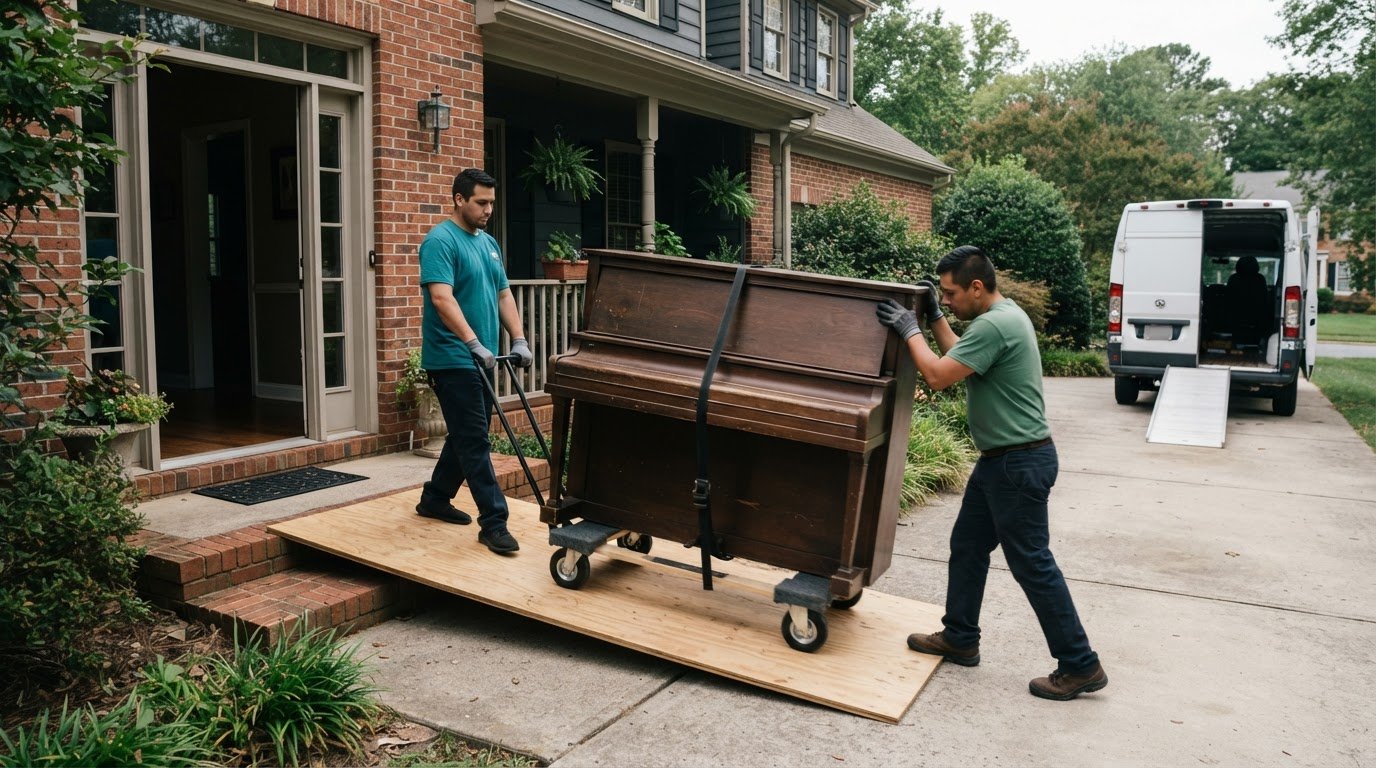
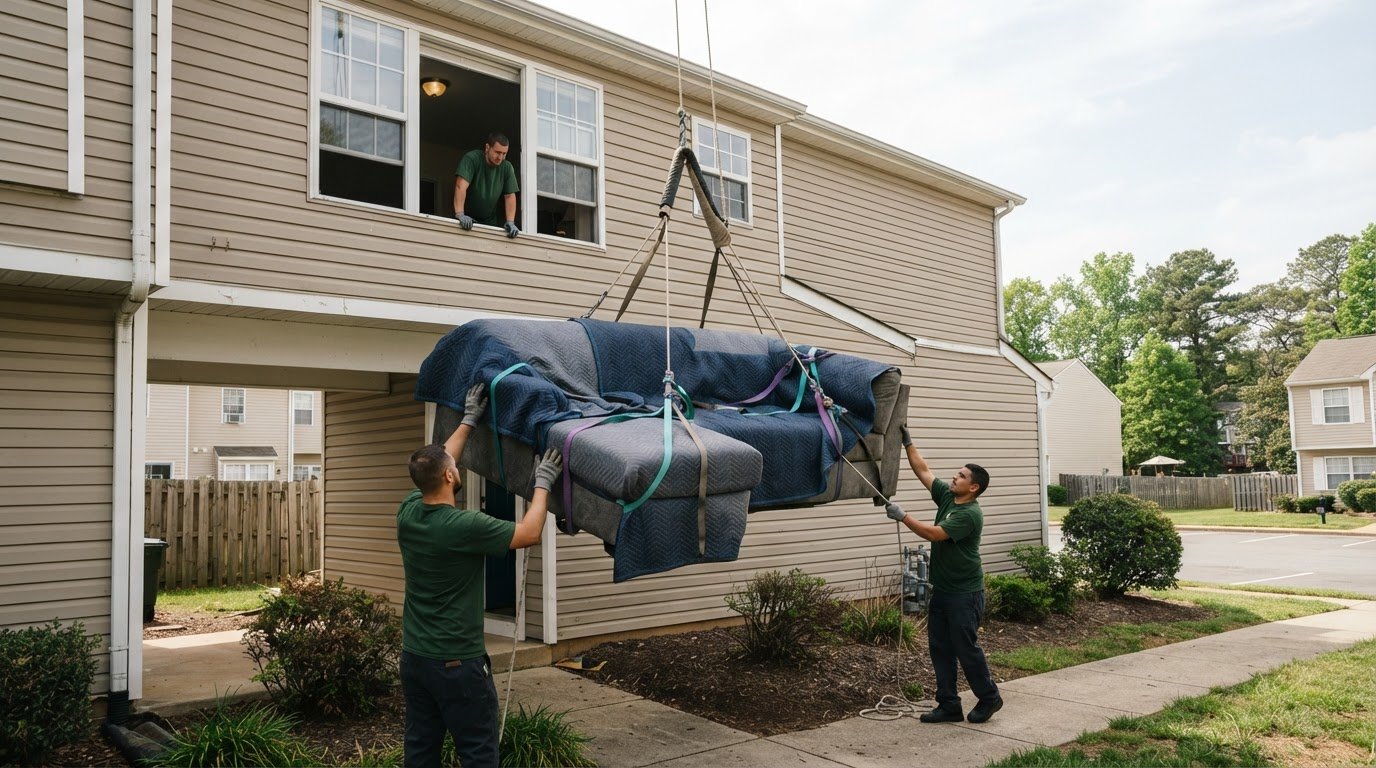
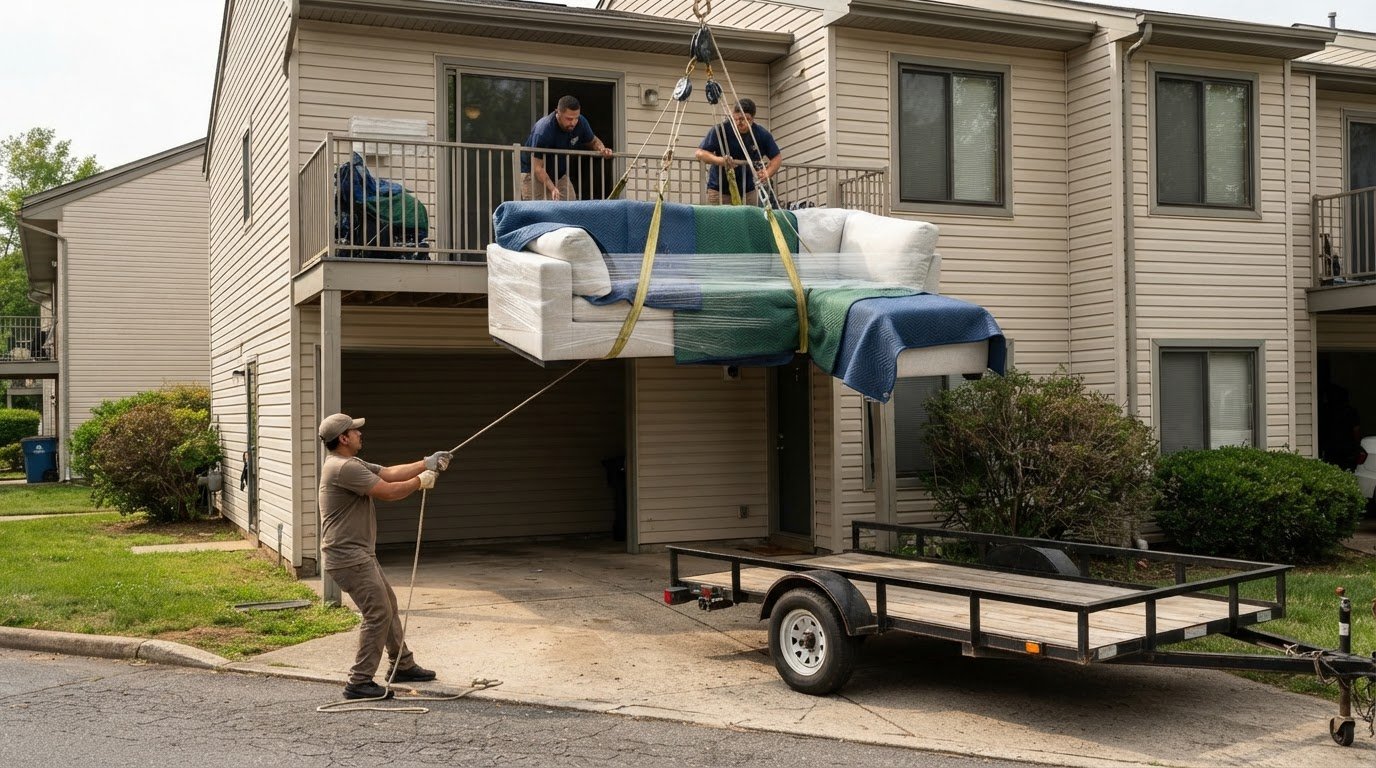
Heavy Furniture Moving handles local heavy-item moves when bulky pieces need careful lifting before a shipment. The team offers Exercise Equipment Moving, Sofa Hoisting, and in-home furniture moving, including help getting a large couch through a tight doorway. These services support the physical preparation for a move; your freight plan covers international transportation and customs.
Arrange local help when a treadmill needs to be moved out of a home or a sofa needs hoisting before pickup. Share which items need moving and where they need to go. This helps plan the local work around your shipment schedule.
Contact Heavy Furniture Moving to plan help with your furniture or equipment move.
Set up the next move with a clear plan
Separate international freight arrangements from local lifting and loading before the shipment moves. Giving each part a clear role helps organize the handoff. A white glove ocean freight container loading service in Gainesville addresses careful shipment handling; local moving help can prepare bulky items for transport.
Heavy Furniture Moving offers Movers Near Me, Exercise Equipment Moving, and Sofa Hoisting for local moves. If a large piece needs moving or positioning before pickup, plan that work alongside your freight schedule. Keep your item list and access details handy so the local move fits into the wider plan.
Contact Heavy Furniture Moving to discuss help with your upcoming move. Take the next step with a practical plan for the heavy lifting and keep your shipment moving forward.
Frequently Asked Questions
What does white-glove ocean freight container loading service include?
White glove freight can combine careful handling with packing, crating, delivery to a chosen location, unpacking, and packaging removal. Some arrangements also include assembly or setup, so the service name alone doesn’t define every task. For a shipment with a fragile cabinet, for example, clarify whether the requested work covers protective packing, container loading, and placement at the destination.
What container sizes and loading options are available for ocean freight shipments?
Common planning options include 20-foot containers with approximately 1,172 cubic feet and 40-foot containers with approximately 2,120 cubic feet. The right fit depends on the shipment’s packed size and how items can be loaded. You can compare a full-container plan with an option that combines your goods with other freight. Include bulky furniture and protective materials in your space estimate.
How do I prepare, pack, and schedule a container loading service for international shipping?
Start with an item inventory, then group belongings by room and mark fragile pieces clearly. Record packed dimensions and weight where available, and keep the list aligned with the actual load. Plan an international move 4 to 6 weeks ahead. Set the pickup and loading date around the shipment’s route, and leave time to gather destination-specific customs paperwork before collection.
How do providers handle packing, crating, fragile items, and shipment insurance?
Packing and crating may be included in selected service tasks. Identify delicate belongings, such as glass panels or electronics, and photograph their condition before packing. Use the inventory to distinguish each fragile item and its packaging. Insurance terms depend on the shipment’s coverage arrangements, so review the written policy and shipping documents for covered items, exclusions, limits, and the process for documenting damage.
How much does white-glove ocean freight container loading cost in Gainesville?
White glove freight costs more than traditional LTL or FTL shipping. The total varies with item size and shape, distance, delivery location, and additional services.
Frequently Asked Questions
White glove freight can combine careful handling with packing, crating, delivery to a chosen location, unpacking, and packaging removal. Some arrangements also include assembly or setup, so the service name alone doesn’t define every task. For a shipment with a fragile cabinet, for example, clarify whether the requested work covers protective packing, container loading, and placement at the destination.
Common planning options include 20-foot containers with approximately 1,172 cubic feet and 40-foot containers with approximately 2,120 cubic feet. The right fit depends on the shipment’s packed size and how items can be loaded. You can compare a full-container plan with an option that combines your goods with other freight. Include bulky furniture and protective materials in your space estimate.
Start with an item inventory, then group belongings by room and mark fragile pieces clearly. Record packed dimensions and weight where available, and keep the list aligned with the actual load. Plan an international move 4 to 6 weeks ahead. Set the pickup and loading date around the shipment’s route, and leave time to gather destination-specific customs paperwork before collection.
Packing and crating may be included in selected service tasks. Identify delicate belongings, such as glass panels or electronics, and photograph their condition before packing. Use the inventory to distinguish each fragile item and its packaging. Insurance terms depend on the shipment’s coverage arrangements, so review the written policy and shipping documents for covered items, exclusions, limits, and the process for documenting damage.
White glove freight costs more than traditional LTL or FTL shipping. The total varies with item size and shape, distance, delivery location, and additional services.