Moving a Parent’s Treasured Belongings in McLean: A Thoughtful Guide
What if the safest way to move a parent’s cherished belongings is to decide what each item needs before moving day? It’s natural to worry about a treasured chair getting scratched, a family keepsake going missing, or a difficult conversation turning into an argument. Moving a parent's treasured belongings McLean families want to protect takes more than careful lifting. It calls for patience, clear decisions, and a plan that keeps meaningful possessions accounted for.
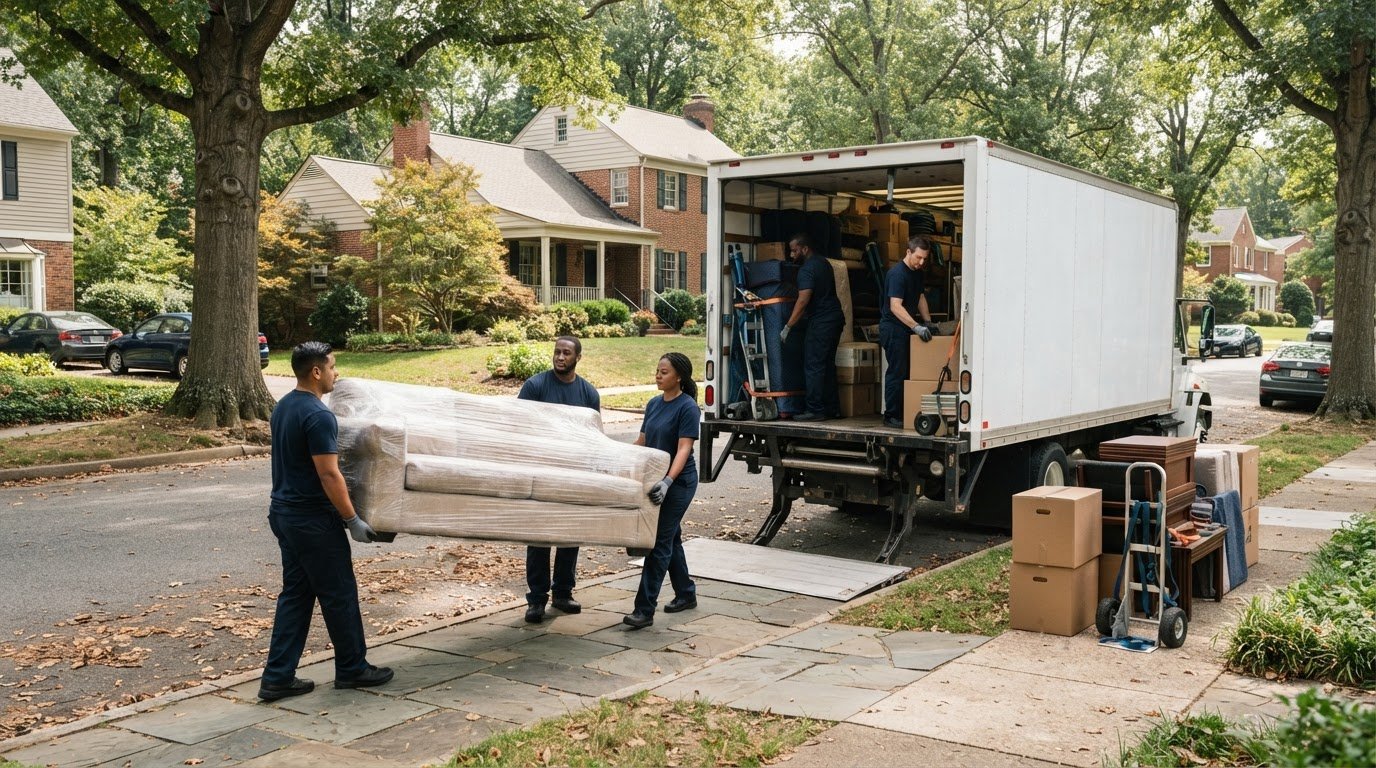
Start by talking with your parent about what matters most. Make simple keep, move, share, or donate decisions together, and set aside items that need extra care. Then plan around the move itself, including bulky furniture, narrow driveways, stairs, and entryways. A moving team can handle the physical work while your family stays focused on decisions.
This guide will help you sort belongings respectfully, track important items, and prepare for moving day in McLean. You’ll also learn when help with heavy furniture and specialized items, such as pianos or exercise equipment, can make the transition easier.
Key Takeaways
- Let your parent guide choices wherever possible, treating treasured possessions as memories to honor rather than clutter to clear.
- For moving a parent's treasured belongings McLean, use a room-by-room plan to record each priority item, its condition, and its destination.
- Compare family-led sorting, DIY transport, and professional moving help by the physical effort involved and the items that need careful handling.
- Label boxes with destination rooms and set aside daily essentials and meaningful keepsakes for easy access after arrival.
- Keep sentimental decisions in the family while delegating packing, transport, and heavy lifting to reduce the workload.
Moving a Parent’s Treasured Belongings in McLean Starts With Their Priorities
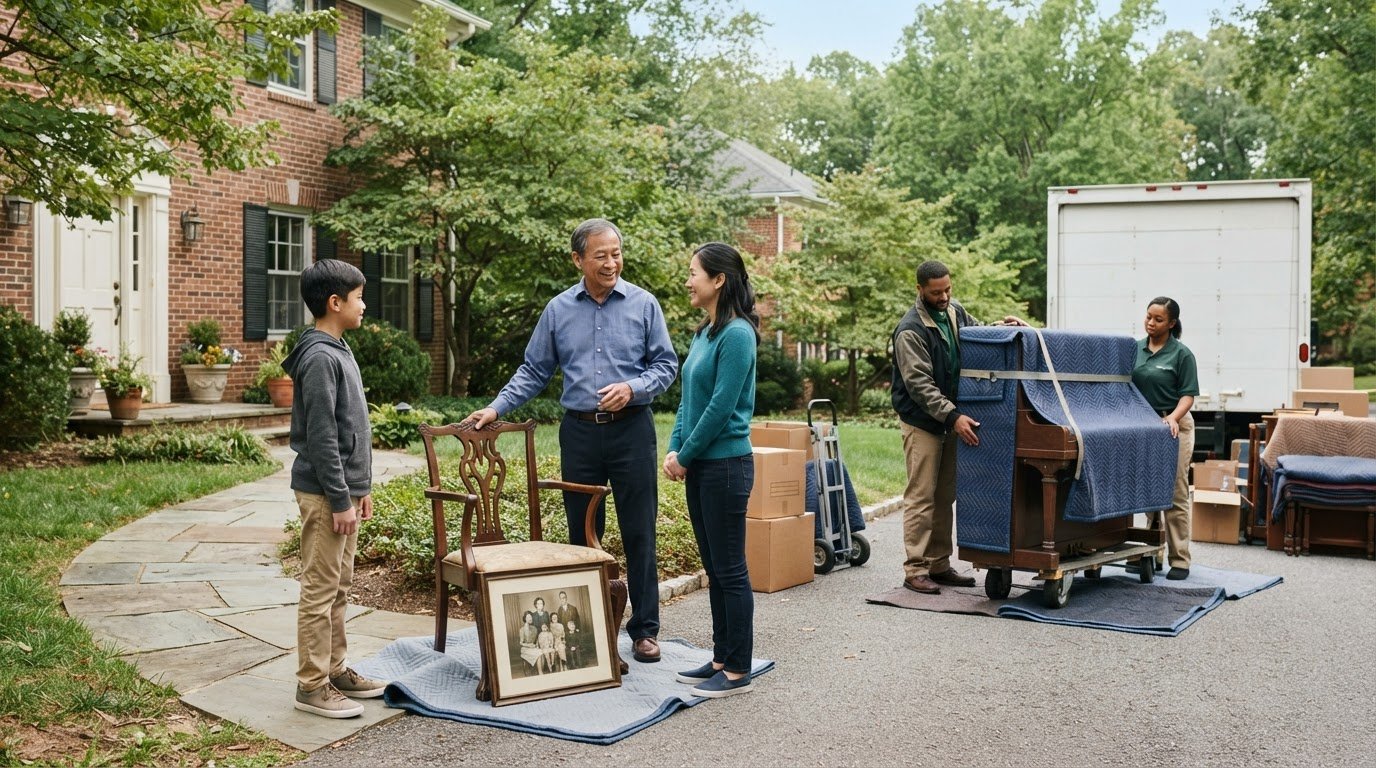
A worn recipe box, the dining table where everyone gathered, or a favorite reading chair can hold years of family memories. Their value isn’t measured only by age or condition. Practical tasks can crowd out that meaning during a move, so begin by asking your parent what they want their next home to feel like and which belongings help make it familiar.
Let your parent lead decisions wherever possible. The goal isn’t to clear a house quickly. It’s to make choices together while respecting their independence and comfort. Separate practical questions from personal ones: Where can an item go? Will it be used? What condition is it in? What does it mean to your parent? An item can be worn but deeply meaningful, or in good shape but no longer needed.
A treasured belongings inventory records meaningful items and their intended destinations, helping the family keep decisions visible and possessions accounted for. For moving a parent's treasured belongings McLean families can use an inventory to keep practical details alongside personal context, without reducing every choice to a box label.
Start the conversation without rushing decisions
Ask open, specific questions: “Which things would you like close by in your new home?” or “Is there something you’d like a family member to have?” Keep sorting sessions short and pause when a choice feels difficult. A break is more useful than a rushed answer. Invite relatives to listen first. They may have their own memories, but should avoid claiming keepsakes or suggesting solutions before your parent has shared what they want.
If family members have different expectations, bring the conversation back to your parent’s wishes and the practical limits of the new home. A discussion about Estate planning for treasured belongings can also help relatives understand how decisions about possessions may connect with broader family conversations. Keep the discussion gentle and focused on what your parent wants to decide now.
Sort belongings into clear, parent-led groups
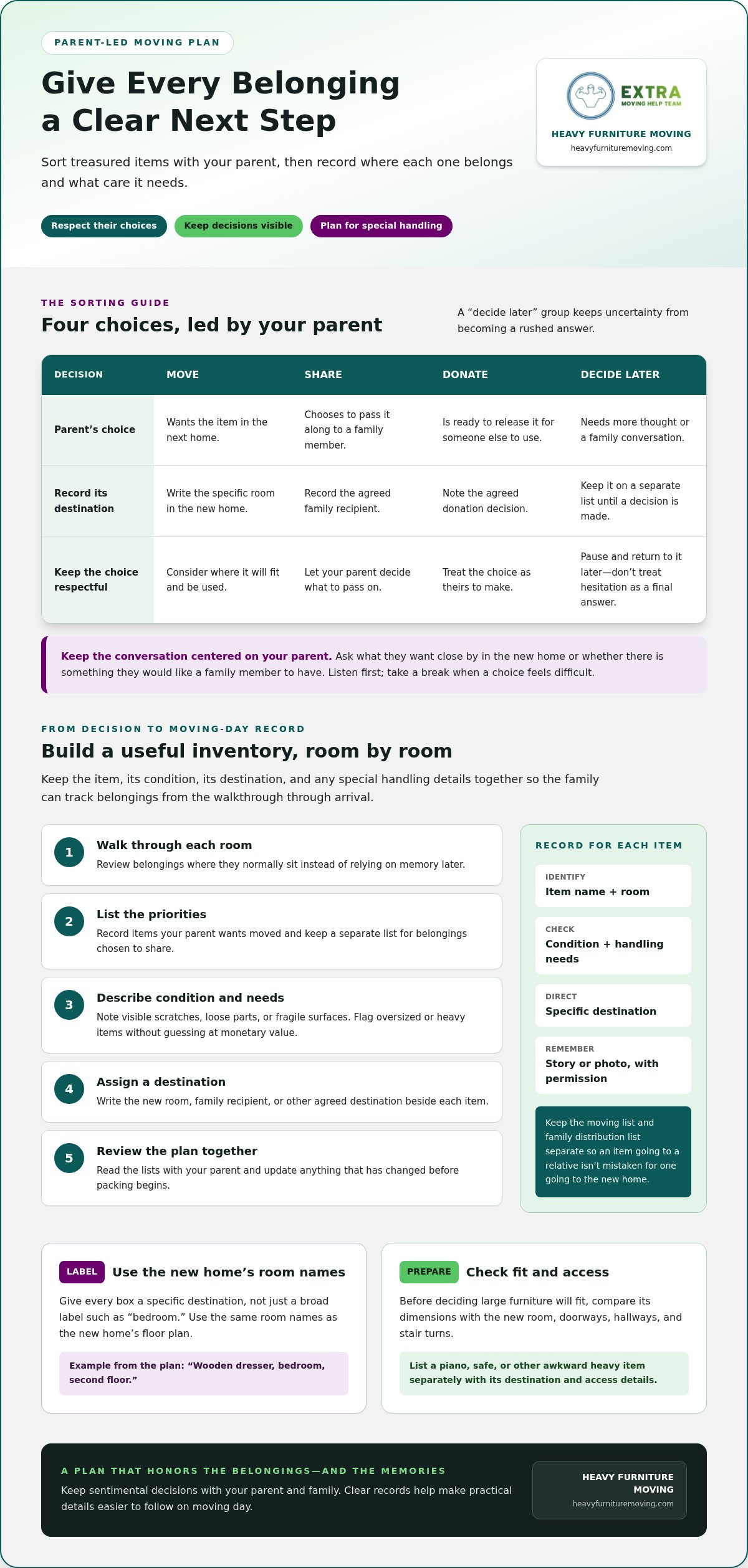
Use simple categories, and let your parent choose where each item belongs. Put uncertain pieces in a “decide later” group rather than treating hesitation as a final answer. This eases pressure while keeping the move organized.
- Move: Items your parent wants in the next home.
- Share with family: Belongings your parent chooses to pass along.
- Donate: Items your parent is ready to release for someone else to use.
- Decide later: Pieces that need more thought or a family conversation.
For a meaningful object, write down its story or take a photo with your parent’s permission. A brief note, such as who gave it to them or when it was used, preserves context even if the item won’t move. Keep these records with the inventory so the family can honor both the belongings and the memories attached to them.
Build a McLean Moving Plan Around Each Belonging’s Meaning and Needs
Once your parent’s priorities are clear, turn them into a plan the family can use from the first room walkthrough through arrival. Record what each item is, its condition, where it’s going, and whether it needs special handling. A shared reference helps prevent a cherished belonging from being overlooked in the rush of moving day.
A labeled inventory helps families track important belongings by showing what each item is, where it’s going, and how it should be handled. For moving a parent's treasured belongings McLean families can follow these steps:
- Walk through each room. Review belongings where they normally sit instead of relying on memory later.
- List the priorities. Record items your parent wants moved and create a separate list for belongings they’ve chosen to share with family.
- Describe condition and needs. Note visible scratches, loose parts, or fragile surfaces. Flag oversized or heavy items without guessing at their monetary value.
- Assign a destination. Write the new room, family recipient, or other agreed destination beside each item.
- Review the plan. Read the lists with your parent and update anything that has changed before packing begins.
Create an inventory that is useful on moving day
Make entries easy to scan. “Wooden dresser, bedroom, second floor” is more useful than “dresser.” A photo can help distinguish similar pieces. Label boxes and furniture using the same room names as the new home’s floor plan. Mark fragile, oversized, or heavy items clearly so they don’t get mixed in with ordinary boxes. For general preparation ideas, see handling high-value and sentimental items during a move.
Give each box a specific destination, not just a broad label such as “bedroom.” If the new layout has a main bedroom and a separate sitting room, use those exact names. Keep the moving list and family distribution list separate so a box going to a relative doesn’t get mistaken for something headed to the new home.
Match the move plan to the new home
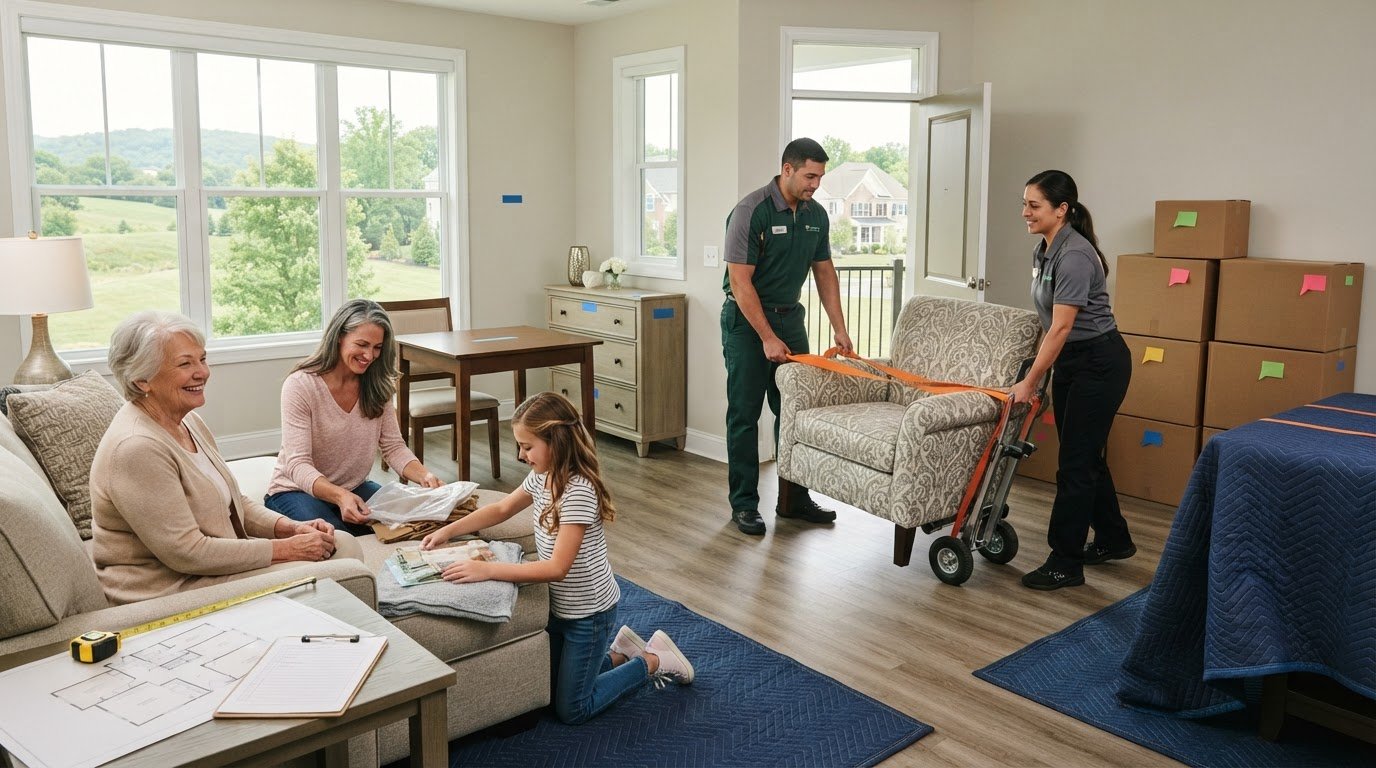
Before deciding that large furniture will fit, measure each piece and compare its dimensions with the new room, doorways, hallways, and stair turns. A simple room sketch can help the family choose furniture locations and avoid carrying a piece into the wrong space. List a piano, safe, or other awkward heavy item separately with its destination and access details, so it can be planned as a distinct part of the move.
Put everyday essentials and familiar belongings near the top of the plan. Group sentimental items by room, owner, or family recipient rather than combining them randomly. If packing or physical work is becoming a strain, residential moving and packing help can take on practical tasks while your family stays in control of decisions.
Compare Family-Led, DIY, and Professional Help for a McLean Move
There’s no single right way to manage a parent’s move. Family members may be best placed to guide decisions and pass keepsakes to relatives, while the physical work can be done by the family or delegated. Compare each approach by the time and effort it requires, how much control your family wants, and whether the belongings include bulky or awkward pieces. You can combine approaches by keeping family decisions close and bringing in help for specific tasks.
- Family-led sorting: Relatives can organize belongings, record family stories, and coordinate who receives items. This keeps choices personal, but requires clear communication and time to work through decisions together.
- DIY transport: Family members handle packing, loading, and driving. It offers hands-on control, but the family must arrange a vehicle, do the lifting, and coordinate the move.
- Professional moving help: Movers can take on tasks such as packing, transport, and heavy lifting. This can reduce the physical demands while family members continue to direct what moves and where it goes.
When family-led help may suit the move
Family help can work well when relatives are available to sort at a comfortable pace and coordinate personal handoffs. Set clear responsibilities: one person can keep the inventory, another can organize boxes, and a relative can manage items chosen for family members. DIY transport also requires someone to arrange the vehicle, carry belongings, load and unload, and track destinations. Consider the workload and everyone’s schedule before assigning tasks.
When professional moving help can reduce the strain
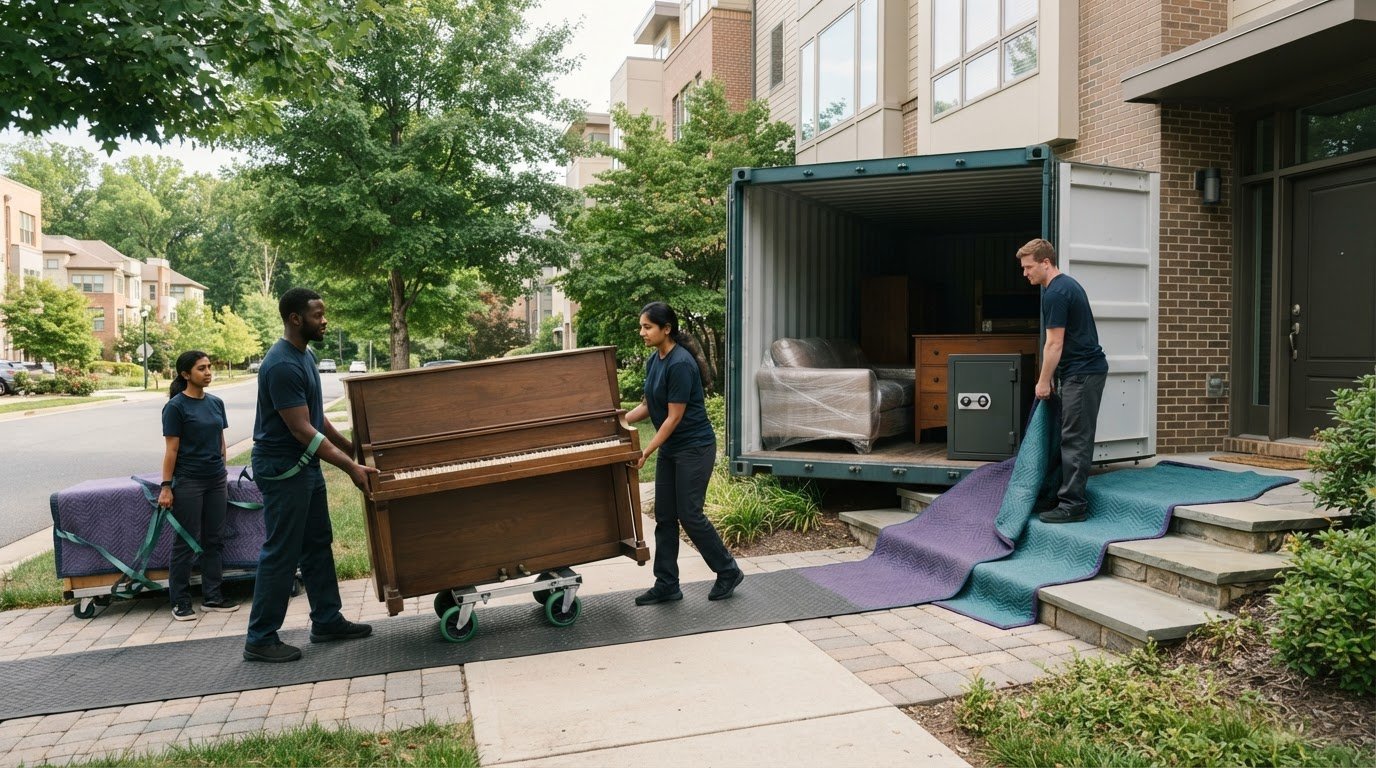
Moving help can take physical tasks off the family’s plate without taking decisions away from your parent. Your family can identify what goes while movers handle agreed packing, transport, or lifting. A piano or safe needs a separate plan and specialized heavy item handling, rather than an improvised lift. Choose the level of support based on the household’s capacity, schedule, and belongings.
For moving a parent's treasured belongings McLean families can divide the work instead of choosing between doing everything themselves and handing over every task. Keep relatives responsible for priorities, destination choices, and family handoffs. Delegate the physical work that feels difficult to manage, preserving personal control while easing the effort of the move.
If lifting, packing, or transport is the main pressure point, Explore local moving help for your McLean move and choose support for the tasks your family wants to hand off.
Prepare Treasured Belongings for Moving Day in McLean
A clear move-day setup helps everyone know what gets loaded, where it belongs, and who is receiving items that won’t go to the new home. Use simple labels and a shared plan to avoid last-minute decisions. Choose one family member to keep the inventory handy and answer destination questions, so your parent doesn’t have to repeat instructions throughout the day.
Move-day checklist: confirm destinations, label and group belongings, set aside essentials, clear travel paths, then review family handoffs.
- Check that each moving box or piece of furniture has a destination room.
- Label family handoffs with the recipient’s name or another discreet identifier.
- Keep the inventory accessible to the person coordinating the move.
- Set aside daily-use items and meaningful keepsakes for easy access after arrival.
- Walk the route for bulky belongings and clear obstacles before lifting begins.
Protect important items through clear labeling and grouping
Use labels that make sense to the family without displaying private details. “Front bedroom” or “Aunt Lee” can identify a destination without listing personal contents. Group related keepsakes together and mark fragile contents where appropriate. Separate items going to relatives from boxes headed to the new home. Keep the coordinator’s inventory close by, and mark each handoff when the intended recipient receives the item.
Prepare an easy-access bag or box with medications, chargers, a change of clothes, and other everyday necessities your parent relies on. Add a few familiar keepsakes they want nearby, such as a framed photo or favorite book. Keep these items with a family member rather than mixing them into the general load. That way, your parent can settle in without searching through packed boxes.
Plan access and movement through the home
Before moving furniture, clear walkways and talk through the route from each room to the exit. Check stairs, narrow turns, thresholds, and doorways, especially for large or awkward pieces. Keep pets and relatives who aren’t helping away from active lifting areas. Don’t ask family members to improvise with heavy items. Arrange suitable moving help for pieces that are difficult to handle safely.
For moving a parent's treasured belongings McLean families should also make sure the new home’s destination rooms are ready to receive items. Keep doors open where practical, remove trip hazards, and have someone available to guide belongings to the right place. If stairs or tight access could complicate moving a piano, safe, or other heavy furniture, plan that work separately rather than deciding on the spot.
For packing, transport, or heavy lifting, arrange local moving help for your McLean move while your family keeps the inventory and handoffs organized.
Get McLean Moving Help for Heavy and Meaningful Household Belongings
Your family can stay in charge of what matters most while delegating the physical work. Your parent decides which belongings should move, which items go to relatives, and where things belong. Moving help can take on agreed tasks, such as packing, transport, or lifting, so relatives can focus on communication and settling into the new home instead of carrying every box.
Heavy Furniture Moving serves McLean and other Northern Virginia communities. The veteran-family-owned and operated business provides residential moving help, packing and unpacking support, and specialized moving services for bulky belongings such as pianos and safes. Match the help to your plan, whether you need support for the household move or for specific heavy items.
Choose support that fits the belongings and move plan
Residential moving help can handle household belongings moving between homes. Packing support helps prepare items for transport, while unpacking assistance helps bring belongings into the new home. A piano or safe calls for specialized heavy item moving to address the physical demands of handling a large, heavy piece. Decide what stays, what moves, and what needs extra attention before assigning the work.
Keep your parent’s priorities and destination notes ready when dividing responsibilities. Family members can identify boxes that need to go to a particular room while movers handle the physical transport. If the move includes everyday household items and bulky belongings, note which pieces need a distinct plan. This makes the handoff clearer and helps everyone understand their role.
Take the next step with Heavy Furniture Moving
Start with the general scope: which household belongings are moving, whether packing or unpacking support would help, and which heavy items need attention. Your family doesn’t need to hand over sentimental decisions. You can guide those choices and explain where belongings should go while moving help takes on the physical tasks you’ve chosen to delegate.
A move can feel more manageable when the work is divided clearly. Keep the inventory and family decisions in your hands, and bring in local help for lifting, packing, and transport. Explore moving services for McLean families and see how moving support can fit your family’s plan.
Help Your Parent Feel at Home From the First Day
A move doesn’t end when the last box arrives. Familiar belongings within reach can help your parent feel settled as the new space starts to feel like home. Let them choose what to unpack or arrange first. A favorite book, a family photo, or a familiar cup can make an unfamiliar room feel more welcoming.
Keep the family’s next step simple: agree on what support would make the move easier, then let your parent stay involved in the choices that matter to them. For moving a parent's treasured belongings McLean families can shape a plan around practical needs and personal comfort without shouldering every physical task themselves.
When you’re ready to plan the work, explore moving services for McLean families. With moving help in place, your family can focus less on the physical strain and more on helping your parent feel at home.
Frequently Asked Questions
How do I decide which of my parent’s belongings should move to their new home?
Start with what your parent uses, enjoys, and wants around them in the new space. For moving a parent's treasured belongings McLean families can consider whether each piece fits the new home’s layout and daily routines, as well as its sentimental meaning. Ask your parent to identify a few must-keep items first. Then discuss flexible choices, such as duplicate kitchen tools or furniture that may not suit the new rooms.
Can professional movers help with a parent’s heavy or bulky furniture in McLean?
Yes. Professional moving help can handle household transport and heavy items, easing the physical workload for relatives. Heavy Furniture Moving serves McLean and provides specialized moving services for pianos, safes, and exercise equipment. Share the item’s location, destination, and access details, such as stairs or a narrow entry, when planning the move. This helps everyone understand the physical task involved.
What is the best way to keep track of sentimental belongings during a move?
Give important belongings a simple reference code and use the same code in your notes and on the relevant box or item. For example, “LR-04” could identify a keepsake listed as going to the living room. Record who should receive items going to relatives, then mark each handoff when it’s completed. Keep the inventory with the family member coordinating the move, not packed with household goods.
How can I help a parent who feels overwhelmed about sorting treasured items?
Ask your parent what would make the next decision easier, then narrow the choices to one small area, such as a single drawer or shelf. Avoid sorting when everyone is tired or pressed for time. If an item brings up strong memories, let your parent tell its story before discussing where it should go. A trusted relative can take notes while leaving the decision with your parent.
Should family members move a piano or safe themselves?
Don’t improvise a lift for a piano or safe. These items are heavy and difficult to maneuver, especially through stairs, tight turns, or narrow doorways. Family members can share access information and identify the destination while professional movers handle the physical work. Heavy Furniture Moving provides specialized moving services for pianos and safes, giving families an option beyond attempting a challenging lift themselves.
What should I pack separately for my parent to use right after the move?
Set aside the items your parent will need before the rest of the boxes are unpacked. That might include glasses, hearing aids, mobility aids, a phone and charger, medications, toiletries, comfortable clothes, and bedding. Keep essential items under your parent’s or caregiver’s direct control, not in the moving load. Add a familiar object, such as a favorite book or framed photo, to help the first evening feel more settled.
How can families coordinate a parent’s move in McLean, Virginia?
Choose one family point person to share updates, keep the move plan together, and track who is handling each task. Agree on the main details with your parent, including destination rooms, family handoffs, and which belongings need moving help. Heavy Furniture Moving serves McLean and nearby communities including Fairfax, Woodbridge, Manassas, Manassas Park, Aldie, Ashburn, Vienna, Reston, Centreville, Chantilly, Clifton, Dumfries, South Riding, Fairfax Station, Haymarket, and Gainesville.
Frequently Asked Questions
Start with what your parent uses, enjoys, and wants around them in the new space. For moving a parent's treasured belongings McLean families can consider whether each piece fits the new home’s layout and daily routines, as well as its sentimental meaning. Ask your parent to identify a few must-keep items first. Then discuss flexible choices, such as duplicate kitchen tools or furniture that may not suit the new rooms.
Yes. Professional moving help can handle household transport and heavy items, easing the physical workload for relatives. Heavy Furniture Moving serves McLean and provides specialized moving services for pianos, safes, and exercise equipment. Share the item’s location, destination, and access details, such as stairs or a narrow entry, when planning the move. This helps everyone understand the physical task involved.
Give important belongings a simple reference code and use the same code in your notes and on the relevant box or item. For example, “LR-04” could identify a keepsake listed as going to the living room. Record who should receive items going to relatives, then mark each handoff when it’s completed. Keep the inventory with the family member coordinating the move, not packed with household goods.
Ask your parent what would make the next decision easier, then narrow the choices to one small area, such as a single drawer or shelf. Avoid sorting when everyone is tired or pressed for time. If an item brings up strong memories, let your parent tell its story before discussing where it should go. A trusted relative can take notes while leaving the decision with your parent.
Don’t improvise a lift for a piano or safe. These items are heavy and difficult to maneuver, especially through stairs, tight turns, or narrow doorways. Family members can share access information and identify the destination while professional movers handle the physical work. Heavy Furniture Moving provides specialized moving services for pianos and safes, giving families an option beyond attempting a challenging lift themselves.
Set aside the items your parent will need before the rest of the boxes are unpacked. That might include glasses, hearing aids, mobility aids, a phone and charger, medications, toiletries, comfortable clothes, and bedding. Keep essential items under your parent’s or caregiver’s direct control, not in the moving load. Add a familiar object, such as a favorite book or framed photo, to help the first evening feel more settled.
Choose one family point person to share updates, keep the move plan together, and track who is handling each task. Agree on the main details with your parent, including destination rooms, family handoffs, and which belongings need moving help. Heavy Furniture Moving serves McLean and nearby communities including Fairfax, Woodbridge, Manassas, Manassas Park, Aldie, Ashburn, Vienna, Reston, Centreville, Chantilly, Clifton, Dumfries, South Riding, Fairfax Station, Haymarket, and Gainesville.