Furniture Removal for Senior Living in Aldie: Guide
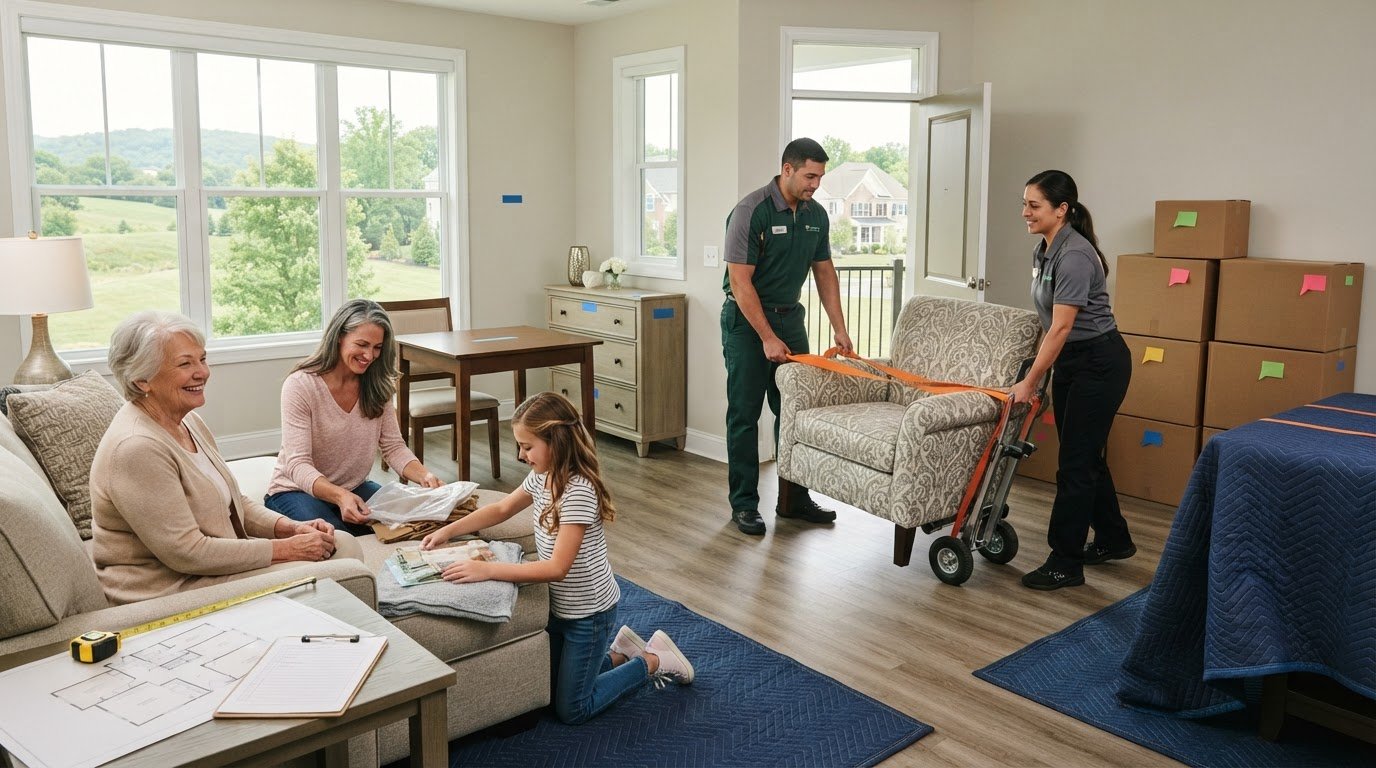
A smoother senior living move often starts by deciding what will not make the trip. A new residence may not have room for every favorite chair, table, or oversized bedroom set. Planning furniture removal for senior living Aldie transitions alongside the move helps families avoid rushed decisions and last-minute heavy lifting.
It’s normal to be unsure what to bring, what to remove, and how to fit the work around move-in day. Compare the new space with the furniture you have, then sort each piece by destination: the new residence, a family member, or removal. This keeps the resident’s choices at the center and makes the schedule easier to coordinate.
This guide explains how to measure and sort furniture, coordinate removal with relocation, and prepare the details needed to plan the work. Aldie residents can arrange residential moving and junk removal for items with different destinations. For bulky belongings, specialized heavy-item moving can also take the strain off family members. A clear plan makes the transition more respectful, practical, and manageable.
Key Takeaways
- Use the new residence’s room dimensions and move-in details to guide furniture decisions and timing.
- Compare moving, removing, or splitting furniture based on space, resident preference, and handling needs.
- Create a room-by-room inventory that records each piece’s destination before move day.
- Plan furniture removal for senior living Aldie transitions alongside relocation to organize different furniture needs.
- Residential moving, heavy-item handling, packing, and junk removal can support different parts of the transition.
Furniture removal for senior living in Aldie: start with the transition
A senior residence may offer less space than the home a person is leaving. A full-size sofa, a wide dining set, or a bulky dresser may not fit comfortably, even if it has served the family well for years. That doesn’t mean every piece has to go. Plan furniture removal for senior living Aldie transitions around the new space and the resident’s preferences, rather than assumptions about what they should keep.
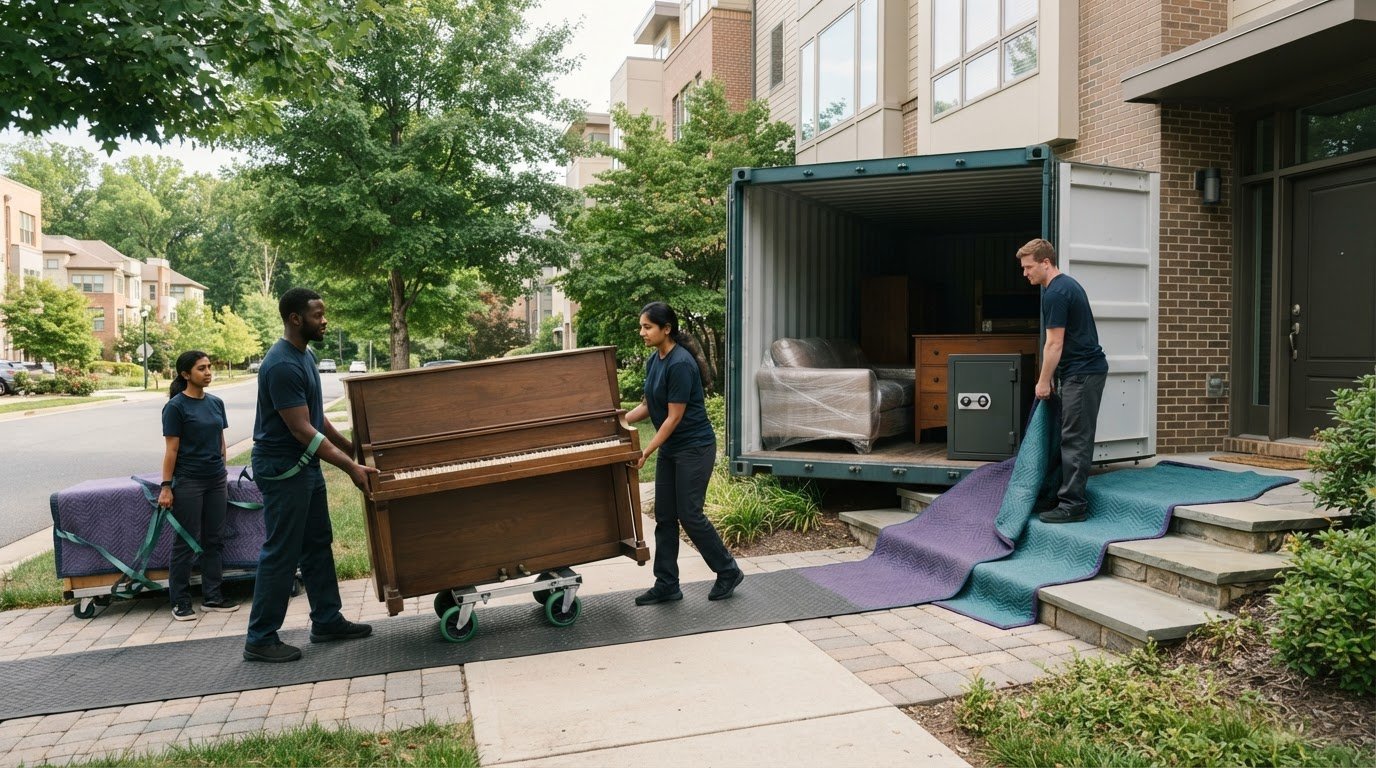
Furniture removal clears selected pieces from a home; furniture moving transports chosen belongings to the new residence. These are different tasks, and one transition may involve both. The resident might bring a familiar armchair and bedside table while arranging removal for a dresser or dining set that won’t suit the new layout.
Start with the destination. Different senior living options can have different room layouts and routines, so consider what the new space can accommodate and what will help the resident feel settled.
What furniture removal can mean during a senior living move
Removal means clearing items the resident won’t bring, while moving means transporting the furniture they want in their new home. Neither choice has to apply to the entire household. For example, a sofa might move if it fits and feels comfortable, while a bulky dresser is removed. A dining set could be split, with a favorite chair relocated and the larger pieces cleared.
Keep the two plans distinct. Write down which pieces are moving and which are being removed, then organize the work around their destinations. Downsizing doesn’t mean treating every item as unwanted.
How to keep the resident involved in downsizing decisions
Sort together when practical. Ask which familiar or essential pieces matter most in the new space, and give the resident time to consider items with personal meaning. If they choose to delegate some decisions, name one family point person to keep instructions consistent. That person can record the resident’s preferences and make decisions only within the authority they’ve been given.
- Invite the resident to choose the furniture they most want nearby.
- Compare those priorities with the new room’s layout and available space.
- Mark each item as moving, removal, or undecided, then revisit undecided pieces together.
For heavy or bulky furniture, don’t ask the resident or family to carry it just to keep the process moving. Decide where each piece belongs first, then plan the physical handling. This keeps the resident’s wishes at the center and gives the move a calmer start.
How to plan furniture removal around a senior living move
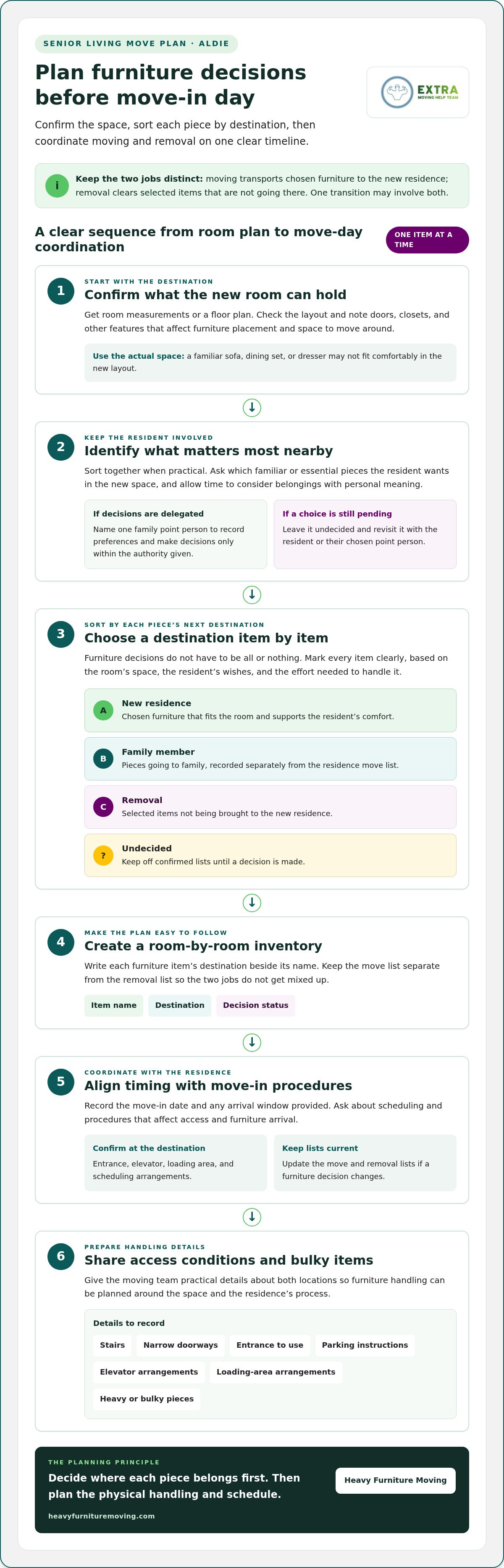
Keep the move and removal on one clear timeline. Confirm the new room’s layout and what it can hold, sort each piece by destination, decide how removal items will be handled, and schedule the work around the residence’s move-in plan. Sorting early turns furniture decisions into a workable schedule instead of a last-minute scramble.
- Confirm the space. Get room measurements or a floor plan, and note doors, closets, and other features that affect furniture placement.
- Sort the furniture. Label each piece for the new residence, a family member, removal, or a decision still pending.
- Plan each destination. Keep the move list separate from the removal list so the two jobs don’t get mixed up.
- Schedule the work. Use the move-in date and the residence’s arrival and access procedures to coordinate timing.
Sort furniture by its next destination
Make clear groups for furniture going to the new residence, pieces going to family, and items for removal. Use the room layout to identify pieces that won’t fit or would leave too little room to move around. Keep undecided items off the confirmed lists until the resident, or a family point person they’ve chosen, makes a decision. This prevents uncertainty from disrupting the plan.
For furniture removal for senior living Aldie, write each item’s destination beside its name. A simple inventory helps everyone distinguish furniture being relocated from items included in the removal work.
Coordinate timing and access with the senior residence
Record the move-in date and any arrival window the community provides. Ask about procedures for loading areas, elevators, entrances, and scheduling. These details can affect when furniture can arrive and help align the plan with the residence’s process. The National Association of Senior & Specialty Move Managers is another resource focused on the needs of senior moves.
When arranging the job, share practical access details: stairs at the current home, narrow doorways, the entrance to use, parking instructions, and any elevator or loading-area arrangements at the destination. Mention heavy or bulky pieces, too. Clear information helps the moving team plan how to handle the furniture and where it needs to go.
Keep the move list and removal list handy as dates approach, and update them if a decision changes. If you’re coordinating furniture relocation or removal in Aldie, review Heavy Furniture Moving’s furniture services as you plan around the residence’s schedule.
Move, remove, or split the furniture: compare the options
A senior living transition doesn’t have to be all or nothing. Some furniture may suit the new home, some may be better removed, and some households will need both moving and removal. Decide item by item, based on the room’s actual space, the resident’s wishes, and the effort required to handle each piece. The resident or an authorized decision-maker should choose where each item goes.
| Option | Fit in the new space | Resident preference | Handling needs |
|---|---|---|---|
| Relocate | Choose pieces that fit the layout and leave practical room to move around. | Best for furniture the resident wants and expects to use or keep close. | Bulky or heavy pieces may require specialized handling during transport. |
| Remove | Consider for items that won’t fit or aren’t needed in the new residence. | Proceed only when the resident or authorized decision-maker selects the item for removal. | Plan how large pieces will be moved out of the current home. |
| Use both approaches | Move the pieces that suit the room and remove selected others. | Allows the resident to keep chosen belongings without bringing every item. | Clearly separate the moving and removal lists so each piece is handled as intended. |
When relocating furniture to the new residence makes sense
Prioritize furniture that fits the floor plan and supports daily comfort, such as a chair the resident uses often or a bedside table that keeps essentials within reach. Practical value matters, but so does personal meaning. Before deciding, consider the item’s dimensions and how it will be used in the new room. For bulky pieces, specialized heavy-item handling can help with the physical demands of transport.
When removal or a combined plan may work better
Removal may make sense for pieces the resident has chosen not to take, especially if they don’t fit the new space or won’t serve a useful purpose there. A combined plan can move selected furniture while removing other items as part of the same transition. Base the decision on room size, resident preferences, and handling needs, rather than a blanket rule to keep or clear everything.
For example, the resident might want a favorite chair and small table in the new home but choose removal for a larger dining set. Record each choice clearly, and leave undecided pieces off both final lists until the resident or authorized decision-maker settles them. This helps prevent a wanted item from being treated as removal furniture, or an unwanted piece from being carried into a space where it won’t work.
Planning furniture removal for senior living Aldie families can use this way connects decisions about belongings with the physical work. Heavy Furniture Moving offers residential furniture moving, heavy-item handling, and junk removal, so the plan can account for furniture with different destinations.
Aldie senior living furniture removal checklist before move day
A room-by-room checklist gives Aldie residents and families a shared plan before move day. It also links each furniture decision to the space, schedule, and access details involved in the transition. Record what’s moving, what’s being removed, and what still needs a decision.
Prepare an item list and access details
Walk through the home one room at a time with the resident when practical. List each furniture item, its approximate dimensions, where it is now, and its intended destination. Measure width, depth, and height, then compare those dimensions with the new room layout and relevant entryway measurements. A piece may fit inside the room but be difficult to bring through a doorway or hallway.
Use a simple inventory like this:
- Bedroom: bed frame, dresser, and bedside table. Note which pieces are moving and which are for removal.
- Living area: chairs, sofa, and side tables. Record dimensions and the resident’s decision for each item.
- Dining area: table and chairs. Mark whether the full set, selected pieces, or none will go to the new residence.
- Other spaces: list furniture in entryways, hallways, or extra rooms so nothing is overlooked.
Next, note access conditions at the current home, including stairs, narrow hallways, tight turns, and the entrance furniture will use. Gather the new residence’s layout and relevant information about its entrance, elevator, loading area, and arrival procedures. Share these details when arranging furniture help. Notes about bulky items and access constraints help the work reflect the actual homes, not assumptions.
Set a clear schedule and point of contact
Choose one family contact to keep the item list current and communicate job details. That person can relay the resident’s decisions, provide access notes, and share the move-in date and any arrival window from the community. Keep the contact information and inventory together so the family and moving team work from the same plan.
Align the removal and relocation schedule with the residence’s procedures. Record instructions about when furniture can arrive, where a vehicle can load, or how the team should enter. If move-in timing changes, update the point person and revise the plan before the work begins. Keep undecided items visibly separate from confirmed destinations so uncertainty doesn’t turn into a last-minute choice under pressure.
Good preparation makes furniture removal for senior living Aldie families arrange easier to coordinate and helps protect the resident’s choices. Once your checklist, access details, and timing are organized, plan furniture help for your Aldie transition with Heavy Furniture Moving.
Furniture removal for senior living in Aldie with Heavy Furniture Moving
A senior living transition can involve two different jobs: getting chosen furniture to the new residence and clearing pieces the resident has decided to leave behind. Heavy Furniture Moving serves Aldie and nearby communities with residential furniture moving, specialized handling for heavy items, packing and unpacking, and junk removal. A tailored plan can bring these needs together while keeping the resident’s choices at the center.
Heavy Furniture Moving is veteran-family owned and operated. The team can plan around furniture with different destinations, separating selected belongings for the move from unwanted pieces for junk removal. For broader local moving context, see this Northern Virginia movers guide.
Match the service plan to the furniture and transition
Residential moving is for furniture the resident wants in the new home. Junk removal is for pieces they’ve chosen to leave behind. Heavy or bulky furniture may need specialized handling during the transition. Share the item list and each piece’s destination so the plan reflects the actual work, rather than treating the home as one large removal or relocation project.
Packing and unpacking can also support the move by helping prepare belongings for transport and settle them at the destination. The right mix depends on what the resident wants moved, what they’ve chosen to remove, and how the move-in schedule fits the work. Keep these decisions clear, especially when a family member is coordinating on the resident’s behalf.
Make the next step straightforward
Gather a room-by-room item list before planning the transition. For each piece, note its current location, intended destination, approximate size, and any access challenges. Include stairs, narrow hallways, tight entrances, or other details that may affect handling. Add the target move-in timing and relevant procedures from the residence, then choose one family contact to share updates.
Be specific about the resident’s priorities. A familiar chair may matter more than a larger furniture set, while a heavy dresser or sofa may need extra planning. Flag undecided pieces separately, and make clear who is authorized to settle those choices. Clear information helps shape a practical plan and reduces confusion as the transition approaches.
For families arranging furniture removal for senior living Aldie, moving and junk removal can work together as parts of one thoughtful transition. Heavy Furniture Moving can help plan around the furniture, access details, and timing you share. Talk with Heavy Furniture Moving about your Aldie furniture transition and the pieces that need careful handling.
Set the next move in motion with confidence
A senior living transition is a chance to shape a new space around the person who will call it home. Let their priorities lead, and treat each furniture decision as a step toward a comfortable start, not just a task to finish. With furniture removal for senior living Aldie, a clear plan can keep the resident’s wishes at the center while making room for what matters most.
Before move day, bring the item list, timing, and access notes together. Choose a plan that reflects the resident’s decisions and the work ahead. Heavy or bulky pieces don’t need to become a family lifting project. Arrange help and focus on supporting your loved one as they settle in.
Plan your furniture move with Heavy Furniture Moving and take the next step toward a more manageable transition in Aldie. A thoughtful plan can make the new place feel like home from the start.
Frequently Asked Questions
How do I arrange furniture removal for a senior living move in Aldie?
Start by identifying which pieces are moving and which are for removal, then organize the list by room and note access details and target timing. Heavy Furniture Moving serves Aldie and nearby Northern Virginia communities, including Fairfax, Woodbridge, Manassas, Manassas Park, Aldie, Ashburn, McLean, Vienna, Reston, Centreville, Chantilly, Clifton, Dumfries, South Riding, Fairfax Station, Haymarket, and Gainesville. A clear item list helps keep the resident’s decisions at the center.
Can movers take some furniture to a senior residence and remove the rest?
Yes. A transition can combine residential moving for selected belongings with junk removal for pieces the resident has chosen to leave behind. Keep the two groups distinct, especially if a family member is coordinating the work. For instance, mark a small bookcase for the new room and a different piece for removal. This helps prevent confusion about where each item should go during a busy move.
What furniture should a senior bring to a smaller living space?
Choose furniture that fits the room, supports daily routines, and matters to the resident. A comfortable chair, a bedside table, or a compact dresser may be more useful than a full room set. Think about how the person will use each item, not only whether it can fit. Leave clear space around frequently used furniture so the new room feels practical and comfortable.
How should I prepare furniture for removal from a senior living transition?
Before removal, clear loose belongings from drawers, shelves, and tabletops, and keep essential items separate from furniture being taken out. Label the selected pieces clearly so they aren’t confused with belongings that will move to the new residence. Tell the family point person about delicate parts or pieces that need special attention. Don’t ask the resident to lift or carry heavy furniture as part of preparation.
Can heavy furniture be moved into a senior living community?
Yes, heavy furniture can be part of a residential move. First, make sure the item suits the room and include the community’s entry and access procedures in the plan. Heavy Furniture Moving handles bulky household items and offers specialized moving support, including sofa hoisting. Share the item’s approximate size and any known access constraints so the move can be planned around the furniture and destination.
How far ahead should I plan furniture removal for a senior move?
Begin as soon as you know the move-in date and have details about the new room. That gives the resident and family time to make decisions without rushing and to coordinate with the community’s arrival and access procedures. If the date or room assignment changes, update the item plan and timing. There’s no single timeline for every transition, so use the residence’s schedule as your guide.
Does furniture removal include taking items to donation centers?
Not necessarily. Junk removal and donation delivery are different plans, so don’t assume furniture selected for removal will be donated or taken to a particular destination. If the resident wants a piece donated, identify that preference separately and arrange its destination independently. Keep donated items distinct from the junk removal list to avoid confusion about which pieces are assigned to each plan.
Frequently Asked Questions
Start by identifying which pieces are moving and which are for removal, then organize the list by room and note access details and target timing. Heavy Furniture Moving serves Aldie and nearby Northern Virginia communities, including Fairfax, Woodbridge, Manassas, Manassas Park, Aldie, Ashburn, McLean, Vienna, Reston, Centreville, Chantilly, Clifton, Dumfries, South Riding, Fairfax Station, Haymarket, and Gainesville. A clear item list helps keep the resident’s decisions at the center.
Yes. A transition can combine residential moving for selected belongings with junk removal for pieces the resident has chosen to leave behind. Keep the two groups distinct, especially if a family member is coordinating the work. For instance, mark a small bookcase for the new room and a different piece for removal. This helps prevent confusion about where each item should go during a busy move.
Choose furniture that fits the room, supports daily routines, and matters to the resident. A comfortable chair, a bedside table, or a compact dresser may be more useful than a full room set. Think about how the person will use each item, not only whether it can fit. Leave clear space around frequently used furniture so the new room feels practical and comfortable.
Before removal, clear loose belongings from drawers, shelves, and tabletops, and keep essential items separate from furniture being taken out. Label the selected pieces clearly so they aren’t confused with belongings that will move to the new residence. Tell the family point person about delicate parts or pieces that need special attention. Don’t ask the resident to lift or carry heavy furniture as part of preparation.
Yes, heavy furniture can be part of a residential move. First, make sure the item suits the room and include the community’s entry and access procedures in the plan. Heavy Furniture Moving handles bulky household items and offers specialized moving support, including sofa hoisting. Share the item’s approximate size and any known access constraints so the move can be planned around the furniture and destination.
Begin as soon as you know the move-in date and have details about the new room. That gives the resident and family time to make decisions without rushing and to coordinate with the community’s arrival and access procedures. If the date or room assignment changes, update the item plan and timing. There’s no single timeline for every transition, so use the residence’s schedule as your guide.
Not necessarily. Junk removal and donation delivery are different plans, so don’t assume furniture selected for removal will be donated or taken to a particular destination. If the resident wants a piece donated, identify that preference separately and arrange its destination independently. Keep donated items distinct from the junk removal list to avoid confusion about which pieces are assigned to each plan.