Labor-Only Helpers to Clear Ground-Floor Areas in South Riding
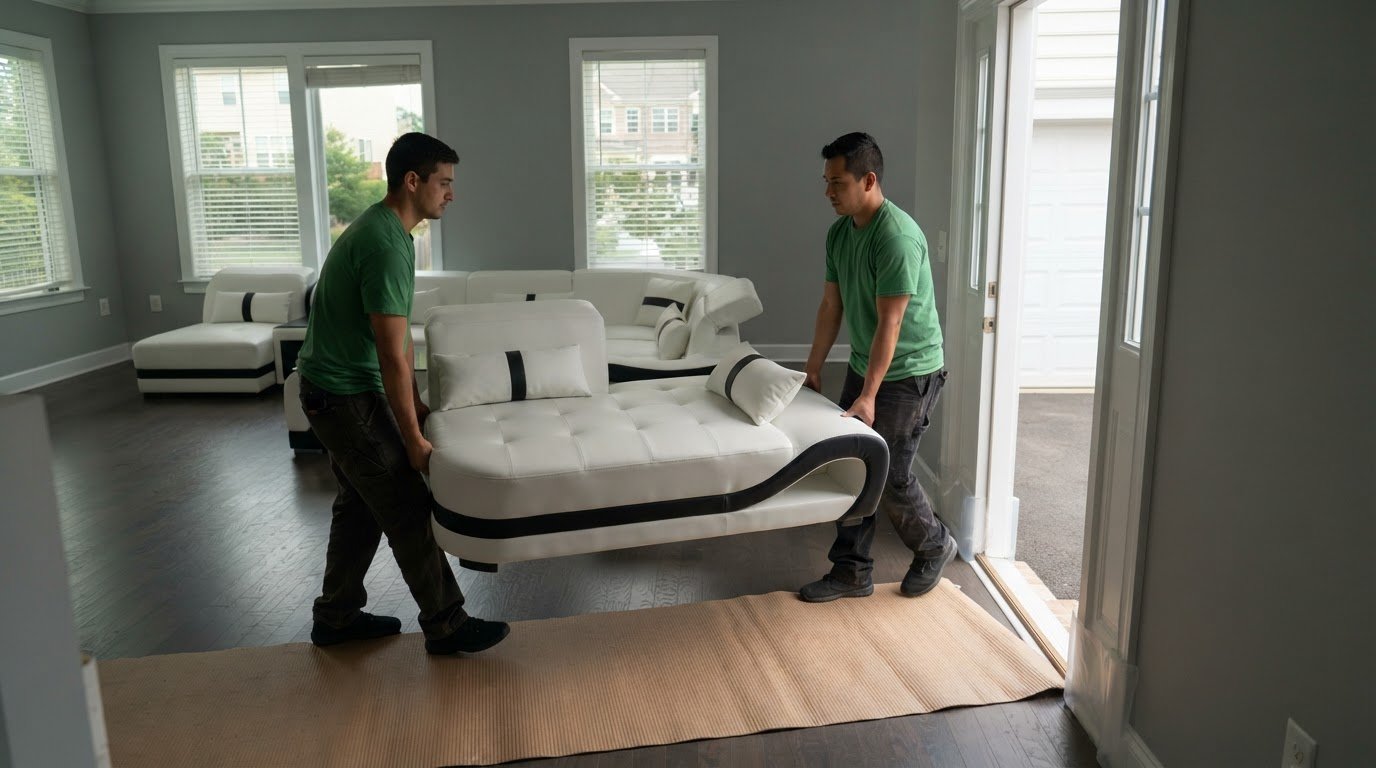
A clear ground floor helps buyers focus on the home, not the furniture in the way. Hiring labor-only helpers to clear ground-floor areas for real estate photography in South Riding can mean shifting bulky pieces, loose items, and decor out of the rooms being photographed. A typical real estate photography shoot takes 1-2 hours, so preparing the space beforehand helps keep the session focused.
Getting a South Riding ground floor ready for real estate photography can feel like one more demanding task during a move or sale. You may know what needs shifting but lack the time or strength to handle bulky items safely. Start by deciding which areas to clear and where each moved piece will go.
This guide explains what labor-only helpers can do, how to plan the work, and which details affect the job. You’ll also learn when moving help is a practical way to get the ground floor camera-ready.
Key Takeaways
- Prioritize the rooms and sightlines that will appear in the listing photos, then decide where each moved item should go.
- Set the helper count and work time around the volume and weight of furniture, the number of areas involved, and the path through the home.
- Separate small surface clutter from bulky items so the physical work can be planned in a clear order.
- Flag tight turns, stairs, and items that need careful handling when describing the job.
- Heavy Furniture Moving’s labor-only moving help can be a practical fit when the main need is hands-on help shifting furniture before photos.
Preparing a property for a photography shoot
Plan around the camera’s view, not a general house-cleaning list. The photographer needs clear sightlines through the rooms selected for images. In a South Riding living room, that might mean shifting a bulky chair, clearing the coffee table, and opening the path from the doorway to the windows. Choose the rooms and features to prioritize before moving anything. This keeps the physical work focused and avoids moving the same piece twice.
Real estate photos show how rooms connect, so prepare the routes between spaces as well as the rooms themselves. Clear entryways, hallways, and areas around stair landings. Move shoes, bins, and small furniture away from doorways. In the kitchen, clear countertop items that distract from cabinets and work surfaces. In the living room, arrange the remaining furniture to show seating and walking space. Keep personal belongings together in one designated area.
Sort tasks into three groups: remove, relocate, and leave in place. Remove rubbish and everyday clutter from the frame. Relocate furniture that blocks a doorway, window, or key feature. Leave useful pieces that show how a room works, such as a dining table or bed. Decide where larger items will go before lifting begins. This sequence makes the work easier to coordinate and reduces unnecessary handling.
Photography pricing by property size usually reflects the scope of the shoot, not floor area alone. A photographer may consider the number of rooms, the amount of interior and exterior coverage, and whether add-ons are requested. A larger home can require more images and more time to capture its spaces. A quote request should describe the property and the planned coverage; the price depends on those project details. Compare the requested deliverables, such as edited photographs or 3D capture, rather than relying on square footage alone.
A standard residential real estate photography service typically delivers 25-40 edited interior and exterior photos. A typical shoot takes 1-2 hours, while photographers typically deliver edited photos within 24-48 hours. These figures help set expectations for the photography appointment and image delivery. They don’t determine how long preparation will take. Clearing the ground floor beforehand lets the photographer spend the session capturing the selected rooms instead of waiting for furniture to move.
Property photography and 3D capture serve related but different presentation needs. Still photos show selected views, while 3D capture creates a navigable representation of the property’s interior. Before either appointment, clear the same access routes and reduce visual clutter. For a 3D scan, an obstructed doorway or crowded corner can interrupt the room-to-room path. Keep doors open where appropriate, and move objects that cover important transitions between spaces.
Plan how staging pieces, supplies, or photography equipment will enter the property and where they will go. Identify which items need to leave the camera’s view. A narrow entry, long hallway, or tight turn can affect how bulky furniture moves, so clear the route before carrying starts. If items are going to another location, group them by destination to prevent mix-ups.
Property maintenance also affects the final images. Before the shoot, take care of visible, straightforward details: dust surfaces, straighten rugs, wipe smudges from mirrors, and clear leaves near the entrance. Replace distracting countertop clutter with a small, purposeful arrangement. Check that lamps and fixtures look consistent in the rooms being photographed. These finishing steps don’t replace repairs; they help show the property’s existing condition clearly.
Finish with a room-by-room walkthrough. Stand in each doorway and look for blocked windows, cords, bins, or furniture crowding the frame. Confirm that the photographer can move between planned spaces without obstacles. For a ground-floor setup, this final pass catches overlooked items before the camera arrives and keeps the shoot focused on the property’s strongest features.
Properties in Ann Arbor, Michigan, sell in an average of 24 days.
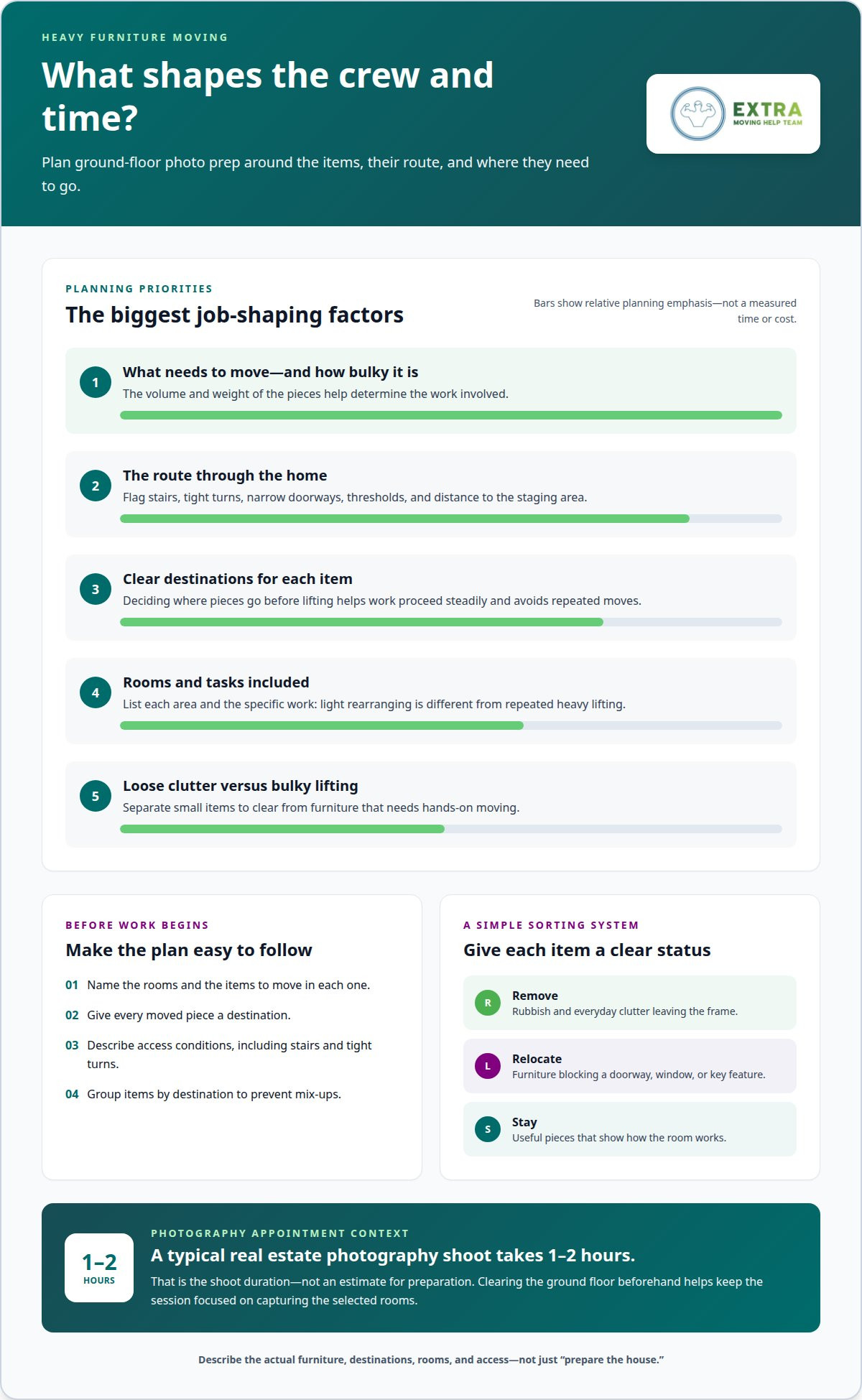
How many helpers and hours needed to clear a ground floor before real estate photography
There’s no fixed crew size or work duration for every South Riding home. The right plan depends on what must move, where it must go, and how easily helpers can reach it. Clearing loose items from a small entry differs from shifting a sectional, dining table, and exercise equipment. Define the actual work before estimating the crew and time.
Start with a room-by-room task list. For each space, identify the items to move, their destination, and any access obstacles. A living room might need its coffee table relocated and an armchair shifted away from a window. A kitchen may need only movable counter items cleared, while a basement-level storage area could require more sorting and carrying. The list shows whether the job is mainly light rearranging or repeated heavy lifting.
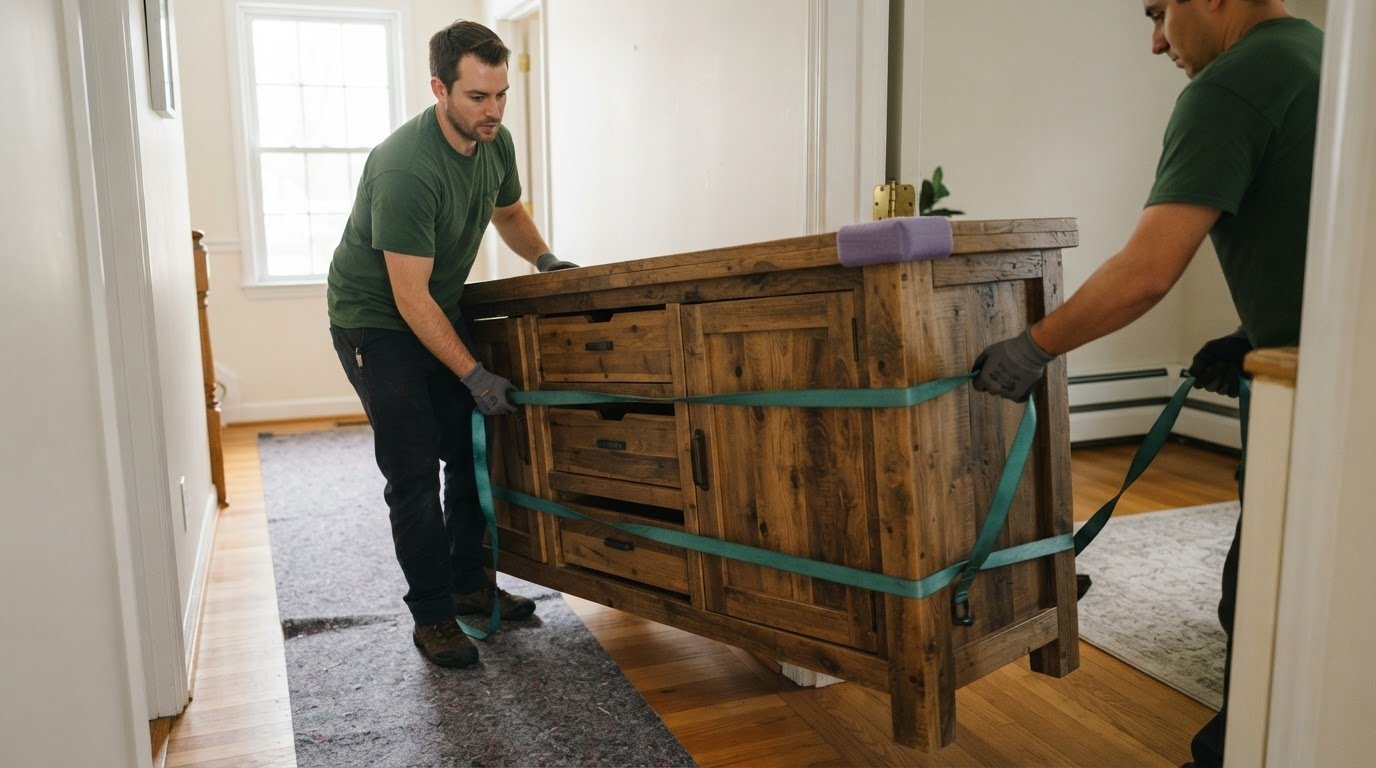
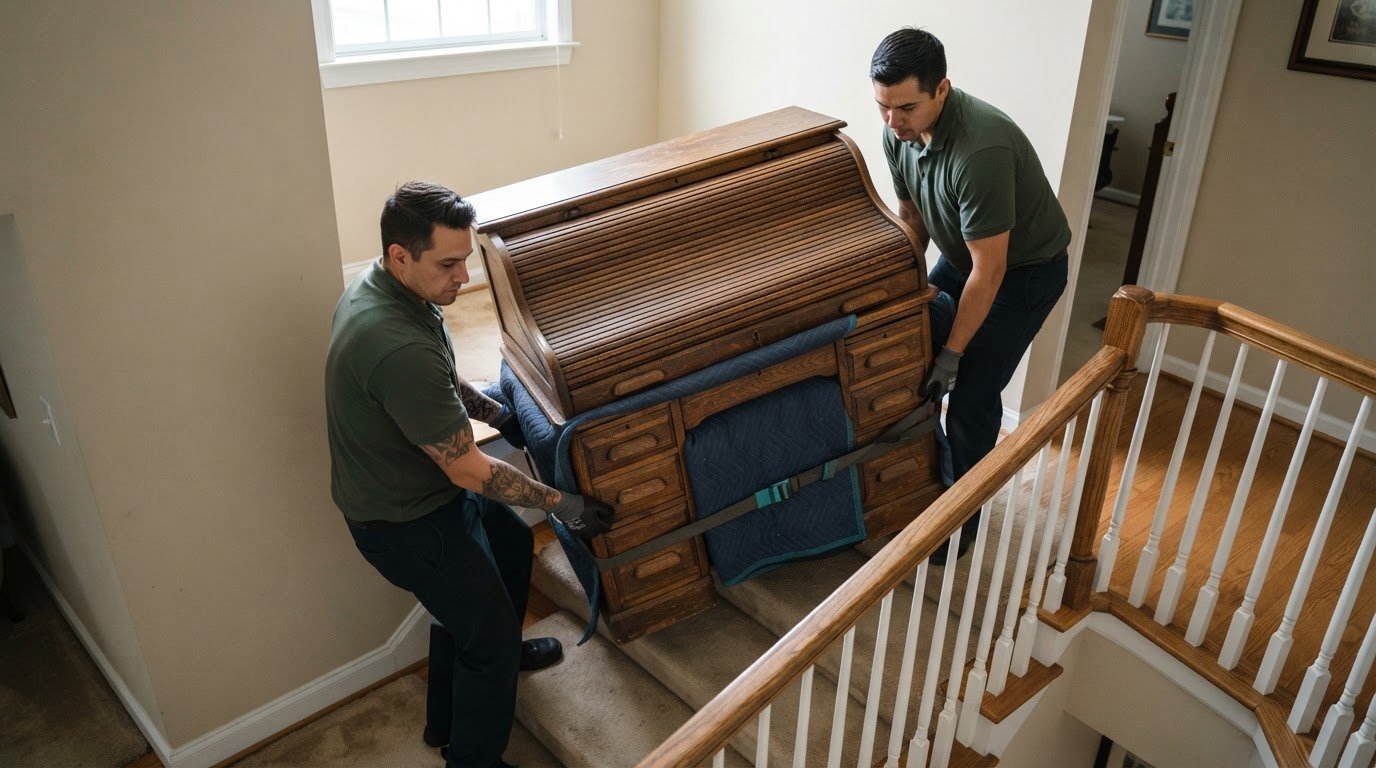
The number of helpers depends on the heaviest pieces and the route they must take. A compact side table is different from a large sofa that must turn through a narrow doorway. Note stairs, tight corners, door thresholds, and the distance to the staging area. These details affect how the work can be divided and how safely bulky furniture can pass through the home. Don’t estimate based on room count alone.
Work time also depends on how quickly decisions are made. When every item has a clear destination, helpers can work steadily. Repeatedly shifting furniture while someone decides where it belongs slows the job. Before the crew begins, sort items into clear groups: pieces leaving the camera’s view, pieces staying in place, and items moving elsewhere in the property.
When hiring labor-only helpers to clear the ground floor for real estate photography in South Riding, describe the tasks instead of saying only, “Prepare the house.” Name the rooms, furniture, destinations, and access conditions. For example, say that the living room sofa should move against a designated wall, chairs should go into an adjoining room, and the hallway must stay clear. Specific directions help shape a work plan around the property.
Separate furniture moving from cleanup and styling. Helpers can relocate furniture and clear items from the frame, while wiping surfaces or arranging shelves are separate tasks. Make that distinction when organizing the shoot. If the photographer needs an unobstructed path through the kitchen and living room, prioritize carrying and placement. Leave small finishing details for the appropriate person.
Use this sequence to shape the work plan:
- List each ground-floor room that needs clearing.
- Name every bulky item and its intended destination.
- Mark narrow turns, stairs, and long carrying routes.
- Identify items that must remain accessible during the work.
- Set the photography appointment after the moving tasks are complete.
This planning helps you see whether the job involves a few targeted moves or a broader rearrangement. A sofa, heavy table, and exercise machine require a different plan from baskets and small decor. Keep the shoot’s must-have views in focus. Moving extra furniture that won’t affect the photos adds work without improving the rooms being prepared.
Local moving helpers can handle the physical rearranging when the task list includes bulky furniture or several destinations. Local moving helpers can be a practical next step for a defined ground-floor job. Share the room list and movement plan so the work focuses on clearing the photographer’s intended views.
Organize the task list by room, noting what moves, where it goes, and whether the route is clear. Have each destination ready before helpers arrive, and keep furniture moving separate from surface cleaning or shelf styling. If access is limited, point out the obstacle in advance and prioritize items that affect the camera view. During the move, one designated person can direct the placement while helpers carry items, as long as that arrangement suits the load and layout. Check the rooms afterward to ensure paths remain open and staging areas are usable. These details make the job description specific without assuming a standard crew size or duration.
The Eastpointe, Michigan, Grounds Keeper job requires standing and walking for up to eight (8) hours per day. An assistant project manager job with Mullins Mechanical in Tulsa, Oklahoma, lists a work schedule of 60 hours per week. Neither schedule sets the time needed to prepare a home for photography; the work plan should reflect the furniture, access, and destinations identified for that property.
Heavy Furniture Moving: labor only movers near me
Heavy Furniture Moving helps with the hands-on furniture moves needed to prepare a ground floor for photography. Its labor-only moving help is a practical fit when bulky pieces need shifting within the home or repositioning for the shoot. The service can also help with exercise equipment or a sofa that needs careful handling. Share which items need moving, where they are going, and whether there are tight turns or narrow doorways. Clear directions keep the work focused on the rooms and views planned for the photos. Contact Heavy Furniture Moving to discuss your furniture-moving needs.
Get the Ground Floor Ready for Its Next Step
Before the photographer arrives, decide where each moved piece should go. Clear destinations for bulky furniture keep the work focused and your chosen rooms ready for the camera. If you’re hiring labor-only helpers to clear the ground floor for real estate photography in South Riding, start with a concise task list. Note which rooms need attention, which items must move, and any access challenges that could affect the route.
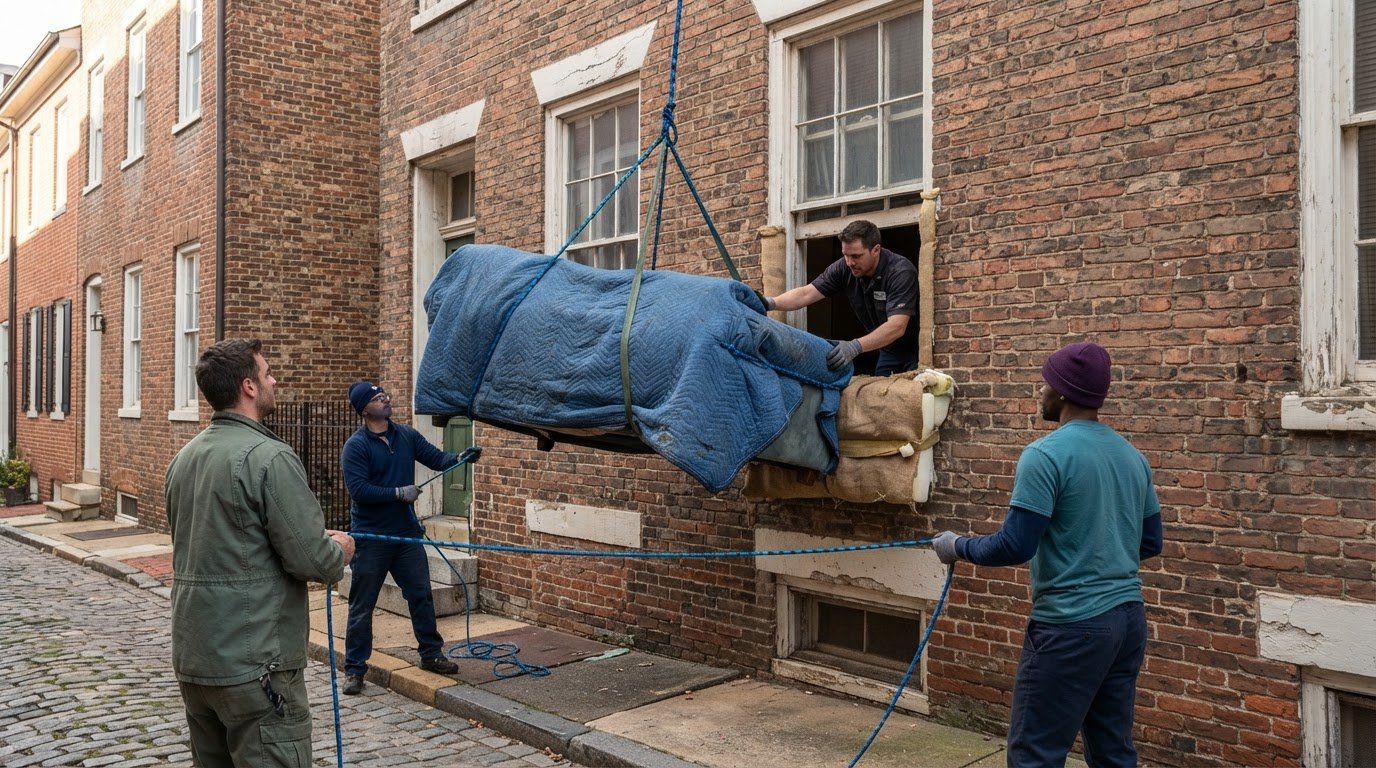
Heavy Furniture Moving offers Movers Near Me for hands-on moving help, Exercise Equipment Moving for bulky workout gear, and Sofa Hoisting for sofa moves that need a specialized approach. Choose the service that fits the physical work, then share the details of your staging plan. A clear description helps the team understand the task and keeps your photography preparation straightforward.
Ready to plan the furniture moves? Contact Heavy Furniture Moving for help, and take the next step toward a camera-ready space.
Frequently Asked Questions
What tasks can labor-only movers do when clearing a ground floor for real estate photos?
Labor-only movers can lift and reposition furniture, exercise equipment, and sofas to prepare rooms for photography. In a South Riding home, that might mean shifting a treadmill from a ground-floor room or moving a sofa away from a doorway. Heavy Furniture Moving includes wrap, blankets, and straps on every job. The team can also disassemble and reassemble items such as sofa legs when needed for the move.
Frequently Asked Questions
Labor-only movers can lift and reposition furniture, exercise equipment, and sofas to prepare rooms for photography. In a South Riding home, that might mean shifting a treadmill from a ground-floor room or moving a sofa away from a doorway. Heavy Furniture Moving includes wrap, blankets, and straps on every job. The team can also disassemble and reassemble items such as sofa legs when needed for the move.