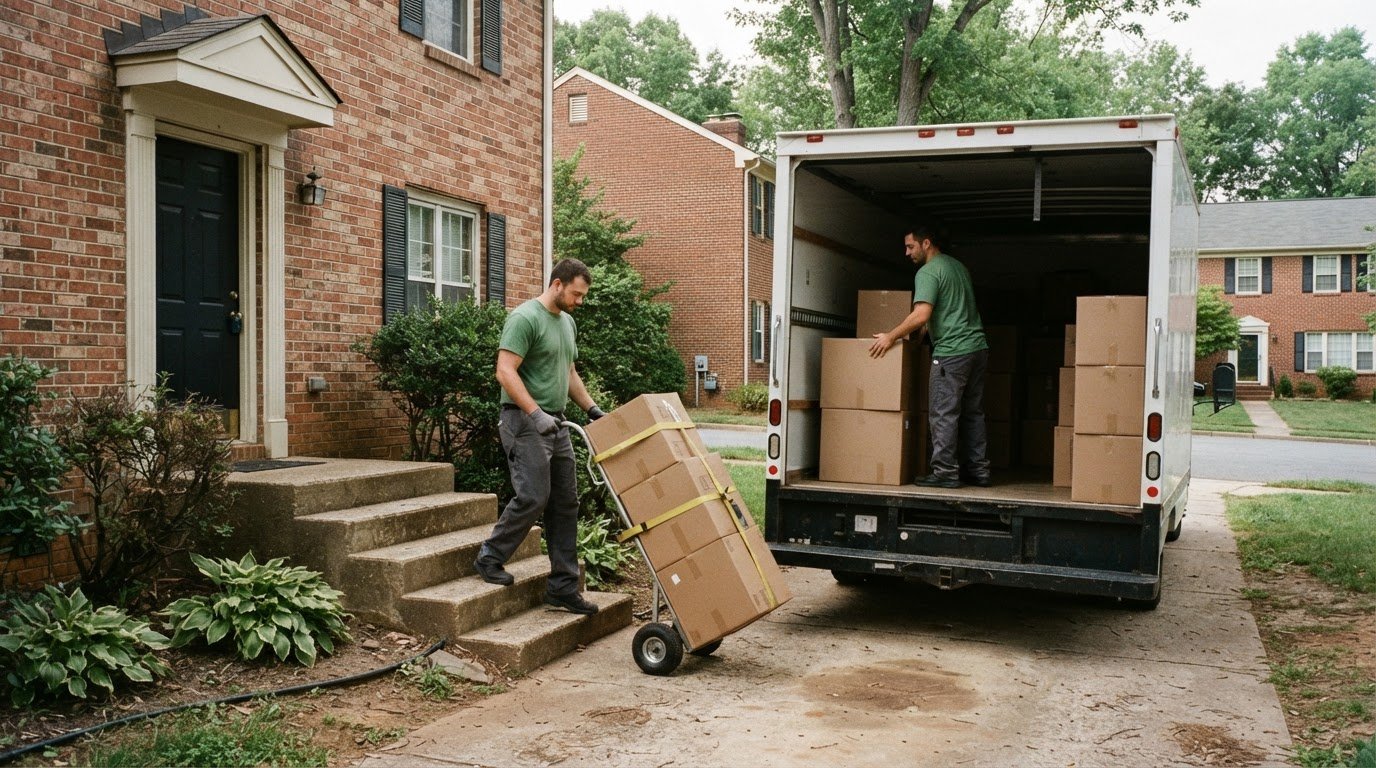
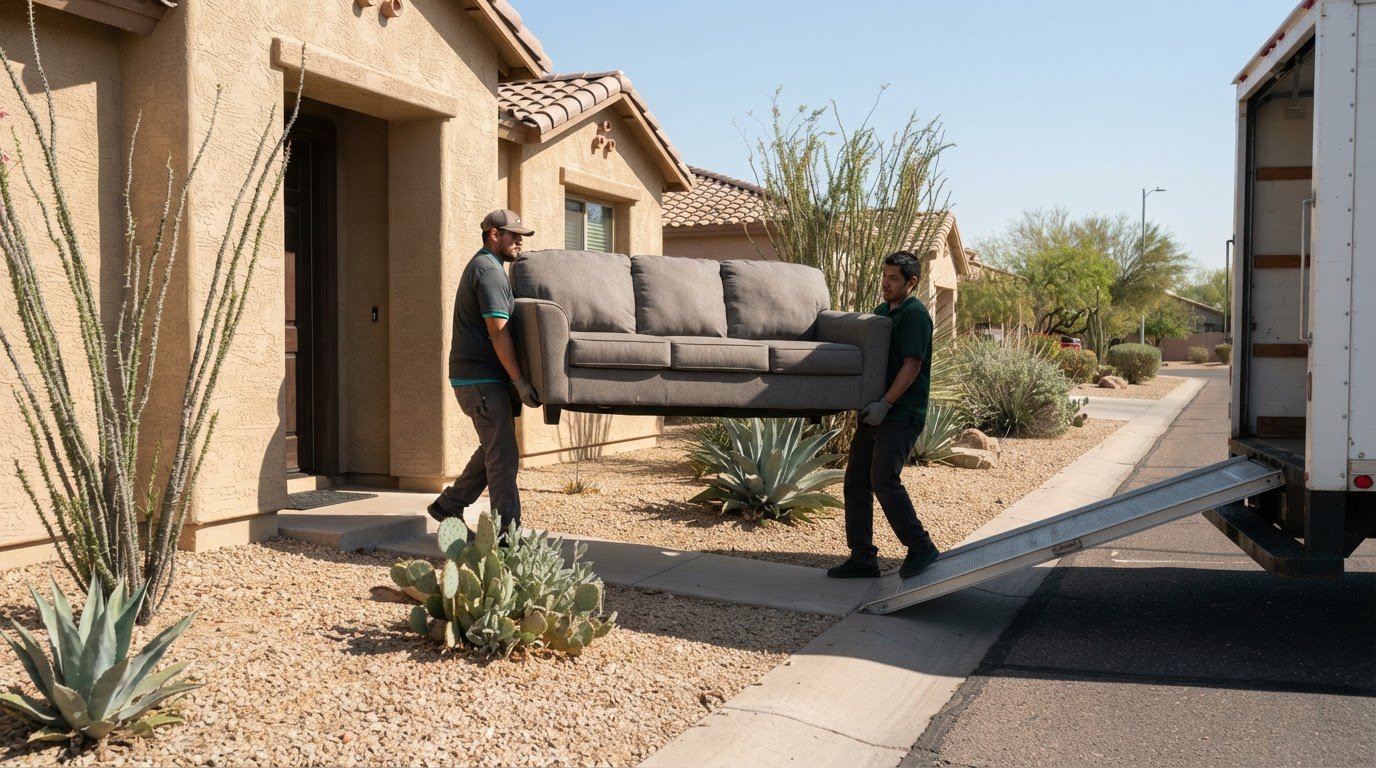
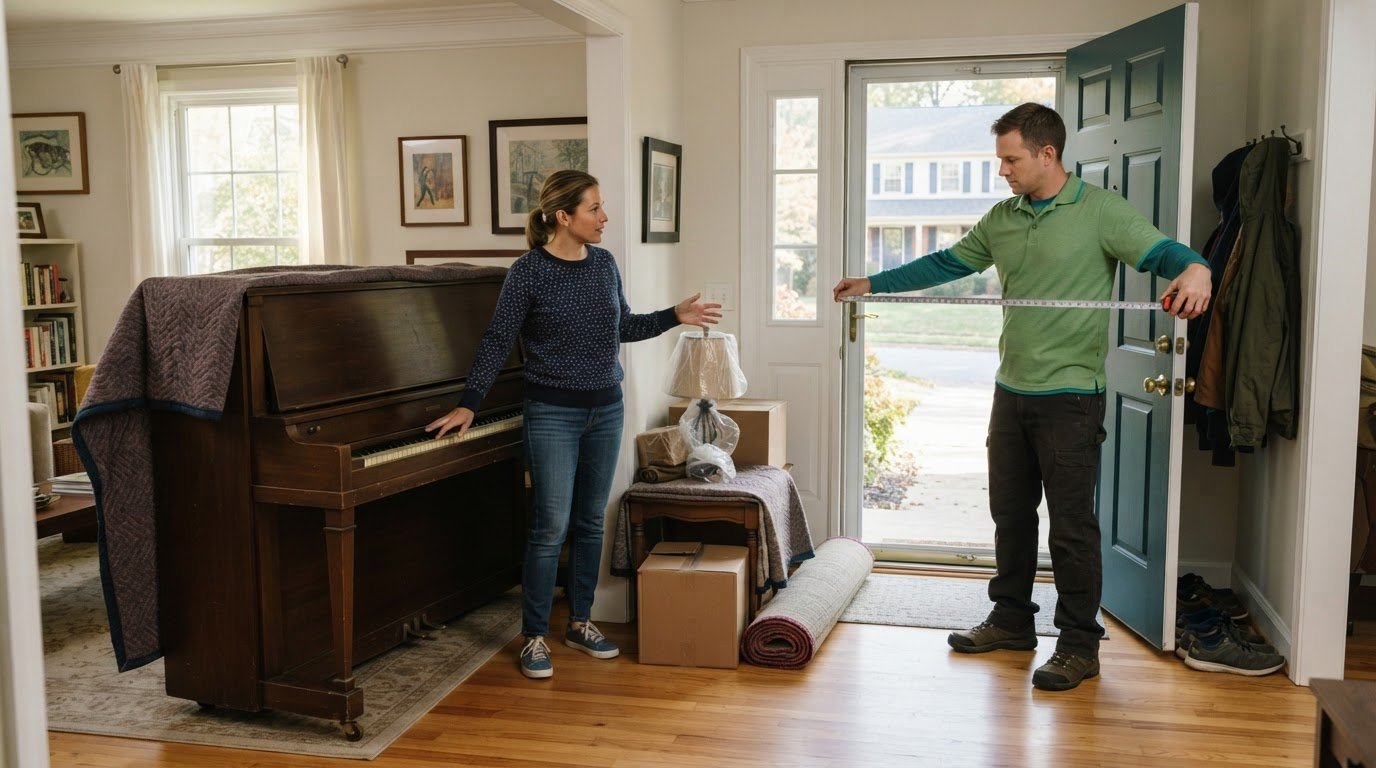
Heavy Built-In Refrigerator Movers in Fairfax: Moving Costs
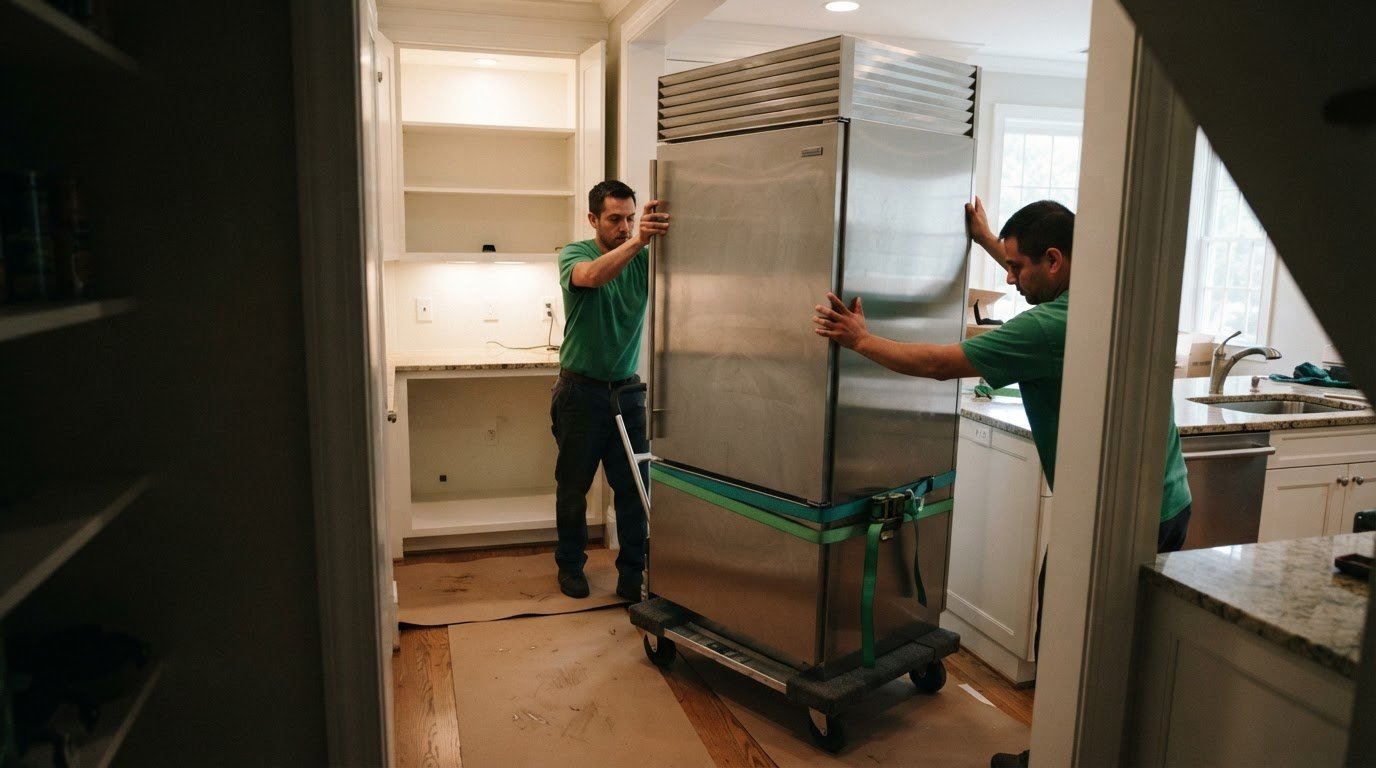
A built-in refrigerator move is priced by the work involved, not distance alone. Heavy built-in refrigerator movers in Fairfax need to account for the appliance’s weight, tight access, and the labor required to move it safely. The price depends on the job and is provided after a quote request.
Cost matters, but the lowest figure alone won’t tell you whether the crew can handle a heavy appliance or what the service includes. Compare estimates for the same work, and check how the moving plan addresses access, handling, and protection.
This guide explains how to assess lifting capacity, access and labor charges, and damage coverage when choosing movers. You’ll also learn how to interpret customer price examples and what details shape a quote, so you can plan the move with fewer surprises.
Key Takeaways
- Understand which details can change a refrigerator-moving quote, including access, distance, and the work involved.
- Learn how to compare customer price examples without assuming they represent the cost of your specific move.
- Know what to consider when assessing damage coverage and the terms of a service guarantee.
- Use the refrigerator’s size, weight, and route through the home to evaluate the crew and equipment needed.
- See when heavy-lifting help from Heavy Furniture Moving can make a difficult in-home move easier to manage.
Damage coverage and service guarantee
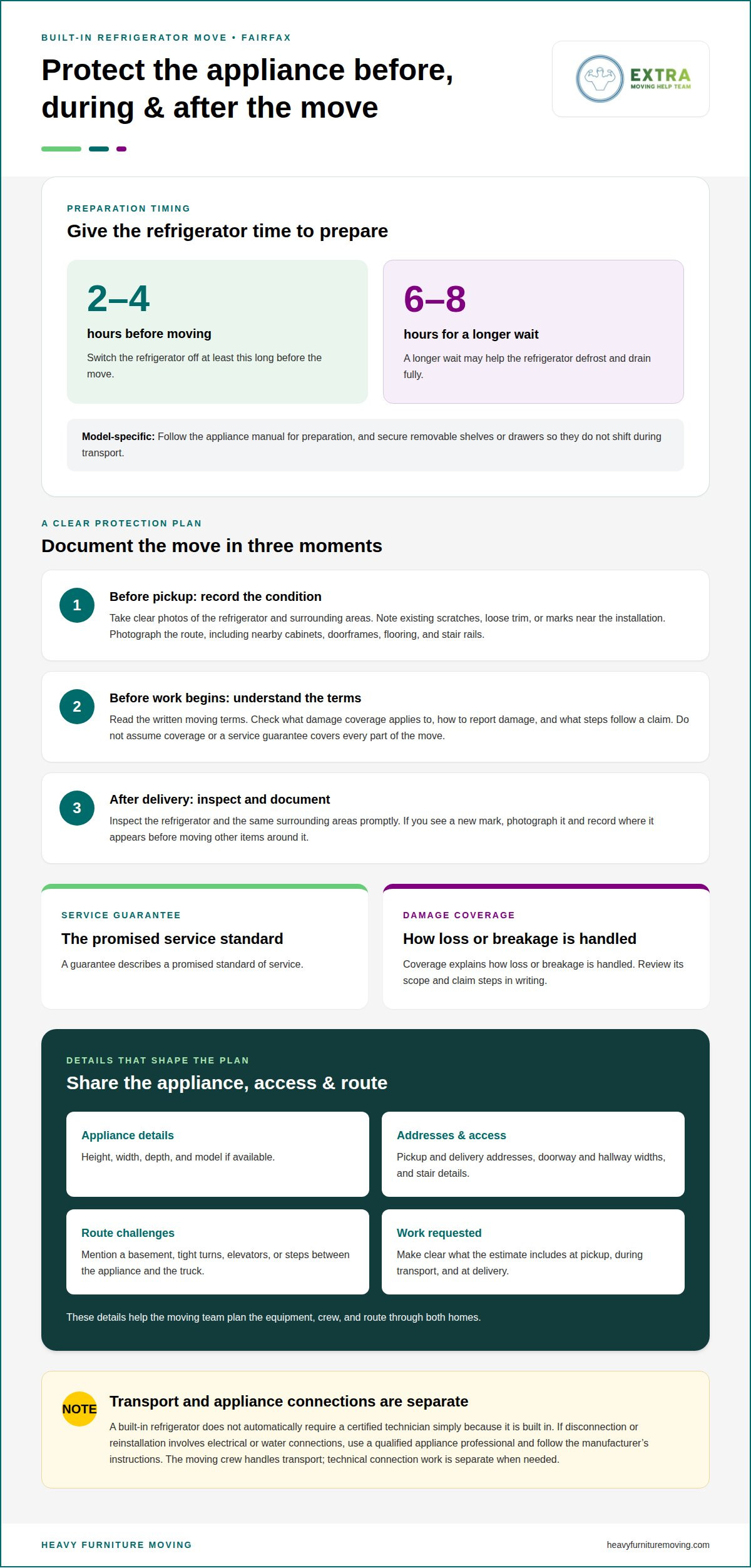
Protection matters because a built-in appliance may pass close to cabinets, flooring, doorframes, and stair rails. Before pickup, take clear photos of the refrigerator and surrounding areas, including existing scratches, loose trim, or marks near the installation. These records help show the condition before the move.
Read the written moving terms before the crew begins. Check what the coverage applies to, how to report damage, and what steps follow a claim. A service guarantee and damage coverage are different: a guarantee describes a promised service standard, while coverage explains how loss or breakage is handled. Don’t assume either covers every part of a built-in refrigerator move.
For example, a move from a Fairfax kitchen through a narrow hallway and down to a basement has several potential contact points. Note the route, the appliance’s panels, and nearby cabinets before the crew starts. After delivery, inspect those same areas promptly. If you see a new mark, take photos and record where it appears before moving other items around it.
A built-in refrigerator doesn’t automatically require a certified technician just because it is built in. If disconnection or reinstallation involves electrical or water connections, use a qualified appliance professional and follow the manufacturer’s instructions. The moving crew handles transport; connection work is separate when technical work is needed.
Preparation also protects the appliance. Switch the refrigerator off at least 2-4 hours before moving. A longer 6-8-hour wait may help it defrost and drain fully. Follow the appliance manual for model-specific preparation, and secure removable shelves or drawers so they don’t shift during transport.
When requesting a quote, share the appliance’s height, width, and depth, plus its model if available. Include the pickup and delivery addresses, doorway and hallway widths, stair details, and whether the route includes a basement. Mention tight turns, elevators, or steps between the appliance and the truck. These details help Heavy Furniture Moving plan the equipment, crew, and route through both homes.
- Photograph existing damage and the route before pickup.
- Read coverage terms for reporting steps and limits.
- Describe measurements, stairs, tight turns, and basement access.
Clear details help plan a careful move and set expectations for handling. When comparing heavy built in refrigerator movers in Fairfax, focus on the work included, route details, and protection described in the estimate.
Choosing a mover
For a Fairfax kitchen move, choose a plan that accounts for the refrigerator, route, and work requested. A focused appliance move and a full household relocation have different scopes.
Appliance Movers and Full-Service Companies
Appliance movers handle a specific item, while full-service moving companies manage broader household moves. Choose based on the job: moving one refrigerator between nearby homes differs from packing furniture and transporting an entire household. A refrigerator-only task may need a focused scope; a kitchen remodel involving belongings from several rooms may call for broader moving help.
The listed average rating across local moving jobs in Fairfax is 4.8 stars. Treat that figure as one point of context, not proof that a crew can manage a built-in appliance. Compare the work described, the route covered, and whether the written scope clearly identifies the refrigerator move.
Built-In Refrigerator Moving Specialists
In Fairfax, look for movers who describe experience handling heavy appliances and can explain how they’ll manage the refrigerator’s path. A built-in unit may sit close to cabinetry, so a plan should account for the kitchen opening, corners, stairs, and the destination. Clear answers about handling and transport are more useful than a broad claim about moving experience.
For example, a crew moving a refrigerator down stairs should discuss that route specifically, rather than treating it like an open hallway. Confirm that the planned work covers both locations, and keep disconnection or reinstallation separate from transport.
Compare written estimates on the same basis. One may cover moving labor only, while another describes additional handling or a longer route. Match the appliance, pickup and delivery points, stairs, and requested work before comparing totals. This helps you spot differences in scope rather than comparing unlike jobs.
Use these practical checks before choosing:
- Confirm the estimate describes a built-in refrigerator, not just general furniture.
- Review how the crew will handle stairs and tight kitchen access.
- Make sure pickup, transport, and delivery tasks are clear.
- Separate appliance connection work from the moving scope.
Choose the option that fits the actual move. For a single appliance, a focused moving plan may be efficient; for a home-wide move involving furniture and other items, broader service may fit better. If you’re planning a heavy appliance move, explore moving help for heavy items as a next step.
Customer price examples
A customer example is useful only when its scope resembles your move. A Fairfax refrigerator-moving task posted July 1, 2026, described homes 10 minutes apart and a swap involving a Samsung refrigerator and a freezer. That example gives helpful context about the kind of job requested, but it doesn’t establish a standard charge for every built-in appliance move.
Compare the details, not just the headline amount. A refrigerator moved between nearby homes may involve different labor from an appliance pulled out of a tight kitchen, carried through stairs, and delivered to a garage. Built-in installation, access, and the requested handling can all change the work involved. A customer’s estimate reflects that particular job, not a universal rate.
Use a simple comparison process:
- Match the appliance type and whether the request involves one unit or a swap.
- Compare pickup and delivery distance, including whether the example names a short trip.
- Check which tasks the estimate says are included.
- Separate moving labor from disconnection or reinstallation work.
For example, the Fairfax task included a refrigerator and freezer exchange between homes 10 minutes apart. A different request involving only one refrigerator, a longer drive, or stairs would not be directly comparable. If the sample doesn’t explain whether labor, transport, or extra handling was included, treat it as a limited reference rather than a full estimate.
The price depends on the job and is provided after a quote request. Key factors include the appliance, distance, access, and work requested. Describe the move clearly so the estimate reflects the actual task, not an unrelated example. If the refrigerator is going to a garage rather than a kitchen, identify that destination because the handling may differ.
Don’t assume a customer example covers the same work you need. A refrigerator swap may not explain how each unit was handled, whether stairs were involved, or what the pickup conditions were. Read the description closely and note what it leaves out. This prevents a one-line example from being mistaken for a complete breakdown.
Before using an example to plan your budget, note the matching details: appliance type, pickup and delivery points, distance, access, and included work. Compare those with your own request. A close match can help frame expectations; a different route or scope offers less useful guidance. Your quote is the relevant figure for planning.
These figures offer a general comparison, but the specific task details matter when deciding whether a customer example resembles your move.
These are different service categories, so the full-service moving average should not be treated as the price for a refrigerator move. Compare each figure with the requested work and details provided.
Mileage and labor charges
A refrigerator move has two main cost drivers: travel and labor at each address. Mileage reflects the route between pickup and delivery, while labor depends on handling, access, and the work included. Even a short drive between Fairfax homes can involve demanding work inside both buildings.
The price depends on the job and is provided after a quote request. Key factors include distance, appliance size and weight, stairs, access, and requested labor. A ground-floor apartment with a clear route involves different work from a refrigerator carried down stairs from a tight kitchen.
Distance affects more than the drive itself. A longer route means more transport time, while a difficult pickup or delivery can add hands-on work before and after the trip. Share both addresses and describe each route. Include parking distance from the entrance, stairs, elevator access, and narrow turns.
Labor depends on the tasks included. A move may involve preparing the path, maneuvering the appliance through a doorway, loading it, transporting it, and placing it at the destination. Disconnection and reinstallation are separate considerations. For example, moving a refrigerator from an apartment kitchen to a nearby home involves different work from carrying one up from a basement.
Use these steps to understand an estimate:
- Identify whether it covers labor, transport, or both.
- Confirm the pickup and delivery locations and route.
- Describe stairs, tight hallways, elevators, and loading access.
- List any additional handling or appliance-related tasks requested.
Clear details help match the labor plan to the route. A crew can plan around a difficult turn or stairway when those details are included in the job description. Don’t assume a short distance means little labor: the route inside the home matters too.
Ask what the written estimate includes and how it accounts for travel and labor. Also ask whether the moving company is insured and what its coverage applies to. The word “insured” alone doesn’t explain the scope, so read the stated terms rather than assuming every part of the move is covered.
Compare estimates for the same appliance, route, and requested work. If one includes transport and another covers labor only, they aren’t directly comparable. A Fairfax apartment move with stairs and a longer carry to the truck may need a different labor plan from an accessible ground-floor pickup, even if the mileage is similar.
Mover lifting capacity
A refrigerator’s weight is only one part of a safe lifting plan. Its height, width, balance, and available handholds also affect how a crew can move it. A built-in unit may sit close to cabinets, leaving little room to grip or turn. Movers need to consider both the appliance and the route through each location.
Share the refrigerator’s make and model, along with its stated weight if available. Describe whether it will be empty or still loaded with food and removable items. This helps the crew assess the load before arrival. An empty appliance in an open kitchen presents a different task from a loaded unit passing through a narrow doorway.
Capacity depends on the planned team and equipment, not just an individual’s strength. A suitable plan considers how the refrigerator will be supported, moved, and loaded without forcing it through tight spaces. Ask how the crew will handle the appliance’s dimensions and balance. A clear answer should address your refrigerator and route, not just general heavy-item experience.
Before scheduling, organize the details that affect lifting:
- Provide the make, model, dimensions, and stated weight when available.
- Describe narrow doorways, turns, stairs, and changes in floor level.
- Identify whether cabinets or trim restrict access around the appliance.
- Explain what contents or removable parts will remain in place.
For example, a tall refrigerator may clear a kitchen doorway but still be difficult to angle around a hallway turn. Stairs can also change how the crew positions and supports it. Specific route details help movers plan the lift before arrival. Careful preparation considers the appliance’s size and path together.
Don’t judge lifting capacity by a broad claim alone. Look for a practical explanation of the crew, equipment, and approach for your refrigerator. The moving plan should account for the pickup and delivery locations, including any tight spots between the appliance and the truck. If assembly or removal of surrounding parts is involved, make that part of the stated scope.
Share your refrigerator details and route to arrange heavy lifting help for your move. A clear description gives the crew a stronger basis for planning the lift and transport.
Heavy Furniture Moving
Heavy Furniture Moving handles challenging household moves involving heavy and bulky items. If your built-in refrigerator’s size, tight kitchen access, or stair route makes moving it difficult, the company’s heavy lifting moving service can help. Share the appliance details, pickup and delivery locations, and access obstacles so the moving plan reflects the job.
For a wider home move, local moving helpers can assist with other heavy furniture as part of your moving needs. Keep appliance disconnection or reinstallation separate from transport when those tasks require an appliance professional. That distinction helps define the work and keep expectations clear.
Contact Heavy Furniture Moving to discuss your refrigerator move and the help you need.
Plan the Next Move with Confidence
Choose heavy built in refrigerator movers in Fairfax with a clear picture of what needs to happen before and after transport. Decide whether the appliance move stands alone or is part of a larger household project. That choice helps shape a practical plan for the rest of the home, too.
Heavy Furniture Moving offers household moving help, including Movers Near Me, Exercise Equipment Moving, and Sofa Hoisting. Consider how the refrigerator move fits alongside other bulky items, and specify the work you need. A focused plan keeps the next steps clear without adding tasks you don’t need.
Ready to discuss your move? Contact Heavy Furniture Moving and share what you’re planning. A clear first conversation can help you move forward with confidence.
Frequently Asked Questions
How to safely move a fridge?
Prepare the refrigerator before it’s lifted, then move it upright with a clear path to the exit. Switch it off at least 2-4 hours beforehand; waiting 6-8 hours may help it defrost and drain fully. Secure loose shelves and drawers so they don’t shift. If the unit has water or electrical connections, arrange for an appliance professional to disconnect or reconnect them as needed.
What do appliance moving services include?
Appliance moving can include lifting, loading, transport, and placement at the destination; connection work is separate. Heavy Furniture Moving serves Fairfax and nearby communities, including Woodbridge, Manassas, Manassas Park, Aldie, Ashburn, McLean, Vienna, Reston, Centreville, Chantilly, Clifton, Dumfries, South Riding, Fairfax Station, Haymarket, and Gainesville. Share the appliance type and locations so the requested work is clear.
What does it cost to move a built-in refrigerator in Fairfax, VA?
There isn’t one set cost for every built-in refrigerator move in Fairfax. Heavy Furniture Moving gives an upfront quote for most single heavy items, with the amount based on the appliance and job details. A photo of the item and stairs helps the team prepare a quote. Labor-only work has a 2-hour minimum. A built-in unit’s access and handling needs affect the estimate.
Do Fairfax movers charge extra for heavy appliances, stairs, or long carries?
Charges depend on the work and route, and stairs or landings are priced before the crew arrives. Heavy Furniture Moving includes wrap and straps on every job, with no separate charge. For an accurate quote, describe stairs, landings, and the carry from the entrance to the truck. A long route inside a building can affect the labor involved.
What equipment do professional movers use to move built-in refrigerators safely?
Equipment depends on the appliance and access route. Heavy Furniture Moving includes moving blankets, shrink film, and ratchet straps on every job. The crew also measures doorways, stairs, and item dimensions before lifting. For a built-in refrigerator, tight clearances around cabinetry and hallway turns can affect how the team prepares. Share those route details when arranging heavy-item help.
How do movers protect floors, cabinets, doors, and refrigerator panels during a move?
Floor and corner protection can help protect vulnerable surfaces along the route. Heavy Furniture Moving includes masonite, floor runners, and door-jamb covers, along with moving blankets and shrink film. For example, runners protect a hallway floor while a jamb cover shields a doorway edge. The crew measures clearances before lifting and moving the refrigerator through the home.
Frequently Asked Questions
Prepare the refrigerator before it’s lifted, then move it upright with a clear path to the exit. Switch it off at least 2–4 hours beforehand; waiting 6–8 hours may help it defrost and drain fully. Secure loose shelves and drawers so they don’t shift. If the unit has water or electrical connections, arrange for an appliance professional to disconnect or reconnect them as needed.
Appliance moving can include lifting, loading, transport, and placement at the destination; connection work is separate. Heavy Furniture Moving serves Fairfax and nearby communities, including Woodbridge, Manassas, Manassas Park, Aldie, Ashburn, McLean, Vienna, Reston, Centreville, Chantilly, Clifton, Dumfries, South Riding, Fairfax Station, Haymarket, and Gainesville. Share the appliance type and locations so the requested work is clear.
There isn’t one set cost for every built-in refrigerator move in Fairfax. Heavy Furniture Moving gives an upfront quote for most single heavy items, with the amount based on the appliance and job details. A photo of the item and stairs helps the team prepare a quote. Labor-only work has a 2-hour minimum. A built-in unit’s access and handling needs affect the estimate.
Charges depend on the work and route, and stairs or landings are priced before the crew arrives. Heavy Furniture Moving includes wrap and straps on every job, with no separate charge. For an accurate quote, describe stairs, landings, and the carry from the entrance to the truck. A long route inside a building can affect the labor involved.
Equipment depends on the appliance and access route. Heavy Furniture Moving includes moving blankets, shrink film, and ratchet straps on every job. The crew also measures doorways, stairs, and item dimensions before lifting. For a built-in refrigerator, tight clearances around cabinetry and hallway turns can affect how the team prepares. Share those route details when arranging heavy-item help.
Floor and corner protection can help protect vulnerable surfaces along the route. Heavy Furniture Moving includes masonite, floor runners, and door-jamb covers, along with moving blankets and shrink film. For example, runners protect a hallway floor while a jamb cover shields a doorway edge. The crew measures clearances before lifting and moving the refrigerator through the home.